
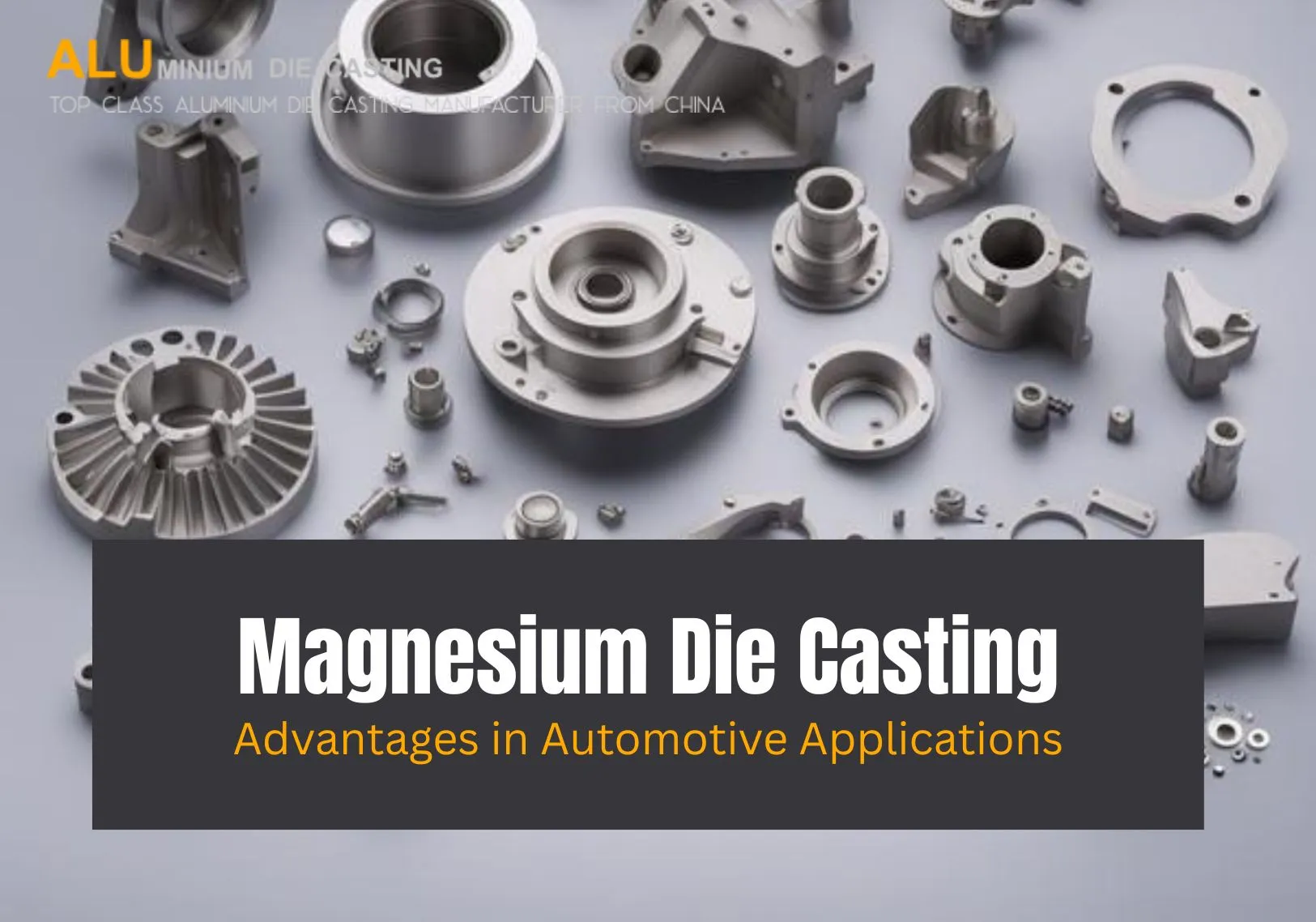
Magnesium die casting parts will be more popular scine 2025.The auto industry has always had to change under pressure. As the demand for more efficient cars grew, factories faced several challenges. It was always hard to make a car lighter and more energy efficient. Fuel economy and tighter emission controls are also noteworthy factors. In the past, steel and cast iron were used to make autos. Later, these metals became limitations rather than solutions. In this case, magnesium die casting represented a significant change for the automotive industry.
Traditionally, people used wood, iron, and simple steel to make autos. Back then, strength was more important than speed. However, aluminum solved the problem in many cases. It offers much lighter cars, and the manufacturability is better. However, it still showed limitations for certain auto parts.
Magnesium changed this trajectory. With the lowest density among metals, it introduced a new way to design automobiles. The use of magnesium offers a high weight-to-strength ratio. Besides, they are corrosion-resistant and extremely lightweight.
Magnesium die casting is crucial to the global automotive industry today. Statistica says that in 2024, the market was worth $1,841 million. By 2034, researchers estimate this number could reach 5,088 million with a CAGR rate of 10.7%. This increase is due to the automotive industry’s need for magnesium alloys.
This article explains everything about magnesium die casting for automotive applications. It also highlights popular auto parts made from magnesium die casting. We hope this article helps you make informed decisions. It can help you in product development and business.
Overview of Magnesium Die Casting
Magnesium die casting is a high-speed manufacturing process. It uses a magnesium alloy and injects it using high pressure to achieve the proper shape. Applying extreme pressure makes the entire process easy because it feels every thin gap of the mold. Another advantage is that it is a good fluid metal. Even for complex geometric parts, you will get the highest precision.
Generally, the process begins by melting the magnesium alloy. Then it was placed in a furnace, and the alloy was injected into the magnesium die via a plunger. It is left for cooling. Once the alloy cures and hardens, the machine ejects the solid part. This cycle is relatively fast because magnesium cools down more quickly than other metals.
Magnesium die casting is a vital process for modern engineering. It offers multiple benefits and is considered the lightest structural material today. Comparatively, it is 33% lighter than aluminum and 75% lighter than steel. Using magnesium parts can reduce weight without compromising strength. This practice saves your time and energy while improving the overall performance.
Magnesium alloys have widespread applications in almost every sector. Its main reason is the wide range of excellent properties, though the crucial feature is its lightweight nature. For this reason, manufacturers use magnesium in automotive, electronics, aerospace, aircraft, and many other industries. Also, it’s a key material for building constructions.
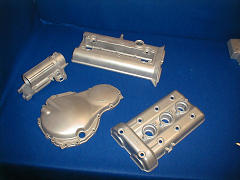
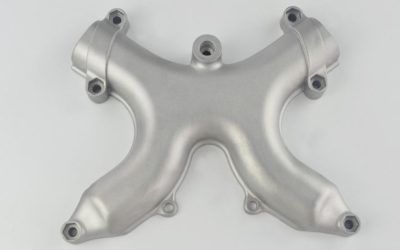
Magnesium die casting part
Magnesium Die Casting in the Automotive Industry
Magnesium die casting is used to make various types of magnesium auto parts. Although the alloys used for each part may differ. Each of these parts has specific strength and impact resistance requirements.
Interior Auto Parts
Dashboards, center consoles, seat frames, and trim parts are common interior auto parts. The users often use these parts. Thus, it needs to be lightweight, strong, and impact- and heat-resistant. Magnesium die casting is a perfect candidate in this case. You can also find alternatives such as aluminum and plastic. However, magnesium offers superior strength and better size stability.
Body and Structural Parts
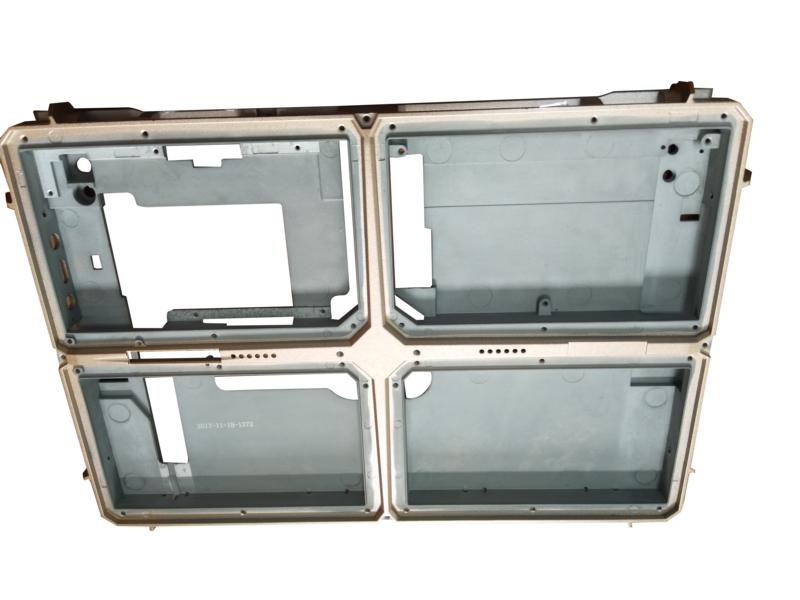
There are various types of body parts made of magnesium, such as roof frames, liftgates, and door inners. These parts are crucial for customers and must be strong enough protect them during any crash. Here, magnesium becomes more useful. It is strong and merges parts with a single replacement, reducing assembly requirements. Also, the parts are lighter.
Chassis, Frames, and Load-Bearing Parts
This section covers engine cradles, subframes, and suspension brackets. These parts are essential for withstanding loads. Besides, they should handle heavy road vibrations. Magnesium alloys are excellent at damping capacity and can absorb energy. Steel is also strong, but magnesium alloys like AZ91D are durable and sturdy. It offers a specific durability at a particular friction for weights. You can rely on it get better outcomes.
Steering, Braking, and Control Systems
In this section, some common parts are steering wheels, columns, pedal supports, and housings. As these parts are highly sensitive, they must be precise and strong. Magnesium die casting produces every part to exact sizes and accurate shapes. Often, it requires little machining, yet they are smooth and highly stable for drivers.
Powertrain Components
Typical powertrain parts are clutches, gearboxes, engine covers, and oil pans. These parts must handle high heat and mechanical stresses. So, you have to make them from materials that can dissipate heat and withstand stress. Magnesium alloys are one of the best-suited materials for this work. Engineers prefer them to minimize the engine’s weight.
Electric Vehicle and Electronics Housings
EV’s use magnesium for battery coverings, motors, and inverters. These parts must be lightweight and help to spread heat easily. Magnesium parts are perfect for sensitive uses. They can easily block electromagnetic interference (EMI). You may use plastic or aluminum as an alternative. However, many people prefer this to increase the driving range by cutting weight.
Popular Magnesium Alloys for Die Casting Auto Parts
Magnesium alloys are specially designed for automotive die casting. They are good at various physical properties. You can consider strength, corrosion resistance, or even the weight. Different alloys, in this case, offer different properties.
AZ91D
This alloy consists of 9% aluminum, 1% zinc, and 0.15-5% manganese. Unlike other magnesium alloys, it has increased corrosion resistance and low creep at elevated temperatures. These special properties make this alloy ideal for engine covers and structural parts.
AM60B
AM60B is a flexible, ductile, and strong impact-resistant material. The alloy contains only 6% aluminum and a small amount of manganese. Unlike other alloys, it does not crack or break under high pressure, but may deform. As a result, most people utilize it for steering wheels and seat frames, where safety is critical.
AM50A
AM50A contains 5% aluminum and is known for its high toughness and elongation. This alloy is more ductile than AM60B. Therefore, it is more perfect for surviving collisions without breaking. Consequently, manufacturers use it for door inners and liftgates. It ensures a great balance between safety and strength.
AE42
AE42 is a specialized material that uses rare-earth metals in the alloy. It’s a unique alloy because it can withstand creep easily without any damage. Here, the creep terms refer to changes in state or deformation under constant stress and high temperature. Such features make it a useful option for engine parts.
Types of Magnesium Die Casting Processes
You can produce magnesium automotive parts using two main die-casting processes. Although their goal is the same, the methods and equipment differ. Each process has unique steps for melting, injecting, and finishing alloys. They are suitable for a range of part sizes and production volumes.
Hot Chamber Die Casting
Hot-chamber die casting is the most common method for shaping magnesium alloy parts. It works well for small to medium-sized components. The key process is to melt the metal, put it in a hot chamber or mold, let it cool, and solidify. Once solidified, give it a good shape for real-world use. This type of setup has the furnace inside the machine.
Step #1 Preparation & Melting
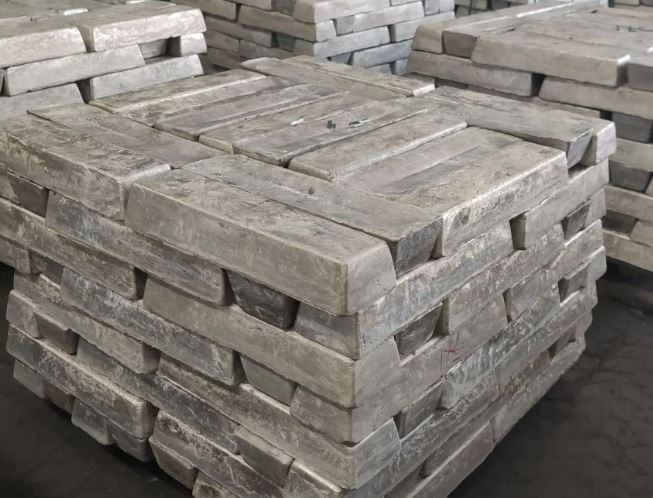
The first step is to prepare the mold and clean it for the next approach. The operator must thoroughly remove dirt from the surface, ensure it is properly cleaned, and then apply lubricants. It prevents the metal from sticking to the surface. At the same time, magnesium ingots melt in a burner already built into the machine. There is a specialized gas that covers the metal and prevents it from burning when exposed to oxygen.
Step #2 Injection of Molten Magnesium
After melting, a hydraulic plunger moves towards the molten metal. The plunger then exerts forces, pushing the metal to flow through a tube known as a gooseneck. This high pressure and forces make the metal fill every tiny gap and detail of the mold. Besides, the entire filling process completes in just a few seconds.
Step #3 Solidification and Cooling
If the mold becomes full, the pressure remains constant. This step helps prevent any remaining air gaps or bubbles from entering the mold. For cooling, people often flow water or oil through channels to reduce heat in the die. Also, magnesium metal quickly forms a solid part, as it’s a thin metal.
Step #4 Die Opening and Ejection
Die opening is an automated step. After cooling, the machine automatically opens up the two halves of the die. Then the ejector pin pushes the solid part out of the cavity. Do not forget: the metal may be solid, but it is very hot to the touch. Make sure to use an automated arm or carefully remove the piece using other tools. Thereafter, the die automatically closes and starts another cycle.
Step #5 Trimming and Finishing
The raw piece might have some extra parts called flash. A proper trimming press is indeed needed to cut off these extra portions. After cutting, manufacturers may sand or polish the surface and apply a protective coating.
Cold Chamber Die Casting
Cold chamber die casting, on the other hand, is used for larger or thicker magnesium parts. What makes this process different is the use of a cold mold or chamber to create shapes. The term “cold chamber” refers to the absence of a furnace in the machine. This type of setup is ideal for larger components.
External Melting of Magnesium Alloy
In this process, there is no extra furnace in the machine. For this reason, operators melt the magnesium in a separate, external unit. This unit or furnace has a gas cover over the molten magnesium, protecting it from air. Without the gas, the magnesium may react with air, leaving it impure for casting.
Manual or Automated Ladling
Manufacturers take a precise amount of molten magnesium for casting. Generally, in modern factories, a robotic arm is used to ladle or scoop the liquid. Thereafter, the arm pours material into the shot sleeve. This work must be completed as soon as possible to keep the material hot.
High-Pressure Injection
When the molten metal fills the shot sleeve, a hydraulic ram moves forward for the next work. It typically pushes the metal, under high pressure and at high speed, into the die. Here, the pressure is relatively higher than that of hot-chamber machines to ensure better filling.
Filling, Cooling, and Solidification
The liquid metal fills the die cavity with ease. The metal flows through every single rib, hole, and wall of the part. As the die is under water cooling, the melted metal loses heat and cools more quickly. Besides, the part remains under high pressure until it solidifies.
Die Opening and Casting Removal
When the metal solidifies, the machine opens up its heavy plates. Ejector pins push the metal out of the cavity. Because the part remains very hot even after formation, a robot always removes it and leaves it at a cooling station.
Post-Processing and Finishing
The casting part may have some extra portions or edges. These parts can be removed using a trimming die or CNC machines. Also, the part may undergo overheating to make it stronger. After this, a protective coating layer is applied. These steps prevent damage to car parts caused by salt or water.
Hot Chamber vs Cold Chamber casting
Both hot-chamber and cold-chamber casting are widely used in the metal fabrication industry. Although these methods differ in their processes, they are ideal for various types of auto parts. The following table summarizes the differences between these two die-casting methods.
| Parameters | Hot Chamber Die Casting | Cold Chamber Die Casting |
| Metal Melting | Molten metal kept in a heated chamber | Metal melted outside the chamber |
| Part Size | Small to medium parts | Medium to large parts |
| Cycle Speed | Fast | Slower |
| Suitable Alloys | Low melting point alloys | High melting point alloys |
| Equipment Wear | Less | More (due to high temperature metal contact) |
| Surface Finish | Smooth, precise | Good, may need more finishing |
| Common Use | Brackets, housings, small components | Engine blocks, structural parts, chassis components |
Why the Automotive Industry is Moving Toward Magnesium
The automotive industry relies on magnesium die casting for several reasons. Compared with other metals and their alloys, magnesium die-casting alloys deliver better results for auto parts. It allows more design flexibility and easier machining. As a result, magnesium alloys are widely used for card parts, especially closures.
Vehicle Lightweighting
As mentioned earlier, magnesium is the lightest structural material. This metal is lighter than both steel and aluminum. Using this metal significantly minimizes the weight of every part. It is a great option for magnesium car parts, liftgates that require a light-to-weight ratio.
Suitable for Large Scale Production
Magnesium die casting is a rapid process, making it suitable for large-scale productions. It allows supplying molten parts at a steady speed. Besides, the metal has a low melting point. This efficient advantage reduces energy cost and saves time and money. As a result, the overall cost for mass production remains very low in the long run.

Fuel Efficiency & Emission Reduction
Fuel efficiency and emission reduction are crucial nowadays. The system takes about 0.3 to 0.5 liters less fuel per 100 km for every 100 kg saved. Usually, if the car loses 10% of its weight, it increases its driving range by 5% to 8% easily. This practice helps manufacturers comply with strict carbon-emission rules.
High Strength-to-Weight Ratio
Magnesium is light but tough and ductile. It has the highest strength-to-weight ratio among common structural materials. Most manufacturers use it to create strong, lightweight parts. These parts can also withstand stress and vibration without cracking or breaking, as you know. They are among the most reliable options for meeting safety protocols for car parts in a crash.
Design Flexibility & Precision
Magnesium is one of the finest flexible metals, capable of producing intricate, complex, and thin shapes. It can reach a wall thickness of 1.0 mm, most likely. As a result, engineers can replace many small parts with a single magnesium die casting. There is no longer a need to assemble or weld parts together.
Noise & Vibration Damping
Magnesium naturally absorbs vibration and noise during use. Compared with other materials, such as aluminum or steel, magnesium die casting products are far more stable. This property is called “damping capacity”. Using magnesium metal in steering wheels or seatbacks makes the car cabin more secure. It makes the ride easier and more comfortable for the user.
High-Volume Cost Efficiency
Raw magnesium metal may be expensive. But using them in mass production definitely lowers the cost. The production process is faster; each cycle completes rapidly. Faster production also means more parts are made in less time. This way, it lowers per-unit cost in magnesium die casting, making it a suitable and cost-effective option for big manufacturing companies.
Modern Corrosion Resistance
The older magnesium alloys are not strong enough to resist corrosion. They had problems with salt and rust. However, modern-day alloys are high-purity alloys such as AZ91D. They can resist corrosion easily. Additionally, new coating technology, such as Plasma Electrolytic Oxidation, has made it more reliable.
Recyclable & Sustainable Material
Magnesium is 100% recyclable and highly abundant in nature. It is highly available in nature and is the 8th most common material among other chemical elements. You can even extract it from seawater. Besides, it only takes 5% of the energy to create a new material from the previous one.
Magnesium vs Other Automotive Die Casting Metals
Magnesium die casting is one of the most popular options for the automotive industry. Most manufacturers prefer magnesium die casting over steel and aluminum. The main reason is its lightweight nature. As you are already aware, magnesium is 33% lighter than aluminum and 75% lighter than steel. This lightweight nature reduces the weight of car parts, lowering the car’s overall weight. The lighter the weight, the less fuel it will take to run. It also allows for thin-walled complex parts.
Steel may be strong and cheap, but it is heavy. It can get rusty, too, while aluminum resists corrosion and handles heat better. However, magnesium is flexible and offers a better strength-to-weight ratio. It also absorbs vibration better than other materials, making it suitable and safer for riders and passengers. Each metal has significant roles, but magnesium is a top choice for weight-saving cases.
Difficulties and Limitations of Magnesium Die Casting for Auto Parts
Although magnesium automotive parts have a high demand in the automotive industry, they have some limitations. While designing the components, you must understand the limitations to better control production processes.
High Flammability
Magnesium is highly reactive when it is exposed to oxygen. When it is molten or even in fine dust, it can easily catch fire. There is a safety risk when working with magnesium die casting. So, you must use specialized gas coverings during production.
Require Protective Coatings
Magnesium can corrode easily when it comes into contact with salt, water, or other substances. To avoid this problem, manufacturers use various types of coating. It allows parts to be more durable and withstand a wider range of environmental conditions.
Higher Production Cost
The raw magnesium is usually more expensive than steel and aluminum. The equipment also costs more due to its safety protocols. So, the process requires a higher initial investment. But the company can easily balance these costs against its fuel cost efficiency. It offers several advantages that might lead to long-term profits.
Magnesium Die Casting at Aludiecast: Get Started!
Aludiecast is a leading casting and machining factory with years of experience. We have production lines for various types of casting and die casting machining services. Our engineers are highly skilled in designing and producing custom auto parts.
Many customers face challenges when customizing products. However, at Aludiecast, the process is smooth and efficient. We will handle everything from alloy selection to finishing. Besides, we also have an international customer support team. As a result, we can ensure 100% accurate communication and guidance from the clients worldwide.
Ready to jump into the project? Contact Aludiecast and get your quick quote.

0 Comments