
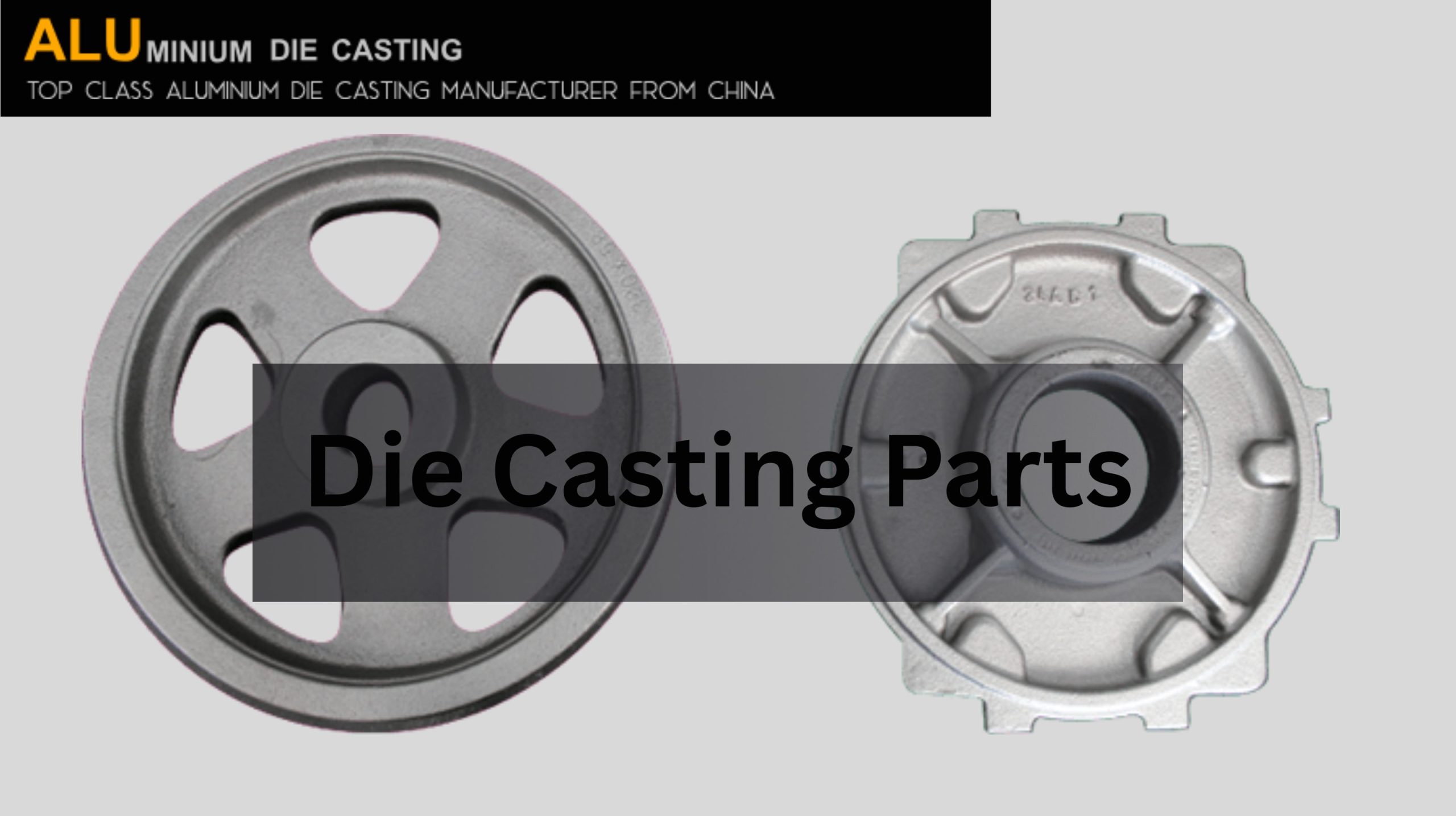
تُعد عملية الصب بالقالب واحدة من أهم العمليات في العالم الحديث. فهي تمكّن الصناعات من تطوير مكونات قوية ودقيقة وطويلة الأمد في فترة زمنية قصيرة. ومن بين هذه العناصر، تُعد أجزاء الصب بالقالب بالغة الأهمية في صناعات السيارات والإلكترونيات والآلات. ستناقش هذه المقالة المنتجات المختلفة لقطع الصب بالقالب واستخداماتها وطريقة اختيار أنسب مصنعي أجزاء الصب بالقالب.
ستتناول هذه الورقة البحثية أجزاء الصب بالقالب، وأجزاء السيارات المصبوبة بالقالب، وأجزاء الألومنيوم المصبوبة بالقالب, صب الزنك بالقالب الأجزاء، ومصنعي أجزاء الصب بالقالب، ومواد أجزاء الصب بالقالب، وحجم الجزء، وهندسة الجزء، وإزالة الأزيز، وفوائد أجزاء الصب بالقالب، وتلميحات الجودة.
ما هي أجزاء الصب بالقالب؟
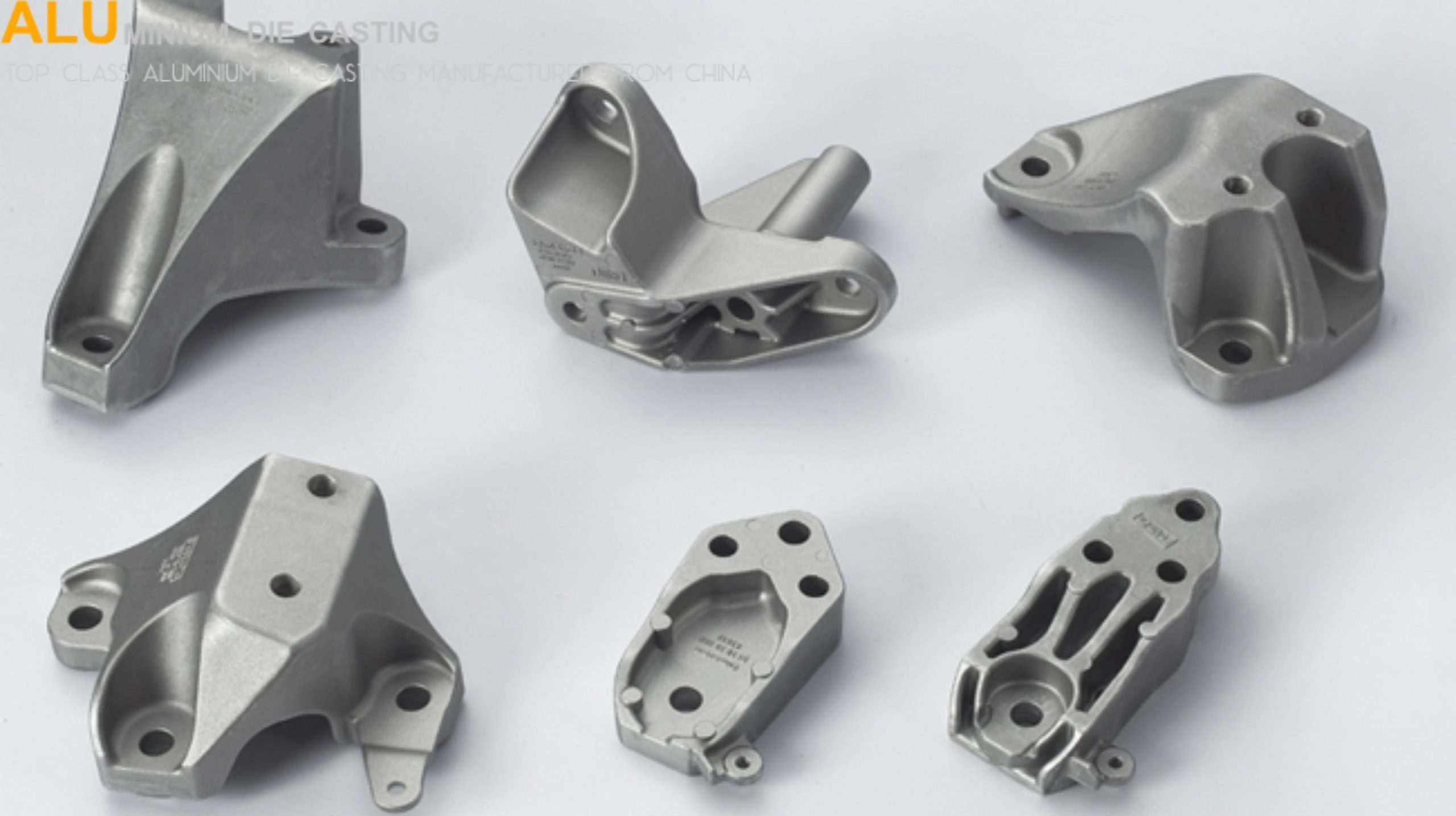
قطع الصب بالقالب هي تلك القطع التي يتم تصنيعها عن طريق دفع المعدن المنصهر عالي الضغط في قالب. ويتم ذلك للتأكد من أن كل مكوّن يتم تشكيله وتحديد حجمه بدقة. وعادةً ما تستخدم معادن مثل الألومنيوم والزنك والمغنيسيوم في الصب بالقالب. تتيح طريقة الضغط العالي تحقيق أسطح ناعمة وتفاصيل جيدة.
الفائدة الأولى للأجزاء المصبوبة بالقالب هي أنها متينة. فهي أقوى من المكونات التي تم صبها بالطرق التقليدية. كما أن الصب بالقالب أكثر ملاءمة في الصناعات بسبب تقليل نفايات المواد. كما أنها أسرع في الإنتاج، وهذا أمر مهم في الإنتاج بكميات كبيرة.
تُستخدم أجزاء الصب بالقالب في العديد من الصناعات. وكمثال توضيحي، في الإلكترونيات، تُستخدم العلب المصبوبة بالقالب لحماية العناصر الحساسة. يتم استخدام الأجزاء المصبوبة بالقالب في التروس والأقواس والمرفقات في الآلات. أحد أكبر تطبيقات هذه الأجزاء في صناعة السيارات.
ما الذي يجب الحذر منه في إنتاج مكونات الصب بالقالب
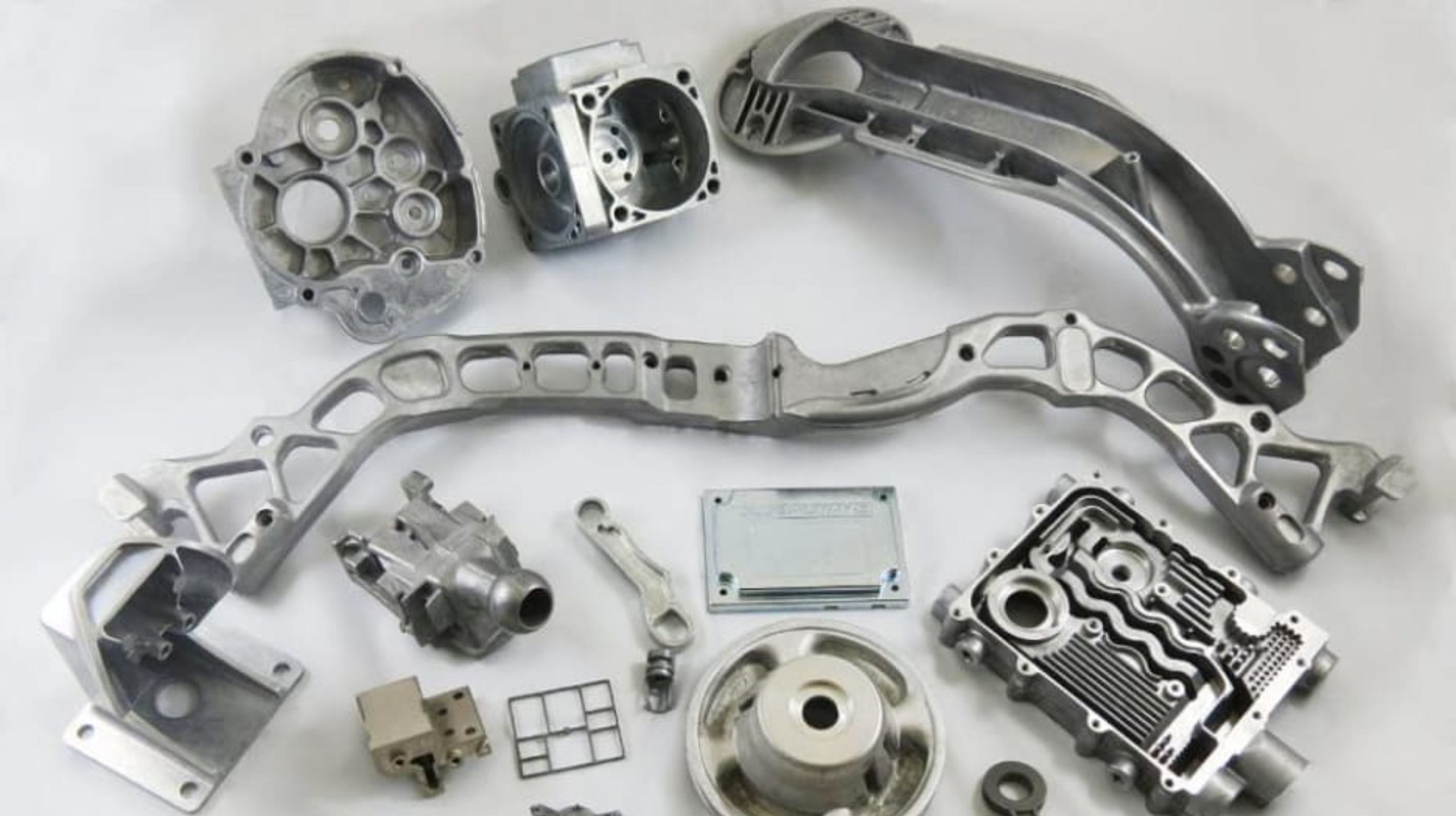
يلزم توخي الحذر عند صنع أجزاء الصب بالقالب. تؤدي العناية بالمواد والقوالب والعملية إلى قطع جيدة ودقيقة.
اختيار المواد
اختر المعدن المناسب. يتميز الألومنيوم والزنك والمغنيسيوم والنحاس بسلوكيات مختلفة. إن صب الألومنيوم بالقالب أكثر مقاومة للحرارة، في حين أن صب الزنك بالقالب أكثر ملاءمة للأجزاء الصغيرة والمفصلة. أجزاء الصب بالقالب قوية ومتينة بسبب المواد المناسبة.
تصميم القوالب
القالب الجيد مهم. فالقوالب الرديئة قد ينتج عنها فقاعات هواء أو أشكال نصف مخبوزة أو أجزاء ضعيفة. تتطلب الأجزاء المصبوبة من المركبات قوالب دقيقة تحتفظ بشكلها ووظائفها.
التحكم في درجة الحرارة
يجب تسخين المعدن بشكل صحيح. يؤدي السخونة المفرطة إلى الانكماش، والبرودة المفرطة إلى عدم اكتمال الملء. التسخين الجيد ضروري في حالة أجزاء الألومنيوم المصبوبة بالقالب وأجزاء الزنك المصبوبة بالقالب.
سُمك الجدار
الجدران المتساوية مهمة. الجدران الرفيعة تقلل الوزن وهي ضعيفة أيضًا. أما الجدران السميكة فهي قوية ولكن يسهل تبريدها. تتأكد الجدران المتوازنة من أن الجزء المصبوب بالقالب آمن ويدوم طويلاً.
الطرد والتشطيب
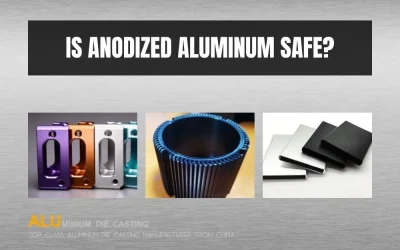
يجب أن تتم إزالة الأجزاء بعناية لمنع التلف. يتم تحسين الجودة عن طريق التشذيب أو التلميع أو المعالجة الحرارية. يمكن طلاء أجزاء الألومنيوم المصبوبة بأكسيد الألومنيوم بأكسيد الألومنيوم من أجل توفير الحماية واللمسة النهائية الناعمة.
فحص الجودة
فحص جميع المكونات من حيث الشقوق والعيوب والحجم الصحيح. يشارك المصنعون ذوو الجودة العالية لأجزاء الصب بالقالب الجيدة في الفحص الصارم لمنتجاتهم لإنتاج أجزاء صب بالقالب عالية الجودة والدقة.
قطع غيار السيارات المصبوبة بالقالب وأهميتها
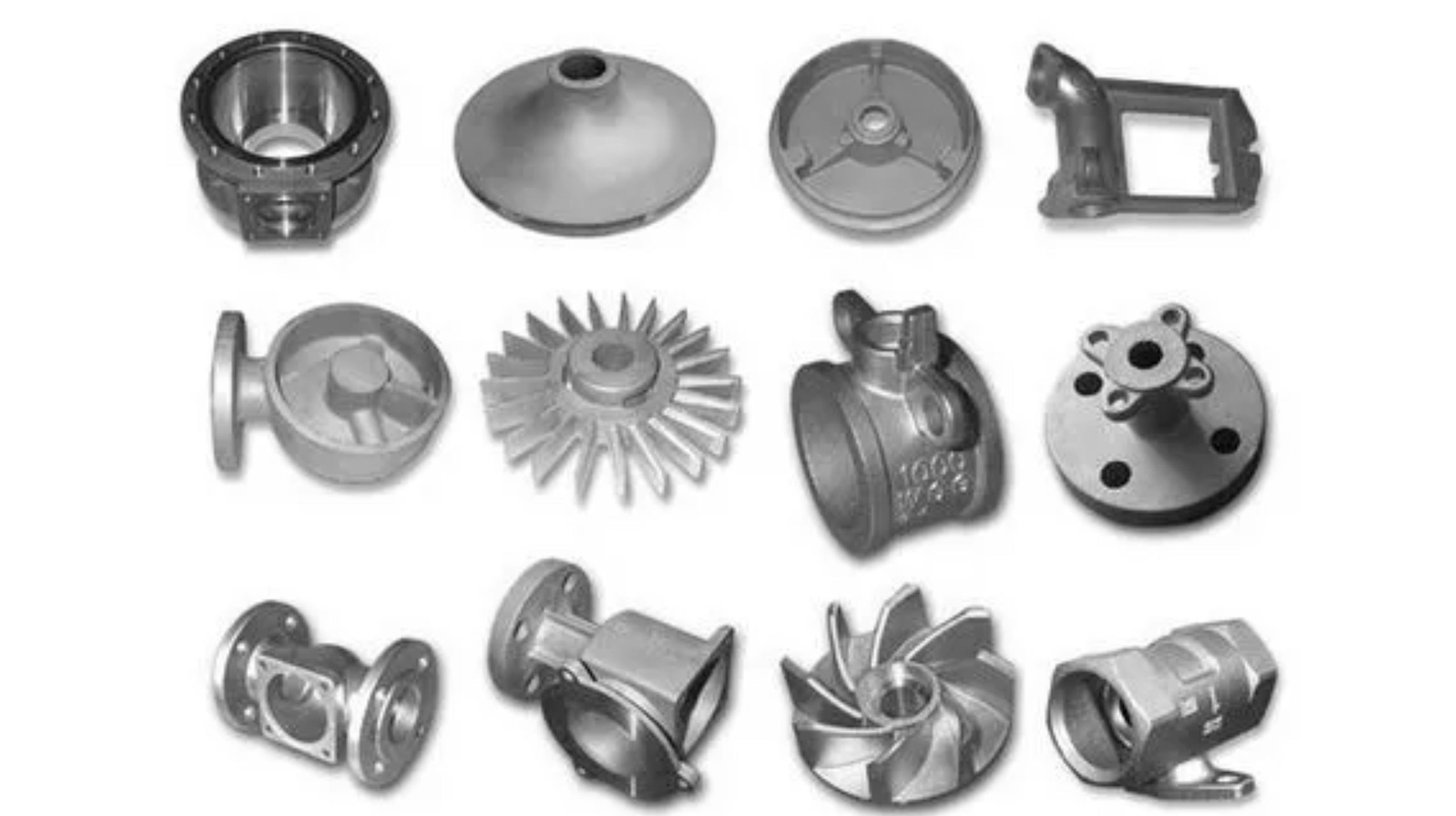
قطع غيار السيارات المصبوبة بالقالب شائعة جداً في السيارات المعاصرة. كل هذه الأجزاء هي كتل المحرك وعلب التروس والشاسيه وحتى العجلات. والغرض من صب القوالب في السيارات بسيط للغاية؛ فهو أقوى ودقيق وخفيف الوزن.
ومن الأمثلة على هذه الفرص استخدام أجزاء السيارات المصبوبة بالقالب المصنوعة من الألومنيوم التي تخفض الوزن الإجمالي للسيارة. فالسيارات الأخف وزناً تستهلك وقوداً أقل، وهذا أمر مهم للكفاءة والاستدامة البيئية. وفي الوقت نفسه، فإن هذه المكونات قوية بما يكفي لتحمل الضغط والحرارة العالية.
كما أن أجزاء السيارات المصبوبة بالقالب فعالة من حيث التكلفة. تكاليف إنتاج جزء واحد فقط منخفضة مقارنة بإنتاج كمية كبيرة من نفس الأجزاء. يؤمن مصنعو السيارات بالقالب لأنه يضمن توحيد جودة جميع الأجزاء.
الميزة الأخرى لقطع غيار السيارات المصبوبة بالقالب هي أنه يمكن تصميمها بتصميمات معقدة. تتطلب بعض المكونات أشكالاً معقدة لتحسين وظائفها. يمكن صب هذه الأشكال بدقة عالية من خلال الصب بالقالب عالي الضغط بطريقة لا يمكن تحقيقها من خلال الصب التقليدي.
وأخيراً، يمكن أن تكون أجزاء السيارة المصبوبة بالقالب مقاومة للتآكل ومصنوعة إما من الألومنيوم أو الزنك. وهذا يزيد من عمر السيارة ويقلل من تكلفة الصيانة. وباختصار، فإن قطع غيار السيارات المصبوبة بالقالب أفضل لتعزيز الأداء وطول العمر.
المواد الخام في إنتاج قطع الغيار المصبوبة بالقالب
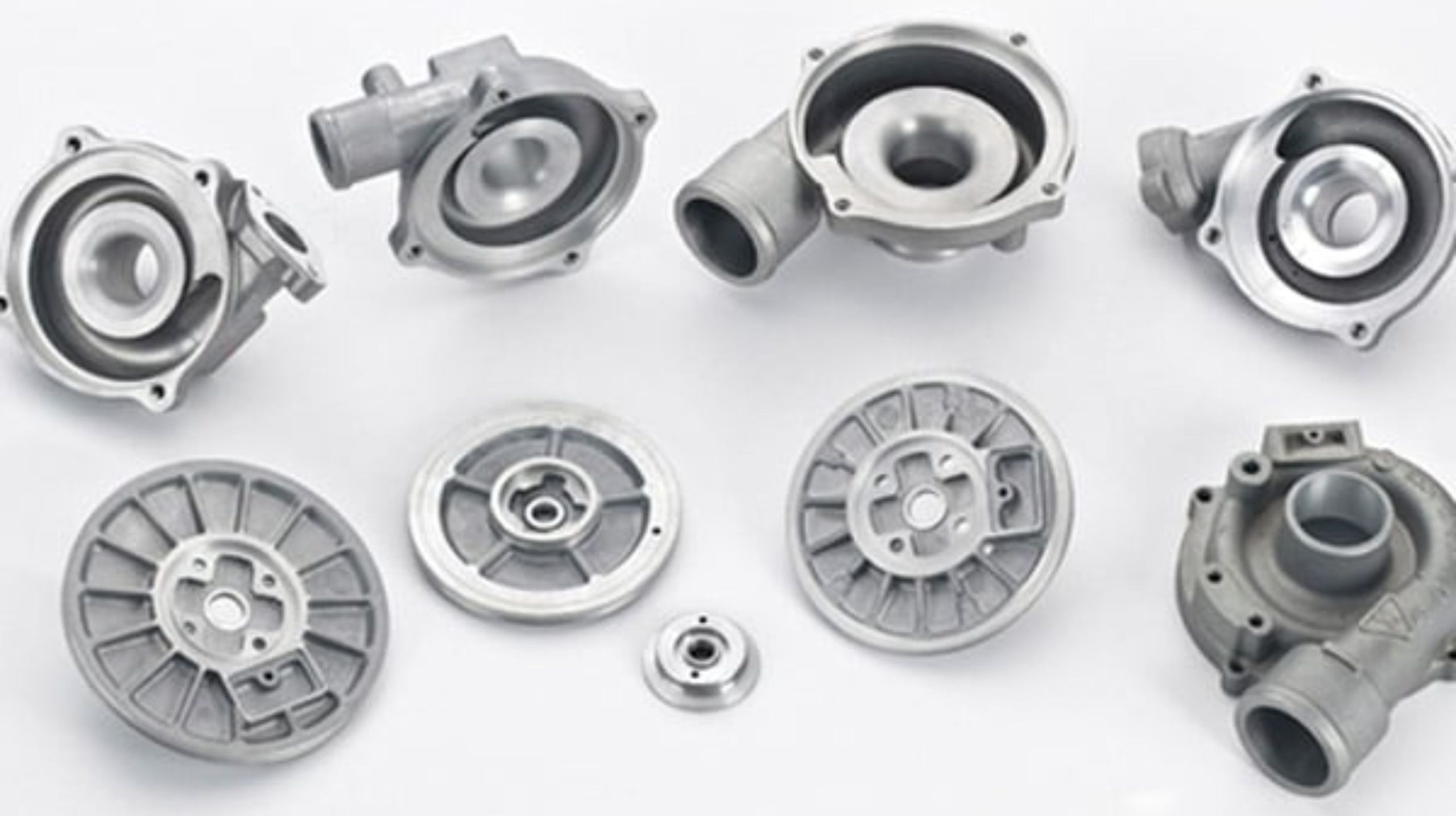
يتكون الصب بالقالب من المعادن التي يمكن صهرها وصبها في قالب الصب. الألومنيوم والزنك والمغنيسيوم وفي بعض الحالات سبائك النحاس أو الرصاص هي الأكثر استخداماً. هناك فوائد لكل مادة.
ألومنيوم
- التطبيقات: تستخدم في صب أجزاء الألومنيوم بالقالب.
- الفوائد: خفيفة الوزن وقوية ومتينة ومقاومة للتآكل ومحمية من الحرارة.
- التطبيقات: تطبيقات الشاسيه والإلكترونيات ومحركات السيارات.
- الأساس المنطقي: الألومنيوم سهل الصب ويقلل من وزن الأجزاء، وبالتالي فهو مثالي في المركبات.
الزنك
- الأجزاء المستخدمة: صب الزنك بالقالب.
- الفوائد: درجة انصهار منخفضة، صلبة، ودقيقة، وغير قابلة للتآكل.
- التطبيقات: القطع الميكانيكية الصغيرة والموصلات وقطع الديكور وقطع غيار السيارات.
- الأساس المنطقي: يمكن تشكيل الزنك في تصميمات معقدة ويمكن إنتاجه بسرعة كبيرة.
المغنيسيوم
- التطبيقات: مصبوبات القوالب صغيرة الوزن وخفيفة الوزن
- الفوائد: خفيفة الوزن للغاية وقوية وجيدة في المكونات التي تتطلب تقليل وزن المركبات أو الآلات.
- الاستخدامات: الفضاء، والسيارات، والإلكترونيات.
- الأساس المنطقي: المغنيسيوم هو أخف المعادن التي تستخدم بشكل أساسي في صب القوالب.
سبائك النحاس والرصاص
- التطبيقات: مكونات متخصصة مصبوبة بالقالب.
- الفوائد: قوية ومقاومة للحرارة (النحاس) أو منخفضة الاحتكاك (سبائك الرصاص).
- الاستخدامات: الأجزاء الكهربائية والمعدات والسباكة.
- الأسباب: يتم تطبيق هذه المعادن في حالات الخصائص الميكانيكية أو المتعلقة بالحرارة.
أجزاء الألومنيوم المصبوبة بالقالب خفيفة الوزن وقوية
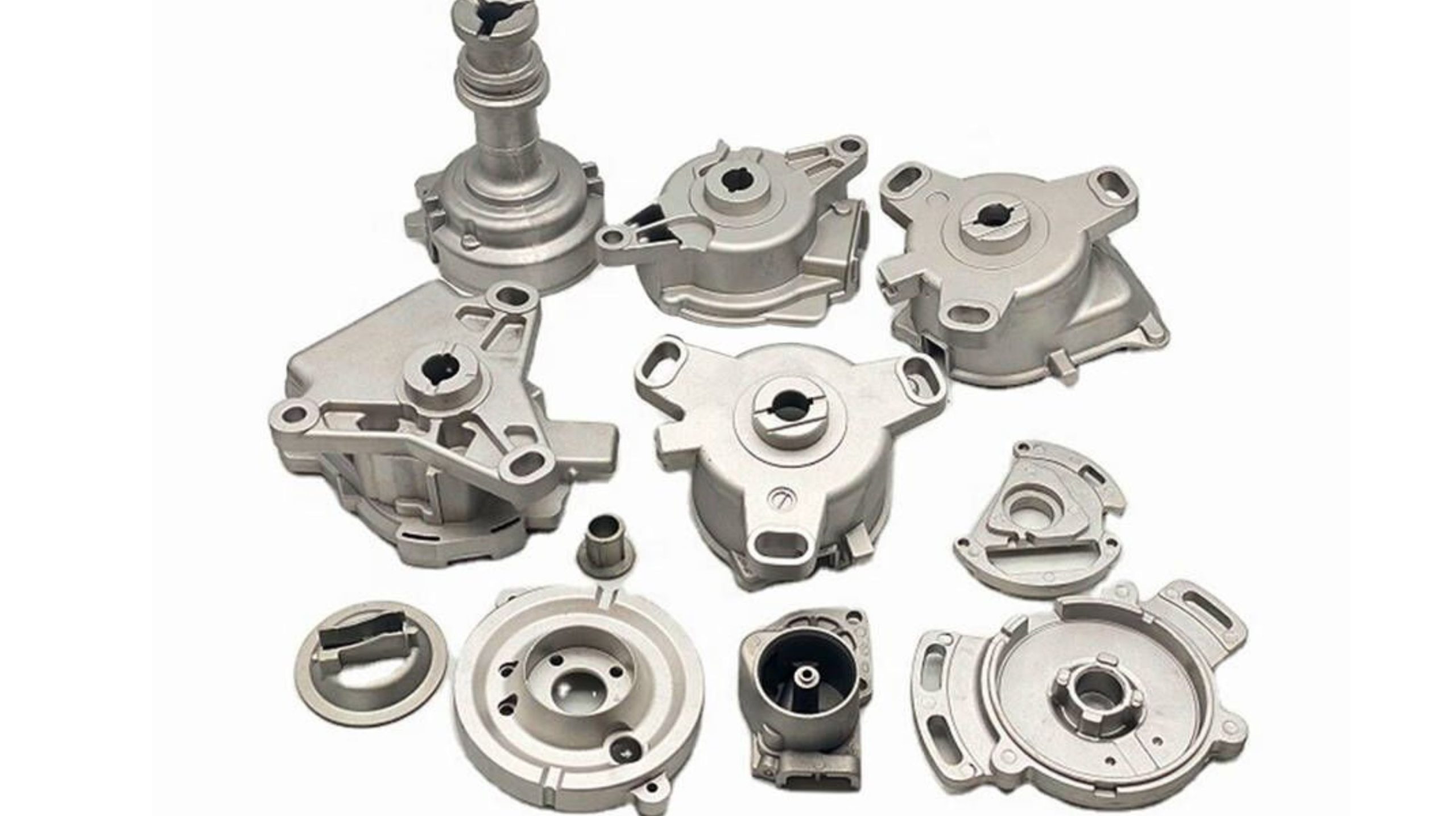
الصب بالقالب من الألومنيوم جتعتبر المكونات ذات احترام كبير في معظم الصناعات. يتميز الألومنيوم بخفة وزنه وقوته، مما يجعله قابلاً للتطبيق في صناعة السيارات والفضاء. هذه المقاطع قابلة للتشغيل الآلي، كما أنها لا تصدأ.
تُصنع محركات السيارات والأغلفة الإلكترونية وأجزاء الماكينات عن طريق صب أجزاء الألومنيوم بالقالب. فهي خفيفة الوزن، مما يقلل من كمية الطاقة المستخدمة في السيارات والآلات. وهذا أمر بالغ الأهمية لتحقيق الكفاءة والاستدامة.
علاوة على ذلك، يمكن استخدام أجزاء الألومنيوم المصبوب في درجات حرارة عالية. وهذا يجعلها قابلة للاستخدام في المحركات والمكونات الكهربائية المولدة للحرارة. كما أنها أسهل في الإكمال والتشطيب، وتظهر بمظهر نظيف وسلس.
سبب آخر لشعبية قطع الألومنيوم المصبوب هو أنها متعددة الاستخدامات. يمكن إعدادها إما بأحجام صغيرة أو كبيرة، سواء كانت بسيطة أو معقدة. والسبب في تفضيل الصناعات لاستخدام قطع الألومنيوم المصبوب هو أنها تمثل التوازن المثالي بين التكلفة والقوة والأداء.
علاوة على ذلك، يمكن إعادة تدوير أجزاء الألومنيوم المصبوبة بالقالب. يمكن إعادة استخدام الألومنيوم عن طريق الصهر ولا يفقد خصائصه. وهذا يجعله صديقاً للبيئة بالنسبة للمصنعين الذين يسعون إلى تقليل النفايات.
وأخيرًا، تمكّن مكونات الألومنيوم المصبوبة بالقالب المصبوب الشركات المصنعة من الحصول على تفاوتات تفاوتات ضيقة. وهذا يجعل جميع الأجزاء متلائمة بشكل جيد عند التجميع، وهو أمر مهم في السيارات والإلكترونيات.
المكونات المصنعة بواسطة أجزاء الصب بالقالب
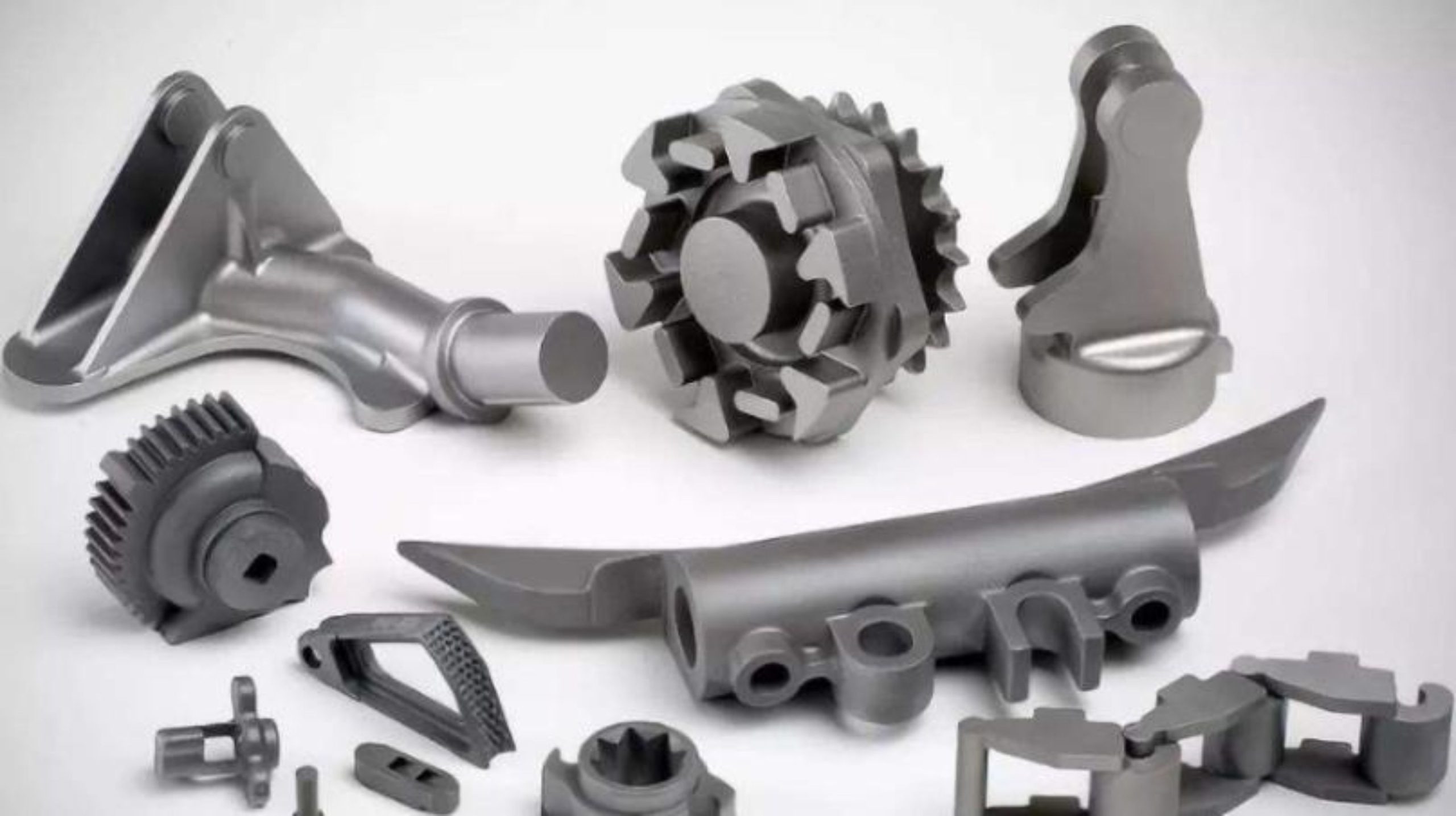
يتم إنتاج مجموعة واسعة من المكونات في مختلف الصناعات باستخدام الصب بالقالب. وهي دقيقة وسريعة وتنتج عناصر قوية. الفئات الرئيسية للمسبوكات بالقالب هي كما يلي:
قطع غيار السيارات
- الفئات: كتل المحرك، وعلب التروس، والشاسيه، والعجلات، والأقواس، والحوامل، والمبيتات.
- لماذا الصب بالقالب: يجب أن تكون هذه الأجزاء قوية ومقاومة للحرارة وخفيفة الوزن.
- الكلمات المفتاحية: تُستخدم قطع غيار السيارات المصبوبة بالقالب في السيارات اليوم لأنها تعزز الأداء العالي وتستهلك وقوداً أقل.
قطع غيار إلكترونيات
- أمثلة على ذلك: مبيت الهواتف الذكية وأجهزة الكمبيوتر المحمولة والكاميرات ومصابيح LED.
- سبب صب القوالب: تتطلب الإلكترونيات حاويات دقيقة وخفيفة الوزن وقوية.
- الكلمات المفتاحية: أجزاء الألومنيوم المصبوبة بالقالب لأنها تبدد الحرارة ولا تتآكل.
الأجهزة المنزلية
- أمثلة على ذلك: قطع غسالة، وقطع غسالة، وقطع ثلاجة، وقطع مكيف هواء، وأجهزة مطبخ.
- السبب وراء صب القوالب: المكونات القوية والدقيقة ضرورية للأجهزة التي يتم استخدامها بانتظام.
- الكلمات المفتاحية: أجزاء قوالب الصب بالزنك هي الكلمات الرئيسية المستخدمة في الأجهزة لأن الزنك اقتصادي وقوي.
الآلات الصناعية
- أمثلة على ذلك: علب التروس والأقواس والبكرات والصمامات ومكونات المضخة.
- أسباب الموت الصب بالقالب مطلوب لأن الآلات الصناعية تتطلب أجزاء متينة ومقاومة للتآكل ومتشابهة من نفس الحجم.
- الكلمات المفتاحية: ستضمن أجزاء الصب بالقالب ذات الجودة العالية أن تكون الماكينات عالية الكفاءة وطويلة الأمد.
مواد الزينة والمواد النفعية
- أمثلة على ذلك: المقابض والإطارات المعدنية والأقفال والمقابض.
- سبب الوفاة يجب أن تكون هذه المكونات جذابة,ز ويجب أن يكون شكلها دقيقًا.
- الكلمات المفتاحية: تقوم العديد من الشركات المصنعة لقطع الصب بالقالب بتصنيع قطع الزنك أو الألومنيوم المزخرفة لتجميلها ولخدمة غرض وظيفي.
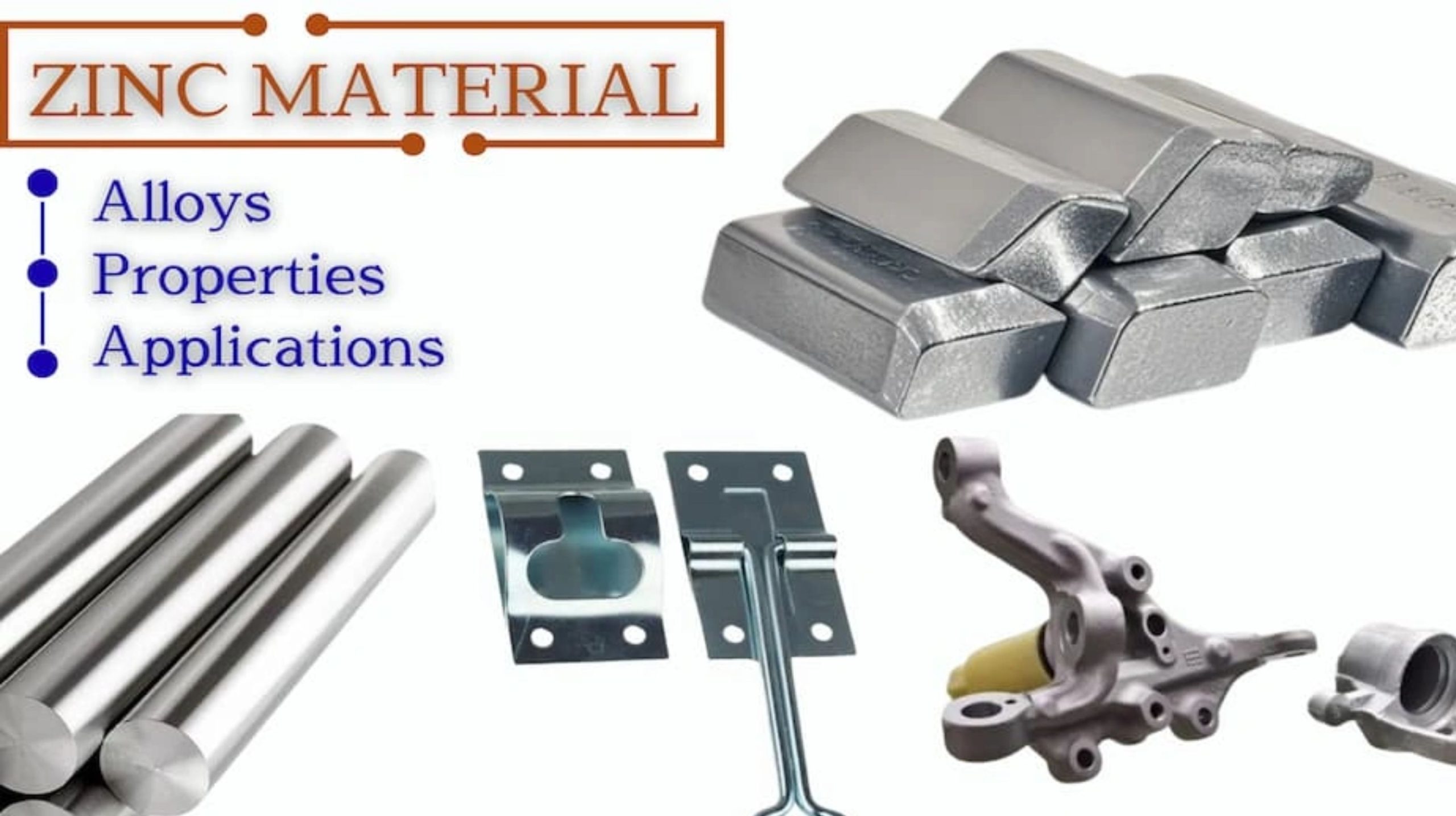
أجزاء الصب بالقالب الزنك - فعالة من حيث التكلفة ومتينة
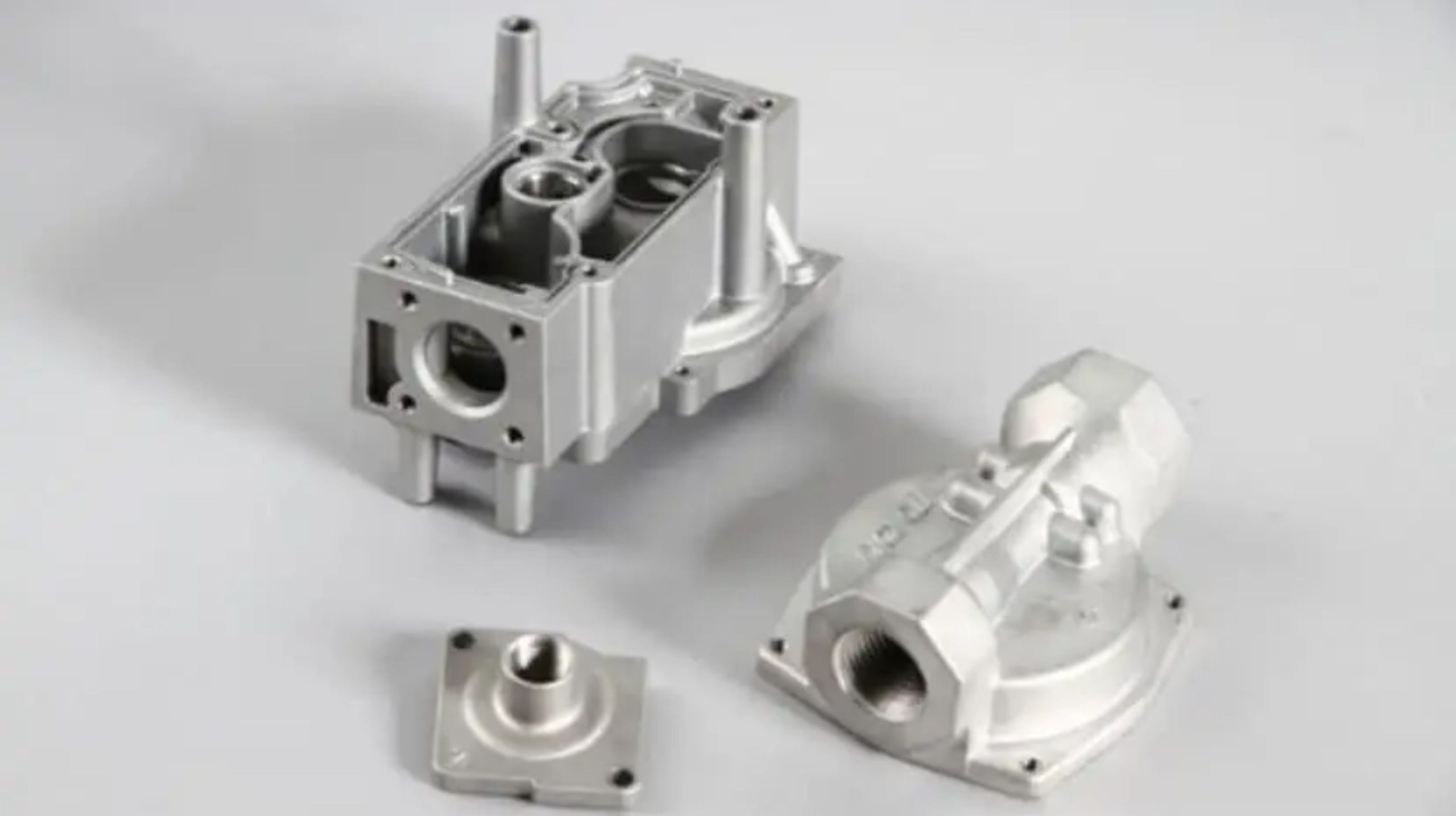
هناك خيار آخر شائع جدًا بين الشركات المصنعة وهو استخدام أجزاء مصبوبة بالزنك. الزنك سهل الصب، وهو ذو قوة كبيرة ومقاوم للتآكل. وهذا يجعل أجزاء الزنك المصبوبة بالقالب الخيار الأفضل في الأجزاء الميكانيكية الصغيرة والأجهزة المنزلية والإلكترونيات.
تُعد فعالية تكلفة الأجزاء المصنوعة من الزنك المصبوبة بالقالب واحدة من أعظم فوائد أجزاء الزنك المصبوبة بالقالب. يتميز الزنك بنقطة انصهار منخفضة مقارنةً بالألومنيوم، وهذا يقلل من كمية الطاقة المستخدمة في صنع المنتج. هناك أيضًا دورات إنتاج أسرع.
الأجزاء المصنوعة من الزنك المصبوبة بالقالب دقيقة للغاية. ويمكنها صنع أشكال معقدة للغاية بتفاوتات ضيقة للغاية، وهو أمر بالغ الأهمية في الآلات وقطع غيار السيارات. تُستخدم قوالب الصب بالزنك لإنتاج العديد من المكونات الصغيرة للسيارات والموصلات.
الميزة الأخرى لأجزاء قوالب الصب بالزنك هي حقيقة أنها متينة. ويمكن لهذه المكونات أن تتحمل البلى لفترة طويلة. كما أنها مقاومة للتآكل، ولكن هذا الأمر مهم بالنسبة للعناصر التي تلامس الماء أو المواد الكيميائية.
الأجزاء المصنوعة عن طريق صب الزنك بالقالب متعددة الاستخدامات للغاية. فقد تكون مصقولة أو مطلية أو حتى مطلية لتحسين المظهر. ولهذا السبب يتم استخدامها عادة في العناصر الزخرفية والوظيفية.
وأخيرًا، يتم تجميع أجزاء قوالب الصب بالزنك بسهولة مع مواد أخرى. ويمكن تعزيزها إما بمواد بلاستيكية أو فولاذية. ويختار المصنعون أجزاء الزنك المصبوبة بالقالب بسبب موثوقيتها ودقتها وانخفاض تكلفتها.
حجم الجزء والهندسة الهندسية لأجزاء الصب بالقالب
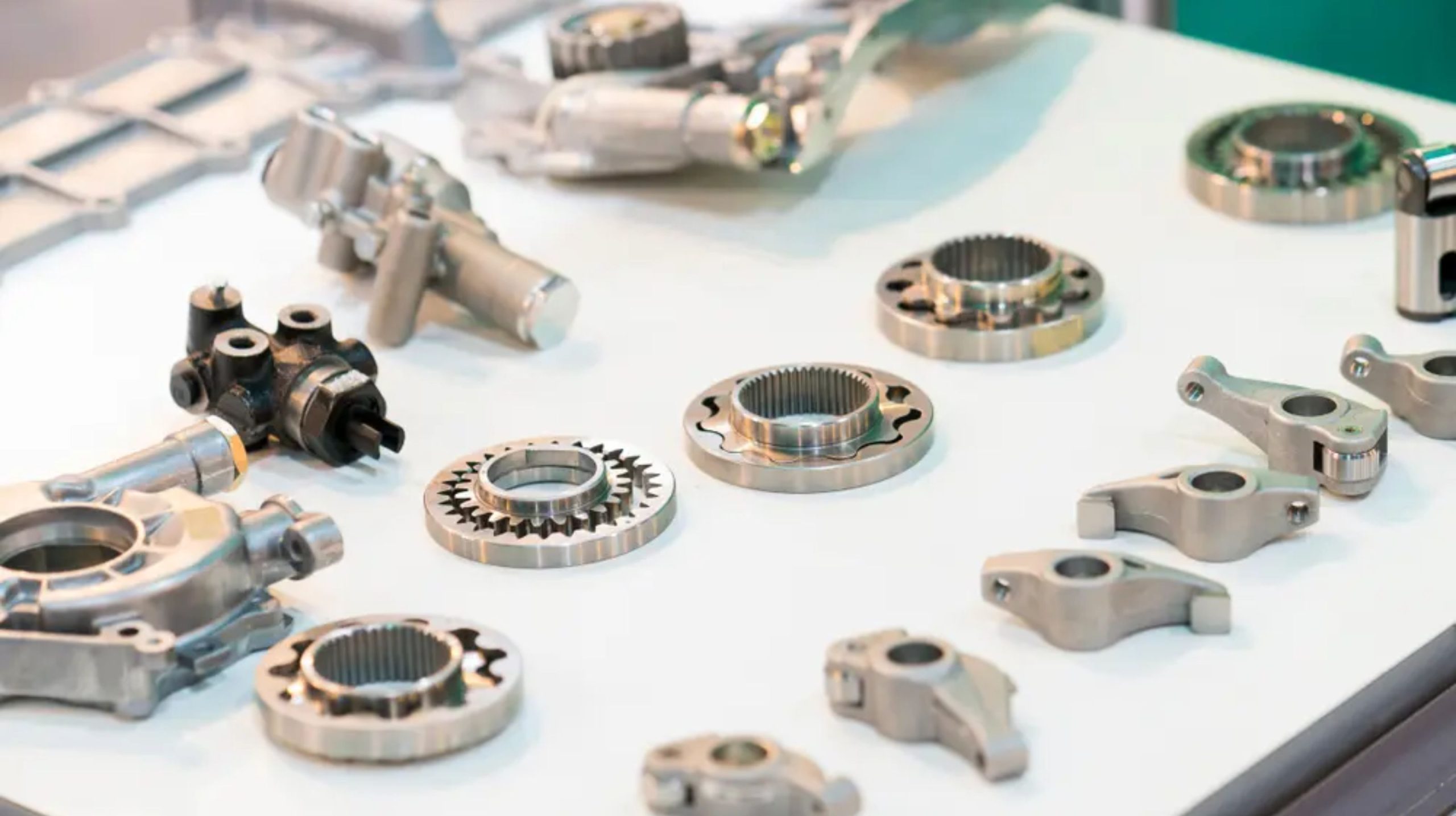
تعتمد مصبوبات القوالب في الغالب على حجم الجزء وهندسته. فهي تتحكم في تدفق المعدن في القالب وقوة الجزء وسهولة الإنتاج.
حجم الجزء
الأجزاء الصغيرة:
- يمكن صنع المكونات الصغيرة بسهولة أكبر، وتبرد بسرعة. يمكن أن تكون موصلات وأقواس وأغلفة إلكترونية.
- غالبًا ما تكون الأجزاء المصنوعة عن طريق الصب بالقالب الزنك صغيرة بسبب حركة الزنك في قوالب صغيرة.
الأجزاء المتوسطة:
- السيارات والماكينات نموذجية من الأجزاء متوسطة الحجم. وهي أقواس المحركات، وأغلفة التروس وأغلفة المضخات.
- تكون قوالب صب أجزاء الألومنيوم المصبوبة بالقالب في بعض الأحيان متوسطة الحجم لتحقيق التوازن بين القوة والوزن.
الأجزاء الكبيرة:
- تستخدم السيارات والآلات والأجهزة الصناعية والأجهزة المنزلية أجزاء كبيرة الحجم. وهي تشمل أجزاء مثل كتل المحركات، وأجزاء الهيكل والإطارات.
- يجب تصميم المكونات الكبيرة ليتم تشكيلها بعناية حتى لا تحدث أي عيوب، مثل الانكماش أو الاعوجاج.
هندسة الأجزاء
هندسة بسيطة:
- المستطيلات أو الأسطوانات أو الألواح المسطحة سهلة الصب ورخيصة الثمن وسهلة الصنع.
- تميل الأجزاء ذات الهندسة البسيطة، مثل أجزاء الصب بالقالب، إلى وجود عيوب أقل.
الهندسة المعقدة:
- الأجزاء ذات التعقيدات التي تحتوي على منحنيات أو ثقوب أو قطع سفلية. هذه العناصر هي علب المحركات، والأقواس المعقدة، والزخارف.
- تتيح عملية الصب بالقالب تنفيذ الأشكال المعقدة بدقة يصعب تنفيذها باستخدام تقنيات أخرى.
- ستكون أجزاء السيارة المصبوبة بالقالب ذات هندسة معقدة للغاية لتعزيز الأداء وخفض الوزن.
جدران رقيقة:
- يجب أن تحتوي على بعض الأجزاء ذات الجدران الرقيقة لتقليل الوزن واستهلاك المواد.
- يمكن صنع جدران رقيقة دون فقدان القوة عن طريق صب أجزاء الألومنيوم بالقالب.
- أقسام سميكة:
- المقاطع السميكة أكثر صلابة، ولكن معدل تبريدها بطيء. ولمنع حدوث عيوب، يجب تصميمها بشكل صحيح.
اختيار مصنعي قطع غيار الصب بالقالب المناسبة
أحد أهم الخيارات، التي تتعلق بالجودة والكفاءة، هو اختيار الشركات المصنعة الموثوقة للقطع المصبوبة. ليس كل مصنع قادر على تقديم قطع ثابتة وسلسة. سيؤدي اختيار المناسب منها إلى الانتهاء من مشروعك في الوقت المحدد ووفقًا لجميع المواصفات.
سيكون لدى مُصنِّع أجزاء الصب بالقالب الفعال بعض الخبرة في العمل مع المعادن مثل الألومنيوم والزنك. كما سيتعاملون مع خدمات مختلفة، مثل التصميم والنماذج الأولية والتشطيب. سيؤدي ذلك إلى تقليل الأخطاء، وسيتم الإنتاج بشكل أسرع.
يمكن أيضًا استخدام شهادات الجودة كمعيار آخر لتحديد اختيار مصنعي أجزاء الصب بالقالب. إحداها، على سبيل المثال، شهادة ISO، توضح أن الشركة المصنعة هي مراقب جودة صارم. هذا يضمن أن جودة كل جزء من أجزاء الصب بالقالب مطابقة للمعايير.
هناك أيضًا أهمية التواصل. ستكون الشركات المصنعة لأجزاء الصب بالقالب موثوقة وستقدم جداول زمنية واضحة وتحديثات ومساعدة أثناء الإنتاج. وهذا يقلل من إهدار الوقت وسوء التواصل.
وأخيرًا، سيكون هناك مُصنِّع موثوق وجدير بالثقة لأجزاء الصب بالقالب، والذي سيوفر أسعارًا تنافسية دون تقليل الجودة. كما أنها ستقدم خدمات ما بعد البيع لأي مشاكل تواجهها مع المكونات. يؤدي اختيار الشركة المصنعة المناسبة إلى زيادة الوقت والمال والعمر الطويل للمنتج.
عمليات إزالة الأزيز من أجزاء الصب بالقالب
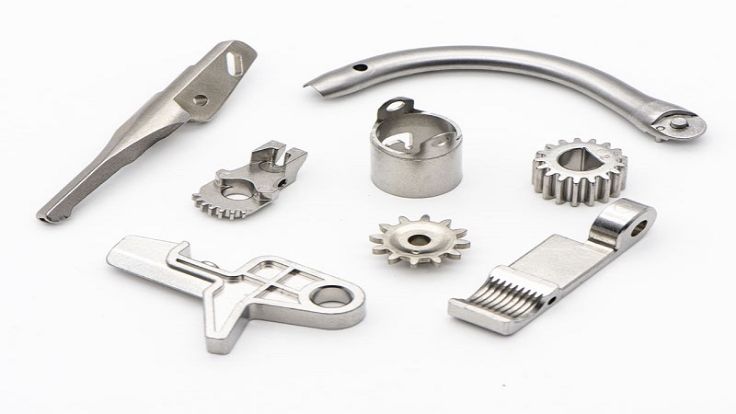
يمكن أن تكون بعض الأجزاء خشنة أو تحتوي على نتوءات معدنية بعد الصب بالقالب. لجعل الجزء آمنًا ودقيقًا وجاهزًا للتجميع، من المهم إزالة هذه النتوءات. لدى المصنّعين العديد من الطرق الشائعة لإزالة النتوءات من الجزء المصبوب.
الشطب اليدوي
في إزالة الحواف اليدوية، يتم استخدام أدوات يدوية مثل المبردات أو السكاكين أو ورق الصنفرة لإزالة الحواف الخشنة. وهذا أسلوب سهل وفعال للدفعات الصغيرة أو المكونات الهشة. يُعد إزالة الأزيز اليدوي أمرًا شائعًا في إنتاج مكونات الألومنيوم المصبوب بالقالب، حيث لا يصعب أبدًا جعل الأجزاء دقيقة دون الإضرار بها.
البهلوان
يستلزم البزل دمج الأجزاء في برميل دوّار يحتوي على وسائط كاشطة. يتم كشط النتوءات أثناء دوران البرميل. وهذا فعال على الأجزاء الصغيرة إلى المتوسطة الحجم وفي كثير من الأحيان في حالة أجزاء الصب بالقالب الزنك، حيث إنه سريع ويمكن التنبؤ به.
إزالة الأزيز الاهتزازي
في عملية إزالة الأزيز الاهتزازي، يتم وضع الأجزاء في ماكينة اهتزازية تحتوي على مواد كاشطة. حتى الأشكال المعقدة يتم جعلها ناعمة بواسطة الاهتزاز. تتم معالجة عدد كبير من أجزاء السيارات المصبوبة بالقالب بهذه الطريقة من أجل الحصول على حواف وأسطح ملساء.
الصنفرة أو الطحن
قد تحتوي الأجزاء الأكبر أو الأكثر سمكًا على نتوءات، والتي يمكن إزالتها بواسطة ماكينات الصنفرة أو الطحن. وهي طريقة دقيقة للغاية وفعالة عندما يتعلق الأمر بالأجزاء التي تتطلب تشطيبًا ناعمًا. وعادةً ما تكون الأجزاء التي يتم صبها بواسطة شركة صب القوالب هي أجزاء الماكينات أو أجزاء السيارات.
إزالة الأزيز الكيميائي
لا تلمس عملية إزالة الحواف باستخدام محاليل خاصة الجزء، ولكنها تجعل النتوءات تذوب. يمكن تطبيق ذلك على مكونات الصب بالقالب المعقدة للغاية، حيث يمكن أن يتضرر السطح بالوسائل اليدوية أو الميكانيكية.
الملخص
يضمن نزع الأزيز سلامة ووظيفة وجاهزية أجزاء القالب المصبوب إما للتشطيب أو التجميع. يتم تحديد الاختيار المناسب للطريقة من خلال المواد المستخدمة وحجم وتعقيد الجزء. تتيح إزالة الأزيز جودة جيدة وعمر افتراضي جيد لجميع أجزاء الصب بالقالب.
فوائد استخدام أجزاء الصب بالقالب في الصناعات المختلفة
لقد تم إنشاء أجزاء الصب بالقالب في معظم الصناعات بسبب الفوائد المختلفة التي تتمتع بها. فهي قوية ودقيقة واقتصادية. ويمكن استخدام هذه الأجزاء في صناعة السيارات والإلكترونيات والفضاء والأجهزة المنزلية.
توفر الأجزاء المصبوبة بالقالب في صناعة السيارات الوزن وتعزز كفاءة استهلاك الوقود في السيارات. كما أنها تستخدم في الإلكترونيات كحاويات واقية للأجزاء الحساسة. في الماكينات، تساعد مكونات الصب بالقالب في جعل التروس والأقواس وحاويات الماكينة مناسبة بشكل جيد وتدوم لفترة أطول.
يمكن أيضًا أن يتم الإنتاج بشكل أسرع باستخدام أجزاء الصب بالقالب. يُستخدم الصب بالضغط العالي لصنع كميات كبيرة من نفس الأجزاء خلال فترة زمنية قصيرة. وهذا أمر ضروري في الصناعات ذات المواعيد النهائية الصارمة والمتطلبة للغاية.
الميزة الأخرى للأجزاء المصبوبة بالقالب هي تشطيب سطحها. يتم إنتاج المكونات في حالة ناعمة وتكون إما مطلية أو مطلية. وهذا يوفر إجراءات التشطيب الإضافية.
الميزة المهمة الأخرى هي المتانة. يمكن أن تتحمل أجزاء الصب بالقالب الضغط الشديد والحرارة والتآكل. وهذا يجعلها مناسبة للتطبيقات الحرجة في السيارات والإلكترونيات والآلات.
وأخيراً، هناك الأجزاء المرنة المصبوبة. ومن الممكن أن تكون مصنوعة من معادن مختلفة مثل الألومنيوم أو الزنك أو المغنيسيوم. والمصنعون في وضع يسمح لهم بصنع تصميمات بسيطة أو معقدة الشكل لتناسب أي متطلبات.
لماذا يجب عليك التعامل مع GC Precision Mould على أجزاء الصب بالقالب الخاصة بك؟
منتجاتنا عبارة عن أجزاء مصبوبة بالقالب ذات جودة عالية ودقة ومتانة عالية في GC Precision Mould. نمتلك أكثر من 20 عامًا من الخبرة، ونتعامل في صب قوالب الألومنيوم والزنك والمغنيسيوم والقولبة باستخدام الحاسب الآلي والقولبة المخصصة.
تُستخدم تقنيتنا وموادنا المعتمدة لصنع جميع القطع بجودة عالية. لدينا حلول عالية الجودة لاحتياجاتك من قطع غيار السيارات المصبوبة بالقالب أو قطع الألومنيوم المصبوبة بالقالب.
نحن نقدم خدمات شاملة في التصميم والنماذج الأولية وصناعة القوالب والإنتاج والتشطيب والاختبار. وهذا يضمن تسليم سريع وجودة عالية لكل مشروع.
عندما يتعلق الأمر بشركة GC Precision Mould، فإنها ستكون شركة يمكن الاعتماد عليها عندما يتعلق الأمر بأجزاء صب القوالب الدقيقة والقوية والمتينة في كل مرة.
الخاتمة
تُعد أجزاء الصب بالقالب عناصر بالغة الأهمية في التصنيع المعاصر. نظرًا لوجود أجزاء السيارات المصبوبة بالقالب وأجزاء الألومنيوم المصبوبة بالقالب وأجزاء الزنك المصبوبة، فإن هذه الأجزاء قوية ودقيقة ومتينة. عند اختيار مصنعي أجزاء الصب بالقالب الموثوق بهم، يتأكد المرء من الجودة والكفاءة في الإنتاج.
لا يزال استخدام الأجزاء المصبوبة بالقالب في ازدياد في الصناعات. إنها ضرورية في المجتمع المعاصر القائم على التكنولوجيا بسبب هيكلها الخفيف الوزن والقدرة على تحمل التكاليف والدقة. في مجال السيارات أو الإلكترونيات أو الآلات، من الجيد دائمًا الاستثمار في جودة الأجزاء المصبوبة بالقالب.
الأسئلة الشائعة حول أجزاء الصب بالقالب
ما هي الأجزاء المصبوبة بالقالب؟
الأجزاء المصبوبة بالقالب هي أجزاء معدنية مصبوبة يتم تصنيعها عن طريق إدخال المعدن المنصهر في القوالب تحت ضغط عالٍ. وهي قوية ودقيقة ومتينة.
ما هي المواد المستخدمة؟
سبائك الألومنيوم والزنك والمغنيسيوم والنحاس. تتميز أجزاء الألومنيوم المصبوبة بالقالب بخفة الوزن، في حين أن أجزاء الزنك المصبوبة بالقالب دقيقة وفعالة من حيث التكلفة.
ما هي قطع غيار السيارات المصبوبة بالقالب؟
يتم استخدامها في المحركات وعلب التروس والشاسيه والأقواس لجعل السيارات أخف وزناً وتعزيز الأداء.
ما هي خيارات اختيار الشركات المصنعة لأجزاء الصب بالقالب؟
ابحث عن الخبرة وشهادة الجودة والتكنولوجيا. GC Precision Mould هي شركة تنتج أجزاء صب القوالب عالية الجودة والموثوقية والدقة.
ما هي التشطيبات المتوفرة في صب القوالب الجزئية؟
يتم تعزيز المظهر ومقاومة التآكل والمتانة من خلال التلميع أو الطلاء بأكسيد الألومنيوم أو الطلاء أو المعالجة الكيميائية.
0 تعليق