

لقد برزت أنابيب الألومنيوم رقيقة الجدار كمادة أساسية في التصميم الهندسي والإنتاجي والصناعي في القرن الحادي والعشرين. ويرجع السبب في ذلك إلى أن المزيج الخاص من الهيكل الخفيف الوزن وتفوق القوة على الوزن والمقاومة الرائعة للتآكل يجعلها بديلاً أفضل للمعادن الأثقل والمواد الأكثر تعقيدًا. في صناعة الطيران وصناعة السيارات إلى البناء والأدوات الطبية، توفر أنابيب الألومنيوم رقيقة الجدار كفاءة الأداء دون التقليل من السلامة الهيكلية.
أصبح المهندسون والمصممون يركزون بشكل أكبر على المواد التي يمكن استخدامها لبناء أجسام خفيفة الوزن وفعالة وأكثر استدامة. يمكن تلبية جميع هذه المتطلبات من خلال أنابيب الألومنيوم رقيقة الجدار التي توفر قدرة الأداء العالي وتساعد على الإنتاج بطريقة صديقة للبيئة وصديقة للبيئة.
ما هي أنابيب الألومنيوم رقيقة الجدار؟
أنابيب الألومنيوم رقيقة الجدار أنابيب الألومنيوم رقيقة الجدار هي تلك التي يتم إنتاجها بجدار رقيق وضوابط أبعاد متقاربة، والتي يتم دمجها مع مستوى عالٍ من القوة الميكانيكية. تُصنع هذه الأنابيب عادةً من خلال عمليات بثق أو سحب عالية الدقة وعند استخدامها في التطبيقات، تكون من نفس النوع ومتسقة في جميع التطبيقات.
الخصائص الرئيسية
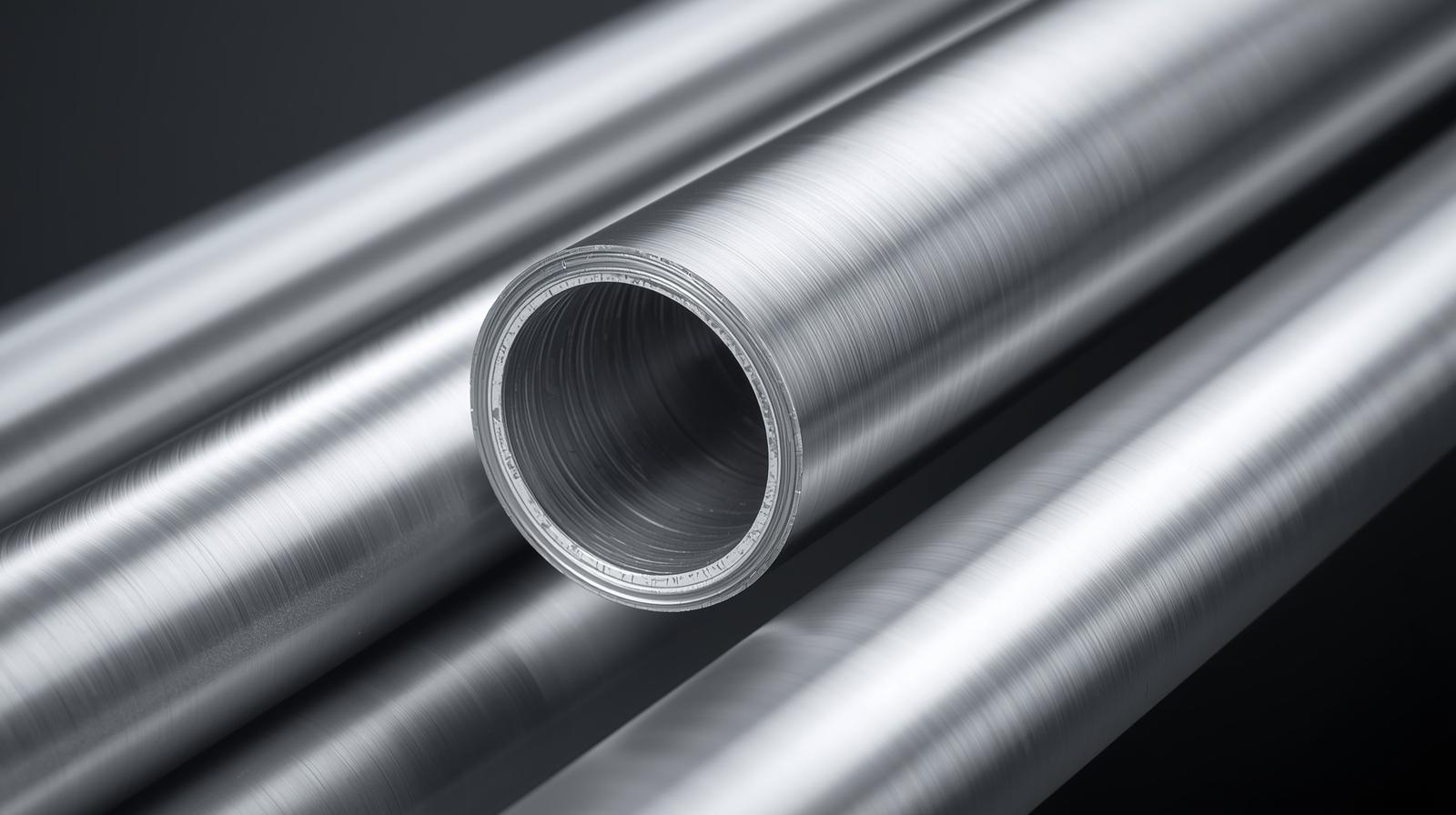
أنابيب الألومنيوم رقيقة الجدار التي توفر نسبة عالية من القوة إلى الوزن، ومقاومة التآكل، والقدرة على التكيف مع الصناعات المتعددة
تقليل سُمك الجدار لتحسين الوزن
يتم إنفاق أموال أقل في استخدام المواد لأن انخفاض سُمك الجدار لا يتعارض مع الأداء الهيكلي. وهذا التخفيض في الوزن المحسّن للطاقة يجعلها أكثر كفاءة في استخدام الطاقة وأسهل في المناولة ويقلل من احتياجات النقل، كما أنها تستخدم في التطبيقات التي يكون فيها انخفاض الكتلة أمرًا ضروريًا دون تعارض مع القوة أو الموثوقية.
قوة الخضوع والشد العالي
نظرًا لقوة الشد العالية وقوة الخضوع العالية، يمكن لأنابيب الألومنيوم رقيقة الجدار أن تتحمل قوى السحب والانحناء العالية. وتضمن هذه الخصائص عدم تشوّه الأنابيب بشكل دائم في ظل الظروف التي تسمح باستخدامها بأمان، وتدوم لفترة أطول وبشكل موثوق في الاستخدامات الإنشائية والميكانيكية على حد سواء.
توصيل حراري وكهربائي ممتاز
يمكن للمرء استخدام موصل حراري وكهربائي جيد للمادة لتوصيل الحرارة والطاقة. مثل أنابيب الألومنيوم المسبقة في التبريد والتبادل الحراري والحالات الإلكترونية والتطبيقات التي يرتبط فيها التبريد بمسار معقد وسريع لتبديد الحرارة والتفاعل الكهربائي الفعال.
مقاومة التآكل عالية الجودة.
إن طلاء الأكسيد الطبيعي الموجود على الألومنيوم يجعله أكثر مقاومة للتآكل بسبب الطبيعة الوقائية للمادة فيما يتعلق بالرطوبة والمواد الكيميائية والبيئة المحيطة. وهذا يساعده على امتلاك عمر خدمة طويل، وتقليل متطلبات الصيانة، كما أنه يُظهر أداءً موحدًا في ظل البيئة القاسية أو الخارجية.
سهولة التصنيع والتشكيل
يمكن تصنيع أنابيب الألومنيوم وتشكيلها بسهولة عن طريق القطع والثني واللحام والتشغيل الآلي بسهولة. تسهّل هذه المرونة التصاميم المعقدة وسرعة الإنتاج وقلة الإنتاج والحلول المخصصة في مختلف التطبيقات الهندسية والصناعية.
تمكّن هذه الخصائص أنابيب الألومنيوم رقيقة الجدار من أن تكون خيارًا جيدًا في التطبيقات التي يكون فيها ضيق المساحة وتقليل الوزن وموثوقية الأداء من أهم الأمور التي تهمك.
مرونة التصميم
تسمح المرونة في تصميم أنابيب الألومنيوم رقيقة الجدار باستخدامها لتناسب المتطلبات الهندسية المتطورة. ويمكن قطعها وثنيها ولحامها وتشكيلها بسهولة، مما يسمح بقطعها وثنيها ولحامها وتشكيلها آليًا، مما يسمح بوقوف التجميعات الصغيرة والهياكل الجديدة والإنتاج السريع والحلول المصممة خصيصًا في مختلف الصناعات وفي ظروف التصنيع الحديثة في جميع أنحاء العالم اليوم بنجاح.
أداء خفيف الوزن
كما أن تخفيض الوزن في الأداء الخفيف الوزن يعزز بشكل مباشر من استهلاك الوقود والتسارع والقدرة على الانعطاف للنظام بأكمله. يقلل الوزن المخفض من كمية الطاقة المستخدمة في التشغيل والنقل، وبالتالي فإن أنابيب الألومنيوم ذات فائدة خاصة في تصميمات الطيران والسيارات ووسائل النقل حيث تكون الكفاءة وتقليل الانبعاثات وتعظيم الأداء أمرًا جوهريًا في جميع أنحاء العالم.
عيوب أنابيب الألومنيوم
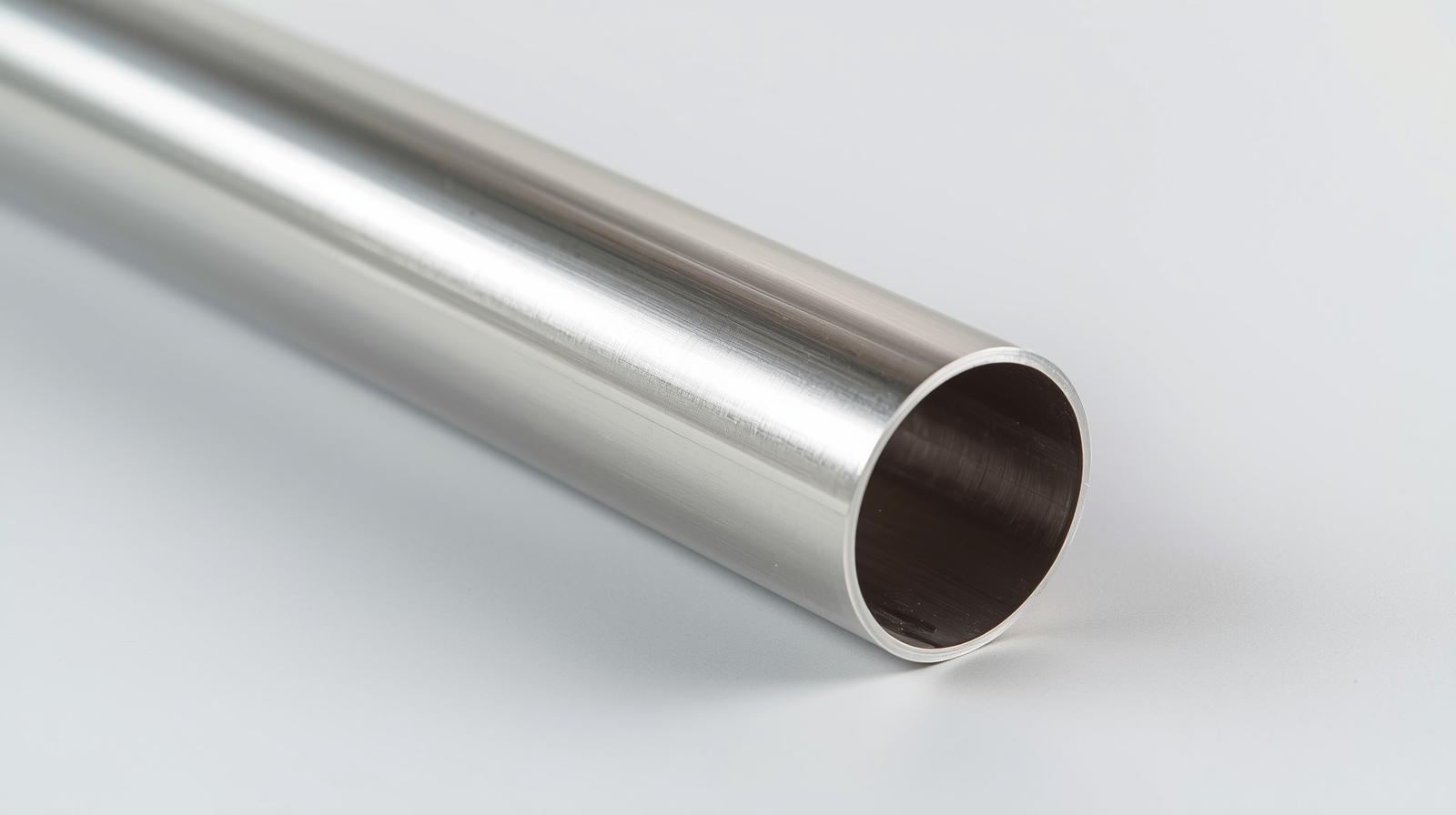
تحديات أنابيب الألومنيوم مثل انخفاض قوة الشد، ومخاطر التآكل الجلفاني، والقيود الحرارية
انخفاض القوة الهيكلية السفلية
تعتبر أنابيب الألومنيوم ثقيلة الجدار أقل فعالية من الأنابيب السميكة أو المقاطع الصلبة في قدرتها على تحمل الحمل. قد لا تكون مناسبة في تطبيقات الأحمال الثقيلة.
القابلية للتشوه
يسهل ضرب الجدران الرقيقة أو ثقبها أو حتى التواءها عند تعرضها للصدمات أو الضغط أو سوء التعامل معها أثناء النقل والتركيب.
إمكانية الربط المحدودة
إن رقة الجدار تعني أنه لا يحتوي على الكثير من المواد التي تدعم الخيوط القوية، وفي معظم الحالات تحتاج إلى إدخالات أو وسائل تثبيت أخرى.
تحديات اللحام
يحتاج لحام الألومنيوم رقيق الجدار إلى الدقة. قد تؤدي الحرارة الزائدة إلى حدوث احتراق أو اعوجاج أو فقدان القوة في الجزء المتأثر بالحرارة.
حساسية التعب والإرهاق
يمكن أن تتعرض أنابيب الجدران الرقيقة إلى عطل إجهاد أسرع من المقاطع الأكثر سمكًا عند تعرضها للتحميل الدوري أو المتكرر.
مخاطر الالتواء
عند استخدام الانضغاط أو الامتداد الطويل، يلاحظ التواء موضعي أو عالمي أكثر شيوعًا في الأنابيب ذات الجدران الرقيقة.
تفاوتات التصنيع العالية
يصعب في بعض الأحيان الحفاظ على سمك موحد للجدار مما يؤدي إلى تباين في الأبعاد يتعارض مع الأداء.
صعوبة الإصلاح
تكون أنابيب الألومنيوم رقيقة الجدار عرضة للتلف الذي عادةً ما يصعب إصلاحه وقد يحتاج إلى الاستبدال بدلاً من الإصلاح المحلي.
تركيبة المواد وسبائك الألومنيوم
تؤثر مادة سبيكة الألومنيوم تأثيرًا كبيرًا على أداء أنابيب ألومنيوم رقيقة الجدار. تتميز هذه السلسلة من السبائك بخصائص ميكانيكية وكيميائية معينة تم تحسينها لتناسب مختلف التطبيقات الهندسية.
سبائك الألومنيوم الشائعة الاستخدام
سلسلة 1xxxx (ألومنيوم نقي)
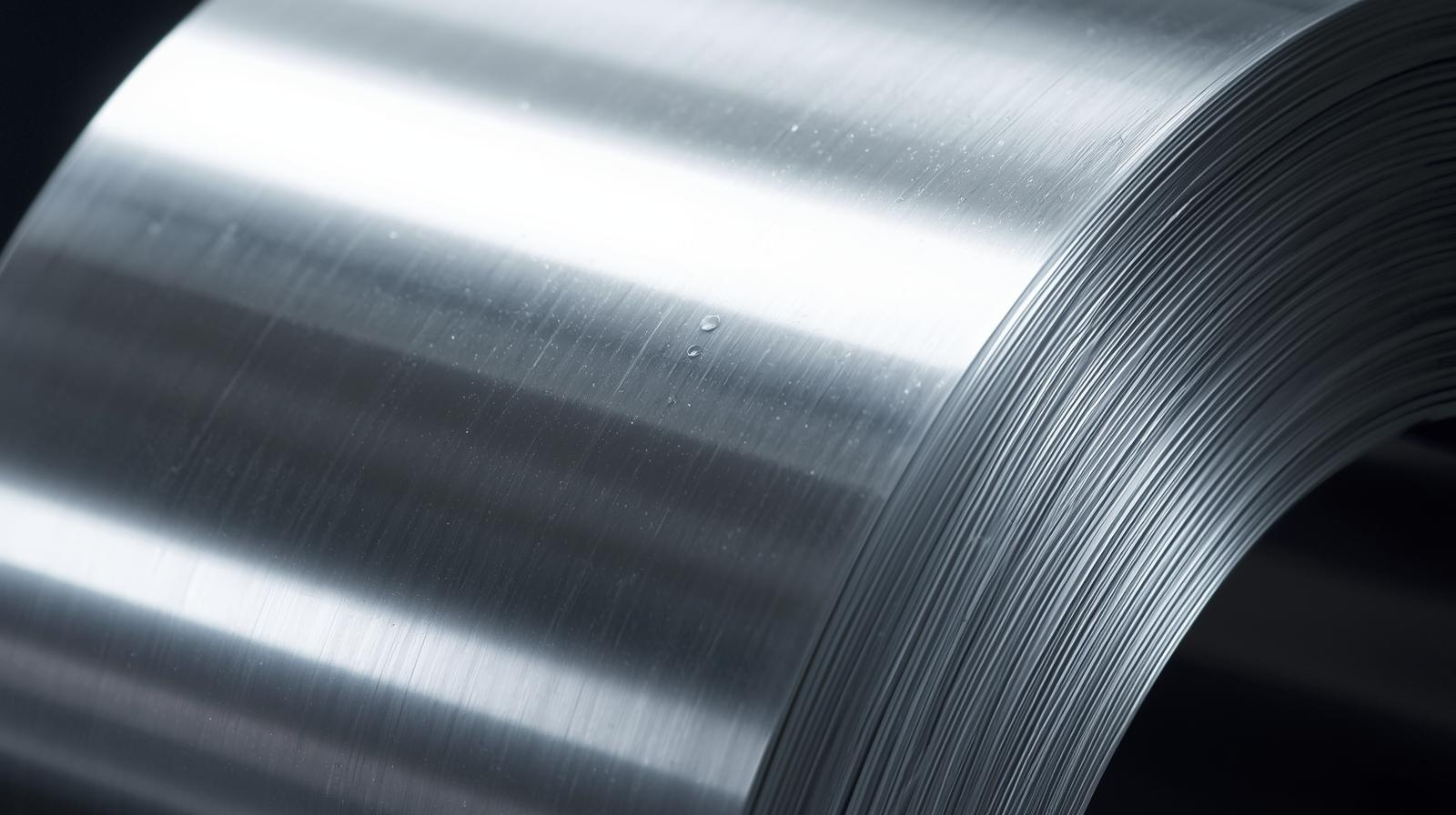
سبائك الألومنيوم النقي في السلسلة 1xxx التي توفر مقاومة ممتازة للتآكل والتوصيل وقابلية التشغيل
- مقاومة عالية للتآكل
- سلطات كهربائية ممتازة.
- التطبيقات الكهربائية والكيميائية.
السلسلة 3xxx (سبائك الألومنيوم والمنغنيز)
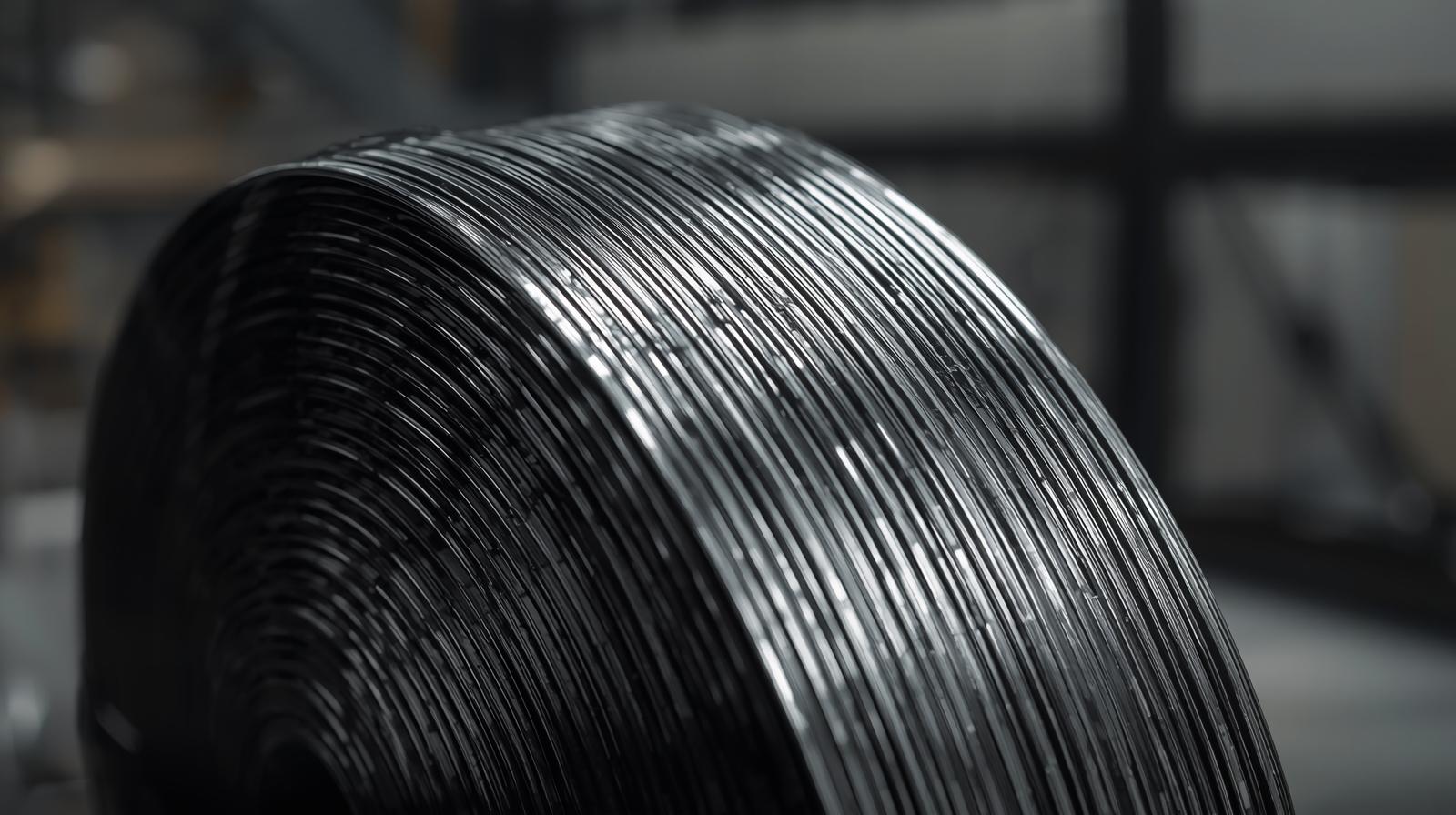
سبائك الألومنيوم والمنغنيز من السلسلة 3xxx التي توفر مقاومة للتآكل، وقابلية اللحام، وقوة معتدلة
- قوة محسّنة
- قابلية تشكيل ممتازة
- عادةً ما تكون عالمية في أنظمة المبادلات الحرارية والتدفئة والتهوية وتكييف الهواء.
النوع 6xxx (سيليكون الألومنيوم والمغنيسيوم)
- نسبة القوة إلى الوزن المعقولة.
- وهي ذات قابلية ممتازة للتشغيل الآلي واللحام.
- شائع جداً في التصاميم المدنية والسيارات.
السلسلة 7xxx (سبائك الألومنيوم والزنك)
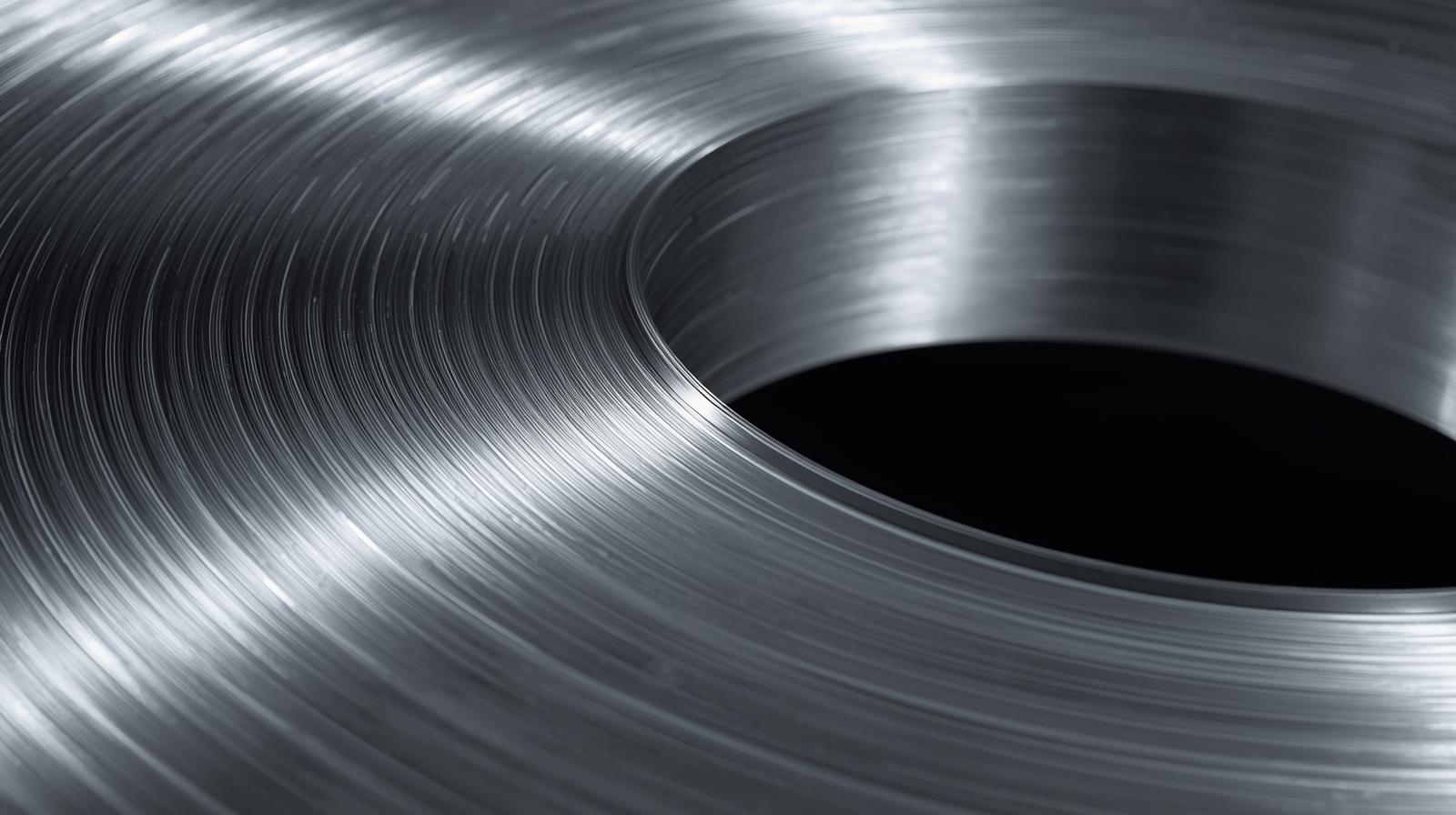
سبائك الألومنيوم والزنك من سلسلة 7xxx التي توفر قوة وصلابة ومقاومة استثنائية للإجهاد
- قوة عالية للغاية
- أداء من الدرجة الأولى للفضاء الجوي
- مثالية في حالات التوتر الشديد.
يضمن الجمع بين اختيار السبيكة المختارة أقصى قدر من الأداء والمتانة والأمان في الظروف القاسية.
عمليات تصنيع أنابيب الألومنيوم رقيقة الجدار
للحصول على التفاوتات الدقيقة التي ينطوي عليها أنبوب المقصورة المصنوع من الألومنيوم رقيق الجدار، من الضروري الإنتاج الدقيق. تضمن لنا عمليات الإنتاج عالية المستوى الاتساق في الشكل ودقة الهيكل.
البثق
أثناء عملية البثق، يتم ضغط الألومنيوم من خلال قالب يأخذ شكل خط متصل من الأنابيب من خلال مكبس القوالب. وبهذه العملية، يتم تبسيط الهندسة المعقدة، وعدم وجود سماكة في الجدران، والكثير من الإنتاج والجودة، وبالتالي فهي قابلة للتطبيق في تصنيع أنابيب الألومنيوم رقيقة الجدران؛ والتي تستخدم في العديد من التطبيقات الصناعية في جميع أنحاء العالم.
الرسم على البارد
يُستخدم السحب على البارد لتنقية الأنابيب المبثوقة من خلال السحب بالقالب في درجة حرارة الغرفة. وهذا يقلل من سُمك الجدار ويعزز القوة ويحسن أداء الأبعاد، بالإضافة إلى التشطيبات على الجدار؛ مما يضمن تفاوتات مثالية وأداء ميكانيكي مثالي في قسوة الخدمة الهندسية والتصنيعية.
التلدين والمعالجة الحرارية
يتم تعديل أنابيب الألومنيوم على المستوى الداخلي من خلال التلدين والمعالجة الحرارية. تعمل عملية التسخين والتبريد المتحكم بها على تعزيز الليونة والقوة ومقاومة الإجهاد وتقليل الطبيعة الهشة وتساهم في الموثوقية، مما يجعل أنابيب الألومنيوم رقيقة الجدار مناسبة في التطبيقات عالية الأداء والحاملة للأحمال والحساسة للدقة.
التطبيقات عبر الصناعات الحديثة
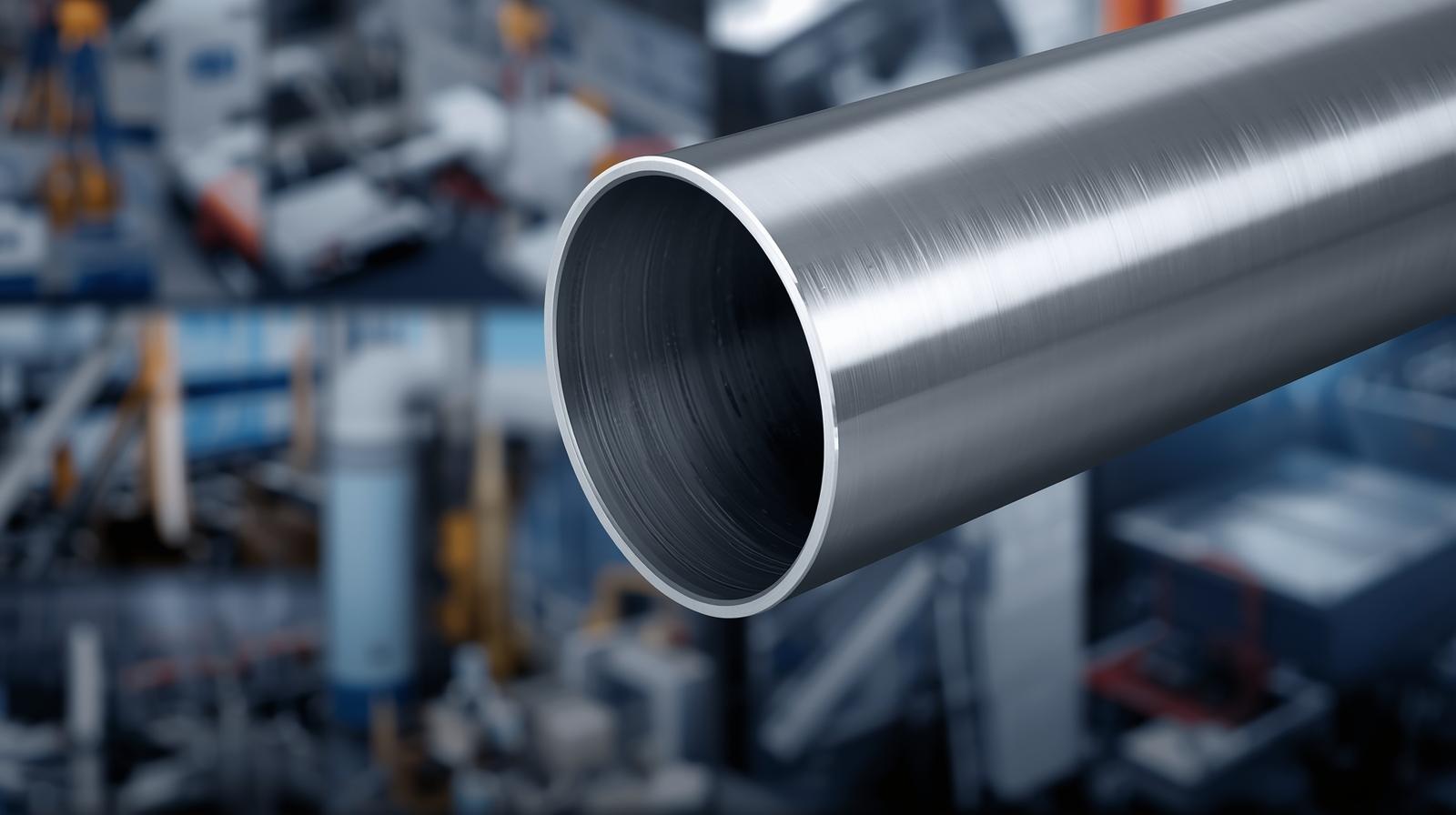
التطبيقات الصناعية الحديثة لسبائك الألومنيوم وسبائك الألومنيوم المصبوبة لقوة الوزن الخفيف والمتانة والدقة
إن أنابيب الألومنيوم رقيقة الجدار متعددة الاستخدامات حيث يمكن استخدامها في عدد كبير جدًا من الصناعات ذات الاحتياجات عالية الأداء.
الطيران والفضاء
فقدان الوزن مهم في هندسة الطيران. وتكتمل الأنابيب بأنابيب رقيقة الجدار من الألومنيوم في:
- هياكل ومكونات جسم الطائرة.
- الخطوط الهيدروليكية وخطوط الوقود
- التعزيزات الهيكلية
وهي ضرورية بسبب موثوقيتها في مستويات الإجهاد العالية وتغير درجات الحرارة.
السيارات والنقل
تُستخدم الأنابيب، المصنوعة من الألومنيوم رقيق الجدار، في إنتاج السيارات اليوم من أجل:
- مكونات الهيكل والإطار.
- أنظمة العادم والتبريد
- إحاطة البطارية في السيارات الكهربائية.
والنتيجة هي استهلاك أفضل للوقود وانبعاثات أقل وأداء أفضل للسيارة.
البناء والهندسة المعمارية.
وتتمثل ميزة أنابيب الألومنيوم رقيقة الجدران اليوم في قوتها وجمالياتها التي تُستخدم في التصميمات المعمارية وعادةً ما تُستخدم في:
- أنظمة الحائط الساتر
- الدعامات الهيكلية
- الدرابزينات والواجهات
تتماشى بساطته وطول عمره مع الحداثة في الهندسة المعمارية.
المعدات الطبية ومعدات الرعاية الصحية
تعتبر الدقة والنظافة ذات أهمية أساسية في إعدادات الرعاية الصحية. يتم استخدام أنابيب الألومنيوم رقيقة الجدار في:
- إطارات معدات التشخيص العائلي.
- أثاث التنقل وأثاث المستشفيات.
- حاويات الأجهزة الطبية
وهي مادة غير مغناطيسية ومقاومة للتآكل يمكن أن تحسن من سلامتها وتساهم هذه الصفات في إطالة عمرها الافتراضي.
الأنظمة الصناعية والتصنيع
وتستخدم المصانع ومنشآت الإنتاج الأخرى أنابيب الألومنيوم رقيقة الجدار في:
- أنظمة النقل
- الخطوط الهيدروليكية والهوائية.
- الرسوم البيانية للأتمتة والروبوتات.
كونها مرنة، فهي تسمح بالعمل الصارم بسرعات عالية ودقة عالية.
اعتبارات التصميم والتحسين الهندسي
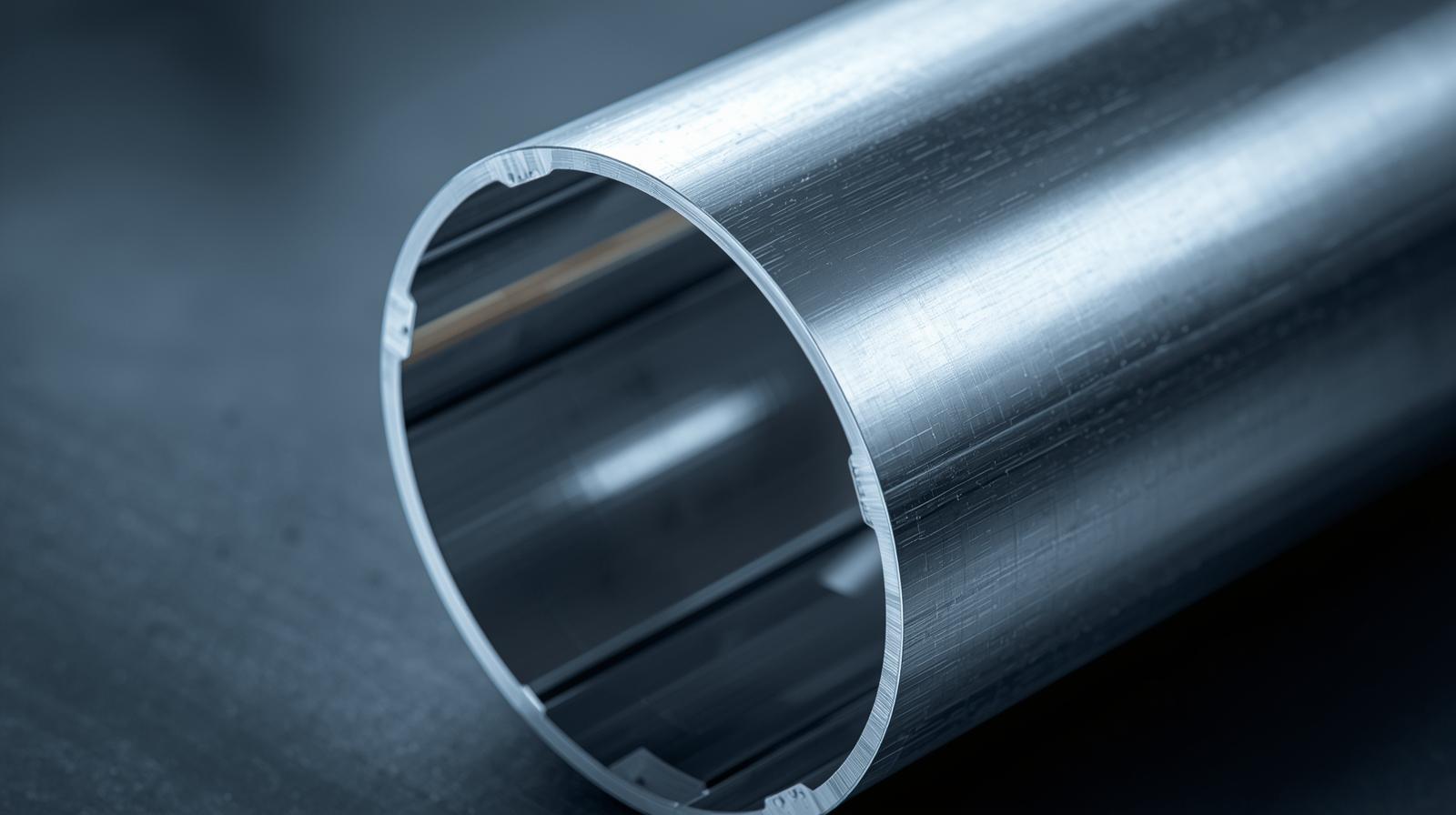
التحسين الهندسي الأمثل في تصميم قوالب الصب مع التركيز على الكفاءة واستخدام المواد وموثوقية المكونات
عند دمج أنابيب الألومنيوم رقيقة الجدار في مشروع ما، من المهم اتخاذ الخيارات الهندسية الصعبة من أجل تحقيق أفضل النتائج.
سُمك الجدار ومتطلبات الحمولة
توجد علاقة مباشرة بين القوة والثبات وسُمك الجدار. يضع المهندسون الأحمال والإجهاد والقوى البيئية لاختيار أنحف جدار يمكنه مقاومة الالتواء والانحناء والتشوه. يساعد الحفاظ على التوازن المناسب في تقليل الوزن ويحافظ على ثباته من حيث السلامة والعمر الافتراضي والأداء المستدام بناءً على الطبيعة الديناميكية وليس بالضرورة المجهدة للأنشطة التشغيلية مثل الهياكل الصناعية والإنشائية الثقيلة على المستوى العالمي اليوم.
التسامح والدقة
تحدد التفاوتات المسموح بها درجة تشابه المكونات مع متطلبات التصميم. في الصناعات عالية الدقة، قد يحدث فشل التجميع والاهتزاز وعدم الكفاءة بسبب انحراف طفيف في الأبعاد. تُستخدم التفاوتات المتقاربة لتوفير التكامل السلس والموثوقية والسلامة المعززة والأداء الموحد خاصةً في الأنظمة التي توجد فيها تجميعات معقدة تتطلب دقة كاملة وقابلية تكرار الأداء في صناعات الطيران والطب والسيارات والصناعات التحويلية المتطورة.
خيارات تشطيب السطح
يتم تعزيز الجودة الوظيفية والجمالية لأنابيب الألومنيوم من خلال هذه العملية: تشطيب السطح. تعمل التغييرات في مقاومة التآكل والصلابة، وتطبيق طلاء المسحوق والتلميع على الفولاذ على التوالي على رفع مقاومة التآكل، وتزويد المعدن بطبقات حماية إضافية، وتلميع المعدن لتحسين مظهره ونعومته. يؤدي اختيار الطلاء المناسب إلى توفير الصيانة وإطالة عمر الخدمة وضمان العمل في ظروف الزينة القاسية في التطبيقات والخدمات الصناعية والمعمارية والبحرية.
تقنيات الربط والتجميع.
تقنيات الربط والتجميع لها تأثير على السلامة الهيكلية وتصنيع مايك. يعطي اللحام قوة ثابتة، أما اللحام بالنحاس فهو فعال على المواد الرقيقة مع القليل من التشويه، ويعطي التثبيت الميكانيكي التفكيك. تتطلب الإعدادات الهندسية الصناعية الحديثة أيضًا من المهندسين اختيار طرق تعتمد على توافق السبائك والأحمال وحجم الإنتاج وشروط الخدمة بحيث تكون عملية التصنيع موثوقة وآمنة وفعالة من حيث التكلفة.
الاستدامة والفوائد البيئية
يُعد الألومنيوم من بين أفضل المواد الهندسية المستدامة. وباستخدام طرق إنتاج صديقة للبيئة، يتم دعم إنتاج أنابيب الألومنيوم رقيقة الجدران باستخدام طرق إنتاج صديقة للبيئة:
- إعادة التدوير: 100 في المئة دون أي خسارة في الأداء.
- تؤدي الجدران الرقيقة إلى استخدام مواد أقل.
- تقليل انبعاثات النقل من خلال استخدام مكونات خفيفة الوزن.
تكتسب أنابيب الألومنيوم زخمًا في حل أحكام التصميم المستدام لتلبية المخاوف البيئية والمسؤوليات الاجتماعية للشركات.
معايير الجودة والشهادات
جودة أنابيب ألومنيوم رقيقة الجدار ذات جودة عالية تلبي أعلى المعايير الدولية من أجل ضمان السلامة والأداء.
المعايير المشتركة
- ASTM (الجمعية الأمريكية للتجربة والمواد)
- ISO (المنظمة الدولية للتوحيد القياسي)
- EN (المعايير الأوروبية)
يضمن الامتثال الاتساق وإمكانية التتبع والموثوقية في سلاسل التوريد الدولية.
الاتجاهات المستقبلية في أنابيب الألومنيوم رقيقة الجدران
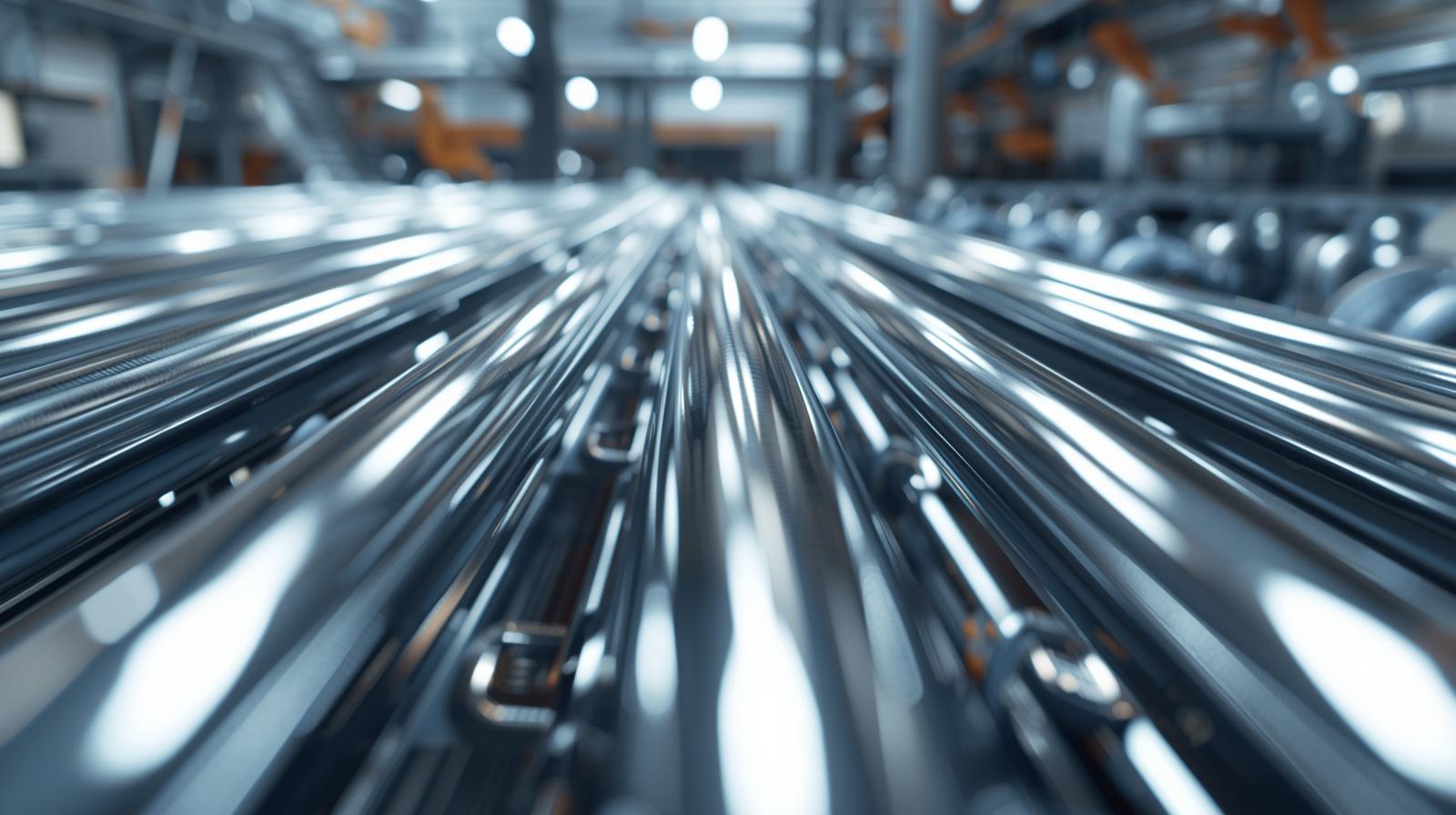
الاتجاهات الناشئة في أنابيب الألومنيوم رقيقة الجدران مثل الإنتاج الصديق للبيئة، والهندسة الدقيقة، والابتكار في الصناعة
يستمر تطوير أنابيب الألومنيوم رقيقة الجدار في زيادة قدراتها. وتشمل الاتجاهات الناشئة ما يلي:
- تقنية السبائك المحسّنة ذات القوة المتزايدة.
- تقنية بثق أفضل على جدران رقيقة للغاية.
- تكامل المصنع الذكي والأتمتة.
- حصة أكبر في خدمة الطاقة المتجددة.
في ظل الاتجاهات الحالية في حل المشكلات الهندسية، تتصدر أنابيب الألومنيوم رقيقة الجدار في هذا المجال عندما يتعلق الأمر بتقدم المواد.
الخاتمة
تشير أنابيب الألومنيوم رقيقة الجدار إلى المزيج المثالي من التصميم خفيف الوزن والقوة الميكانيكية والقدرة على تصنيع أي شيء. ويسلط استخدامه العالمي في صناعات الطيران والسيارات والبناء والصناعات الطبية والصناعية الضوء على أهميته كحل معاصر في الهندسة. وبفضل ميزات الأداء التي لا تضاهى، ودمج مزايا الاستدامة بالإضافة إلى المرونة في التصميم، تضع أنابيب الألومنيوم رقيقة الجدار باستمرار معايير لما يمكن ويمكن تقديمه للتطبيقات عالية الأداء.
الأسئلة الشائعة
هل يمكنك من فضلك شرح ما هي أنابيب الألومنيوم رقيقة الجدار؟
إنه أنبوب من الألومنيوم بسماكة جدار طفيفة لتقليل الوزن مع الحفاظ على القوة والدقة.
ما هو السبب الذي يجعل أنابيب الألومنيوم رقيقة الجدار خفيفة الوزن؟
يحتوي على مادة ألومنيوم منخفضة الكثافة وسماكة أقل للجدار مما يقلل من الوزن الإجمالي بشكل كبير.
هل يتطلب أنابيب ألومنيوم سميكة الجدار أم يمكن استخدام أنابيب رقيقة من الناحية الهيكلية؟
ومع ذلك، عندما يتم تصميمها بشكل جيد، واختيار سبيكة جيدة، فإنها تتمتع بقوة وعمر افتراضي كبيرين.
ما هي الصناعات التي يتم فيها استخدام أنابيب الألومنيوم رقيقة الجدار؟
صناعة الطيران، والسيارات، وأعمال البناء، والصناعات الطبية، والتدفئة والتهوية وتكييف الهواء، والصناعات التحويلية.
هل أنابيب الألومنيوم رقيقة الجدار مقاومة للتآكل؟
نعم، يوجد أكسيد واقي يتشكل بشكل طبيعي على الألومنيوم وهذا يمنع التآكل.
هل يمكن لحامها باستخدام أنابيب الألومنيوم رقيقة الجدار؟
نعم، يتم لحامها أيضًا بمساعدة الإجراءات المناسبة مثل اللحام TIG أو MIG.
هل أنابيب الألومنيوم صديقة للبيئة؟
نعم، إنه قابل لإعادة التدوير بنسبة 100% ويساعد في الإنتاج المستدام.

0 تعليق