
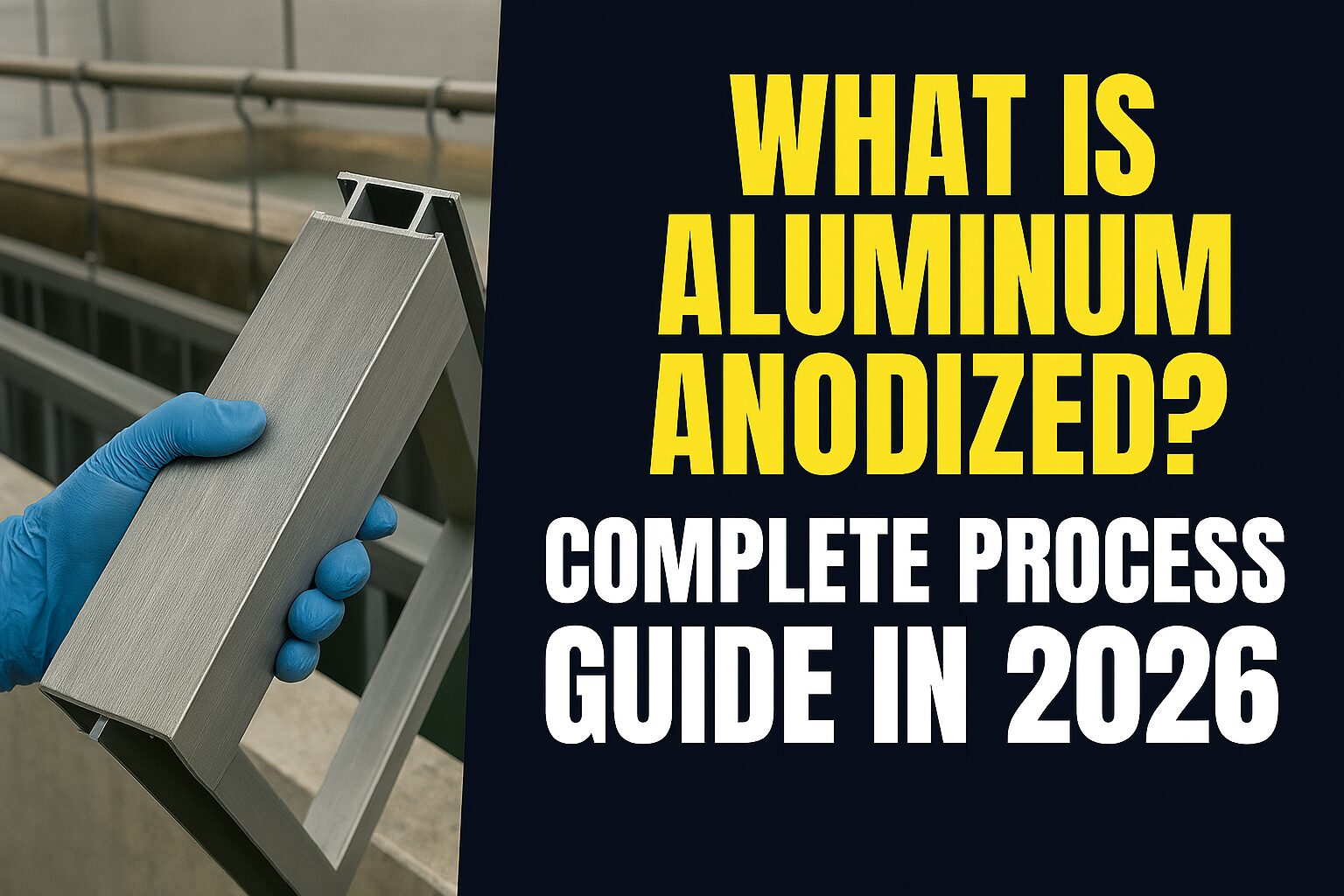
يتم حاليًا البحث عن طلاء الألومنيوم المؤكسد في عالم التصنيع نظرًا لقوته واستدامته وتصميمه. يتم دمج الألومنيوم المؤكسد في المعدن على عكس الطلاءات الموجودة على السطح التي تتقشر أو تتشقق مع تقادم المعدن. إنه ضخم وبكل صدق، وهذا هو السبب الذي يجعل المهندسين والمصممين والمصنعين يقسمون عليه.
لماذا يُستخدم الألومنيوم على نطاق واسع
يتميز الألومنيوم بأنه خفيف وخالٍ من التآكل وقابل لإعادة التدوير وسهل التشكيل. إنه سكين الجيش السويسري للمعادن، فهو قابل للتطبيق في أي صناعة تقريبًا.
ماذا تعني كلمة “مؤكسد”؟
وتسمى المعالجة السطحية بأكسدة السطح وتعمل على تحسين طبقة الأكسيد الطبيعية الموجودة على الألومنيوم. أنودة الأكسدة هي عملية تقوم بتحويل السطح بدلاً من إدخال غطاء على السطح. اعتبرها بمثابة تعديل لجلد الألومنيوم بدلاً من تلبيسه.
فهم أساسيات الألومنيوم المؤكسد
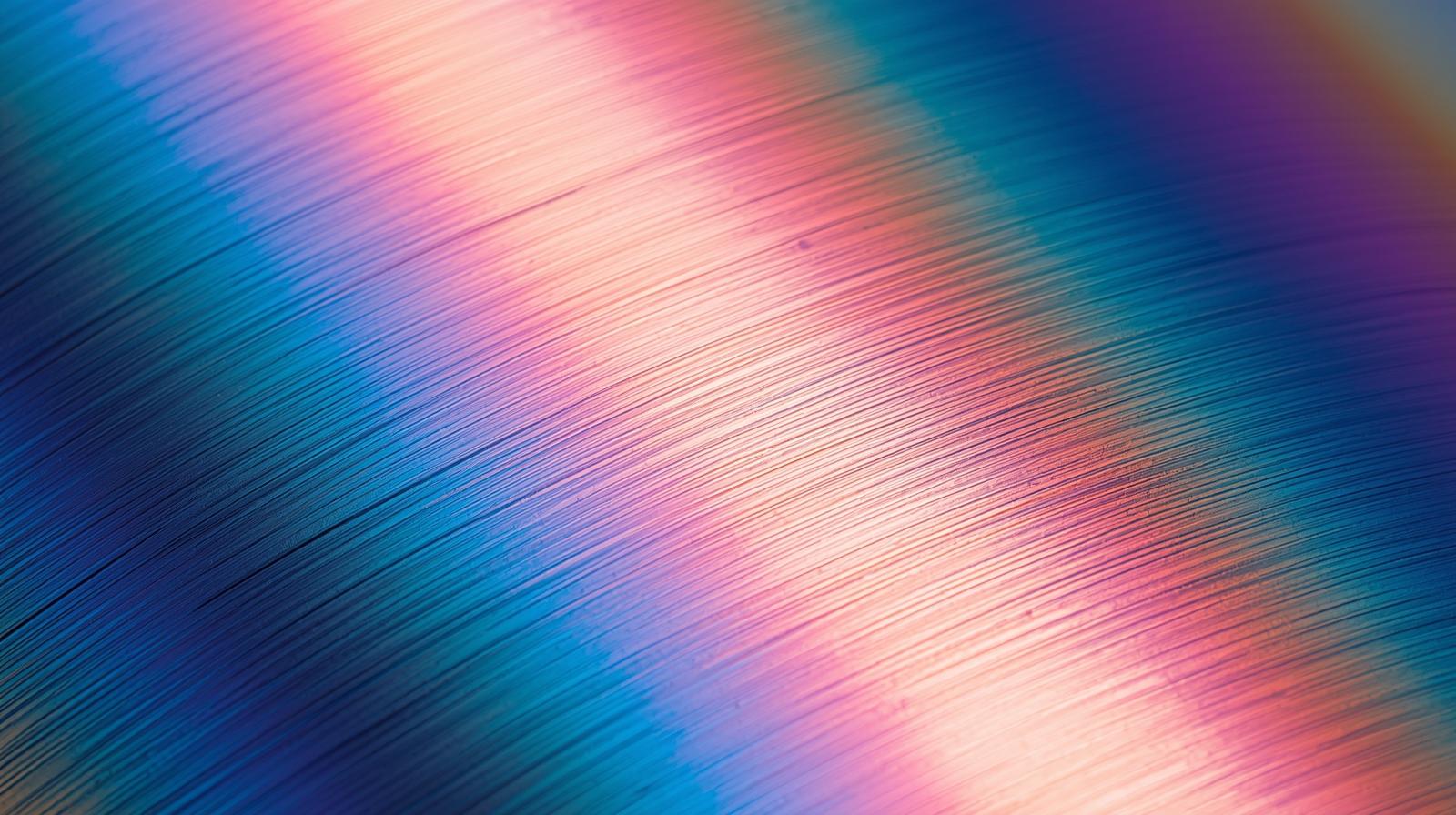
ألواح الألومنيوم المؤكسد التي تتميز بمتانة محسّنة ومقاومة للتآكل وتشطيبات جمالية
معنى مصطلح الألومنيوم المؤكسد
الألومنيوم المؤكسد الذي خضع لعملية كهروكيميائية لتشكيل طبقة أكسيد مزخرفة وطويلة الأمد ومقاومة على سطحه.
طبقة الأكسيد الطبيعي مقابل الطبقة المؤكسدة بأكسيد الألومنيوم
يحتوي الألومنيوم الخام أيضًا على طبقة رقيقة من الأكسيد، والتي تتطور بشكل طبيعي كلما تعرض للهواء. هذه هي الطبقة الضعيفة غير المتناسقة. يتم التحكم في سماكة وتصلب هذه الطبقة في عملية الطلاء بأكسيد الألومنيوم.
السبب في أن الطبقة المؤكسدة أقوى.
يتميز الطلاء المؤكسد بأنه مسامي ومتناسق ومتماسك ومتماسك بشكل كبير مع المعدن. لا يتقشر أو يتقشر مثل الطلاء لأنه يصبح جزءًا من الألومنيوم.
تطور وتاريخ الألومنيوم المؤكسد بأكسيد الألومنيوم.
الأنودة مفهوم يمكن إرجاعه إلى عشرينيات القرن الماضي عندما احتاج المهندسون إلى ضمان تحسين مقاومة مكونات الطائرات المصنوعة من الألومنيوم للتآكل. ولم تصبح هذه العملية في وقت لاحق حلاً وقائيًا فحسب، بل أصبحت أيضًا تقنية تشطيب متعددة الاستخدامات منتشرة في العديد من الصناعات.
وبحلول منتصف القرن العشرين، كانت طلاءات الألمنيوم المؤكسد تُستخدم في مواد البناء والمواد الاستهلاكية. وقد أتاح تطور الكيمياء والضوابط الكهربائية للمصنعين إمكانية تعديل السماكة والصلابة وتوحيد اللون.
إن تقنية طلاء الألومنيوم المؤكسد دقيقة وموحدة وصديقة للبيئة في هذه الأيام والعصور. الجودة العالمية هي معيار قابل للتكرار للألمنيوم المؤكسد مما يجعله مادة عالمية.
العلم وراء أنودة الألومنيوم
شرح المبادئ الكهروكيميائية ببساطة
تتطلب الأنودة استخدام الكهرباء من أجل زيادة الأكسدة. يُصنع القطب الموجب (القطب الموجب) من الألومنيوم، ومن هنا يأتي مصطلح أنودة.
دور الإلكتروليتات والتيار الكهربائي
يخضع الألومنيوم للغمر داخل حمام إلكتروليت يحتوي على إلكتروليت حمضي. يؤدي مرور التيار الكهربي إلى ارتباط أيونات الأكسجين بذرات الألومنيوم لتكوين طبقة أكسيد الألومنيوم الصلبة.
عملية أنودة الألومنيوم خطوة بخطوة
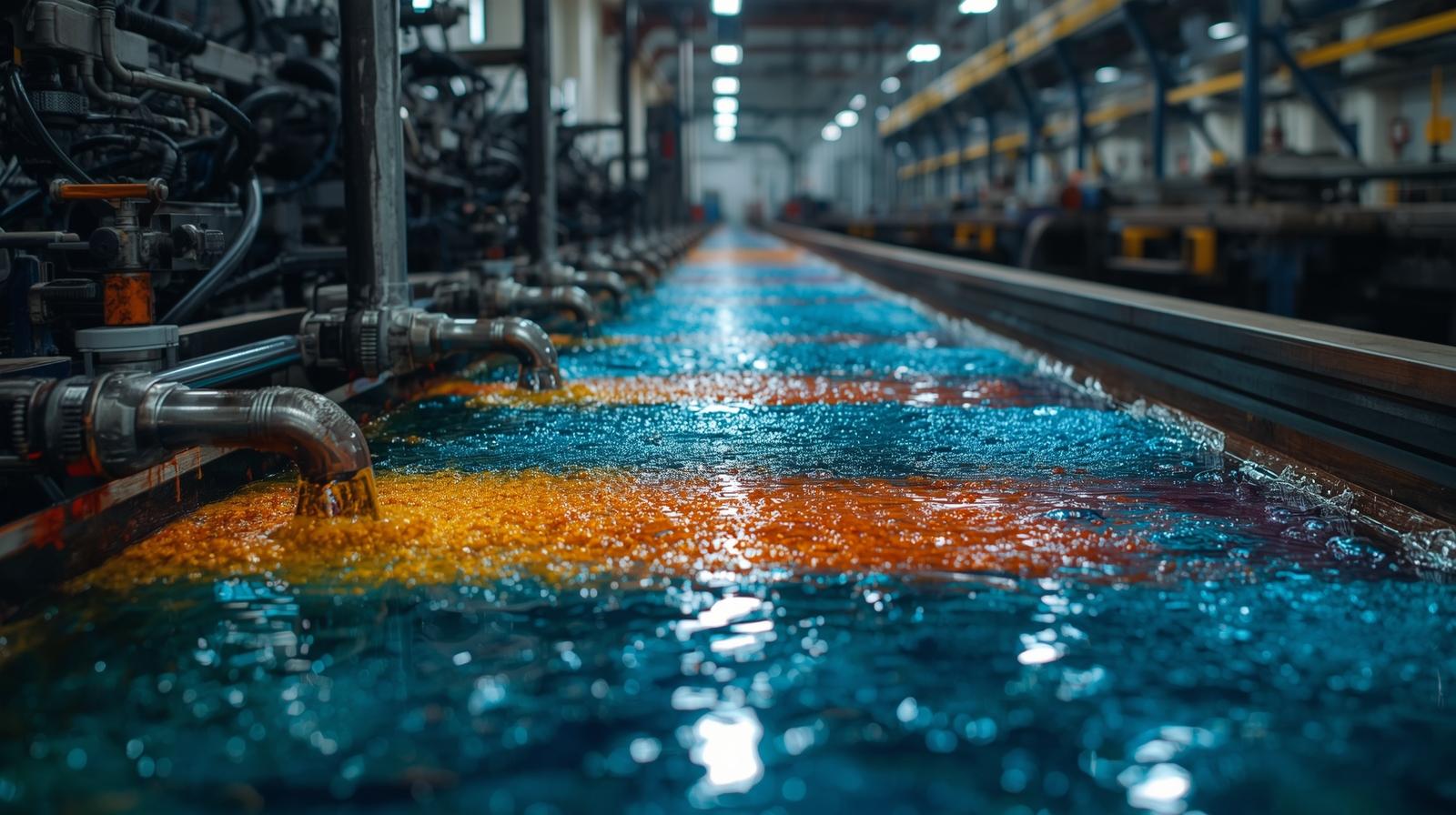
عملية أنودة الألومنيوم التفصيلية بما في ذلك التنظيف، والأكسدة الإلكتروليتية، والتلوين، والختم من أجل المتانة
التنظيف وإعداد السطح
قبل عملية الطلاء بأكسيد الألومنيوم، يجب تنظيف الألومنيوم جيدًا وإلا لن يتم الحصول على سطح خالٍ من العيوب. قد يؤدي وجود أي ملوثات على النظام مثل الشحوم أو الأوساخ أو بصمات الأصابع إلى تعطيل تكوين الأكسيد، مما يتسبب في عدم استواء الأسطح. إن إزالة الشحوم والشطف، وأحيانًا الحفر، هي طريقة التنظيف المناسبة لإعداد الجدار للحصول على التصاق دائم، تمامًا كما يتم عمل خريطة الحائط قبل طلائه.
مرحلة الاستحمام بأكسيد الألومنيوم
في عملية الأنودة، يوضع الألومنيوم في حمام حمض الكبريتيك ويتم توصيله بمصدر طاقة مكهرب. ويؤدي ذلك إلى ارتباط أيونات الأكسجين بسطح الألومنيوم لتكوين كمية أكسيد متحكم فيها. يزيد هذا التفاعل الكهروكيميائي من قوة المعدن ويزيد من مستوى متانته ويشكل أيضًا سطحًا مساميًا يستخدم للتلوين.
تلوين الألومنيوم المؤكسد
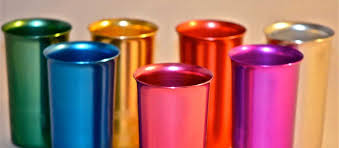
يعمل غشاء الأكسيد المسامي للألومنيوم المؤكسد كإسفنجة وهو شديد الامتصاص للأصباغ. وهذا يمكّن المصنعين من الحصول على ألوان زاهية ومتينة من حيث الألوان والألوان مثل البرونزي والأسود والذهبي والأحمر هي الأكثر سطوعاً. كما أن الصبغة عميقة ولا تتلاشى بسهولة وتوفر خيارات تخصيص زخرفية وعملية.
ختم السطح
العملية الأخيرة هي عملية الإغلاق، والتي تتمثل في إغلاق الحذف المجهري المؤكسد. ويتم ذلك لتثبيت أي نوع من الألوان المطبقة وتعزيز مقاومة التآكل بشكل كبير. يحول هذا الختم دون دخول الرطوبة والملوثات، وبالتالي يساعد في الحفاظ على مظهر الألومنيوم المؤكسد بمتانة وجاذبية وحماية مميزة.
الماء الساخن مقابل الختم الكيميائي
يقوم الماء الساخن الذي يزيح الهيدرات بإغلاق طبقة الأكسيد، مما يجعل مستوى المسام على طبقة الأكسيد يتضخم. تتم إضافة قوة إضافية مع الختم الكيميائي عادةً باستخدام أسيتات النيكل حيث يتم ترسيب المركبات في المسام. على الرغم من أن كلا الإجراءين يساهمان في تحسين مقاومة التآكل، إلا أن أداء الختم الكيميائي في ظل ظروف شاقة إلى حد ما مقارنة بالترطيب المباشر عادة ما يكون أفضل.
أنواع طلاءات الألومنيوم المؤكسد
لا يوجد ألومنيوم مؤكسد قياسي. تشكل العمليات المختلفة خصائص أداء مختلفة.
النوع I: أنودة حمض الكروميك
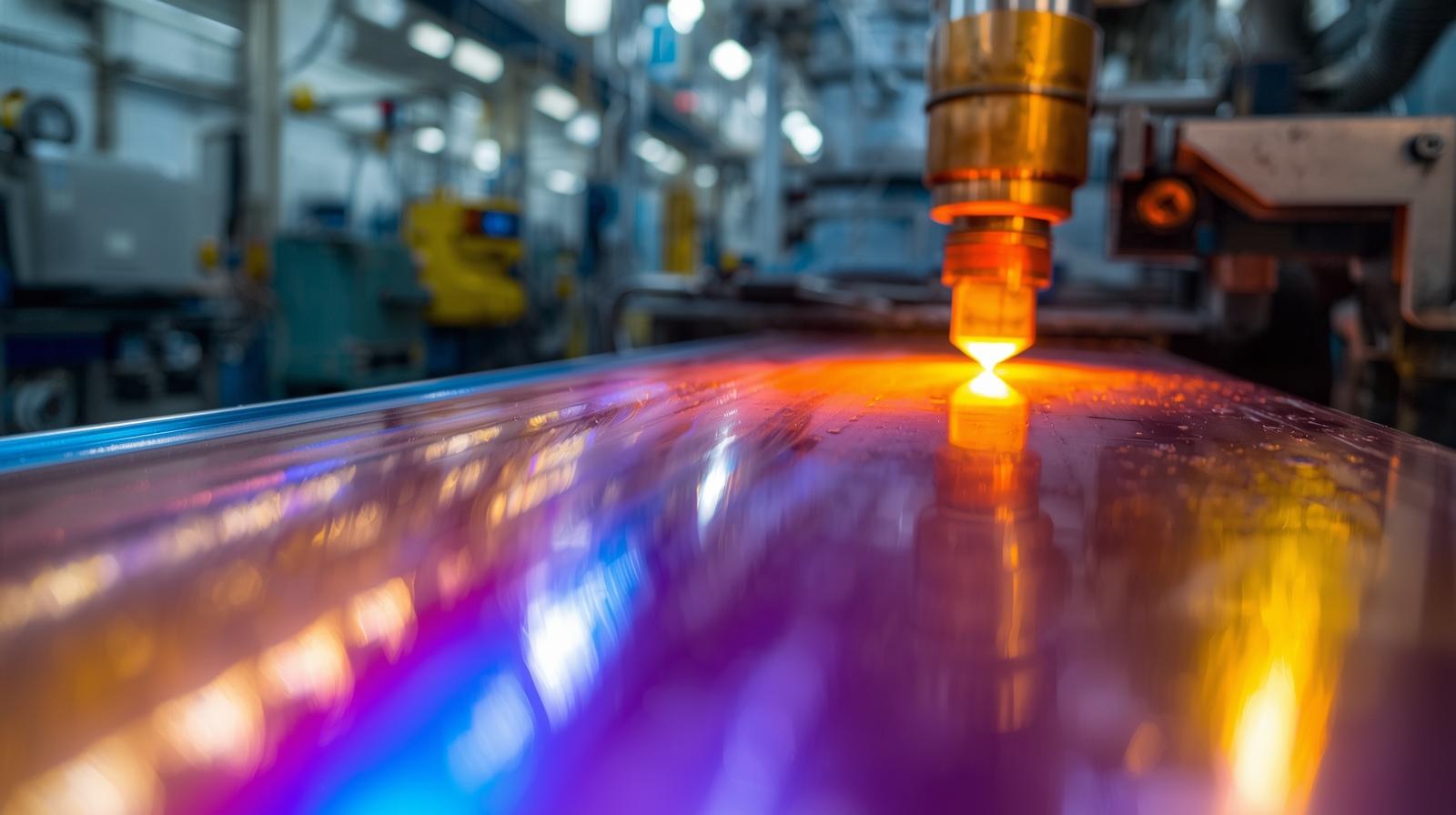
مكونات الألومنيوم المعالجة بأكسدة حمض الكروميك لمقاومة التآكل وطبقة أكسيد واقية
ينتج عن هذه العملية طلاء رقيق مقاوم للتآكل. وتُستخدم عادةً في مجال الطيران والفضاء حيث يكون التفاوت المسموح به مصدر قلق كبير. وعلى الرغم من فعاليته، فقد انخفضت شعبيته بسبب المخاوف البيئية.
أنودة حمض الكبريتيك من النوع الثاني
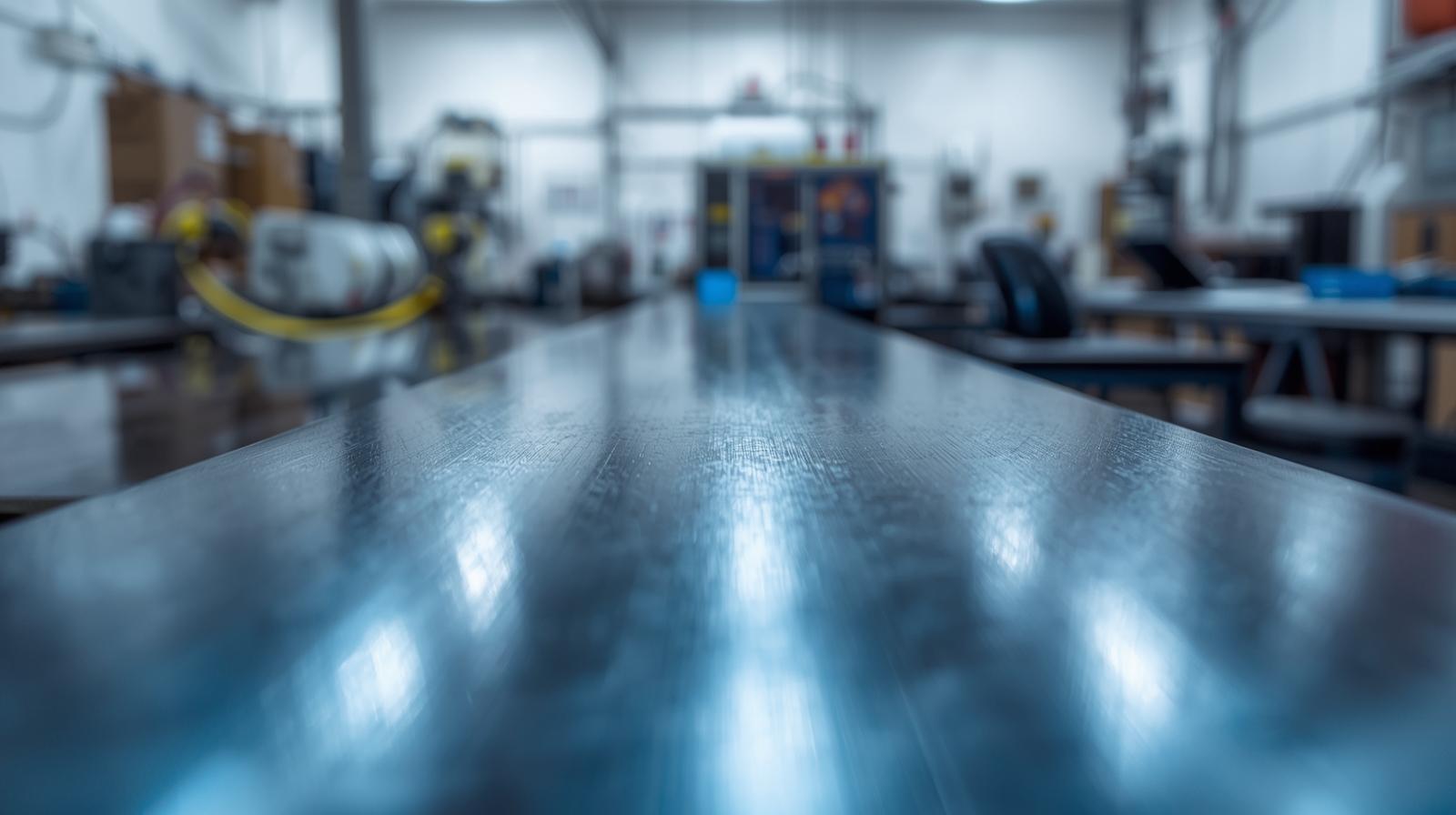
مكونات الألومنيوم المعالجة بأكسدة حمض الكبريتيك لتعزيز المتانة ومقاومة التآكل والتشطيبات الزخرفية
النوع الثاني هو الأكثر شيوعًا في عملية أكسدة الألومنيوم المؤكسد الذي يتمتع بمقاومة جيدة للتآكل والقدرة على التلوين. ويستخدم على نطاق واسع في المنتجات الاستهلاكية والإلكترونيات والمنتجات المعمارية.
النوع الثالث: الطلاء بأكسيد الألومنيوم الصلب
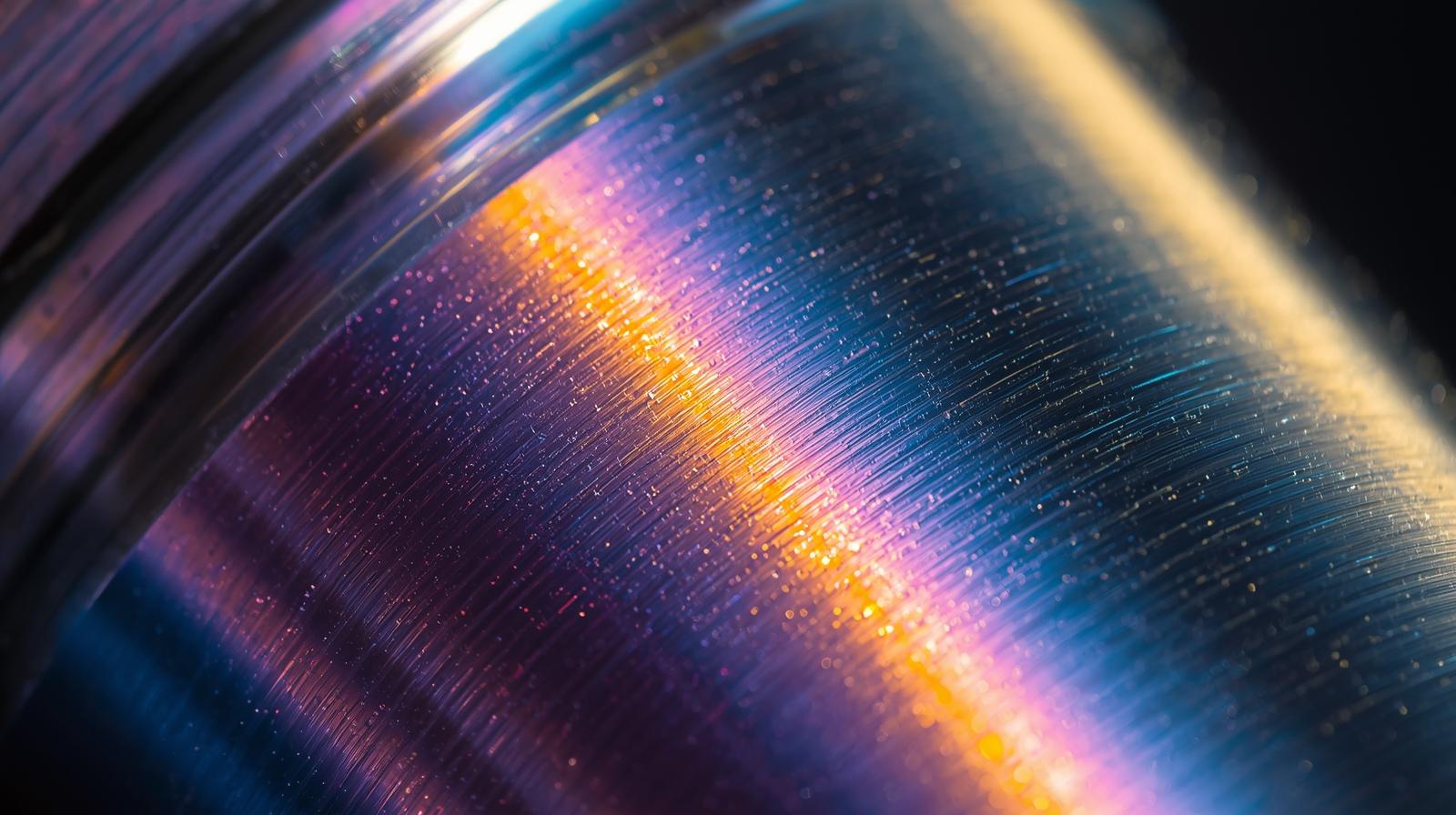
مكونات الألومنيوم المعالجة بأكسيد الألومنيوم بطبقة صلبة لمقاومة فائقة للتآكل والحماية من التآكل وإطالة العمر الافتراضي
ويشار إلى هذه العملية أيضًا بالأنودة الصلبة وتشكل طبقة أكسيد سميكة وقوية المظهر للغاية. وهي تعمل بشكل أفضل مع المكونات الصناعية والعسكرية والمكونات البالية ذات الطبيعة العالية.
فوائد الألومنيوم المؤكسد
مقاومة التآكل المحسّنة
يحتوي الألومنيوم المؤكسد على أكسيد واقٍ يغلّفه لمنع تلف الرطوبة والملح والبيئات الأخرى غير المواتية. كما أنه ليس عرضة للصدأ والتآكل، وهو ما لا ينطبق على الألومنيوم غير المعالج، وبالتالي فهو مناسب للاستخدام في الظروف البحرية والخارجية والصناعية مع المتانة والموثوقية المطلوبة على المدى الطويل.
متانة وصلابة محسّنة
تجعل عملية الطلاء بأكسيد الألومنيوم بطبقة صلبة سطح الألومنيوم أقوى بكثير - في الواقع تصلب بصلابة الفولاذ. وهذا يزيد من الصلابة مما يوفر مقاومة أفضل للتآكل ويقلل من الخدوش ويزيد من عمر الخدمة. وهي مفيدة بشكل خاص في صناعات الطيران والسيارات والصناعات الثقيلة حيث تتمثل بعض معايير الأداء الرئيسية في القوة والمرونة.
المظهر الجمالي وخيارات الألوان
يتم توفير ألوان نابضة بالحياة ومقاومة للبهتان مغطاة بالألومنيوم المؤكسد الذي يتخلل طبقة الأكسيد بدلاً من أن يستقر على السطح. لا تتقشر الطبقة النهائية ولا تتشقق ولا تتقشر كما يفعل الطلاء. وينتج عن ذلك صورة متينة راقية للمنتج يمكن استخدامها في الاستخدامات المعمارية والاستهلاكية والزخرفية.
خصائص صديقة للبيئة
عملية الطلاء بأكسيد الألومنيوم صديقة للبيئة: فهي لا تخلق مركبات عضوية متطايرة (VOCs)، ولا تولد الكثير من النفايات، ويمكن إعادة تدوير الألومنيوم الناتج بالكامل. يتميز الألومنيوم المؤكسد بطبقة نهائية طويلة العمر مما يجعله يدوم لفترة أطول، وبالتالي لا يلزم استبداله ويوفر توازناً بين الأداء والتجميل والمسؤولية البيئية.
الاستخدامات الشائعة لمنتجات الألومنيوم المؤكسد
الهندسة المعمارية والبناء
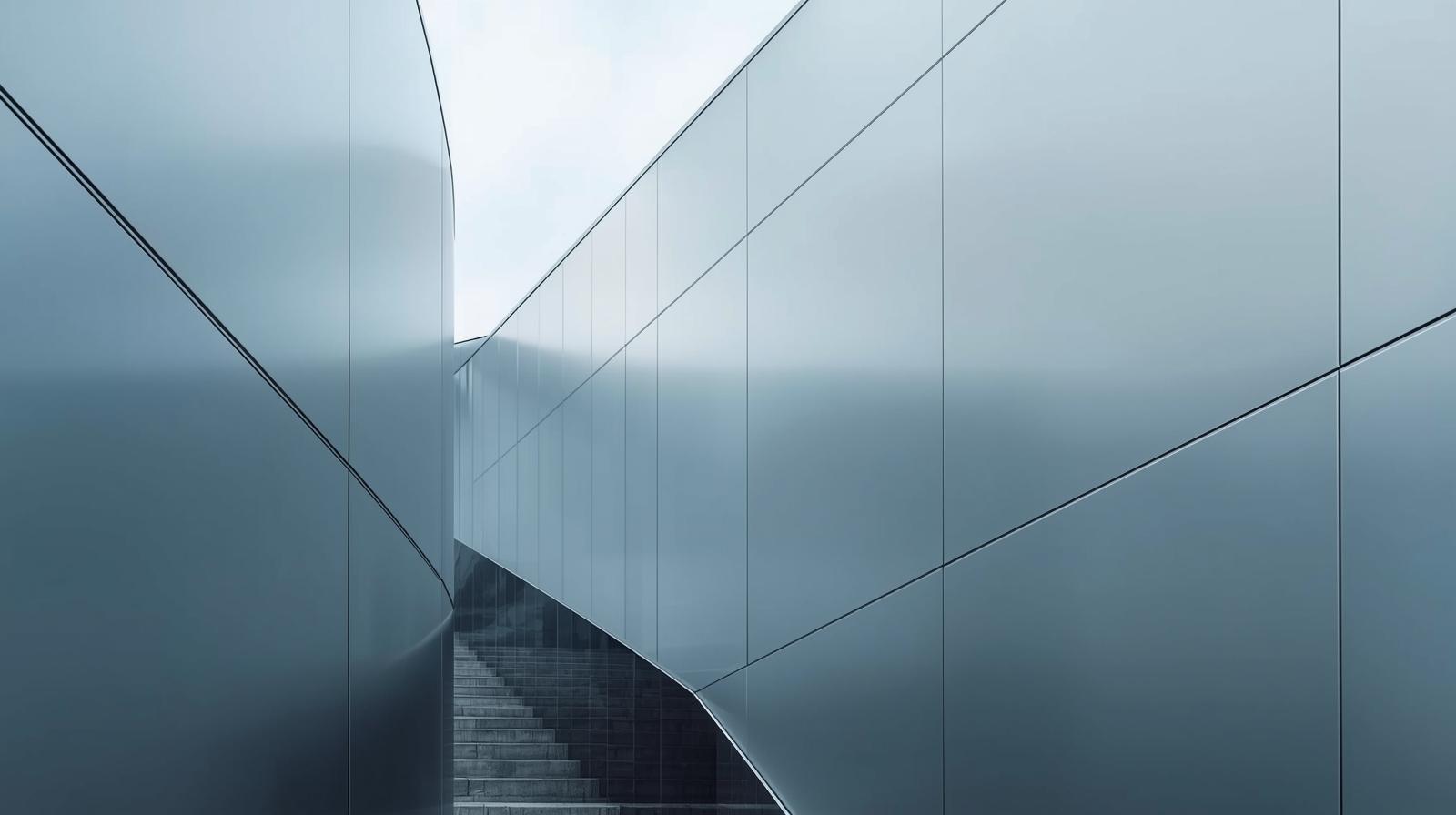
الألومنيوم المؤكسد المستخدم في واجهات المباني وإطارات النوافذ وأنظمة الكسوة من أجل المتانة والتصميم
يشيع استخدام الألومنيوم المؤكسد في إطارات النوافذ والملحقات والسور نظراً لقدرته على مقاومة العوامل الجوية والتآكل وتحمل أضرار الأشعة فوق البنفسجية. وتساعده هذه اللمسة النهائية التي تدوم طويلاً على الاحتفاظ بمظهره على مدى عقود من الزمن، وبالتالي فهي توفر للمهندسين المعماريين مادة خفيفة الوزن لا تحتاج إلى صيانة وتحتوي على القوة والجمال إلى جانب الأداء الدائم في الأماكن الخارجية.
الإلكترونيات والسلع الاستهلاكية
كثيراً ما يُستخدم الألومنيوم المؤكسد في الهواتف الذكية وأجهزة الكمبيوتر المحمولة والأجهزة داخل المطبخ لأنه يتميز بمظهره الناعم وقوته. كما يتميز بمقاومته للخدوش والبهتان وبصمات الأصابع، بالإضافة إلى أنه يتميز بألوانه النابضة بالحياة. ولهذا السبب يُعد الألومنيوم المؤكسد خيارًا مثاليًا للمنتجات الاستهلاكية التي لا تتطلب مظهرًا جميلًا فحسب، بل أيضًا القدرة على ارتدائها كل يوم.
صناعات السيارات والفضاء الجوي
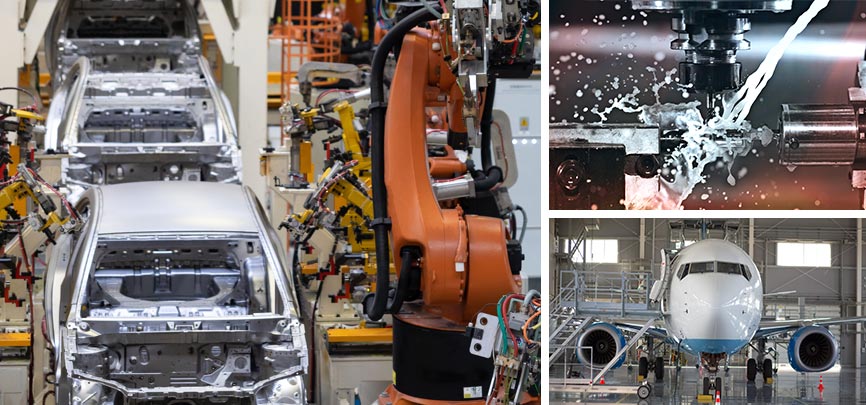
أجزاء الألومنيوم المؤكسد المستخدمة في السيارات والطائرات لتعزيز المتانة ومقاومة التآكل والأداء
يُستخدم الألومنيوم المؤكسد في صناعة السيارات والفضاء لتوفير أداء عالٍ من خلال توفير القوة ومقاومة التآكل الموجودة في وزن خفيف. فهو قادر على تحمل الظروف القاسية وتقليل الوزن الإجمالي وتعزيز كفاءة الأداء. تُعد الألواح وأجزاء المحرك والمكونات الهيكلية الأخرى من بين المكونات التي تتمتع بمتانتها وموثوقيتها وعمرها التشغيلي الطويل.
المعدات الطبية والغذائية
الألومنيوم المؤكسد غير سام وسهل الغسل، كما أنه مقاوم للبكتيريا بشكل طبيعي. وخصائصه هي السبب في استخدامه في الأجهزة الطبية والأدوات الجراحية ومعدات تجهيز الأغذية. كما أن تشطيبه الصحي يضمن سلامته ومقاومته للتآكل والتآكل، وهو مفيد في الظروف الصعبة.
الألومنيوم المؤكسد مقابل الألومنيوم المطلي بأكسيد الألومنيوم

مقارنة جنباً إلى جنب بين الألومنيوم المؤكسد والألومنيوم المطلي بأكسيد الألومنيوم لإظهار المتانة وجودة الطلاء واحتياجات الصيانة
مقارنة المتانة
الطلاء عبارة عن طلاء يقع على سطح الألومنيوم الذي يميل إلى التقشر أو التشقق أو التلاشي مع مرور الوقت. تعمل عملية الأنودة على تحويل المادة نفسها إلى طبقة سطحية من الأكسيد الواقي الذي يضمن متانة كبيرة ومقاومة للخدش وأداءً طويل الأمد.
فروق التكلفة والصيانة
يعتبر الألومنيوم المطلي أقل تكلفة في البداية ولكنه يحتاج إلى لمسات منتظمة أو إعادة طلاء أو استبدال نتيجة البلى والتلف. أما سبائك الألومنيوم المصنوعة من سبائك الألومنيوم فهي أغلى ثمناً على المدى القصير ولكن بتكلفة صيانة أقل، كما أنها توفر على المدى الطويل وأداء مستقر، وهي أرخص على المدى الطويل.
الألومنيوم المؤكسد مقابل الألومنيوم المطلي بالمسحوق
الأداء والعمر الافتراضي
يوفر طلاء المسحوق سطحًا ويمكن لهذا السطح إما أن يتشقق أو يتقشر أو يتآكل بمرور الوقت. يتم تغيير الألومنيوم ذاته لتكوين طبقة أكسيد قوية من خلال الطلاء بأكسيد الألومنيوم، مما يضمن صعوبة تلف المادة، مما يعزز من عمر الخدمة والأداء بشكل أفضل.
الاختلافات البصرية والوظيفية
يوفّر طلاء المسحوق ظلالاً أكثر بدانة وشفافية تظهر على الأوراق المعدنية. يمنح الطلاء بأكسيد الألومنيوم مظهراً معدنياً طبيعياً بمظهر متميز؛ مما يُظهر ألواناً نابضة بالحياة لا تبهت أبداً، ومقاومة للتآكل ومقاومة للتلف.
الألومنيوم المؤكسد مقابل الألومنيوم المطلي بأكسيد الألومنيوم مقابل الألومنيوم المطلي بالبودرة
| الميزة | الألومنيوم المؤكسد | ألومنيوم مطلي بالألومنيوم | ألومنيوم مطلي بمسحوق الألومنيوم |
|---|---|---|---|
| المتانة | ممتاز | معتدل | جيد |
| التقشير/التقشير | أبداً | شائع | ممكن |
| مقاومة الأشعة فوق البنفسجية | عالية | منخفضة-متوسطة | معتدل |
| الصيانة | منخفضة | عالية | متوسط |
| صديقة للبيئة | عالية | منخفضة | متوسط |
باختصار, ألومنيوم مؤكسد التشطيبات النهائية تفوز عندما يكون طول العمر والأداء أكثر أهمية.
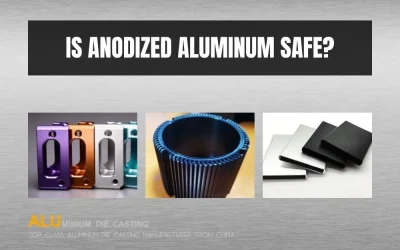
هل الألومنيوم المؤكسد آمن؟
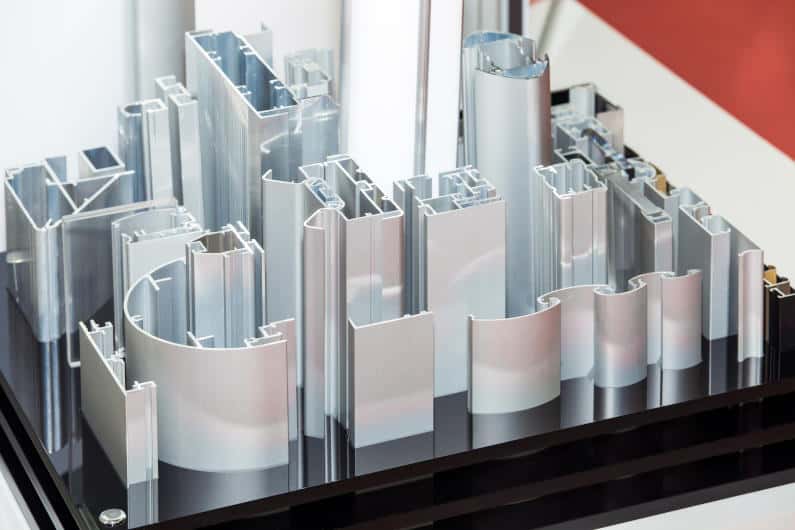
الألومنيوم المؤكسد المستخدم في واجهات المباني وأواني الطهي والمنتجات الاستهلاكية التي تبرز السلامة والمتانة
اعتبارات سلامة الأغذية
نعم. نوع الأنود من الألومنيوم خامل وقابل للطهي.
التأثير على الصحة والبيئة.
يقال إن عمليات الألومنيوم المؤكسد مسؤولة بيئياً. لا تنبعث من الطلاء النهائي أي مركبات عضوية متطايرة ضارة ويمكن إعادة تدوير الألومنيوم نفسه بنسبة 100 في المائة. كما أن مصنع الأنودة في هذه الأيام يعيد تدوير المياه والمواد الكيميائية ويقلل من كمية النفايات المنتجة. تُعتبر عملية الأنودة بديلاً أكثر صداقة للبيئة وأنظف من التقليدية، ويمكن استخدامها دون التأثير على الأداء.
إلى متى يدوم الألومنيوم المؤكسد؟
العوامل المؤثرة في العمر الافتراضي
يتم تحديد متانة الألومنيوم المؤكسد من خلال مستوى طبقات الأكسيد والتعرض للبيئة وجودة الختم. يمكن أن يضمن الختم والسماكة المنظمة أعلى درجة من المتانة وثبات التآكل والتشغيل المنتظم في ظل ظروف متنوعة.
الأداء الداخلي مقابل الأداء الخارجي.
يمكن استخدام الشبيه بأكسيد الألومنيوم في الداخل، والذي يمكن أن يدوم لعقود دون الكثير من الصيانة. أما في الخارج، يقلل الطقس من العمر الافتراضي من 20 إلى 40 عامًا ولكن مع العناية الواجبة وإحكام الإغلاق، يطول العمر المتوقع والمظهر بشكل كبير.
هل يمكن إصلاح الألومنيوم المؤكسد أو إعادة تأكسده؟
مشاكل الخدش والتآكل
عادة ما تفقد الخدوش الصغيرة على الألومنيوم المؤكسد جماليتها ولكن ليس وظيفتها. ومع ذلك، يصعب إصلاحها بشكل غير مرئي حيث يصبح مستوى الأكسيد جزءًا من المعدن وبالتالي لا يكون إصلاحها بسلاسة الطلاء.
إمكانيات إعادة الترميز
يمكن إعادة أكسدة الألومنيوم المؤكسد بدوره، ما يعني أنه يجب إزالة طبقة الأكسيد القديمة وإعادة معالجة السطح. وهذا يعيد تنشيط العناية والمظهر ولكنه يأتي على حساب معدات خاصة ومعالجة احترافية.
صيانة الألمنيوم المؤكسد والعناية به
العناية بـ ألومنيوم مؤكسد الأسطح سهلة للغاية بطريقة منعشة:
- يُغسل بكمية قليلة من صابون النبيذ والماء.
- تجنب المنظفات الكاشطة
- اشطفه جيدًا وجففه
- العمل في ظروف قاسية بين الحين والآخر.
يمكن استخدام الألومنيوم المؤكسد لعقود من الزمن بأقل قدر من الاهتمام مع الحفاظ على مظهر هذه المادة وأدائها.
مستقبل تكنولوجيا الألومنيوم المؤكسد
الابتكارات في تكنولوجيا أنودة الألومنيوم التي تقود الاستدامة والمتانة وتطبيقات التصميم المتقدمة
الابتكارات في الأنودة
إن الطلاء بأكسيد النانو والطلاء الذكي ليسا سوى عدد قليل من التطورات التي تم إحرازها، مما أدى إلى تغيير طريقة معالجة الألومنيوم. وقد سمحت عملية الطلاء بأكسدة النانو بالتحكم في هياكل المسام بدرجة عالية من الدقة، وتم توسيع نطاق الطلاء الذكي لإضفاء وظائف إضافية على المواد مثل التنظيف الذاتي أو الكشف عن التآكل، مع استخدامات في الإلكترونيات والفضاء والهندسة عالية الأداء.
اتجاهات التصنيع المستدام
تصر أنودة المستقبل على الاستدامة من خلال تقليل استخدام الطاقة والإلكتروليتات غير الضارة بالبيئة. ومن خلال الحد من النفايات وإزالة المواد الكيميائية الضارة والكفاءة، يمكن للمصنعين تحقيق تشطيبات متينة دون التسبب في ضرر للبيئة، وبالتالي، من خلال الالتزام بالأهداف البيئية العالمية، يصبح الألومنيوم المؤكسد أكثر استدامة ومسؤولية اجتماعية.
الخاتمة
إن الألومنيوم المؤكسد ليس مجرد زخرفة على الألومنيوم، بل هو تطور تكنولوجي للمعدن. فمن خلال تطوير طلاء أكسيد قوي، توفر الأنودة قوة ومقاومة للتآكل، وتوفر تآكلًا ساطعًا وطويل الأمد. وتدخل منتجاتها في مجالات الهندسة المعمارية والإلكترونيات والنقل والمعدات الطبية. ومن خلال خلق مزيج مثالي من الخصائص المستجيبة للبيئة وقابلية إعادة التدوير والصديقة للبيئة، لا يمكن أن يضاهى الألومنيوم المؤكسد من حيث المتانة والاستدامة والجاذبية مما يساعد على جعل هذه المادة لا تقدر بثمن في سياق الصناعات المعاصرة والاختراعات القادمة.
الأسئلة الشائعة
هل الألومنيوم المؤكسد المقاوم للمطر؟
نعم، إنه مقاوم للماء للغاية ويمكن استخدامه في الهواء الطلق.
هل يمكن أن يصدأ الألومنيوم المؤكسد؟
لا. الألومنيوم لا يصدأ والأكسدة تزيد من التآكل أيضًا.
هل الألومنيوم المؤكسد من الألومنيوم عنصر مكلف؟
قد تكون مكلفة على المدى القصير ولكنها اقتصادية على المدى الطويل.
هل تتلاشى سبائك الألومنيوم المؤكسد مع مرور الوقت؟
لا يتلاشى الطلاء بأكسيد عالي الجودة في غضون عقود.
هل يمكن إعادة تدوير الألومنيوم المؤكسد؟
بالتأكيد. إنه قابل لإعادة التدوير بنسبة 100% ولا يفقد أي جودة.
0 تعليق