
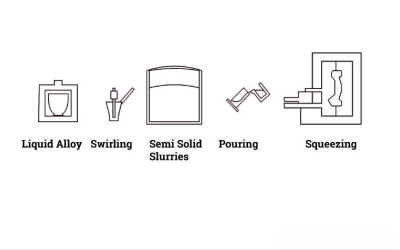
Semi-Solid Die Casting (SSDC): Benefits and Applications
Uncover the power of Semi-Solid Die Casting for creating complex, strong metal components with minimal defects and energy savings. Learn about rheocasting, thixocasting, and its uses.
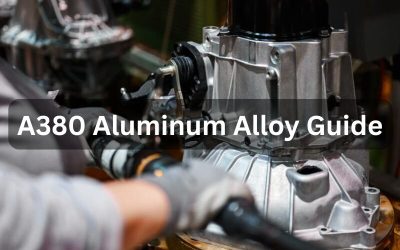
A380 Die CastingAluminum Alloy: Properties, Composition and Applications
Discover A380 aluminum: A versatile alloy known for excellent castability & thermal conductivity. Dive into its properties, composition, applications & heat treatment.
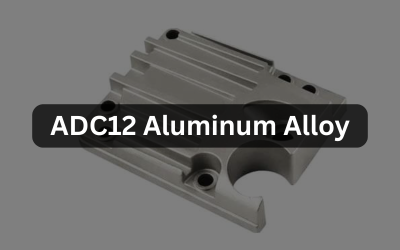
What is ADC12 Aluminum Alloy? A Guide to Properties & Die Casting
ADC12 aluminum alloy is a cost-effective aluminum alloy ideal for die casting. Learn its properties, uses, benefits, and how it compares to ADC10 & ADC14
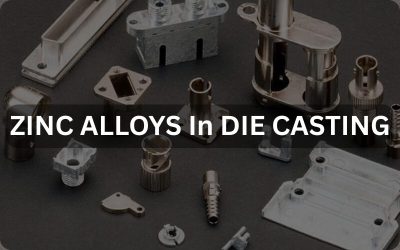
Cast Zinc Alloys: A Guide to Types, Properties & Applications
Explore cast zinc alloys: Zamak, ZA, AcuZinc & more. Understand their unique properties, advantages, limitations, and manufacturing techniques like die casting.
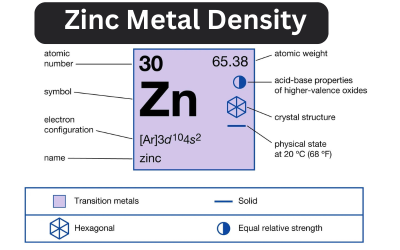
Zinc Metal Density: Properties, Applications, and How it Works
Learn the properties of zinc metal density, including its density (7140 kg/m³), electronic configuration, and crystal structure. Read zinc applications in manufacturing, from construction to electronics, and how density affects its use in die casting and ballast.

Zamak 3 Alloy: Composition, Properties & Machining Guide
Zamak 3: A comprehensive guide to its composition, properties (mechanical & physical), applications (automotive, electrical, etc.), machining considerations, and corrosion resistance.

Zamak 5 Alloy: Composition, Properties, Applications, and Benefits Explained
Read everything about Zamak 5 alloy – its chemical composition, physical & mechanical properties, casting process, and key benefits. Compare Zamak 5 vs. Zamak 3 for your manufacturing needs.
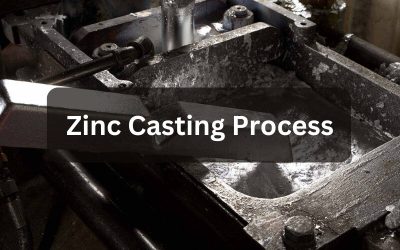
Zinc Casting: Process, Applications, and Advantages
Zinc casting uses melted zinc. The melted zinc goes into a mold. The mold shapes the zinc as it cools. This makes strong parts. Zinc casting is good for making many parts quickly. The process of zinc casting is used to manufacture durable parts with exactitude....
Castable Aluminum Alloys: Composition, Properties & Applications Explained
Read properties of castable aluminum alloys like A380, A356, and 6061. Learn about their tensile strength, corrosion resistance, and impact on industries such as automotive, aerospace, and electronics.
Anodizing Aluminum Die Casting | Complete Guide
Anodizing Aluminum Die Casting creates a protective surface. First, the aluminum die casting part is cleaned. Next, an electrical current in an acid bath forms an oxide layer. This layer strengthens the aluminum, boosting its resistance to wear. Finally, the anodized...
How to Reduce Aluminum Die Casting Cost?
Per KG aluminum die casting cost ranges from roughly 4$ to 6$ USD. Similarly, Tooling cost can range from 8,000$ to 15,000$ USD. If you have simple design, you can save $5,000-$10,000 in tooling costs. Moreover, right aluminum alloy like A380 can reduce up to 10%...
What is Aluminum Powder Coating? Complete Guide
In Aluminum powder coating, First, clean the aluminum. Then, spray dry powder onto it. Next, bake it in an oven to melt the powder. Finally, let it cool. This makes a strong, protective finish. Different colors of powder can be used. The coating is tough and lasts a...
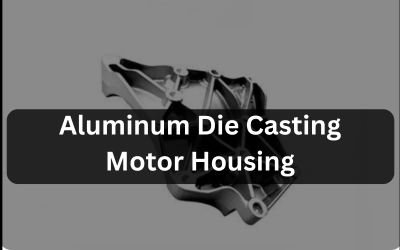
Aluminum Die Casting Motor Housing | Complete Guide
Aluminum die casting is a common technique to make motor housing. It is efficient enough to beat any design complexity level. The process begins by heating aluminum to its melting point and inserting it into the mold. Motor housings made with aluminum contain less...

Difference between Magnesium die casting and Aluminum Die Casting
Magnesium die casting and aluminum die casting are ways to make metal parts. Hot, melted metal is pushed into molds to create shapes. Magnesium makes parts that are very light but strong for their weight
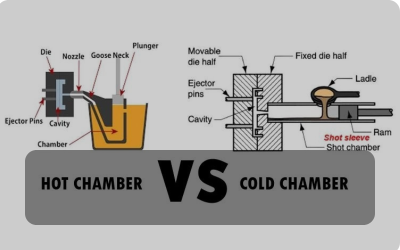
Differences Between Hot Chamber and Cold Chamber Die-Casting
Hot chamber and cold chamber die casting are both metal casting methods. But they work in different ways. Hot chamber die casting uses a built-in furnace. It works faster and makes parts from low-melting-point metals like zinc. Meanwhile, cold chamber casting uses a...
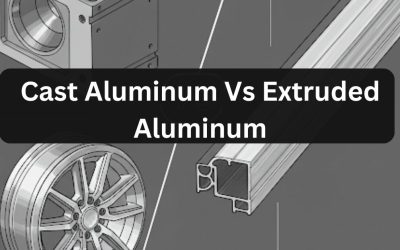
Difference Between Cast Aluminum and Extruded Aluminum
Cast aluminum and extruded aluminum are types of aluminum made in different ways. In cast aluminum, you pour melted metal into a mold to make a shape. Extruded aluminum is made by pushing aluminum through a hole to create shapes like tubes. Extruded aluminum is...
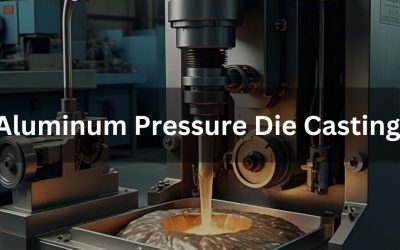
Aluminum Pressure Die Casting 101 | Complete Guide
Aluminum Pressure Die Casting is a process that injects molten aluminum into a mold, using high pressure to shape the metal. This technique enables the creation of precise and complex parts quickly. It is often used for making car parts, machine parts and other metal...
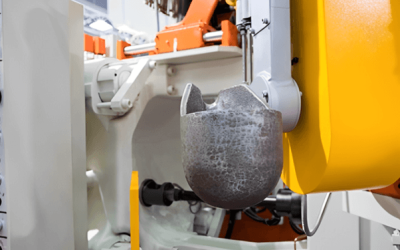
22 Common aluminum die casting defects and solutions
22 Common aluminum die casting defects and solutions Aluminum die casting or High-pressure die casting (HPDC) is a manufacturing process that makes complex aluminum alloy parts with good precision and surface finish. Nevertheless, the process is susceptible to various...
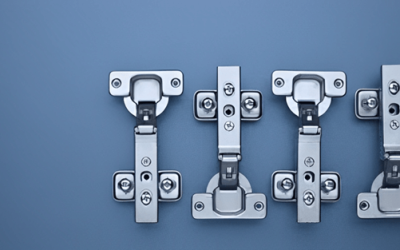
Metal Hinges vs. Aluminum Hinges vs. Zinc Hinges
Metal Hinges vs. Aluminum Hinges vs. Zinc Hinges: A Comprehensive Comparison Hinges also have many practical roles. They work indoors and in cabinets among heavy machinery and industrial equipment. The right hinge material is important to choose for your work. It is...
Benefits of Using Zinc Alloys in High-Pressure Die Casting
Zinc alloys high-pressure die casting is a process where molten zinc alloy is forced into a mold at high pressure to create strong, detailed parts. It’s a fast and efficient way to make many identical parts with good precision.
Die Casting vs. CNC Machining: Which is Best for You?
CNC machining: subtractive process, precise, best for prototypes/low volume. Die casting: injection molding, efficient for complex shapes, high volume production.