
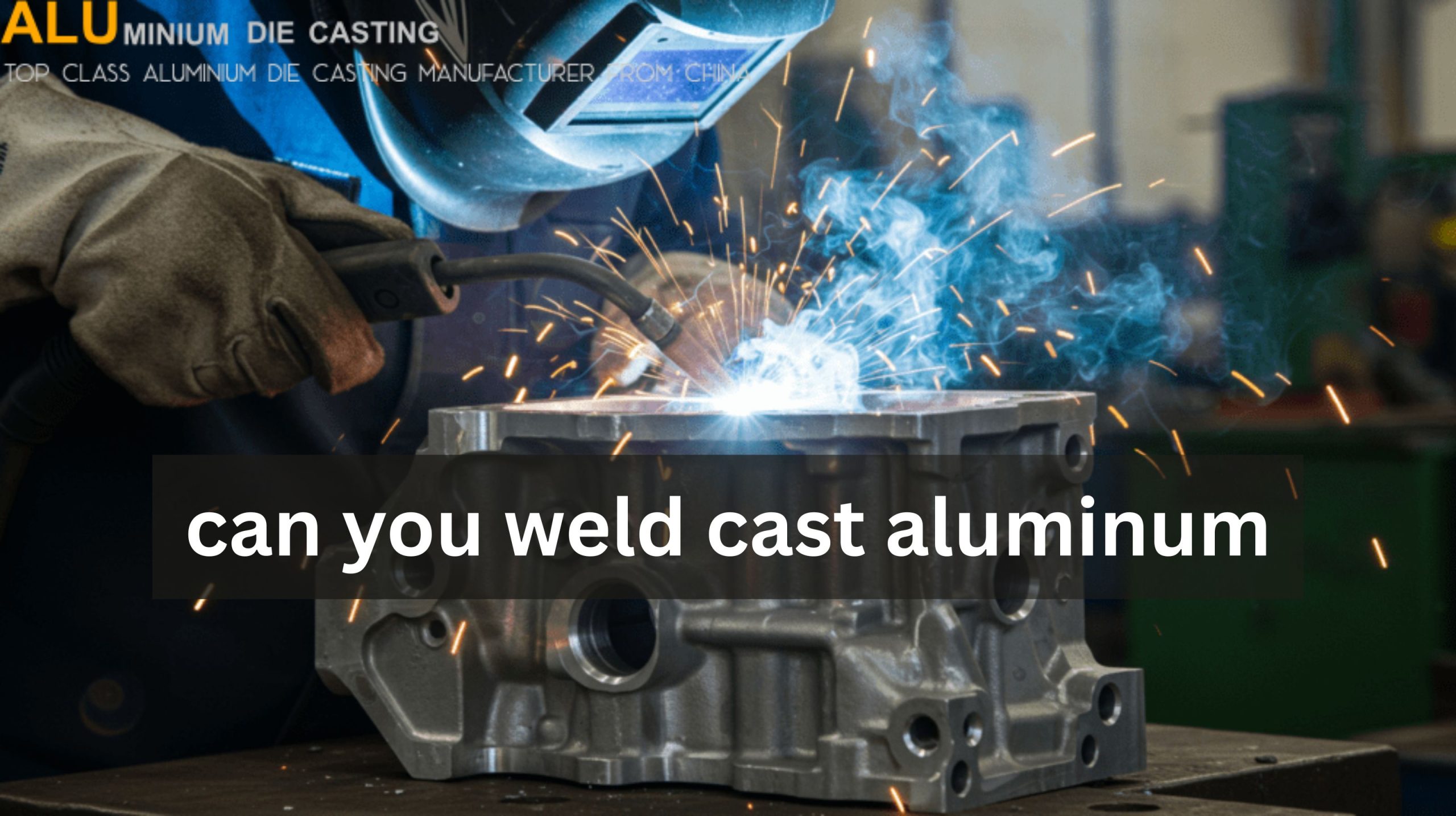
Lidé si obvykle kladou otázku: Lze svařovat hliníkové odlitky? Odpověď zní ano, hliníkové odlitky lze svařovat, ale není to snadné. Litý hliník není podobný běžnému hliníku a vyžaduje speciální přípravu, vhodné techniky svařování a dovednosti.
Hliníkový odlitek se běžně vyskytuje v součástech motorů, kuchyňském nádobí, nábytku, strojích a automobilových součástkách. Svařování je oblíbenou metodou opravy těchto dílů, když se zlomí nebo se na nich vytvoří stopy. Nicméně v případě nesprávného svařování může kov opět prasknout nebo se stát křehkým.
Co je litý hliník?
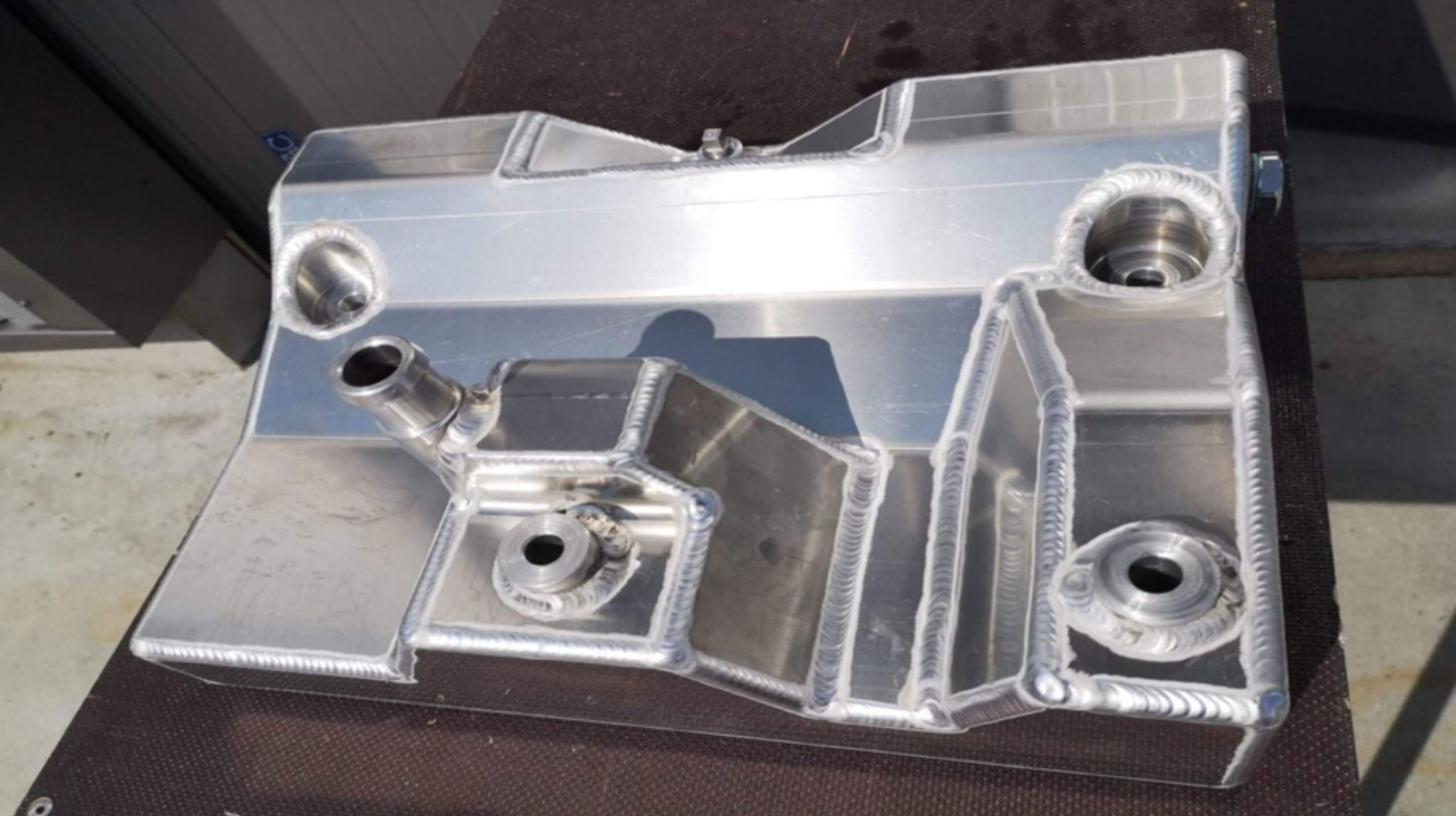
Hliníkový odlitek označuje roztavený hliník, který se nalije do formy a získá určitý tvar. Po ochlazení ztuhne a zachová si tvar formy. To je užitečné při výrobě složitých dílů a konstrukcí, které by bylo obtížné vyrobit jinými prostředky.
Klíčové vlastnosti hliníkového odlitku:
- Obsahuje nečistoty a vzduchové bubliny.
- Křehké složení ve srovnání s běžným hliníkem.
- Často obsahuje křemík
- Používá se pro složité tvary
Díky těmto vlastnostem je svařování hliníkových odlitků obtížnější než svařování plechů nebo čistého hliníku.
Proč je svařování hliníkových odlitků obtížné?
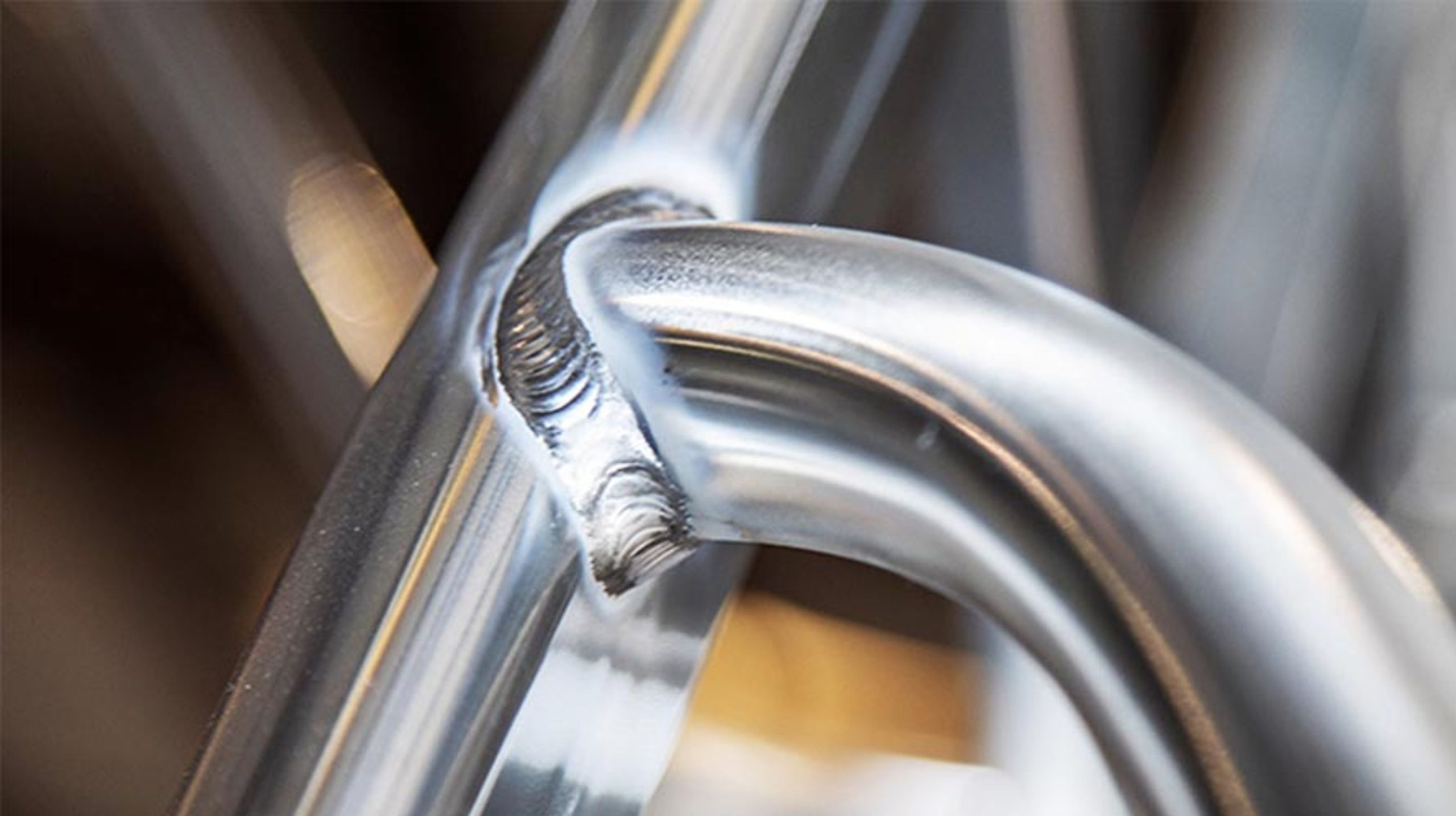
Naučit se svařovat hliníkové odlitky je obtížné, a než se to naučíte, musíte vědět proč.
1. Pórovitost (vzduchové otvory)
Hliníkový odlitek obsahuje drobné vzduchové póry. Tyto póry také při zahřívání v procesu svařování uvolňují plyn, čímž vznikají slabé svary a praskliny.
2. Oxidová vrstva
Na povrchu se vytvoří povlak oxidu hlinitého. Tato vrstva má v porovnání se samotným hliníkem velmi vysokou teplotu, a proto se obtížně svařuje.
3. Neznámé složení kovu
Většina hliníkových odlitků obsahuje neznámé složky slitin, což může ovlivnit reakci kovu na teplo.
4. Problémy s krakováním
Hliníkové odlitky se po svařování snadno lámou, pokud nejsou správně předehřáté nebo ochlazené.
Typy hliníkových odlitků a svařitelnost
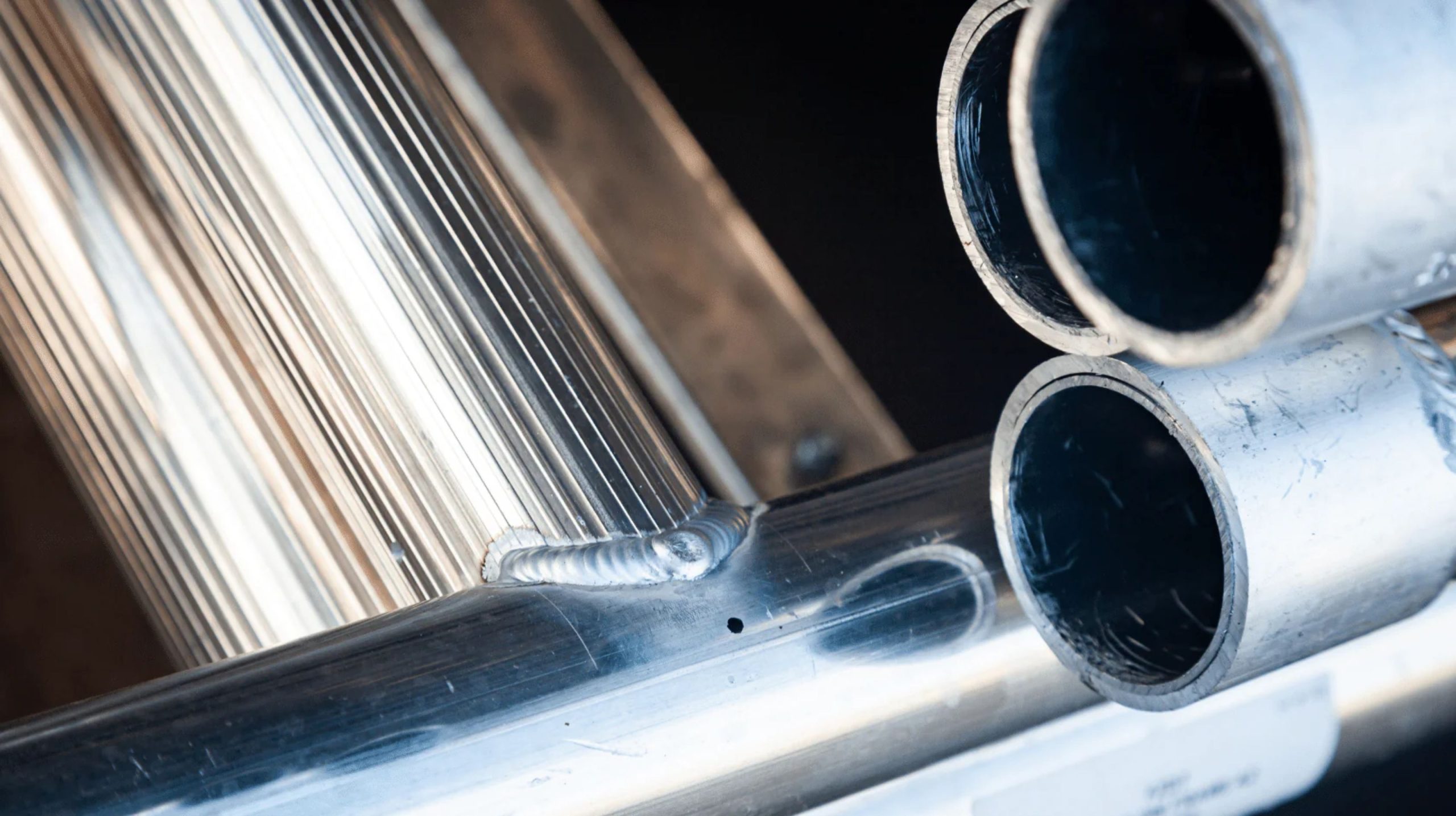
Hliníkové odlitky jsou také velmi oblíbené v automobilovém průmyslu, průmyslu a domácnosti, protože z nich lze vyrobit složité tvary. Je důležité zjistit, jaké druhy hliníkových odlitků lze opravovat a jak jsou svařitelné, abyste je mohli opravovat a vyrábět. Hlavními z nich jsou odlitky z písku, tlakové odlitky a odlitky pro trvalé formy.
Odlitky z písku:
Pískové odlitky se vyrábějí litím roztaveného hliníku do zhutněných pískových forem. Je to poměrně snadné a levné a lze při něm vyrábět velké nebo složité součásti. Pískové odlitky mají tendenci mít v sobě póry nebo nějaký vzduch, a proto by bylo trochu složité provádět svařování.
Protože však mají menší hustotu a vnitřní pnutí jsou menší, je svařování pískových odlitků ve srovnání s tlakovými odlitky obvykle snazší. Je také velmi nutné předehřát a důkladně očistit povrch, aby se předešlo vzniku trhlin a aby se zajistil správný průvar svaru.
Tlakové odlitky:
Tlakové odlitky se vyrábějí tak, že se roztavený hliník pod silným tlakem vkládá do kovových forem. Tímto procesem vznikají díly s hladkým povrchem, vysokou přesností a hustou strukturou. Tlakové odlitky se však hůře svařují, protože obsahují vysoká vnitřní pnutí a těžko snášejí teplo.
Při svařování bez předehřevu může dojít k prasklinám nebo deformaci. Je také nutné správně zvolit přídavnou tyč, která je obvykle ER4043 nebo ER5356, aby vyhovovala dané slitině. V případě tlakových odlitků musí být svařování pomalé, po krátkých částech a kontrolované z hlediska tepla.
Odlitky z trvalé formy:
Trvalé odlitky do forem nebo gravitační odlitky. Odlitky do trvalých forem (nazývané také gravitační odlitky) jsou odlitky vyráběné litím roztaveného hliníku do trvalých kovových forem. Ve srovnání s pískovými nebo tlakovými odlitky nabízejí vynikající rovnoměrnost, menší počet vad a menší pórovitost.
Svařování odlitků je ve srovnání s tlakovými odlitky jednoduché, ale náročnější než u odlitků z písku, protože jsou těžší a manipulace s nimi je obtížnější. Doporučuje se technika předehřevu, aby se minimalizovalo praskání, a svařování metodou TIG je nejvhodnější technikou svařování, aby byl svar čistý a pevný.
Hliníkový odlitek je dán druhem odlitku, jeho hustotou, pórovitostí a vnitřním pnutím, které určují jeho svařitelnost. Nejjednodušší jsou odlitky do písku, nejsložitější jsou tlakové odlitky a odlitky do trvalých forem jsou uprostřed.
Se znalostí druhu odlitku a správného předehřevu, techniky svařování a přídavné tyče mohou svářeči vytvořit zdravé, pevné a spolehlivé svary na jakémkoli hliníkovém odlitku.
Úspěšné svařování hliníkových odlitků
Svařování hliníkových odlitků je možné:
- Kov je řádně vyčištěn.
- Je použit správný postup svařování.
- Jsou vybrány vhodné výplňové tyče.
- Kontrola tepla je zachována.
Hliníkové odlitky mohou opravovat profesionální svářeči i amatéři s praxí a časem.
Nejlepší techniky svařování hliníkových odlitků
1. Svařování hliníkových odlitků metodou TIG (nejlepší metoda)
Svařování metodou TIG je nejvhodnějším postupem pro svařování hliníkových odlitků.
Proč je svařování TIG nejlepší:
- Lepší kontrola tepla
- Čistší a pevnější svary
- Vhodné pro tenké a silné součásti.
Pokyny pro svařování hliníkových odlitků metodou TIG:
- Použití střídavého proudu
- Používejte čistý plyn argon
- Vyberte správnou výplňovou tyč z hliníku.
- Svařujte pomalu a rovnoměrně
2. Svařování hliníkových odlitků metodou MIG
Je také možné použít svařování metodou MIG, které není tak přesné jako svařování metodou TIG.
Klady:
- Rychlejší svařování
- Jednodušší pro začátečníky
Nevýhody:
- Menší kontrola
- Větší pravděpodobnost pórovitosti
- Nevhodné pro tenké hliníkové odlitky.
Svařování metodou MIG je vhodnější pro těžší hliníkové odlitky.
3. Svařování tyčí (nedoporučuje se)
Pokud používáte regulované svařovací zařízení, používejte je ve velkém rozsahu a často, abyste vytvořili vysoce kvalitní svar, na rozdíl od průběžného opakovaného svařování malých dílů.
Hliníkové odlitky nelze svařovat tyčovým svařováním z následujících důvodů:
- Špatná kvalita svaru
- Obtížná regulace tepla
- Slabé klouby
Tento přístup se většinou nepoužívá při svařování hliníku.
Potřebné nástroje a vybavení
Příprava předem: pořiďte si vhodné nářadí.
Potřebné vybavení:
- Svářečka TIG nebo MIG
- Hliníkové plnicí tyče
- Drátěný kartáč z nerezové oceli
- Aceton nebo odmašťovač
- Ochranná přilba a rukavice.
- Předehřátí hořáku nebo trouby
Úspěšnost svařování se zvyšuje, pokud se používá odpovídající vybavení.
Svařování hliníkových odlitků, krok za krokem
Krok 1: Určení části hliníkového odlitku
Ujistěte se, že se jedná o hliníkový odlitek, nikoli o ocel nebo jiný kov.
Krok 2: Správné čištění povrchu
Nejdůležitějším krokem je čištění.
Proces čištění:
- Aceton odstraní olej a mastnotu.
- Kartáč z nerezové oceli k odstranění vrstvy oxidu.
- Vyčistěte obě strany trhliny.
V důsledku znečištěného povrchu vzniknou slabé svary.
Krok 3: Předehřátí hliníkového odlitku
Předehřátí je faktorem, který minimalizuje vznik trhlin.
Jak předehřát:
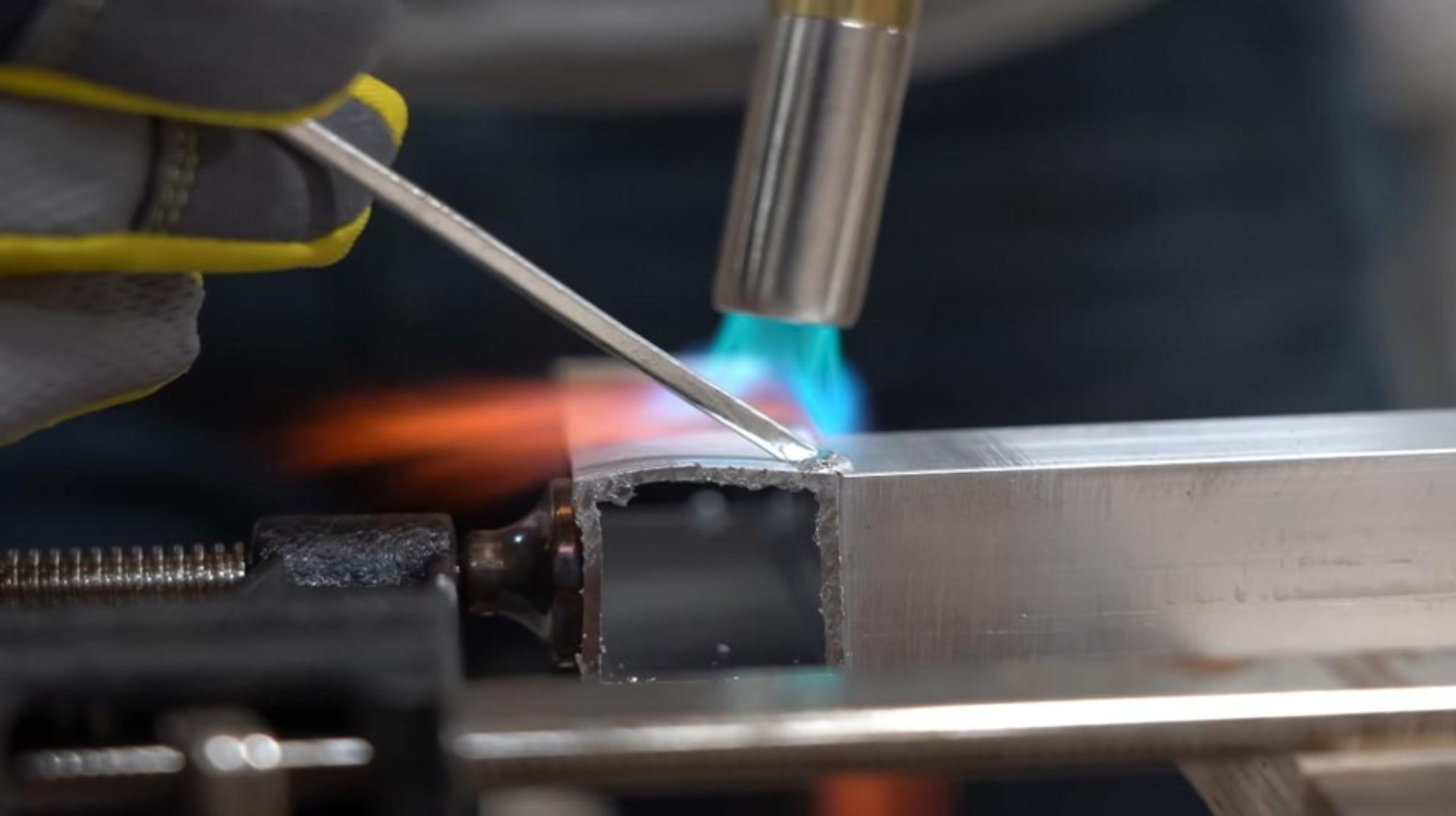
- Zahřejte díl na 150-200 °C (300-400 °F).
- Použití hořáku nebo trouby
- Zahřívejte rovnoměrně, ne na jednom místě
Předehřevem se zvyšuje provařitelnost a pevnost svaru.
Krok 4: Výběr správné výplňové tyče
Běžné hliníkové plnicí tyče:
- ER4043 (nejvhodnější pro hliníkové odlitky)
- ER5356 (silnější, ale hůře použitelný)
ER4043 se doporučuje, protože:
- Plynulý tok
- Snižuje praskání
- Křemíkový obsah s ním dobře pracuje.
Krok 5: Začněte pomalu svařovat
Nyní začněte svařovat.
Svařovací tipy:
- Udržujte pohyb rukou v klidu.
- Vyhněte se přehřátí
- Svařování v krátkých úsecích
- Mezi jednotlivými průchody nechte kov vychladnout.
Lepší kontrolu zajišťuje pomalé svařování.
Krok 6: Umožněte správné chlazení
Po svařování:
- Nechte díl přirozeně vychladnout
- Voda, foukání vzduchu se nesmí používat.
- Rychlé ochlazení může vést k prasklinám.
Chlazení je třeba provádět s velkou trpělivostí.
Typické problémy při svařování hliníkových odlitků

Během svařování hliníkových odlitků, může vzniknout řada problémů, pokud není věnována potřebná péče. Pórovitost svaru obvykle vzniká v důsledku špatného čištění nebo zachycených plynů, které zanechávají drobné otvory, jež oslabují spoj. Dalším problémem jsou praskliny, které vznikají po svařování, a ty jsou obvykle způsobeny rychlým ochlazením, nerovnoměrným ohřevem nebo použitím nevhodné přídavné tyče.
Také nedostatečné zahřátí, špatný průnik nebo technika mohou vést ke slabému svarovému spoji, což vede k menší trvanlivosti opravy. To jsou některé z problémů, kterým je třeba porozumět, a přijmout opatření, která zabrání selhání svaru, což zahrnuje čištění kovu, předehřev a použití správné přídavné tyče.
Nejčastější chyby, kterých se vyvarujte
- Přeskočení procesu čištění
- Nepředehřátí kovu
- Použití nesprávné plnicí tyče
- Přílišné zahřívání
- Příliš rychlé svařování
Předcházení těmto chybám vede k dobrým a dlouhotrvajícím svarům.
Bezpečnostní tipy pro svařování hliníkových odlitků
Bezpečnost je velmi důležitá.
Dodržujte tato bezpečnostní pravidla:
- Použijte svářečskou přilbu a rukavice.
- Používejte správné větrání
- Nedotýkejte se horkého kovu
- Udržujte hořlavé předměty mimo dosah
Bezpečnost zaručuje svařování bez zranění.
Čeho se vyvarovat při svařování hliníkových odlitků?
Nesvařujte, pokud:
- Díl je příliš tenký
- Škody jsou velmi velké
- Hliník je velmi křehký.
Oprava je v tomto případě výměny horší než výměna.
Srovnání litého hliníku a běžného hliníku
Tato znalost rozdílů je užitečná pro zlepšení výsledků svařovacího procesu.
Hliníkový odlitek:
- Křehčí
- Obsahuje nečistoty
- Obtížnější svařování
- Používá se na bloky motorů a strojní zařízení.
Běžný hliník:
- Flexibilnější
- Čistší složení
- Snadnější svařování
- Používá se v plechách a rámech
Vzhledem k těmto rozdílům vyžaduje hliníkový odlitek při svařování zvýšenou pozornost.
Běžné použití svařovaného litého hliníku
Svařovaný hliníkový odlitek se obvykle používá v:
- Bloky a hlavy motorů.
- Automobilové díly
- Průmyslové stroje
- Hliníkový nábytek
- Opravy kuchyňského nádobí
- Zemědělská technika
Takové opravy šetří čas i peníze oproti výměně dílů.
Svařování hliníkových odlitků Cena
Cena se liší v závislosti na několika faktorech:
Faktory ovlivňující náklady:
- Velikost dílu
- Tloušťka hliníku
- Typ praskliny nebo poškození
- Použitá metoda svařování
Průměrné náklady:
- Drobné opravy: nízké náklady
- Opravy velkého rozsahu nebo složité povahy: dražší.
Kvalita a bezpečnost jsou zaručeny při profesionálním svařování, které může být nákladné.
Návrhy na zlepšení práce při svařování hliníkových odlitků

Hypermarkety jsou efektivnější, pokud se řídí těmito tipy odborníků:
- Kov musí být vždy důkladně vyčištěn.
- Pomalý a postupný svařovací pohyb.
- Udržujte oblast svaru suchou.
- Hliníkový šrot se nejprve nejlépe praktikuje.
- Zabraňte přehřátí kovu
Tyto tipy jsou užitečné pro vytvoření čistých a pevných svarů.
Dobré lité hliníkové svařovací znaky.
Dobrý svar má:
- Hladký povrch
- Žádné viditelné praskliny
- Minimální pórovitost
- Pevné kloubní spojení
Pokud je vzhled svaru čistý a pevný, je svar zpravidla úspěšný.
Jak najmout profesionálního svářeče?
Profesionál by měl být zaměstnán, protože:
- Díl je drahý
- Je důležité, aby byla konstrukčně pevná.
- Trhlina je velmi velká
- Nemáte zkušenosti se svařováním
Svařovací nástroje a zkušenosti profesionálních svářečů pokročily.
Přínosy svařování hliníkových odlitků pro životní prostředí
Výměnu hliníkového odlitku lze spíše opravit než vyměnit:
- Snižuje množství kovového odpadu
- Úspora energie
- Chrání životní prostředí
Řešením opravy je ekologické svařování.
Poznámky na závěr
Ano, hliníkové odlitky lze svařovat, i když je třeba provést určitou přípravu, použít správné nástroje a pečlivou techniku, aby bylo dosaženo dobrých výsledků. Svařování metodou TIG je nejúčinnější, protože dokáže kontrolovat teplo a čistotu svařování, zatímco svařování metodou MIG si poradí s těžšími díly. Dobré očištění kovu a zahřátí předem před svařováním je nezbytné, aby se zabránilo vzniku trhlin a pórovitosti. Díky postupným krokům, jako je použití správné přídavné tyče a poskytnutí času na vychladnutí, můžete přijít k silnému, stabilnímu a trvanlivému svaru, který vám může umožnit praktickou a efektivní opravu hliníkových odlitků.
Svařování hliníkových odlitků může být mnohem úspěšnější a snazší pouze díky praxi a trpělivosti.
Často kladené otázky
Lze svařovat hliníkové odlitky?
Svařování hliníkových odlitků je možné, ale je náročnější než u běžného hliníku, protože je křehký a má vzduchové póry. Lité hliníkové díly lze úspěšně opravit při pokročilé přípravě, předehřevu a správném způsobu svařování.
Který způsob svařování hliníkových odlitků je nejvhodnější?
Hliníkové odlitky se nejlépe svařují metodou TIG, protože tato technika umožňuje lepší řízení tepla, čisté svary a pevnější spoje. Ke svařování silnějších součástí lze použít také metodu MIG, ale svařování tyčí se nedoporučuje.
Je nutné předehřívání hliníkového odlitku před svařováním?
Ano, předehřátí se důrazně doporučuje. Snižuje se tím pravděpodobnost vzniku trhlin a svár je rovnoměrně provařený. Běžná teplota předehřevu se pohybuje v rozmezí 300-400 stupňů F (150-200 stupňů C).
Jaká je nejvhodnější přídavná tyč pro svařování hliníkových odlitků?
Nejpoužívanější plnicí tyč pro hliníkové odlitky je Er4043. Snadno teče, méně praská a lze ji použít i u většiny slitin litého hliníku. Lze použít i ER5356, pokud je potřeba více zručnosti k vytvoření lepších svarů.
Jsou začátečníci schopni svařovat hliníkové odlitky?
Svařování hliníkových odlitků nemusí vynechat ani začátečníci a vyžaduje čas a zkoušení. Doporučuje se začít s drobnými opravami nebo hliníkovým šrotem a pak přejít ke kritickým kouskům.
Jaké jsou problémy při svařování hliníkových odlitků?
- Pórovitost: plynové bubliny, které byly zachyceny ve svaru.
- Chlazení nebo přehřívání: K praskání dochází v důsledku rychlého ochlazení nebo přehřátí.
- Slabé svarové spoje: Důvodem je nesprávné čištění nebo nesprávná plnicí tyč.
Těmto problémům lze předcházet vhodným čištěním, předehříváním a svařováním.
Je možné opravit každou prasklinu v hliníkovém odlitku?
Malé a střední praskliny jsou obvykle opravitelné. Extrémně velké trhliny, velmi tenké nebo velmi poškozené úseky je však možné spíše vyměnit než svařit.
Co mohu udělat pro zlepšení svých svarů?
- Otřete povrch.
- Předehřejte hliník
- Použijte správnou plnicí tyč
- Pomalu, krok za krokem, svařuje stratég.
- Umožněte přirozené ochlazení svařování.
Je obtížnější najít svářeče, který by dokázal vytvořit pevnější a odolnější svary podle těchto kroků.
Jak zjistím, zda je můj svar dobrý?
Dobrý svar by měl mít:
- Na povrchu nejsou žádné praskliny.
- Dobré spojení se základním kovem.
- Minimální pórovitost
- Korálky i bez přehřátí.
Pokud je vzhled svaru čistý a pevný, je svar zpravidla úspěšný.
Kdy je čas zaměstnat profesionálního svářeče?
Najměte si profesionála, pokud:
- Jedná se o velmi nákladnou nebo životně důležitou součást.
- Trhliny jsou velké nebo hluboké
- Nemáte správné vybavení ani zkušenosti.
- Musí mít konstrukční pevnost.
Odborníci mají dovednosti a materiály, které umožňují provést bezpečné a robustní opravy.

0 komentáøù