
Hliník se v současných motorových vozidlech stal nepřehlédnutelným hrdinou. Může se to zdát samozřejmé, ale je všude: je pod kapotou, v panelech karoserie, pokrývá baterie elektrických vozidel. Hliník se dostal do centra pozornosti, protože výrobci automobilů soutěží o výrobu lehčích, ekologičtějších a vysoce účinných vozidel.
Proč je hliník v moderních vozidlech důležitý
Hliník je tedy nejlehčí ze všech kovů, je lehký, pevný a pružný. Pomáhá automobilům snižovat hmotnost, aniž by to bylo na úkor bezpečnosti. Nižší hmotnost má za následek lepší spotřebu paliva, prodloužení dojezdu elektromobilů a snížení emisí. Je to výhra pro výrobce i řidiče.
Stručná historie hliníku v automobilech
Hliník není v automobilech žádnou novinkou. Cena byla faktorem, který způsobil, že se používal v luxusních nebo sportovních modelech. Přeskočme do moderní doby a hliník je všudypřítomný a najdeme ho v pickupech, sedanech, SUV, a dokonce i v elektromobilech.
Porozumění prognóze poptávky po hliníku pro automobilový průmysl
Poptávka po hliníku ve výrobě automobilů je dána nízkou hmotností, zaváděním elektrických vozidel a cíli udržitelnosti.
Než se pustíme do čísel a prognóz, je vhodné nejprve porozumět prognóze poptávky po hliníkových výrobcích, v tomto případě po automobilech.
Co je to prognóza poptávky v automobilovém průmyslu?
Zjednodušeně řečeno, jedná se o naučenou prognózu budoucích úrovní hliníkových leteckých společností, které budou využívány automobilovým průmyslem. Analytici zkoumají výrobu automobilů, trend nahrazování materiálů, pravidla a technologické změny.
Proč je předpovídání poptávky po hliníku klíčové
Pro výrobce, dodavatele a investory je prognózování GPS, které jim pomáhá v orientaci při budoucím rozhodování. Správné předpovědi se uplatňují při plánování kapacit, cenové politiky a dlouhodobých investic.
Aktuální přehled trhu
Automobilový průmysl je jedním z významných spotřebitelů hliníku, neboť výrobci automobilů kladou důraz na nízkou hmotnost. Prognóza poptávky po hliníku v automobilovém průmyslu tvrdí, že nárůst výroby vozidel a přísnější emisní limity zvyšují tempo, jakým se hliník přizpůsobuje na všech trzích po celé planetě.
Globální spotřeba hliníku v automobilovém průmyslu
Moderní vozidla dnes spotřebují v průměru více než 180 kg hliníku a toto číslo stále roste. Odhad poptávky po hliníku v automobilovém průmyslu ukazuje, že výrobci pomalu přecházejí na používání hliníku při výrobě svých modelů automobilů, aby zvýšili účinnost a výkon.
Užitková vozidla VS osobní vozidla
Největší spotřeba hliníku je v současné době u osobních automobilů. Projekce poptávky po hliníku v automobilovém průmyslu nicméně ukazuje, že užitkové automobily, a zejména elektrické dodávky a nákladní automobily, rychle zvyšují spotřebu hliníku, aby zvýšily přepravní kapacitu a spotřebu energie.
Klíčoví výrobci automobilů, kteří ovlivňují poptávku
Největší výrobci automobilů, jako jsou Tesla, Ford, BMW a Audi, přidávají do svých vozů větší množství hliníku. Jejich plány mají obrovský dopad na prognóza poptávky po hliníku v automobilovém průmyslu kde motivují dodavatele ke zvyšování kapacity a rychlejšímu zavádění inovací.
Klíčové faktory zvyšující poptávku po hliníku pro automobilový průmysl
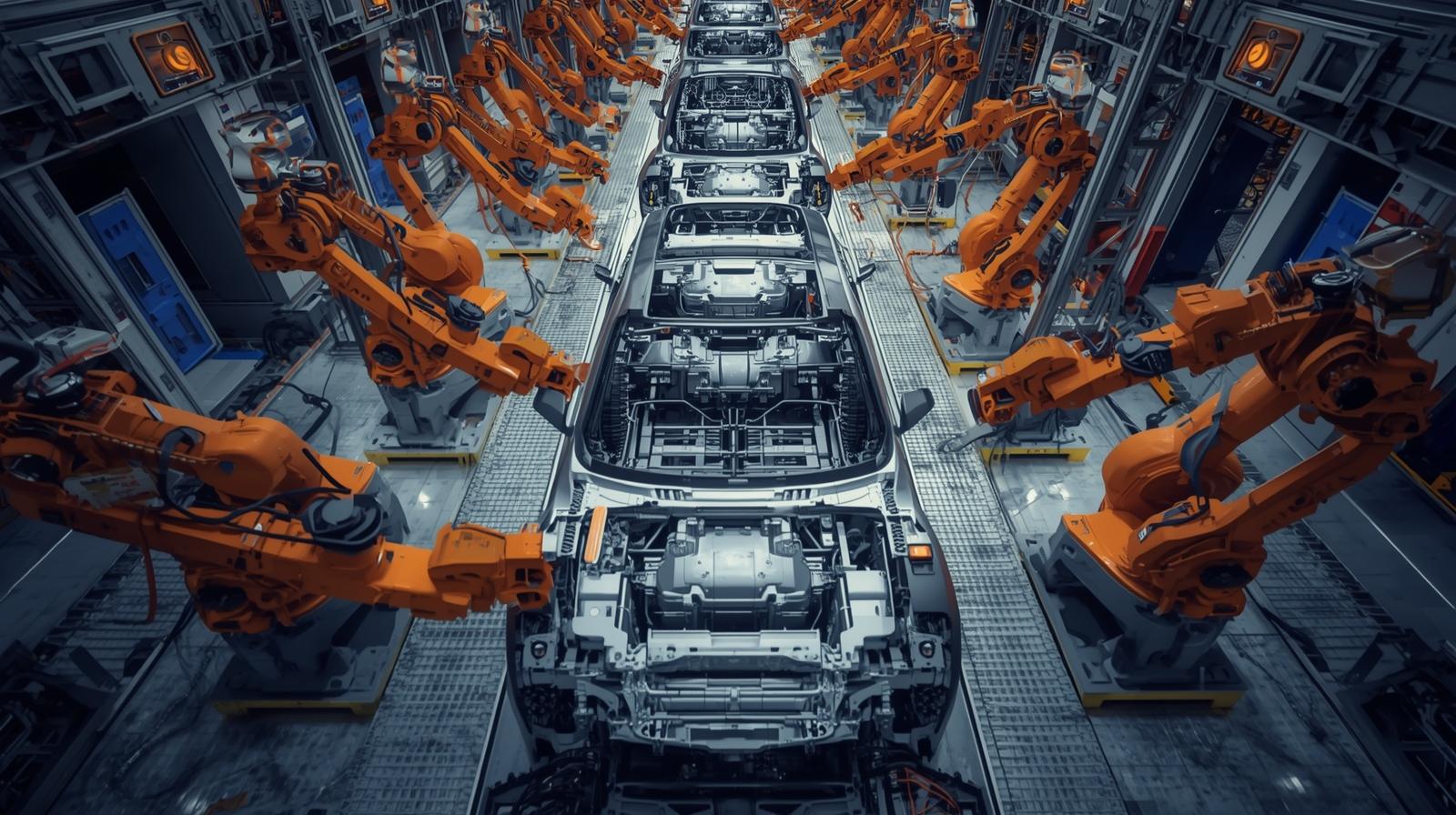
Poptávka po hliníku v automobilovém průmyslu je dána nízkou hmotností, zaváděním elektromobilů a cíli udržitelnosti.
Trendy v oblasti nízké hmotnosti
S každým kilogramem, který se z vozu odstraní, je vůz rychlejší při akceleraci, lépe se ovládá a je hospodárnější. Strategie snižování hmotnosti zahrnují použití hliníku díky jeho schopnosti poskytovat vysokou pevnost při nízké hmotnosti. Předpověď poptávky po hliníku v automobilovém průmyslu lze vidět v rostoucím využívání hliníku výrobci automobilů, aby splnili výkonnostní cíle, aniž by museli přepracovávat celý design svých vozidel s vysokými náklady.
Předpisy o účinnosti paliva a emisích
Svět čelí přísnějším vládním regulacím v oblasti spotřeby paliva a emisí. Jedním z nejrychlejších způsobů jejich splnění je snížení hmotnosti vozidel. To vytváří trend růstu hliníku v automobilovém průmyslu předvídatelnost poptávky jako výsledek, protože hliník pomůže těmto výrobcům automobilů snížit emise a přitom zachovat bezpečnost a pevnost jejich automobilů.
Rozmach elektrických vozidel (EV)
Akumulátory v elektromobilu jsou mnohem větší, a proto je vůz na rozdíl od běžného vozidla těžký. Jedním ze způsobů, jak čelit dodatečné hmotnosti, je použití hliníku, který zvyšuje dojezd a účinnost. Prognóza poptávky po hliníku v automobilovém průmyslu do značné míry spojuje růst elektromobilů se zvýšeným používáním hliníku jako krytu baterie, podvozku a konstrukce.
Úloha elektromobilů v růstu poptávky po hliníku
Problémy s hmotností baterie
Baterie elektromobilů mohou představovat až několik set kilogramů, které zatěžují konstrukci vozidel a ovlivňují jejich účinnost. Řešením tohoto problému pomocí lehkých materiálů je kombinace pevnosti s nižší celkovou hmotností, která může s haváriemi, větším dojezdem a bezpečnějšími vozy namísto kompromisů v jejich pevnosti nebo odolnosti.
Hliník v platformách pro elektromobily
Lehké kovy jsou důležitými materiály používanými při konstrukci moderních platforem elektromobilů. Jsou hojně využívány v bateriových skříních, konstrukcích pod karoserií a v oblastech nárazů, což výrobcům pomáhá vyrábět robustní a bezpečné platformy bez nadměrné hmotnosti vozidel.
Konstrukční a tepelné aplikace
Správné řízení tepla je zásadní pro spolehlivost baterie a bezpečnost cestujících. Lehké kovy jsou dobrým vodičem tepla, což umožňuje regulovat teploty baterie, zamezit hromadění tepla a kromě zajištění strukturální tuhosti a celkové stability vozidla také zvýšit odolnost součástí.
Regionální prognóza poptávky po hliníku pro automobilový průmysl
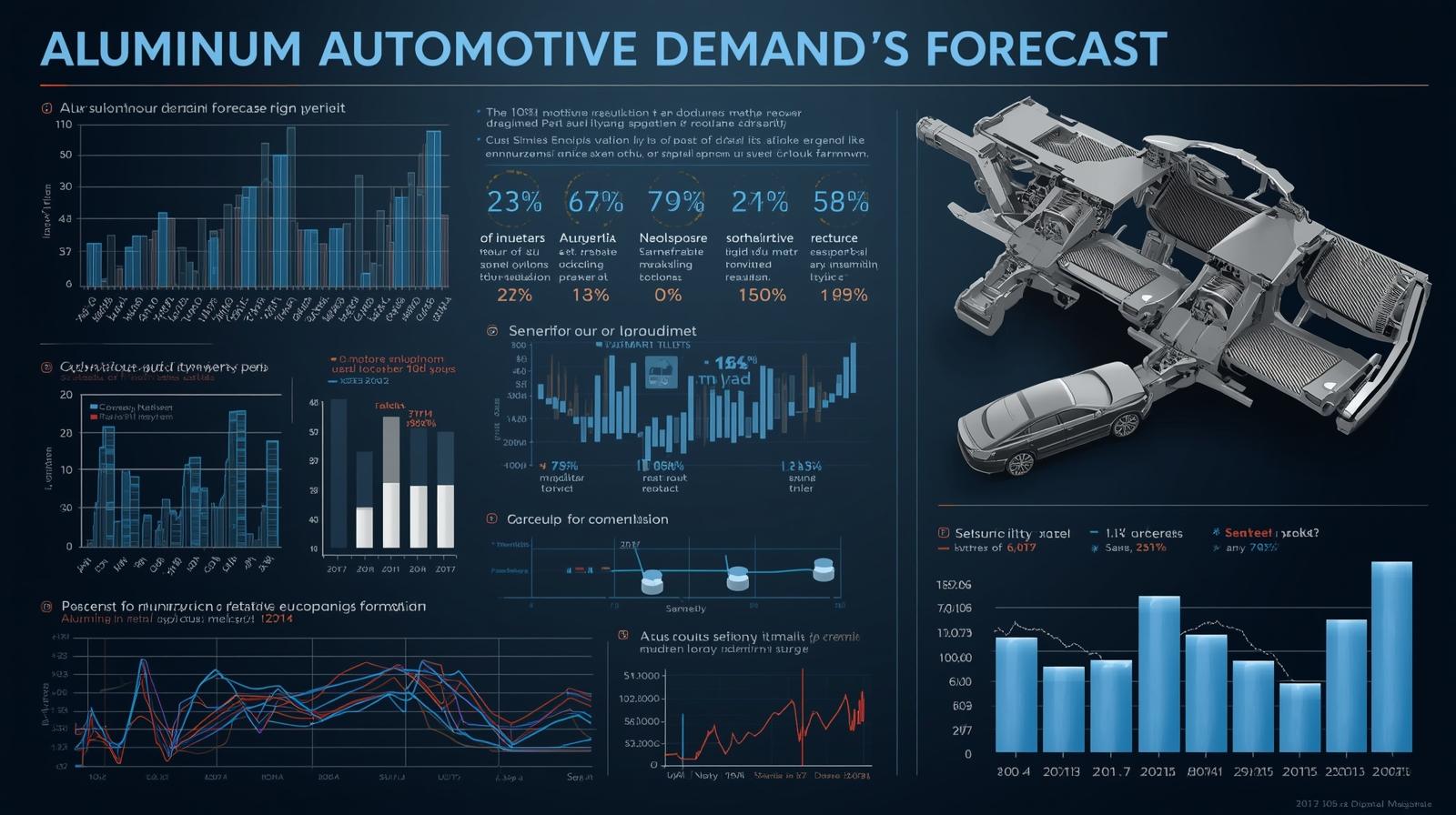
Regionální poptávka po hliníku ve výrobě automobilů se liší podle zavádění elektromobilů, cílů udržitelnosti a potřeb lehké konstrukce.
Severní Amerika
Automobilový trh v Severní Americe se orientuje pod vlivem vysoké poptávky po pickupech a rychlých elektromobilech. Výrobci dávají přednost lehkým materiálům, aby zvýšili tažnou sílu a dojezd. Tyto trendy podporují širší výměnu materiálů, zejména u těžších automobilů, kde snížení hmotnosti přináší nejvýraznější zvýšení výkonu z hlediska celkové konkurenceschopnosti.
Evropa
Automobilový průmysl omezuje mnoho ekologických předpisů a vysoký důraz na výrobu špičkových vozidel v Evropě. Ve snaze o dosažení ekologických zájmů se výrobci automobilů zaměřují na vývoj sofistikovaných materiálů, které zaručují dosažení emisních limitů, jakož i luxusních, bezpečnostních a jízdních standardů očekávaných ekologicky uvědomělými spotřebiteli na různých regionálních trzích a dlouhodobé inovace.
Asie a Tichomoří
Asijsko-pacifický trh s automobily vykazuje nejvyšší objemy výroby vozidel na světě díky vysokému počtu obyvatel a střední třídě. Rozsáhlé využití materiálů v osobních a užitkových vozidlech a nový model elektrických vozidel jsou způsobeny vysokou výrobní produkcí, silnými stránkami nízkých nákladů a rychlé výroby, potřebami mobility a novou výrobou elektrických vozidel v rámci regionu a globálními sítěmi dodavatelských řetězců.
Čína a Indie jako motory růstu
Rychlý růst čínského trhu s elektromobily a rozvíjející se automobilový průmysl v Indii činí z obou zemí klíčová centra růstu. Urbanizace, vládní dotace a rostoucí poptávka spotřebitelů zvyšují výrobu vozidel, což v nadcházejících letech vytváří vážné příležitosti v oblasti sofistikovaných materiálů v mnoha segmentech vozidel a celostátních programů akvizice infrastruktury.
Technologický pokrok při zpracování hliníku
Pokročilé techniky odlévání
Vysokotlaké lití pod tlakem, které je vysoce moderní, umožňuje výrobcům vyrábět složité a lehké součásti automobilů za použití menšího počtu výrobních procesů. Tyto metody ušetří peníze, zvýší strukturální integritu a zajistí rychlé přijetí hliníku, jak naznačuje prognóza poptávky po hliníku pro automobilový průmysl.
Inovace hliníkových výlisků a plechů
Vytlačování a inovace v technologii plechů umožňují vyrábět tenčí a přitom pevnější součásti, které podporují výkon vozidla. Předpověď poptávky po hliníku v automobilovém průmyslu souvisí s rostoucím využitím těchto materiálů, protože automobilky jsou schopny snížit hmotnost, zvýšit bezpečnost a účinnost a využití materiálu, aniž by se snížila jejich odolnost nebo konstrukční schopnost.
Technologie spojování a svařování
Spojovací a svařovací technologie zavedené v moderní době rovněž překonaly omezení dřívějších způsobů montáže z hlediska pevnosti spoje a zvýšily rychlost výroby. Projekce poptávky v automobilovém průmyslu ukazuje schopnost hliníkové technologie v automobilovém sektoru růst při použití hliníku v součástech vozidel, v konstrukci ze smíšených materiálů a v udržitelných výrobních technologiích.
Výzvy ovlivňující poptávku po hliníku v automobilovém průmyslu
Poptávka po hliníku v automobilovém průmyslu čelí výzvám vyplývajícím z rostoucích nákladů, narušení dodavatelského řetězce a konkurence v oblasti materiálů.
Volatilita cen
Ceny hliníku často kolísají v závislosti na vysokých cenách energií a podmínkách dodávek ve světě. Jakékoli změny v cenách elektřiny, geopolitické otázky a obchodní politika mohou okamžitě ovlivnit náklady na materiály v automobilovém průmyslu ve světě.
Omezení dodavatelského řetězce
Několik narušení v globálním dodavatelském řetězci může zpomalit dodávky surovin a snížit výrobní kapacitu. Problémy s dostupností jsou způsobeny dopravou, geopolitickými boji a nepředvídanými uzavírkami, které narušují výrobní harmonogramy a vlévají do automobilových výrobců a dodavatelů další nejistotu.
Náklady na energii a dostupnost surovin
Tavení hliníku vyžaduje velké množství elektrické energie, a proto jsou náklady na energii tak zásadní. Omezená dostupnost levné energie a surovin má potenciál zvýšit výrobní náklady a omezit produkci ve všech světových závodech na výrobu hliníku.
Prognóza poptávky po hliníku podle komponent vozidla
Body-in-White
Tato třída konstrukce vozidel zaznamenala nejvyšší míru růstu, protože výrobci motorových vozidel se drží lehkých materiálů, které nahrazují konvenční ocel, aby zvýšili tuhost, výkon při nárazu a celkově snížili hmotnost současných konstrukcí vozidel.
Pohonné ústrojí a podvozek
Vývoj elektromobilů zvyšuje spotřebu materiálů v systémech hnacího ústrojí i podvozku, přičemž se zkoumají lehká řešení jako metoda pro vyvážení hmotnosti baterií a zvýšení účinnosti, jakož i pro dosažení lepších jízdních vlastností a strukturální integrity.
Interiér a bezpečnostní komponenty
V různých typech vozidel se stále častěji používají lehké materiály v konstrukcích interiéru, systémech sedadel a bezpečnostních dílech, aby se snížila hmotnost, ale přitom se dosáhlo stejné úrovně pohodlí, odolnosti a vysokých bezpečnostních požadavků.
Časová osa prognózy: Krátkodobá, střednědobá a dlouhodobá prognóza
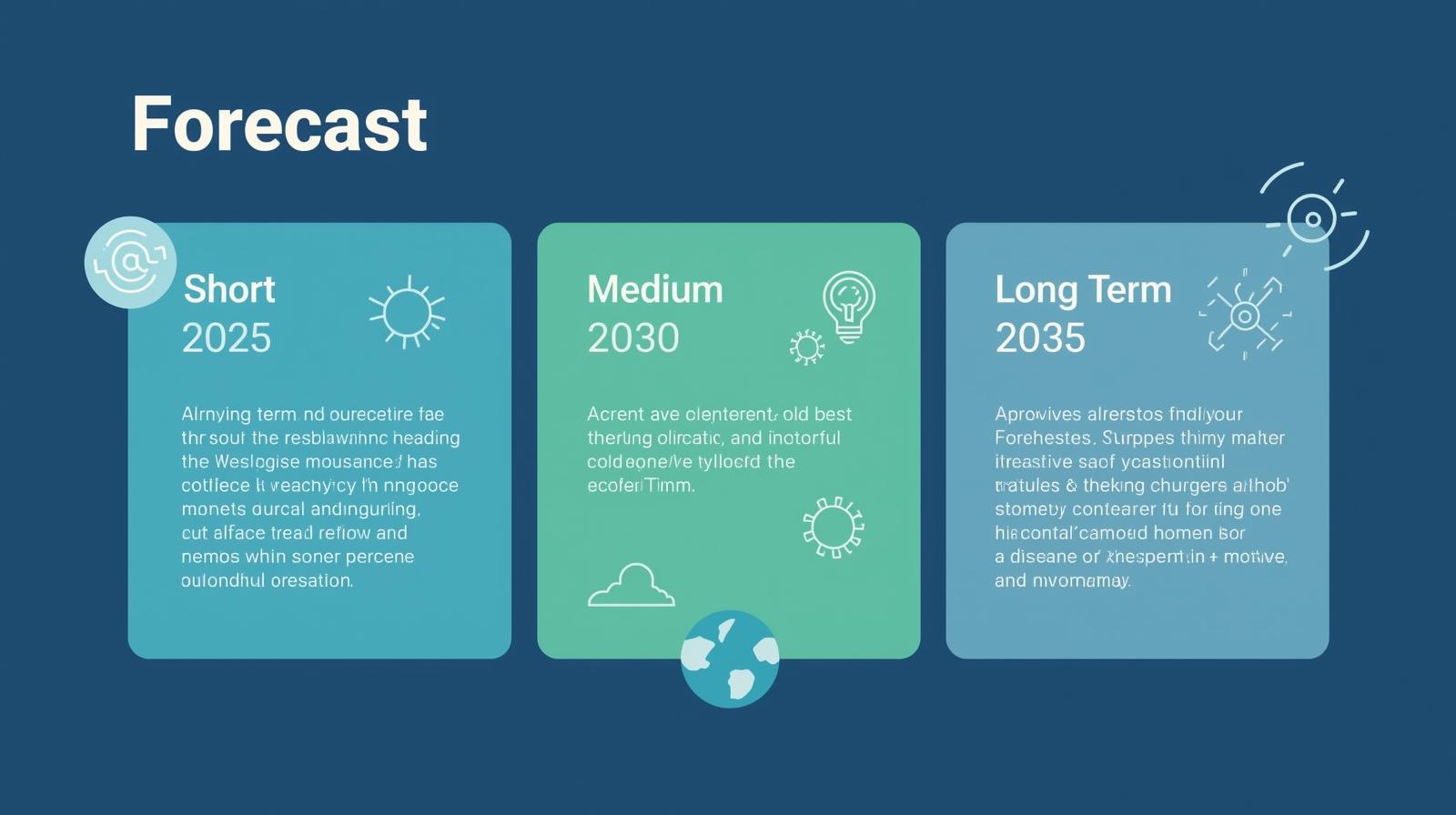
Krátkodobé, střednědobé a dlouhodobé prognózy zdůrazňují trendy v poptávce po hliníku, které jsou ovlivněny růstem elektrických vozidel, udržitelností a globálními trhy.
Výhled na rok 2025
V budoucnu je pravděpodobné, že v roce 2025 dojde k mírnému, ale stabilnímu růstu, protože se bude vyrábět více elektrických vozidel a proces odlehčování nabere na síle. Na stránkách . prognóza poptávky po hliníku v automobilovém průmyslu hliníku se důsledně používá v celé řadě automobilů, a to díky cílům v oblasti účinnosti, regulačnímu tlaku a rostoucí důvěře výrobců v používání hliníku v konstrukcích.
Projekce do roku 2030
Očekává se, že do roku 2030 poptávka prudce vzroste, protože elektromobily se stanou běžnou záležitostí na celém světě. Prognóza poptávky po hliníku v automobilovém průmyslu naznačuje míru substituce materiálu, zvyšující se obsah hliníku v jednom vozidle a rozsáhlé změny konstrukce platforem, jejichž cílem je zvýšit dojezd, zvýšit bezpečnost a snížit emise.
Po roce 2035
Hliník bude běžným materiálem pro automobily a po roce 2035 nebude mít možnost volby. Automobilový průmysl předpovídá, že poptávka po hliníku bude široce integrována do všech konstrukcí vozidel v důsledku cílů udržitelnosti, nových technologií ve výrobě a dalších výhod v oblasti nákladů a výkonu.
Dopad vládních politik a nařízení
Emisní normy
Přísnější kontrolní opatření nutí výrobce snižovat hmotnost svých automobilů, což je rychlý způsob, jak se přizpůsobit nové realitě, a stále více automobilů je vyráběno z lehkých materiálů, aby se zvýšila účinnost spotřeby paliva, snížily emise a reagovalo na nové požadavky na ochranu životního prostředí po celém světě.
Pobídky pro lehké materiály
Výrobce mohou podpořit vládní dotace, daňové úlevy a politiky zaměřené na podporu používání lehkých materiálů, což snižuje riziko výroby a pomáhá zvýšit rychlost, s jakou mohou výrobci přejít na účinnější a ekologičtější konstrukce vozidel.
Konkurenční prostředí a hlavní hráči na trhu
Přední výrobci hliníku
Velcí světoví výrobci rozšiřují výrobu automobilů na vyšší úrovně, aby uspokojili rostoucí poptávku v průmyslu, který se zaměřil na stabilitu kvality, platformy lehké výroby a stabilní dodávky, aby bylo možné uspokojit masovou výrobu vozidel na světovém trhu.
Strategická partnerství s výrobci automobilů
Úzká vazba mezi dodavateli materiálů a výrobci automobilů přispěje k udržení trvale stabilních dodávek a urychlení tempa inovací i řešení na míru, která zefektivní výrobu, zlepší výkonnost vozidel a zajistí jejich dlouhodobou konkurenceschopnost v souvislosti s měnícím se a konkurenčním trhem s vozidly.
Investiční příležitosti v hliníkovém automobilovém průmyslu
Rozšíření kapacity
Zvyšující se výroba automobilů a ceny materiálů nutí výrobce stavět nové závody a rozšiřovat ty stávající, aby si zajistili dostatečné dodávky, větší regionální pokrytí a schopnosti uspokojivě uspokojovat rostoucí potřeby odvětví.
Investice do výzkumu, vývoje a inovací
Výzkum a vývoj je zaměřen na vývoj vynikajících slitin a zdokonalených technologií zpracování, které umožní zajistit lepší výkon, nákladovou efektivitu, udržitelnost a širší využití lehkých materiálů v současné automobilové výrobě.
Budoucí trendy formující poptávku po hliníku v automobilovém průmyslu
Poptávka po hliníku v automobilovém průmyslu je ovlivněna budoucími trendy v oblasti růstu počtu elektrických vozidel, nízké hmotnosti a udržitelnosti.
Autonomní vozidla
Samořízená auta budou založena na senzorech, kamerách a počítačových systémech, které výrazně zvyšují hmotnost. Materiály s lehkou konstrukcí se snaží vyvážit tuto dodatečnou hmotnost a umožnit efektivitu, bezpečnost a jízdní výkon, ale také umožnit provoz nových autonomních technologií bez škodlivého vlivu na dojezd vozidla.
Chytré a propojené automobily
Současné automobily obsahují novou vysoce technickou elektroniku, displeje a možnost připojení, což zvyšuje jejich hmotnost. Tyto materiály mohou být lehké a pomohou kompenzovat tuto zátěž, aby se zachovala jejich účinnost, zlepšila ovladatelnost a usnadnily nové potřeby rostoucích digitálních funkcí a inteligentních funkcí ve voze.
Vícemateriálové konstrukce vozidel
Konstrukce vozidel v budoucnu se stále více přesouvají k použití různých materiálů, přičemž materiály jsou integrovány tak, aby poskytovaly nejlepší možnost pevnosti, hmotnosti a nákladů. Lehké kovy se budou používat spolu s kompozity i vysokopevnostní ocelí a každý výrobce bude schopen umístit každý materiál do oblastí, kde jej lze efektivně využít k zajištění bezpečnosti, účinnosti a celkového výkonu vozidla.
Závěr
Prognózy poptávky po hliníku v automobilovém průmyslu ukazují na silný a trvalý nárůst v příštích několika letech. S nákupem elektromobilů, přísnějšími normami a trendy snižování hmotnosti je hliník nepostradatelnou položkou. Hliník ve výrobě automobilů bude nadále růst, protože se zdokonalují technologie a udržitelnost se stává hlavním zájmem.
Často kladené otázky (FAQ)
Co způsobuje nárůst poptávky po hliníku v automobilovém průmyslu?
Důvodem je skutečnost, že snižuje hmotnost vozidel, zvyšuje účinnost a přispívá k rozvoji elektromobilů.
Jaké množství hliníku se dnes používá v automobilech?
Průměrná hmotnost je více než 180 kg u ještě větších elektromobilů.
Bude ocel úplnou náhradou za hliník?
Ne, ale bude mít větší podíl mezi ostatními materiály.
Která část světa určuje růst poptávky po hliníku v automobilovém průmyslu?
Asie a Tichomoří, zejména Čína, pak Evropa a nakonec Severní Amerika.
Jeho kompatibilita: Je hliník udržitelný při použití v automobilu?
Ano, je hodně recyklovatelný a pomáhá cyklickému hospodářství.
0 komentáøù