
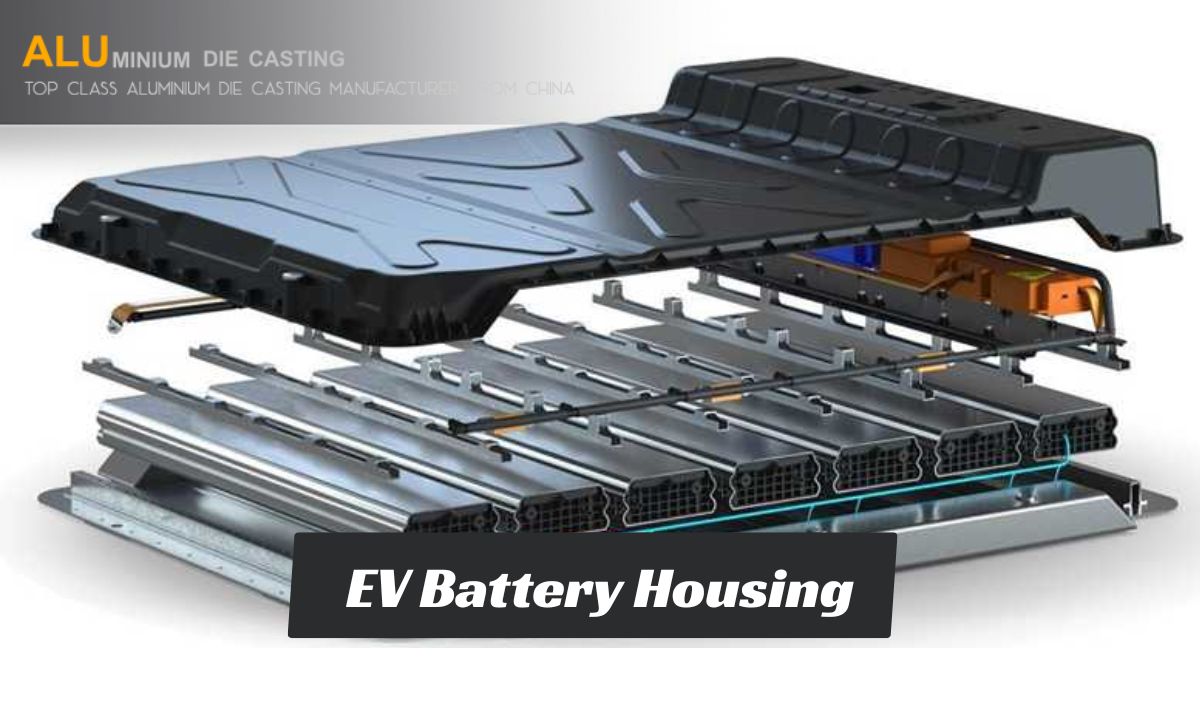
Pouzdro baterie elektromobilu je zásadním faktorem, který určuje bezpečnost, výkon a životnost současných elektromobilů. Vzhledem k rostoucí potřebě elektromobility ve světě se společnosti zaměřují na nové systémy ochrany baterií, které jsou účinné, bezpečné a dlouhodobě spolehlivé. Jednou z nejdůležitějších součástí tohoto systému je konstrukce, která zakrývá akumulátor a podpírá jej.
Bateriové systémy v elektromobilech by měly být dobře navrženy a pouzdra, která tyto baterie obalují, musí být navržena tak, aby odolávala teplu, tření a vnějším podmínkám. Vhodně vyrobené pouzdro nejen chrání bateriové články, ale také zvyšuje výkon vozidla.
Co je bateriové pouzdro pro elektromobily?
Chrání akumulátor elektrického vozidla v krytu skříně akumulátoru. Používá toto pouzdro jako strukturální podporu, bezpečnostní ochranu a tepelný management.
Skříň akumulátoru se obvykle nachází ve spodní části podvozku vozidla. Chrání články baterie a elektronické součásti před vnějším poškozením v podobě nečistot, vlhkosti a mechanických nárazů.
Klíčové provozní funkce bateriového pouzdra
Účinný kryt baterie zajišťuje některé významné účely:
- Zaručuje fyzickou bezpečnost bateriových článků.
- Pomáhá držet konstrukci akumulátoru.
- Umožňuje tepelnou regulaci teploty.
- Zabraňuje vnikání vody a prachu.
- Zvyšuje pevnost konstrukce vozidel.
- Pomáhá udržovat elektrickou izolaci a bezpečnost.
Akumulátorové systémy by nebyly v prostředí bezpečné, protože bez vhodného krytu by se snadno poškodily nebo vystavily rizikům.
Výrobní proces bateriových pouzder
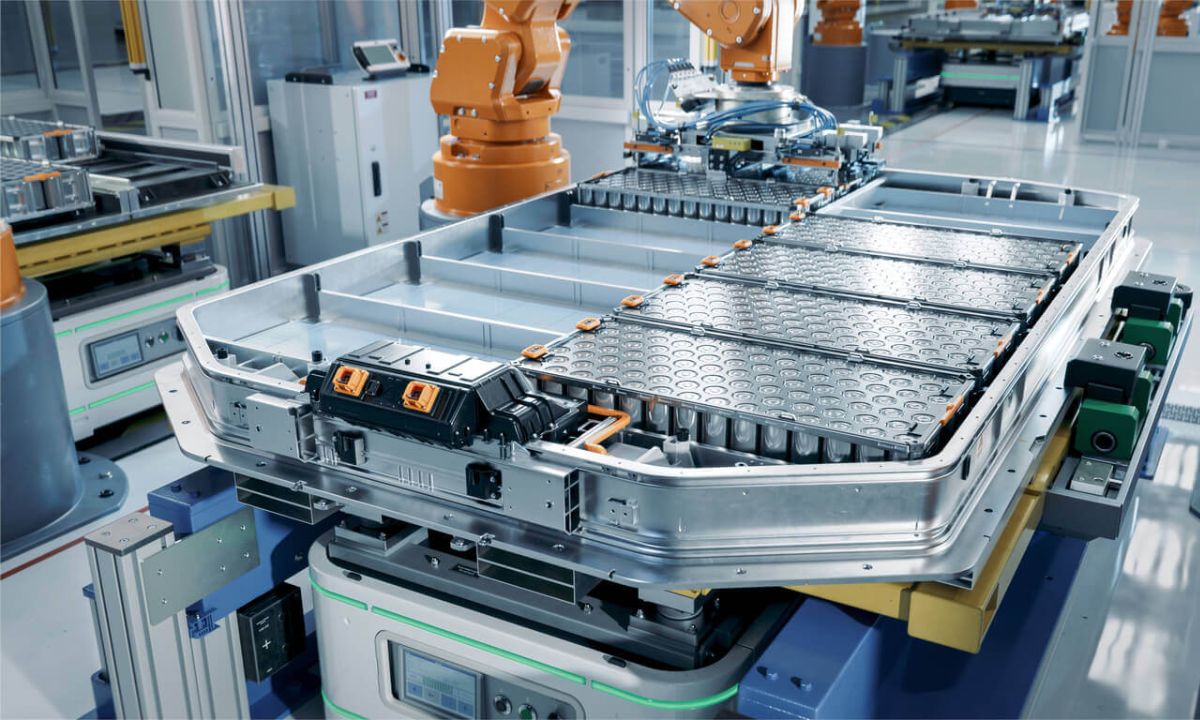
Výroba bateriového pouzdra elektromobilu by měla zahrnovat špičkové metody, aby bylo dosaženo pevného, bezpečného a trvanlivého výrobku. Celý proces je dobře naplánován tak, aby poskytoval přesné a spolehlivé kryty baterií elektrických vozidel.
Design a inženýrství
Inženýři začnou navrhovat konstrukci obytných budov pomocí komplexních nástrojů CAD a simulačních nástrojů. To proto, aby se ujistili, že pouzdro baterie elektromobilu je optimalizováno tak, aby bylo pevné a mělo nižší hmotnost a tepelnou kontrolu, a aby zohledňovalo moduly baterie a chladicí systémy.
Výběr materiálu
Volba vhodného materiálu je pro výkon velmi důležitá. Hliníkové slitiny jsou také materiálem volby hliníkových krytů baterií používaných v elektromobilech, protože tyto slitiny jsou lehké, pevné a odolné proti korozi, které zvyšují účinnost a trvanlivost.
Odlévání nebo výroba
V závislosti na složitosti konstrukce výrobci používají odlévání nebo výrobu. Součásti pouzdra baterie Hliníkový odlitek pouzdra baterie pro elektrická vozidla komponenty umožňují složité tvary a chladicí kanály, zatímco výroba umožňuje méně složité nebo modulární konstrukce.
Obrábění
Všechny rozměry a montážní body jsou přesně opracovány. Toto opatření je nezbytné pro zajištění strukturální integrity a správné integrace bateriových modulů uvnitř krytu.
Povrchová úprava
Díky použitým povrchovým úpravám, jako je eloxování, práškové lakování nebo utěsnění, nedochází ke korozi, poškrábání ani zneužití okolním prostředím. Takové povrchové úpravy zajistí, že kryt baterie pro elektromobily nebude vystaven jakýmkoli povětrnostním vlivům.
Kontrola kvality
Zkoušky kvality se provádějí na všech součástech skříně. Zkoušky bateriových krytů, které zahrnují rozměrové zkoušky, zkoušky odolnosti proti nárazu, tepelné odolnosti a vodotěsnosti, zajišťují, že bateriový kryt je bezpečný, spolehlivý a připravený k montáži.
Hlavní důvody, proč je pouzdro baterie důležité
Dalším důležitým konstrukčním prvkem akumulátorové baterie elektromobilu je akumulátorová baterie elektromobilu. Zajišťuje, aby byly bateriové jednotky během používání vozidla pevné a pohyblivé.
Elektromobily jezdí v různých podmínkách, například při vysokých teplotách, vibracích a nárazech na silnici. Kryt by měl být pevný a odolný, aby udržel baterii bezpečnou a funkční po celou dobu provozu vozidla.
Bezpečnostní ochrana
Akumulátorové systémy jsou bateriovým úložištěm obrovského množství energie a jakékoli poškození může představovat významné bezpečnostní riziko. Kryt baterie elektromobilu slouží jako štít proti nárazu, proražení a vnějším silám. Zajišťuje, aby v případě nehody nedošlo ke zničení bateriových článků, a chrání vůz i cestující. Pouzdra jsou také vyrobena dostatečně pevná, aby absorbovala sílu a nedeformovala se.
Tepelná kontrola
Změny teploty způsobují velmi vysokou citlivost výkonu baterie. Pouzdro pomáhá kombinovat chladicí systémy a kanály pro proudění vzduchu, které zajišťují ideální provozní teploty. To zaručuje vysokou účinnost baterií a odstraňuje případy přehřátí nebo tepelného vyčerpání. Tepelný management je také správně proveden, aby se prodloužila životnost akumulátoru.
Strukturální stabilita
Akumulátor má také potřebnou konstrukční oporu v krytu. Pevně drží všechny vnitřní části na svém místě, i když je silnice nerovná, vozidlo vibruje nebo prudce zastaví. Konstrukce pouzdra rovněž podporuje integritu bateriového systému jako celku a bezpečnost a spolehlivost vozidel.
Ochrana životního prostředí
Kryt baterie elektromobilu je chráněn proti vodě, prachu, nečistotám a chemickým vlivům. Těsnění a použité materiály jsou vysoce kvalitní a nedovolí, aby nečistoty zničily články baterie. To zaručuje stabilitu výkonu za každého počasí a dlouhou životnost baterie.
Materiál použitý v pouzdru baterie pro elektromobily
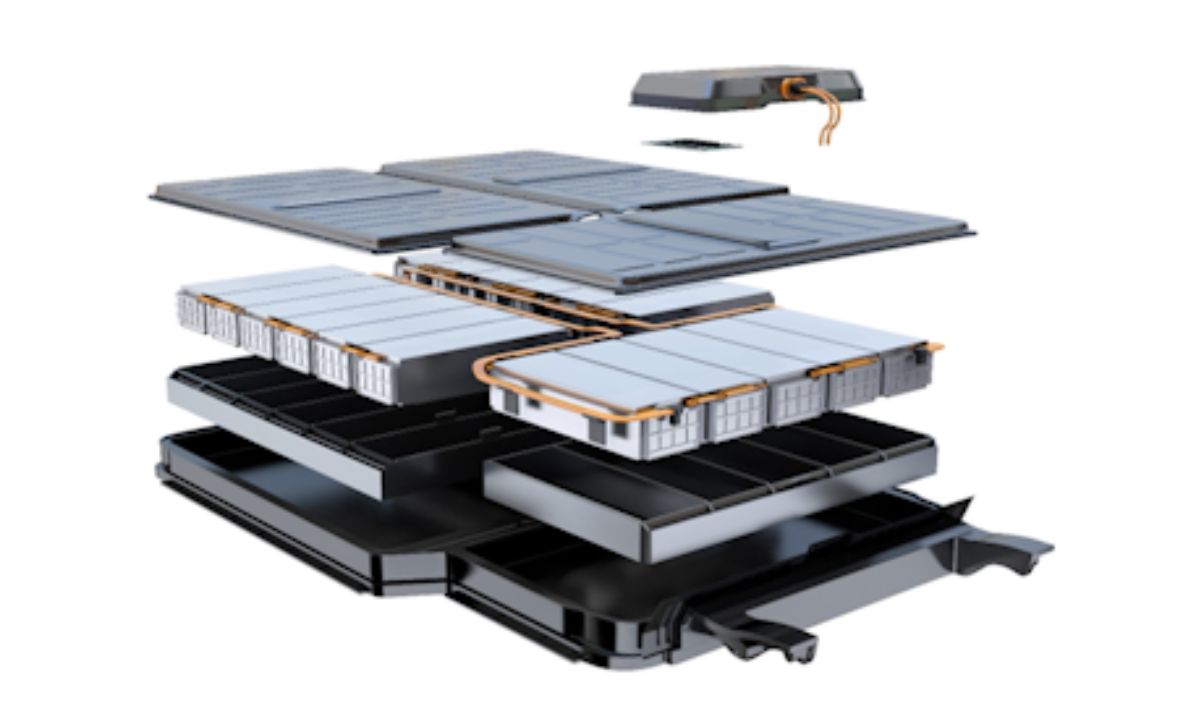
Volba materiálu použitého pro umístění baterie elektromobilu je důležitá z hlediska výkonu a bezpečnosti. Použitý materiál by měl být pevný, trvanlivý a odolný vůči okolním podmínkám a akumulátor by měl být lehký. Vhodný je také výběr materiálu, který zlepšuje tepelný management a prodlužuje životnost baterie. Výrobci věnují pozornost takovým vlastnostem, jako je hmotnost, odolnost proti korozi a tepelná vodivost.
Hliník
Hliník patří mezi nejrozšířenější možnosti hliníkových bateriových krytů elektromobilů. Je lehký, ale výkonný, a to se projevuje na zvýšení účinnosti vozidla a dojezdu. Díky své vysoké tepelné vodivosti usnadňuje chlazení baterií a jeho odolnost vůči korozi jej činí velmi trvanlivým. Hliník také dává možnost přesněji vytvářet složité tvary.
Ocel
Ocel je také velmi pevná a odolná, a proto ji lze použít jako spolehlivou volbu, pokud jde o skříně baterií. Nicméně hmotnost oceli je vyšší než hmotnost hliníku, což může snížit účinnost a dojezd vozidla. Nicméně ocelové kryty bývají využívány v těch aplikacích, které vyžadují maximální odolnost proti nárazu a tuhost konstrukce. Ochranu proti korozi lze zvýšit vhodným nátěrem a ošetřením.
Kompozitní materiály
Vývoj kompozitních materiálů nabírá na síle při vývoji lehkých, ale pevných bateriových krytů. Kompozity mají schopnost snížit celkovou hmotnost, aniž by byla narušena strukturální integrita a odolnost proti nárazu. Umožňují také konstruktérům zabudovanou tepelnou a elektrickou izolaci. Většina výrobců používá směsi kompozitů s hliníkem, aby dosáhla optimálního výkonu a účinnosti.
Výhody hliníkového pouzdra baterie
Použití hliníkového krytu baterie má pro moderní konstrukce elektromobilů řadu výhod. Hliník je vhodným materiálem, protože je lehký a má vysoké pevnostní vlastnosti a je použitelný v elektromobilech orientovaných na výkon. Jeho flexibilita umožňuje výrobcům vymýšlet přesná a odolná pouzdra, která přispívají ke zvýšení účinnosti, bezpečnosti a celkové životnosti vozidla. To je důvod, proč se hliník jako kryt baterie stává oblíbeným u většiny automobilových značek.
Lehký design
Hmotnost hliníku je mnohem nižší než hmotnost oceli a tento aspekt snižuje hmotnost vozidla. Lehčí vozidlo má efektivnější spotřebu energie, větší dojezd a lepší jízdní vlastnosti. Hliníkové skříně se tak stávají důležitou otázkou pro zefektivnění výkonu elektromobilu, aniž by byla ohrožena bezpečnost a integrita vozidla.
Velmi vysoká odolnost proti korozi
Elektromobily lze používat v různých klimatických a povětrnostních podmínkách. Hliník je ze své podstaty odolný proti korozi a pomáhá chránit akumulátory před vlhkostí, solí a dalšími vlivy prostředí. Tím je zaručena životnost bateriových skříní elektromobilů spolu se stálostí jejich funkce v čase.
Zlepšený odvod tepla
Hliník má vysokou tepelnou vodivost a pomáhá regulovat teplo baterie v procesu nabíjení a vybíjení. Správná regulace tepla pomůže odstranit přehřívání, prodloužit životnost baterie a obecně bezpečnost automobilu. Hliníková pouzdra jsou také vyrobena s vestavěnými technikami chlazení tak, aby byl zajištěn maximální výkon z hlediska teploty.
Vysoká konstrukční pevnost
Hliník má dobrou mechanickou pevnost, přestože je lehký. Díky tomu je kryt odolný proti nárazům, vibracím a silničnímu namáhání a také umožňuje bezpečné upevnění bateriových modulů na krytu. Je dostatečně konstrukčně spolehlivý, aby mohl být použit při ochraně citlivých bateriových prvků v elektromobilech.
Udržitelnost
Hliník lze ve velké míře recyklovat, což usnadňuje vytváření výrobních procesů, které jsou šetrné k životnímu prostředí. Recyklace materiálů přispívá ke snížení množství odpadu, snížení uhlíkové stopy a globální udržitelnosti. Díky tomu jsou hliníkové pláště baterií elektromobilů pro výrobce automobilů ekologickou volbou.
Hliníkové odlitky v bateriích pro elektromobily
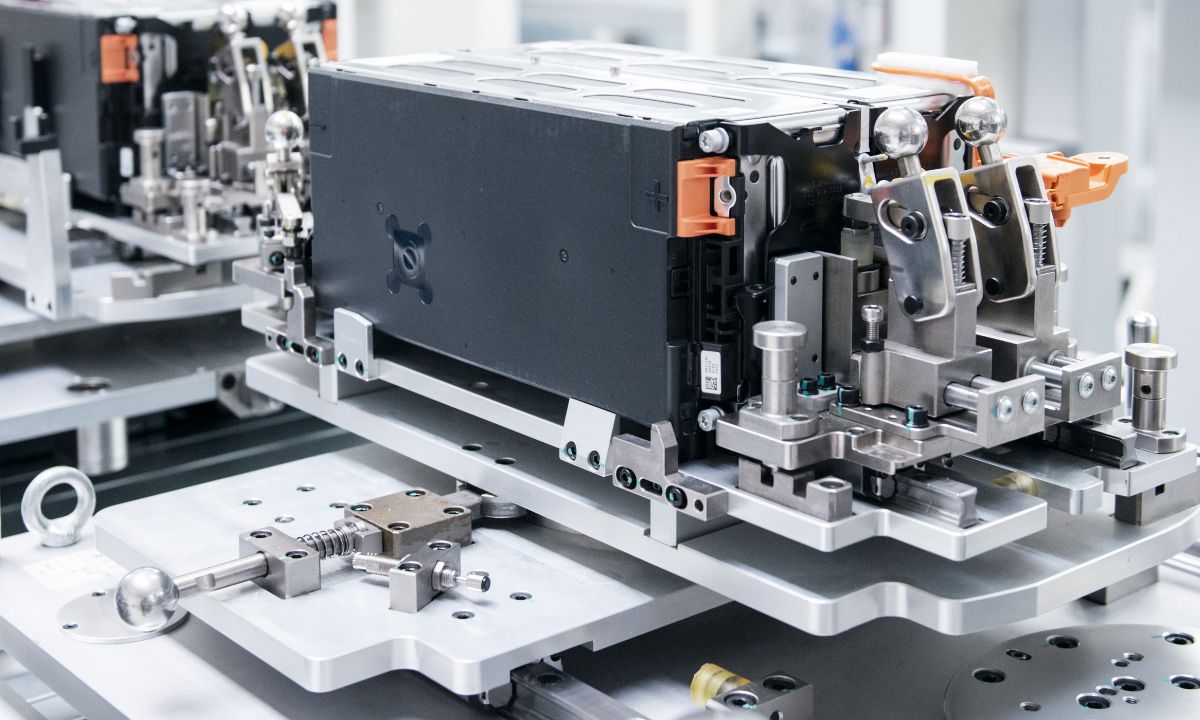
Výrobci obvykle používají lité hliníkové díly baterií pro elektromobily k výrobě složitých tvarů a konstrukcí potřebných v současných bateriích pro elektromobily.
Technologie tlakového lití umožňuje výrobcům vyrábět vysoce přesné součásti, které jsou velmi pevné a mají dobré rozměry.
Výhody hliníkových odlitků
- Velká přesnost výroby.
- Konzistentní kvalita výrobků
- Vynikající strukturální integrita.
- Schopnost vytvářet složité návrhy.
- Velkovýroba je efektivní.
Tyto výhody dávají přednost žádoucímu výrobnímu procesu většiny dílů baterií pro elektrická vozidla.
Klíčové aspekty konstrukce bateriového pouzdra
Při navrhování dobré baterie pro elektromobily je třeba zohlednit mnoho technických aspektů. Vynikající kryt může být bezpečný, odolný a dostatečně dobrý, aby měl akumulátor co nejlepší výkon. Pro návrh krytů, které by splňovaly současné požadavky na EV, musí výrobci vyměnit pevnost, tepelné vlastnosti, hmotnost a ochranu životního prostředí.
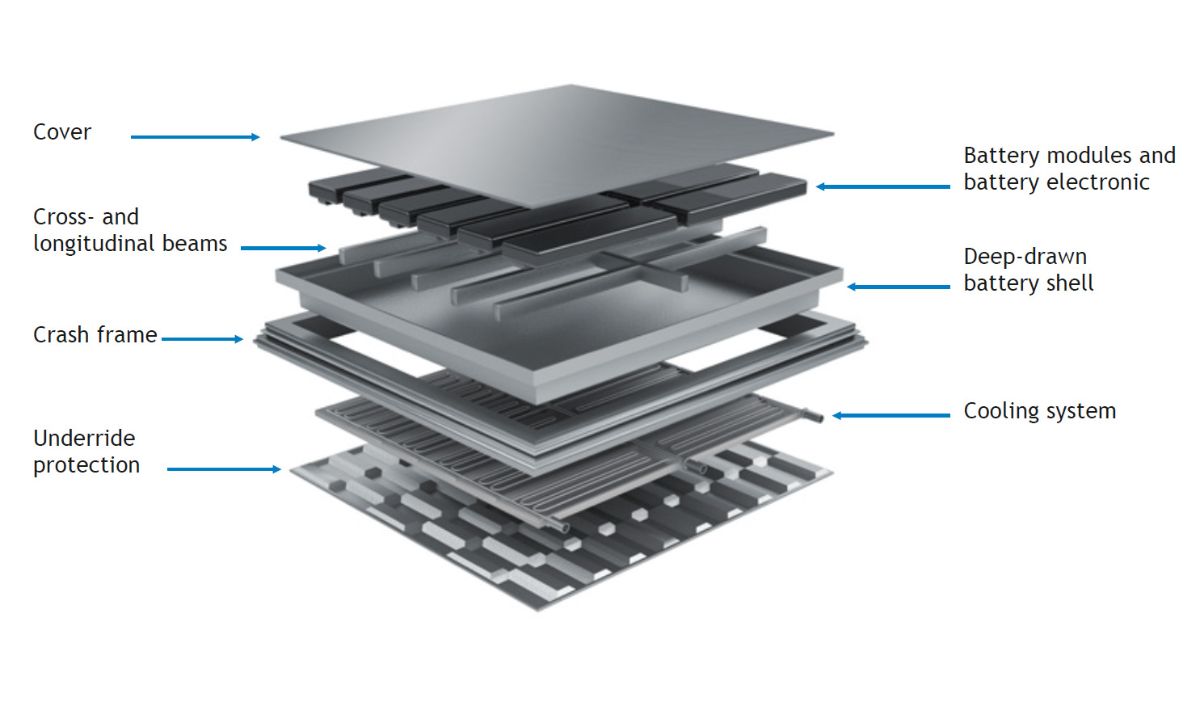
Konstrukční pevnost
Kryt by měl být schopen odolávat účinkům, vibracím a mechanickým silám při běžném používání vozidla. Robustní obal baterie elektromobilu zajistí, že vnitřní moduly baterie budou bezpečné i v extrémních provozních podmínkách. Bezpečnost a spolehlivost konstrukcí a materiálů do značné míry závisí na zesílených stavbách a pevných materiálech.
Tepelný management
Během nabíjení a vybíjení akumulátorové články produkují teplo, které je třeba správně zadržovat. Pouzdro má zabudované chladicí mechanismy, ať už prostřednictvím kanálků pro kapalinu, nebo struktur pro proudění vzduchu, které udržují bezpečné teploty. Dobrá tepelná kontrola zvyšuje účinnost, životnost a výkonnost vozidla.
Optimalizace hmotnosti
Pro zajištění maximálního dojezdu a energetické účinnosti elektromobilu je nutné snížit hmotnost krytu baterie. Odlehčení díky použití materiálu, jako je hliník, umožňuje výrobcům dosáhnout rovnováhy mezi bezpečností a výkonem. Těžiště vozidla je rovněž minimalizováno za pomoci optimalizovaných konstrukcí, které podporují ovladatelnost a stabilitu.
Těsnění a hydroizolace
Kryt by měl být takový, aby mimo jiné neumožňoval vniknutí vody nebo prachu do akumulátoru. Kvalitní těsnění a přesná montáž zajišťují, aby nedošlo k poškození choulostivých součástí vlivem koroze a dalších faktorů prostředí. Díky tomu může spolehlivě fungovat za všech povětrnostních podmínek a vydrží déle.
Elektrická izolace
Elektrická izolace by měla být dobře provedena, aby se zabránilo zkratu a dalším nebezpečím. Kryt zajišťuje, aby se moduly baterie nedostaly do těsného kontaktu s podvozkem vozidla a cestujícími. Mezinárodní normy pro elektromobily jsou rovněž v souladu s izolovanými pouzdry.
Normy bezpečnosti bateriových krytů pro elektromobily
Jednou z nejdůležitějších konstrukčních koncepcí elektromobilů je bezpečnost. Kryt baterie musí být vysoce bezpečný pro automobilový průmysl.
Společné bezpečnostní požadavky:
- Odolnost proti nárazu
- Požární ochrana
- Omezení tepelného úniku.
- Vodotěsné těsnění
- Elektrická izolace
Výrobci automobilů provádějí mnoho testů, aby zaručili, že pouzdra baterií těmto požadavkům vyhovují.
Přínosy pro životní prostředí a udržitelnost
Elektromobily mají mít minimální vliv na životní prostředí a materiál pouzdra baterie k tomu přispívá.
Recyklovatelnost hliníku je jedním z důvodů, proč se výrobci rozhodují pro jeho použití v bateriových pouzdrech elektromobilů. Hliník lze opakovaně použít, aniž by se změnily jeho vlastnosti, a proto je to materiál šetrný k životnímu prostředí.
Bezpečnost a odolnost proti nárazu
Jednou z nejdůležitějších otázek při navrhování bateriových systémů pro elektromobily je bezpečnost. V případě havárie vozidla by měly být články baterie chráněny krytem baterie.
Pouzdro baterie elektromobilu je navrženo tak, aby pohlcovalo energii nárazu a zabránilo deformaci, která by mohla vést ke zničení akumulátoru.
Ochrana proti prachu a vodě
Elektromobily lze používat v různých podmínkách, které zahrnují déšť a sníh, stejně jako v prašném prostředí. Kryt baterie elektromobilu by měl být vyroben tak, aby měl účinné těsnění a chránil tak choulostivé části baterie.
Kryty baterií obvykle splňují přísné požadavky na stupeň krytí IP (Ingress Protection), což znamená, že jsou odolné proti vodě a prachu.
Technologie bateriových krytů pro elektromobily v budoucnosti
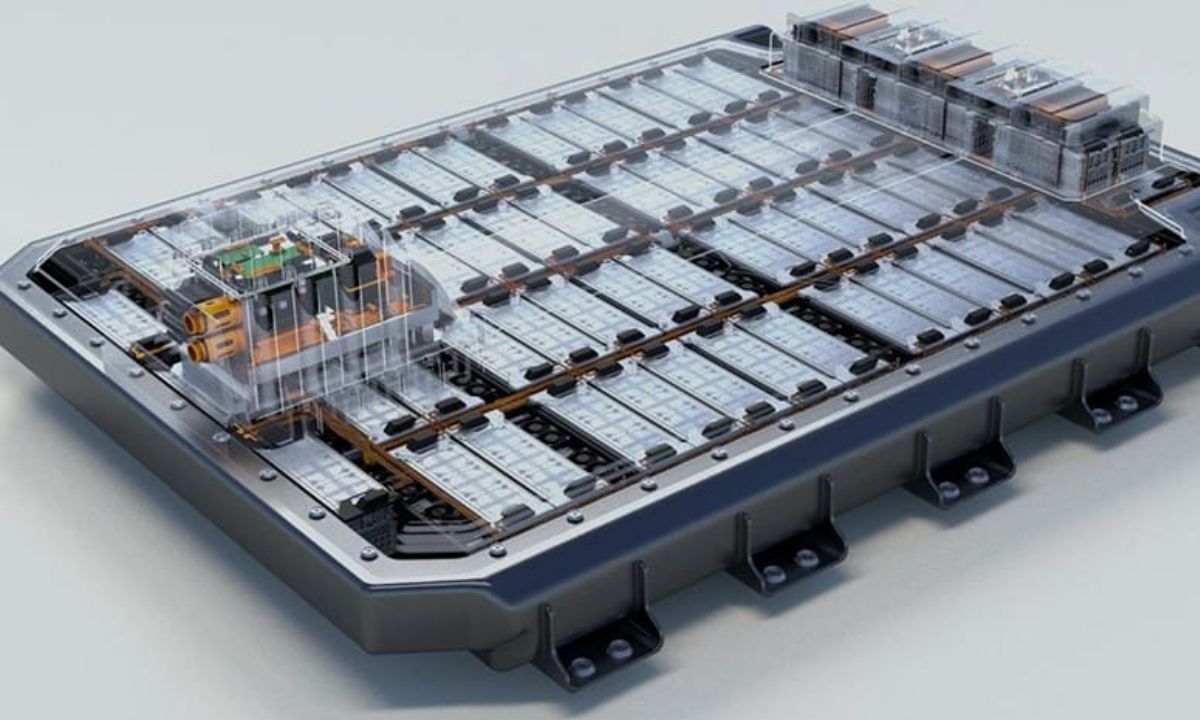
S rozvojem trhu s elektromobily se zdokonaluje i technologie bateriových krytů.
Lehké architektonické návrhy
Výrobci přicházejí s novými lehkými konstrukcemi, které zvyšují účinnost automobilů.
Integrované chladicí systémy
Zavádějí se pokročilé technologie chlazení, které se zabudovávají do krytů baterií.
Pokročilé materiály
Vyvíjejí se nové materiály a slitiny, které mají zvýšit pevnost při snížení hmotnosti.
Inteligentní bateriové systémy
Pouzdra baterií budou v budoucnu vybavena čidly, která budou indikovat teplotu, tlak a integritu konstrukce.
Důležitost kvalitního pouzdra baterie
Výkon a bezpečnost elektromobilu přímo závisí na dobře navrženém krytu baterie.
Pouzdra vysoké kvality nabízejí:
- Delší životnost baterie
- Lepší výkon vozidla
- Zvýšená bezpečnost cestujících
- Zlepšená energetická účinnost
Proto automobilky investují do špičkových bateriových krytů tak vysoké náklady.
Závěr
Kryt baterie elektromobilu je důležitým prvkem, který slouží k ochraně a podpoře bateriových systémů elektromobilu. Po bateriových pouzdrech bude stále větší poptávka, protože průmysl elektrických vozidel neustále roste a spoléhá na vysoce kvalitní a účinné bateriové pouzdra.
Současné konstrukce bateriových krytů v elektromobilech jsou založeny na vysoce kvalitních materiálech a výrobních technologiích, které zajišťují bezpečnost, spolehlivost a účinnost. S přijetím hliníkových bateriových krytů elektrických vozidel a vysoce technicky propracovaných hliníkový odlitek Stále častěji se používají komponenty bateriových krytů pro elektromobily a výrobci přicházejí s inovativními řešeními, která zvyšují výkonnost a udržitelnost vozidla.
Spolu s pokrokem v oblasti elektromobilů se bude neustále zdokonalovat i konstrukce a technologie krytů baterií, což je důležité pro budoucnost čisté dopravy.
Často kladené otázky
Co je pouzdro baterie pro elektromobily?
Kryt akumulátoru je štít, který uzavírá akumulátor elektromobilu. Poskytuje strukturální výztuž, chrání baterii před nárazy a pomáhá regulovat teplo a působení okolního prostředí.
Jaký je důvod pro použití hliníku jako materiálu krytů baterií?
Skříně baterií pro elektromobily jsou vyrobeny z hliníku, který je lehký, pevný a odolný proti korozi. Zvyšuje účinnost při jízdě, pomáhá odvádět teplo a zajišťuje dlouhodobou odolnost bateriového systému.
Komponenty skříní baterií pro elektrická vozidla z litého hliníku Co jsou zač?
Jedná se o vysoce přesné tlakové odlitky. Umožňují výrobcům vyrábět komplikované tvary a konstrukce výztuh, které zvyšují pevnost a bezpečnost krytu baterie pro elektromobily.
Co je kryt baterie a jak zvyšuje bezpečnost elektromobilů?
Pouzdro chrání bateriové články před nárazy, propíchnutím a poškozením vlivem prostředí. Pomáhá také při dobré tepelné regulaci, izolaci, udržování bezpečnosti a zamezení nebezpečí, jako je zkrat, přehřátí atd.
Jaké jsou faktory konstrukce bateriového pouzdra?
Konstruktéři se zabývají pevností konstrukce, tepelným managementem, optimalizací hmotnosti, těsněním, vodotěsností a elektrickou ochranou. Díky těmto hlediskům je kryt baterie elektromobilu bezpečný, odolný a účinný.

0 komentáøù