
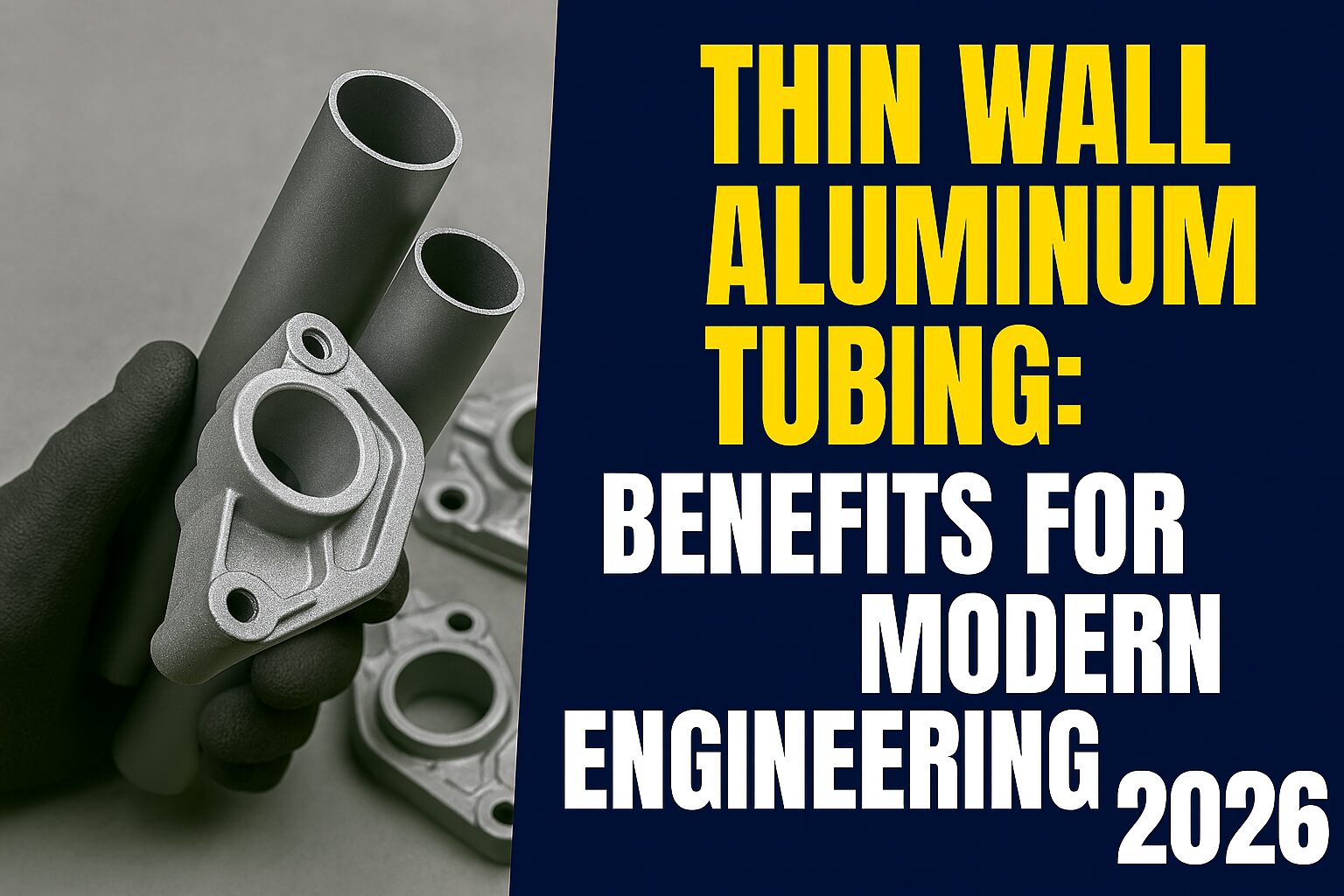
Tenkostěnné hliníkové trubky se staly základním materiálem ve strojírenství, výrobě a průmyslovém designu 21. století. Důvodem je zvláštní směs lehké struktury, vynikající poměr pevnosti k hmotnosti a působivá odolnost proti korozi, která z něj činí lepší náhradu těžších kovů a těžkopádnějších materiálů. V leteckém a automobilovém průmyslu až po stavebnictví a lékařské přístroje nabídnou tenkostěnné hliníkové trubky efektivitu výkonu bez snížení strukturální integrity.
Inženýři a konstruktéři se stále více zaměřují na materiály, které lze použít ke stavbě lehkých, efektivních a udržitelných objektů. Všechny tyto požadavky mohou splnit tenkostěnné hliníkové trubky, které poskytují schopnost vysokého výkonu a pomáhají vyrábět nákladově příznivým a ekologickým způsobem.
Co je tenkostěnná hliníková trubka?
Tenkostěnné hliníkové trubky Tenkostěnné hliníkové trubky se vyrábějí s tenkou stěnou a těsnou rozměrovou kontrolou, která je kombinována s vysokou mechanickou pevností. U těchto trubek se obvykle vyrábí vysoce rafinovanými procesy vytlačování nebo tažení a při použití v aplikacích jsou stejného typu a konzistentní ve všech aplikacích.
Klíčové charakteristiky
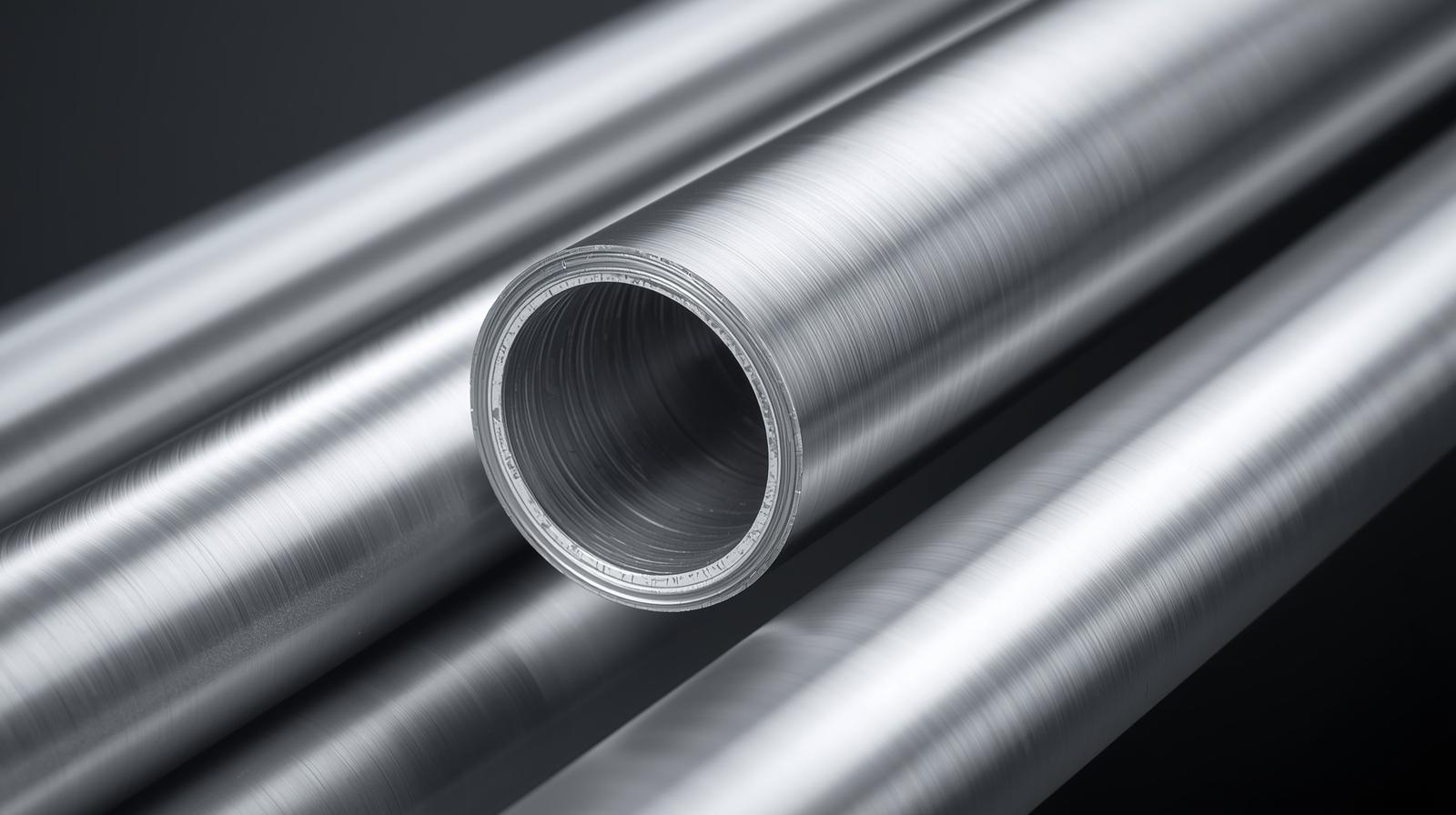
Tenkostěnné hliníkové trubky s vysokým poměrem pevnosti a hmotnosti, odolností proti korozi a přizpůsobivostí pro různá odvětví.
Snížená tloušťka stěny pro optimalizaci hmotnosti
Při použití materiálu se vynakládá méně peněz, protože snížená tloušťka stěny nenarušuje konstrukční vlastnosti. Díky tomuto energeticky optimalizovanému snížení hmotnosti jsou energeticky účinnější, snadněji se s nimi manipuluje, snižují se nároky na přepravu a používají se v aplikacích, kde je nutná nižší hmotnost, aniž by to bylo v rozporu s pevností nebo spolehlivostí.
Mez kluzu a vysoká pevnost v tahu
Díky vysoké pevnosti v tahu a pevnosti v kluzu mohou tenkostěnné hliníkové trubky odolávat vysokým tahovým a ohybovým silám. Tyto vlastnosti zajišťují, že se trubky v daných podmínkách trvale nedeformují, což umožňuje jejich bezpečné použití, delší životnost a spolehlivost při konstrukčním i mechanickém použití.
Vynikající tepelná a elektrická vodivost
K vedení tepla a energie lze použít dobrý tepelný a elektrický vodič látky. Takovéto přednosti mají hliníkové trubky v chlazení, při výměně tepla, v elektronických skříních a v aplikacích, kde je chlazení spojeno s komplexním rychlým průběhem odvodu tepla a často se vyžaduje účinná elektrická interakce.
Vysoce kvalitní odolnost proti korozi.
Přírodní oxidový povlak, který je na hliníku přítomen, zvyšuje jeho odolnost proti korozi díky ochranné povaze látky vůči vlhkosti, chemikáliím a okolnímu prostředí. Díky tomu má hliník dlouhou životnost, snížené nároky na údržbu a vykazuje rovnoměrný výkon v drsném nebo venkovním prostředí.
Snadná výroba a tváření
Tyto hliníkové trubky se snadno vyrábějí a tvarují pomocí řezání, ohýbání, svařování a obrábění. Pružnost usnadňuje komplikované konstrukce, rychlost výroby, menší produkci a zakázková řešení v různých strojírenských a průmyslových aplikacích.
Díky těmto vlastnostem jsou hliníkové tenkostěnné trubky dobrou volbou v aplikacích, kde je nejdůležitější omezený prostor, minimalizace hmotnosti a spolehlivost výkonu.
Flexibilita designu
Flexibilita konstrukce tenkostěnných hliníkových trubek umožňuje jejich použití pro náročné technické požadavky. Lze ji snadno řezat, ohýbat, svařovat a obrábět, což umožňuje úspěšně postavit malé sestavy, nové konstrukce, rychlou výrobu a řešení na míru v různých průmyslových odvětvích a v moderních výrobních podmínkách po celém světě.
Lehký výkon
Snížení hmotnosti u lehkého provedení také přímo zvyšuje spotřebu paliva, zrychlení a schopnost celého systému zatáčet. Snížení hmotnosti snižuje množství energie spotřebované při provozu a přepravě, a proto se hliníkové trubky využívají zejména v konstrukcích pro letectví, automobilový průmysl a mobilitu, kde je účinnost, snížení emisí a maximalizace výkonu celosvětově zásadní.
Nevýhoda hliníkových trubek
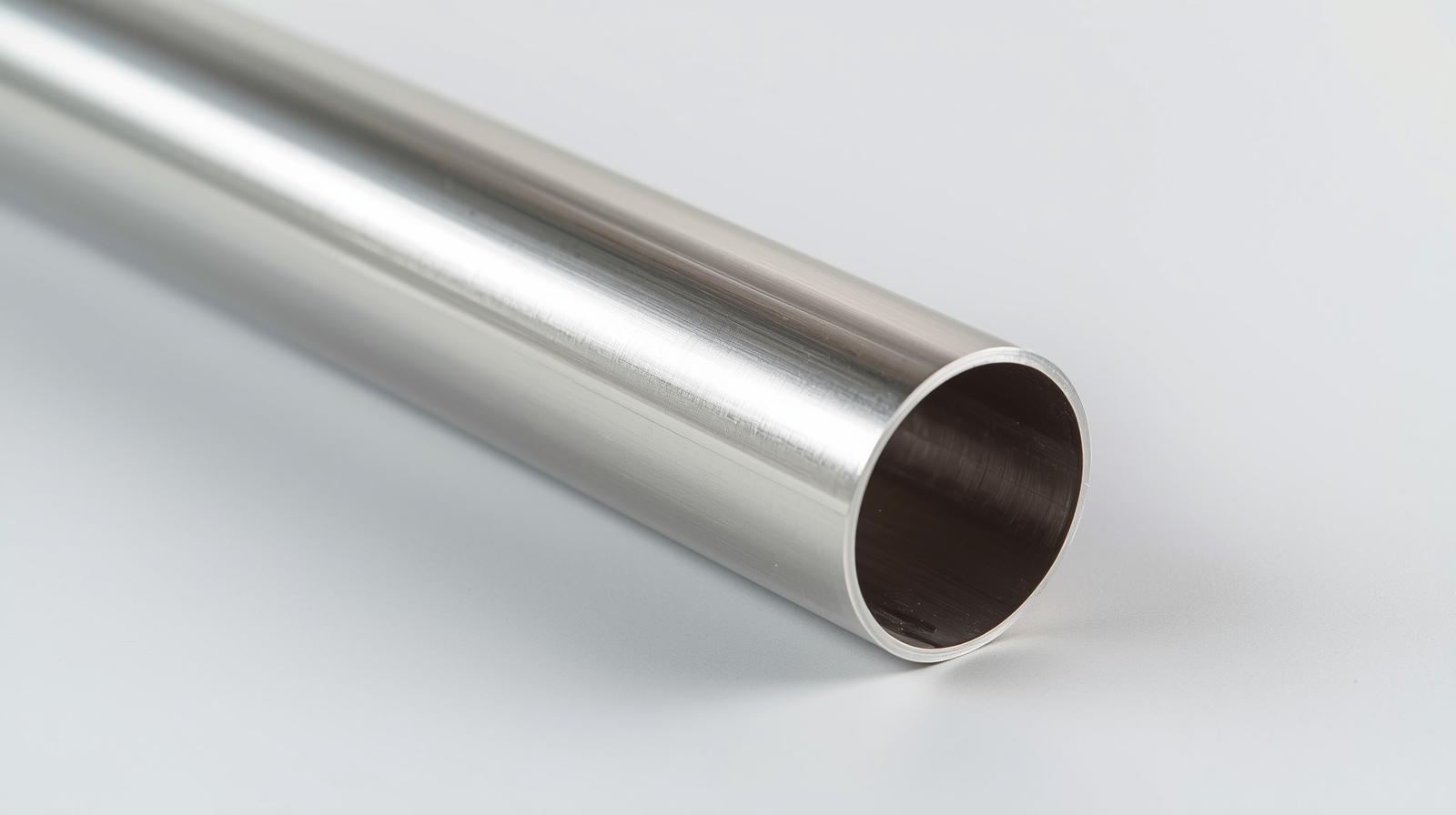
Problémy hliníkových trubek, jako je snížená pevnost v tahu, riziko galvanické koroze a tepelná omezení.
Nižší pevnost konstrukce
Silnostěnné hliníkové trubky jsou méně účinné než silnější trubky nebo plné profily, pokud jde o schopnost nést zatížení. Nemusí být vhodné pro aplikace s velkým zatížením.
Náchylnost k deformaci
Tenké stěny se při nárazech, stlačení nebo nesprávném zacházení během přepravy a montáže snáze otlučou, prorazí nebo dokonce prohnou.
Omezená možnost závitování
Tenkost stěny znamená, že nemá tolik materiálu, aby unesla silná vlákna, ve většině případů potřebují vložky nebo jiné způsoby upevnění.
Svařovací výzvy
Svařování tenkostěnného hliníku vyžaduje přesnost. Nadměrné zahřátí může mít za následek propálení, deformace nebo ztrátu pevnosti tepelně ovlivněného dílu.
Citlivost na únavu
Tenkostěnné trubky mohou být při cyklickém nebo opakovaném zatěžování vystaveny únavovému selhání dříve než silnější profily.
Riziko vybočení
Při použití tlaku nebo dlouhého rozpětí se u tenkostěnných trubek častěji pozoruje lokální nebo globální vybočení.
Vyšší výrobní tolerance
Někdy je obtížné udržet stejnou tloušťku stěny, což vede k rozměrové variabilitě, která narušuje výkonnost.
Obtížnost opravy
Tenkostěnné hliníkové trubky jsou náchylné k poškození, které se obvykle obtížně opravuje a může být nutná jejich výměna namísto lokální opravy.
Složení materiálu a slitiny hliníku
Materiál slitiny hliníku má velký vliv na výkonnost tenkostěnné hliníkové trubky. Tyto řady slitin mají zvláštní mechanické a chemické vlastnosti, které jsou optimalizovány pro různé technické aplikace.
Běžné používané slitiny hliníku
Řada 1xxx (čistý hliník)
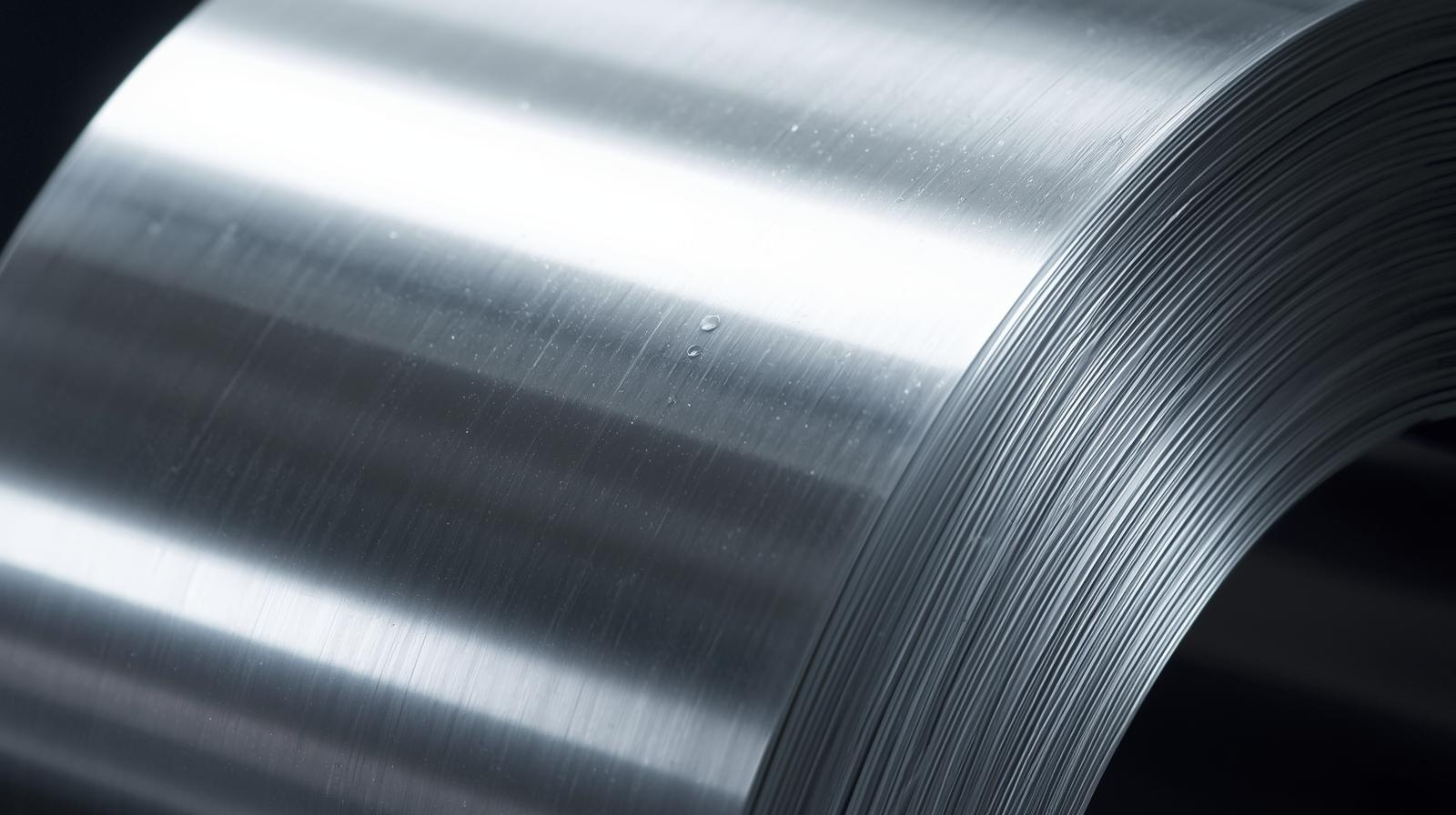
Slitiny čistého hliníku řady 1xxx s vynikající odolností proti korozi, vodivostí a zpracovatelností.
- Vysoká odolnost proti korozi
- Vynikající elektrické orgány.
- Aplikace Elektrické a chemické.
Série 3xxx (slitiny hliníku a manganu)
Hliníko-manganové slitiny řady 3xxx s odolností proti korozi, svařitelností a střední pevností.
- Zlepšená pevnost
- Vynikající tvarovatelnost
- Obvykle univerzální v systémech tepelných výměníků a HVAC.
Typ 6xxx (hliník-hořčík-křemík)
- Přiměřený poměr pevnosti a hmotnosti.
- Jedná se o vynikající obrobitelnost a svařitelnost.
- Velmi oblíbené v civilních a automobilových konstrukcích.
Řada 7xxx (slitiny hliníku a zinku)
Slitiny hliníku a zinku řady 7xxx s výjimečnou pevností, houževnatostí a odolností proti únavě.
- Extrémně vysoká pevnost
- Výkonnost na letecké a kosmické úrovni
- Ideální v situacích, kdy je člověk vystaven velkému stresu.
Kombinace výběru slitiny zaručuje maximální výkon, odolnost a bezpečnost v náročných podmínkách.
Výrobní procesy tenkostěnných hliníkových trubek
Pro dosažení úzkých tolerancí u kabinových trubek z tenkostěnného hliníku je nutná přesná výroba. Výrobní procesy na vysoké úrovni nám zajišťují konzistenci tvaru a jemnost struktury.
Vytlačování
Při vytlačování se hliník lisuje přes matrici, která má tvar souvislé řady trubek, které se lisují v lisu. Při tomto procesu se zjednodušuje komplikovaná geometrie, nedochází ke ztlušťování stěn, velkému množství výrobků a kvalitě, a proto je použitelný při výrobě tenkostěnných hliníkových trubek; které se využívají v řadě průmyslových aplikací po celém světě.
Kreslení za studena
Tažení za studena se používá k čištění vytlačovaných trubek tažením za studena při pokojové teplotě. Tím se minimalizuje tloušťka stěny, zvyšuje pevnost, zjemňují se rozměrové parametry a navíc se na stěně zušlechťují povrchové úpravy; zajišťují se dokonalé tolerance a mechanické vlastnosti v náročných podmínkách strojírenského a výrobního provozu.
Žíhání a tepelné zpracování
Hliníkové trubky se upravují na vnitřní úrovni žíháním a tepelným zpracováním. Řízený ohřev a chlazení zvyšují tažnost, pevnost a odolnost proti namáhání, snižují křehkost a přispívají ke spolehlivosti, díky čemuž jsou tenkostěnné hliníkové trubky vhodné pro vysoce výkonné, nosné a přesné aplikace.
Aplikace napříč moderními průmyslovými odvětvími
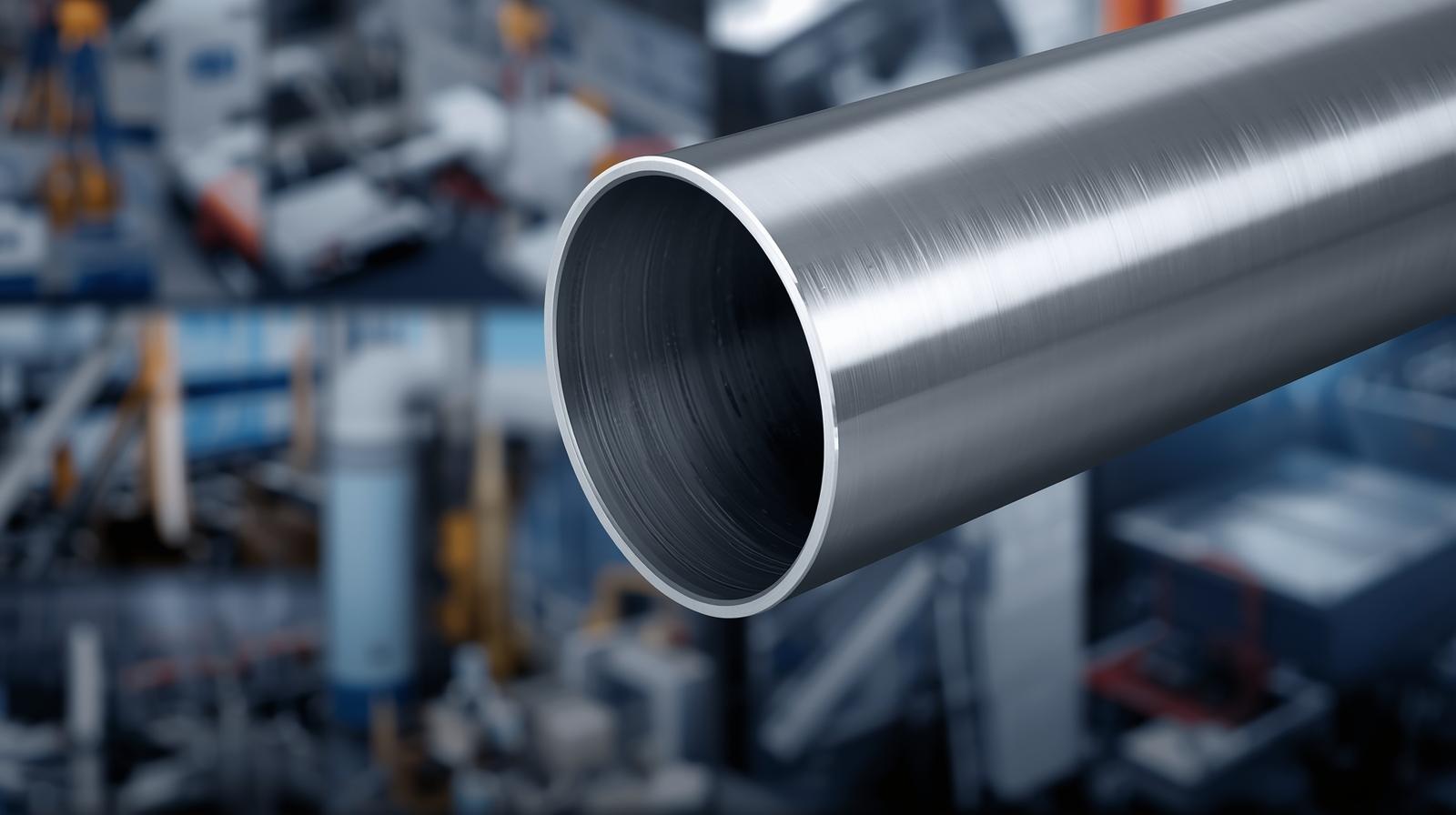
Moderní průmyslové aplikace hliníkových slitin a tlakového lití pro lehkou pevnost, odolnost a přesnost.
Tenkostěnné hliníkové trubky jsou univerzální, protože je lze použít ve velkém množství průmyslových odvětví s vysokými nároky na výkon.
Letectví a kosmonautika
Ztráta hmotnosti je v leteckém inženýrství důležitá. Trubky jsou doplněny tenkostěnnými hliníkovými trubkami v:
- Rámy a součásti trupu letadla.
- Hydraulické a palivové vedení
- Konstrukční výztuhy
Má zásadní význam pro svou spolehlivost při vysokém namáhání a změnách teploty.
Automobily a doprava
Trubky z tenkostěnného hliníku se dnes používají při výrobě automobilů k:
- Součásti podvozku a rámu.
- Výfukové a chladicí systémy
- Uzavírání baterií v elektromobilech.
Výsledkem je vyšší spotřeba paliva, nižší emise a lepší výkon vozu.
Stavebnictví a architektura.
Výhodou dnešních tenkostěnných hliníkových trubek je jejich pevnost a estetika, které se využívají v architektonických návrzích a obvykle se používají v:
- Systémy závěsových stěn
- Konstrukční podpěry
- Zábradlí a fasády
Jeho jednoduchost a dlouhá životnost jsou v souladu s modernismem v architektuře.
Zdravotnické a lékařské vybavení
Přesnost a čistota mají ve zdravotnictví prvořadý význam. tenkostěnné hliníkové trubky se používají v:
- Rámce rodinných diagnostických zařízení.
- Mobilita a nemocniční nábytek.
- Kryty pro lékařské přístroje
Jedná se o nemagnetickou a korozivzdornou látku, která může zvýšit bezpečnost, a tyto vlastnosti přispívají k její dlouhé životnosti.
Průmyslové a výrobní systémy
Továrny a další výrobní zařízení používají tenkostěnné hliníkové trubky k:
- Dopravníkové systémy
- Hydraulická a pneumatická vedení.
- Grafy automatizace a robotiky.
Je flexibilní a umožňuje náročnou práci s vysokou rychlostí a přesností.
Úvahy o návrhu a technické optimalizaci
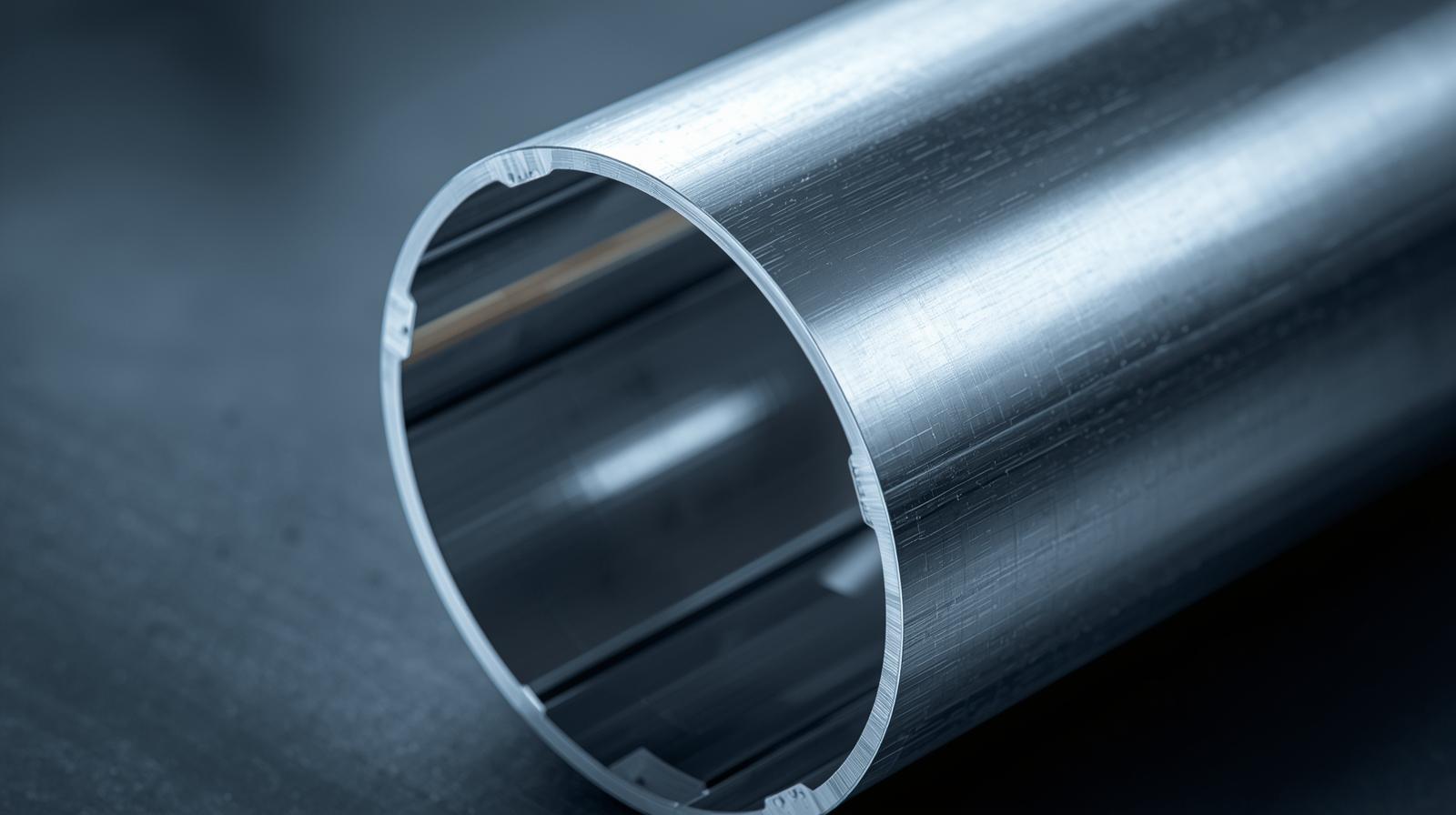
Inženýrská optimalizace při navrhování tlakových odlitků se zaměřením na efektivitu, využití materiálu a spolehlivost komponent.
Při použití tenkostěnných hliníkových trubek v projektu je důležité provést náročná technická rozhodnutí, aby bylo dosaženo nejlepšího výsledku.
Tloušťka stěny a požadavky na zatížení
Mezi pevností a stabilitou a tloušťkou stěny existuje přímá úměra. Inženýři při zatížení, namáhání a působení okolních sil vybírají co nejtenčí stěnu, která odolá vzpěru, ohybu a deformaci. Udržování správné rovnováhy pomáhá snižovat hmotnost a udržuje konzistentní bezpečnost, životnost a trvalý výkon na základě dynamické a ne nutně stresující povahy provozních činností jako těžké průmyslové a konstrukční stavby na dnešní globální úrovni.
Tolerance a přesnost
Tolerance určují míru podobnosti součástí s konstrukčními požadavky. Ve vysoce přesných průmyslových odvětvích může dojít k selhání montáže, vibracím, neefektivitě v důsledku malé odchylky v rozměrech. Úzké tolerance se používají k zajištění bezproblémové integrace, spolehlivosti, zvýšené bezpečnosti a jednotného výkonu zejména v systémech, kde existují složité sestavy vyžadující naprostou přesnost a opakovatelnost výkonu v leteckém, lékařském, automobilovém a špičkovém výrobním průmyslu.
Možnosti povrchové úpravy
Funkční a estetická kvalita hliníkových trubek se zvyšuje tímto procesem: povrchovou úpravou. Změny odolnosti proti korozi a tvrdosti, nanášení práškového lakování a leštění na ocel, respektive zvyšují odolnost proti korozi, dodávají kovu další ochranné vrstvy a leštění kovu zlepšuje jeho vzhled a hladkost. Výběr vhodné povrchové úpravy, šetří údržbu, prodlužuje životnost a zaručuje práci v náročných ornamentálních podmínkách v průmyslových, architektonických, námořních aplikacích a službách.
Techniky spojování a montáže.
Spojovací a montážní techniky mají vliv na strukturální integritu a výrobu Mikea. Svařování poskytuje statickou pevnost, pájení je účinné u tenkých materiálů s malým zkreslením a mechanické připevnění umožňuje demontáž. Moderní prostředí průmyslového inženýrství také vyžaduje, aby inženýři volili metody v závislosti na kompatibilitě slitin, zatížení, objemu výroby a podmínkách provozu tak, aby byl výrobní proces spolehlivý, bezpečný a nákladově efektivní.
Udržitelnost a přínosy pro životní prostředí
Hliník patří mezi nejlepší technické materiály, které jsou udržitelné. Použitím ekologických výrobních metod je výroba tenkostěnných hliníkových trubek podporována:
- Recyklace: 100 % bez ztráty výkonu.
- Tenké stěny umožňují použití menšího množství materiálu.
- Snížení emisí z dopravy díky použití lehkých komponentů.
Hliníkové trubky získávají na dynamice při řešení ustanovení o udržitelném designu, aby byly splněny požadavky na ochranu životního prostředí a sociální odpovědnost podniků.
Normy kvality a certifikace
Kvalita tenkostěnné hliníkové trubky je vysoce kvalitní a splňuje nejpřísnější mezinárodní normy, aby byla zajištěna bezpečnost a výkonnost.
Společné standardy
- ASTM (American Society Trying and Materials)
- ISO (Mezinárodní organizace pro normalizaci)
- EN (Evropské normy)
Dodržování předpisů zajišťuje konzistenci, sledovatelnost a spolehlivost v mezinárodních dodavatelských řetězcích.
Budoucí trendy v oblasti tenkostěnných hliníkových trubek
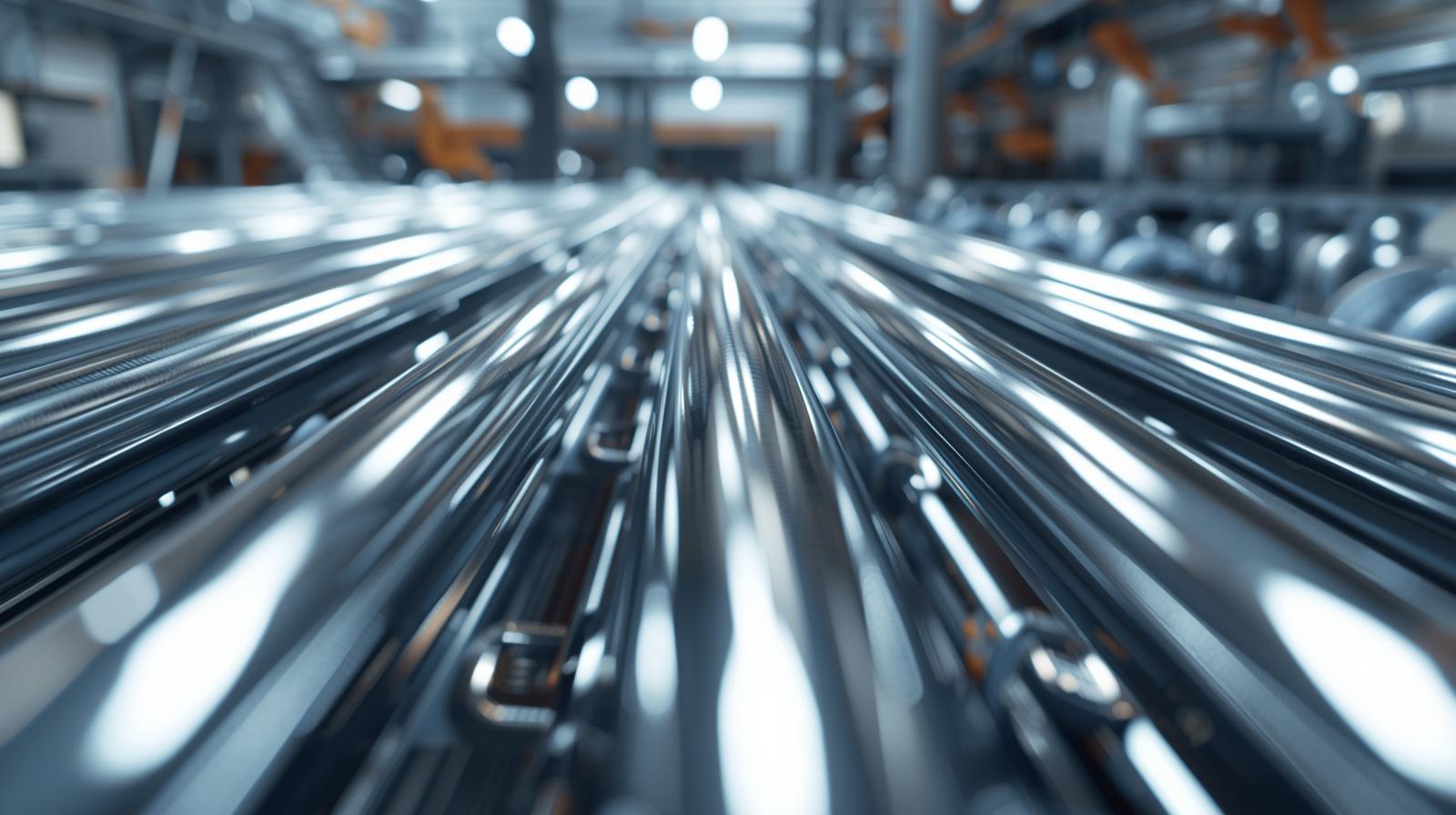
Nové trendy v oblasti tenkostěnných hliníkových trubek, jako je ekologická výroba, přesné inženýrství a průmyslové inovace.
Vývoj tenkostěnných hliníkových trubek neustále zvyšuje jejich kapacitu. Mezi nové trendy patří:
- Zdokonalená technologie slitiny se zvýšenou pevností.
- Lepší technologie vytlačování na ultratenkých stěnách.
- Integrace inteligentních továren a automatizace.
- Větší podíl na obsluze obnovitelných zdrojů energie.
S ohledem na současné trendy v oblasti řešení technických problémů jsou tenkostěnné hliníkové trubky na špici v oblasti materiálového pokroku.
Závěr
Tenkostěnné hliníkové trubky představují ideální kombinaci lehké konstrukce, mechanické pevnosti a možnosti vyrobit cokoli. Její univerzální využití v leteckém, automobilovém, stavebním, zdravotnickém a průmyslovém průmyslu podtrhuje její význam jako moderního řešení ve strojírenství. Tenkostěnné hliníkové trubky, které mají nesrovnatelné výkonnostní vlastnosti, zahrnují výhody udržitelnosti a také flexibilitu při navrhování, neustále určují standardy toho, co lze a lze dodávat pro vysoce výkonné aplikace.
Nejčastější dotazy
Vysvětlíte mi prosím, co je to tenkostěnná hliníková trubka?
Jedná se o hliníkovou trubku s malou tloušťkou stěny, která má minimalizovat hmotnost, ale zároveň zachovat pevnost a přesnost.
Z jakého důvodu jsou tenkostěnné hliníkové trubky lehké?
Má hliníkový materiál s nízkou hustotou a menší tloušťkou stěn, což výrazně snižuje celkovou hmotnost.
Vyžaduje tlustostěnné hliníkové trubky, nebo lze konstrukčně použít tenké?
Při správném návrhu a výběru slitiny má však velkou pevnost a životnost.
V jakých odvětvích se používají tenkostěnné hliníkové trubky?
Letecký, automobilový, stavební, zdravotnický, vytápěcí, ventilační a klimatizační a výrobní průmysl.
Jsou tenkostěnné hliníkové trubky odolné proti korozi?
Ano, na hliníku se přirozeně tvoří ochranný oxid, který zabraňuje korozi.
Je možné svařovat tenkostěnné hliníkové trubky?
Ano, svařuje se také pomocí vhodných postupů, jako je svařování TIG nebo MIG.
Jsou hliníkové trubky šetrné k životnímu prostředí?
Ano, je stoprocentně recyklovatelný a pomáhá udržitelné výrobě.
0 komentáøù