
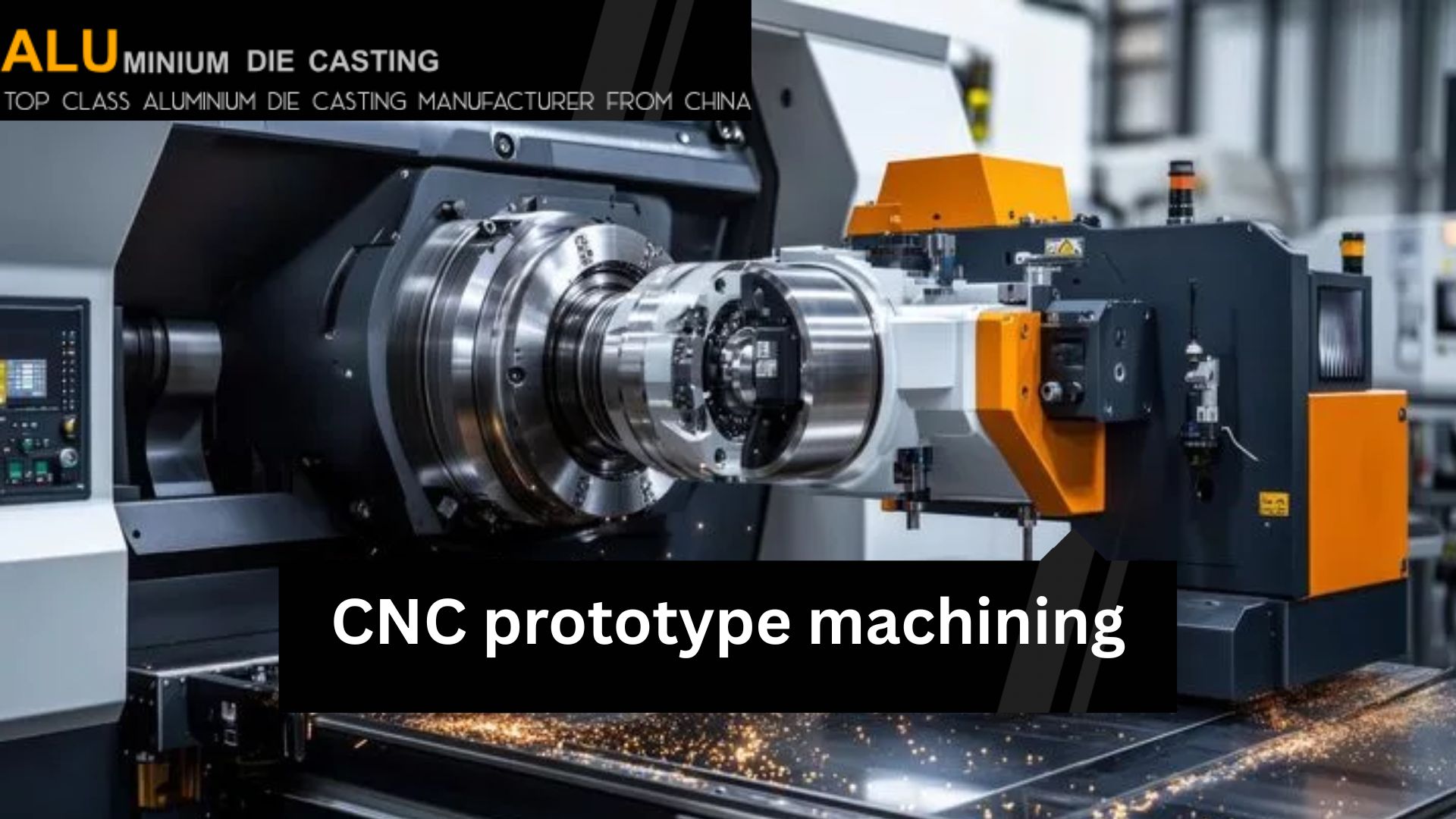
In der modernen, schnelllebigen Fertigungsumgebung kommt es auf Geschwindigkeit, Genauigkeit und Flexibilität an. Hier kommt die Prototypenbearbeitung der CNC ins Spiel. Die CNC-Bearbeitung (Computer Numerical Control) ermöglicht es den Ingenieuren und Herstellern, die Ideen in einer unübertroffenen Genauigkeit und Effizienz zu verwirklichen, bis hin zum Endprodukt in spürbar funktionalen Prototypen. CNC-Bearbeitung von Prototypen verändert den Prozess der Prototypenentwicklung und -prüfung für die Luft- und Raumfahrt, die Automobilindustrie und Konsumgüter.
Was ist Prototyping-Bearbeitung?
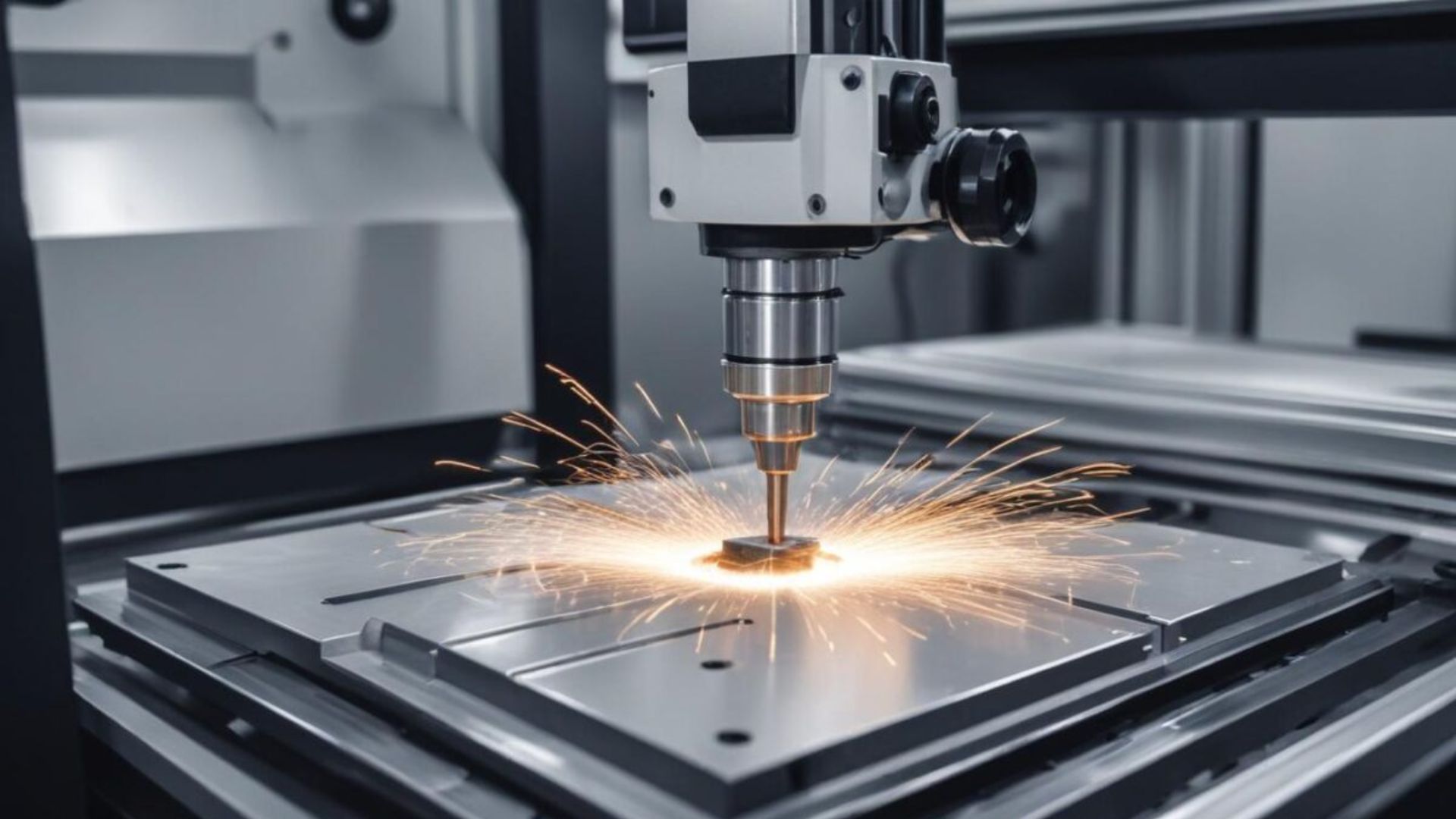
CNC-Bearbeitung von Prototypen ist die Herstellung präziser Prototypen von Rohmaterialien mit Hilfe computergesteuerter Maschinen. CNC-Maschinen verfügen über präzise digitale Anweisungen, anders als bei der traditionellen Bearbeitung, bei der kontrollierte Vorgänge von Menschenhand ausgeführt werden, was zu einer hohen Genauigkeit führt. Dieses Verfahren ermöglicht es den Herstellern, komplexe Formen, komplizierte Details und qualitativ hochwertige Teile in kurzer Zeit herzustellen.
Präzision ist nicht der einzige Vorteil der CNC-Prototypenbearbeitung. Sie minimiert die Anzahl der Fehler, den Massenabfall und beschleunigt den Produktionszyklus, was in Unternehmen, in denen die Markteinführungszeit über Erfolg oder Misserfolg entscheiden kann, von größter Bedeutung ist.
Vorteile der CNC-Prototypen-Bearbeitung
Hohe Präzision und Genauigkeit
Eine der größten Stärken der CNC-Prototypenbearbeitung ist ihre hohe Genauigkeit. CNC-Maschinen sind in der Lage, Bauteile mit Toleranzen von wenigen Mikrometern herzustellen. Dies ist ein hohes Maß an Genauigkeit bei der Entwicklung von Prototypen, die bei Tests oder in der Fertigung eingesetzt werden.
Vielseitigkeit der Materialien
Zu den Materialien, die für die CNC-Prototypenbearbeitung in Frage kommen, gehören eine Vielzahl von Werkstoffen, darunter Metalle (Aluminium, Stahl und Titan), Kunststoffe und Verbundstoffe. Diese Flexibilität ermöglicht es den Ingenieuren, mit verschiedenen Materialien und Designs zu experimentieren, ohne die Einrichtung großartig zu verändern.
Schnellere Durchlaufzeiten
Die Herstellung von Prototypen kann sehr schnell gehen. Mit CNC-Maschinen können Hersteller innerhalb von Stunden oder Tagen statt Wochen einen Prototyp aus einem CAD-Entwurf erstellen. Die CNC-Bearbeitung von Prototypen ist schnell und ermöglicht schnelle Iterationen und Tests, und die Produkte sind funktional und ästhetisch ansprechend in der Prototyp-Bearbeitung von Produkten vor der eigentlichen vollständigen Produktion.
Kosteneffizienz
Obwohl die Installation von CNC-Bearbeitungsmaschinen im Vergleich zu konventionellen Maschinen teuer sein kann, helfen die Systeme auf lange Sicht dabei, viel Material zu sparen, weniger Fehler zu machen und weniger menschliche Arbeit zu leisten. Dies macht die CNC-Bearbeitung von Prototypen zu einer kosteneffizienten Option für die Herstellung hochwertiger Prototypen von hoher Qualität.
Komplexe Geometrien
Herkömmliche Bearbeitungsverfahren sind bei komplexen Geometrien und komplizierten Konstruktionen ineffektiv. Teile mit komplexen Kurven, Hohlräumen und Merkmalen, die nicht manuell bearbeitet werden können, lassen sich leicht mit CNC-Prototypen bearbeiten. Dies hat neue Möglichkeiten für neue Produkte und Innovationen eröffnet.
CNC-Prototypen-Bearbeitung
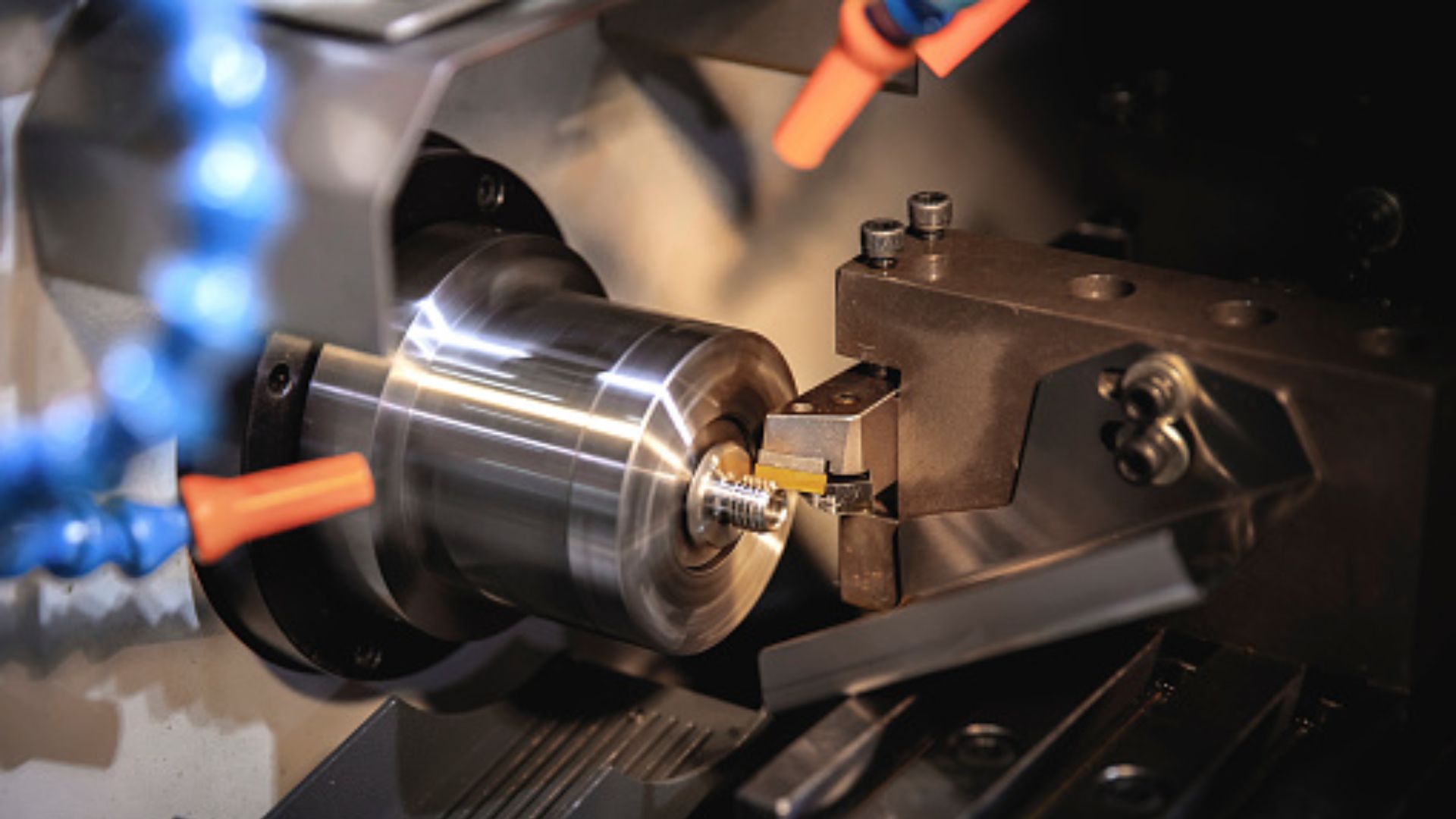
Der Prozess der CNC-Prototypen-Bearbeitung kann so verstanden werden, dass er dies deutlich macht:
- Prototyping: Die Ingenieure beginnen mit einer CAD-Darstellung des Teils. Der Entwurf besteht aus Abmessungen, Toleranzen und Materialspezifikationen.
- CNC-Massencodierung: CAM-Software wird eingesetzt, um die CNC-Maschine entsprechend dem CAD-Modell zu programmieren. Dadurch wird sichergestellt, dass die CNC-Maschine weiß, wie sie das Material bewegen, schneiden und formen soll.
- Auswahl des Materials: Auf der Grundlage der Anforderungen des Designs wird ausgewählt, welche Rohstoffe verwendet werden sollen. CNC-Maschinen sind vielseitig einsetzbar und können für die Bearbeitung von Metallen, Kunststoffen und Verbundwerkstoffen verwendet werden.
- Bearbeitung des Prototyps: Die CNC-Maschine wird gemäß den Anweisungen bedient, und der Prototyp wird mit großer Präzision bearbeitet.
- Endbearbeitung und Kontrolle. Die Bauteile können auch nach der Bearbeitung fertiggestellt werden, z. B. durch Schleifen, Polieren oder Beschichten von Prototypen. Alle Teile werden geprüft, um die Qualitäts- und Maßanforderungen zu erfüllen.
- Ein solcher organisierter Prozess sorgt dafür, dass die aus dem Prototypenbau resultierenden Prototypen durch den Einsatz der CNC-Prototypenbearbeitung zuverlässig, funktionstüchtig und prüfungs- bzw. präsentationsbereit sind.
CNC-Prototyp-Bearbeitungsarten
Die Bearbeitung von CNC-Prototypen ist kein einseitiger Prozess, sondern besteht aus mehreren spezialisierten Techniken, die es Ingenieuren und anderen Fertigungsunternehmen ermöglichen, genaue und funktionale Prototypen herzustellen. Die Kenntnis dieser Arten hilft den Unternehmen bei der Auswahl des am besten geeigneten Ansatzes für die Entwicklung ihrer Produkte.
CNC-Fräsen von Prototypen
CNC-Fräsen ist ein weit verbreitetes Verfahren zur Entwicklung von Prototypen. Dabei handelt es sich um ein Verfahren, bei dem mit Hilfe von rotierenden Fräsern Material an einem Werkstück abgetragen wird, um eine detaillierte Form und Größe zu erhalten. Das Fräsen kann eingesetzt werden, wenn der Prototyp komplizierte Geometrien, feine Toleranzen und glatte Oberflächen aufweist. Die meisten Unternehmen nutzen die CNC-Prototypenbearbeitung durch Fräsen, um Entwürfe vor der Massenproduktion schnell zu testen.
CNC-Drehen von Prototypen
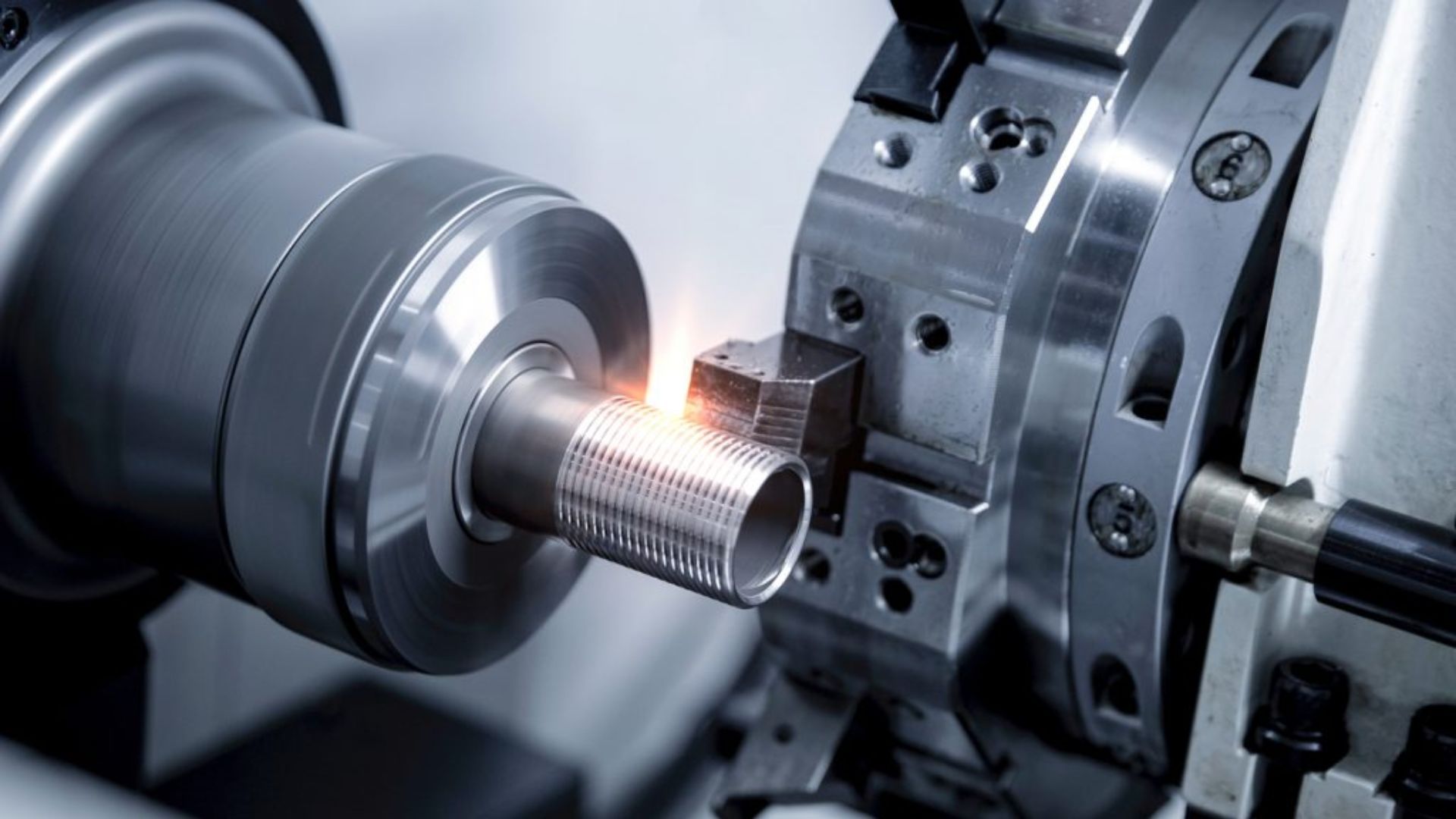
Die Drehbearbeitung, auch als CNC-Drehen bezeichnet, ist ein Verfahren zur Herstellung zylindrischer oder symmetrischer Teile. Bei diesem Verfahren wird das Werkstück gedreht und mit dem Schneidewerkzeug nach genauen Vorgaben geschnitten. CNC-Drehen wird gerne für die Herstellung von Wellen, Stangen und Gewindeteilen verwendet. Dieses Verfahren garantiert eine hohe Genauigkeit bei der Bearbeitung mechanischer oder industrieller Komponenten durch CNC-Prototyping.
CNC-Bohren von Prototypen
CNC-Bohrungen sind die erste Wahl für Prototypen, die präzise Bohrungen benötigen. Es ermöglicht einheitliche Lochgrößen, -tiefen und -positionen. Fräsen oder Drehen können mit CNC-Bohrungen kombiniert werden, um fertige Funktionsprototypen in der CNC-Prototypenbearbeitung herzustellen.
CNC-Schleifen von Prototypen
Das CNC-Schleifen wird in Fällen angewandt, in denen Prototypen extrem glatte Oberflächen und eine enge Toleranz benötigen. Mit einer Schleifscheibe werden feine Materialfragmente geschnitten, und die so entstandenen Teile sind sehr präzise und können getestet werden. In der Luft- und Raumfahrt, in der Automobilindustrie und in der Medizintechnik ist das Schleifen einer der wichtigsten Aspekte der hochwertigen CNC-Prototypenbearbeitung.
Prototypen CNC Elektroerosion (EDM)
Beim Funkenerodieren wird das Material eines Werkstücks mit Hilfe von regulierten elektrischen Funken geschnitten. Es ist die beste Methode zur Herstellung komplexer Formen, enger Freiräume und sehr filigraner Merkmale, die mit herkömmlichen Bearbeitungsmethoden nur schwer zu realisieren sind. Normalerweise wird die Funkenerosion bei der CNC-Prototypenbearbeitung eingesetzt, um Konstruktionen herzustellen, die eine extrem hohe Genauigkeit erfordern.
Prototypen, Laserbearbeitung, CNC
Bei der Laserbearbeitung handelt es sich um eine berührungslose Methode, bei der das Material mit einem fokussierten Laserstrahl geschnitten oder graviert wird. Sie ist sehr gut mit Metallen, Kunststoffen und Verbundwerkstoffen kompatibel und besonders praktisch bei der Arbeit mit Prototypen, deren Designs empfindlich sind oder feine Details aufweisen. Die Lasertechnologie wird auch bei vielen Prototyping-Projekten eingesetzt, die als Bestandteil der CNC-Prototypenbearbeitung konzipiert sind, um schnellere Iterationen und realitätsnahe Ergebnisse zu erzielen.
Auswahl des CNC-Prototypen-Bearbeitungsdienstes
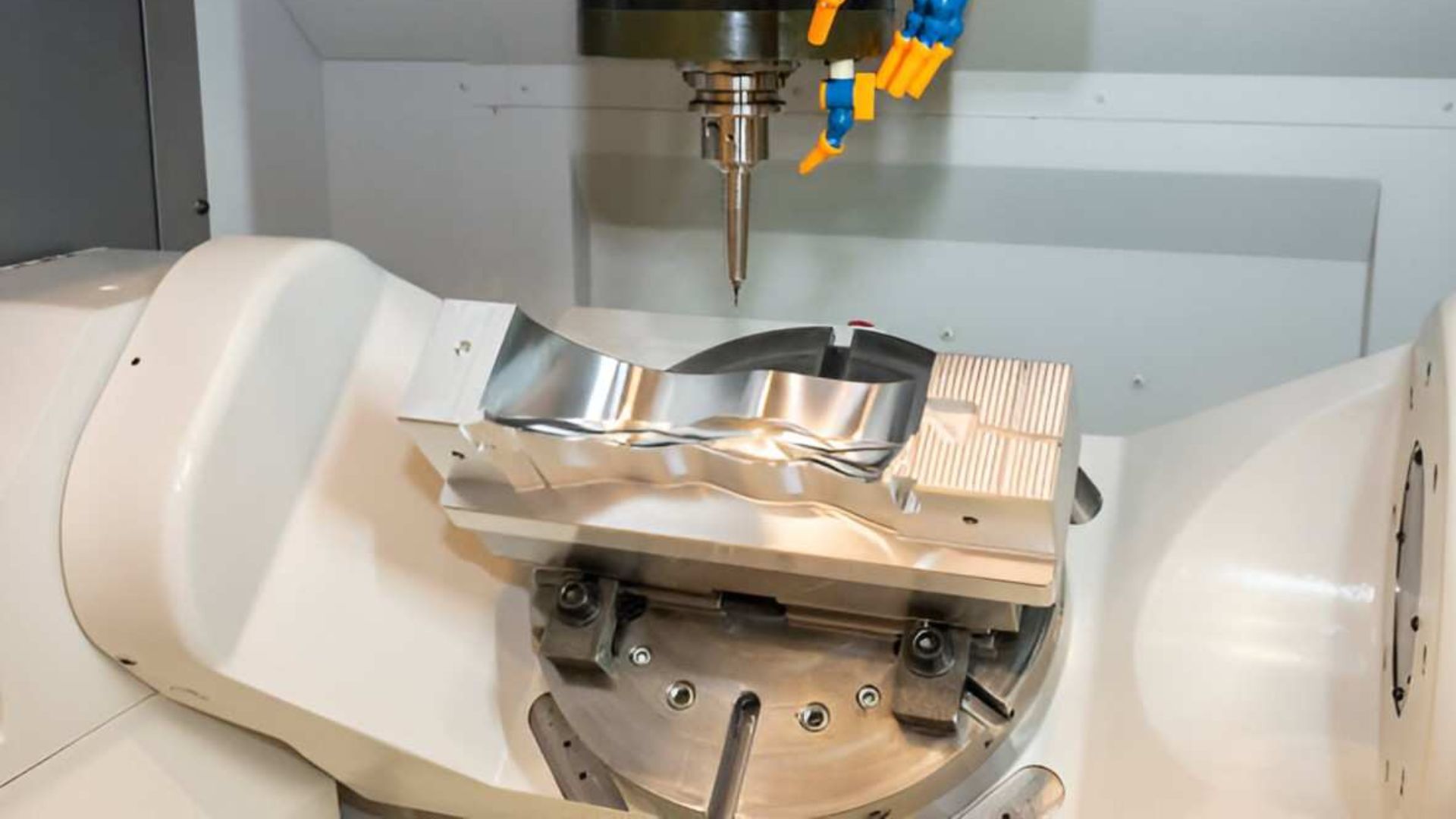
Die folgenden Faktoren sollten bei der Auswahl eines CNC-Bearbeitungsunternehmens berücksichtigt werden:
- Praxis und Erfahrung: Finden Sie diejenigen, die Erfahrung in Ihrer Branche und mehrdimensionale Prototypen haben.
- Fähigkeiten der Maschine: Dies ist notwendig, um mit den Material- und Konstruktionsspezifikationen umgehen zu können.
- Qualitätssicherung: Die Prüfung umfasst Kontrollverfahren und Zertifizierungen, die eine qualitativ hochwertige Produktion gewährleisten.
- Durchlaufzeit: Schnelles Prototyping ist unerlässlich, daher sollten Sie einen Anbieter wählen, der Ihren Zeitplan einhalten kann.
Durch die Zusammenarbeit mit dem geeigneten Service können Sie das Beste aus der so genannten CNC-Prototypenbearbeitung herausholen und Ihre Prototypen präzise und funktionell gestalten.
Werkstoffe in der CNC-Prototypen-Bearbeitung
Die Auswahl des geeigneten Materials ist einer der wichtigsten Prozesse bei der Bearbeitung von CNC-Prototypen. Die Auswahl richtet sich nach dem Verwendungszweck des Prototyps, den mechanischen Eigenschaften und der gewünschten Oberfläche. Die Ausstattung mit dem richtigen Material ist wichtig, damit der Prototyp das Endprodukt widerspiegelt und stabil und nützlich ist.
Aluminium
Eine Aluminium-Prototyping CNC ist eines der beliebtesten Prototypen. Es ist sehr leicht und maschinell bearbeitbar und wird daher für Prototypen in der Luft- und Raumfahrt, in der Automobilindustrie und für Konsumgüter verwendet. Aluminium ist außerdem ein guter Wärme- und Stromleiter, was die Durchführung realer Tests unter realen Bedingungen ermöglicht.
Rostfreier Stahl
Sie bevorzugt rostfreien Stahl, der zäh und widerstandsfähig ist und nicht korrodiert oder erhitzt werden kann. Er wird häufig in medizinischen Geräten, Industrieanlagen und Bauteilen für die Luft- und Raumfahrt verwendet. Die durch CNC-Bearbeitung hergestellten Prototypen aus Edelstahl sind sehr zuverlässig und können intensiv getestet werden, auch wenn sie im Vergleich zu Aluminium schwieriger zu bearbeiten sind.
Titan
Titan zeichnet sich durch ein hervorragendes Verhältnis zwischen Festigkeit und Gewicht sowie durch seine Biokompatibilität aus, wodurch es für Prototypen in der Luft- und Raumfahrt sowie in der Medizintechnik verwendet werden kann. Da Titan sehr hart ist, erfordert die CNC-Bearbeitung von Prototypen aus diesem Metall hochmoderne Maschinen, aber die fertigen Bauteile sind sehr stabil, leicht und präzise.
Kunststoffe
Zu den Kunststoffen, die am häufigsten für das Prototyping verwendet werden, gehören ABS, Polycarbonat und Delrin, da sie sich leicht bearbeiten lassen, leicht sind, wenig wiegen und wenig kosten. Kunststoffmodelle können für das Produktdesign sowie für Ergonomie- und Passformversuche verwendet werden, ohne dass teure Metallteile erforderlich sind.
Kupfer und Messing
CNC-Bearbeitung von Prototypen umfasst die Verwendung von Kupfer und Messing in Situationen, in denen die Prototypen eine hohe thermische oder elektrische Leitfähigkeit benötigen. Diese Metalle finden breite Anwendung in elektronischen Produkten, Wärmetauschern und Spezialbeschlägen. Sie sind maschinell bearbeitbar und können daher für die Herstellung detaillierter und funktioneller Prototypen verwendet werden.
Verbundwerkstoffe
CNC-Prototypen werden aus fortschrittlichen Verbundwerkstoffen wie Kohlefaser und Glasfaser hergestellt. Diese Materialien sind sehr stabil, aber leicht. Die CNC-Bearbeitung von Verbundwerkstoffen führt zu einem echten Prototyping von Verbundwerkstoffen in der Automobil-, Luft- und Raumfahrt- und Sportartikelindustrie.
Acryl- und polycarbonatbeschichtete Platten.
Klare Prototypen, ästhetische Prototypen und Display-Prototypen werden aus Acryl und Polycarbonat hergestellt. Sie lassen sich leicht schneiden, gravieren und polieren und sind daher ideal für Produktgehäuse, Beschilderungen und Verkleidungen. Diese Materialien haben saubere Kanten und korrekte Abmessungen, die durch die CNC-Bearbeitung gewährleistet werden.
Bei der CNC-Bearbeitung von Prototypen garantiert die Auswahl des geeigneten Materials, dass der Prototyp alle Eigenschaften, Funktionen und Merkmale des Endprodukts aufweist.
Im CNC-Prototyping gefertigte Komponenten
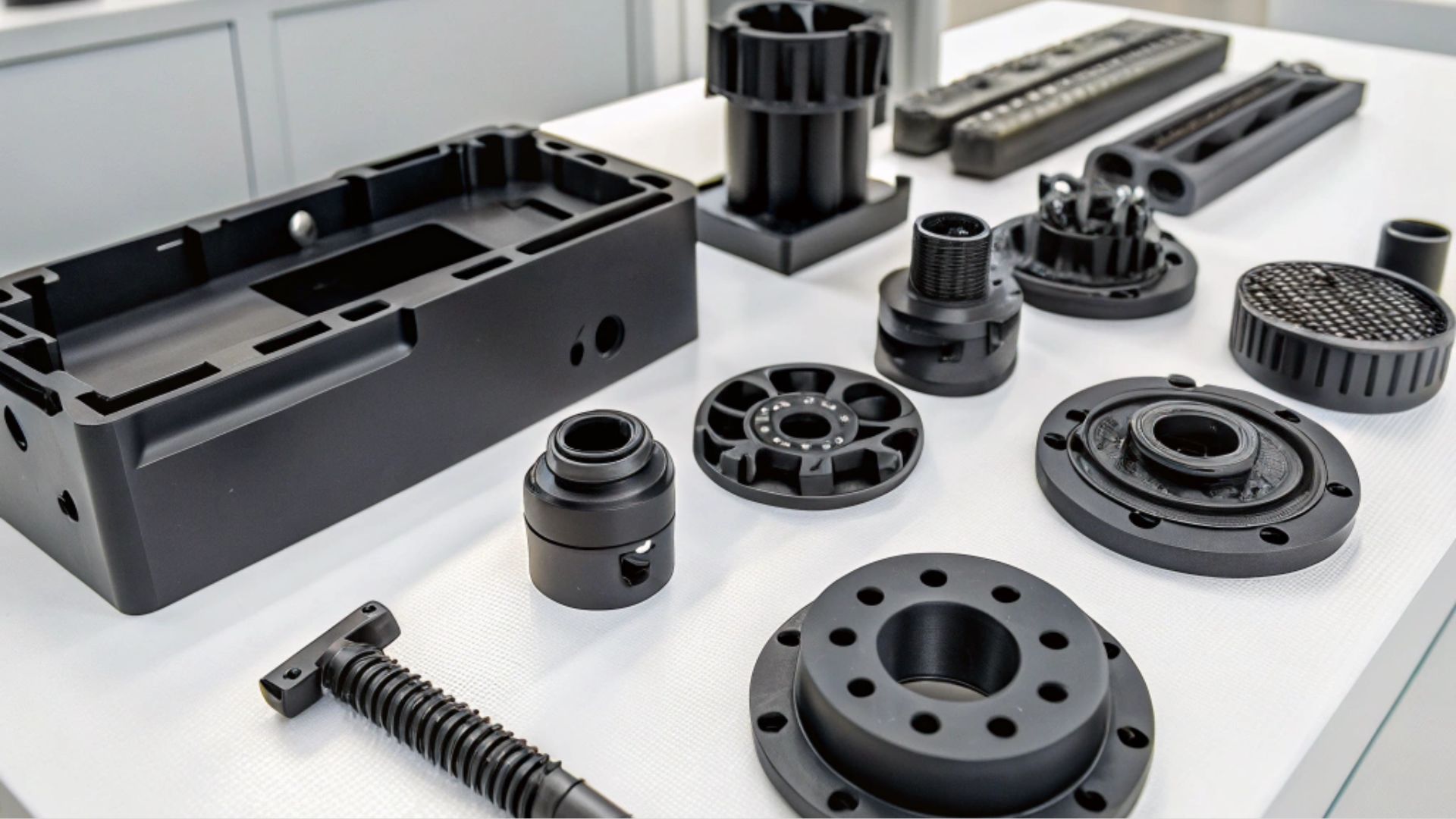
Die CNC-Prototypenbearbeitung ermöglicht es den Herstellern, eine breite Palette von Komponenten präzise, genau und effizient zu fertigen. Diese Teile werden auch verwendet, um prüfbare und konstruktionsgeprüfte Komponenten herzustellen und die Produktion vorzubereiten.
Autoteile
Die Automobilindustrie ist eine der wichtigsten Branchen, die CNC-Prototypen für die Herstellung von Motor- und Getriebeteilen sowie für kundenspezifische Modifikationen verwendet. Durch die CNC-Bearbeitung von Prototypen wird das Risiko von schlecht passenden Teilen und anderen Teilen, die während der Massenproduktion kaputt gehen, eliminiert, weil die Teile passen. Dadurch werden Fehler und Zeitverluste minimiert und die Leistung verbessert.
Komponenten für die Luft- und Raumfahrt
Die Genauigkeit ist in der Luft- und Raumfahrt wichtig. Bei der CNC-Prototypenbearbeitung werden Bauteile wie Turbinenschaufeln, Strukturkonsolen und Triebwerkskomponenten hergestellt, die leicht, aber stabil sind. Diese Prototypen werden intensiv getestet, um sicherzustellen, dass sie in Bezug auf Sicherheit und Qualität einen hohen Standard aufweisen.
Medizinische Geräte
Medizinische Modelle müssen absolut sauber und präzise sein. Chirurgische Instrumente, Implantate, Prothesen und Diagnosewerkzeuge werden durch CNC-Prototypenbearbeitung hergestellt. Dank der Genauigkeit erfüllen diese Teile die strengsten Vorschriften und sind in der Praxis sicher.
Mechanische und industrielle Teile
Die CNC-Bearbeitung ist ideal für die Herstellung industrieller und mechanischer Prototypen, einschließlich Ventilen, Wellen, Getrieben und personalisierten Maschinenkomponenten. Diese Teile sind entscheidend für die Prüfung der Leistung und Haltbarkeit der Maschinen vor der eigentlichen Produktion.
Konsumgüter
Von der Elektronik bis hin zu Haushaltsgeräten kann die CNC-Prototypenbearbeitung den Konstrukteuren bei der Herstellung von Prototypen von Gehäusen, Verkleidungen und funktionellen Komponenten helfen. Diese Prototypen ermöglichen es den Unternehmen, das Design, die Verwendung und die Schönheit zu testen, bevor sie sich für eine groß angelegte Produktion entscheiden.
Maßgeschneiderte und kundenspezifische Teile
Ein großer Vorteil der CNC-Bearbeitung von Prototypen ist die Tatsache, dass mit ihr kundenspezifische oder hochspezialisierte Komponenten hergestellt werden können. Ob es sich um einen einzigartigen Prototyp oder eine Serie von 1000 Teilen handelt, die CNC-Bearbeitung ist in der Lage, genaue, zuverlässige und brauchbare Teile nach genauen Spezifikationen herzustellen.
Die CNC-Prototypenbearbeitung ist eine weitere Produktionsmethode, die hohe Genauigkeit und Qualität bei allen Arten von Teilen, ob einfach oder komplex, liefert und eine der Säulen der aktuellen Produktentwicklung ist.
Die Zukunft der CNC-Prototypen-Bearbeitung
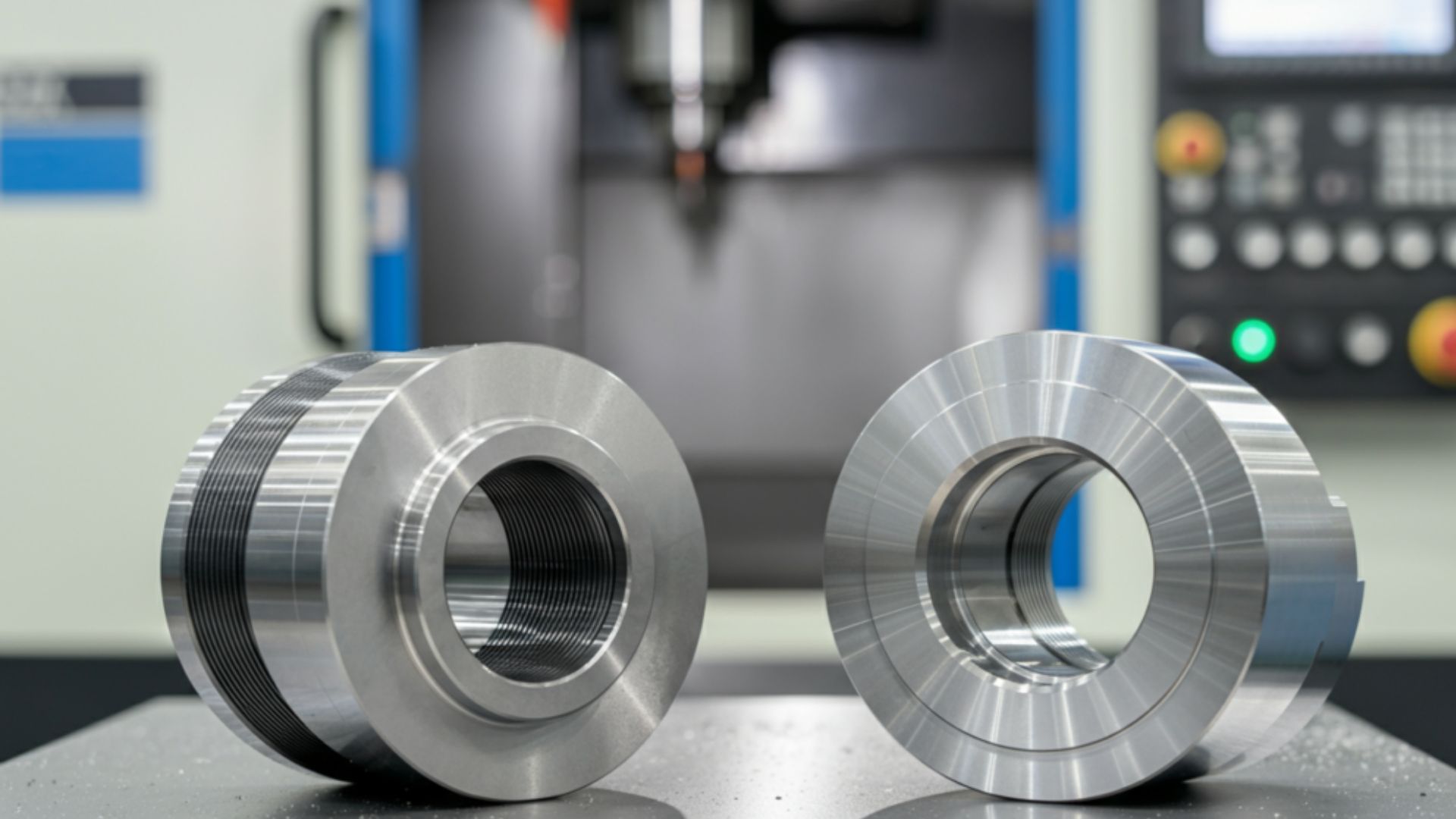
Die CNC-Prototypenbearbeitung hat eine vielversprechende Zukunft. Durch den Einsatz von mehrachsigen Maschinen, Automatisierung und programmierbarer KI wird die Erstellung von Prototypen mit komplizierten Designs schneller und einfacher. Die Möglichkeiten werden auch auf den Bereich des 3D-Drucks und anderer additiver Fertigungstechnologien ausgeweitet, wodurch die Möglichkeit entsteht, die Präzisionsbearbeitung mit diesen Prototyping-Methoden zu kombinieren.
Über GC Precision Mold
Da die CNC-Prototypenbearbeitung und die Präzisionsfertigung unsere Produktionspartner sind, ist GC Precision Mold ein vertrauenswürdiger Partner bei GC Precision Mold. Mit jahrelanger Erfahrung und einem hohen Qualitätsanspruch liefern wir hochpräzise Prototypen und Teile nach den erforderlichen Spezifikationen der Kunden. Diese Verpflichtung zu Spitzenleistungen hat uns als Unternehmen in der Automobil-, Luft- und Raumfahrt-, Medizin- und Industrieindustrie Glaubwürdigkeit verliehen.
Es ist uns ein persönliches Anliegen, mit unseren Kunden zusammenzuarbeiten, um ihre Bedürfnisse kennenzulernen und Lösungen anzubieten, die nicht nur ihren Anforderungen entsprechen, sondern sie übertreffen. Unsere qualifizierten Ingenieure und Techniker arbeiten mit hochwertigen CNC-Maschinen, um sicherzustellen, dass alle Prototypen korrekt und effizient sind und bei Tests oder in der Fertigung erfolgreich eingesetzt werden können.
Warum uns wählen?
- Vertrauenswürdiger Partner: Wir haben langfristige Arbeitsbeziehungen mit vielen Kunden aufgebaut, die auf unsere Kompetenz bei der Bearbeitung von CNC-Prototypen vertrauen. Hohe Präzision - Wir liefern Prototypen mit hohen Toleranzen und hochwertigen Oberflächen mit den besten verfügbaren CNC-Maschinen.
- Verschiedene Materialien: Wir verwenden Aluminium, Edelstahl, Kunststoffe und Verbundwerkstoffe, um sicherzustellen, dass Ihre Projekte durch eine große Vielfalt an Materialien erfüllt werden.
- Pünktliche Lieferung: Wir wissen, wie man Fristen einhält. Unsere Prozesse sind stets effizient, um eine rasche Abwicklung zu gewährleisten, ohne die Qualität zu beeinträchtigen.
- Kundenorientierter Service: Unser Ziel ist es, unsere Kunden zufrieden zu stellen. Wir arbeiten auch während des Prototyping-Prozesses mit Ihnen zusammen, um optimale Ergebnisse zu erzielen.
Kontakt
GC Precision Mold ist der richtige Ansprechpartner, wenn es um funktionale Prototypen, präzise Komponenten oder sogar eine persönliche CNC-Lösung geht. Kontaktieren Sie uns jetzt und finden Sie heraus, warum wir die Besten sind, wenn es um Unternehmen geht, die Genauigkeit, Zuverlässigkeit und Qualität benötigen. Weiter zu unserer Website https://aludiecasting.com/, Arbeiten Sie mit GC Precision Mold zusammen, wo Leistung mit Präzision kombiniert wird und Ihre Gedanken in die Realität umgesetzt werden.
Schlussfolgerung
Zusammenfassend lässt sich sagen, dass das Verfahren der CNC-Prototypenbearbeitung ein wesentlicher Bestandteil der modernen Fertigung ist. Sie ist hochpräzise, schnell, flexibel und wirtschaftlich und daher in verschiedenen Branchen wie der Automobilindustrie und der Medizintechnik anwendbar. Durch den Einsatz der CNC-Technologie sind Unternehmen in der Lage, den Produktentwicklungsprozess zu beschleunigen, Fehler zu minimieren und innovative Designs schnell auf den Markt zu bringen. Für alle Interessenten, die ihre Ideen in praktikable Prototypen umsetzen wollen, ist die CNC-Bearbeitung von Prototypen die beste Lösung für das Prototyping.
Häufig gestellte Fragen (FAQs) GC Precision Mold
Was ist die Prototypenbearbeitung mit CNC?
Unter CNC-Prototypenfertigung versteht man die Herstellung genauer und praktischer Prototypen mit computergesteuerten Maschinen aus verschiedenen Materialien wie Metallen und Kunststoffen. Wir befassen uns mit der Herstellung hochwertiger Prototypen, die repräsentativ dafür sind, wie Ihr endgültiges Produktdesign aussehen wird.
Welche Materialien können bei der Bearbeitung von CNC-Prototypen verwendet werden?
Unsere Materialien sind vielfältig und umfassen Aluminium, Edelstahl, Titan, Kunststoffe und Verbundwerkstoffe. Je nach den Bedürfnissen und Anforderungen Ihres Projekts wählt unser Team das beste Material aus, damit es langlebig, effektiv und präzise ist.
Wie lange dauert es, einen CNC-Prototyp zu erstellen?
Der Prototyp wird durch die Größe, die Komplexität und das Material beeinflusst, um die Durchlaufzeit zu bestimmen. Die Bearbeitung von CNC-Prototypen dauert normalerweise ein paar Tage bis ein paar Wochen. Wir sind effizient, und gleichzeitig sind wir präzise und von hoher Qualität.
Ist GC Precision Mold in der Lage, komplizierte oder benutzerdefinierte Designs zu übernehmen?
Ja! Wir verfügen über ein hohes Niveau an CNC-Maschinen und Technik und können daher sehr komplexe und sogar kundenspezifische Teile herstellen. Mit komplexen Geometrien bis hin zu hochpräzisen Toleranzen stellen wir sicher, dass Ihre Prototypen genau Ihren Vorgaben entsprechen.
Es gibt ein Projekt, wegen dem ich GC Precision Mol kontaktieren möchte.
Unsere Kontaktdaten finden Sie auf unserer Website unter aludiecasting.com/ Unser Team ist jederzeit bereit, mit Ihnen über Ihre Projektanforderungen zu sprechen und hochwertige CNC-Prototypenbearbeitungsdienste anzubieten.

0 Kommentare