
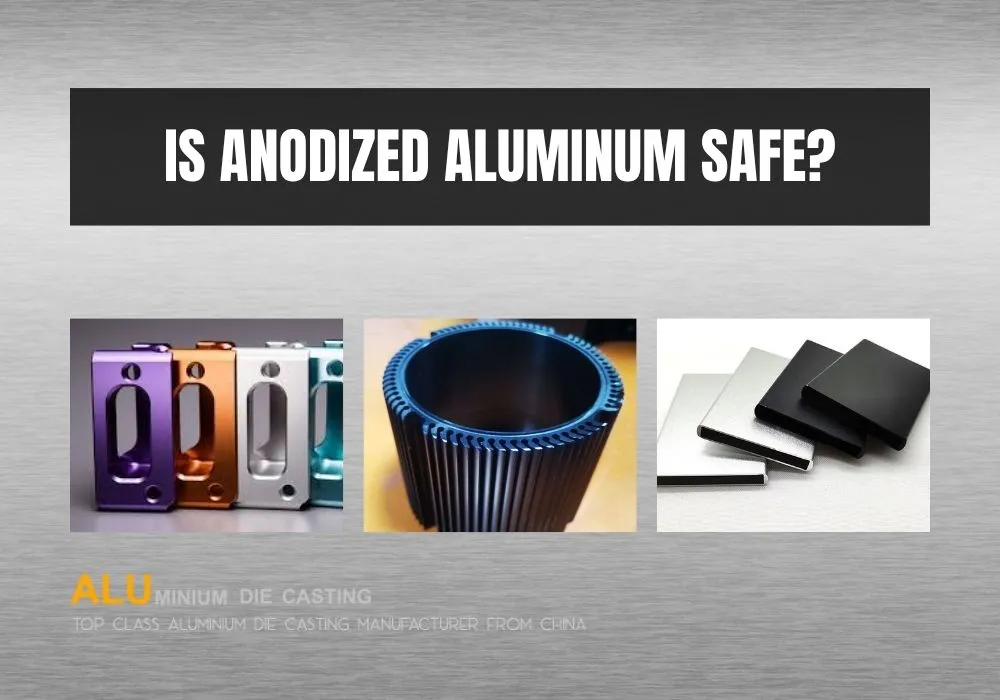
Aluminium is a widely used metal, especially known for its lightweight nature. People use it in a wide range of applications. You can see it in different industries, fields, or even in your house. However, there are times when using raw aluminium directly makes people nervous about their safety. For instance, many people aren’t sure whether it can come into contact with food. In this context, what role does anodised aluminium play?
In general, you shouldn’t use raw aluminium. There are many safety concerns with it. Especially when you handle food, it may change the taste, color, and nutritional value. The die casting Aluminium-Eloxalverfahren solves the issue. It forms an engineered oxide layer on raw aluminium. This layer makes the part strong, stable, and chemically inert.
Is anodised aluminium safe?
Anodised aluminium is safe to use. Rather, experts always recommend it for safety. However, the use of anodised aluminium color may still raise confusion. In this article, we will briefly explain all these.
Anodised aluminium also prevents rust, abrasion, and heat conduction. Because of this, it is widely used in the food storage and cookware industries. You may also find anodised aluminium in the medical and automotive sectors.
In this guide, we will discuss some important aspects of anodised aluminium. In particular, we will focus on safety concerns regarding raw and anodised aluminium. At the end, we will tell you how to check if anodised aluminium products are safe. We hope this guide can help you research anodised aluminium further.
What Is Anodised Aluminium?
Anodised aluminium is a type of metal that has an extra-thick protective layer on its surface. This layer is created using an electrochemical process. Unlike finishes like paint, coatings, or plating, it’s part of the metal itself. There is no need to worry about peeling, fading, or flaking. It can last by nature.
Generally, bare aluminium forms a protective layer on its own when exposed to air. The surface creates an oxide layer. It may provide some protection, but it can wear off and be scratched easily. In contrast, an engineered process makes these layers thicker and more uniform. To process the layer, it uses an acid bath and an electric current.

This anodizing process significantly improves several material properties. It improves durability and makes the surface harder, often compared to diamonds. For this reason, it allows the metal to resist wear and tear in harsh conditions. The new porous layer also allows vibrant dyes to be sealed inside the metal.
Why do people opt for anodised aluminium? Well, anodised aluminium provides incredible protection from rust and corrosion. You may utilize them in multiple situations. Its resistivity makes it a popular option for outdoor use and on marine equipment. It is also very easy to clean, even with mild soap. Due to its chemical stability, it becomes a safer option for manufacturers to use for many years.
Is Anodised Aluminium Safe for Food Contact?
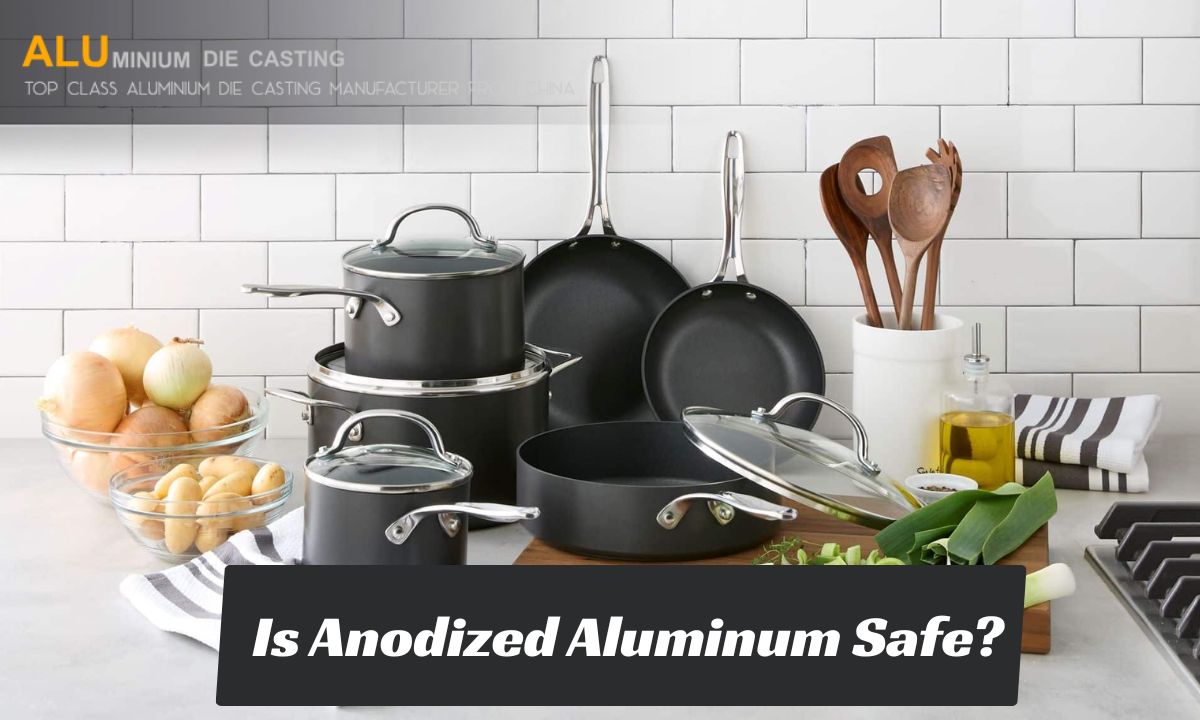
When dealing with food, it’s important to consider its safety. It is normal for raw aluminium to react with some foods. The Reaction may change the food’s color, taste, and quality. Anodised aluminium is often considered a much safer option because of this.
Why Raw Aluminium Raises Safety Concerns
Raw aluminium metal is one of the highly reactive elements. When the metal somehow comes into contact with acid or alkaline food, a chemical reaction occurs. Some common ingredients, such as tomatoes, vinegar, and lemons, cause aluminium to dissolve. This process is known as leaching. It allows the metal to enter the food you eat.
Leaching can change the taste of food. It also alters the flavor and may cause a metallic taste in the food. Food’s appearance may also change, giving it a dull, grey look. A little amount of aluminium is not harmful, but frequent leaching is concerning.
How Anodizing Improves Food Safety
Anodizing is a process of creating a protective layer—a powerful barrier on the metal surface. The process uses electricity to form a strong, non-reactive, thick layer of aluminium oxide. The layer is a physical part of a metal. It is incredibly hard and acts as a permanent barrier between food and metal.
Typically, the oxide barrier plays a prominent role. It prevents all types of chemical reactions and prevents leaching into ingredients. Even when you cook with it at high temperatures, metal does not wear away but remains intact. Its smoothness also makes it harder for bacteria to hide inside.
Are Colored Anodised Aluminium Safe for Food?
Colored anodised aluminium can be safe for food. These dyes are coated into the pores of the oxide layers. After coloration, its surface is boiled in hot water to seal the pores for safety purposes. It easily traps the dye inside the metal. Once the sealing is completed correctly, the color won’t bleed into the food.
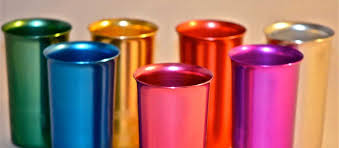
For colored items, manufacturers must follow strict food safety protocols. They must use non-toxic food-grade dyes. These dyes should be specially tested to verify whether they contain any heavy metals. Properly sealed and certified colored aluminium is a stylish and safe choice for serving.
Regulatory Standards for Food Contact
Everyone worldwide is concerned about food safety. Global authorities have set up high standards for food quality and safety. In the United States, the FDA monitors materials used in cookware. They ensure the materials do not release any harmful substances. International standards, such as those of the European Union, provide strict guidelines on food safety. These rules protect customers from consuming low-quality food.
Choosing the right cookware is essential for good health. A reputable maker always tests their products and complies with all protocols. They meet all the requirements and even test their metals in third-party labs. So, look for labels that must contain FDA and ISO certifications.
Benefits of Anodised Aluminium in the Food Industry
Due to the anodised layer, a strong protective coating forms on the surface of raw aluminium. This layer makes the metal surface more stable and safer. As a result, it offers several important advantages in the food industry. These benefits are especially useful in activities such as cooking, food processing, and food storage.
Non-Reactive Surface
Anodizing aluminium provides a strong, stable surface. The electrochemical process creates a hard oxide layer. As mentioned before, it prevents any further chemical reaction to foods. This way, it helps metal enter food, degrading its quality and taste. Since it is inert, it preserves food quality.
Safe for acidic foods
As you know, raw aluminium dissolves when touching acids. Some food items, such as tomatoes, citrus, and vinegar, trigger aluminium. They often cause leaching. Anodized aluminium, on the other hand, acts as a solid barrier against these foods. It is completely safe to cook or store such ingredients.
High Durability
The anodizing process makes metal extremely hard. Compared with many stainless steels, it makes the surface even harder. This protective coating is integrated with aluminium itself. It will not peel off or fade, making the materials ideal for busy industrial kitchens.
Resistant to scratching and wear
The protected hard surface resists scratches easily. It stays smooth even after years of constant scrubbing. Such durability prevents food and bacteria from getting trapped in deep gouges. A smooth finish also means the cookware stays easy to clean.
Excellent Heat Conductivity
Aluminium is one of the best conductors of heat among different metals. Anodizing preserves this ability while providing safety. They can react very promptly to temperature changes on the stoves. As a result, it ensures precise control of the entire cooking process. It is also a favorite choice for chefs who need accuracy.
Even cooking performance
Anodized cookware distributes heat evenly across the surface, avoiding hot spots. It also eliminates the risk of burning the cooked food. Every part of the pan remains at the same temperature. It leads to constant results in frying or baking. It ensures that large batches of food are cooked properly.
Lightweight and Easy Handling
In terms of weight, aluminium is much lighter than other metals, such as cast iron. These advantages make it easier to lift kitchen items or move to another place. It also minimizes physical effort during long shifts in food processing. Despite its lightweight, it remains strong and highly impact-resistant.
Compared with cast-iron cookware
Cast iron has several limitations that anodised aluminium does not. Cast-iron is relatively heavy and requires maintenance. On the other hand, aluminium can provide the same output as iron with no extra weight. Cast iron is heavy and brittle; anodised aluminium is agile and durable. It is more practical for high-volume food services.
Hard-Anodised Aluminium vs Other Cookware Materials
Hard-anodised aluminium is the most common type of aluminium. It comes through a special electromechanical method. With this process, a strong, protective layer is created on aluminum, making it ideal for use in cookware.
In kitchens, aluminium cookware is not the only thing used. Stainless steel, cast iron, and nonstick material are also widely available. Each material offers different properties and limitations. The best choice typically depends on what you need. Check out the following table to learn more about their differences.
| Parameter | Hard-anodised Aluminium | Other Cookware Materials |
| Surface Reactivity | Non-reactive surface | Some materials, like raw aluminium, may react with acidic foods |
| Dauerhaftigkeit | Very strong and scratch-resistant | Durability varies; some materials scratch or wear more easily |
| Wärmeleitfähigkeit | Excellent heat distribution for even cooking | Stainless steel heats more slowly, and cast iron heats slowly but retains heat. |
| Gewicht | Leicht und einfach zu handhaben | Cast Iron is heavy; stainless steel is moderately heavy |
| Korrosionsbeständigkeit | Highly resistant to corrosion | Some materials may rust or corrode without proper care |
| Wartung | Leicht zu reinigen und zu pflegen | Some require seasoning or special cleaning methods |
| Cooking Performance | Provides fast and even heating | Performance varies depending on the material |
Is Anodized Aluminium Safe for Industrial and Engineering Applications?
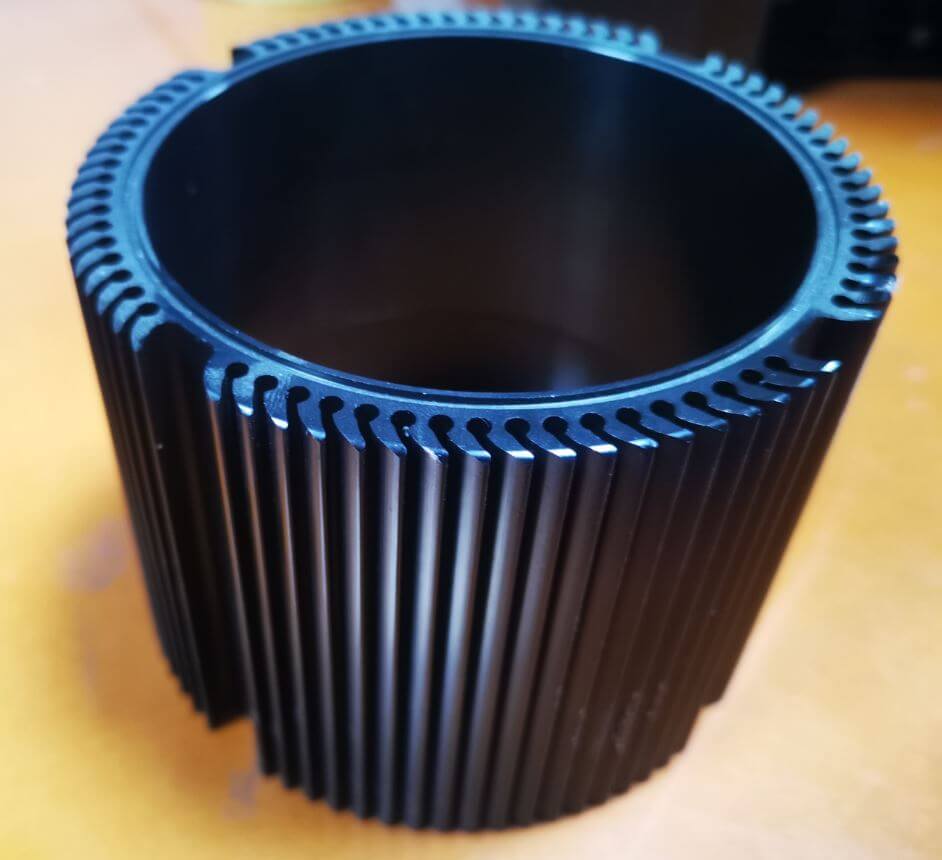
Anodized aluminum adds an extra layer of protection to raw aluminium. It is called an engineered oxide layer. It is not only used in kitchens but also in many industrial applications. The anodizing process creates a hard and protective oxide layer. It typically improves strength, durability, and resistance to damage. As a result, anodized aluminium is chosen for aerospace, electrical, and even machinery applications.
Korrosionsbeständigkeit
The anodizing process creates a non-reactive, durable barrier. The main purpose of this barrier is to protect metal from moisture and oxygen. It also prevents rust and decay even in harsh environmental circumstances. This feature makes it suitable for coastal areas or chemical plants.
Wear and Abrasion Resistance
Anodized aluminium has a surface hardness comparable to that of ceramic. These metals are ideal for mechanical parts that rub together, as they are less prone to wear. It can also resist scratches, scuffs, and surface thinning over time. This durability reduces the need for repairs and saves on extra costs.
Electrical Insulation Properties
The aluminum oxide layers are naturally dielectric. It means the layer works as an efficient electrical insulator. Electricity cannot pass through these layers. This property is crucial for various electronic components and circuit housings. With this layer, you can prevent short circuits or electrical interference.
Thermische Stabilität
The anodized surface can easily withstand high thermal pressure without damaging the metal. This stability is a key advantage for aerospace and high-speed electronics. The coating does not crack under high pressure and contracts via high heat. On the other hand, it helps dissipate heat efficiently, keeping the metal safe and functional.
Structural Strength with Lightweight Design
Anodised aluminum provides a high strength-to-weight ratio. Aluminum is much lighter but remains very tough and dense. This weight-saving is vital to the aerospace and automotive industries. Makers can produce parts that are way lighter to improve fuel efficiency. Engineers can actually design a large, strong structure without bulky adjustments. This feature is also one of the reasons why people fall for aluminum.
Applications of Anodized Aluminium in High-Performance Industries
Anodized aluminum is also widely used in industrial settings. This material is strong, won’t rust, and has a great strength-to-weight ratio. Besides that, it’s incredibly light. Because it has a safe oxide layer, it can handle tough jobs. It is very important to industries such as the automotive, medical, and marine sectors. See the table below for more information on how it can be used.
| Industrie | Product/Applications | Role of Anodized Aluminum |
| Luft- und Raumfahrt | Aircraft fuselage panels | Lightweight, corrosion-resistant, strong surface |
| Helicopter rotor blades | High wear resistance and structural strength | |
| Automobilindustrie | Komponenten des Motors | Thermal stability and corrosion protection |
| Wheel rims | Scratch-resistant, durable, lightweight | |
| Elektronik | Laptop casing | Electrical insulation and heat dissipation |
| Smartphone-Rahmen | Lightweight, scratch-resistant, aesthetic finish | |
| Marine | Boat hull fittings | Corrosion resistance in salty water |
| Maschinenpark | Gears and moving parts | Wear resistance and long lifespan. |
| Sport Items | Bicycle frames | Lightweight and strong for performance |
| Defense | Weapon components | Durable, corrosion-resistant, lightweight |
Anodised Aluminum vs Raw Aluminium: Safety and Performance Differences
Although raw aluminum naturally produces a protective oxide layer, it’s still not enough. Various situations may drive the corrosion on it. Thus, it may not be safe for food, chemicals, or outdoor use. It may not be suitable for use in industrial settings as well. Therefore, knowing the difference between the raw and anodised aluminum is important.
Surface Stability
Raw aluminum is susceptible to contamination from food and weather. It can show leaching when it comes into contact with acids or other chemicals. However, the anodized aluminum surface offers a sealed, inert oxide layer. It is highly stable and does not react with outside substances. With it, the metal safety remains consistent and maintains standards.
Korrosionsschutz
Bare aluminum has a thin, uneven layer that is often prone to failure. Anodized aluminum has an engineered, thick, dense layer that is smooth and even. It can also prevent rust easily. This layer can significantly extend the lifespan of a metal in wet or salty air. It can protect the part for decades, making it superior for outdoor use.
Mechanical Durability
The surface of the raw aluminium is not as strong as that of anodized aluminium. It is soft and can be dented easily. Anodized one undergoes a process that hardens the surface, enabling it to withstand harsh conditions. It withstands various types of obstacles and performs reliably in heavy-duty applications. Moreover, it keeps the metal’s new look even after rough use.
Hygiene and Cleanability
The anodizing process gives a smooth, clean, and non-porous surface. As a result, the metal itself does not provide a surface for dirt, oil, or bacteria to stick to. It is very easy to sanitize with simple cleaners. This high level of hygiene is essential for medical tools and food processing. You cannot negotiate with quality in sensitive sectors. If you want a reliable solution, anodized aluminum is a great choice.
How to Check If Anodised Aluminium Products Are Safe
After all this basic knowledge, it’s common to ask how to check whether your aluminum part is safe. Safety typically depends on the manufacturing process and the quality of anodizing. Sometimes, the type of use also influences it. There are ways to check whether your part is safe. The following points can guide you.
Look for Manufacturer Certifications
Check the product’s assurance, such as the FDA or NSF, on product labelling. These labels ensure the product meets strict rules. Inspect the surface for visible damage, cracks, or peeling. A non-rigorous surface with damage reveals the bare aluminium metal. Therefore, you need to check these issues on the metal, as high-quality products should have a smooth and uniform surface.
Confirm the Anodizing Type
Understanding the types of anodizing lets you know their limitations. Type II is a standard anodizing method. It is often used for coloring or basic protection needs. Type III is hard anodizing, which ensures a much thicker, stronger layer on the metal surface. You can easily find this information on the product packaging or the company website.
Type II vs Type III for food or industrial use
Each type has specific advantages. Based on your application, you have to choose the right types. Type II is excellent for decorative products and light kitchen use. Type III is ideal for industrial applications and heavy-duty use. Type III, known as hard anodizing, offers the highest resistance against chemicals and rust. Choosing the right type keeps the product safe and functional for its environment.
Contact the Manufacturer When Unsure
If you cannot find the type info on labels, ask the manufacturers to provide it. Verify their method and anodizing process. They may also provide quality certificates or technical data sheets for their products. This step is very important when buying items for professional food processing or medical applications.
Schlussfolgerung
Let’s wrap everything up! Anodized aluminium is usually safe and reliable for many uses. You can use it for both food and industrial applications. The engineered oxide layer offers a strong, stable, and non-reactive surface. It can resist corrosion, abrasion, and heat. These properties typically make anodized aluminium a safe option.
Anodised aluminum is widely used in cookware, medical devices, aerospace, automotive, and machinery parts. The layer thickness may vary depending on the application.
Raw aluminum, on the other hand, has a few limitations. Though it already has a natural oxide layer. However, it is thin and can easily be damaged. Because of this, it may react with foods, altering their color, taste, and quality. In industrial settings, there are issues as well. Raw aluminum is more prone to corrosion, scratches, and wear. Therefore, we don’t always advise you to use raw aluminum directly.
Other metals, like stainless steel, are also popular choices. However, each has its own strengths and weaknesses. Stainless steel is durable and non-reactive. However, it can not offer you even heating. Cast iron, on the other hand, is heavy but retains heat nicely. Also, it may need extra seasoning. Nonstick coatings are convenient but wear over time. It also poses many health risks.
Aludiecast is a leading foundry specializing in aluminium parts. We offer high-quality aluminium casting services. For more information, feel free to Kontakt our customer support team.
0 Kommentare