
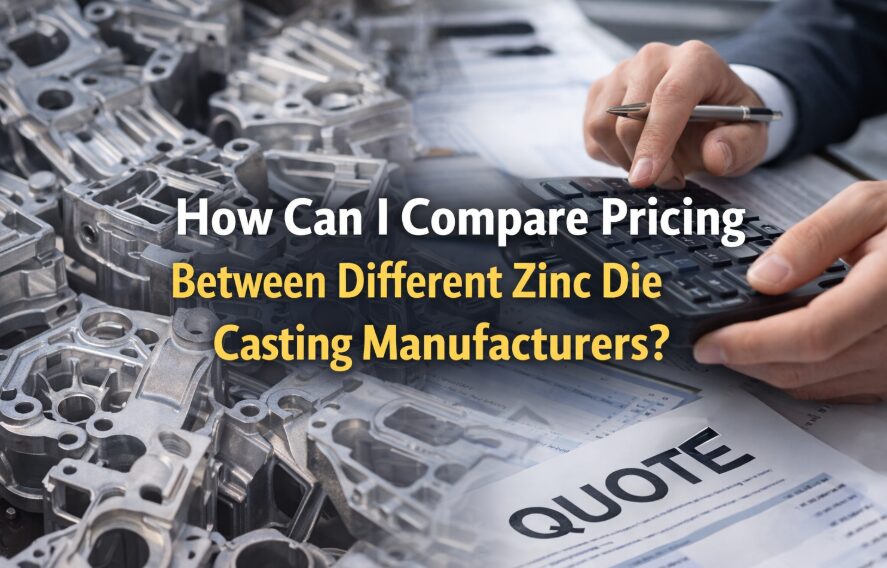
Viele Menschen fragen: “Wie kann ich die Preise verschiedener Zinkdruckgusshersteller vergleichen?” Lassen Sie uns darauf antworten. Zinkdruckguss hat sich zu einem der beliebtesten Produktionsverfahren in der heutigen wettbewerbsorientierten Fertigungsindustrie entwickelt, um präzise, langlebige und kosteneffiziente Metallteile herzustellen. In der Automobil- und Elektronikindustrie sowie bei Konsumgütern und Industrieausrüstungen sind Unternehmen aller Branchen aufgrund der Festigkeit, der Maßgenauigkeit und der guten Oberflächenbeschaffenheit auf Zinkdruckgussbauteile angewiesen.
Eine der am häufigsten gestellten und häufigsten Fragen von Käufern ist jedoch folgende: Wie kann ich die Preise von anderen Anbietern vergleichen? Zinkdruckguss-Hersteller? Ein Preisvergleich scheint auf den ersten Blick eine einfache Aufgabe zu sein: ein Angebot einholen und das günstigste Angebot auswählen. Tatsächlich hängen die Kosten für den Zinkdruckguss von einer Vielzahl von technischen, materiellen, betrieblichen und logistischen Faktoren ab. Die Tatsache, dass diese Details nicht übersehen werden sollten, kann zu unerwünschten Kosten, Qualitätsproblemen oder sogar zu Verzögerungen in der Produktion führen.
Dieser Artikel ist ein vollständiger Leitfaden für den richtigen Preisvergleich zwischen Anbietern von Zinkdruckguss. Er enthält die Kosten für Zinkdruckgussteile und trifft gute Entscheidungen, die sich auf Preis und Qualität beziehen und den langfristigen Wert erhöhen.
Zinkdruckguss und seine Kostenstruktur verstehen
Es ist wichtig herauszufinden, was der Zinkdruckguss beinhaltet, bevor man die Preise vergleicht und wie die Kosten normalerweise organisiert sind.
Was ist Zinkdruckguss?
Zinkdruckguss ist eine Art der Herstellung, bei der eine geschmolzene Zinklegierung unter hohem Druck in eine Stahlform gespritzt wird. Nachdem das Metall abgekühlt und fest geworden ist, wird die Form geöffnet, um das Teil zu entnehmen. Dieses Verfahren eignet sich am besten für die Herstellung komplexer Formen in hohen Stückzahlen und mit engen Toleranzen.
Warum Zink ein kosteneffizientes Material ist
Zinklegierungen haben einige Vorteile, die sich direkt auf den Preis auswirken:
- Geringere Schmelztemperatur im Vergleich zu Aluminium oder Stahl.
- Schnellere Zykluszeiten
- Geringerer Werkzeugverschleiß
- Gutes Verhältnis zwischen Stärke und Gewicht.
- Hochwertiges Oberflächenfinish mit weniger Nachbearbeitungsaufwand.
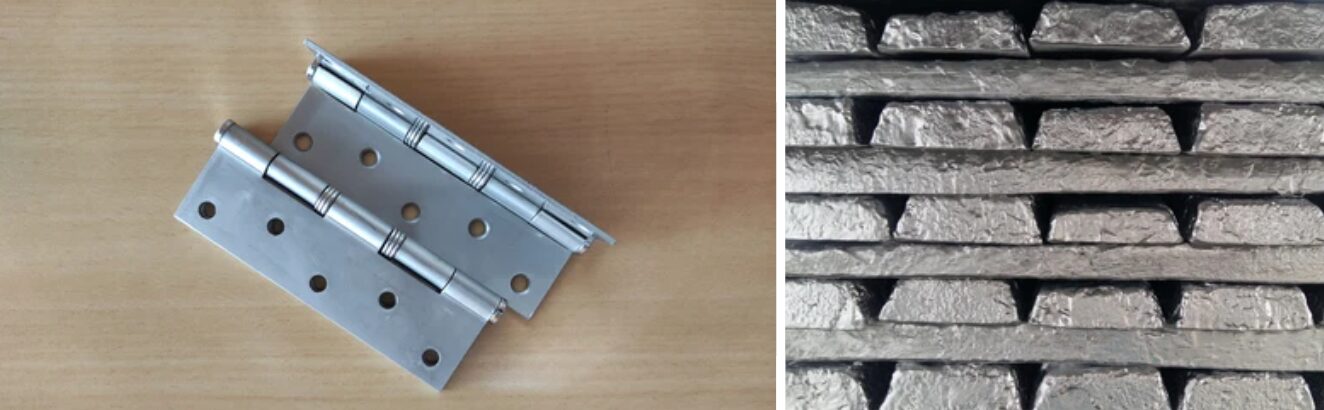
Zink ist ein kosteneffizientes Material
Diese Vorteile machen Zinkdruckgussteile kosteneffizient, vor allem wenn es sich um eine Großserienproduktion handelt.
Schlüsselfaktoren, die die Preisgestaltung beim Zinkdruckguss beeinflussen
Um Vergleiche zwischen den Angeboten zu ziehen, die von Zinkdruckguss-Hersteller, ist es wichtig zu wissen, was den Preis beeinflusst. Ein niedriger Preis bedeutet nicht unbedingt niedrige Gesamtkosten.
1. Kosten für Werkzeuge und Formen
Die anfänglichen Kosten für Werkzeuge und Formen im Zinkdruckguss sind normalerweise die höchsten Anfangskosten und ein direkter Faktor für die langfristige Produktionseffizienz. Die Preise hängen von der Komplexität der Formen, der Anzahl der Kavitäten, der Qualität des Stahls und der erwarteten Lebensdauer der Werkzeuge ab.
Andere Hersteller wie CNM-Technik, Zinkdruckguss, haben niedrigere Werkzeugpreise, gleichen dies aber durch höhere Stückkosten oder eine verkürzte Lebensdauer der Form aus. Aus diesem Grund können die Werkzeugkosten nicht getrennt von den allgemeinen Produktionspreisen betrachtet werden.
2. Teilegestaltung und Komplexität
Die Preisempfindlichkeit von Zinkdruckgussbauteilen ist aufgrund der Komplexität der Konstruktionen, wie z. B. komplizierte Formen, die eine fortschrittliche Werkzeugausstattung und längere Zykluszeiten erfordern, hoch. Konstruktionsmerkmale wie dünne Wände, Hinterschneidungen, enge Toleranzen und Oberflächenbeschaffenheit erschweren die Herstellung.
Äußerst komplizierte Zinkdruckgussteile können zu einem Anstieg der Werkzeug- und Prüfkosten führen. Hersteller, die über eine gute Konstruktionserfahrung verfügen, können Konstruktionen erleichtern und die Gesamtkosten senken.
3. Auswahl der Sorte und Legierung des Materials
Die Wahl der Legierung und des Werkstoffs sind wichtige Faktoren, die den Preis von Zinkdruckgusskomponenten beeinflussen. Ungleiche Legierungen unterscheiden sich auch in Bezug auf Festigkeit, Haltbarkeit und Gießverhalten, was sich auf die Leistung und den Preis auswirkt. Andere Hersteller von Zinkdruckgussteilen können günstigere Preise anbieten, indem sie diese aus minderwertigen oder recycelten Legierungen herstellen.
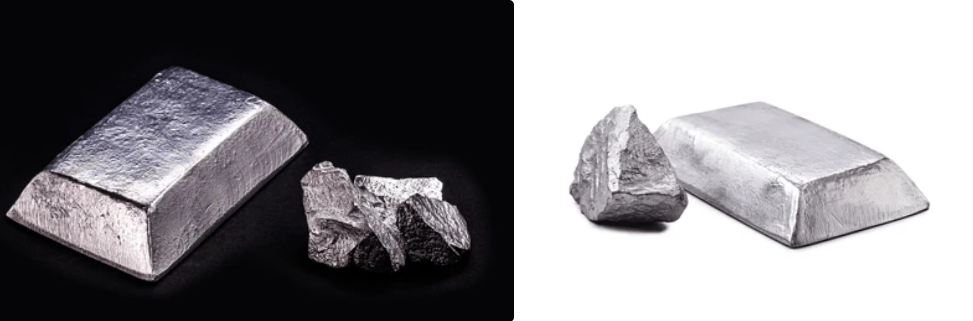
Auswahl der Sorte und Legierung des Materials zum Preisvergleich zwischen verschiedenen Zinkdruckgussherstellern
Es ist wichtig, die Materialspezifikationen zu überprüfen, um langfristig eine einheitliche Qualität und Zuverlässigkeit zu gewährleisten.
4. Volumen und Chargengröße (Produktion).
Die Preisgestaltung beim Zinkdruckguss wird in hohem Maße durch das Produktionsniveau beeinflusst, da hohe Stückzahlen zu niedrigeren Stückkosten für Werkzeuge und Rüstungsabschreibungen führen. Hohe Produktionsvolumina ermöglichen es dem Hersteller, die Zykluszeit und den Materialverbrauch zu maximieren.
Umgekehrt haben Aufträge mit geringem Volumen normalerweise höhere Stückpreise, da die Einrichtungskosten fix sind. Der erste Schritt zur Kosteneffizienz besteht in der Auswahl eines Herstellers auf der Grundlage Ihres Mengenbedarfs.
5. Sekundäre Operationen und Endbearbeitungsanforderungen
Zinkdruckgussteile können sekundären Arbeitsgängen wie Bearbeitung, Gewindeschneiden, Polieren oder Oberflächenveredelung unterzogen werden, was die Endkosten drastisch erhöhen kann. Solche Prozesse erfordern zusätzliche Arbeit, Ausrüstung und Qualitätskontrollen, die über das Basisgießverfahren hinausgehen.
Andere bieten diese Leistungen in ihrem Angebot an, während einige Hersteller von Zinkdruckguss sie als separaten Posten in Rechnung stellen können. Ein angemessener Preisvergleich erfordert eine klare Erläuterung der betreffenden Vorgänge.
6. Qualitätskontrolle und Toleranzanforderung
Die Kosten von Zinkdruckgussteilen werden direkt von den Qualitätskontrollnormen und anderen Toleranzanforderungen beeinflusst. Die engeren Toleranzen und gründlicheren Kontrollverfahren erfordern hochentwickelte Ausrüstung und Personal, was die Produktionskosten in die Höhe treibt.
Andere Hersteller, die über strenge Qualitätssysteme verfügen, können höhere Preise verlangen, liefern aber regelmäßige und zuverlässige Teile. Schlechte Lieferanten, die niedrige Preise und wenig Qualitätskontrolle bieten, können die Kosten für Ausschuss und unsichtbare Kosten erhöhen.
Vergleich von Zitaten aus Zinkdruckguss Hersteller
Wenn man die Kostenstruktur kennt, ist es einfacher, Angebote anderer Hersteller von Zinkdruckguss zu vergleichen. Eine genaue Bewertung setzt Einheitlichkeit, Offenheit und die Berücksichtigung der direkten und indirekten Kosten voraus.
1. Vergleiche von Äpfeln mit Äpfeln sicherstellen
Ein Preisvergleich kann nur dann gültig sein, wenn alle Angebote auf denselben Spezifikationen beruhen, wie z. B. Materialqualität, Toleranzen, Oberflächenbeschaffenheit, Inspektion und Verpackung. Geringfügige Spezifikationen eines Produkts können einen großen Einfluss auf den Preis haben. Solange sie nicht standardisiert sind, sind Vergleiche zwischen Zinkdruckgussteilen nicht zuverlässig.
2. Anforderung einer Kostenaufschlüsselung
Die Aufschlüsselung der Kosten ist schwer nachvollziehbar, was das Verständnis der Preisgestaltung beim Zinkdruckguss erleichtert. Sie umfasst in der Regel die Kosten für Werkzeuge, Material, Gießen pro Stück, Endbearbeitung, Inspektion und Logistik. Es ist auch einfacher, die tatsächlichen Kosten durch transparente Zinkdruckgusshersteller zu ermitteln.
3. Kategorisierung von versteckten und sekundären Kosten
Zinkdruckgussteile können den Endpreis aufgrund von Nachbearbeitungen erheblich erhöhen. Einige Hersteller bieten dies an, während andere Hersteller diese Leistungen gesondert in Rechnung stellen. Diese Qualität hat zu dem niedrigen Preis geführt, der möglicherweise nicht die genauen Kosten widerspiegelt.
4. Bewertung von Vorlaufzeit und Lieferbedingungen
Die Rolle der Vorlaufzeit bei der Preisgestaltung besteht darin, dass die Kosten umso höher sind, je schneller der Produktionsprozess abläuft. Es gibt Zinkdruckgusshersteller, die niedrigere Preise bei längeren Lieferzeiten anbieten, was sich auf die Projektzeitpläne auswirken kann. Es gibt einen Vergleich der Lieferbedingungen, um ein Gleichgewicht zwischen Kosten und betrieblicher Effizienz herzustellen.
5. Bewertung der Erfahrung und Zuverlässigkeit des Lieferanten
Die Erfahrung der Lieferanten kann sich auf die Preisgenauigkeit und die Produktionsstabilität auswirken. Die etablierteren Hersteller von Zinkdruckgussteilen haben bessere Chancen, realistische Angebote zu machen und die Qualität der Teile zu gewährleisten. Qualitätslieferanten tragen dazu bei, die versteckten Kosten von Verzögerungen, Nacharbeiten und Mängeln zu senken.
Qualität gegen Preis abwägen
Im folgenden Abschnitt geht es um die Bewertung von Qualität und Preis.
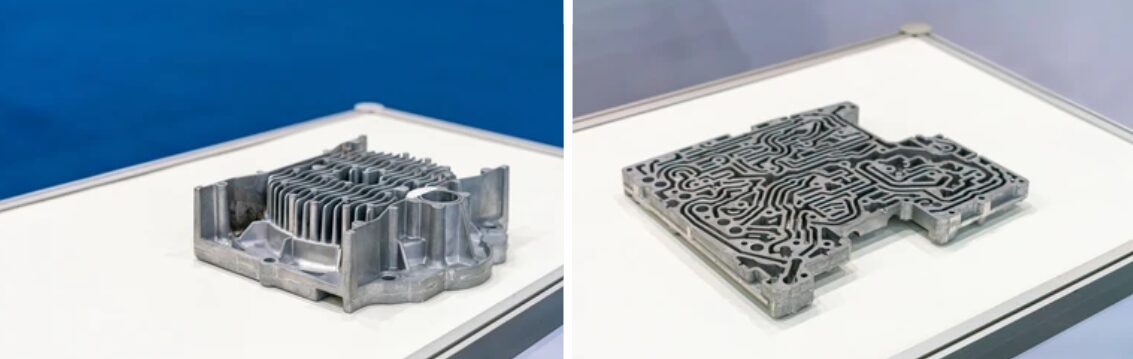
Bewertung von Qualität und Preis zum Preisvergleich zwischen verschiedenen Zinkdruckgussherstellern
1. Warum ist der niedrigste Preis nicht immer die beste Wahl?
Die Wahl des niedrigsten Preises würde dazu führen:
- Schlechte Maßhaltigkeit
- Höhere Ablehnungsquoten
- Inkonsistente Chargen
- Verspätete Lieferung
- Vermehrte Garantieansprüche
Druckgussteile aus Zink sind zudem von hoher Qualität, was langfristig zu Kosteneinsparungen führt, da weniger Ausfälle und Nacharbeiten anfallen.
2. Zertifizierungen und Qualitätsstandards
Im Vergleich dazu: die Preisgestaltung,
- ISO 9001-Zertifizierung
- IATF 16949 (Automobilindustrie)
- Einrichtungen zur internen Qualitätskontrolle.
- Systeme zur Rückverfolgbarkeit
Die Hersteller, die über gute Qualitätssysteme verfügen, können höhere Preise anbieten, bieten aber auch eine höhere Konsistenz und Zuverlässigkeit.
Auswirkungen von Standort und Logistik auf die Preisgestaltung
Der Standort ist ein wichtiger Faktor bei der Auswahl von Zinkdruckgussherstellern in Bezug auf Preis, Lieferung und künftiges Risiko. Der Vergleich zwischen lokalen und internationalen Anbietern wird bei der Ermittlung der Kosten und betrieblichen Anforderungen hilfreich sein.
Inländische vs. ausländische Zinkdruckgusshersteller
| Aspekt | Zinkdruckguss-Hersteller in Übersee | Inländische Zinkdruckgusshersteller |
| Arbeitskosten | Im Allgemeinen niedriger aufgrund billigerer Arbeitsmärkte | Höhere Arbeitskosten |
| Preisgestaltung pro Einheit | Bietet oft wettbewerbsfähige Preise pro Einheit | In der Regel höhere Preise pro Einheit |
| Vorlaufzeit | Längere Vorlaufzeiten aufgrund der internationalen Produktion und des Versands | Schnellerer Umschlag und kürzere Lieferzeiten |
| Versand und Logistik | Höhere Transportkosten und komplexe Logistik | Geringere Komplexität und Kosten der Logistik |
| Einfuhrzölle und Steuern | Unterliegt Zöllen und Einfuhrsteuern | Keine Einfuhrzölle |
| Kommunikation | Mögliche sprachliche und zeitliche Herausforderungen | Leichtere und schnellere Kommunikation |
| Risiko in der Lieferkette | Höheres Risiko aufgrund von Transportverzögerungen | Geringeres Logistik- und Lieferkettenrisiko |
| Gesamtkostenbetrachtung | Niedrigerer Stückpreis, aber höhere Gesamtanlandungskosten | Höherer Stückpreis, aber besser vorhersehbare Gesamtkosten |
Vorlaufzeit und Produktionskapazität
Ein Lieferant, der zu niedrigen Preisen verkauft und eine lange Vorlaufzeit hat, kann Ihre Lieferkette stören.
Die wichtigsten Fragen, die zu stellen sind:
- Normale Vorlaufzeit für Werkzeuge.
- Produktionszykluszeit
- Monatliche Kapazität
- Skalierung der künftigen Nachfrage.
Zufriedene Hersteller von Zinkdruckguss finden ein Gleichgewicht zwischen günstigen Preisen und zuverlässigen Lieferzeiten.
Technologie und Automatisierungsgrad
Dieses Ziel wird in der Regel von Herstellern erreicht, die über einen hohen Automatisierungsgrad und moderne Druckgussanlagen verfügen:
- Niedrigere Ausschussraten
- Schnellere Zykluszeiten
- Gleichbleibende Qualität
Ihre Angebotspreise könnten höher sein als die tatsächlichen Preise, doch kann die Automatisierung die langfristigen Gesamtkosten und das Produktionsrisiko senken.
Erfahrung und Branchenkenntnis der Lieferanten
Bei der Preisgestaltung für Gussprojekte im Zinkdruckguss wird die Erfahrung berücksichtigt.
Hersteller, die sich in der Branche auskennen, können das:
- Optimierung der Teilekonstruktion
- Reduzierung der Komplexität von Werkzeugen
- Minimierung des Materialverbrauchs
- Verbesserung der Herstellbarkeit
Diese Effizienzgewinne führen in der Regel zu Kostensenkungen, die ineffiziente Lieferanten nicht bieten können.
Langfristiger Wert statt kurzfristiger Kosten im Vergleich
Bei der Bewertung von Angeboten ist es notwendig, darauf zu achten:
- Lebenserwartung der Werkzeuge
- Konsistenz der Teile im Laufe der Zeit
- Garantie und Support
- Technische Unterstützung
- Ständige Verbesserung der Fähigkeiten.
Auch die etwas höheren Anlaufkosten eines bekannten Anbieters können langfristig einen größeren Wert darstellen.
Anforderung von Mustern und Prototypen
Bevor Sie sich an einen Anbieter binden:
- Prototyp-Muster anfordern
- Prüfung der Oberflächengüte und der Toleranzen.
- Muss mechanische Eigenschaften prüfen
Die Qualität des Musters gibt Aufschluss darüber, was die Anbieter von Zinkdruckguss trotz der angegebenen Preise zu leisten imstande sind.
Verhandlungsstrategien für eine bessere Preisgestaltung
Verhandlungen sind ein wichtiger Aspekt, um die Gesamtkosten der Zinkdruckgusskomponenten zu senken. Das Engagement für eine strategische Partnerschaft mit Herstellern von Zinkdruckguss könnte zu besseren Preisen führen, ohne die Qualität zu beeinträchtigen.
Volumenverpflichtungen
Für den Zinkdruckgusshersteller besteht ein Anreiz, niedrigere Stückpreise anzubieten, da er sich zu größeren Produktionsmengen verpflichtet. Großaufträge helfen auch den Lieferanten, die Beschaffung von Maschinen und Material zu maximieren. Dies führt zu einer Kosteneinsparung, die an den Verbraucher weitergegeben werden kann.
Langfristige Verträge
Die langfristigen Verträge geben Abnehmern und Zinkdruckgießern ein Gefühl der Sicherheit. Um eine regelmäßige Nachfrage zu erhalten, können die Lieferanten niedrigere Preise und Erstbestellungen anbieten. Solche Vereinbarungen verringern auch die zeitlichen Schwankungen der Preise.
Optimierung des Designs
Durch die enge Zusammenarbeit mit den Herstellern bei der Optimierung der Konstruktionen lassen sich die Kosten für Zinkdruckgussteile erheblich senken. Die vereinfachte Geometrie oder die gleichmäßige Wandstärke sind einige der Verbesserungen, die die Herstellung erleichtern und Material einsparen. Derartige Modifikationen führen in der Regel zu einer Senkung der Werkzeug- und Herstellungskosten.
Häufig zu vermeidende Fehler bei der Preisgestaltung
Im Folgenden werden verschiedene Fehler bei der Preisgestaltung genannt, die es zu vermeiden gilt;
- Angebotsvergleich ohne Spezifikationen.
- Verzicht auf die Abschreibung von Werkzeugen.
- Ignorieren von Sekundärprozessen.
- Ausschließlich auf den Stückpreis achten
- Nicht ordnungsgemäße Schätzung von Logistik und Aufgaben.
Wie digitale Angebotsplattformen Preisvergleiche erleichtern
Das moderne Angebotssystem ermöglicht es den Käufern,:
- CAD-Dateien hochladen
- Sofortige Kostenvoranschläge erhalten
- Preisstrukturen vergleichen
- Bewerten Sie das Feedback zur Herstellbarkeit.
Diese Werkzeuge erleichtern den Vergleich zwischen einer Vielzahl von Zinkdruckgussunternehmen.
Nachhaltigkeit und ihre Auswirkungen auf die Preisgestaltung
Die umweltbewussten Hersteller können:
- Recyceltes Zink verwenden
- Optimieren Sie die Energienutzung
- Abfall reduzieren
Grüne Praktiken können auch die Kosten ein wenig erhöhen, aber den Markenwert und die Globalisierung steigern.
Abschließende Checkliste für den Vergleich von Zinkdruckguss-Preisen
Prüfen Sie, bevor Sie eine Entscheidung treffen:
- Material- und Legierungsspezifikationen
- Bedingungen für das Eigentum an Werkzeugen
- Qualitätsstandards
- Es handelt sich um sekundäre Vorgänge
- Vorlaufzeit und Kapazität
- Anlandekosten und Logistik insgesamt.
- Langfristige Zuverlässigkeit und Unterstützung
Warum Sie uns als Ihren Zinkdruckguss-Partner wählen sollten
Alu-Druckguss ist das Unternehmen, auf das man sich verlassen kann, wenn es um die Lieferung von qualitativ hochwertigen und kostengünstigen Zinkdruckgusskomponenten geht. Mit jahrelanger Erfahrung in der Herstellung von Präzisionszinkdruckgussteilen sind wir darauf spezialisiert, große Industriezweige wie die Automobil-, Elektronik- und Konsumgüterindustrie mit unseren Produkten zu beliefern.
- Aludiescasting.com bietet:
- Druckgusstechnologie auf dem neuesten Stand der Technik.
- Hochwertige Zinklegierungen und Materialoptimierung.
- Komplexe Teile Kundenspezifische Lösungen.
- Strenges Qualitätsmanagement und ISO-zertifizierte Prozesse.
- Erschwingliche Preise und vernünftige Kostenstrukturen.
Schlussfolgerung
Zusammenfassend lässt sich sagen, dass es beim “Preisvergleich zwischen verschiedenen Zinkdruckgussherstellern” um weit mehr geht als nur um die Auswahl des niedrigsten Angebots. Die wirkliche Kostenbewertung ist eine Form des Verständnisses von Werkzeugen, Materialien, Komplexität der Teile, Qualitätssystemen und langfristigem Wert. Diese Faktoren können sorgfältig analysiert werden, um eine Entscheidung zu treffen, die die Kosten und die Leistung des Unternehmens maximiert.
Letztendlich ist derjenige Lieferant am besten geeignet, der wettbewerbsfähige Preise für Zinkdruckguss anbietet, Zinkdruckgussteile in gleichbleibender Qualität herstellt, Produktionspläne einhält und in allen Lebenszyklusphasen zum Erfolg Ihres Produkts beiträgt. Ein gut geplanter und instruktiver Ansatz für den Preisvergleich garantiert eine nachhaltige Zusammenarbeit und qualitativ hochwertige Produktionsergebnisse.
FAQs
Q1: Was beeinflusst den Preis von Zinkdruckgussteilen?
A: Der Preis hängt von der Werkzeugbestückung, der Komplexität des Teils, der Materialqualität, dem Produktionsvolumen, den Nebenarbeiten und den Qualitätsanforderungen ab.
Q2: Muss ich unbedingt das günstigste Angebot eines Zinkdruckgussherstellers auswählen?
A: Nein. Das billigste Angebot kann entweder Kompromisse bei der Qualität, der Lieferung oder dem Wert auf lange Sicht bedeuten. Beurteilen Sie alle Kosten, einschließlich Werkzeugbau, Inspektion und Logistik.
F3: Was kann ich tun, um einen korrekten Vergleich der Hersteller durchzuführen?
A: Verlangen Sie Angebote mit denselben Spezifikationen, mit denselben Materialqualitäten, Toleranzen, Oberflächenbehandlungen, Nachbearbeitungen und Vorlaufzeiten.


0 Kommentare