
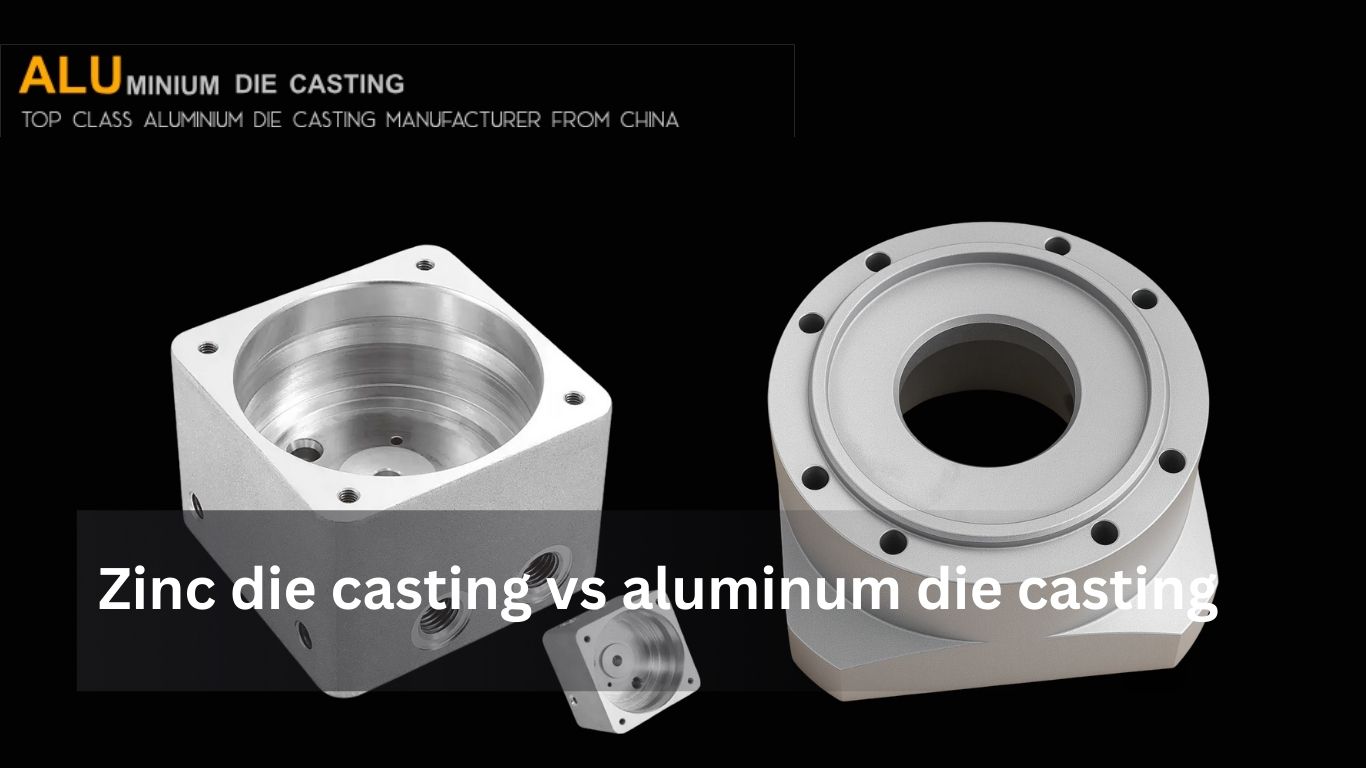
Η χύτευση σε μήτρα είναι μία από τις διαδικασίες που χρησιμοποιούνται στις σύγχρονες βιομηχανίες. Επιτρέπει στους κατασκευαστές να παράγουν εξαιρετικά πολύπλοκα μεταλλικά εξαρτήματα με πολύ ακριβή και αξιόπιστο τρόπο. Μεταξύ πολλών άλλων υλικών χύτευσης, ο ψευδάργυρος και το αλουμίνιο είναι τα πιο ευρέως χρησιμοποιούμενα υλικά χύτευσης. Καθένα από τα υλικά αυτά έχει πλεονεκτήματα και μειονεκτήματα.
Η επιλογή του σωστού υλικού είναι μια πολύ κρίσιμη απόφαση. Έχει αντίκτυπο στις επιδόσεις των προϊόντων, το κόστος, την αντοχή και την αποτελεσματικότητα της κατασκευής. Στην παρούσα εργασία γίνεται σύγκριση μεταξύ της χύτευσης ψευδαργύρου και της χύτευσης αλουμινίου. Εξηγούνται τα χαρακτηριστικά τους, τα δυνατά σημεία, οι αδυναμίες, οι εφαρμογές και η τιμή τους.
Τι είναι η χύτευση;
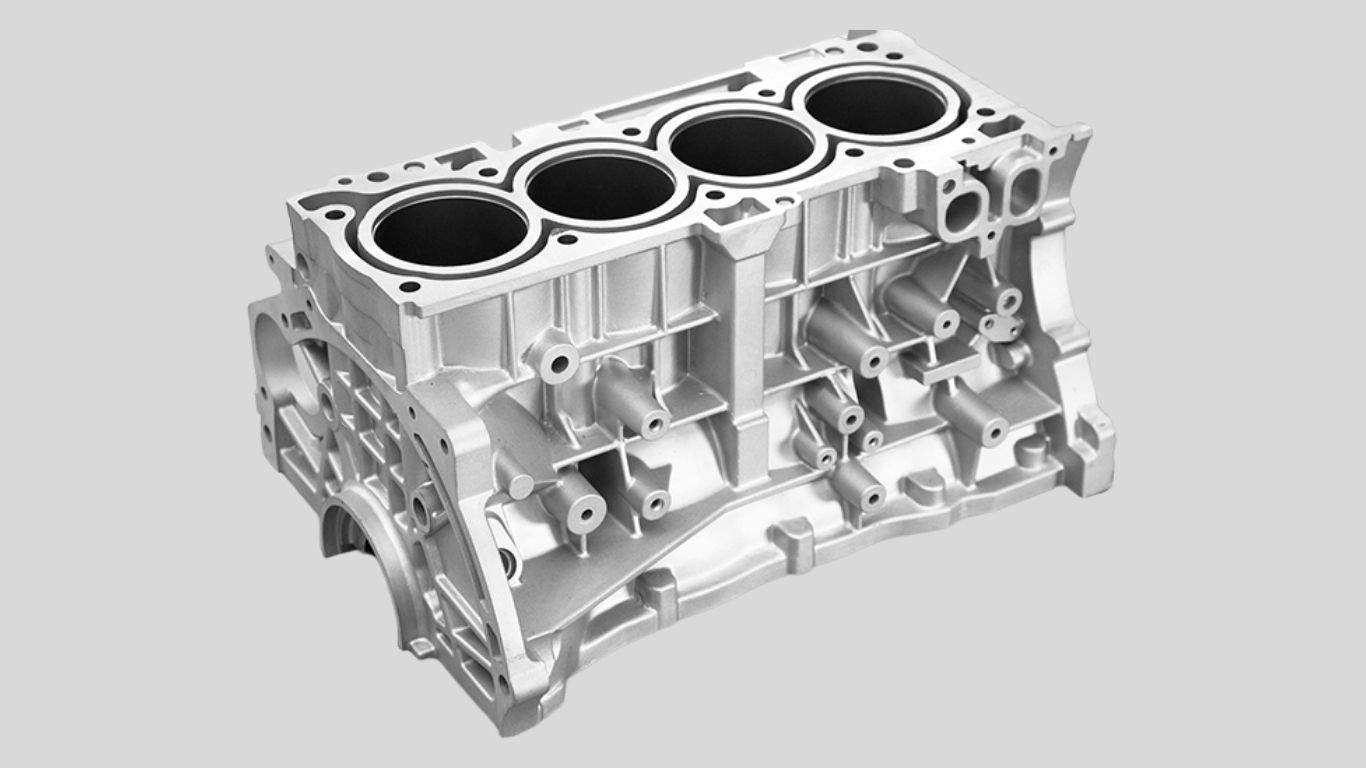
Η χύτευση υπό πίεση αναφέρεται σε μια διαδικασία διαμόρφωσης μετάλλων. Το λιωμένο μέταλλο βρίσκεται υπό υψηλή πίεση και εξαναγκάζεται σε ένα σκληρυμένο χαλύβδινο καλούπι. Το μέταλλο χύνεται μέσα στην κοιλότητα και το μέταλλο σκληραίνει στο συντομότερο δυνατό χρόνο. Το καλούπι ανοίγει στη συνέχεια και αφαιρείται ένα ήδη ολοκληρωμένο εξάρτημα.
Πρόκειται για μια βέλτιστη διαδικασία όταν υπάρχει ζήτηση για μαζική παραγωγή. Προσφέρει τυποποιημένη ποιότητα και ακρίβεια στο μέγεθος και στις επιφάνειες με λείο φινίρισμα. Η αυτοκινητοβιομηχανία, η ηλεκτρονική βιομηχανία, τα βιομηχανικά μηχανήματα, οι ιατρικές συσκευές και τα καταναλωτικά προϊόντα έχουν την πρακτική της χύτευσης υπό πίεση.
Επισκόπηση της χύτευσης ψευδαργύρου
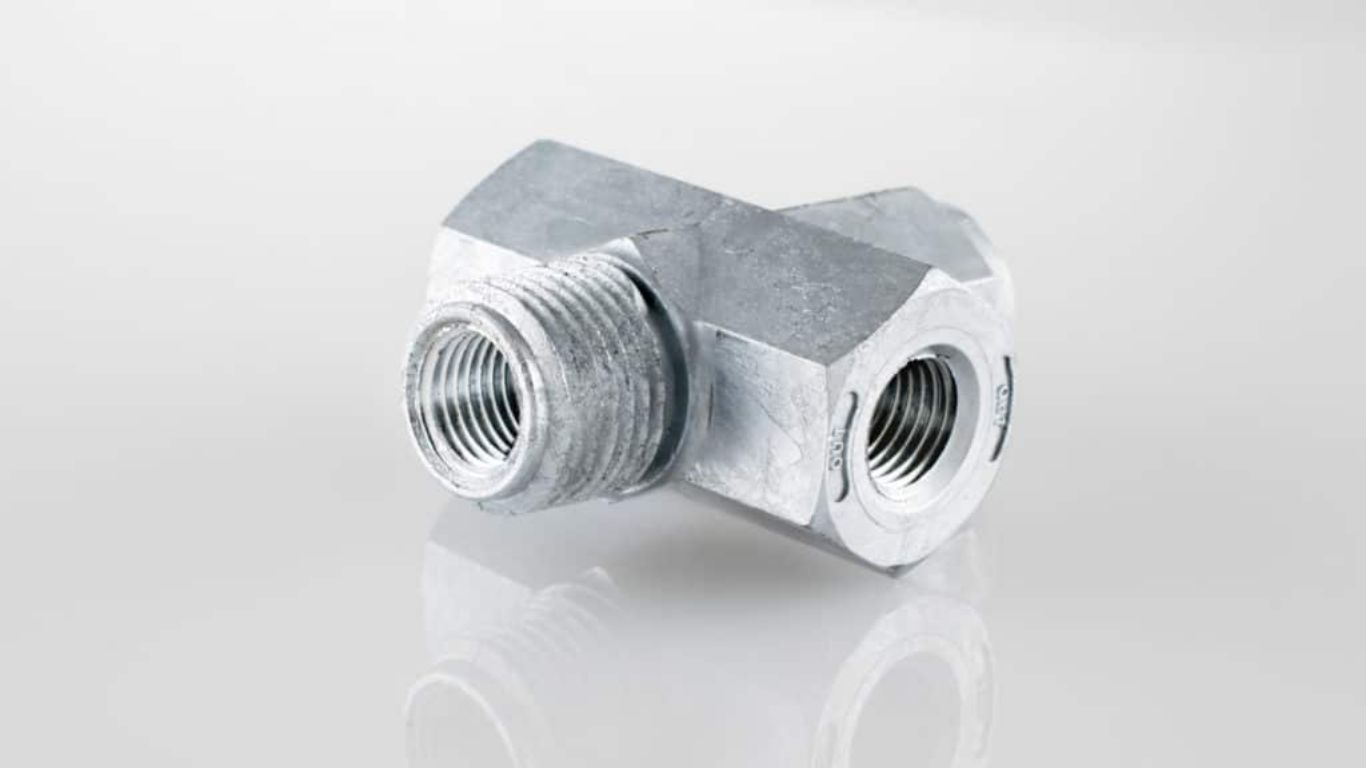
Πρόκειται για μια διαδικασία κατά την οποία ένα μέταλλο, συνήθως ψευδάργυρος, θερμαίνεται και χύνεται σε ένα καλούπι γεμάτο κερί. Η χύτευση ψευδαργύρου είναι μια ακριβής διαδικασία για τη διαμόρφωση μετάλλων. Πρόκειται για μια διαδικασία που περιλαμβάνει υψηλή πίεση έγχυσης λιωμένου κράματος ψευδαργύρου σε μια σκληρυμένη χαλύβδινη μήτρα. Κανονικά, η πίεση αυτή κυμαίνεται από 700-4.000 psi (5-28Mpa). Αυτή είναι η πίεση που διασφαλίζει ότι η κοιλότητα γεμίζει και η αναπαραγωγή γίνεται με μεγάλη λεπτομέρεια.
Η μήτρα είναι λιωμένη και στερεοποιεί το μέταλλο με υψηλό ρυθμό. Μετά τη στερεοποίηση της μήτρας, πραγματοποιείται το άνοιγμα της μήτρας και ολοκληρώνεται η εκτίναξη του τεμαχίου. Τα περισσότερα από τα εξαρτήματά της δεν απαιτούν περαιτέρω ή ελάχιστη κατεργασία.
Χύτευση με κράματα ψευδαργύρου
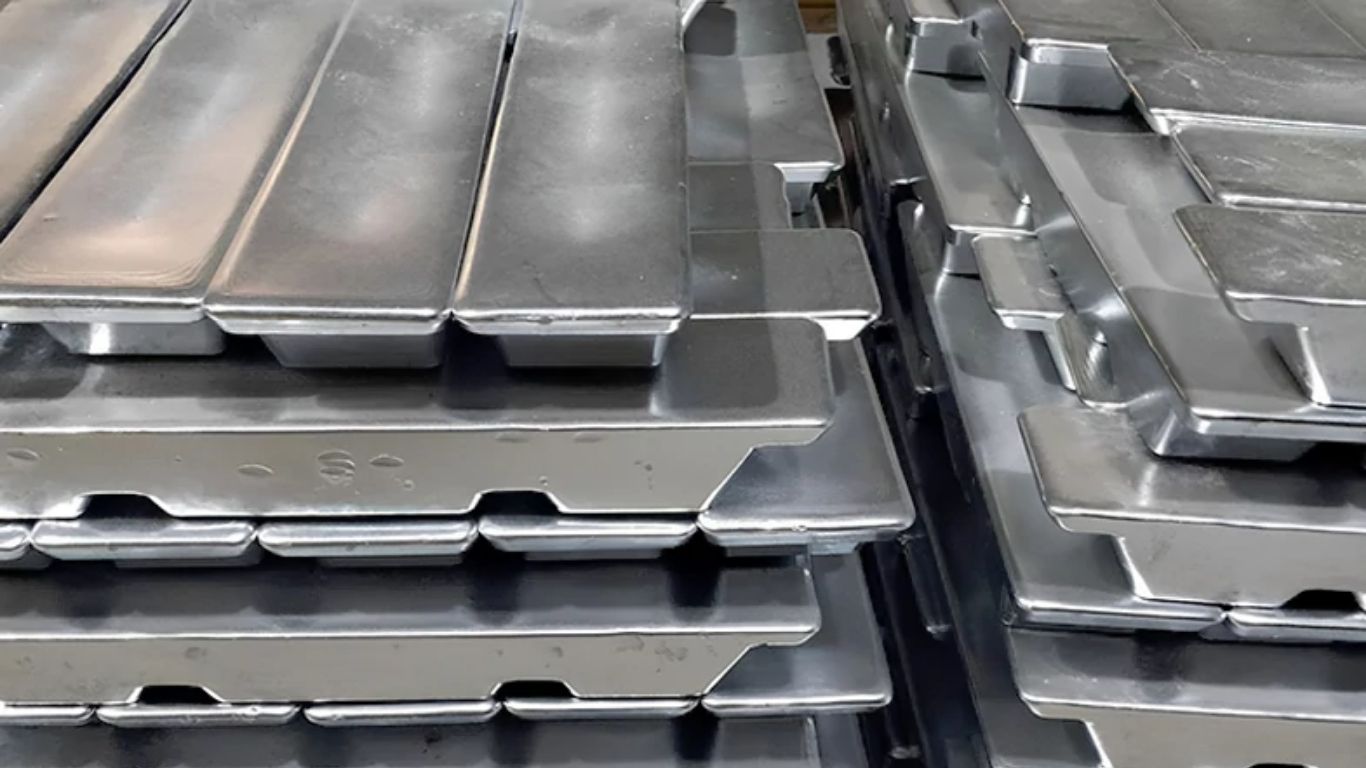
Η χύτευση ψευδαργύρου σε μήτρα ασχολείται κυρίως με πολύ καθαρά κράματα ψευδαργύρου. Το ποσοστό ψευδαργύρου είναι συνήθως 90-95%. Η άλλη σύνθεση αποτελείται από αλουμίνιο, μαγνήσιο και χαλκό.
Τα κράματα χύτευσης ψευδαργύρου είναι συνήθως των ακόλουθων τύπων:
- Zamak 2 - Σκληρότητα και αντοχή: υψηλή.
- Zamak 3 - Η σταθερότητα των διαστάσεων και το φινίρισμα της επιφάνειας είναι υψηλής ποιότητας.
- Zamak 5 - Δύναμη μεγαλύτερης υπεροχής από εκείνη του Zamak 3.
- ZA-8, ZA-12 και ZA-27 - Περισσότερο αλουμίνιο στο κτίριο.
Μόνο ένα από αυτά, το Zamak 3, έχει σχεδόν 70% της παγκόσμιας παραγωγής ψευδαργύρου λόγω της ισορροπίας του.
Σημείο τήξης και εξοικονόμηση ενέργειας
Τα κράματα ψευδαργύρου έχουν πολύ χαμηλό σημείο τήξης, δηλαδή περίπου 380-390 °C. Αυτό είναι πολύ χαμηλότερο από τα κράματα αλουμινίου που λιώνουν στους 660 °C περίπου.
Η χαμηλότερη θερμοκρασία τήξης είναι φθηνότερη όσον αφορά τη χρήση ενέργειας, καθώς χρησιμοποιεί περίπου 30-40% ενέργειας κατά τη διαδικασία χύτευσης. Διατηρεί επίσης τη θερμική καταπόνηση της μήτρας. Κατά συνέπεια, οι μήτρες ψευδαργύρου θα είναι 500000 κύκλων και άνω.
Ανοχές διαστάσεων και ακρίβειες
Η χύτευση ψευδαργύρου χαρακτηρίζεται από μεγάλη ακρίβεια διαστάσεων. Οι γραμμικές ανοχές είναι συνήθως εντός 0,025 mm έως 25 mm του μήκους.
Στην πλειονότητα των εφαρμογών, οι συνολικές ανοχές των τεμαχίων μπορούν να επιτευχθούν σε λιγότερο από +-0,05 mm χωρίς καμία μεταγενέστερη κατεργασία. Είναι εξαιρετικά ακριβής και μειώνει το χρόνο και το κόστος παραγωγής.
Φινίρισμα, αισθητική ποιότητα και επιφάνεια
Τα προϊόντα χυτοπρεσαριστού ψευδαργύρου έχουν λεία εμφάνιση όταν εξάγονται από το καλούπι. Οι τιμές της επιφανειακής τραχύτητας κυμαίνονται συνήθως μεταξύ 1,6 -3,2 um.
Οι πιο συγκολλητικές επιφανειακές επεξεργασίες είναι ο ψευδάργυρος. Η αντοχή του ψευδαργύρου σε χρώμιο, νικέλιο και διακοσμητικά φινιρίσματα είναι συνήθως πάνω από 20 Mpa και η αντοχή αυτή αποδίδεται στην αντοχή συγκόλλησης της ηλεκτρολυτικής επιμετάλλωσης.
Μηχανικές ιδιότητες κραμάτων χύτευσης ψευδαργύρου
Τα κράματα ψευδαργύρου είναι ιδιαίτερα ισχυρά σε σχέση με το μέγεθος των τεμαχίων τους. Οι συνήθεις μηχανικές ιδιότητες είναι:
- Αντοχή σε εφελκυσμό: 280-440Mpa
- Αντοχή σε διαρροή: 210-350 MPa
- Επιμήκυνση: 7-15%
- Σκληρότητα: 80-120 HB
Οι τιμές αυτές καθιστούν τον ψευδάργυρο να χρησιμοποιείται σε εξαρτήματα φθοράς και φέροντα στοιχεία.
Ταχύτητα και κύκλος παραγωγής
Η χύτευση ψευδαργύρου σε μήτρα προωθεί γρήγορους κύκλους κατασκευής. Η μέση διάρκεια του κύκλου είναι 5-15 δευτερόλεπτα ανά βολή.
Αυτό επιτρέπει την παραγωγή πάνω από ένα εκατομμύριο εξαρτημάτων ετησίως με τη χρήση μιας μήτρας πολλαπλών κοιλοτήτων. Η περίοδος κύκλου είναι σύντομη και αυξάνει την παραγωγικότητα και μειώνει το μοναδιαίο κόστος.
Αυτό είναι εφικτό με τη χρήση χύτευσης λεπτού τοιχώματος
Τα κράματα ψευδαργύρου είναι πολύ ρευστά. Αυτό επιτρέπει εξαρτήματα με λεπτά τοιχώματα πάχους 0,5-0,75 mm.
Με τη χύτευση λεπτών τοιχωμάτων, μπορούν να κατασκευαστούν συμπαγή σχέδια και να εξοικονομηθεί ποσότητα υλικών χωρίς να διακυβεύεται η δομική ακεραιότητα.
Εύρος μεγέθους και βάρους εξαρτημάτων
Τα μικρά έως μεσαίου μεγέθους εξαρτήματα είναι καλύτερα να χρησιμοποιούνται με χύτευση ψευδαργύρου. Το κανονικό βάρος των εξαρτημάτων κυμαίνεται μεταξύ 5 γραμμαρίων και 3 κιλών.
Αυτό το εύρος μεγεθών είναι ομοιόμορφο και θα μπορούσε να εφαρμοστεί για να σχηματίσει πολύπλοκα σχήματα και με σημαντική ποσότητα λεπτομέρειας.
Βιωσιμότητα και περιβάλλον
Ο ψευδάργυρος μπορεί να ανακυκλωθεί χωρίς απώλεια μηχανικών ιδιοτήτων και 100%. Η ανάκτηση θραυσμάτων από χύτευση ψευδαργύρου είναι περίπου μεγαλύτερη από 95%.
Η ανακύκλωση ψευδαργύρου θα καταναλώνει πολύ λιγότερη ενέργεια, περίπου 25-30% σε σύγκριση με την πρωτογενή παραγωγή ψευδαργύρου. Αυτό καθιστά τη χύτευση ψευδαργύρου ένα φιλικό προς το περιβάλλον προϊόν κατασκευής.
Αδυναμίες της χύτευσης ψευδαργύρου
Παρά το γεγονός ότι είναι η καλύτερη μέθοδος, η χύτευση ψευδαργύρου έχει τους περιορισμούς της. Ο ψευδάργυρος έχει πυκνότητα μάζας 6,6-6,8 g/cm3, η οποία είναι υπερδιπλάσια σε σύγκριση με το αλουμίνιο.
Τα κράματα ψευδαργύρου είναι επίσης χαμηλής θερμικής αντοχής. Οι σταθερές θερμοκρασίες λειτουργίας πρέπει να προτείνονται σε θερμοκρασίες μικρότερες από 120 °C. Οι υπερβολικές θερμοκρασίες μπορούν να προκαλέσουν ερπυσμό ή παραμόρφωση όταν εκτίθενται για μεγάλο χρονικό διάστημα.
Η επικράτηση της χύτευσης ψευδαργύρου
Η χύτευση ψευδαργύρου χρησιμοποιείται σε:
- Εξαρτήματα μηχανημάτων και γρανάζια ακρίβειας.
- Σύνδεσμοι και περιβλήματα για τον ηλεκτρισμό.
- Εσωτερικά μέρη αυτοκινήτων
- Κλειδαριές, μεντεσέδες και υλικό
- Θήκες και περιβλήματα καταναλωτικών ηλεκτρονικών συσκευών.
Οι χρήσεις του ψευδαργύρου είναι ευνοϊκές όσον αφορά την ακρίβεια, την αντοχή και την ποιότητα της επιφάνειας.
Τα πλεονεκτήματα και τα μειονεκτήματα της χύτευσης ψευδαργύρου
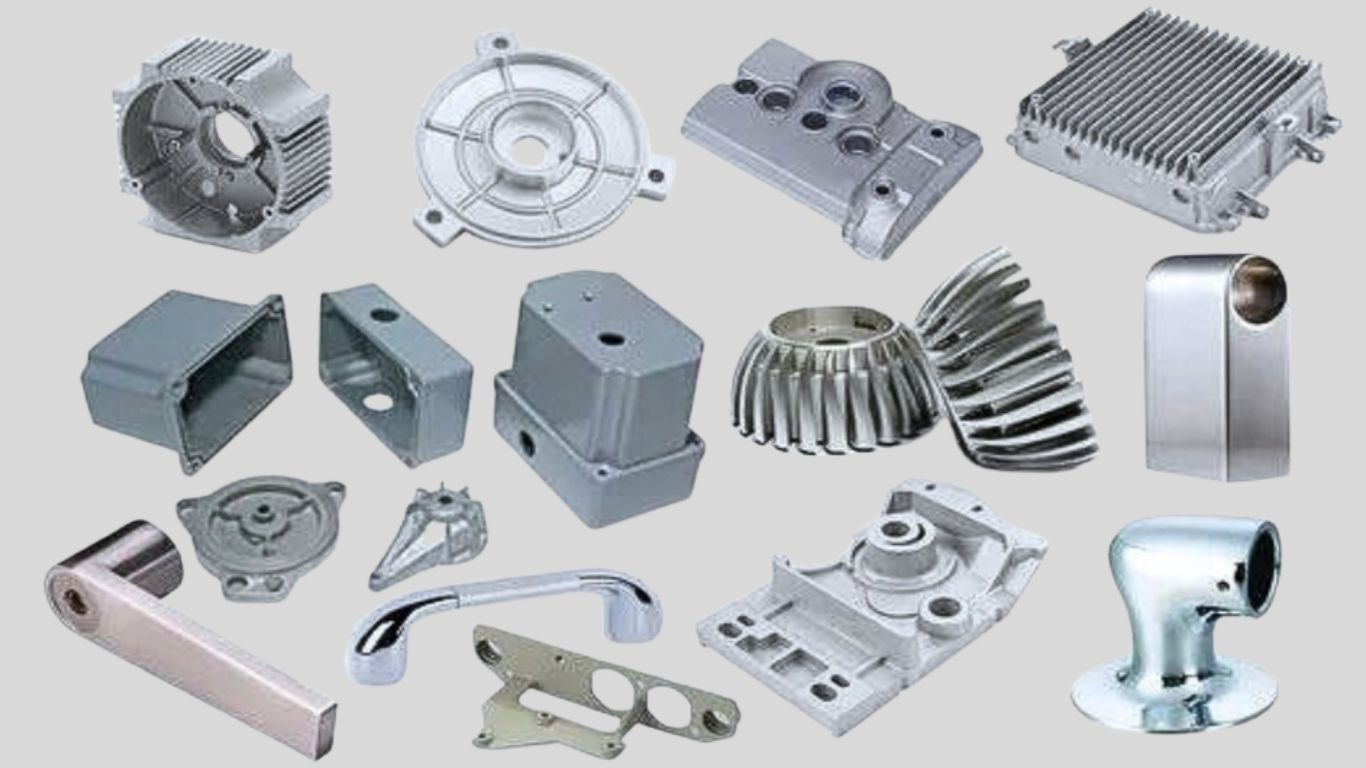
Οφέλη της χύτευσης ψευδαργύρου
Υψηλή διαστατική ακρίβεια
Χύτευση ψευδαργύρου είναι πολύ ακριβείς όσον αφορά τις διαστάσεις. Το κράμα ψευδαργύρου έχει ελάχιστη συρρίκνωση στερεοποίησης που τείνει να είναι μικρότερη από 0,6. Μέσω αυτού, είναι δυνατόν να υπάρχουν στενές ανοχές όπως +-0,025 mm, λαμβάνοντας υπόψη 25 mm μήκους εξαρτήματος.
Ο περιορισμός της δευτερογενούς κατεργασίας συνοδεύεται επίσης από υψηλή ακρίβεια. Αυτό μειώνει το χρόνο και το κόστος κατασκευής.
Ανώτερο φινίρισμα επιφάνειας
Τα χυτά με ψευδάργυρο έχουν λεία επιφάνεια εκτός καλουπιού. Οι τυπικές τιμές της επιφανειακής τραχύτητας είναι 1,6 έως 3,2 um.
Ο ψευδάργυρος συνδέεται επίσης πολύ καλά με τα επιχρίσματα. Τα επιψευδαργυρωμένα επιχρίσματα έχουν συνήθως αντοχή συγκόλλησης μεγαλύτερη από 20 Mpa. Αυτό καθιστά τον ψευδάργυρο κατάλληλο για διακοσμητικά και λειτουργικά τελειώματα.
Χαμηλό σημείο τήξης και εξοικονόμηση ενέργειας
Η θερμοκρασία τήξης των κραμάτων ψευδαργύρου κυμαίνεται μεταξύ 380 και 390 °C. Αυτό είναι σχεδόν το 40 % της θερμοκρασίας τήξης των κραμάτων αλουμινίου που λιώνουν στους 660 C περίπου.
Η χαμηλότερη θερμοκρασία τήξης θα καταναλώνει 30-40 τοις εκατό της ενέργειας. Μειώνει περαιτέρω τη θερμική κόπωση στις μήτρες, μειώνοντάς την σε 500.000-100.000 κύκλους.
Υψηλή μηχανική αντοχή των μικροσκοπικών εξαρτημάτων
Σε μικροσκοπικές κατασκευές, τα κράματα ψευδαργύρου είναι ιδιαίτερα ισχυρά. Οι συνήθεις μηχανικές ιδιότητες είναι:
- Αντοχή σε εφελκυσμό: 280-440Mpa
- Αντοχή σε διαρροή: 210-350 MPa
- Σκληρότητα: 80-120 HB
Αυτές οι ιδιότητες του ψευδαργύρου επιτρέπουν τη χρήση του σε φέροντα και φθαρμένα μέρη.
Γρήγοροι κύκλοι παραγωγής
Ο ψευδάργυρος στερεοποιείται γρήγορα. Ο συνήθης χρόνος κύκλου χύτευσης είναι 5-15 δευτερόλεπτα ανά βολή.
Ο ρυθμός παραγωγής είναι πάνω από 1 εκατομμύριο εξαρτήματα ετησίως, με σύντομους χρόνους κύκλου και ένα μόνο καλούπι. Αυτό καθιστά τον ψευδάργυρο κατάλληλο για παραγωγή μεγάλης κλίμακας.
Καλύτερη χύτευση λεπτού τοιχώματος
Τα κράματα ψευδαργύρου είναι πολύ ρευστά. Μπορούν να επιτευχθούν πολύ μικρά πάχη τοιχωμάτων (0,5-0,75 mm).
Το χαρακτηριστικό λεπτού τοιχώματος επιτρέπει τη μείωση των σχεδίων σε μικρά μεγέθη και την εξοικονόμηση υλικών χωρίς μείωση της αντοχής.
Η αξιοποίηση του υλικού και η ανακυκλωσιμότητα του υλικού είναι υψηλή
Η ανάκτηση θραυσμάτων της χύτευσης ψευδαργύρου είναι μεγαλύτερη από 95%. Ο ψευδάργυρος μπορεί να ανακυκλωθεί 100% των μηχανικών ιδιοτήτων του.
Η ανακύκλωση του ψευδαργύρου καταναλώνει περίπου 25-30% της ενέργειας που καταναλώνεται κατά την πρωτογενή παραγωγή ψευδαργύρου.
Τα μειονεκτήματα της χύτευσης ψευδαργύρου
Αυξημένη πυκνότητα και μειωμένη μάζα
Ο ψευδάργυρος έχει πυκνότητα μάζας περίπου 6,6-6,8 g/cm3. Αυτή είναι δύο φορές υψηλότερη από την πυκνότητα του αλουμινίου που είναι 2,7 g/cm3.
Τα βαριά εξαρτήματα δεν θα πρέπει να χρησιμοποιούνται σε εφαρμογές ευαίσθητες στο βάρος, όπως η αεροδιαστημική και τα ηλεκτρικά οχήματα.
Περιορισμένη αντίσταση στη θερμότητα
Τα κράματα ψευδαργύρου δεν είναι τόσο θερμικά σταθερά. Οι θερμοκρασίες λειτουργίας συνήθως δεν υπερβαίνουν τους 120 C.
Ο ψευδάργυρος μπορεί στη συνέχεια να σέρνεται σε αυτή τη θερμοκρασία και να χάνει την αντοχή του. Αυτό περιορίζει τη χρήση του σε υψηλές θερμοκρασίες.
Περιορισμένο εύρος μεγέθους εξαρτημάτων
Τα μικρά έως μεσαίου μεγέθους εξαρτήματα πρέπει να χυτεύονται με ψευδάργυρο. Το βάρος των εξαρτημάτων κυμαίνεται μεταξύ 5 γραμμαρίων και 3 κιλών ως κανονικό βάρος.
Η παραγωγή πολύ μεγάλων εξαρτημάτων δεν είναι οικονομικά αποδοτική λόγω των περιορισμών των μηχανών και της μάζας των υλικών.
Μακροπρόθεσμη συμπεριφορά ερπυσμού
Είναι πιθανό να εμφανιστεί ερπυσμός σταθερού φορτίου σε κράματα ψευδαργύρου. Οι τάσεις υψηλότερες από 30-40% του ορίου διαρροής μακροπρόθεσμα εμφανίζουν την παραμόρφωση ερπυσμού.
Αυτό μπορεί να διαταράξει τη σταθερότητα των διαστάσεων στις οποίες θα εφαρμοστούν μακροπρόθεσμα οι δομικές εφαρμογές.
Μειωμένη αναλογία αντοχής προς βάρος
Ο ψευδάργυρος είναι ισχυρός, αλλά ο λόγος αντοχής προς βάρος είναι μικρότερος σε σύγκριση με το αλουμίνιο. Με ένα σημαντικό ποσό μικρότερου βάρους, το αλουμίνιο μπορεί να χρησιμοποιηθεί και είναι ακριβώς τόσο ισχυρό.
Αυτό καθιστά τον ψευδάργυρο κατώτερο ανταγωνιστή των ελαφρών δομικών σχεδίων.
Υλικό κόστος Λαμβάνετε υπόψη
Οι τιμές των κραμάτων ψευδαργύρου κοστίζουν συνήθως περισσότερο ανά χιλιόγραμμο από το αλουμίνιο. Αν και η μειωμένη κατεργασία βοηθά στην κάλυψη μέρους των εξόδων, υπάρχει περίπτωση η διακύμανση των τιμών των πρώτων υλών να επηρεάσει την οικονομία.
Η αποδοτικότητα του κόστους είναι εξαιρετικά ευαίσθητη στην ποσότητα του όγκου παραγωγής και στην πολυπλοκότητα των εξαρτημάτων.
Εισαγωγή στη χύτευση αλουμινίου
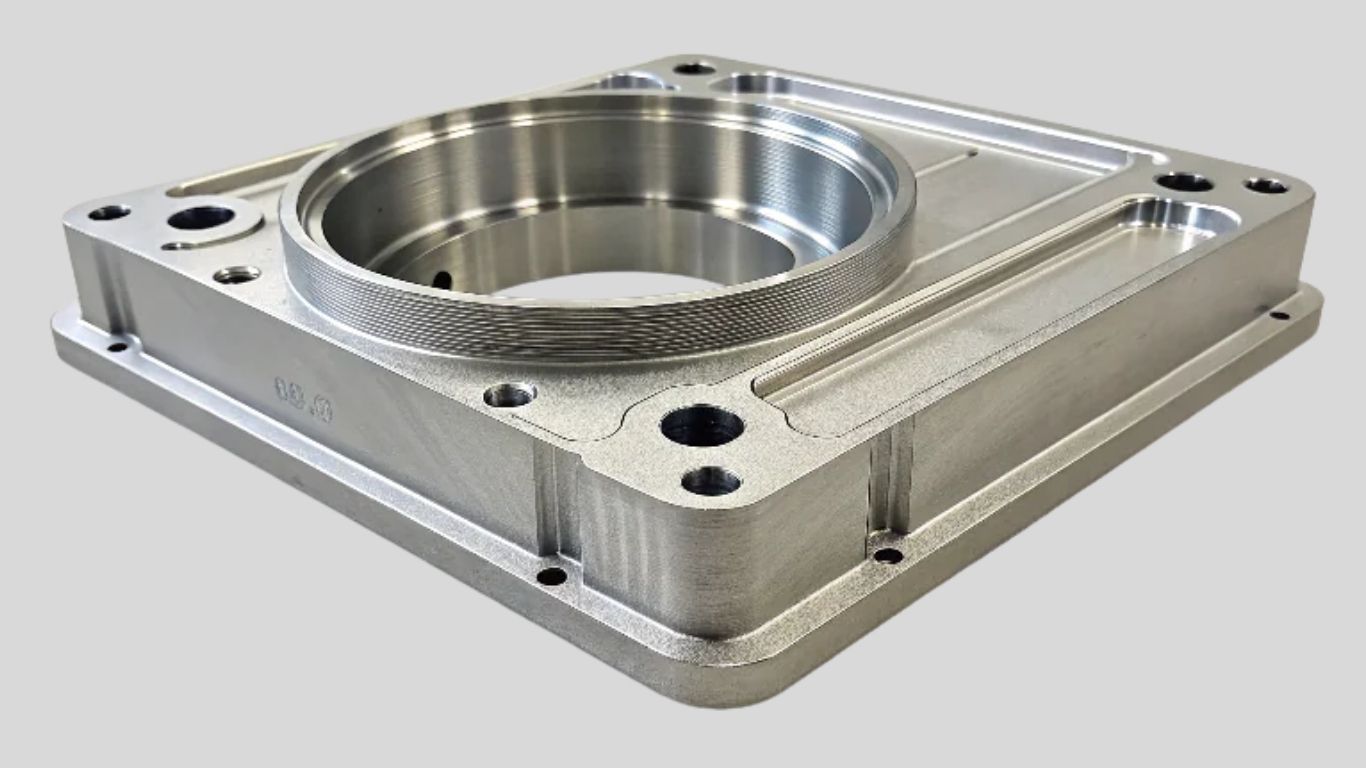
Χύτευση αλουμινίου. Αυτή έχει οριστεί ως η διαδικασία κατασκευής χυτών αντικειμένων με τη χύτευση λιωμένου αλουμινίου σε υπερορθογώνια καλούπια με ελαστικά παρεμβύσματα που τοποθετούνται στο εσωτερικό τους για να μπορέσει η επιφάνεια να σκληρυνθεί.
Η χύτευση αλουμινίου μπορεί να οριστεί ως η διαδικασία παραγωγής μετάλλων που χρησιμοποιούνται για την παραγωγή σύνθετων και ελαφρών στοιχείων. Η διαδικασία αυτή συνεπάγεται τη διέλευση ενός κράματος λιωμένου αλουμινίου υπό υψηλή πίεση μέσα σε χαλύβδινη μήτρα. Η πίεση έγχυσης κυμαίνεται συνήθως μεταξύ 1.000 και 20.000 psi (7-140 Mpa), ανάλογα με το μέγεθος και την πολυπλοκότητα των εξαρτημάτων.
Το λιωμένο αλουμίνιο γεμίζει γρήγορα την κοιλότητα του καλουπιού και στερεοποιείται. Η μήτρα θα σκληρυνθεί και το εξάρτημα θα εκτοξευθεί. Η χύτευση με μήτρα χρησιμοποιείται κυρίως σε μεσαίες και μεγάλες διαστάσεις που απαιτούν αντοχή και χαμηλό βάρος.
Κράματα χύτευσης αλουμινίου
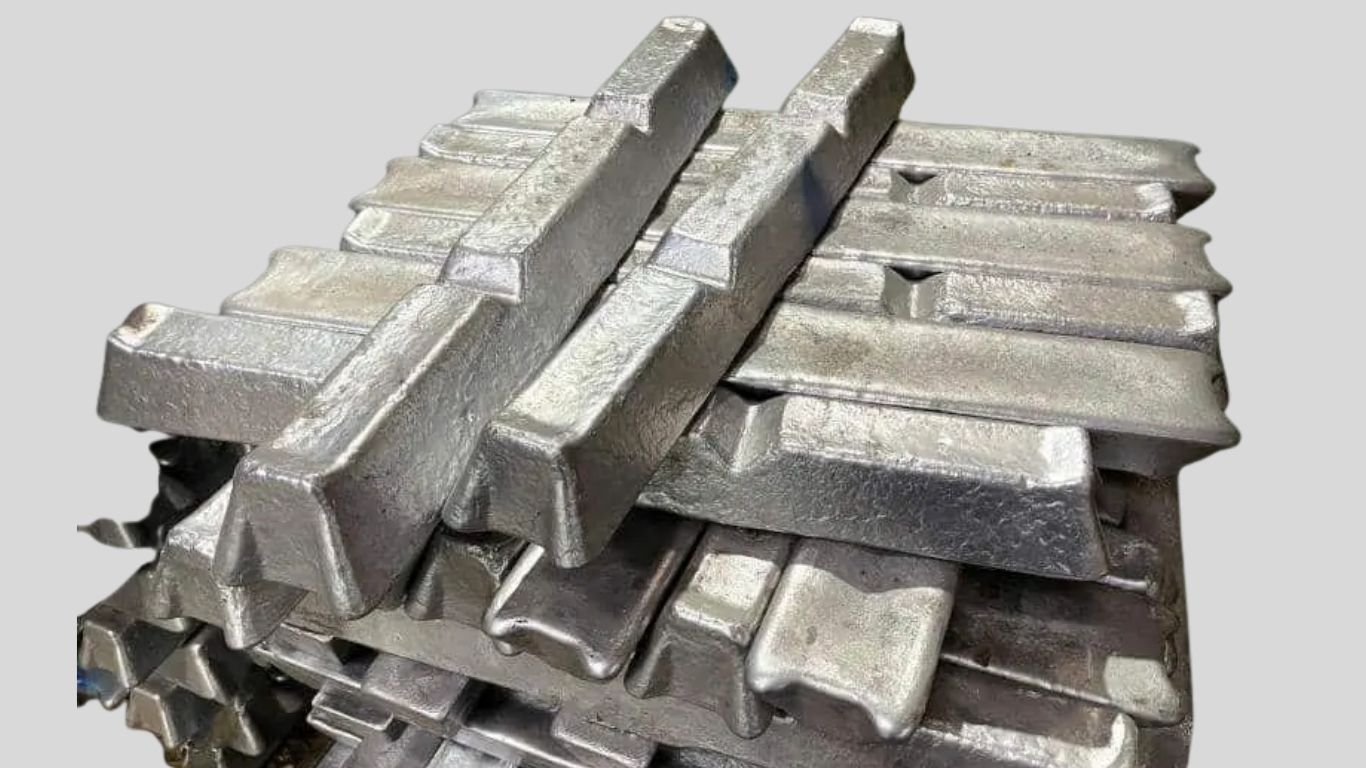
Συνήθως, η χύτευση αλουμινίου γίνεται με κράματα αλουμινίου-πυριτίου. Πρόκειται για κράματα που είναι εξαιρετικά ρευστά, ανθεκτικά και αντιδιαβρωτικά.
Τα τυποποιημένα κράματα χύτευσης αλουμινίου είναι:
- A380 - Είναι το πιο κοινό κράμα που έχει λογική αντοχή και χυτευσιμότητα.
- A383 - Η συνιστώσα λεπτού τοιχώματος και η σύνθετη συνιστώσα εξομαλύνονται.
- A360 - Καλύτερη ολκιμότητα και αντοχή στη διάβρωση.
- ADC12 - που χρησιμοποιούνται στα ηλεκτρονικά και στα αυτοκίνητα.
Η συγκέντρωση πυριτίου θα κυμαίνεται συνήθως μεταξύ 8-12%, γεγονός που το καθιστά ρευστό και προκαλεί μικρότερη συρρίκνωση κατά τη στερεοποίηση.
Θερμοκρασία - Ιδιότητες θερμότητας και τήξης
Το σημείο τήξης του κράματος αλουμινίου είναι περίπου 660-690 C και αυτό είναι πολύ υψηλό σε σύγκριση με το σημείο τήξης των κραμάτων ψευδαργύρου. Έχει υψηλό σημείο τήξης, το οποίο καταναλώνει περισσότερη ενέργεια κατά τη χύτευση.
Το αλουμίνιο είναι, ωστόσο, πολύ θερμικά αγώγιμο. Οι τιμές θερμικής αγωγιμότητας, οι οποίες είναι οι επικρατέστερες, κυμαίνονται μεταξύ 90 και 155 W/mK, και το καταλληλότερο για να χρησιμοποιηθεί ως στοιχείο ψύξης είναι το αλουμίνιο το οποίο μπορεί να χρησιμοποιηθεί με τη μορφή ψύκτρων θερμότητας ή ενός ηλεκτρονικού περιβλήματος.
Ανοχές διαστάσεων και ακρίβειες
Η περίπτωση της χύτευσης αλουμινίου είναι καλή, αλλά όχι τόσο σφιχτή όσο του ψευδαργύρου. Οι συνήθεις ανοχές είναι -0,1 - +- 0,2 mm/25 mm μήκους εξαρτήματος.
Κάτω από 1,0-1,3 είναι η ασθενής συρρίκνωση του αλουμινίου. Αυτό έχει οδηγήσει στο γεγονός ότι η χρήση χαρακτηριστικών ακριβείας είναι, στην πλειονότητα των περιπτώσεων, κάτι που υπόκειται σε δευτερογενή κατεργασία.
Hammermen της επιφάνειας και του σκυροδέματος
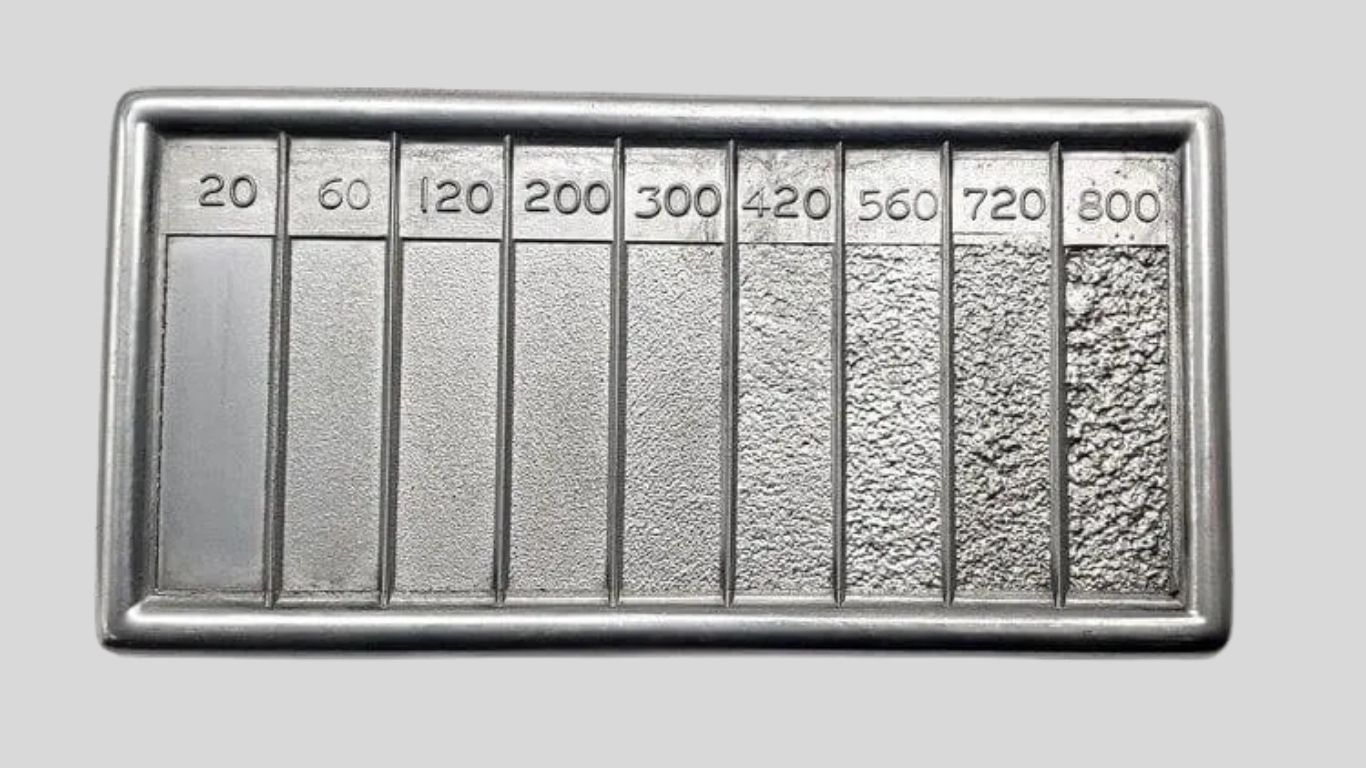
Το πρότυπο 3,2 6,3 um είναι η ποικιλία της επιφανειακής τραχύτητας των χυτοπρεσαριστών αντικειμένων από αλουμίνιο. Αυτή είναι η περίπτωση στην πλειονότητα των εφαρμογών, αν και το φινίρισμα στα διακοσμητικά μέρη μπορεί να γίνει περαιτέρω.
Το φινίρισμα του αλουμινίου μπορεί να ληφθεί μέσω της τεχνικής ανοδίωσης και το φινίρισμα ή η επίστρωση σκόνης μπορεί επίσης να ληφθεί μέσω της τεχνικής ανοδίωσης. Ένα οζώδες αλουμίνιο έχει ανώτερη διάβρωση και σκληρότητα.
Κράμα χύτευσης μηχανικού αλουμινίου
Τα χυτά κράματα αλουμινίου έχουν ισχυρές αναλογίες βάρους. Οι μηχανικές ιδιότητες που μοιράζονται είναι:
- Υψηλότερη αντοχή σε εφελκυσμό: 220 MPa- 330 MPa.
- Αντοχή σε διαρροή: 130-180 MPa
- Επιμήκυνση: 2-10%
- Σκληρότητα: 70-100 HB
Αυτές οι ιδιότητες καθιστούν το αλουμίνιο κατάλληλο για φέροντα και δομικά στοιχεία.
Ελαφρύ πλεονέκτημα
Το αλουμίνιο έχει πυκνότητα περίπου 2,7 g/cm 3 και είναι σχεδόν 60 φορές μικρότερη από εκείνη του ψευδαργύρου. Αυτός ο τύπος εξοικονόμησης βάρους είναι απαραίτητος στην αυτοκινητοβιομηχανία, την αεροδιαστημική και τα ηλεκτρικά αυτοκίνητα.
Το μειωμένο βάρος των εξαρτημάτων σημαίνει επίσης υψηλή οικονομία καυσίμου και χαμηλό βάρος του φορτίου του συστήματος.
Ταχύτητα και ταχύτητα παραγωγής
Η χύτευση αλουμινίου είναι μια διαδικασία που διαρκεί περισσότερο από τη χύτευση ψευδαργύρου. Πολυπλοκότητα και πάχος. Τα εξαρτήματα διαρκούν 20-60 δευτερόλεπτα ανά πυροβολισμό.
Τόσο οι μεσαίες όσο και οι μεγάλες ποσότητες με αργούς κύκλους εξακολουθούν να είναι οικονομικά αποδοτικές με τη χρήση χύτευσης αλουμινίου.
Μεγάλη και περίπλοκη χωρητικότητα εξαρτημάτων
Τα χυτά που μοντελοποιούνται σε αλουμίνιο μπορούν να συγκρατήσουν μεγαλύτερα μέρη σε σύγκριση με εκείνα που μοντελοποιούνται σε ψευδάργυρο. Μέρη που ζυγίζουν περισσότερο από έως και 15-20 kg μπορούν να κατασκευαστούν με τη χρήση εξοπλισμού χύτευσης υπό πίεση.
Αυτός είναι ο λόγος για τον οποίο το αλουμίνιο μπορεί επίσης να χρησιμοποιηθεί στις θήκες του κινητήρα, στις θήκες του κιβωτίου ταχυτήτων και στα δομικά πλαίσια.
Προστασία από τη διάβρωση και περιβαλλοντικές επιδόσεις
Η παθητική διάβρωση είναι μία από τις φυσικές κατασκευές που προετοιμάζονται με τη βοήθεια του αλουμινίου που δημιουργεί ένα οξείδιο. Αυτό καθιστά δυνατή τη χρήση του αλουμινίου σε εξωτερικούς και θαλάσσιους σχεδιασμούς.
Το αλουμίνιο είναι 100% ανακυκλώσιμο. Αυτό οφείλεται στο γεγονός ότι η ανακύκλωση του αλουμινίου έχει αναφερθεί ότι καταναλώνει το 5% της ενέργειας που χρησιμοποιείται για την παραγωγή κυρίως αλουμινίου, και επομένως η ανακύκλωση καταναλώνει πολλή ενέργεια.
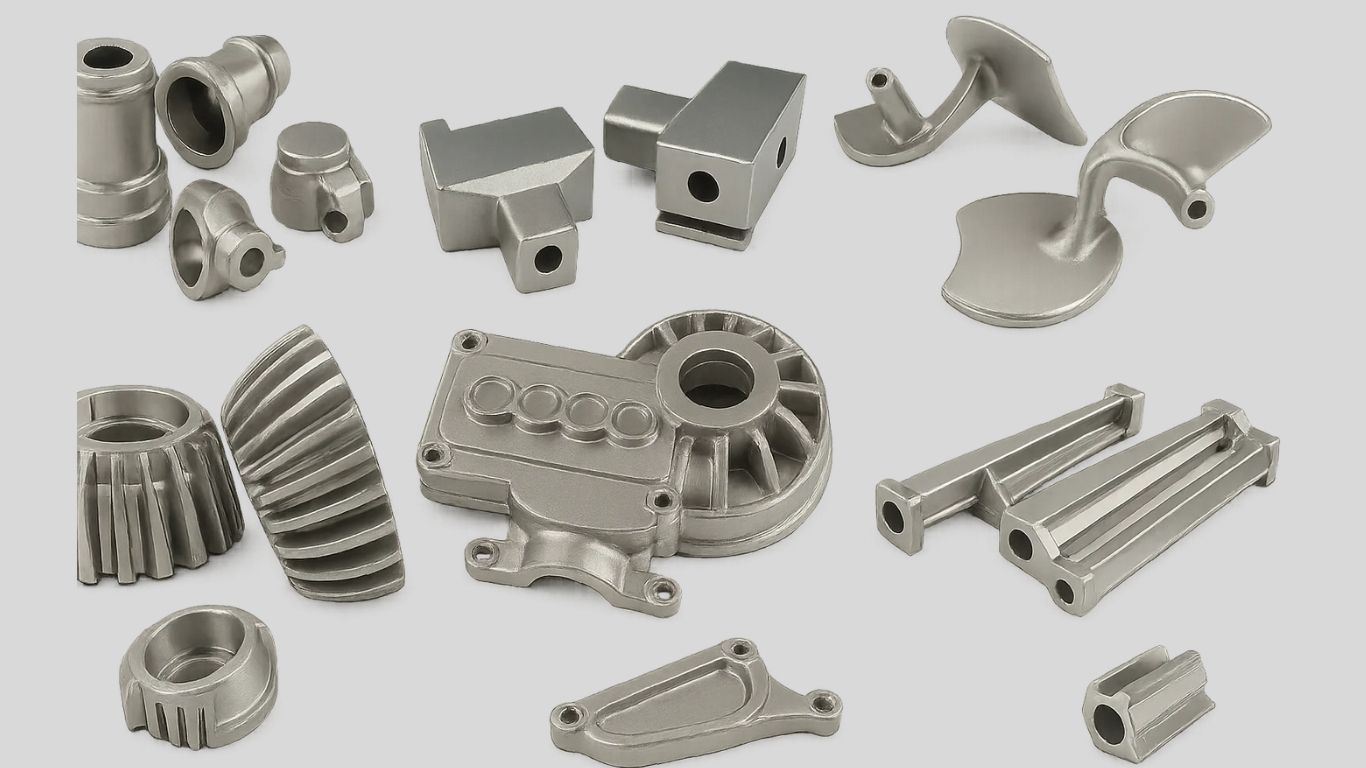
Το χυτό αλουμίνιο έχει χρησιμοποιηθεί σε εφαρμογές
Εφαρμόζεται σε άλλα έργα σε:
- Μέρη του κινητήρα και του κιβωτίου ταχυτήτων του Carmotor.
- Περίπτωση μπαταρίας ηλεκτρικών οχημάτων.
- Θερμοδοχεία και ηλεκτρονικά περιβλήματα.
- Αεροδιαστημικά δομικά μέρη
- Εξαρτήματα βιομηχανικών μηχανών.
Η χύτευση αλουμινίου έχει τα μειονεκτήματα και τα πλεονεκτήματά της
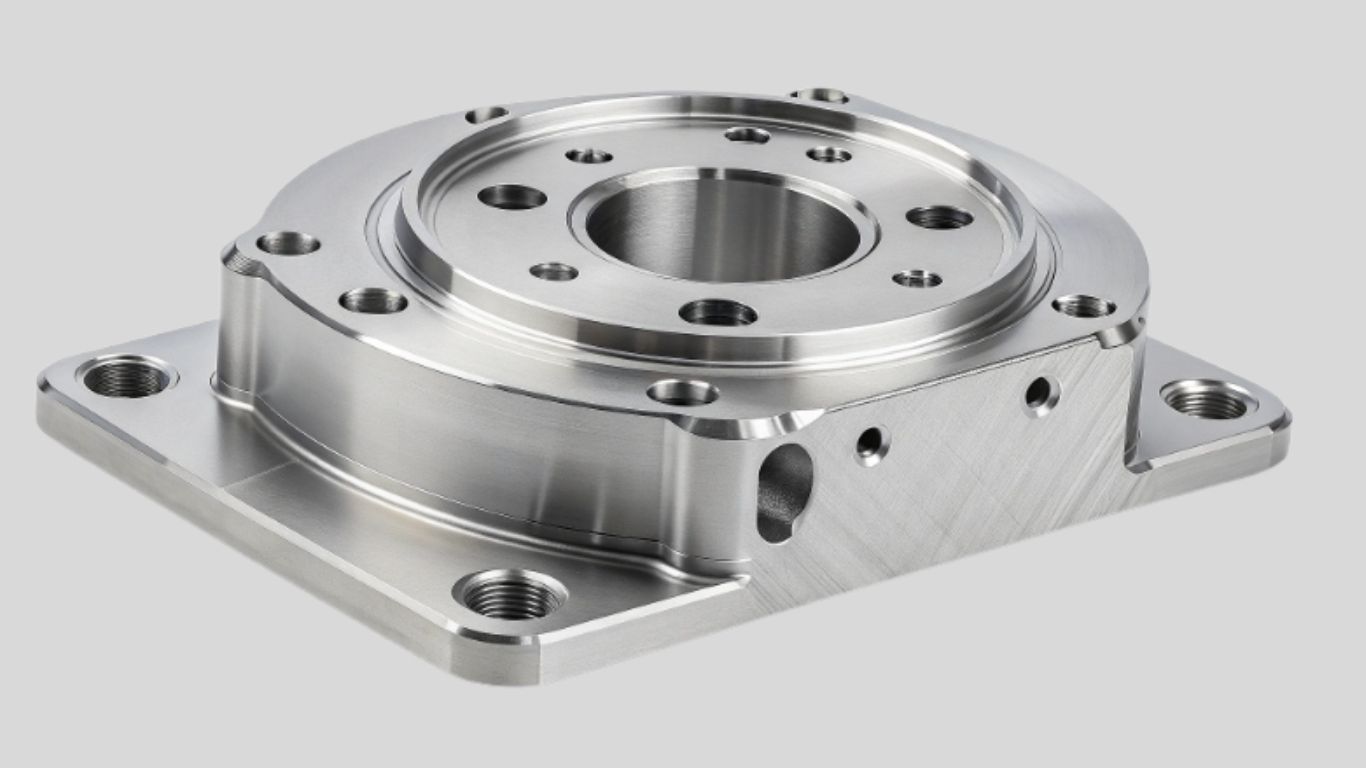
Τα πλεονεκτήματα της χύτευσης αλουμινίου
Ελαφρύ υλικό
Η πυκνότητα του αλουμινίου είναι χαμηλή και είναι περίπου 2,7 g/cm3. Αυτό καθιστά τα κομμάτια αλουμινίου σχεδόν 60 τοις εκατό ελαφρύτερα από τον ψευδάργυρο και πολύ ελαφρύτερα από τον χάλυβα.
Η μείωση του βάρους αυξάνει την αποδοτικότητα καυσίμου του αυτοκινήτου. Μειώνει επίσης το βάρος στην κατασκευή των μηχανών και των ηλεκτρονικών συστημάτων.
Ο λόγος βάρους προς αντοχή είναι υψηλός
Τα κράματα της χύτευσης αλουμινίου είναι αποτελεσματικά όσον αφορά τη μηχανική αντοχή, αλλά είναι ελαφριά. Ορισμένες από τις μηχανικές ιδιότητες είναι κοινές και περιλαμβάνουν τα εξής:
- Μέγιστη αντοχή σε εφελκυσμό: 220- 330 Mpa.
- Αντοχή σε διαρροή: 130-180 MPa
Είναι ο συνδυασμός των δύο που επιτρέπει στο αλουμίνιο να είναι το καταλληλότερο στον τομέα της δομής και του φέροντος οργανισμού.
Εξαιρετική ποιότητα Αντοχή στη διάβρωση
Το αλουμίνιο είναι από τη φύση του προικισμένο με την ικανότητα να επικαλύπτει τον εαυτό του με ένα στρώμα οξειδίου. Στις περισσότερες περιπτώσεις, η επίστρωση αυτή αποτρέπει την οξείδωση και τη σκουριά.
Σε ένα υγρό κλιματικό περιβάλλον, το marine/outdoor ήταν ένα εξαιρετικό προϊόν. Ο ρυθμός διάβρωσης από την ατμοσφαιρική έκθεση είναι μικρότερος από 0,05 mm/έτος.
Καλή θερμική αγωγιμότητα
Το αλουμίνιο είναι θερμικός αγωγός με θερμική αγωγιμότητα 90-155 W/mK. Αυτό εξασφαλίζει ότι η θερμότητα διαχέεται εύκολα.
Αυτό είναι το υλικό που κάνει το αλουμίνιο να χρησιμοποιείται σε ψύκτρες, εξαρτήματα κινητήρων και ηλεκτρονικές θήκες.
Δεξιότητα υψηλών και περίπλοκων εξαρτημάτων
Τα τεράστια μέρη είναι χυτά από αλουμίνιο. Εξαρτήματα που έχουν μάζα έως και 15- 20 kg μπορούν να κατασκευαστούν μέσω μηχανών χύτευσης υπό πίεση.
Αυτό καθιστά το αλουμίνιο κατάλληλο για τα μπλοκ του κινητήρα, το περίβλημα του κιβωτίου ταχυτήτων και τα δομικά πλαίσια.
Διαστατική σταθερότητα σε υψηλές θερμοκρασίες
Το αλουμίνιο είναι πιο ανθεκτικό στη θερμότητα, η οποία είναι μεγαλύτερη από τον ψευδάργυρο. Η πλειονότητα των κραμάτων είναι επεξεργάσιμα στους 200-250 C.
Αυτό κάνει χρήση αλουμινίου σε υψηλές θερμοκρασίες.
Μεγάλη ανακυκλωσιμότητα και βιωσιμότητα
Το αλουμίνιο είναι 100% ανακυκλώσιμο. Σε σύγκριση με την πρωτογενή παραγωγή υλικών από αλουμίνιο, καταναλώνεται η μισή ενέργεια που χρησιμοποιείται στην ανακύκλωση του αλουμινίου.
Αυτό βοηθάει πολύ στην ελαχιστοποίηση των επιπτώσεων της ρύπανσης του περιβάλλοντος και των εξόδων παραγωγής.
Μειονεκτήματα της χύτευσης αλουμινίου
Υψηλή θερμοκρασία τήξης
Το αλουμίνιο τήκεται σε θερμοκρασία 660-690 βαθμών C. Αυτό είναι ένα υψηλότερο σημείο τήξης και ως εκ τούτου καταναλώνει περισσότερη ενέργεια κατά τη χύτευση.
Η θερμοκρασία είναι υψηλή και αυτό σημαίνει ότι υπάρχει υψηλή θερμική καταπόνηση στα καλούπια. Η ποιότητα των καλουπιών είναι αυτή που καθορίζει τη μέση διάρκεια ζωής του καλουπιού και κυμαίνεται μεταξύ 100 και 300 κύκλων.
Χύτευση σε ψευδάργυρο με μικρότερη ακρίβεια χαμηλότερων διαστάσεων
Το αλουμίνιο επίσης συστέλλεται περισσότερο κατά τη διαδικασία στερεοποίησης και η φυσική συστολή είναι 1,0-1,3%.
Ως αποτέλεσμα αυτού, υπάρχουν ασθενέστερες ανοχές. Αυτές οι ανοχές είναι συχνά +0,2 -0,1 mm/25 mm. Συχνά, απαιτείται δευτερεύουσα κατεργασία.
Πιο τραχύ φινίρισμα επιφάνειας
Τα χυτό αλουμίνιο έχει συνήθως μια κατά προσέγγιση τιμή 3,2-6,3 um στην επιφανειακή τραχύτητα.
Οι διακοσμητικές διεργασίες μπορεί επίσης να απαιτούν άλλο φινίρισμα, π.χ. κατεργασία, στίλβωση ή επίστρωση.
Μειωμένος ευέλικτος χρόνος κύκλου παραγωγής
Το αλουμίνιο απαιτεί επίσης μεγάλο χρονικό διάστημα για να κρυώσει σε σύγκριση με τον ψευδάργυρο. Η βολή διαρκεί έως και 20-60 δευτερόλεπτα.
Το κόστος του μεγάλου χρόνου κύκλου μειώνει την κατασκευή μεγάλου όγκου.
Αύξηση του κόστους εργαλείων και συντήρησης
Οι θερμοκρασίες λειτουργίας είναι υψηλές και, ως εκ τούτου, η φθορά των καλουπιών αλουμινίου είναι αυξημένη. Τα εργαλεία είναι επίσης πολύ δαπανηρά σε αντίθεση με τη χύτευση ψευδαργύρου.
Η ακρίβεια των διαστάσεων και η ποιότητα της επιφάνειας διατηρούνται συνήθως με συντήρηση.
Προκλήσεις πορώδους
Το αλουμίνιο έχει πορώδες αέριο που είναι πιθανό να είναι χυτό. Το πορώδες που εμφανίζεται συνήθως όταν ο έλεγχος της διαδικασίας δεν είναι βέλτιστος είναι το πορώδες 1-3%.
Οποιοδήποτε πορώδες μπορεί να προκαλέσει απώλεια μηχανικής αντοχής και να περιορίσει τη χρήση του σε στενές πιέσεις.
Σχετικά με την GC Precision Mould
Η κινεζική εταιρεία που έχει ταυτιστεί με τις χύτευσης είναι η GC Precision Mould. Γιορτάζουμε την 20η επέτειο της παράδοσης ποιοτικών μεταλλικών εξαρτημάτων ακριβείας.
Οι υπηρεσίες μας
Ασχολούμαστε επίσης με τη χύτευση αλουμινίου, ψευδαργύρου και μαγνησίου. Διαθέτουμε τους πόρους σχεδιασμού καλουπιών, χύτευσης υπό πίεση, κατεργασίας CNC και φινιρίσματος των επιφανειών. Αναλαμβάνουμε τα έργα από το στάδιο της ιδέας, μέχρι το στάδιο της οριστικοποίησης του προϊόντος.
Ποιότητα και εφαρμογές
Έχουμε καλή ποιότητα εξαρτημάτων. Βρίσκουν εφαρμογή στους τομείς της αυτοκινητοβιομηχανίας, της ηλεκτρολογίας, του υλικού και της βιομηχανίας.
Γιατί να μας επιλέξετε;
Επιλέξτε το GC Precision Mould που είναι ακριβές, ανθεκτικό και αξιόπιστο. Προσφέρουμε υπηρεσίες χαμηλού κόστους για να καλύψουμε τις ανάγκες σας.
Συμπέρασμα
Χύτευση σε μήτρα (Ψευδάργυρος και χύτευση Το αλουμίνιο) διαδραματίζει καθοριστικό ρόλο στον σύγχρονο κόσμο της μεταποίησης. Αυτά τα δύο υλικά συνδέονται με διάφορα πλεονεκτήματα και αδυναμίες.
Ο ψευδάργυρος δεν είναι επίσης φτωχός όσον αφορά την ακρίβεια, το φινίρισμα και τη γρήγορη κατασκευή. Το αλουμίνιο μπορεί να υπερηφανεύεται για το μικρό βάρος, τη διάβρωση και την υπεροχή στον έλεγχο της θερμότητας.
Λείπει η τελική βέλτιστη εναλλακτική λύση. Η κατάλληλη επιλογή θα γίνει ανάλογα με τις απαιτήσεις του σχεδιασμού, τις λειτουργικές απαιτήσεις, τους στόχους κόστους και τις εφαρμογές.
Τα πλεονεκτήματα και τα μειονεκτήματα των δύο υλικών θα βοηθούσαν τους κατασκευαστές να κάνουν τις σωστές επιλογές. Αυτό οδηγεί στην ποιότητα των προϊόντων, την επιτυχία και την αποτελεσματικότητα μακροπρόθεσμα.
Συχνές ερωτήσεις
Ποιες είναι οι πρώτες ύλες σας, χύτευση;
Πρόκειται για κράματα αλουμινίου, ψευδαργύρου και μαγνησίου. Αποτελούνται από υλικά υψηλής ακρίβειας, ανθεκτικά και με υψηλής ποιότητας επιφανειακό φινίρισμα, τα οποία μπορούν να χρησιμοποιηθούν σε διάφορες δραστηριότητες.
Ποιες είναι λοιπόν οι υπηρεσίες της GC Precision Mould;
Προτείνουμε μια συνολική εργασία χύτευσης, η οποία θα περιλαμβάνει χύτευση υπό υψηλή πίεση, μηχανική κατεργασία CNC, επιφανειακό φινίρισμα και σχεδιασμό καλουπιών. Δεν επιμένουμε σε τίποτα μέχρι το τέλος.
Ποιους κλάδους εξυπηρετείτε;
Οι δραστηριότητές μας είναι η αυτοκινητοβιομηχανία, η ηλεκτρονική, το υλικό και η βιομηχανία. Διαθέτουμε υψηλής απόδοσης και υψηλής ποιότητας προσαρμοσμένα εξαρτήματα.
Ποια είναι η διασφάλιση της ποιότητας των προϊόντων σας προς τους πελάτες;
Τα μέτρα ποιοτικού ελέγχου σε όλα τα στάδια είναι πολύ αυστηρά, με υπερσύγχρονο εξοπλισμό επιθεώρησης και δοκιμών. Τα προϊόντα μας αναμένεται να είναι εξαιρετικά ακριβή, ανθεκτικά και ικανοποιητικά για τον πελάτη.
Ποιος είναι ο λόγος που αποφασίσατε να προτιμήσετε την GC Precision Mould;
Επιλέξτε την GC Precision Mould, καθώς διαθέτει ακρίβεια, αξιοπιστία και είναι οικονομικά αποδοτική σε λύσεις χύτευσης. Είμαστε πάνω από 20 χρόνια και αυτό θα μας επιτρέψει να σας προσφέρουμε προσωπικές λύσεις στα προβλήματα.
0 Σχόλια