
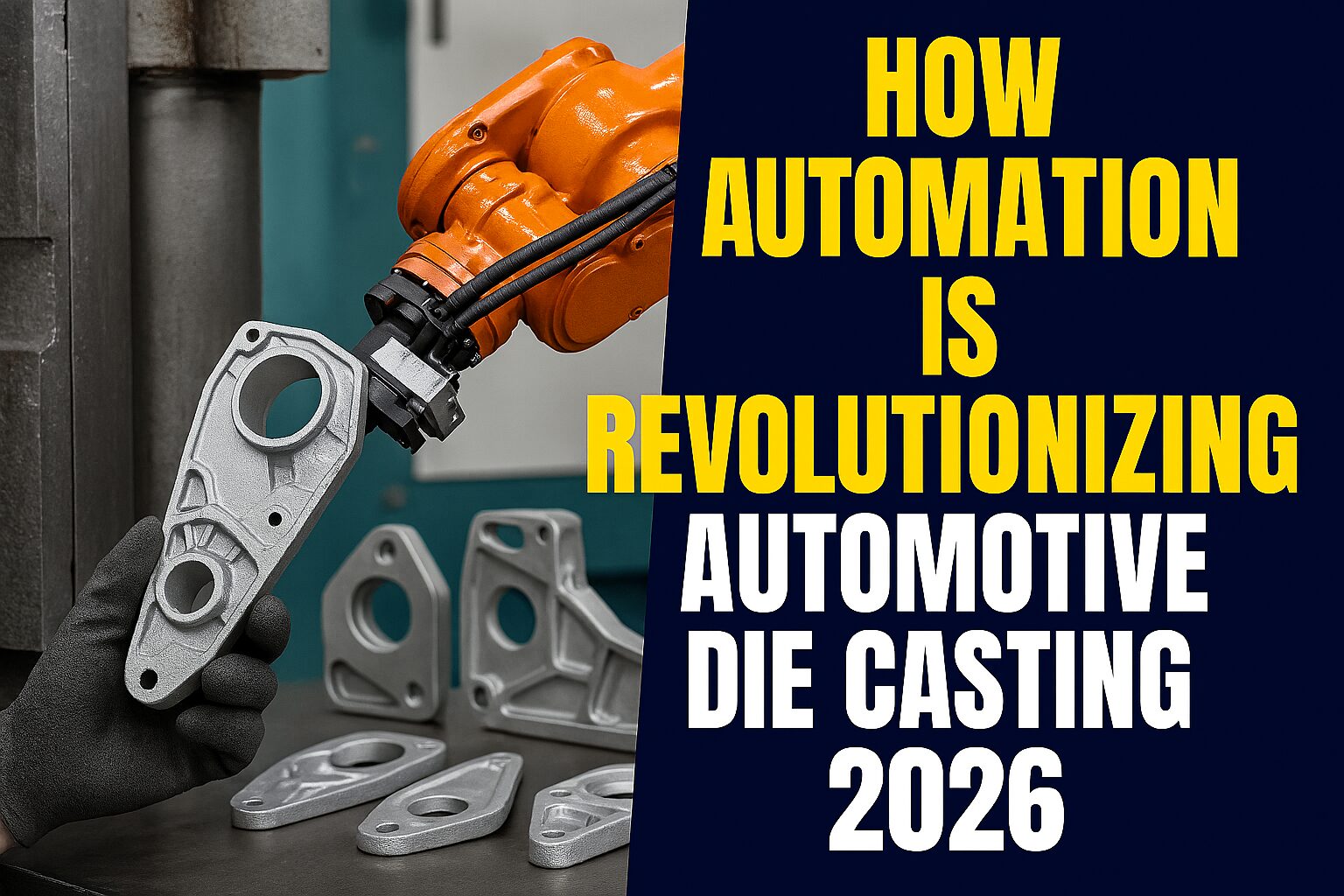
La automatización sería el turbocompresor en el caso de que la fabricación de automóviles sea una carrera. Ya no es un "nice-to-have", sino el motor de la velocidad, la calidad y la competitividad. La automatización de la fundición a presión en el sector de la producción de automóviles está transformando poco a poco las formas de fabricar vehículos.
¿Qué es la fundición inyectada para automoción?
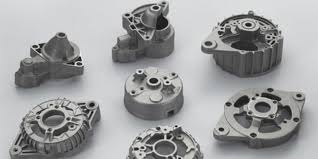
Automatización de la fundición a presión para automoción Es un proceso de producción en el que el metal fundido a alta presión (normalmente de aluminio, magnesio o zinc) se introduce a presión en un molde de acero. ¿El resultado? Componentes impregnados, ligeros y de dimensiones correctas, como el bloque del motor, la carcasa de la transmisión y la estructura.F
Por qué es importante la automatización en la fabricación moderna
La fundición a mano es como preparar una cena con una sola mano: es posible, pero resulta agotador y errático. La automatización aporta ritmo, consistencia y eficacia para que cada uno de los llamados platos se sirva a la temperatura adecuada.
Evolución de la fundición a presión en la industria del automóvil
Métodos tradicionales de fundición a presión
En el pasado, la fundición a presión dependía del trabajo manual. Los operarios se ocupaban del colado, la extracción de piezas y la inspección. La productividad era baja y la calidad fluctuaba en cada turno.
Transición de los sistemas manuales a los automatizados
Los procesos manuales no estaban a la altura a medida que los vehículos se hacían más complejos y la demanda se disparaba. La automatización intervino e introdujo robótica, sensores y programas en la fundición.
Principales hitos en la adopción de la automatización
Desde los brazos robóticos de los años 90 hasta las células inteligentes impulsadas por inteligencia artificial de hoy en día, cada avance tecnológico ha llevado a la industria automovilística a la puerta de la fabricación sin luces.
Automatización de la fundición a presión
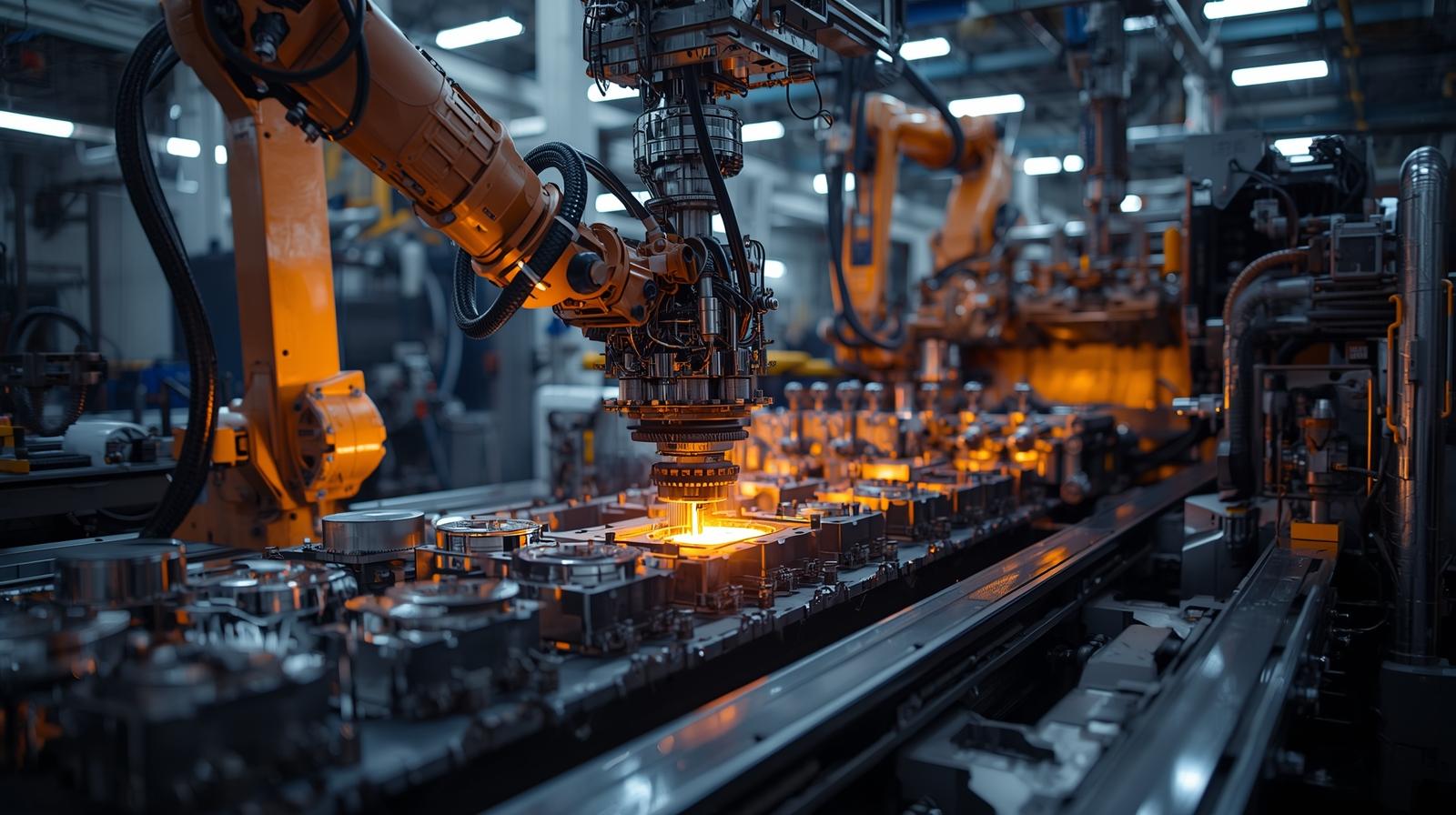
Procesos automatizados de fundición a presión mediante robótica y controles avanzados para mayor precisión, velocidad y uniformidad.
Componentes básicos de la fundición a presión automatizada
La automatización no implica una sola máquina, sino un ecosistema. Sistemas de control, transportadores, sensores y robots se combinan y actúan como una orquesta bien ensayada.
Robótica y manipulación automatizada
Los robots trabajan con metal fundido, desbarban y cortan el material sobrante y lo hacen con precisión y rapidez, algo que los humanos no pueden hacer.
Sensores, inteligencia artificial y controles inteligentes
Los sensores con seguimiento de IA supervisan la temperatura, la presión y los tiempos de ciclo, y el análisis de los datos conduce a la optimización de cada disparo.
¿Por qué la industria del automóvil adopta la automatización?
Aumento de la demanda de precisión y velocidad
Contemporary cars require a higher standard and shorter time to manufacture. Automation provides the two without sweat. many piezas de automoción are using die casting process.
La presión de los costes y la competencia mundial
Los precios de los productos son muy competitivos en todo el mundo y, como fabricante, es importante recortar los gastos, pero mejorando la calidad. La automatización hace precisamente lo mismo.
Retos en materia de seguridad y mano de obra
Es hora de confesarlo, la fundición a presión es caliente, pesada y peligrosa. La automatización elimina a los seres humanos en los procesos más peligrosos, proporcionando así entornos de trabajo más seguros.
Principales ventajas de la automatización de la fundición a presión para automoción
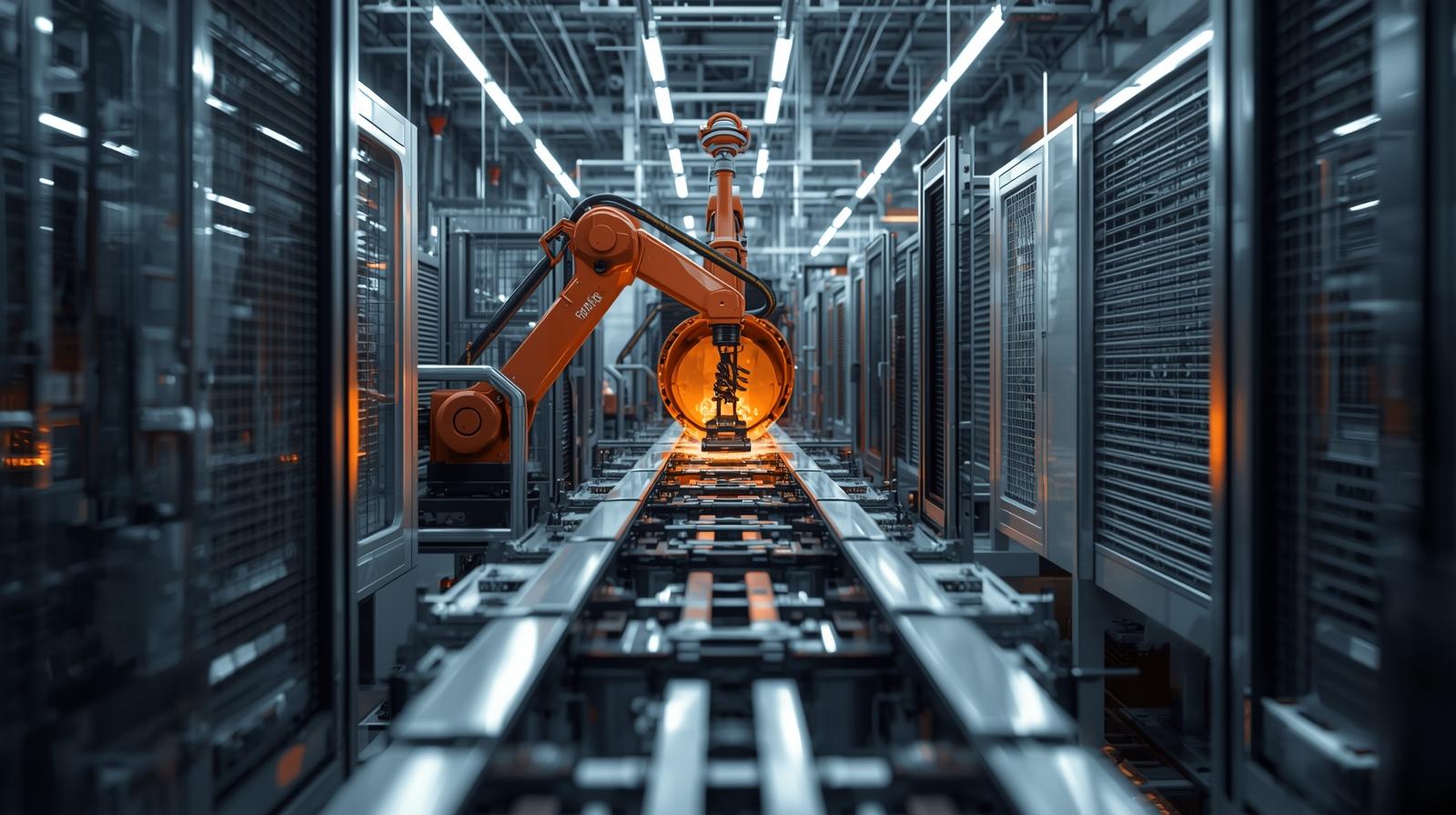
La automatización de la fundición a presión en la fabricación de automóviles mejora la precisión, reduce los defectos y aumenta la eficacia
Mejora de la eficacia de la producción
Las líneas automatizadas de fundición a presión funcionan sin problemas, con menos interrupciones, de forma más rápida y continua. La reducción de los tiempos de inactividad y la racionalización de las operaciones de trabajo impulsan la producción total y permiten a los fabricantes satisfacer las necesidades de producción de automóviles de gran volumen, con mayor eficacia y fiabilidad que con el proceso manual.
Mayor calidad y consistencia del producto
La automatización también garantiza que cada componente se fabrica según especificaciones precisas y elimina los errores humanos, la fatiga y las desviaciones. Esta coherencia aumenta la fiabilidad del producto, la minimización de defectos y la confianza en la calidad de las piezas de automoción.
Reducción de la chatarra y los residuos materiales
Los sensores inteligentes y los controles inteligentes identifican los defectos en la fase inicial de la producción, y no se desperdicia material innecesario. Menos desechos reducen el coste de las materias primas y disminuyen los residuos en el medio ambiente, lo que contribuirá al objetivo de reducción de costes, así como a una producción respetuosa con el medio ambiente.
Mayor seguridad en el trabajo
La automatización elimina a los empleados del trabajo peligroso y físicamente exigente, reduce el número de lesiones y accidentes. La reducción de los costes de seguros, la mejora de la moral del equipo y la oportunidad de concentrarse en la calidad, el control y la optimización de los procesos son las ventajas de unos entornos de trabajo más seguros.
Papel de la robótica en la fundición a presión de automóviles
Vertido y cuchareo robotizados
El vertido del metal fundido se realiza con precisión mediante robots informatizados que garantizan siempre el llenado de todos los moldes. Esto minimiza los defectos de calidad, aumenta la seguridad y garantiza la calidad en la fundición a presión de piezas de automóvil.
Extracción y recorte automatizados de piezas
La automatización corta y sujeta los componentes incluso en caliente, y acelera los ciclos de producción. Este proceso ayuda a mejorar la calidad de la superficie, minimiza el riesgo de mano de obra humana y mantiene las dimensiones uniformes de todas las piezas de fundición a presión de automoción.
Robots colaborativos en fundiciones
Los robots operan de forma segura junto con los trabajadores humanos que transfieren trabajos repetitivos o peligrosos. Esta colaboración permite a los trabajadores apuntar a la gestión de la calidad, la mejora de los procesos y la gestión, aumentando la eficacia y la seguridad en el lugar de trabajo.
Tecnologías inteligentes que impulsan la automatización
IA y aprendizaje automático en fundición a presión
El aprendizaje automático y la inteligencia artificial procesan los datos de producción, predicen defectos, seleccionan los parámetros de fundición y mejoran el control de calidad, convirtiéndose en una bola de cristal proactiva que avisa de los errores antes de que afecten al proceso de fabricación.
Integración del IoT industrial
IoT se ha aplicado a campos industriales para ayudar a las máquinas, sensores y sistemas a comunicarse en tiempo real. Esta conectividad permite una toma de decisiones más inteligente, un reconocimiento más rápido de los problemas y una optimización de la coordinación gracias a las actividades de los robots acoplados a las líneas automatizadas de fundición a presión.
Supervisión en tiempo real y mantenimiento predictivo
El estado y el rendimiento de los equipos se supervisan en un sistema automatizado. El mantenimiento predictivo se utiliza para detectar un posible fallo antes de que se produzca, lo que minimiza el tiempo de inactividad, mejora la eficiencia y también garantiza una producción continua y de calidad en los procesos de fundición a presión de automoción.
Automatización en la fundición a alta presión (HPDC)
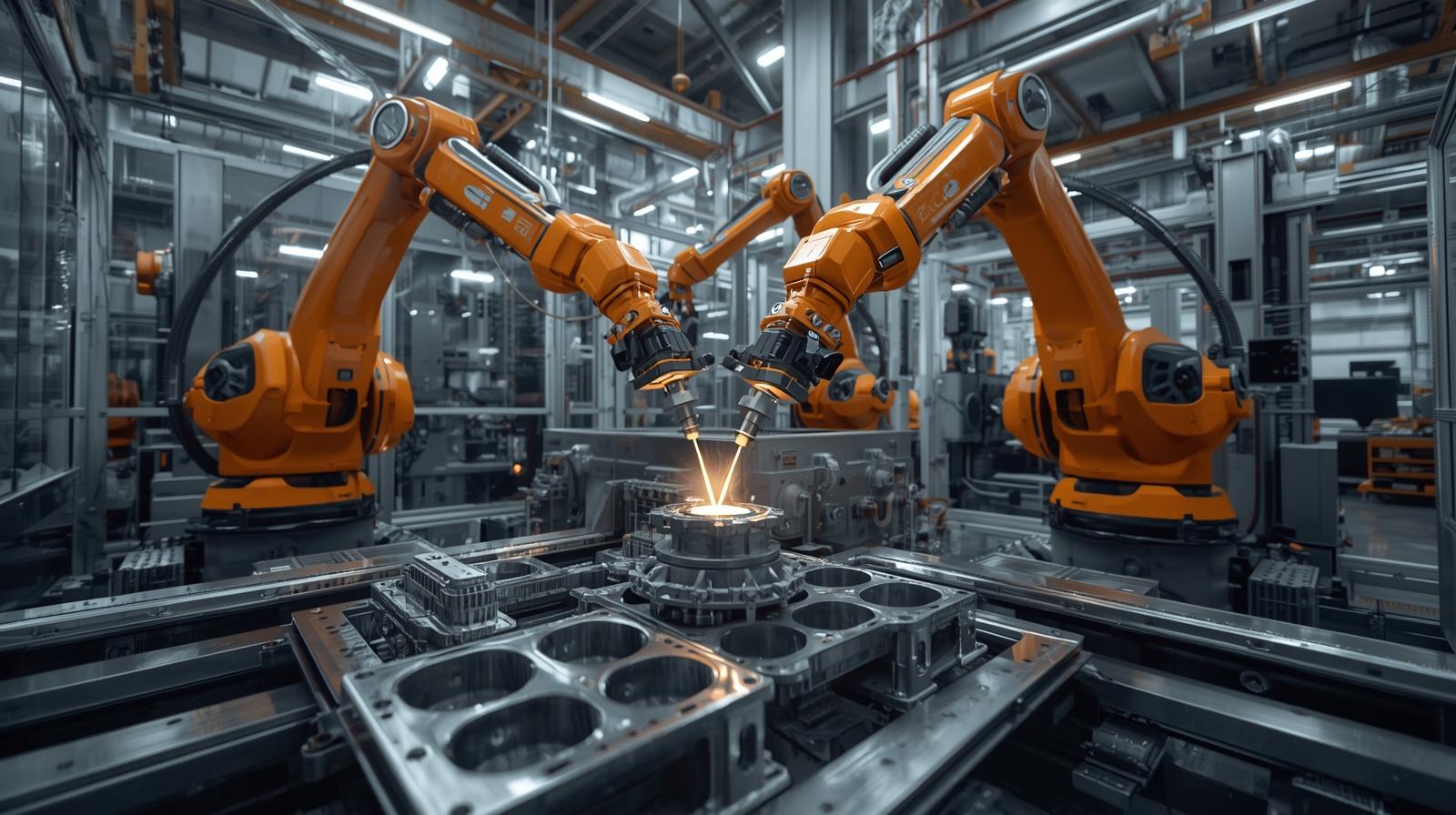
Automatización de la fundición a alta presión mediante robótica y controles avanzados para lograr precisión, velocidad y uniformidad
HPDC es la tecnología que crea piezas de automoción ligeras y duras a la vez, fundamentales para los automóviles contemporáneos. HPDC garantiza la integridad de la estructura, la precisión de las especificaciones de diseño y la eficiencia.
Ventajas de la automatización en las líneas HPDC
La automatización de las líneas HPDC garantiza un control preciso de la presión, la temperatura y el tiempo del ciclo en cuestión. El efecto de todo ello es el aumento de la velocidad de producción, la uniformidad de la calidad, la minimización de los defectos, la mejora del acabado de la superficie y la optimización del ciclo global de fundición a presión de automóviles.
Impacto en el diseño de componentes de automoción
Ligereza y geometrías complejas
Automatización La industria automovilística permite a los fabricantes generar piezas complejas y ligeras en grandes cantidades con un alto nivel de precisión, admitiendo geometrías complejas que antes eran difíciles o imposibles de producir. De este modo se forma menos peso en el vehículo, aumenta su eficiencia o consumo de combustible y se cuida su integridad estructural y sus niveles de seguridad.
Coherencia en los componentes estructurales
Las piezas de automoción implican componentes estructurales y deben ser absolutamente precisas y uniformes. El proceso de automatización garantiza que todas las piezas tengan tolerancias elevadas y minimiza los defectos, además de asegurar que la calidad pueda mantenerse de manera uniforme, lo que se garantiza en todas las series de producción, y es fiable, seguro y proporciona un alto rendimiento que no siempre puede mantenerse mediante el proceso de manipulación.
Sostenibilidad y beneficios medioambientales
Innovaciones respetuosas con el medio ambiente que aportan sostenibilidad y beneficios medioambientales a través de la eficiencia, el reciclaje y la reducción de la huella de carbono.
Eficiencia energética mediante la automatización
La automatización optimiza los ciclos de producción, que son precisos en términos de temperatura, presión y tiempo. Esto reduce la cantidad de energía empleada en cada pieza, recortando el coste de funcionamiento, y constituye una práctica sostenible de fabricación, además de consumir menos energía, ya que la actividad de fundición a presión utiliza menos energía en total.
Reducción de emisiones y residuos
La automatización tiene un enorme impacto en el medio ambiente, ya que reduce la chatarra, los reprocesamientos y el desperdicio de materiales. Controla al máximo el proceso de fundición a presión para reducir las emisiones, mejorar el uso de los recursos y ayudar a los fabricantes a continuar con enfoques relativamente más ecológicos de la producción de automóviles.
Retos de la automatización de la fundición a presión
Inversión inicial elevada
La automatización requiere una enorme inversión de capital en forma de adquisición de robótica, sistemas de IA y software. Sin embargo, su amortización en términos de inversión a largo plazo es enorme, ya que reducirá los gastos de mano de obra, aumentará el nivel de producción, reducirá los defectos y mejorará la eficiencia de todo el procedimiento de fundición a presión en la industria del automóvil.
Integración con sistemas heredados
Unir la nueva automatización con los equipos antiguos también puede resultar complicado, ya que las máquinas antiguas no pueden ser compatibles con el nuevo software, los sensores o la robótica. La implementación debe realizarse meticulosamente con personalización y despliegue para lograr un funcionamiento fluido e ininterrumpido.
Carencias de competencias y necesidades de formación
La automatización pone en juego sistemas complejos, que pueden exigir nuevas competencias, ya se trate de la programación de robots o de la interpretación de datos de producción. Por su parte, las empresas deben invertir en la formación de la mano de obra para que pueda actualizarse y asegurarse de que los operarios son capaces de supervisar, resolver problemas y optimizar los procesos automatizados de fundición a presión para garantizar que los resultados sean siempre coherentes.
Superar los retos de la automatización
Estrategias de automatización por fases
Empezar poco a poco, escalar con inteligencia. La automatización gradual ayudará a los fabricantes a poner a prueba las tecnologías, garantizar la rentabilidad y reducir las interrupciones. La automatización de un proceso cada vez ofrece a las empresas seguridad financiera, mayor adopción y confianza antes de aplicar la automatización a todo el proceso de fundición a presión.
Mejorar la cualificación de los trabajadores
La formación de los operarios los convertirá en especialistas en automatización al formarles en conocimientos de robótica, análisis de datos y supervisión del sistema. Una mano de obra competente aumenta la fiabilidad del sistema, disminuye los tiempos de inactividad y garantiza la cooperación eficaz de humanos y máquinas en las condiciones recientes de fundición a presión de automóviles.
Colaboración con expertos en automatización
Los socios adecuados facilitan una ejecución más fluida y rápida con la ayuda de conocimientos técnicos, soluciones eficaces y asistencia continua. Esto se debe a que las empresas de automatización cualificadas garantizarán que se eviten errores inocentes que conllevan costes elevados, se utilizarán para ayudar a integrarse sin problemas y pueden personalizar los sistemas de acuerdo con los requisitos de una producción específica de fundición a presión para automoción.
Ejemplos de la industria del automóvil
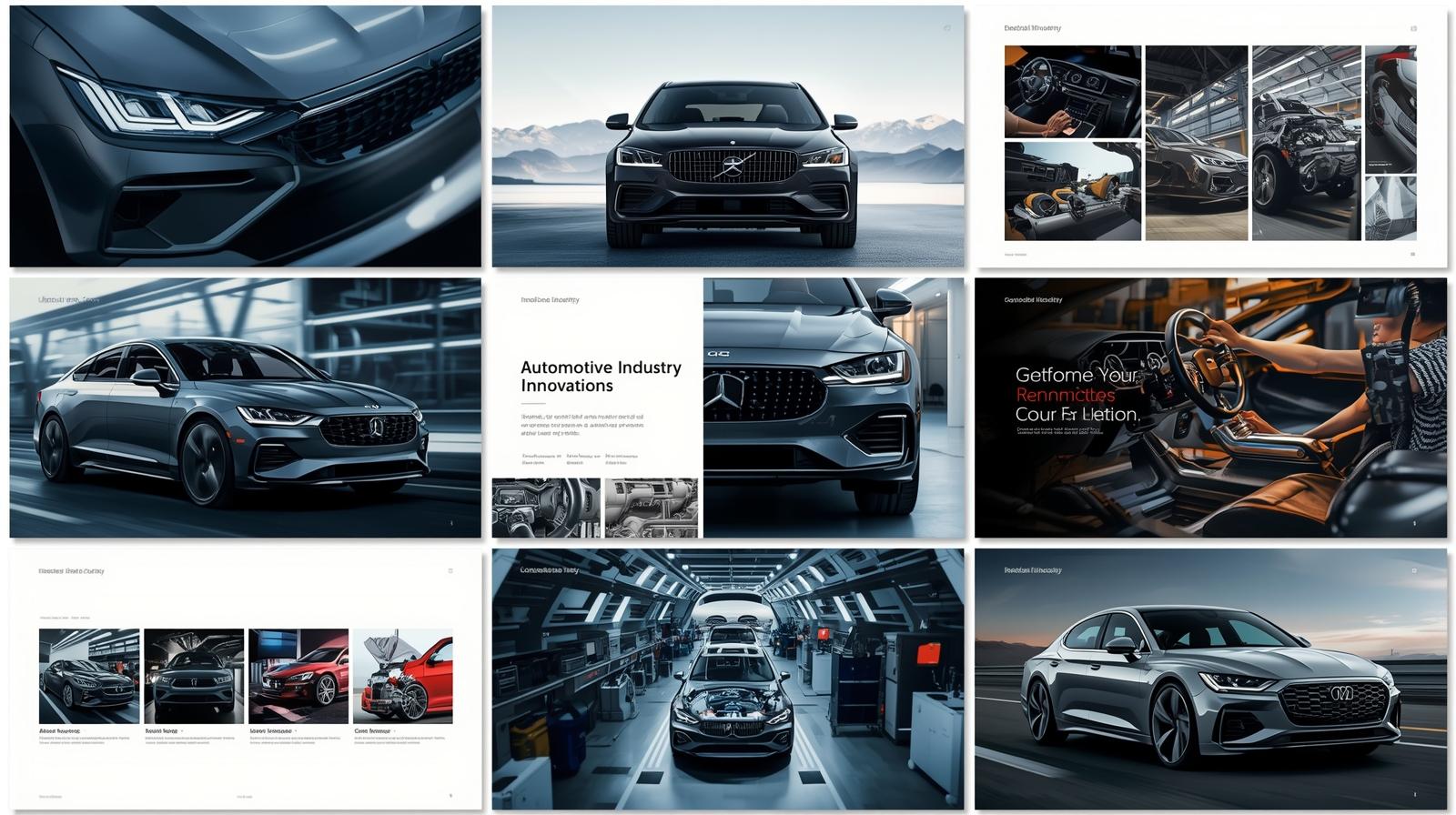
Ejemplos de casos de la industria automovilística que destacan los materiales avanzados, la automatización y las prácticas de fabricación respetuosas con el medio ambiente.
Los grandes fabricantes lideran la automatización
Fabricantes de automóviles de todo el mundo están invirtiendo en Gigafactory y en fundiciones automatizadas de pleno derecho, desplegando nueva robótica, inteligencia artificial y sensores inteligentes para mejorar la eficiencia de la producción, la precisión y la consistencia de la misma, recortar costes, el desperdicio de material y el esfuerzo humano en la producción de sofisticadas piezas de automoción.
Los proveedores de primer nivel adoptan fundiciones inteligentes
Para responder a las necesidades de los fabricantes de equipos originales, acelerar la producción, alcanzar estándares de alta calidad, reducir los desechos, aumentar los niveles de seguridad e implantar la supervisión basada en IA, la robótica y el mantenimiento predictivo, los proveedores de primer nivel están desplegando fundiciones inteligentes diseñadas para ser utilizadas en la implantación de la producción ambiciosa e inteligente de componentes de automoción.
Tendencias futuras en la automatización de la fundición inyectada para automoción
Mega Casting y Gig casting
La megafundición y la fundición gigante permiten a los fabricantes fabricar componentes de automoción grandes y únicos que pueden sustituir a decenas de piezas más pequeñas y que garantizan una mayor estructura, simplificación del montaje, reducción del tiempo y los costes de producción y una fabricación más rápida, resistente y eficaz.
Células de fundición a presión totalmente autónomas
Las células autónomas de fundición a presión permiten a las fábricas reducir al mínimo la intervención humana, ya que la robótica, la inteligencia artificial y los sistemas de supervisión inteligentes controlan los procesos de fundición, recorte y control de calidad, lo que mejora la eficacia de la producción, su uniformidad y seguridad, y reduce significativamente los costes operativos.
Gemelos digitales y simulación
Los gemelos digitales y la tecnología de simulación construyen copias virtuales de los procesos de fundición a presión, lo que permite a los ingenieros optimizar los diseños, anticipar los resultados, evitar fallos, probar las posibilidades e introducir mejoras antes de la producción real, ahorrando tiempo, materiales y otros errores perjudiciales que consumen mucho dinero.
Cómo elegir la solución de automatización adecuada
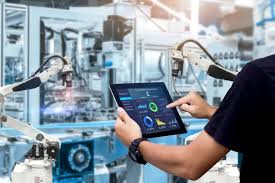
La selección de la solución de automatización adecuada requiere un equilibrio entre eficiencia, escalabilidad, coste y sostenibilidad a largo plazo.
Evaluación de las necesidades de producción
A veces no es necesaria la automatización completa de todas las plantas de fundición a presión de la industria del automóvil. La evaluación del volumen de producción y las complejidades de las piezas y las necesidades del flujo de trabajo ayudarán a considerar cuáles de los procesos deben automatizarse primero para poder invertir con eficacia e introducir tecnologías más sofisticadas de forma lenta pero segura.
Escalabilidad y rentabilidad
El reto consiste en incluir soluciones de automatización; debe asegurarse de que se decide por sistemas que seguirán el ritmo de su empresa. El análisis del retorno de la inversión a largo plazo, la flexibilidad y las posibilidades de actualización son importantes para demostrar la rentabilidad de la automatización a medida que crecen los requisitos de producción.
Conclusión
No hay nada como la automatización revolucionando la fundición a presión en la industria del automóvil: la está revitalizando. De robots autónomos a conocimientos basados en IA Convertir la automatización de la fundición a presión en un producto básico en la producción de automóviles es la clave para que la producción de vehículos sea más rápida, segura y sostenible. El futuro no se acerca, empieza a hervir en la planta de fundición.
Preguntas frecuentes
¿Qué significa la automatización de la fundición a presión para la industria automovilística?
Se trata de la automatización de la fundición a presión de piezas de automóviles con ayuda de la robótica, la IA y los sistemas inteligentes.
¿Qué importancia tiene la automatización en la fundición a presión de automóviles?
Mejora la eficiencia, la calidad, la seguridad y la rentabilidad.
¿Debe automatizarse la fundición a pequeña escala?
Sí, los fabricantes más pequeños pueden tenerlo ahora con la automatización por fases y modular.
¿Cuáles son las ventajas de la automatización para la sostenibilidad?
Mediante la reducción de residuos, el ahorro de energía y la reducción de emisiones.
¿Qué ocurre con la automatización de la fundición a presión de automóviles?
Sistemas de fabricación totalmente autónomos, automatizados y de gran flexibilidad.
0 Comentarios