
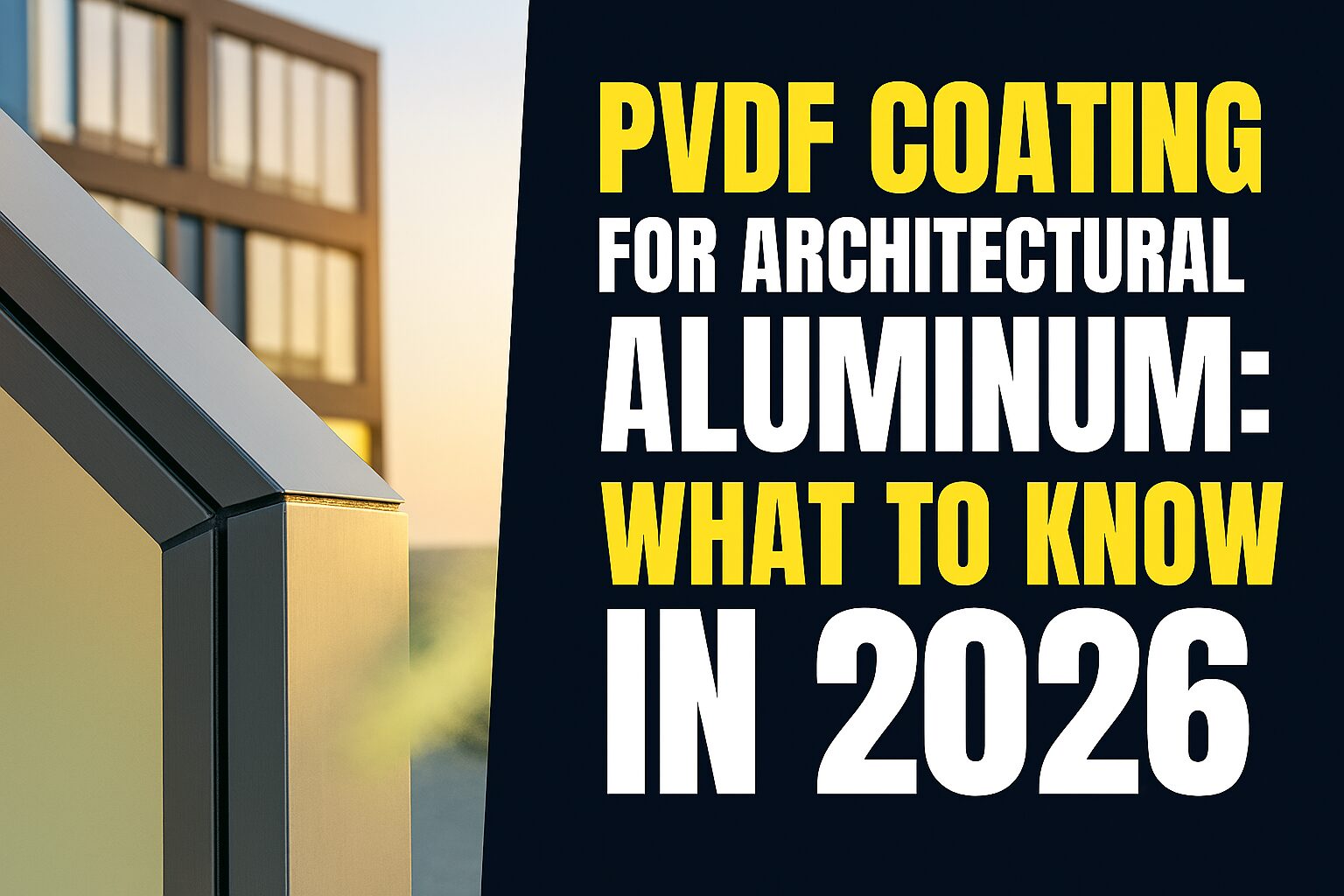
En la lista de acabados de aluminio de larga duración suele figurar el PVDF, que arquitectos y constructores se imaginan. Y realmente no es una coincidencia. Esta nueva tecnología de revestimiento se ha convertido en el estándar del aluminio arquitectónico, que se utiliza en fachadas, muros cortina, sistemas de ventanas, etc.
Los materiales que se utilizan en la industria de la construcción contemporánea tienen que rendir más que simplemente parecer atractivos. Tendrán que trabajar bajo la luz del sol, la contaminación, la lluvia y los cambios de temperatura. Aquí reside la fuerza de los revestimientos de PVDF. Proporcionan estabilidad, belleza y tranquilidad en un paquete.
Además, la tendencia mundial hacia la construcción de edificios sostenibles ha predeterminado la importancia cada vez mayor de los revestimientos de alto rendimiento. La reducción del mantenimiento, el aumento de la vida útil de los materiales y la capacidad de los edificios para mantener su valor durante décadas son las ventajas reales que ofrecen los revestimientos de PVDF. En pocas palabras, son una decisión sabia y futurista.
¿Qué significa PVDF?
PVDF es un acrónimo que se refiere a fluoruro de polivinilideno que es un fluoropolímero de alto rendimiento caracterizado por una alta durabilidad y capacidad para resistir el daño por el medio ambiente. A pensar en ello como un escudo de superhéroes de aluminio superficies delgadas, que no son visibles, y tienen un gran poder.
Por qué es importante el revestimiento de PVDF en arquitectura
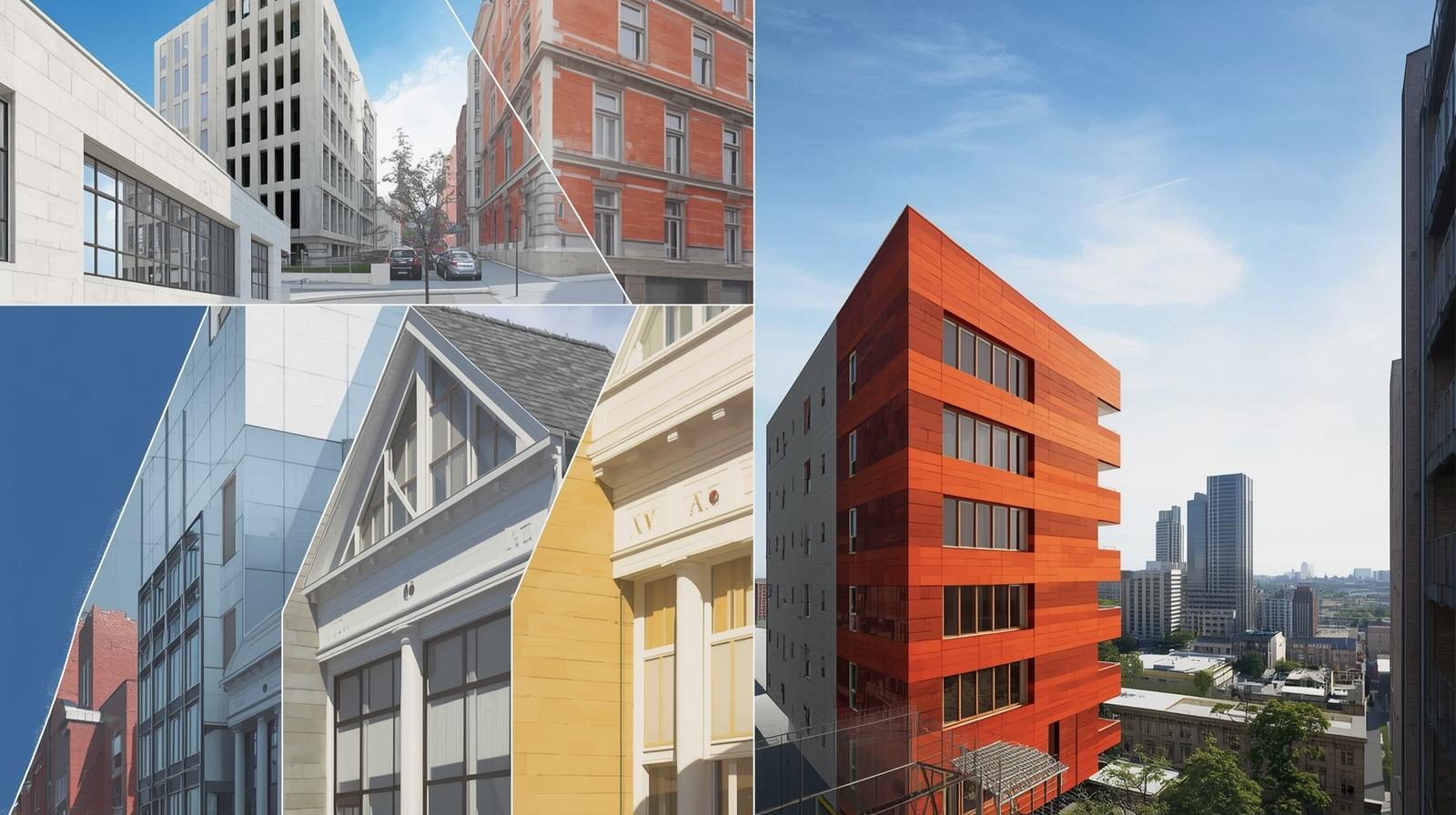
Paneles arquitectónicos con revestimiento de PVDF que ofrecen retención del color a largo plazo, resistencia a la intemperie y un diseño elegante
El aluminio arquitectónico está expuesto las 24 horas del día, los 7 días de la semana. Lluvia, rayos ultravioleta, niebla tóxica, lo que sea. El aluminio se deteriora rápidamente en ausencia de protección. Los revestimientos de PVDF sirven de escudo, ya que mantienen la estructura y el aspecto intactos.
De acuerdo con las directrices proporcionadas por diferentes organismos como la AAMA, el revestimiento de PVDF siempre sale favorecido frente a sus homólogos cuando se trata de uso en exteriores.
Comprender el aluminio arquitectónico
Hablemos del material tratado antes de profundizar en el revestimiento del mismo.
Por qué el aluminio es el metal de moda en la arquitectura moderna
El aluminio no pesa, es potente, resistente a la corrosión y puede reciclarse indefinidamente. Tiene la navaja suiza de la construcción versátil, fiable y eficiente.
Usos comunes del aluminio en el diseño de edificios
Muros cortina
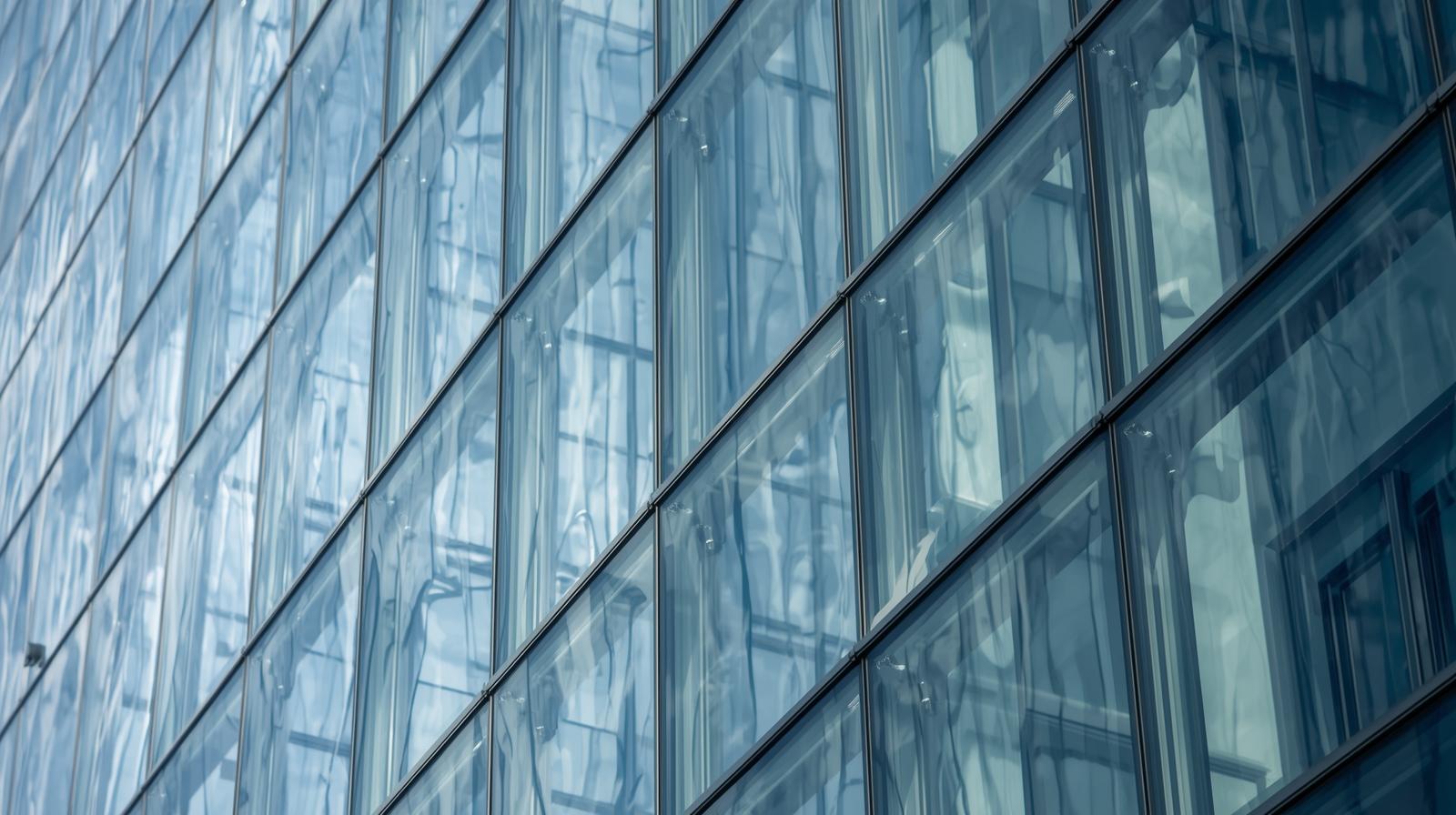
Muros cortina de aluminio aplicados en edificios comerciales por su eficiencia energética, durabilidad y atractivo estético
Los rascacielos se caracterizan por sus muros cortina. Se trata de muros exteriores no estructurales, de naturaleza resistente y flexible, que utilizan un revestimiento de PVDF para embellecerlos.
Marcos de ventanas y puertas

Marcos de ventanas y puertas de aluminio aplicados en edificios residenciales y comerciales por su durabilidad, eficiencia energética y elegante diseño
Los marcos de aluminio PVDF no se decoloran ni pelan incluso en presencia del sol.
Fachadas y sistemas de revestimiento

Fachadas y sistemas de revestimiento de aluminio aplicados en edificios por su durabilidad, resistencia a la intemperie y diseño elegante
Las fachadas de los edificios son las que más sufren. El revestimiento de PVDF es como una armadura que protege los paneles de aluminio contra las inclemencias del tiempo.
¿Qué es el revestimiento de PVDF?
Composición y estructura química
PVDF es un acrónimo que significa fluoruro de polivinilideno, una resina de fluoropolímero de alto rendimiento. Sin embargo, los revestimientos básicos contra la erosión incluyen una capa de PVDF compuesta por:
- 70% Resina de PVDF
- Resinas acrílicas y pigmentos 30%
Esta formulación crea una potente unión molecular que no se rompe fácilmente. En consecuencia, las superficies de aluminio recubiertas con PVDF pueden resistir sin decolorarse ni descascarillarse en entornos desfavorables.
Método de recubrimiento de PVDF.
La mayor parte del revestimiento de PVDF se realiza en forma líquida en situaciones controladas en fábrica. Se aplican altas temperaturas en la limpieza, el revestimiento y el horneado del aluminio para garantizar un alto nivel de adherencia.
La ciencia detrás del rendimiento del PVDF
Explicación de la resistencia a los rayos UV
Las pinturas ordinarias son malas a la luz solar. En cambio, el revestimiento de PVDF es muy resistente a los rayos UV y no se descascarilla ni se destiñe, ni cambia de color.
Protección contra la intemperie y la corrosión
El aire salado y los revestimientos contaminantes hacen que el PVDF los agite. Esto los idealiza en el entorno costero y urbano.
Retención del color y estabilidad del brillo
¿Ha visto alguna vez un edificio que parezca nuevo incluso después de muchas décadas? Probablemente esté recubierto de PVDF.
Ventajas de los revestimientos de PVDF para aluminio arquitectónico

Paneles arquitectónicos de aluminio con revestimiento de PVDF que destacan por su durabilidad, resistencia a los rayos UV y retención del color a largo plazo.
El revestimiento de PVDF tiene su reputación para ganar en esto. Vamos a deconstruir las principales ventajas que lo convierten en la elección de los arquitectos del mundo.
Versatilidad estética
Los revestimientos de PVDF, que van del negro mate al metalizado brillante, ofrecen posibilidades de diseño casi ilimitadas.
Durabilidad y resistencia a la intemperie
El revestimiento de PVDF se crea con una vida útil de 20-30 años o más. Resisten:
- Radiación UV
- Lluvia ácida
- Exposición costera a la sal
- Un cambio en las temperaturas extremas.
En términos sencillos, se mantienen donde otros fracasan en cuanto a su revestimiento.
Retención del color y estética
Una de las ventajas del revestimiento de PVDF es que conserva el color. Los colores no se destiñen incluso después de años de exposición al sol. Esto lo hace ideal para:
- Edificios emblemáticos
- Fachadas de gran visibilidad
- Diseños arquitectónicos a medida.
Es flexible para deleite de los arquitectos. A los propietarios de edificios les gusta la durabilidad.
Beneficios medioambientales y de sostenibilidad
Los revestimientos de PVDF están de acuerdo con la construcción sostenible porque:
- Reducción de los ciclos de repintado
- Minimizar el desperdicio de material
- Prolongación de la vida útil del aluminio.
El mantenimiento reducido implica que se utilizan pocos recursos a largo plazo. Eso es una ganancia para todos.
Requiere poco mantenimiento
No hace falta bañarse cuando basta con un poco de agua y jabón. No hay nada que repintar ni reparar.
PVDF frente a otros sistemas de revestimiento
Revestimientos de PVDF frente a poliéster
El poliéster tiene un precio bajo, pero es más responsable. El PVDF es más caro a corto plazo, pero más económico a largo plazo.
PVDF vs Anodizado
El anodizado tiene el aspecto natural de los metales, pero pocos colores. El PVDF es un ganador en términos de naturaleza flexible y capacidad para manejar el color.
Comparación de costes y prestaciones
Considere el PVDF una mejor inversión con una inversión inicial elevada y un mejor rendimiento.
| Comparación de sistemas de revestimiento | Revestimiento de PVDF | Recubrimiento alternativo |
|---|---|---|
| Revestimientos de PVDF frente a poliéster | Mayor coste inicial pero excelente retención del color y durabilidad a largo plazo; ahorra dinero con el tiempo. | Menor coste inicial, pero se decolora más rápido y requiere un mantenimiento o repintado más frecuente. |
| PVDF vs Anodizado | Amplia gama de colores, acabados y flexibilidad de diseño con gran resistencia a la intemperie | Aspecto metálico natural con opciones de color limitadas y menos flexibilidad de diseño |
| Coste frente a rendimiento | Inversión de primera calidad con un rendimiento superior a largo plazo, durabilidad y bajo mantenimiento | Menor inversión inicial pero mayores costes del ciclo de vida debido a la menor longevidad. |
Tipos de revestimientos de PVDF
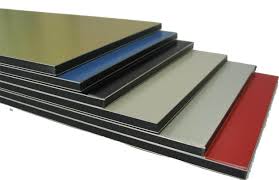
Revestimientos de PVDF disponibles en colores sólidos, acabados metálicos y opciones texturizadas para aplicaciones arquitectónicas.
70% Revestimientos de PVDF
El estándar del sector en acabados de PVDF 70% se ha utilizado en proyectos arquitectónicos por su larga duración, su resistencia a las condiciones climatológicas y su durabilidad. Se confía en su uso en aplicaciones comerciales y residenciales y representan el equilibrio adecuado entre rentabilidad y fiabilidad, siendo el estándar en cuanto a exteriores de edificios en todo el mundo.
80% PVDF y variantes Premium
Los acabados de PVDF 80% y los compuestos de alta calidad son superiores en todas las aplicaciones, ya que estas decoraciones están diseñadas para soportar condiciones meteorológicas extremas, especialmente cuando se trata de una zona costera o de una estructura de arquitectura histórica. El revestimiento avanzado proporciona una mayor resistencia a la radiación UV, la corrosión y los contaminantes para garantizar la máxima longevidad y, por lo tanto, son adecuados en proyectos de construcción exigentes de alto perfil.
Recubrimientos de PVDF líquidos frente a en polvo.
Líquido Revestimientos de PVDF desempeñan el papel más importante porque pueden aplicarse en arquitectura gracias a su versatilidad y rendimiento demostrado. No obstante, el uso de productos en polvo a base de PVDF va en aumento como opciones alternativas respetuosas con el medio ambiente que proporcionan bajas emisiones de COV, un procedimiento de aplicación sostenible y una longevidad superior y responden de forma sostenible a las normativas actuales sobre construcción ecológica y cumplimiento de la normativa ecológica.
Proceso de solicitud de aluminio arquitectónico

Aplicación paso a paso del aluminio arquitectónico para fachadas, revestimientos y sistemas de ventanas
Preparación de la superficie
El revestimiento de aluminio arquitectónico depende de la preparación de la superficie. El sustrato debe estar perfectamente limpio para que el proceso de adhesión sea muy fuerte y cualquier contaminación pueda afectar al rendimiento. Una limpieza y un pretratamiento óptimos constituyen la base de una construcción y unos acabados arquitectónicos de gran durabilidad y larga vida útil.
Etapas de imprimación, capa de color y capa transparente.
La construcción de acabados arquitectónicos de aluminio se basa en tres pasos: la imprimación, que adhiere, la capa de color, que proporciona cualidades estéticas, y la capa transparente, que proporciona cualidades protectoras. Todas estas capas se combinan para mantener la longevidad, la durabilidad y la belleza, razón por la cual son necesarias en los exteriores recientes de los edificios.
Control de calidad y normas de ensayo.
El problema es que hay que llevar un estricto control de calidad sobre los revestimientos de aluminio arquitectónico para que se correspondan con las normas del sector. Los controles garantizan la consistencia del grosor, la adherencia y la uniformidad del color, asegurando un rendimiento constante. Las pruebas estrictas garantizan el ciclo de vida y, por tanto, en las obras de construcción, la durabilidad de los revestimientos, ya que se mantiene la belleza a largo plazo y la integridad estructural.
Opciones de color y libertad de diseño

Paneles de aluminio con revestimiento de PVDF que ofrecen diversas opciones de color y flexibilidad de diseño para edificios modernos
Acabados metálicos, sólidos y con efectos especiales
Los revestimientos de PVDF son acabados versátiles que pueden utilizarse para imitar piedra, madera o metal cepillado sin problemas de mantenimiento. Son de alto rendimiento y diseño que superan y transforman el aspecto de las superficies de aluminio arquitectónico en rendimiento de larga duración con flexibilidad arquitectónica en el diseño.
Combinación de colores personalizada para arquitectos
El revestimiento de PVDF ofrece una perfecta coincidencia de colores, lo que permite obtener el color exacto de diseños únicos, ya que los arquitectos pueden elegir el color que deseen. Esta flexibilidad garantiza uniformidad, libertad artística y gran efecto visual en cualquier variedad de uso arquitectónico y megaobras de construcción.
Normas de funcionamiento y certificaciones
Explicación de las normas AAMA
AAMA 2605 es el estándar más elevado de revestimiento arquitectónico de alto rendimiento.
Puntos de referencia internacionales de calidad.
Las normas mundiales han uniformizado el revestimiento de PVDF en todo el mundo.
Mantenimiento y cuidado del aluminio revestido de PVDF

Los paneles de aluminio con revestimiento de PVDF se mantienen con una limpieza y un cuidado adecuados para preservar la durabilidad y la retención del color.
Buenas prácticas de limpieza
Las superficies revestidas de PVDF se mantienen limpias y presentables limpiándolas regularmente con un detergente suave. Una limpieza ligera ayuda a mantener la durabilidad a largo plazo que protege el acabado arquitectónico del aluminio contra la suciedad, las manchas y la exposición al medio ambiente.
Errores comunes que hay que evitar
No utilice detergentes ni productos químicos agresivos para limpiar las superficies recubiertas de PVDF. Estos productos destruyen los acabados, acortan el ciclo de vida y menoscaban la belleza. Las técnicas de limpieza poco agresivas ayudan a preservar la durabilidad garantizando que el revestimiento quede intacto y no deje el perfil estético.
Consideraciones económicas
Inversión inicial frente a coste del ciclo de vida
El coste de los revestimientos de PVDF puede suponer más gastos iniciales, mientras que su extraordinaria durabilidad y longevidad ofrece un ahorro considerable durante su ciclo de vida. Su bajo mantenimiento, su alta resistencia a la intemperie y su durabilidad en el uso en un edificio de aluminio hacen que su uso arquitectónico sea más económico.
Factores que influyen en la fijación de precios
Revestimiento de PVDF puede hacerse en términos de coste dependiendo de la complejidad en el color, el grosor del revestimiento y el tamaño del proyecto. Los compromisos como los colores personalizados, los acabados de alta calidad y la gran escala suben de precio, mientras que las aplicaciones estandarizadas ofrecen asequibilidad y calidad al mismo tiempo para garantizar lo mejor a los proyectos arquitectónicos.
Aplicaciones del revestimiento de PVDF en la arquitectura moderna
Su versatilidad ha permitido utilizar el revestimiento de PVDF en numerosos campos de la arquitectura.
Edificios comerciales
El aluminio recubierto de PVDF se utiliza en grandes cantidades en torres de oficinas, centros comerciales y aeropuertos. ¿Por qué? Debido al hecho de que estos edificios requieren:
- Aspecto coherente
- Bajo mantenimiento
- Valor a largo plazo
Esto es muy ventajoso para los muros cortina y los sistemas de revestimiento.
Proyectos residenciales y de uso mixto
Las barandillas, balcones y marcos de ventanas revestidos de PVDF se utilizan en los edificios residenciales de gama alta. El resultado es un aspecto contemporáneo y limpio que proporciona una década de longevidad.
Usos industriales y especializados
Los pagadores de PVDF también están presentes:
- Centros de transporte
- Centros sanitarios
- Instituciones educativas
El PVDF se siente como en casa en cualquier lugar en lo que a durabilidad y limpieza se refiere.
Elegir el proveedor de revestimiento de PVDF adecuado
Qué buscar en un fabricante
Seleccione fabricantes de revestimiento de PVDF que tengan un historial y trabajos probados en la industria; que tengan los reconocimientos requeridos por la industria y un buen historial en los proyectos. Estos factores garantizan la durabilidad a largo plazo, el rendimiento de calidad y la fiabilidad del uso arquitectónico del aluminio.
Banderas rojas a evitar
No se deben tomar fabricantes que no tengan especificaciones claras, que no tengan garantías o que no sean de calidad fiable. Estos problemas afectan al rendimiento del revestimiento, disminuyen la durabilidad y amenazan con fallos costosos en los proyectos de aluminio arquitectónico.
Tendencias futuras en revestimientos de PVDF

Innovadores revestimientos de PVDF que ofrecen durabilidad avanzada, soluciones ecológicas y mayores posibilidades de diseño en la arquitectura moderna
Recubrimientos inteligentes y tecnologías avanzadas
La futura generación de revestimientos de PVDF incorporará tecnología inteligente, como la autolimpieza y la reflexión de la energía. Las nuevas innovaciones hacen que los edificios sean más eficientes, permiten reducir el mantenimiento de los edificios e inducen un alto grado de sostenibilidad, lo que los hace adecuados para los modernos proyectos arquitectónicos en busca de estabilidad, rendimiento y sostenibilidad del medio ambiente.
Innovaciones ecológicas
Productos y procesos COV ecológicos Se están desarrollando revestimientos de PVDF ecológicos (inocuos para el medio ambiente). Se trata de desarrollos a largo plazo que reducen el impacto medioambiental, de acuerdo con los requisitos actuales de los edificios ecológicos, y ayudan a los arquitectos a cumplir la normativa moderna y garantizar al mismo tiempo la durabilidad, el aspecto y la funcionalidad.
Conclusión
El revestimiento arquitectónico de aluminio PVDF no es un acabado, es una inversión en proyecto. Con la capacidad de proporcionar durabilidad, mantener la estabilidad de los colores y un bajo mantenimiento, salvaguardan de forma segura los edificios, además de inspirar a los arquitectos para que sean creativos. El revestimiento de PVDF sería la solución inteligente en rendimiento a largo plazo y flexibilidad en el diseño de edificios.
Preguntas frecuentes
¿Cuál es la mayor duración del revestimiento de PFD sobre aluminio?
20-30 años en el medio ambiente, así como su mantenimiento.
Revestimiento de PVDF, ¿es apropiado en regiones costeras?
Sí, es muy resistente a la niebla salina y a la corrosión.
¿Existe una dependencia temporal del desvanecimiento de los revestimientos de PVDF?
La decoloración es insignificante incluso décadas después de la exposición a la luz solar.
¿Es el revestimiento de PVDF respetuoso con el medio ambiente?
Es reciclado y tiene una larga vida útil, lo que lo hace sostenible.
¿Qué es mejor, PVDF o pintura en polvo para la arquitectura?
En general, el PVDF es mejor en aplicaciones arquitectónicas exteriores que un revestimiento en polvo normal.
Póngase en contacto con nosotros
0 Comentarios