
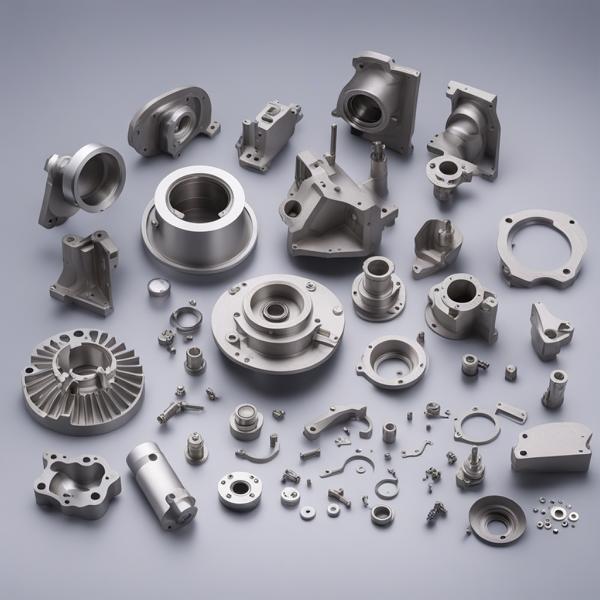
You may not know much about magnesium as you know about aluminum or steel. However, you may be using magnesium parts every day. It is one of the lightest metals on earth. Magnesium comes with an excellent strength-to-weight ratio. Besides, the melting point of magnesium is also relatively low compared to other metals. These two qualities make magnesium an ideal metal for many applications. You may find it widely used in the automotive, aerospace, and electronics industries.
In industry, magnesium alloys are used to produce a range of metal parts. And the process of making them may involve casting, welding, and alloying. All these processes require precise control of the melting point.
This article tells you everything about the melting point of magnesium. We will mainly focus on the different melting points of Mg alloys. Besides, you will also learn what factors typically affect this point. Overall, this guide can help you better understand magnesium melting points. It can also help you choose the right material for your projet.
Understanding Magnesium and Its Properties
Magnesium is the 12th element among 118 elements in the periodic table. It is the 8th most abundant element on earth. And, it is the 3rd most dissolved metal in the sea. Magnesium is one of the remarkable alkaline elements. It is incredibly lightweight and offers an excellent strength-to-weight ratio. Compared to aluminum, it is roughly two-thirds dense.
Nowadays, magnesium is one of the most widely used metals to produce lightweight parts. Manufacturers produce a wide range of parts, including automotive parts and housing components. Understanding its properties helps you determine which sectors it fits best. Specifically, knowing the melting point of magnesium is also crucial.
Propriétés chimiques
Magnesium is one of the highly reactive metals among 118 chemical elements. When exposed to air, it instantly forms a magnesium oxide layer on the metal surface. This layer later protects metal from deep corrosion. During heating up, it produces a brilliant white flame.
| Symbole | Numéro atomique | Atomic Mass | Valency |
| Mg | 12 | 24.305 | +2 |
| Electron configuration | Réactivité | Oxidation Behavior | Résistance à la corrosion |
| [Ne] 3s2 | Haut | Forms MgO in air | Modéré |
Propriétés physiques
Magnesium is known for its lightweight and glossy, bright appearance. Compared with steel and aluminum, it weighs much less. As a result, people find it useful for portable gear that is easy to handle. Generally, its natural silver look makes it appealing and modern.
| Densité | Apparence | Structure cristalline | Dureté |
| 1.738 g/cm³ | Silvery-white metal | HCP | Relatively Soft |
| Conductivité électrique | Magnetic Properties | Malleability | Ducitility |
| Good Conductor | Non-magnetic | Modéré | Limitée |
Propriétés thermiques
Magnesium is an excellent thermal property holder. It can smoothly transfer the heat from the hot components. It helps prevent the device from overheating while in heavy use in a workstation. However, it may expand during overheating while remaining stable. Its low melting point makes it an ideal material for energy-efficient casting.
| Point de fusion | Point d'ébullition | Conductivité thermique | Heat Capacity |
| 650°C | 1,091°C | Excellent | Haut |
| Thermal Expansion | Résistance à la chaleur | Ignition Temperature | Stabilité thermique |
Mechanical Properties at Different Melting Points
Magnesium behaves differently when the temperature changes. It happens especially when the value is near the melting point. Its strength can change. The shape may differ and may start to flow. Below are three simple stages that show how this element changes from solid to liquid.
Stage 1: Liquid Stage
The melting point of magnesium is the temperature at which it enters the liquid phase. When the temperature rises, the atoms gain enough energy to move freely across the entire metal body. Thus, it leads to a liquid state, which is crucial for injection molding. But you have to maintain consistent quality and safety precautions over the melting process.
Stage 2: Solid Stage
When magnesium cools below its melting point, it solidifies in the HCP (hexagonal close-packed) structure. Here, in this state, the metal remains highly strong, rigid, and lightweight. The atoms lock into a pattern that creates an HCP shape.
Stage 3: Viscosity
Viscosity indicates how easily the molten metal flows. At the melting point of magnesium, its viscosity is similar to that of water. It has low viscosity, allowing the molten metal to fill intricate, thin-walled cavities without issues. During the cooling phase, viscosity increases and solidifies.
Why Does the Melting Point of Magnesium Matter?
You will need the melting point of magnesium in many areas. The correct use of this value will ensure proper metalworking. Besides, it is also necessary to handle magnesium safely. When you use inaccurate heating, things might not turn out as you expect. This is why the melting point of magnesium matters.
Processus de fabrication
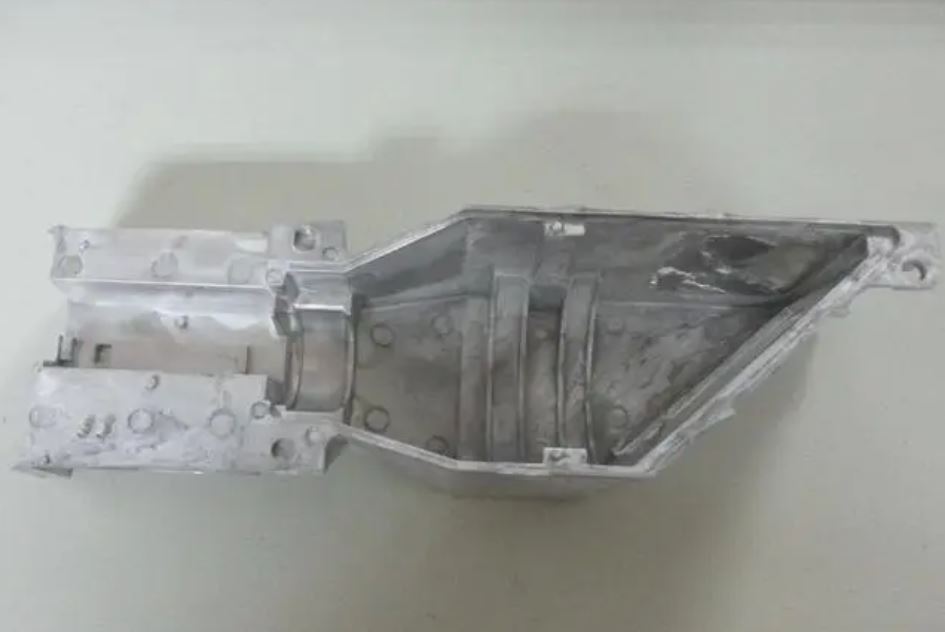
In magnesium manufacturing, people utilize the high-pressure casting method to give shape. Here, the makers pour the molten metal into the steel mold cavity to create complex shapes. The melting point of magnesium dictates the entire process. The melting point is 650°C, which is lower than that of aluminum, which requires less thermal energy. Thus, it allows faster production while decreasing the thermal stress on the mold.
Alloy Development
Engineers utilize the melting point of magnesium to produce specialized alloys such as AZ91D. In this process, they mix magnesium with aluminum or zinc. The melting of magnesium is vital to ensure uniform mixing of the alloys. Accurate control over the temperature ensures the atoms blend perfectly, leading to strong, ductile alloys.
Safety Handling
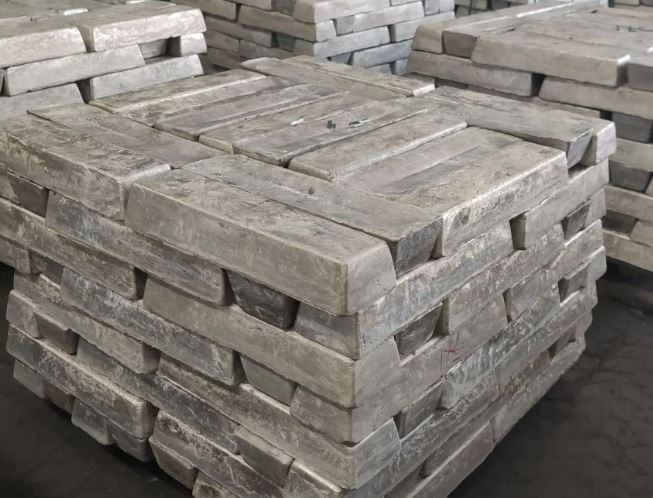
During the manufacturing process, safety handling is one of the most vital steps. When the metal reaches its melting point, it becomes highly reactive. Once exposed to oxygen, it ignites instantly. Therefore, knowing the melting point of magnesium allows workers to set the exact temperature precisely, limiting the furnace.
Scientific Research
In scientific research, researchers study how the magnesium atoms bond. They focus on its HCP structure and how it collapses as heat increases to the melting point. Using these data helps to generate new ideas and develop magnesium alloys that can withstand extreme heat. Understanding the magnesium boiling point also helps predict its behavior as the temperature rises.
Comparing Melting Points of Magnesium with Other Metals
All metals come with different thermal properties. When it comes to the melting point, they also show different values. For example, steel has a higher melting point than aluminum. On the other hand, lead has a very low melting point. The main reason behind this is atomic structure. Besides, their shape also plays a crucial role in determining the melting point.
However, when the metal has a lower melting point, it remains energy-efficient. This way, it reduces the heat required for manufacturing. Using lower heat also increases the lifespan of each product. Low temperature improves the flowability of magnesium. Because of this, it favored the automotive and electronics industries for the production of lightweight parts.
| Métal | Point de fusion | Key Difference from Magnesium | Specific Applications |
| Magnésium | 650°C | Baseline | Lightweight parts, die casting, electronics housings. |
| Aluminium | 660°C | Slightly higher melting point, better corrosion resistance | Aircraft parts, packaging, and construction |
| Zinc | 420°C | Much lower melting point, easier to cast | Die casting, galvanization |
| Cuivre | 1084°C | Much Higher melting point, more conductivity | Electrical Wiring, Heat Exchangers |
| Le fer | 1538°C | Very high melting point, much stronger | Construction, heavy machinery |
| Titane | 1668°C | Extremely High melting point, very strong, and corrosion resistant | Aerospace, medical implants |
| Plomb | 327°C | Very low melting point, soft and heavy | Batteries, radiation shielding |
Factors Affecting Magnesium Melting Point
The melting point of magnesium is not always the same. It can change because of different conditions. A small change in the material can make a difference. You must understand these factors before using the material. Below are some common factors that can affect the melting point of magnesium.
Purity
Magnesium contains a defined melting point of 650°C. But the melting point of magnesium is not a universal constant. It depends on crucial factors, such as internal composition and weather. Even a minor change in these factors can lead to the melting point at which a solid transforms into a liquid. You may face severe problems with precision casting.
Oxide Layer Effect
The oxide layer on magnesium makes the entire production very difficult. Generally, the normal melting point of magnesium is 650°C. But when exposed to air, it forms a magnesium oxide layer on its surface. This layer has a high melting point of around 2,852°C. Such high temperatures cause problems during fabrication.
Alloying Elements
There are different types of metals that are mixed with magnesium. It’s a common process of tailoring new alloys. Manufacturers use aluminum, zinc, or manganese in well-defined ratios to produce these specialized alloys. These additions create eutectic points. It enables a lower melting point than raw magnesium. Besides, they hold better mechanical and other properties.
Pressure
Increasing the pressure raises the melting point of magnesium. Using high pressure forces the atoms to come closer together and pack more closely. To break this bond, you have to apply more thermal energy to break the bonds and achieve a liquid state. While normal die-casting occurs at atmospheric pressure, high-pressure shifts the melting point.
Nanostructure and Surface Effects
At the nanoscale, magnesium’s surface-to-volume ratio is high. In the surface area, there are fewer atoms to bond properly with each other. For this reason, they require less energy to move. While powders or nanostructures have lower melting points than bulk solid magnesium.
Environmental Factors
The atmosphere is a vital factor to consider, especially when you are processing magnesium. These factors do not change the melting point, but control the process. In a vacuum or an inert gas environment, it melts cleanly without impurities. In the presence of oxygen, it forms an oxide that might trap inclusions. Besides, it may cause uneven melting of magnesium.
Different Types of Magnesium Alloys and Their Melting Points
Magnesium alloys are typically made by adding other elements to the composition. When it changes, the other properties change as well. You get different melting points, densities, weights, and others.
Each magnesium alloy typically offers unique advantages and limitations. Some might be stronger than others, while others resist heat better.
AZ Series Magnesium Alloys
The AZ series of magnesium alloys is well known for its use in die casting. Here, A stands for aluminum and Z indicates zinc. Typically, these alloys are a mixture of aluminum and zinc. Aluminum provides greater strength and hardness, while zinc improves flowability during casting. Besides, this AZ series has a lower melting point than pure magnesium.
These AZ-series alloys are excellent choices for corrosion resistance. Also, they maintain higher mechanical properties for products.
| Alloy Types | Formation | Melting point range |
| AZ91D | 9% Al, 1% Zn | 470°C – 595°C |
| AZ61A | 6% Al, 1% Zn | 525°C – 615°C |
| AZ31B | 3% Al, 1% Zn | 565°C – 630°C |
AM Series Magnesium Alloys
This AM series of magnesium alloys contains 3 elements in their composition. Makers have designed these alloys for high ductility. It means these alloys can deform and bend without breaking. Adding manganese to this alloy helps it withstand grain texture and corrosion. The melting point is also relatively lower. Thus, it enhances high-speed production.
As these alloys are efficient at absorbing energy during impact, they remain a top choice for safety-critical products. They commonly serve in the automotive and electronics sectors.
| Alloy Types | Formation | Melting point range |
| AM60B | 6% Al, 0.3% Mn | 540°C – 615°C |
| AM20 | 2% Al, 0.4% Mn | 620°C – 640°C |
| AM50A | 5% Al, 0.3% Mn | 560°C – 620°C |
WE Series Magnesium Alloys
The WE alloys of magnesium feature Yttrium (W) and Rare-earth metal (E). Manufacturers designed these alloys for extreme strength performance. They can withstand high heat without deforming. WE series alloys can easily maintain their integrity even in harsh conditions. Magnesium, on the other hand, softens when heated.
They are mostly used in the aerospace and car racing industries. You may also find it in helicopters and aero-engine parts.
| Alloy Types | Formation | Melting point range |
| WE43 | 4% Y, 3% RE | 540°C – 640°C |
| WE54 | 5% Y, 3.5% RE | 545°C – 640°C |
ZK Series Magnesium Alloys
The ZK series includes two extra chemical elements: Zinc (Z) and Zirconium (K). The use of Zirconium plays a vital role, acting as a strong grain refiner. It creates perfectly uniform, structured metal surfaces. Consequently, it yields a high amount at room temperature.
People mostly use it in aircraft parts and military items, where strength is the main priority.
| Alloy Types | Formation | Melting point range |
| ZK31 | 3% Zn, 0.6% Zr | 550°C – 640°C |
| ZK60A | 6% Zn, 0.5% Zr | 520°C – 635°C |
LA Series Magnesium Alloys
The LA series uses Aluminum (A) and Lithium (L) as its secondary chemical elements. Mixing them with magnesium allows for the creation of one of the lightest metal parts. LA series alloys have fine and unique crystal structures that are highly flexible and formable. Using lithium in this composition helps minimize the melting point.
| Alloy Types | Formation | Melting point range |
| LA91 | 9% Li, 1% Al | 565°C – 620°C |
| LA141 | 14% Li, 1% Al | 550°C – 600°C |
Uses of Magnesium Melting Point
There are multiple places where you will need the melting point. It allows you to control the smoothness of the process. Like, you will know how to heat and shape the magnesium alloy. Different processes require different temperatures. If you didn’t apply the right heat, problems can happen.
Moulage sous pression
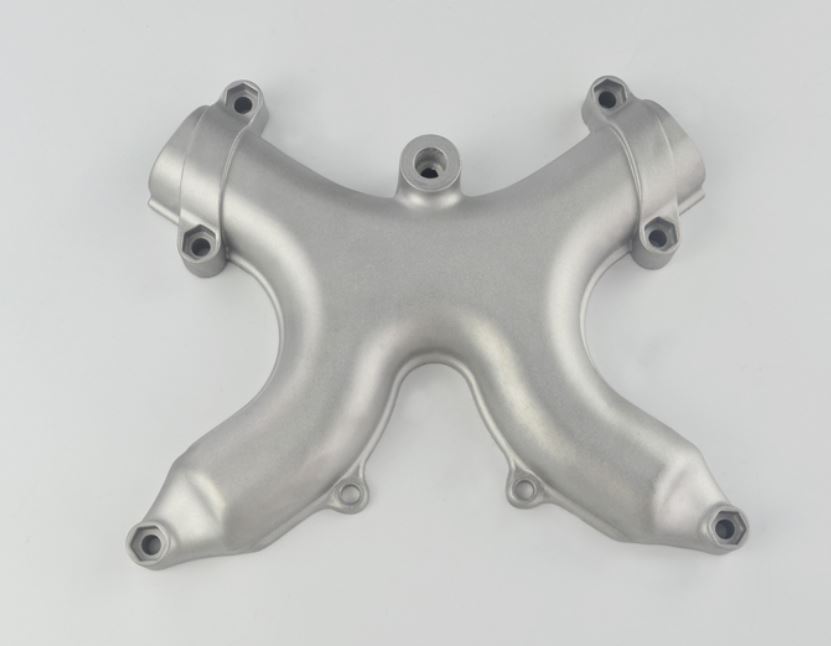
En moulage sous pression, the system pressurizes the magnesium to flow through the dies. The melting point of magnesium is crucial here, as it determines the holding temperature in the furnace. Besides, you have to keep and maintain the temperature slightly above the magnesium boiling point.
Moulage au sable
The sand-casting process uses molds made of tightly packed sand. As you are aware, it’s a time-consuming, slower process. So, managing its temperature is critical to ensure better casting and prevent temperature drops. Operators need to balance the melting point to ensure smooth flow and solidification.
Soudage
Generally, welding requires the metal edges to have a low melting point. Knowing a metal’s melting point helps you choose the right heat source, such as TIG or laser. Using low heat may hinder the process. Bonds fail to break. While using high heat on magnesium may burn it.
Aérospatiale et automobile
Manufacturers design alloys that can withstand high heat without any deformation. Especially gearboxes, engine parts, or frames for the aerospace and auto industries. Understanding their requirement and alloy melting points allows makers to design parts based on the needs.
Electronics Manufacturing
Magnesium has a broader application in the electronics sector. It is used to produce lightweight frames for laptops and mobile devices. Here, the melting point matters a lot, as it dictates how to achieve thin, precise walls. The main goal is to improve heat dissipation and safety. Proper casting temperature is key to achieving this.
Fireworks and Explosives
The melting point of magnesium and its reactivity are used to produce shiny white light. In flares, people use magnesium to ignite at a specific temperature. During the burning process, precise control is necessary to create intense, bright light when it is exactly needed for safety and signaling.
Questions fréquemment posées
What causes magnesium to have an exceptionally low melting point compared to Other Metals?
One of the main reasons for magnesium’s low melting point is its structure. Its hexagonal crystal structure and weak metallic bonding allow it to melt more quickly than other dense metals, such as iron. This low-atomic-bond requires little thermal energy to deform.
Is there a risk of catching fire when magnesium melts?
Yes, there is a high risk of catching fire when magnesium melts. Molten magnesium vigorously reacts with oxygen when exposed to air. If not properly protected with inert gases or fluxes, the metal might burn through, producing white flames that are hard to extinguish.
Is magnesium suitable for high-temperature applications above 500°C?
Using pure magnesium at this temperature is a vulnerable choice. The metal might have softened and is at high risk of rapid oxidation. While some standard magnesium alloys may also lose strength at 200°C. But some specialized rare-earth-metal alloys can easily endure this heat.
Does recycling magnesium alloys change their original melting point?
Yes, repeatedly recycling metal can lead to impurities. This approach alters the metal’s composition, thereby affecting its melting point. Besides, there is also a chance of oxidation before, which can cause loss of elements. These changes severely affect the thermal traits.
Can magnesium be melted in a regular furnace?
No, you cannot use a regular furnace for magnesium processing. Especially not the furnaces that are designed for iron and steel. This metal requires an exclusive furnace that contains inert shielding gases or flux to prevent oxidation during casting.
What limits the use of magnesium in high-temperature applications?
The main hindrance to using magnesium at high temperatures is its structure. The HCP structure enables the lower bonding strength among atoms. This weak metallic bond may deform easily under load. Additionally, it can be oxidized in the presence of oxygen, raising operating temperatures.
Résumé
Among all the metals in the periodic table, magnesium is a very unique element. It is one of the lightest metals on earth. Compared to other metals, it offers a high strength-to-weight ratio. Industries such as auto, aerospace, and electronics widely use this metal.
Whatever its uses, knowing the melting point of magnesium is very important. It helps you figure out the right way to heat, shape, and use the metal. If you don’t use the right amount of heat, several problems may appear.
Throughout today’s discussion, we went through everything about the magnesium melting point. This discusses its important properties. It also explains how these properties change at different melting points.
When the temperature changes, magnesium changes its state. It goes from a solid to a liquid. During this process, the strength and shape of magnesium also change. That is why it is important to understand this temperature.
Well, there are ways to control this melting point. And that is by alloying it. However, you will need to adjust its purity by adding other metal elements. Some alloys are stronger than others, and some can handle heat better than others.
Si vous avez des questions, n'hésitez pas à tendre la main to our customer support team. Aludiecast is a leading manufacturer of lightweight metal parts. We are a dedicated foundry for the automotive, medical, and electronics industries.

moulage sous pression du magnésium

0 commentaires