亜鉛ダイカストとは?

執筆者 | 12月 3, 2025

Learn what zinc die casting is, how it works, and why it’s ideal for strong, precise parts in many industries. Simple guide for beginners.

What is a zinc die casting manufacturer highlighting durability, corrosion resistance, and applications in construction and manufacturing

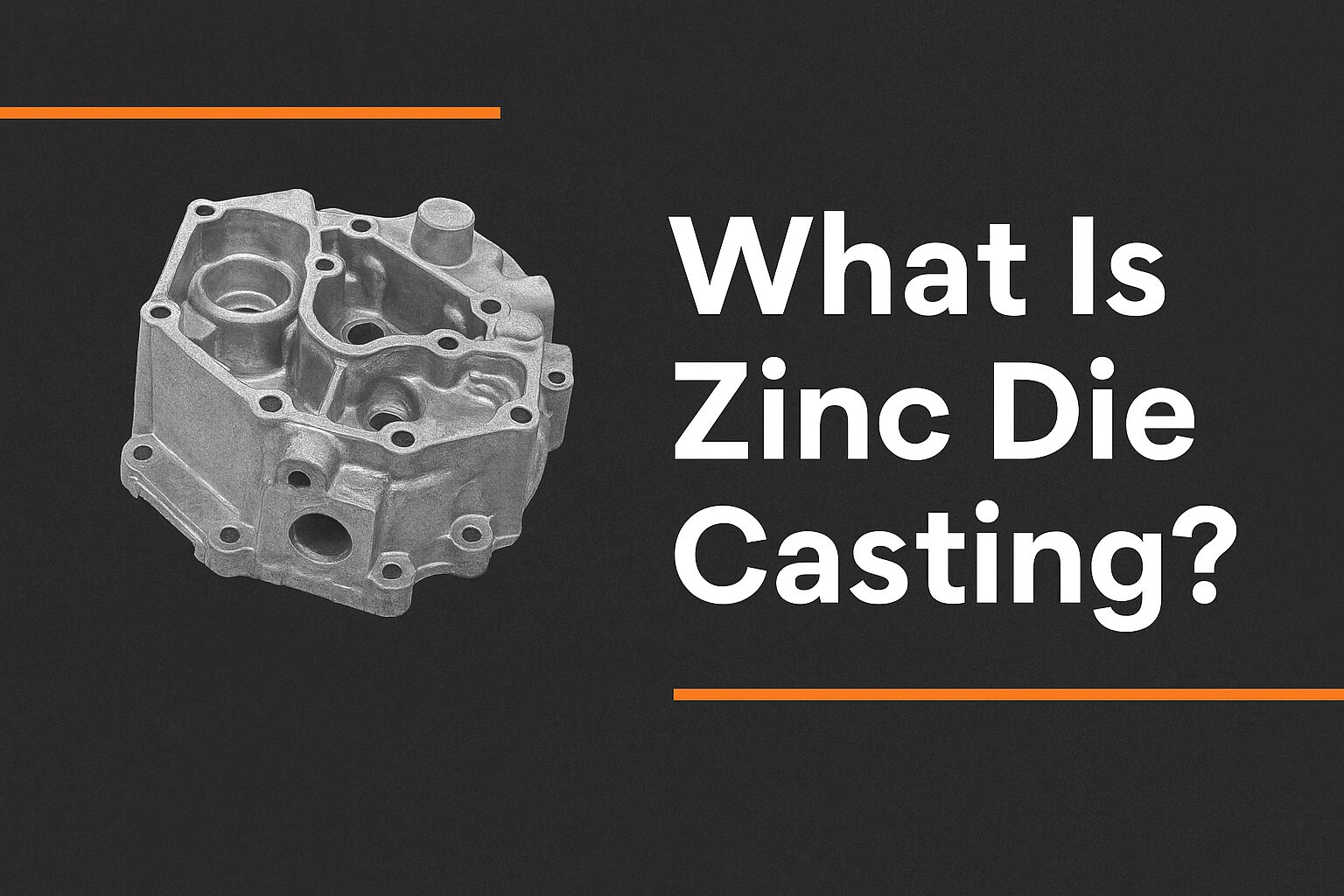
Zinc die casting is a manufacturing method which entails subjecting the molten zinc alloy to a high pressure which forces the zinc alloy into a steel mold. The result? Powerful, accurate and sturdy metal parts which find application in different industries. When you have ever touched a door handle, a car key fob or even some of your laptop, odds are that zinc die casting had something to do with it.

Brief History and Evolution

Die casting was invented in the middle of the nineteenth century, and it was initially utilized in printing. With the course of time, industries discovered that zinc possessed superior casting qualities- low melting point, fluent flow and finer outcome. Going on in the present, zinc die casting is an important part of modern day manufacturing, be it in an automobile or electronic.

Why Zinc? Benefits of the Material

Zinc is an excellent subject due to a number of reasons:

  • Low melting point = low energy consumption production.
  • High durability and strength.
  • Naturally corrosion-resistant
  • Best with complicated, elaborate forms.

Simply put, zinc is the golden mean between strength, price and flexibility.

Understanding the Zinc Die Casting Process

Understanding the zinc die casting process highlighting durability, corrosion resistance, and applications in construction and manufacturing

Zinc die casting process showcasing strength, corrosion resistance, and versatile industrial uses in construction and manufacturing.

Overview of Die Casting

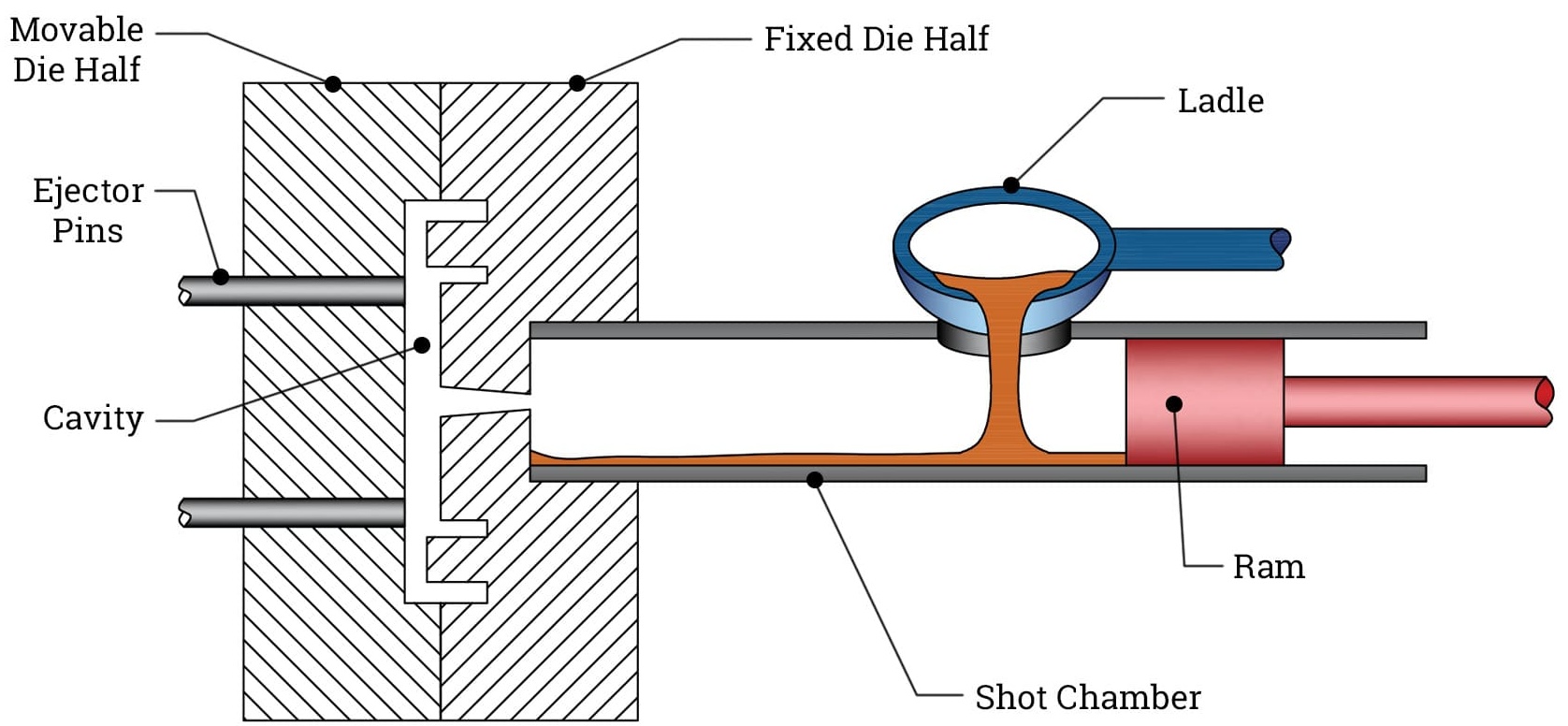
Die casting involves high pressure to force molten metal into a cavity in the form of a mold. After the metal cools down and becomes solid, the mold is opened to release a part of the part which is perfectly formed.

Imagine that you are preparing waffles pour the batter into the iron, cover the lid and allow it to cook and then take it out. But more hot and so much more accurate.

Key Steps in Zinc Die Casting

金型の準備

The process of making molds includes creating an accurate die of steel that will be used to cast a piece of the molten zinc. The completion of the mold is covered with some kind of special lubricant which assists in regulating the temperature, sticking and also facilitates the removal of the finished part after it has cooled and in an easy and smooth manner.

Melting and Injection

Melting and injection entails heating the zinc alloy in a furnace till it is completely molten then subjecting the molten substance to high pressure and injecting it into the mold. This high-speed injection process ensures that all the cavities are fully filled with molten metal to produce precise, finer, and perfect cast elements.

Cooling and Ejection

After the molten zinc is solidified in the mold, cooling and ejection takes place. When the part cools down to a shape that it can retain, the die is opened, and the ejector pins force the completed part out. This makes it easy to remove with ease without destroying the part surface or its structural integrity.

トリミングと仕上げ

Trimming and finishing is an aspect that is concerned with eliminating any remaining material that is not cast. The part can be trimmed and refined with further processes like polishing, plating or coating to enhance the look and durability of the part as well as overall surface quality depending on what the product needs.

Types of Zinc Alloys Used in Die Casting

ザマック合金

Zamak alloys highlighting durability, corrosion resistance, and versatile applications in construction and manufacturing

Zamak alloys showcasing strength, corrosion resistance, and common industrial uses in construction and manufacturing.

The most common are Zamak ( Zinc, Aluminum, Magnesium and Copper) alloys. Zamak 3, 5, and 7 are also used in the general consumer components; it functions as a balance between both strength and cost-efficiency.

ZA合金

ZA alloys highlighting durability, corrosion resistance, and versatile applications in construction and manufacturing

ZA alloys showcasing strength, corrosion resistance, and common industrial uses in construction and manufacturing.

A higher percentage of aluminum is used in making ZA alloys making them stronger and more durable. This renders them the best in the development of strong load bearing parts that demand mechanical performance strength and durability.

正しい合金の選択

The strength, lifetime, resistance to corrosion, and expenses depend on the alloy used. The manufacturers tend to examine the necessities of the part prior to the selection of the appropriate alloy.

亜鉛ダイカストの利点

Advantages of zinc die casting highlighting durability, corrosion resistance, and applications in construction and manufacturing

Zinc die casting showcasing strength, corrosion resistance, and versatile industrial applications in construction and manufacturing.

High Dimensional Accuracy

High dimensional accuracy implies that zinc is able to produce very accurate and fine parts. It has an outstanding flow properties and therefore can fill molds all round, this makes it optimal to use in the production of small and complicated parts with a reliable and repeatable measurements.

Excellent Strength and Durability

Superior strength and toughness implies that zinc die-cast components will endure serious pressure and hits without deflection. Their good mechanical properties cause them to be stronger and the ones that last long compared to most of the plastic and aluminum components utilized in the same application.

Cost Effectiveness

The low melting point of zinc makes it cost-effective in terms of energy consumption and making. This makes the process less expensive to do particularly when it comes to mass production where efficiency and high volume would dramatically reduce the total cost.

耐食性

Corrosion resistance implies that zinc is a material that prevents rust and corrosion. This is the property which makes zinc die-cast parts to be very useful in humid wet or outdoor conditions where durability is vital.

Fast Production Cycles

Die casting enables fast production of high quality- this is one of the greatest opportunities to industries that require mass production.

亜鉛ダイカストの用途

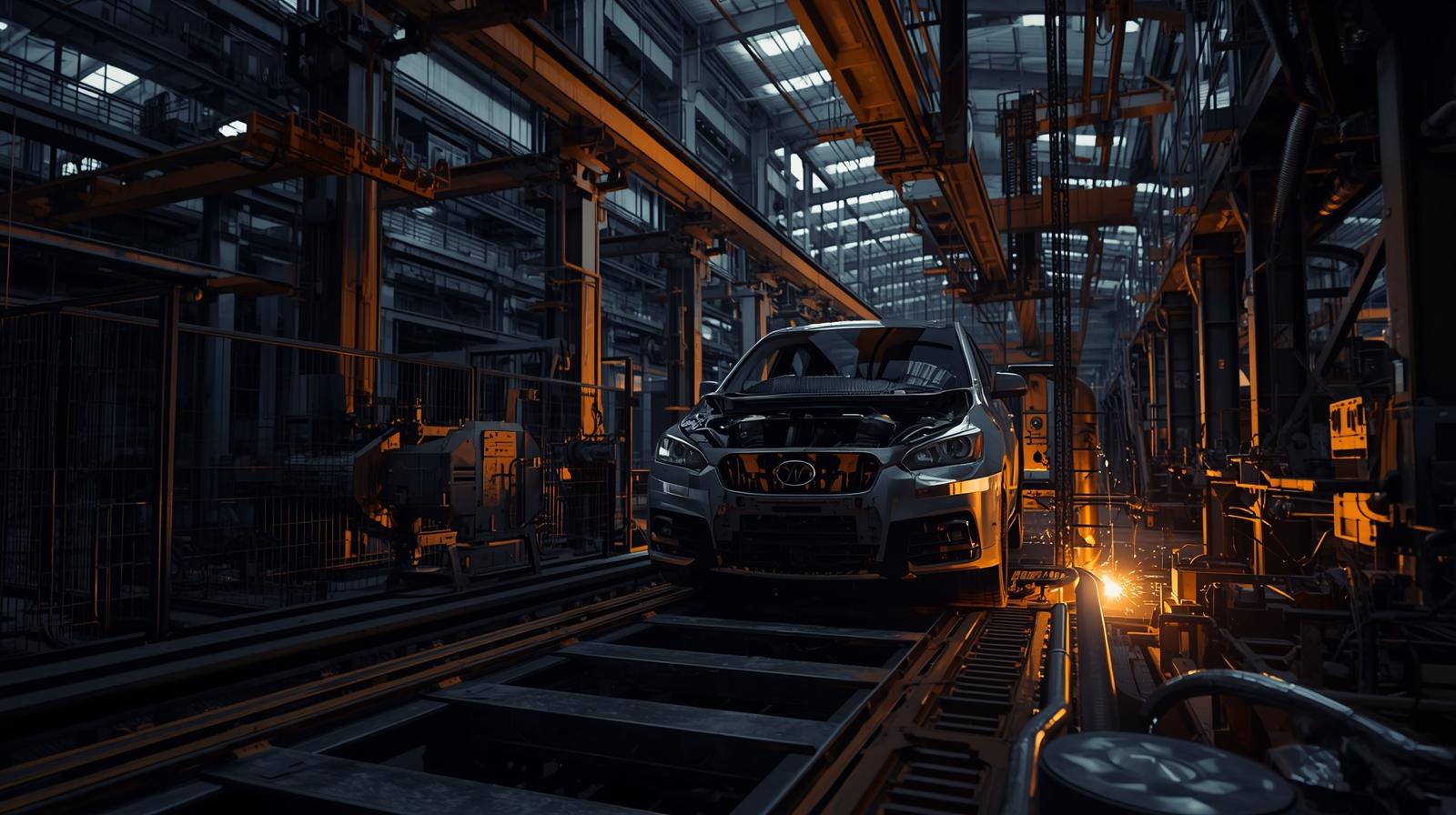
自動車産業

Zinc applications in the automotive industry highlighting durability, corrosion resistance, and manufacturing uses

Zinc showcasing strength, corrosion resistance, and versatile applications in automotive manufacturing and construction.

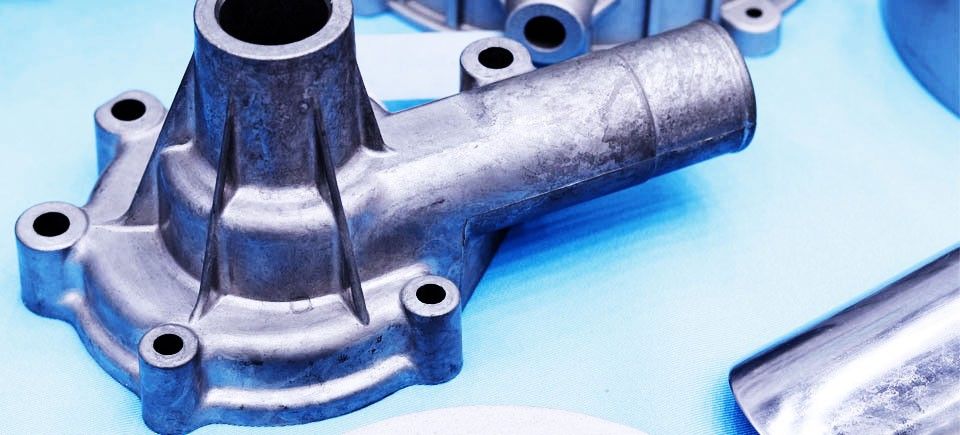
Zinc die-cast components are common in the automotive industry as it is very strong and precise. They are presented in components such as carburetor housings, engine parts and interior components which are cost effective, durable and reliable in manufacture.

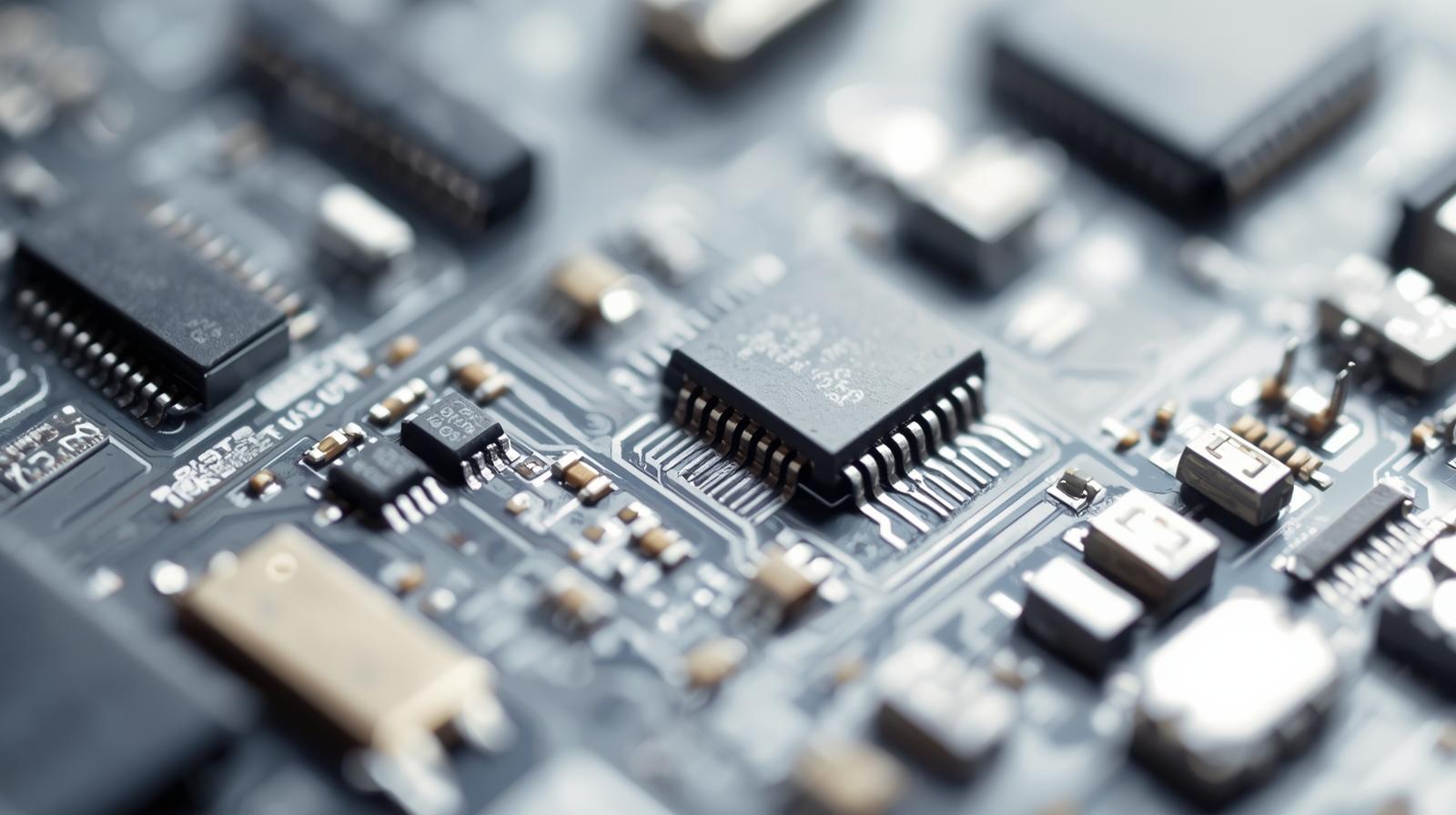
Electrical Components and Electronics

Zinc electrical components and electronics highlighting durability, corrosion resistance, and applications in construction and manufacturing

Zinc-based electrical components showcasing strength, corrosion resistance, and versatile industrial applications in electronics, construction, and manufacturing.

Zinc die-cast components are frequently used in switches and connectors and heat sinks in electronics and in electrical components. The synergies between zinc and its high level of strength, accuracy and conductivity of electricity, help in designing a good, long lasting and high functioning components.

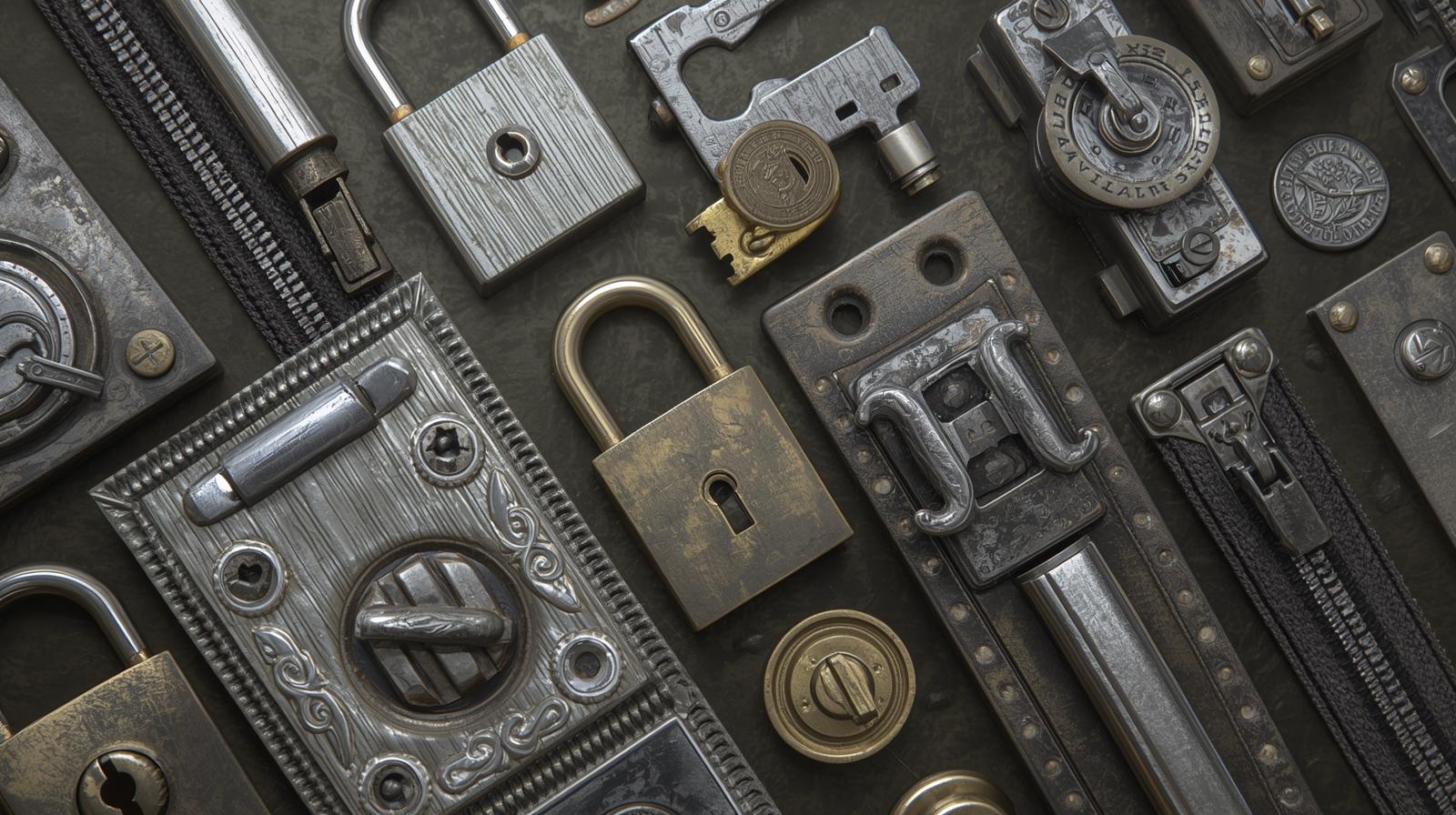
消費者製品

Zinc consumer products highlighting durability, corrosion resistance, and versatile applications in construction and manufacturing

Zinc-based consumer products showcasing strength, corrosion resistance, and common industrial uses in construction and manufacturing.

In consumer goods, zinc die-casting is common with the use of the product in such aspects as door locks, zippers, door handles, and other hardware. The products are more reliable, long-lasting and attractive because of their durability, strength and smooth attractive finish.

産業機械

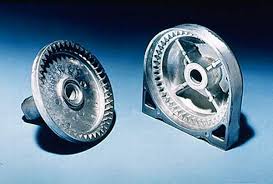
Zinc die-cast is appreciated in the industrial machinery due to their rigidity and strength. They are usually applied to create gears, brackets, fittings, and other important parts, and thus produce them in a durable, precise, and high-performance manner under high mechanical load.

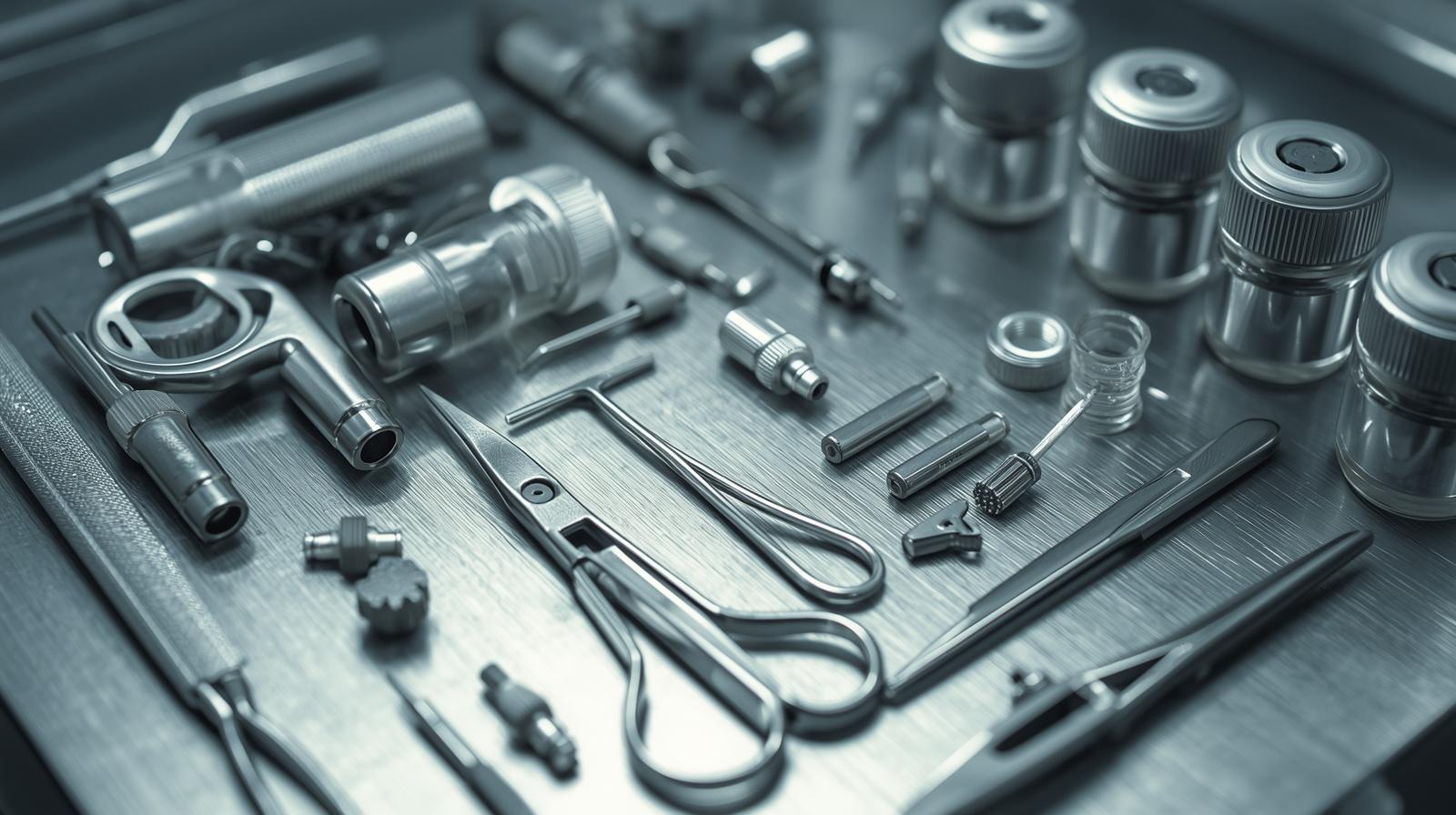
医療機器

Zinc medical equipment highlighting durability, corrosion resistance, and applications in construction and manufacturing

Zinc-based medical equipment showcasing strength, corrosion resistance, and versatile industrial uses in healthcare, construction, and manufacturing.

Within the medical equipment, zinc alloys are favored because they are accurate and can be used to meet stringent hygienic quality hence they are suitable to manufacture quality, reliable and safe medical parts.

Comparing Zinc Die Casting With Other Casting Methods

Zinc vs. Aluminum Casting

亜鉛ダイカスト is stronger and gives more detail and this is best suited to precision parts. Aluminum casting on the other hand is less weighty and it is light in weight and easy to handle. This trade-off concerns the matter of the durability of zinc on the one hand and the efficiency of aluminum on the other, based on the priorities of the design and the necessity of the application.

Zinc vs. Plastic Injection Molding.

Plastic injection molding is inexpensive, lightweight and can be used in mass production, but fails to be durable and has a problem with heat or wear. Zinc casting is a more costly process, but it provides better strength, better precision and better resistant to heat and abrasion and so it is suitable in difficult applications where durability and dependability are in demand.

Zinc vs. Magnesium Casting

Zinc casting is very strong, resistant and it is not prone to corrosion and therefore can be used in long lasting parts. Magnesium casting is much lighter, but more expensive and is also more prone to corrosion. The preference will be based on whether the weight savings will be more important than the durability and economic interest in the concerned applications.

Environmental Impact and Recyclability

The die casting of zinc is surprisingly green.

エネルギー効率

A lower melting point of zinc implies that it uses the minimum energy during processing as opposed to most metals, low production costs and low greenhouse gas emissions, making it a very good and an eco-friendly choice.

Recyclability of Zinc

Zinc is recyclable and it does not lose its quality thus it will be reused in production. This renders it a very sustainable resource that saves resources, waste elimination, and environmentally friendly industrial practices across the globe.

Common Challenges in Zinc Die Casting

Common challenges in zinc die casting highlighting durability, corrosion resistance, and applications in construction and manufacturing

Zinc die casting process showcasing durability, corrosion resistance, and key challenges in industrial applications.

気孔率の問題

Porosity is a condition that is initiated by the trapping of air that forms holes weakening the cast. The defects are reduced by careful design of mold and controlled casting methods which guarantee stronger components and more reliable with better performance and lasting in the manufacturing applications.

表面欠陥

The surface defects occur in form of cold shuts, rough finishes or even flow marks as a result of poor control in the casting temperatures or pressures and affect the quality. Smaller, larger, and better parts have been attained through proper process management.

Alloy Selection Problems

Using an incorrect alloy is implied to lead to premature breakdown of components since the material characteristics may fail to meet the nature of application. Experts competency secures the selection of the appropriate alloy so as to assure durability, functioning, and reliability in the manufacturing processes.

ワーピング

The uneven cooling causes the distortion of cast parts thereby compromising accuracy and strength of the part, which is termed as warping. Deformation is avoided by optimum mold design and controlled cooling reducing dimensional stability, reliability, and uniform quality of manufactures.

How to Choose a Reliable Zinc Die Casting Manufacturer

経験と専門知識

Ask them their length of history with zinc–experience is a factor that is directly proportional to quality.

Technological Capabilities

Modern machinery = increased accuracy, increased production, reduced faults.

Quality control processes.

Seek out manufacturers that are certified, test laboratories and hard inspection procedures.

価格とリードタイム

The most suitable partner is one that is affordable and dependable on delivery time.

Future Trends in Zinc Die Casting

Future trends in zinc die casting manufacturers highlighting durability, corrosion resistance, and applications in construction and manufacturing

Exploring future trends in zinc die casting manufacturers with focus on durability, corrosion resistance, and industrial applications.

Automation and Robotics

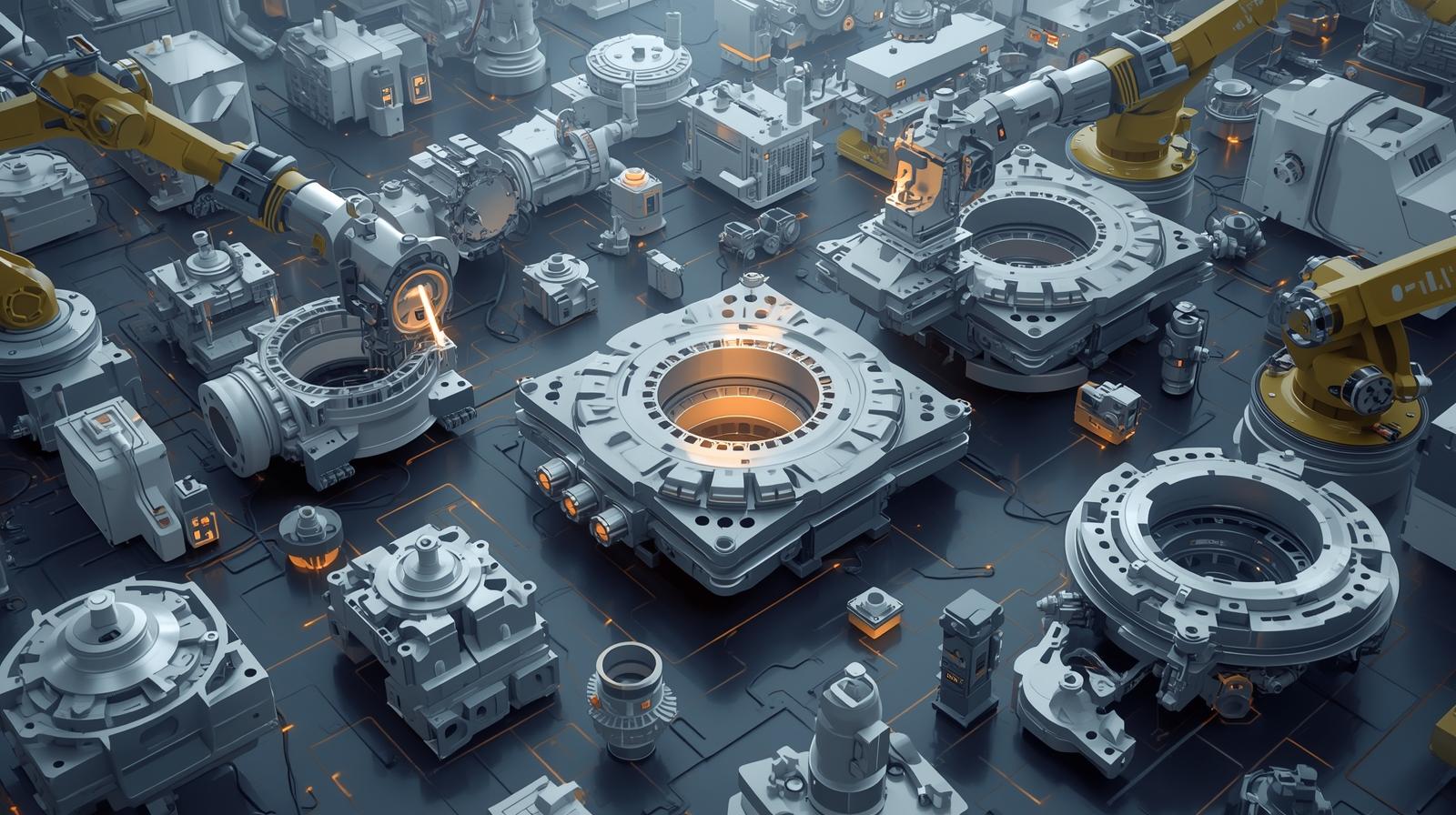
Automation and robotics are used more extensively in factories in order to enhance speed, accuracy, and consistency of production. In the contemporary day manufacturing, the use of robots eliminates human error, automates repetitive work processes, and makes them more efficient, which guarantees better output in terms of quality and competitiveness.

Sustainability and Recycling.

Zinc can be completely recycled and not lose its quality hence becoming very sustainable. The contemporary die-casting technologies focus on producing the waste as minimal as possible and minimizing the use of energy, as taking an efficient production and contributing to the environmental responsibility and conservation of the long-term resources.

Advancements in Alloy Engineering

Progress in alloy technologies generates alloy materials with superior mechanical properties such as strength, durability and resistance. These innovations create more possible applications and this means industries can have more efficient, reliable, and versatile components in the new modern-day production requirements.

結論

亜鉛ダイカスト is a giant production process which provides accuracy, strength and efficiency. It is in the production of automotive parts, electronic or industrial tools, that zinc die casting is the key to creating reliable products in our surroundings. It remains to be a leading choice among manufacturers all over the world due to its cost-effectiveness and the possibility to make complex designs every time.

よくあるご質問

So what is zinc die casting mainly it is used in?

It is employed in the production of powerful, high-precision parts across the automotive, electronic, consumer goods and industrial industries.

Is die casting of zinc superior to die casting of aluminum?

Zinc is more detailed, more durable and more precise, and the material of aluminum is less weighty. This option is based on the use.

Zinc die-cast longevity How long do zinc die-cast parts last?

They are corrosion resistant and high in mechanical properties which allow them to last decades.

Is there a lower limit on size of parts that can be die cast using zinc?

Yes! Zinc is recommended when using small, complex parts because it is fluid and has high mold-filling properties.

Is the zinc die casting friendly to the environment?

Yes. The zinc alloys are employable in full recycling as well as the process is not energy-consuming because zinc possesses low melting point.


お問い合わせ

こちらもおすすめ

亜鉛合金は安全か?

亜鉛合金は安全か?

亜鉛合金金属は、私たちが毎日見たり使ったりする多くの製品に使われている。その人気の理由は、丈夫で手頃な価格、そして...

0コメント

コメントを提出