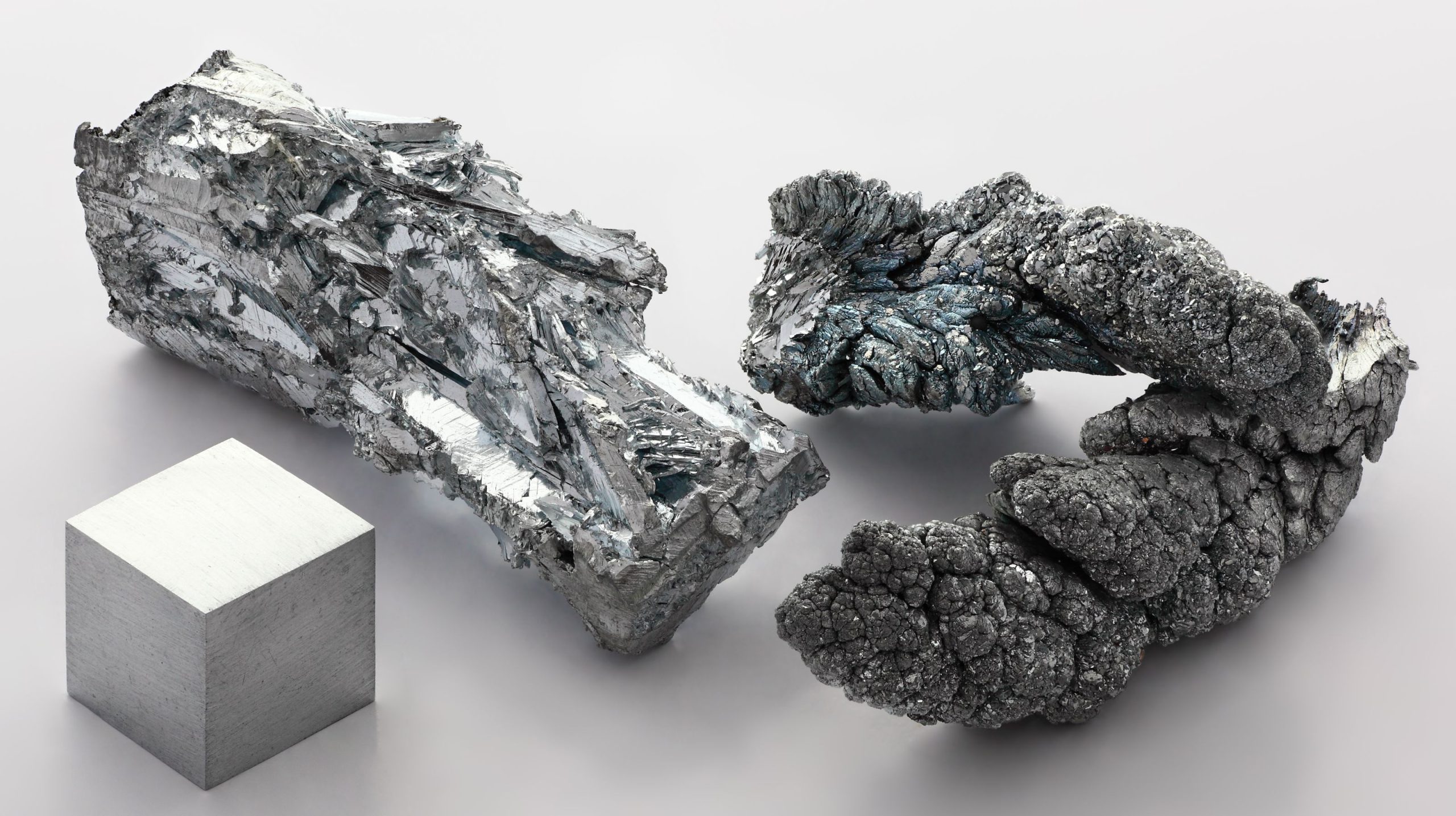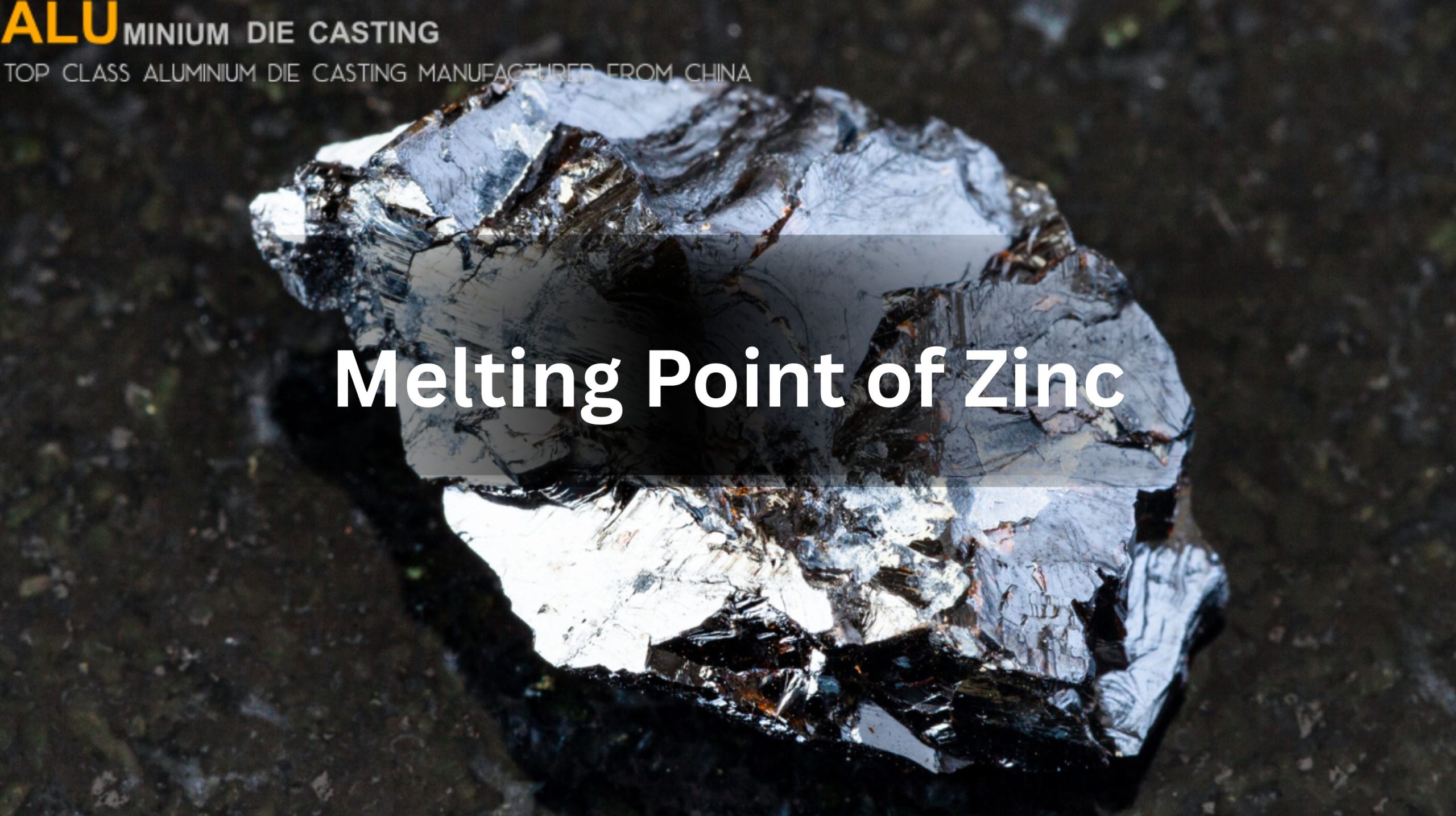
Zinc is an important metal. It finds application in most industries. It is white, bluish, and powerful. It can, however, be easily shaped when in the hot state. The melting point of zinc is one of the most significant properties of this element. The melting point tells us know the behaviour of zinc changes under heating. It also states the reason why zinc is consumed in numerous items in the global world.
Zinc is a very diverse and common metal with a lot of industrial and biological significance. It is a metallic compound made of bluish white and is moderately hard and brittle at room temperature, but soft and easily moulded by heating. Zinc has a melting point of 419.5 °C (787 °F) and a boiling point of 907 °C (1565 °F) and is therefore simple to process and shape, and therefore very favourable in manufacturing and casting processes.
Zinc is a useful metal in numerous industries since it is resistant to corrosion, and it can be used in alloy making because of its moderate cost. Its common use is in galvanising steel, making alloys such as brass, and in the making of batteries and die-cast items. In addition to industrial applications, zinc plays a critical role in human well-being because it helps in immunity, growth, and healing of wounds. Zinc is a unique metal in the construction, automobile, electronic, and medical industries across the world due to its combination of physical and chemical capabilities.
What is Zinc?
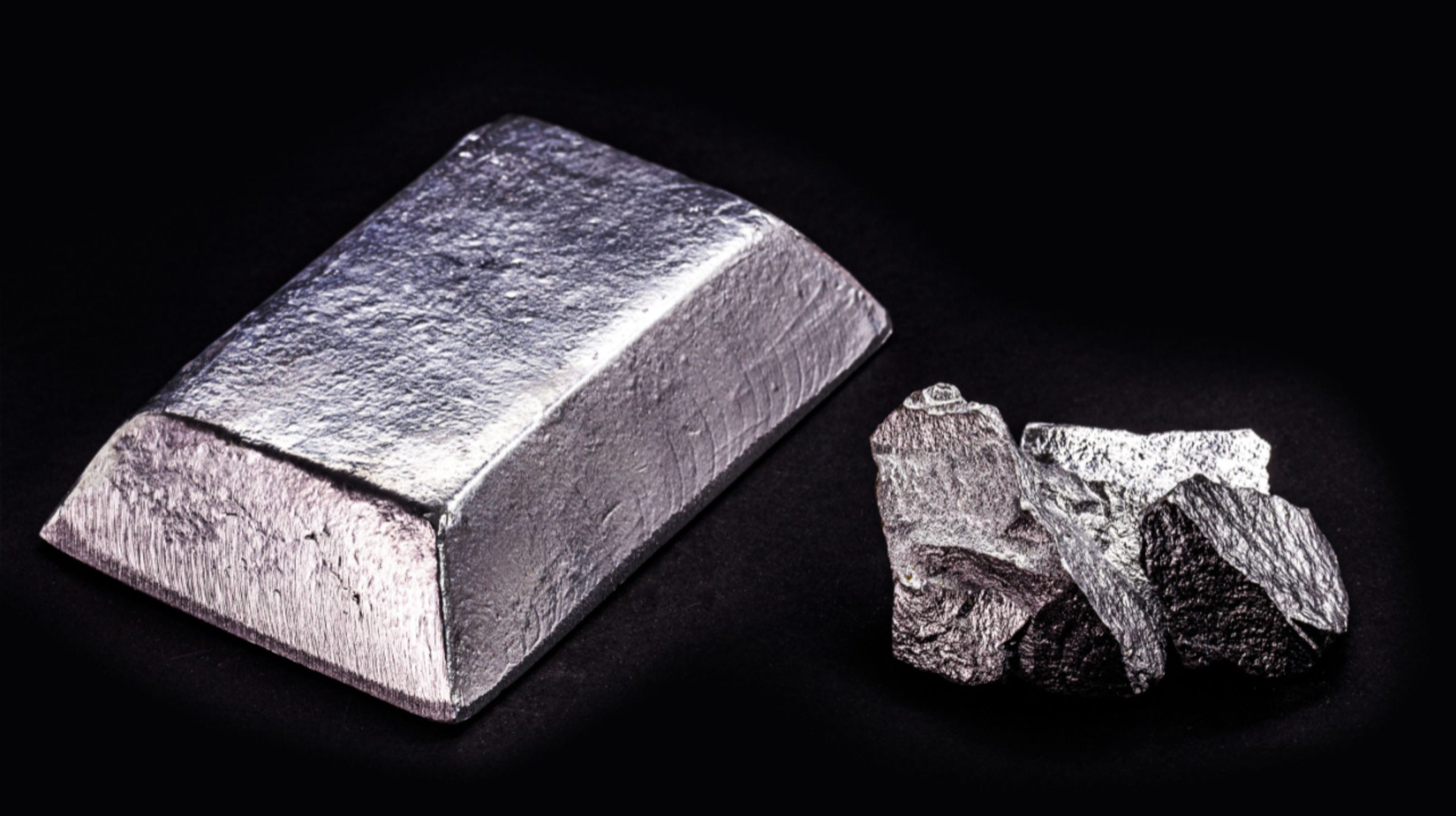
Zinc is a chemical element that has the symbol or the chemical element Zn and its atomic number of 30. It is a moderately hard, brittle, bluish-white metal that is brittle at room temperature. Zinc has found a lot of applications in the industries as a result of its being resistant to corrosion and easy to cast. It is a crucial metal in daily life. Zinc is generally employed in the galvanising of steel, alloys of brass, and in batteries. This is also very important to human health because this is a critical trace element in the body.
Zinc is found in huge amounts in the crust of the earth and is mined as ores like sphalerite. It is moderate in melting at 419.5 °C and boiling at 907 °C, and is therefore easy to melt and mold into any shape when it is used in industries. Zinc may be made in alloys with most other metals, enhancing strength, durability, and resistance to pitting.
Properties of Zinc
Zinc possesses specific physical and chemical properties that render it very convenient in industries.
Physical Properties:
- 녹는점: 419.5 o C (787.1 °F), and it can be cast easily.
- 비등점: 907 °C (1,665 °F).
- 밀도: 7.14g/cm 3, which provides it with moderate weight and strength.
- Behaviour with Heat: Zinc is soft and malleable at 100-150 °C and solid at room temperature.
Chemical Properties:
- Reactivity against Acids and Bases: Zinc is able to react with acid and alkaline solutions to liberate hydrogen gas.
- Formation of protective layer: It forms a thin layer of zinc carbonate when it is exposed to the air, which protects it against further corrosion.
- 내식성: Zinc is highly resistant to corrosion, particularly where the pH ranges between 6 and 12, and is hence suitable for protective coating and galvanization.
It is these properties that make Zinc very common in manufacturing, construction, and chemical uses. Moderate melting point, corrosion resistance, and strength are the main features that make it one of the most applied industrial metals.
What is the Zinc Melting point?
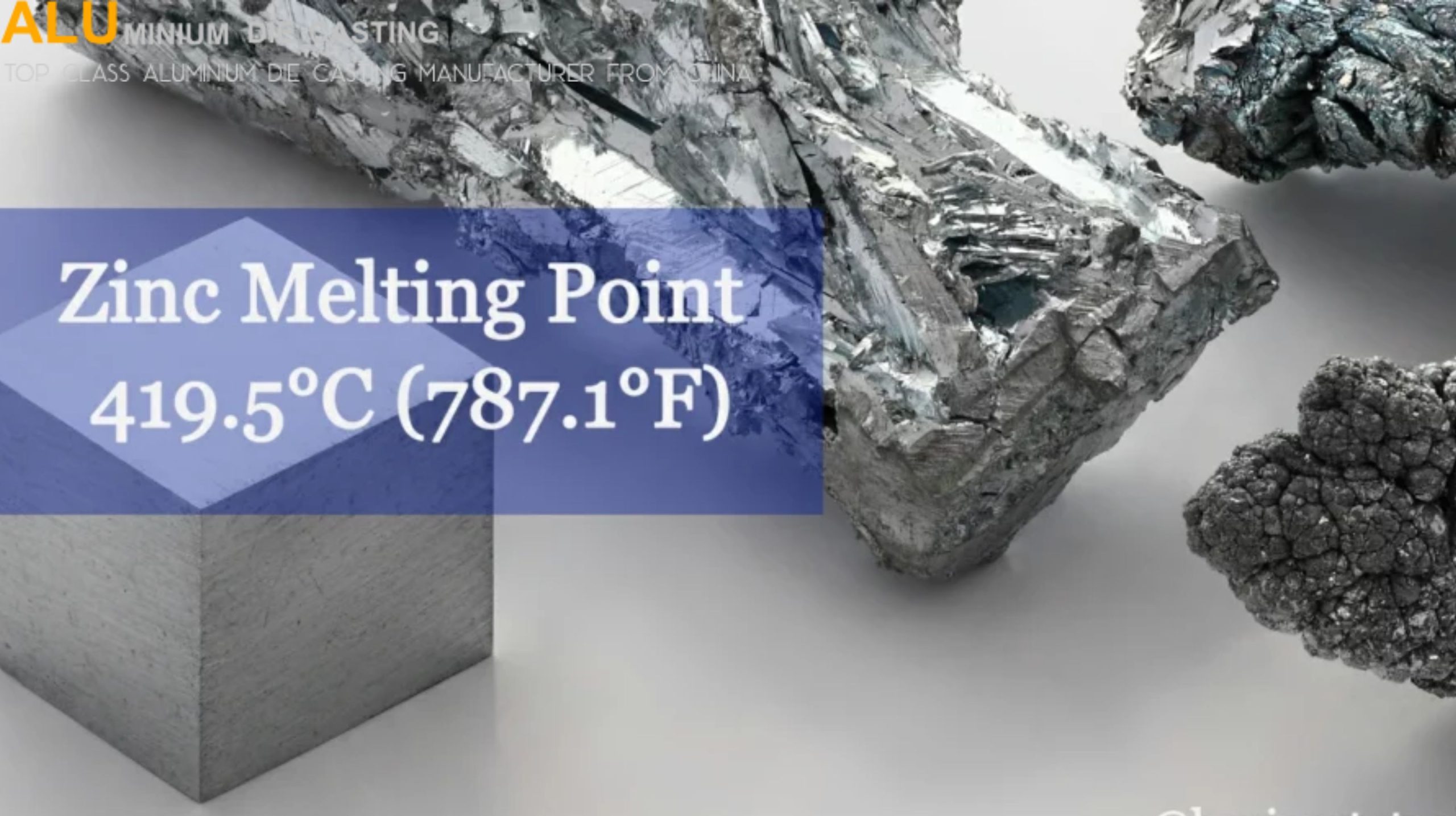
- The melting point of zinc is 419.5°C.
- In Fahrenheit, it is 787°F.
It is the temperature at which solid zinc will be transformed into liquid zinc. At this temperature, zinc is still solid. At this temperature, it becomes a liquid metal.
This melting point is not as high as the majority of other metals. Due to this fact, zinc melts and forms easily. This is the reason why zinc is a favourite of industries.
The Importance of the Melting Point
At least the melting point is not just a number. It is quite essential in science and industry. It makes engineers, manufacturers, and scientists know how to use zinc properly. In case they are unaware of the melting point, they cannot heat zinc safely.
I can know the melting point and select the appropriate tools. Machines can be controlled to regulate the heat. We can avoid damage. It is also possible to have quality metal products.
Therefore, it is not just the scientific melting point. It is also convenient and necessary.
Discovery of the Melting Point of Zinc: How Was It Discovered?
Earlier on, scientists examined metals very keenly. They heated these and observed their behaviour. When the metal melted, they were there. The temperature was noted. With time, they advanced their instruments. Nowadays, we have advanced thermometers and laboratory apparatus.
Temperature measurement is now very accurate for scientists. That is the way they ensured that zinc melts at 419.5 °C. This is an international value.
Comparisons of the Melting Point of Zinc and Other Metals.
아연: Zinc has a melting point of 419.5°C. This is the average temperature of various other metals that are common. It is neither too low nor too high. On comparing Zinc with other metals, we can know more about its behaviour and applications.
Lead: The melting point of lead is lower, i.e., 327o °C. This will imply that lead melts more easily and will require less heat. Nonetheless, zinc is less poisonous compared to lead.
알루미늄: Aluminium melts at approximately 660 °C, a higher temperature compared to zinc. More heat and more energy are required to melt aluminium. Copper melts at 1085C °C and silver at approximately 962 °C. These metals require a lot of heat to transform the solid into a liquid.
Iron: Iron is even more difficult to melt at approximately 1538 °C. This renders iron applicable in the construction of high-temperature and high-load environments. Such high heat can never be handled by zinc, and it is easier to melt and shape. This renders zinc highly convenient in casting, coating, as well as making detailed metal sections.
Based on these comparisons, we observe that zinc is in the intermediate position. It can melt quickly compared to several powerful metals. It fuses gradually compared to highly soft metals such as lead. Zinc is of great use in various industries because of this balance.
Comparison of Zinc and Other Metals
- Zinc is more understandable when we compare it with other metals.
- Aluminium melts at about 660°C.
- Copper melts at about 1085°C.
- Iron melts at about 1538°C.
- Lead melts at about 327°C.
Here we observe an interesting thing out of this comparison. Zinc fuses more readily than aluminium, copper, and iron. And yet it is melted at a greater temperature than lead. This renders zinc a medium-melting metal.
It has a low melting point, so it is useful in numerous ways. It can be easily melted as compared to strong heavy metals. But it is not so weak that it can not serve in many applications.
What Happens When Zinc Melts?
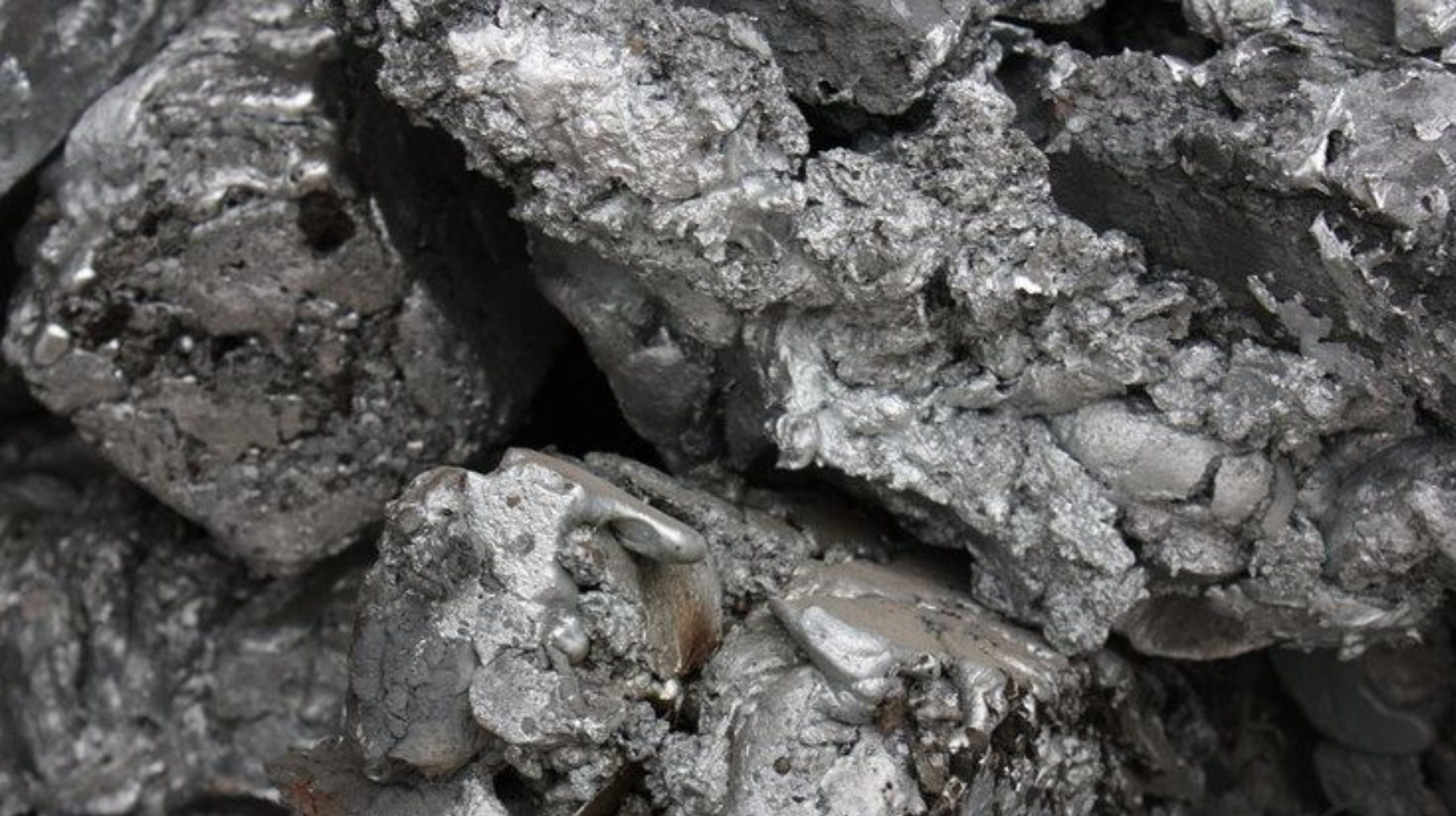
As the zinc is heated, the metal gets warmed slowly. The particles of zinc start accelerating. The high binding forces between particles are destroyed when it melts. The zinc in solid form is then converted into liquid zinc. Zinco flows in its liquid state. It can be poured into moulds. It can take new shapes. This is a property that is very useful in industry.
Nevertheless, excessive heating of zinc may result in evaporation. Zinc has a boiling point of 907°C. This is far beyond its melting point. Zinc at this boiling point becomes a gas.
Properties of Zinc
| 속성 | Value / Description |
| Chemical Symbol | Zn |
| 원자 번호 | 30 |
| 녹는점 | 419.5°C(787°F) |
| 끓는점 | 907°C(1665°F) |
| 밀도 | 7.14g/cm³ |
| 결정 구조 | Hexagonal close-packed (hcp) |
| 색상 | Bluish-white, shiny metal |
| 경도 | Moderately hard and brittle at room temperature |
| 전기 전도성 | 보통 |
| 열 전도성 | Good |
| 내식성 | High, especially in the air and moisture |
| 일반적인 용도 | Galvanization, alloys, casting, batteries |
| 반응성 | Reacts with acids. Form a protective oxide layer in air. |
아연 is a substance with numerous physical and chemical attributes. Its melting and boiling points are moderate and very high, respectively. It is of good strength but is probably brittle at cold temperatures. It is a good thermal and electric conductor. It is highly resistant to corrosion because of its oxide coating. This is the reason why zinc is commonly used in the process of coating steel and iron against rust. It is stable because of its crystal structure. Zinc is also applied in the manufacture of alloys such as brass. These characteristics render zinc a vital industrial and engineering metal.
The main factors that affect the melting temperature of Zinc are
There are various determinants of the melting point of zinc. Purity is the greatest consideration. Zinc is found to have a fixed melting point of approximately 419.5 °C. In the case of zinc impurities, the melting temperature is shifted by a small margin. Impurities can cause a lowering of the melting temperature or be increase in the melting temperature. This is the reason why industrial zinc might not necessarily melt at the same point as the laboratory-pure zinc.
Pressure is another factor. At the standard temperature of 100 °C at normal atmospheric pressure, zinc melts. The melting behaviour may also vary with a change in pressure. Strong pressure may have a minor impact on the bond and heat reaction of zinc particles. But the effect is normally low under normal industrial conditions.
Formation of the alloy also contributes significantly. The mixing of zinc with other metals, such as copper, aluminium, or magnesium, results in an alteration in the melting temperature. The melting of alloys is not similar to pure metals. They tend to melt and not at a single point over a temperature range.
Lastly, climatic factors and heating environment are important. Melting behaviour can be affected by the rate of heating, the type of furnace used, and the atmosphere surrounding it. Melting is obtained accurately and efficiently with the help of controlled conditions.
These are the reasons why the melting point of zinc is significant and is given close attention in industries.
Uses of Zinc in Die Casting
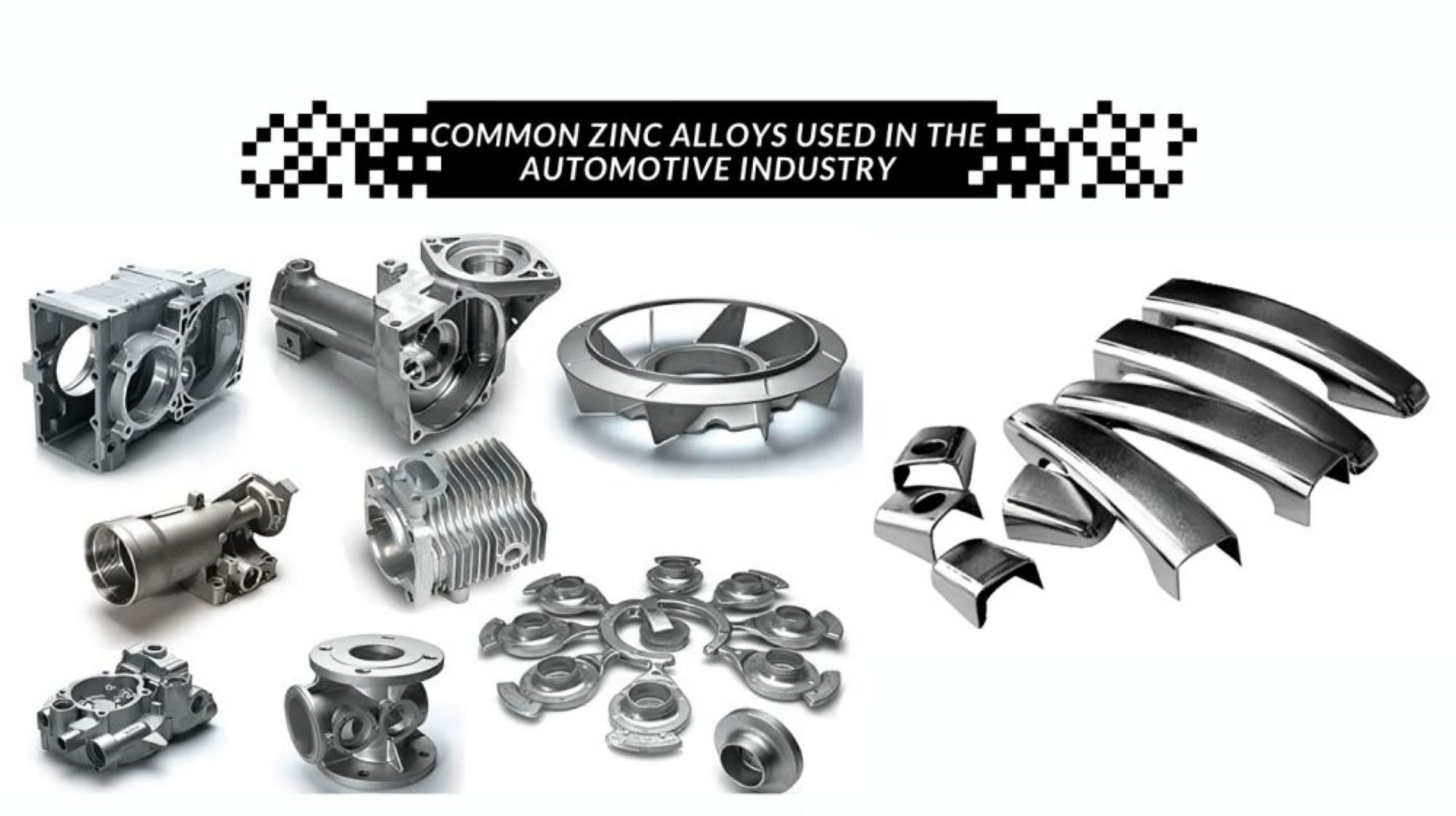
Zinc is among the most popular metals employed in die casting because of the peculiarity of low melting point, strength, hardness, and corrosion resistance. Die casting is a production process in which high pressure of molten material is pressed into a mould. The melting point of zinc at 419.5 °C (787 °F) is the most suitable material in this process, as it melts readily and cools quickly, hence it can be produced at a very high rate.
자동차 산업
Zinc alloys find application in the production of engine parts, brackets, gearbox casings, and interior fittings. This is because the zinc is moulded precisely to guarantee uniform size and finish, which is important to the performance of automobiles.
Components of Electrical and Electronics
Zinc finds application in electronic device housings, connectors, and casings. Its conductivity and resistance to corrosion make it ideal for use in long-term and safe parts.
가정 및 산업 제품
Door handles, locks, tools, toys, and hardware fittings are made using die-cast zinc. Zinc can be easily shaped into complex shapes and detailed with fine details, as well as being strong and durable.
Widely used processes for machining zinc
Zinc is a multifunctional metal that is simple to cut because it has moderate hardness and a low melting point. It is machinable, and therefore it suits the use of fine parts in industries such as automobile, electronics, and construction. Zinc is normally shaped using a number of techniques.
Cutting and Milling
Normal cutting and milling tools can be used to cut and mill zinc. High-speed steel (HSS) and carbide tools are usually used. The reduction of the cutting speeds should be moderate to prevent too much heat, which may cause the metal to chip or deform. It is suggested that lubricants or cutting fluids should be used in order to decrease friction and enhance surface finish.
드릴링
Zinc drilling is not complicated. It needs sharp bits of drills and a monotonized speed to avoid tearing or cracking. Zinc has a low melting point, and thus it can be softened when overheated; thus, constant pressure and adequate cooling are necessary.
Turning and Lathe Work
By putting zinc on a lathe, cylindrical parts can be correctly shaped. Moderate speed, sharp tools, and regular feed can be used to keep things clean. The ductility of zinc provides a good finish in cases where machining parameters are well respected.
Casting and Post-Machining
Zinc alloys are frequently cast to an almost finished shape. After machining, high precision or details are then added by post-machining. Processes such as trimming, deburring, and mild light milling improve the end product.
Safety Considerations
During the machining of zinc, care should be taken to avoid overheating. High temperatures can release zinc into harmful fumes, and thus, ventilation and protective equipment are required.
These are the methods that have made zinc an attractive choice in production. Its machinability, coupled with low cost and resistance to corrosion, enables industries to make high-quality components at minimal cost.
Applications of Zinc in Relation to Melting Point
Zinc has a large melting point, which is relevant in its usage. Zinc is melted at a manageable temperature, hence employed in many industries. Below are some key uses:
Galvanization
Iron and steel are usually coated with zinc. This is termed as galvanisation. To prevent the rusting of metals, liquid zinc is applied. Zinc fuses and adheres easily to other metals. That is why it is ideal for this job.
Casting and Moulding
Zinc has extensive applications in casting. The manufacturers melt zinc and pour it into moulds. This assists them in coming up with numerous shapes. These are machine parts, car parts, toys, handles, and metal fittings. Zinc melts at a moderate temperature; therefore, it is energy and cost-saving.
Making Alloys
Many alloys are made using zinc. A compound of metals is known as an alloy. One of the most well-known zinc alloys is brass. It is prepared by a combination of copper and zinc. Zinc melts at low temperatures and, hence, mixes with other metals easily.
Electronics and Technology
Zinc finds other applications in electronics as well. It is applied in batteries, small parts, and electrical parts. It has an appropriate melting point to be shaped accurately.
Batteries
Zinc plays a vital role in the production of batteries. Batteries (Zinc-carbon and Zinc-air) are commonly used in household items, hearing aids, and emergency power supplies.
Nutritional Supplements
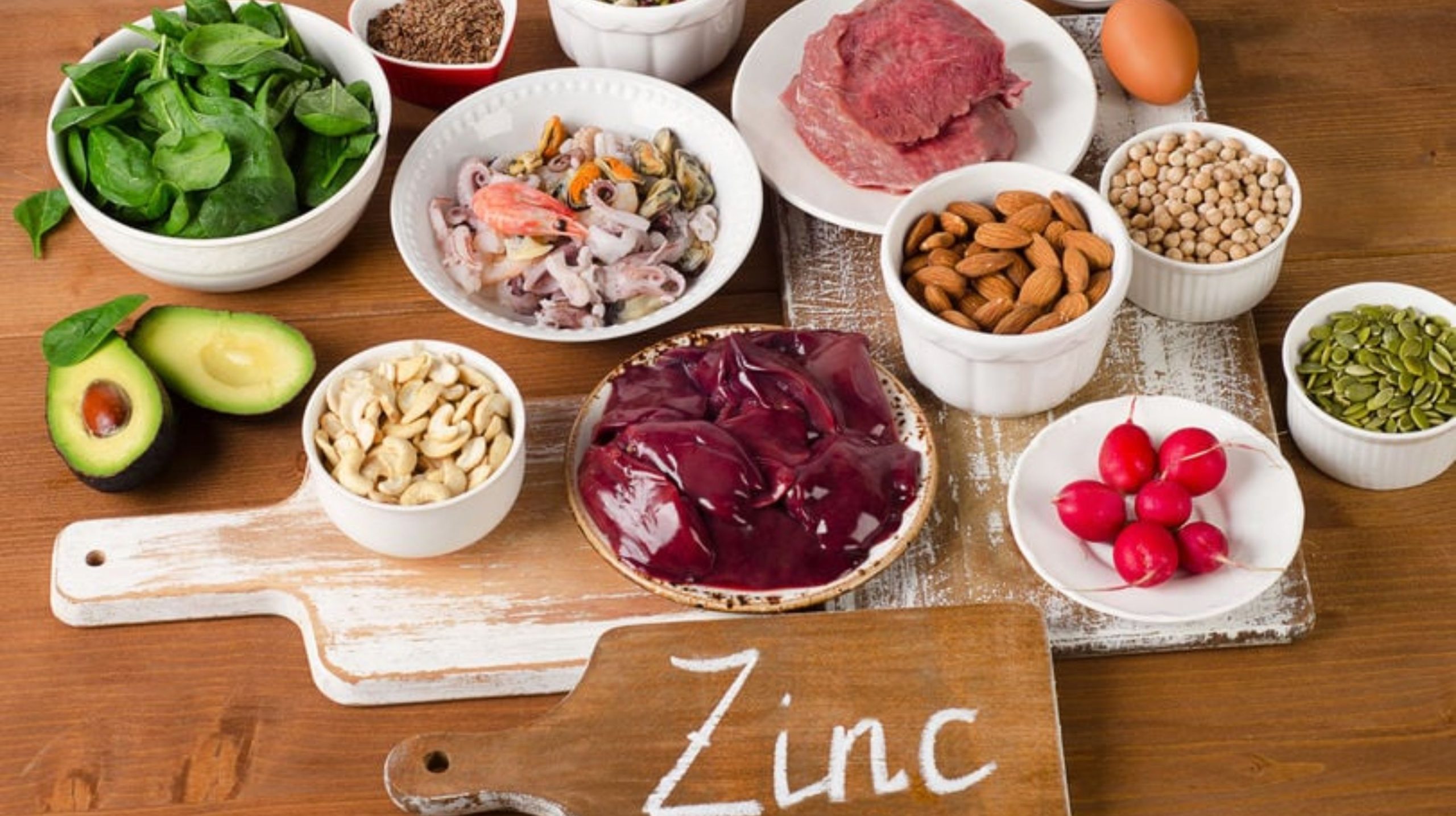
Zinc is a critical trace mineral to the human body. It is added to vitamins and dietary supplements as an aid to immunity, growth, and winding healing.
Paints and Coatings
Zinc-based compounds, which include zinc oxide, are added to paints, coatings, and rubber products to reduce corrosion and increase durability.
Melting Zinc Safely
Zinc should not be heated carelessly. During the melting process of zinc, fumes can be produced. These gases are also dangerous when inhaled. This is the reason why special equipment is used in industries. They use protective gear. They also utilise ventilation systems.
Molten zinc is a substance that can be very dangerous to deal with without safety rules. Workers should be wearing safety glasses. They should use gloves and heat-resistant dresses. This helps to avoid burns and injuries.
How Zinc Is Extracted
Zinc is mined by a series of physical and chemical operations that are conducted on its ores. Sphalerite (zinc sulfide, ZnS) is used as the most common zinc ore. The process of extracting has many stages to get pure metallic zinc that can be used in industries.
Concentration of Ore
Zinc ore is first crushed and fined. This assists in isolating the zinc minerals from unwanted substances such as rock and soil. It is usually through froth flotation, whereby the ore is suspended together with water and chemicals in such a way that the zinc particles adhere to air bubbles. These bubbles rise to the surface, creating a concentrated zinc material.
Roasting
The pure ore is then roasted in the company of oxygen. This process is known as roasting, and it transforms zinc sulfide into zinc oxide and gives out sulfur dioxide gas:
[ 2ZnS + 3O2 → 2ZnO + 2SO2 ]
This is an important step since it is easier to reduce the zinc oxide to pure zinc.
Reduction
Carbon or carbon monoxide is added to zinc oxide in a furnace and heated to high temperatures. This separates zinc oxide into molten zinc:
[ ZnO + C → Zn + CO ]
The zinc is fused and formed at the bottom of the furnace.
Purification
The molten zinc is then purified to eliminate impurities. This may be done by way of electrolysis and distillation, or filtering methods, depending on the purity required.
캐스팅
Lastly, purified zinc is cast into ingots, sheets, or any other form to be used in the industry.
The extraction of zinc is a combination of physical separation, chemical reactions, and thermal treatment. Zinc has a moderate melting point; hence, it is easily manipulated in the liquid form, and this has made it extensively utilised in the galvanisation, alloys, and manufacturing sectors.
Melting Point Ranges of Common Zinc Alloys
| 아연 합금 | 구성 | Melting Point Range (°C) | 일반적인 용도 |
| Zamak 2, 3, 5 | Zinc + Aluminum + Magnesium + Copper | 380 – 420 | Die casting, toys, automotive parts, hardware |
| Zinc–Aluminum (ZA-8, ZA-12, ZA-27) | Zinc + Aluminum | 430 – 500 | Structural parts, mechanical components, fittings |
| 황동 | Zinc + Copper | 900 – 940 | Musical instruments, plumbing fittings, decorative items |
| Bronze (Zinc-Bronze) | Copper + Zinc + Tin | 900 – 950 | Bearings, gears, decorative items |
| Nickel Silver | Copper + Zinc + Nickel | 980 – 1020 | Jewellery, cutlery, decorative objects |
| Leaded Zinc Alloy | Zinc + Lead + Copper | 350 – 410 | Low-temperature die casting, small precision parts |
Melting ranges will be different since the percentage of metals in the alloy influences the ease of melting. The addition of such elements as aluminium, copper, or nickel decreases or increases the melting point, respectively.
Conditions that potentially influence Melting
The fusing point of zinc is predetermined. Nevertheless, the melting behaviour may be somewhat influenced by the different conditions. For example:
- Zinc impurities may alter the melting characteristics of zinc.
- Small changes can be made under pressure sometimes.
- When mixed with other metals, zinc alters the melting temperature.
- Purely, zinc melts approximately at 419.5 °C. However, in mixed or industrial types, it can fuse a little sooner or later.
Zinc in Daily Life
Zinc is in our lives even though we do not notice it. It is in interiors, windows, domestic appliances, automobiles, and buildings. It is used to guard bridges and railings. It strengthens structures. Its melting point gives it the ability to be moulded into numerous useful objects.
결론
Zinc has a melting point of 419.5 °C (787°F). This is one of the most significant properties of zinc. It assists the scientists in comprehending the metal. It assists in making good use of zinc by industries. Zinc can be melted at a moderate temperature, hence easily moulded, shaped, and utilised in various products.
Zinc is a significant component of life. Zinc is a necessity when it comes to rust prevention of metals, as well as manufacturing machine components. Many of these applications are dependent on their melting point. Knowing it enables us to value the reasons as to why zinc is so an important metal in the modern world.
FAQs About Zinc
What is the melting point of zinc?
Zinc melts at 419.5 °C (787 °F). It has a moderate melting point, which allows it to be cast and cast into shape for industrial use.
What are the main uses of zinc?
The applications of zinc include galvanization, alloys such as brass, diecast, batteries, electronics, and dietary supplements. It maintains the metals against rust and reinforces alloys.
How is zinc extracted?
Examples of ores used to extract zinc include sphalerite (ZnS). It involves the concentration, roasting, reduction, purification, and casting to get pure zinc to be used in industries.
What is the significance of zinc in die casting?
Zinc is perfect for die casting as it has a moderate temperature of melting temperature and solidifies quickly, besides being able to be moulded accurately. It is applied in automotive components, electronics housings, tools, and hardware.
Does zinc resist corrosion?
Yes, when it is in the atmosphere, zinc is coated with zinc carbonate. It is very anti-corrosive, and it is mostly used in environments with a pH between 6 and 12.


0개의 댓글