
Valg av materiale er uten tvil en av de største beslutningene du må ta når du skal designe et produkt. Det kan dreie seg om konstruksjonen av kjøkkenapparater, bildeler eller forbrukerelektronikk, men konflikten mellom rustfritt stål og aluminium koker som regel ned til denne konflikten. Hvert av materialene har sine egne fortrinn, men hvilket som er best, avhenger av prosjektet ditt. Vi skal forklare det hele på en enkel måte, slik at du kan ta den beste beslutningen.
Forstå det grunnleggende
Hva er rustfritt stål?
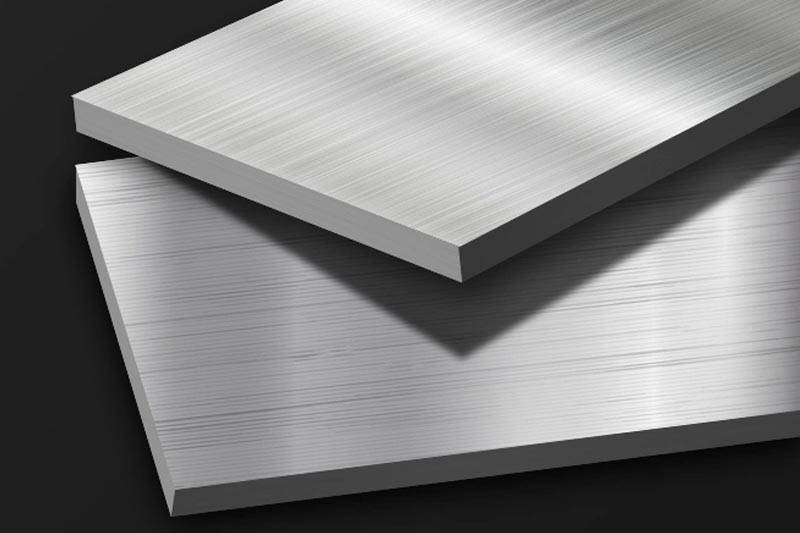
Rustfritt stål med lang levetid og korrosjonsbestandighet for moderne konstruksjon og produksjon.
Rustfritt stål er en legering som består av jern, krom og nikkel. Det er kjent for å være motstandsdyktig mot rust og flekker på grunn av kromet. Du har brukt en panne i rustfritt stål, du har sett på industrimaskiner i arbeid, du har sett dette harde og skinnende materialet i arbeid.
Hva er aluminium?
Aluminium er sterkt, korrosjonsbestandig og har mange bruksområder innen bygg og industriproduksjon.
Aluminium er et metall som er lett, sølvfarget, sterkt og fleksibelt. Det er svært populært i alle bransjer med lav vekt, for eksempel i luftfarts-, elektronikk- og emballasjeindustrien.
Full sammenligningstabell for rustfritt stål vs. aluminium
| Funksjon | Rustfritt stål | Aluminium |
|---|---|---|
| Vekt | Tungt; øker produktets vekt og reduserer bærbarheten | Ekstremt lett; ideell for bærbare eller vektsensitive produkter |
| Styrke | Svært sterk og motstandsdyktig mot støt, deformasjon og slitasje | Sterk i forhold til vekten, men generelt svakere enn rustfritt stål |
| Holdbarhet | Eksepsjonell holdbarhet over lang tid; egnet for bruk med høy belastning | God holdbarhet, men får lettere bulker og riper |
| Motstandsdyktighet mot korrosjon | Utmerket motstand mot rust, flekker og fuktighet | Naturlig korrosjonsbestandig, men kan korrodere i salte eller sure miljøer uten belegg |
| Varmebestandighet | Tåler svært høye temperaturer; blir ikke så lett deformert | Lavere varmebestandighet; smelter ved lavere temperatur |
| Termisk konduktivitet | Dårlig varmeleder; langsommere å varme opp eller kjøle ned | Utmerket varmeleder; ideell for kjøleribber, elektronikk og kokekar |
| Elektrisk ledningsevne | Dårlig leder av elektrisitet | Meget god elektrisk leder; mye brukt i kabling og kraftsystemer |
| Kostnader | Dyrere i innkjøp og maskin | Generelt billigere og mer kostnadseffektivt for masseproduksjon |
| Bearbeidbarhet | Vanskeligere å skjære, forme og sveise; øker produksjonstiden | Svært enkel å bearbeide, forme og sveise |
| Estetisk appell | Førsteklasses, polert eller børstet finish; eksklusivt utseende | Elegant og moderne utseende, men riper lettere opp |
| Forholdet mellom vekt og styrke | Sterk, men tung | Utmerket forhold mellom styrke og vekt |
| Vedlikehold | Krever regelmessig rengjøring for å fjerne flekker eller fingeravtrykk | Lettere å vedlikeholde, men overflateriper vises mer |
| Bærekraft | Svært resirkulerbar; lang levetid reduserer avfall | Et av de mest resirkulerbare materialene; lave energikostnader ved resirkulering |
| Typiske bruksområder | Kjøkkenapparater, medisinsk utstyr, industrielt utstyr | Luft- og romfart, elektronikk, bildeler, drikkebokser |
| Best for | Kraftige, korrosjonsutsatte miljøer med høy varme | Lette, ledende og kostnadssensitive designløsninger |
De viktigste forskjellene mellom rustfritt stål og aluminium
Rustfritt stål vs. aluminium viser styrke, korrosjonsbestandighet og vanlige bruksområder innen konstruksjon og produksjon.
Styrke og holdbarhet
Strekkfasthet
Når det primære kriteriet er styrken, er rustfritt stål kommer med milevis. Det har økt strekkfasthet og egner seg derfor godt til tunge belastninger som maskiner, bygninger og verktøy.
Motstand mot støt
Plutselige støt håndteres også bedre i rustfritt stål. Aluminium er mykere og lett å bulke, siden det er slitesterkt.
Slitasje og slitasje over tid
Rustfritt stål kan bruke lengre tid på å slites ut når det brukes i stressrelaterte tilfeller, mens aluminium kan vise tegn på slitasje tidligere når det brukes i et miljø som krever mye friksjon eller høye støtbelastninger.
Vekt og tetthet
Hvorfor vekt er viktig i produktdesign
Vekten kan være avgjørende for et design i de fleste bransjer, for eksempel i luftfartsindustrien, bilindustrien eller elektronikkbransjen. Mindre vekt kan bety høyere effektivitet.
Aluminiums lettvektsfordel
Aluminium veier bare en tredjedel av rustfritt stål. Dette gjør det til det mest ønskelige bruksområdet i tilfeller der bærbarhet eller drivstoffeffektivitet er avgjørende.
Når tyngre rustfritt stål vinner
Saken er at vekt av og til er et pluss. Når det gjelder luksusartikler som kjøkkenutstyr i rustfritt stål, og du vil ha en solid følelse eller holdbarhet.
Motstandsdyktighet mot korrosjon
Hvordan rustfritt stål takler korrosjon
Det rustfrie stålet danner et beskyttende belegg som hindrer rust på grunn av krom. Likevel kan det også korrodere i miljøer med høy saltholdighet eller sterke kjemikalier.
Forklaring av aluminiumoksidlaget
Aluminiumoksider, som er et naturlig belegg, beskytter mot korrosjon. Dette er grunnen til at det er perfekt for bruk utendørs eller under marine forhold.
Termisk konduktivitet
Aluminium vinner stort her. Det leder varme langt mer effektivt enn rustfritt stål, og derfor er det ideelt i produkter som kjøleribber og kokekar.
Elektrisk ledningsevne
Når elektrisk ledningsevne er viktig, er det bedre å bruke aluminium. Det er også veldig ledende sammenlignet med rustfritt stål, og det har vanlige bruksområder i ledninger og strømnettverk.
Sammenligning av kostnader
Forskjeller i materialkostnader
Aluminium er ikke veldig dyrt i pundet. Men siden det er lettere, er det mye mindre og derfor økonomisk i store prosjekter.
Produksjonskostnader
Aluminium kan enkelt bearbeides og formes, og produksjonskostnadene er derfor ofte lave. Rustfritt stål er mer energikrevende og må bearbeides med kraftigere verktøy.
Langsiktig verdi og vedlikeholdskostnader.
Rustfritt stål kan være dyrere, men i mange tilfeller kan det være kostnadseffektivt i det lange løp. Aluminium er kostnadseffektivt både i utgangspunktet og i produksjonen.
Alternativer for estetikk og etterbehandling
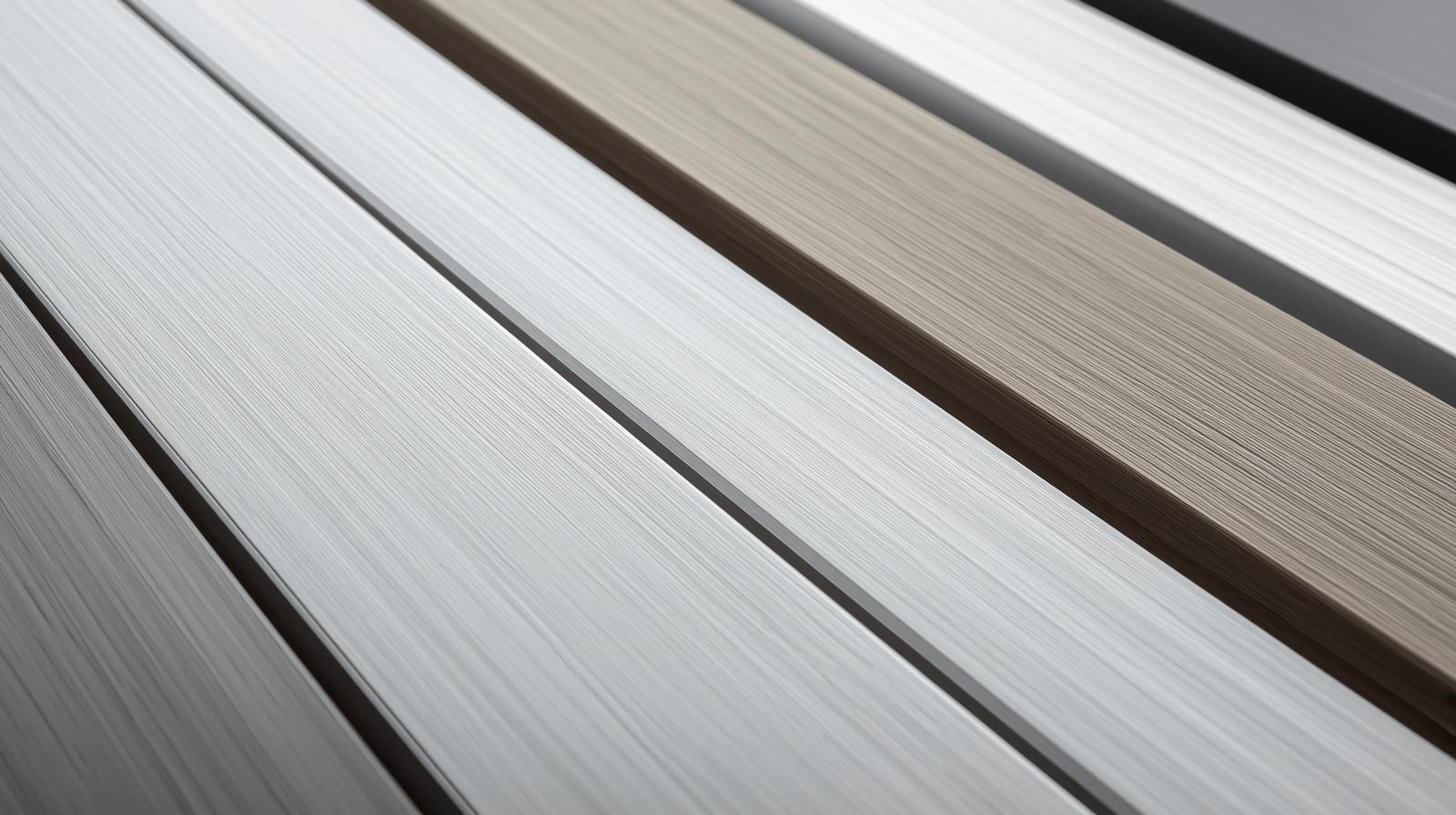
Rustfritt stål vs. aluminium viser styrke, korrosjonsbestandighet og vanlige bruksområder innen konstruksjon og produksjon.
Utseende og følelse av rustfritt stål
Rustfritt stål gir et eksklusivt og raffinert utseende som er synonymt med eksklusivitet og stabilitet. Det brukes hovedsakelig i husholdningsapparater og i dyre produkter.
Utseende og følelse av aluminium
Aluminium kan være børstet, anodisert eller matt. Det er moderne og lett, og passer perfekt til bærbare datamaskiner, telefoner og forbruksvarer.
Overflatebelegg
De to materialene kan etterbehandles eller overflatebehandles enten for å øke holdbarheten eller for å se bra ut. Farget anodisering er spesielt populært sammen med alkalibeskyttelse, som for eksempel alkalianodisering.
Fordeler og ulemper med rustfritt stål og Aluminium
Sammenligning av rustfritt stål og aluminium viser styrker, svakheter og bruksområder innen konstruksjon og produksjon.
Fordeler med rustfritt stål
Overlegen holdbarhet og styrke
Rustfritt stål er et verdifullt materiale som kjennetegnes av stor styrke og evne til å tåle tung vekt, traumer og slitasje. Dette gjør det egnet til konstruksjonselementer, verktøy og industrimaskiner som må tåle kontinuerlig drift.
Eksepsjonell korrosjons- og rustbestandighet
På grunn av tilstedeværelsen av krom vil rustfritt stål naturlig danne et beskyttende oksidlag. Dette laget gjør at det egner seg i miljøer som er utsatt for vann, fuktighet eller kjemikalier, for eksempel i kjøkken, marine miljøer og laboratorier.
Utmerket varmebestandighet
Rustfritt stål beholder sin integritet på et svært høyt nivå. Derfor brukes det ofte i ovner, griller, eksosanlegg og maskiner som utsettes for varme.
Hygienisk overflate med lite vedlikehold.
Det er ikke porøst, og den glatte overflaten fanger ikke opp bakterier, lukt eller flekker. Rustfritt stål er også svært enkelt å rengjøre, og derfor brukes det på sykehus, storkjøkken og i matproduksjonsanlegg.
Førsteklasses og eksklusivt utseende
Bruken av rustfritt stål gir forbrukerprodukter som hvitevarer, vannflasker og møbler et elegant, moderne og forretningsmessig utseende, noe som gir dem en merverdi.
Lang levetid
Produkter i rustfritt stål har en levetid på flere tiår, og deres ytelse og strukturelle integritet forblir uforandret, noe som gjør dem til et pålitelig, bærekraftig og kostnadseffektivt alternativ på lang sikt.
Ulemper med rustfritt stål
Høyere kostnad sammenlignet med mange andre materialer
Aluminium og lakkert stål er billigere enn rustfritt stål, ettersom materialene, foredlingen og produksjonen kompliserer kostnadene.
Tung vekt
Tettheten til rustfritt stål fører til økt vekt på produktene, noe som ikke er nødvendig i produkter som luftfart, lettvektselektronikk eller bærbare produkter.
Vanskelig å produsere og bearbeide
Det kreves vanligvis spesialutstyr for å skjære eller forme rustfritt stål. Dette kan føre til høyere arbeidskostnader, lengre bearbeidingstid og høyere produksjonskostnader generelt.
Utsatt for fingeravtrykk og flekker
Overflater i rustfritt stål har en tendens til å få fingeravtrykk, oljer og flekker selv om de ser bra ut. Dette betyr at det krever regelmessig rengjøring for å sikre at det ser blankt ut.
Lavere elektrisk og termisk ledningsevne
Rustfritt stål er også en dårlig leder sammenlignet med aluminium. Det kan derfor ikke brukes i applikasjoner som krever god varmeoverføring eller elektrisitet.
Fordeler med aluminium
Ekstremt lett
Sammenlignet med rustfritt stål, aluminium er en tredjedel av vekten, og det er ideelt i produkter som krever bærbarhet, må bæres eller er drivstoffeffektive, for eksempel sykler, fly og bærbare datamaskiner.
Meget god varmeledningsevne.
Det er en svært god varmeleder, og det er derfor aluminium brukes mye i kokekar, radiatorer og elektroniske kjøleribber.
Sterk i forhold til vekten
Aluminium er også lettere, selv om det har en utrolig ytelse med tanke på vekten. Når det er riktig legert, kan det utsettes for daglig bruk uten å bøye seg lett.
Høy elektrisk ledningsevne
Kraftledninger og andre elektriske systemer er hovedsakelig laget av aluminium, fordi det er mye billigere å produsere enn kobber eller stål, og fordi det leder elektrisitet mer effektivt.
Naturlig motstandsdyktig mot korrosjon
For å forhindre korrosjon av aluminium lages det et tynt lag med oksid. Korrosjonsbestandigheten økes ytterligere med flere belegg eller anodisering.
Enkel å bearbeide og forme
Det kan enkelt skjæres, formes, sveises eller ekstruderes til ulike former. Aluminium er produsentenes favoritt siden det reduserer produksjonstiden og -kostnadene.
Mer prisgunstig
Sammenlignet med rustfritt stål er aluminium normalt billigere, og dermed er det kostnadseffektivt når det gjelder masseproduksjon.
Svært resirkulerbar
Det er blant de metallene i verden som resirkuleres i størst grad. Det går ikke med mye energi til å resirkulere aluminium, ettersom resirkulering av aluminium bare bruker omtrent 5 prosent av den energien som kreves for å lage nytt aluminium.
Ulemper med aluminium
Ikke like sterk som rustfritt stål
Selv om forholdet mellom styrke og vekt er godt, er ikke aluminium like sterkt og slagfast som rustfritt stål.
Utsatt for bulker og riper
Aluminium er mykere og får derfor lett bulker, bøyer og riper, spesielt i forbindelse med aktiviteter med høy belastning.
Lavere varmebestandighet
Aluminium smelter ved en mye lavere temperatur enn rustfritt stål noe som gjør at den ikke egner seg til å tilberede høyvarmebaserte jobber, som f.eks. kraftige kokekar eller eksosanlegg.
Kan korrodere i visse miljøer
Aluminium er også korrosjonsbestandig, men i kontakt med saltvann, syre eller visse kjemikalier kan det korrodere med mindre det har et belegg på seg.
Dårligere estetisk levetid
Aluminiumsbelagte beholdere kan slites, ruste eller få riper og trenger derfor belegg eller regelmessig utskifting for å opprettholde et nytt utseende.
Kan reagere med enkelte matvarer
Aluminium uten beskyttende belegg vil reagere med sur eller salt mat når det brukes i kokekar - noe som både påvirker smaken og fører til misfarging.
Mindre premiumfølelse
Sammenlignet med rustfritt stål har aluminium en tendens til å virke mindre eksklusivt eller luksuriøst, noe som spiller inn i forbrukerens oppfatning av luksusproduktene.
Beste bruksområder for rustfritt stål vs. aluminium
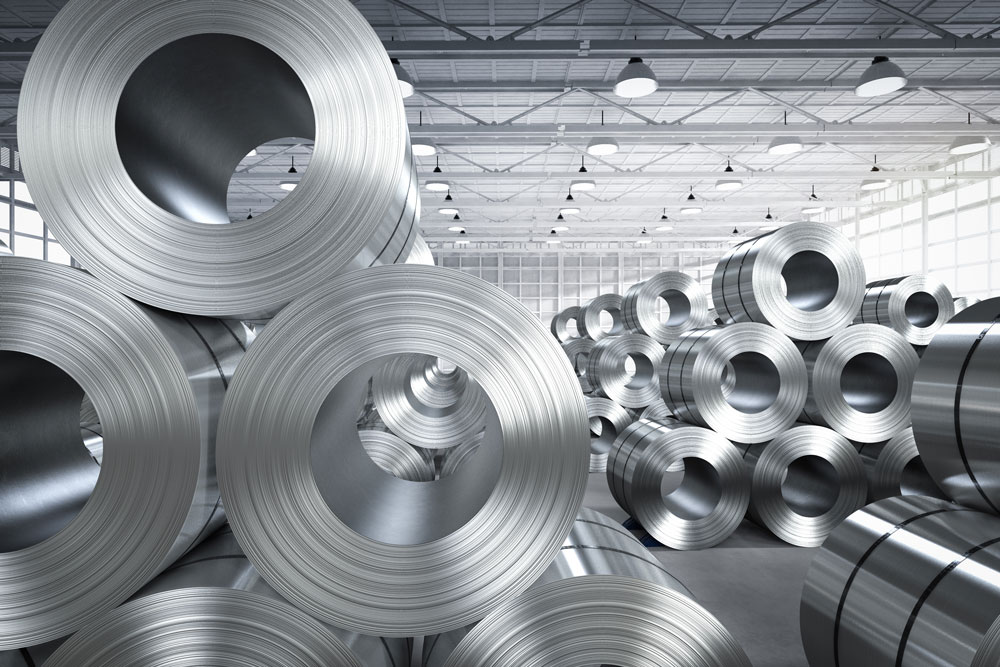
Rustfritt stål og aluminium sammenlignet for styrke, korrosjonsbestandighet og allsidig bruk i konstruksjon og produksjon.
Når du bør bruke rustfritt stål
Produktet ditt krever rustfritt stål når det krever det:
- Maksimal styrke
- Økt holdbarhet
- Høy varmebestandighet
- Et førsteklasses, polert utseende
De mest typiske er kjøkkenapparater, medisinsk utstyr, verktøy og tungt industrielt utstyr.
Når du skal bruke aluminium
Velg aluminium i tilfelle et slikt foretak:
- Lettvektskonstruksjon
- God varmeledningsevne
- Lavere materialkostnader
- Enkel å forme
Tenk deg flyrammer, bærbare datamaskiner, brusbokser og bildeler.
Faktorer å ta hensyn til når du skal velge riktig materiale
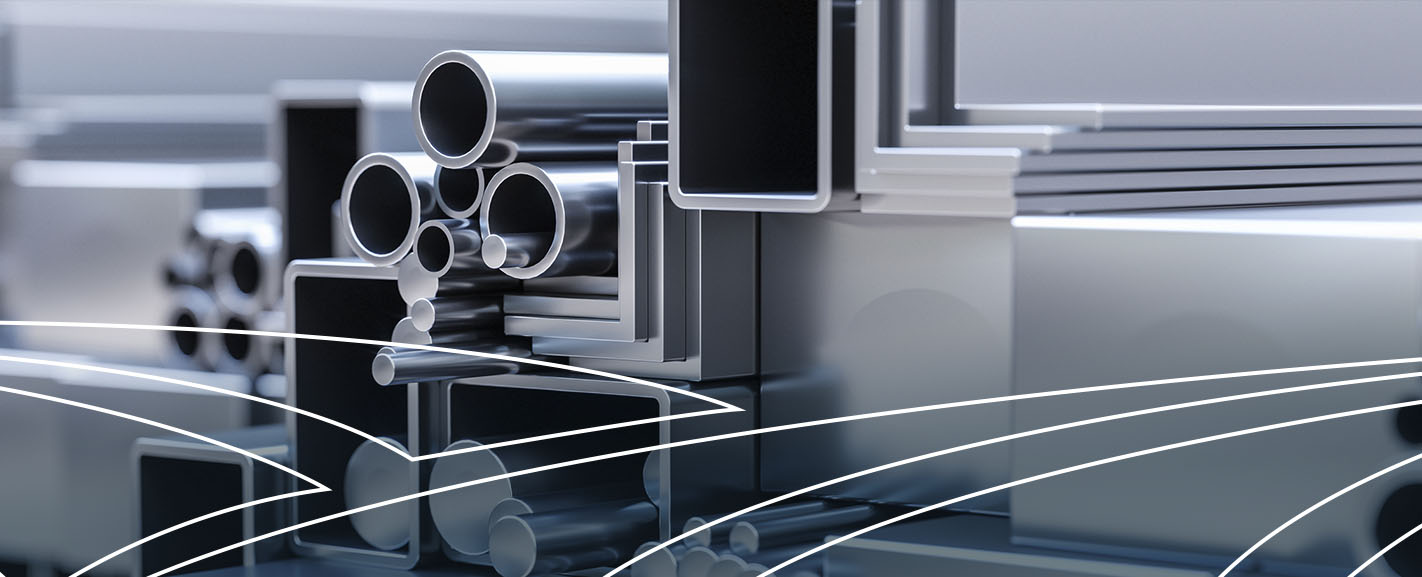
Nøkkelfaktorer ved valg av konstruksjons- og produksjonsmaterialer, med fokus på holdbarhet og korrosjonsbestandighet.
Miljø og betingelser
Rustfritt stål kan være et bedre alternativ hvis produktet ditt må tåle fuktighet eller kjemikalier og ekstreme temperaturer. Aluminium fungerer godt under lukkede og tørre forhold.
Krav til vekt
Hvis man er opptatt av bærbarhet, er aluminium vinneren. Rustfritt stål er den beste konkurrenten når det gjelder kraftig kraft.
Budsjettbegrensninger
Vanligvis er aluminium den billigste varianten å bruke, spesielt når produksjonen foregår i stor skala.
Estetiske preferanser
Rustfritt stål har et eksklusivt utseende som det er vanskelig å motstå. Aluminiumet er glatt og moderne, men føles ikke like luksuriøst.
Sammenligning av bærekraft
Resirkulerbarhet
Både aluminium og rustfritt stål er svært resirkulerbare. Likevel bruker prosessen med å resirkulere aluminium også betydelig mindre energi, og det gjør det til et av de mest bærekraftige metallene.
Miljøpåvirkning
Dette gjør produksjonen av rustfritt stål mer energikrevende, selv om det har lang levetid og kan gjenbrukes, noe som gjør at miljøpåvirkningen fra begge materialene er mindre i løpet av deres levetid.
Eksempler fra den virkelige verden
Rustfritt stål:
- Kjøleskap, kokekar, vannflasker.
- Aluminium: Sykkel, bokser, smarttelefoner.
Industriell bruk
- Rustfritt stål: medisinsk utstyr, bygg og anlegg, oljerørledninger.
- Aluminium: Fly, solcellepaneler, motordeler til biler
Velge riktig materiale for din produksjon
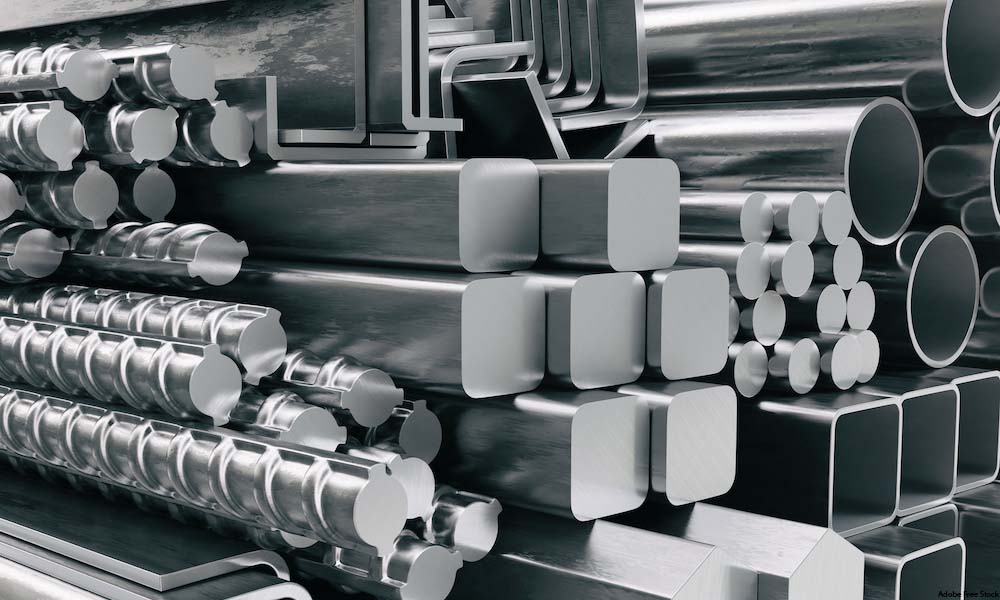
Nøkkelfaktorer ved valg av produktmaterialer, med fokus på holdbarhet, korrosjonsbestandighet og industrielle bruksområder.
Steg-for-steg-materialvalg
- Velg formålet med produktet ditt.
- Etabler miljøfaktorer.
- Vurderer krav til styrke og vekter.
- Ta hensyn til budsjett- og produksjonskostnader.
- Ta beslutninger om estetikk og merkevarebygging.
- Velg det materialet som er best egnet i forhold til alle kriterier.
Faktorer å ta hensyn til
- Vekt
- Styrke
- Eksponering for korrosjon
- Estetiske behov
- Budsjett
- Kompleksitet i produksjonen
Bransjespesifikke anbefalinger
- Luft- og romfart: Aluminium
- Matforedling: Rustfritt stål.
- Forbrukerelektronikk: Aluminium.
- Industrielle maskiner: Rustfritt stål.
Vanlige feil å unngå
- Å velge aluminium kun på grunn av den lavere prisen.
- Bruk av rustfritt stål når vekten er avgjørende.
- Ikke tar hensyn til risikoen for miljøbasert korrosjon.
Konklusjon
Om det skal være rustfritt stål eller aluminium, er et spørsmål om dine designbehov for et bestemt produkt. Rustfritt stål er den beste løsningen hvis du vil ha et sterkt, holdbart og estetisk produkt av høy kvalitet. Aluminium kan være det beste alternativet hvis du er bekymret for vekt, kostnader og fleksibilitet. Begge materialene er sterke, og alt du trenger å gjøre er å tilpasse materialets styrke til målene for produktet ditt.
Vanlige spørsmål
Hva er mest holdbart; aluminium eller rustfritt stål?
Den høyere korrosjonsbestandigheten og styrken gjør rustfritt stål mer motstandsdyktig mot korrosjon og dermed mer holdbart.
Hva er mest egnet til å brukes ute?
Rustfritt stål er mer effektivt i den ytre verden, og dette aspektet er mest tydelig i fuktige klimaer eller områder der det er hardt vær.
Er aluminium billigere enn rustfritt stål?
Ja, aluminium er vanligvis billigere å produsere og mindre krevende.
Hvem er grønnest - papir eller plast?
Begge kan resirkuleres, selv om kostnadene ved å resirkulere energi er lavere for aluminium, og det er generelt mer miljøvennlig.

0 kommentarer