
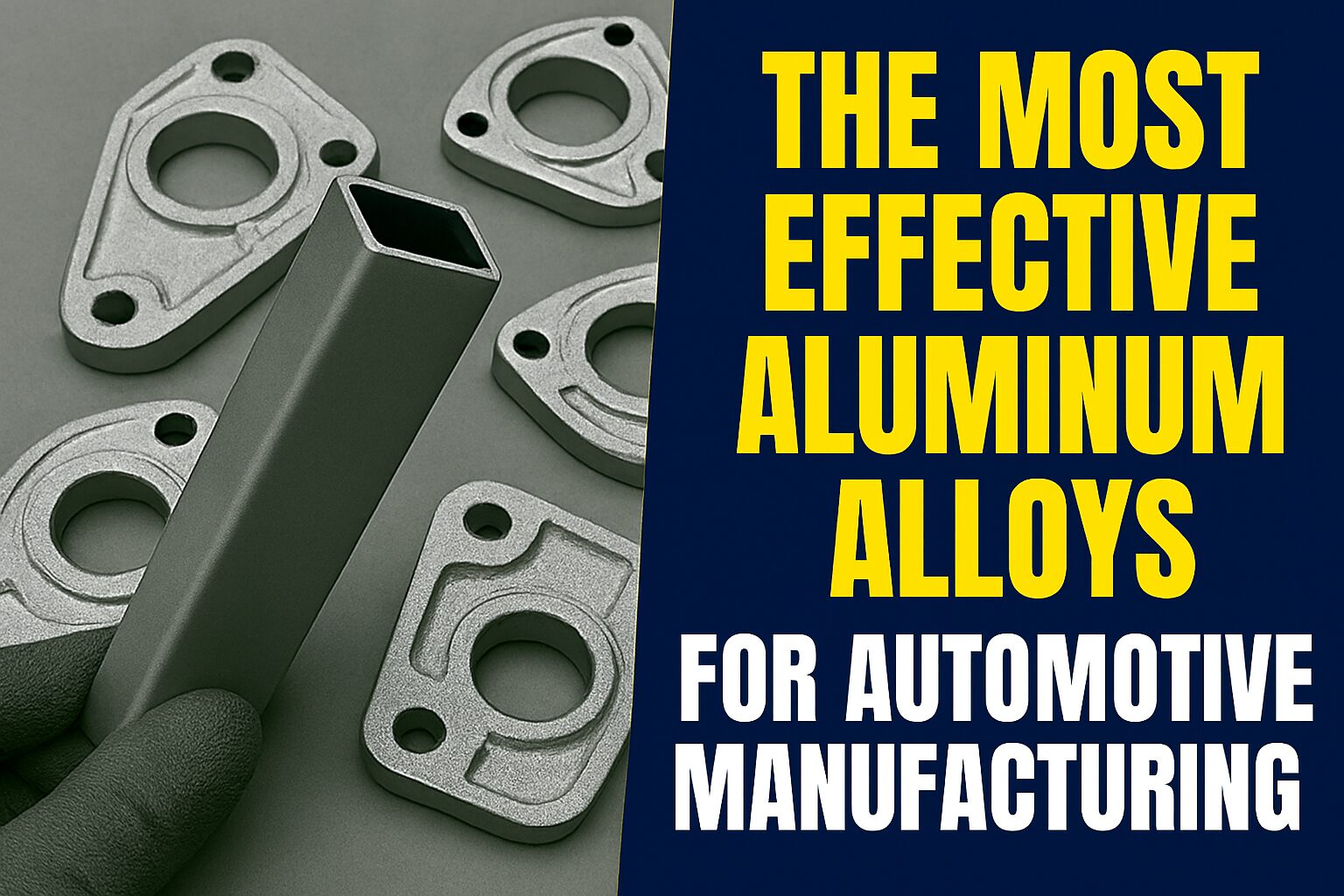
Bilindustrien er i rask utvikling. Biler handler ikke lenger om hestekrefter og polert lakk. I dag handler det om effektivitet, bærekraft og intelligent ingeniørkunst. Det er på dette punktet aluminiumslegeringer for bilproduksjon kommer inn i rampelyset.
Hvorfor aluminium erstatter tradisjonelle materialer
Stål hadde en god en, det er det ingen tvil om. Men aluminium er hardtarbeidende som den nye idrettsutøveren som er lettere, raskere og utrolig sterk. Bilprodusentene har brukt utviklingspresset til å gjøre kjøretøyene lettere, mer drivstoffeffektive og til å utvikle grenser for høye utslipp. Aluminiumslegeringer for bilproduksjon har høyere score i alle disse boksene enn Latino.
Utviklingen i bruken av aluminium i kjøretøy
Før i tiden var aluminium utelukkende beregnet på luksuriøse biler med høy ytelse. I dag kan du gå hvor som helst, og du vil bli overrasket over å finne aluminium overalt, i karosserideler, motorblokker og så videre. Aluminiumslegeringer for bilproduksjon har aldri vært billigere og mer allsidige takket være moderne produksjonsmetoder.
Hva er aluminiumslegeringer?
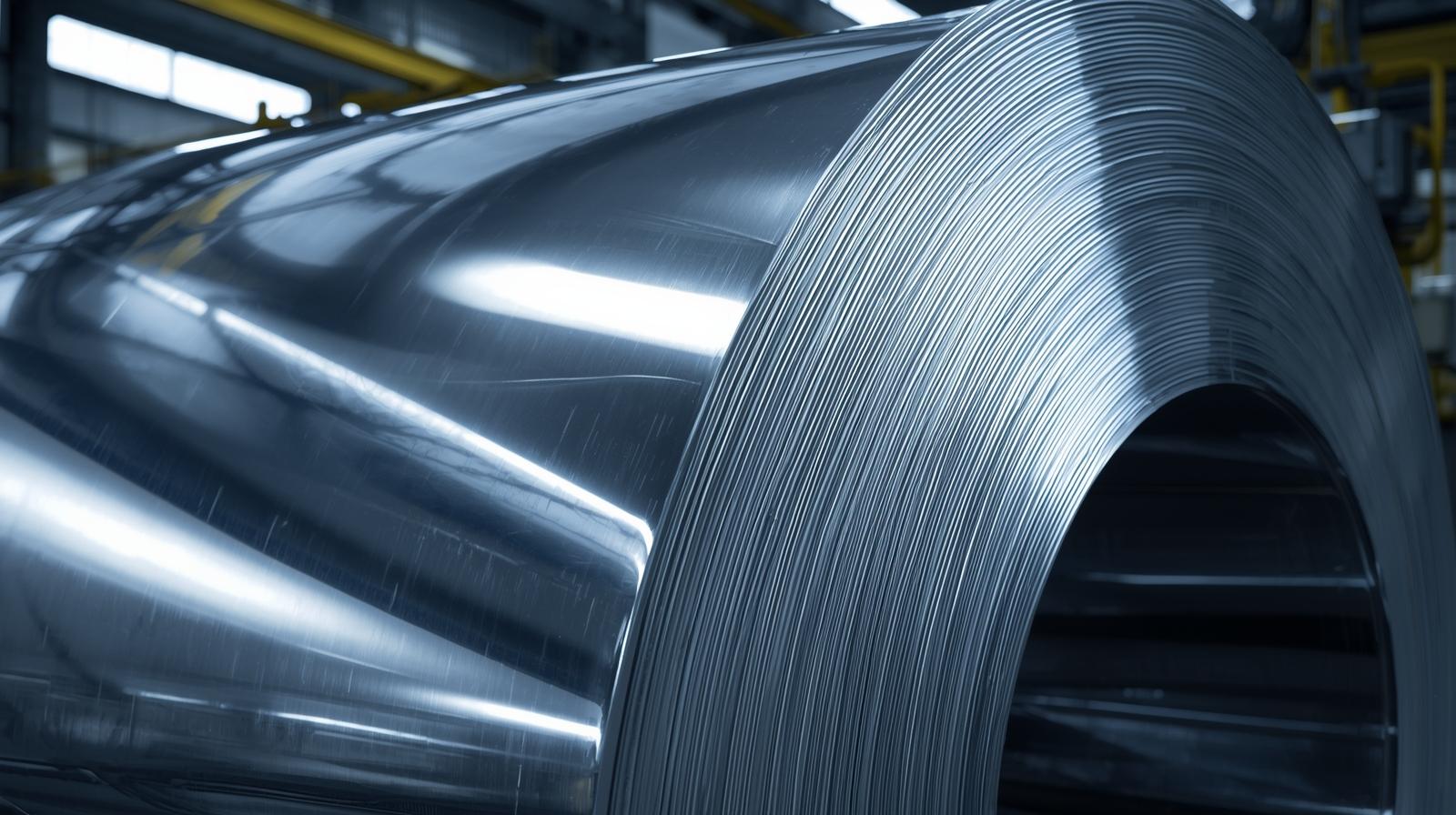
Aluminiumslegeringer som kombinerer aluminium med andre metaller for økt styrke, holdbarhet og ytelse
La oss dele det opp på en enkel måte. Aluminiumslegeringer inneholder en blanding av aluminium og andre elementer for å øke visse egenskaper.
Rent aluminium vs. aluminiumslegeringer
Ren aluminium er lett, motstandsdyktig mot korrosjon og mykt. Det egner seg ikke for kjøretøy som utsettes for konstant stress, varme og støt. Produsentene produserer sterkere, tøffere og mer holdbare legeringer ved å inkludere andre komponenter som magnesium, silisium, kobber eller sink.
Legeringselementenes rolle
Å betrakte elementer som legering som krydder i en oppskrift. Magnesium, silisium og sink ble tilsatt i klyper for henholdsvis styrke, støpeevne og hardhet. Alle kombinasjonene har ulike bruksområder i bilindustrien.
Hvorfor bilproduksjon er avhengig av aluminiumslegeringer
Lettvektsfordel
Et av hovedmålene med moderne bildesign er å redusere vekten på kjøretøyet, og ved bruk av aluminiumslegeringer er det mulig å oppnå dette, siden vekten er 30-50 mindre enn for stål. En slik vektreduksjon forbedrer akselerasjon, kjøreegenskaper, bremsing og hele kjøredynamikken, i tillegg til å øke drivstofføkonomien.
Drivstoffeffektivitet og utslippsreduksjon
Mindre biler trenger mindre energi for å bevege seg, noe som har en direkte effekt i form av økt drivstoffeffektivitet og reduserte klimagassutslipp. Når det gjelder elektriske biler, vil en slik vektreduksjon ikke bare forlenge batteriets rekkevidde, men også gi bedre ytelse og resultere i bedre bærekraft, noe som gjør aluminiumslegeringer til en nødvendighet i moderne miljøbiler.
Sikkerhet og strukturell ytelse
Aluminiumslegeringer er sterkere enn de ser ut til å være; de er lette. De absorberer og sprer støtet fra kollisjoner effektivt, og egner seg derfor godt i krøllesoner, rammer og andre konstruksjonsdeler der de gir sikkerhet uten å redusere bilens vekt og ytelse.
Klassifisering av aluminiumslegeringer for bilproduksjon
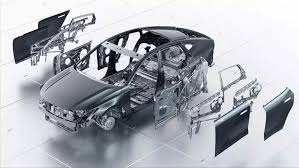
Aluminiumslegeringer i bilindustrien klassifisert i støpte legeringer, smidde legeringer og spesialiserte høyytelseslegeringer
Smidde aluminiumslegeringer
Legeringene av smidd aluminium ønskes glattet enten ved hjelp av valsing, ekstrudering eller smiing, prosesser som forbedrer kornstrukturen og øker styrken. De egner seg godt til karosserikonstruksjoner, chassiskomponenter, rammer og andre bærende konstruksjonsdeler.
Støpte aluminiumslegeringer
Støpte aluminiumlegeringer lages ved å smelte metallet og helle det i former for å skissere kompliserte former. Det er mulig å ha kompliserte design og høye toleranser, og derfor er støpte legeringer ideelle når det gjelder motorblokk, topplokk, girkassehus og andre komplekse deler i bilindustrien.
Forståelse av aluminiumslegeringsserier
Aluminiumslegeringsserier klassifisert etter sammensetning og egenskaper for ulike tekniske og produksjonsmessige bruksområder
1xxx-serien
1xxx er laget av nesten ren aluminium med god korrosjonsbestandighet og lette egenskaper. Det har imidlertid lav styrke og kan ikke brukes strukturelt; derfor brukes det først og fremst i ikke-lastbærende deler i bilindustrien.
2xxx-serien
Legeringene i 2xxx-serien er kobberbaserte legeringer som er sterke og har høy mekanisk ytelse. De er imidlertid mindre motstandsdyktige mot korrosjon, og brukes derfor selektivt i høyytelses- eller strukturkomponenter i bilindustrien.
3xxx-serien
3xxx-serien er aluminiumlegeringer som er forsterket ved bruk av mangan, og som har eksepsjonell formbarhet og middelmådig styrke. De brukes hovedsakelig i varmevekslere, karosseripaneler og andre bildeler der det er behov for korrosjonsbestandighet og lett formbarhet.
5xxx-serien
Aluminiumslegeringene i 5xxx-serien er magnesiumbaserte og har en sterk blanding av korrosjonshindrende egenskaper og holdbarhet, og er derfor velegnet og foretrukket til karosseripaneler i bilindustrien.
6xxx-serien
Serien er virkelig allsidig med silisium og magnesium. Den danner grunnlaget for aluminium til bilindustrien i dag.
7xxx-serien
7xxx-serien er legeringsbasert aluminium og har høy styrke når det gjelder sink, og brukes best som sportsbil- eller bilkomponenter som krever mest mulig strukturell integritet og styrke.
De mest effektive aluminiumslegeringene for bilproduksjon
Aluminiumslegeringer i 5xxx-serien
Legeringene i 5xxx-serien har svært god korrosjonsbestandighet og styrke og bør brukes der bilen har store deler, for eksempel på utsiden, som utsettes for fuktighet, veisalter og skiftende miljøforhold.
Bruksområder i bilpaneler
Karosserideler, pansere og bildører har legeringer i 5xxx-serien fordi de er lette og har god formbarhet og holdbarhet, samtidig som de beholder overflatekvaliteten i håndteringen.
Aluminiumslegeringer i 6xxx-serien
Aluminiumslegeringene i 6xxx-serien har vært de mest nyttige i bilindustrien. De gir utmerket styrke, korrosjonsbestandighet og fabrikasjon, og brukes derfor i stor utstrekning i strukturelle og utvendige deler av et kjøretøy.
Balanse mellom styrke og formbarhet
Legeringene er en perfekt kombinasjon av styrke og fleksibilitet. De kan varmebehandles og ekstruderes enkelt, noe som betyr at de passer godt inn i rammer, karosseristrukturer og kollisjonshåndteringssystemer der pålitelighet og nøyaktighet er viktig.
Aluminiumslegeringer i 7xxx-serien
Dette skyldes at aluminiumslegeringene i 7xxx-serien er de tyngste legeringene i bilproduksjonen, med sin ultrahøye styrke og sine gode mekaniske egenskaper, noe som har bidratt til at de egner seg godt til produksjon av produkter som krever mye vedlikehold og bruksområder som innebærer lav vekt og høy ytelse.
Kjøretøy med høy ytelse og sportsbiler
Disse legeringene brukes i stor utstrekning i høyytelses- og sportsbiler fordi det er nødvendig med maksimal styrke. De styrker fjæringssystemer, chassisdeler og andre deler med høy belastning i strukturen for å sikre best mulig kjøreegenskaper, stabilitet og sikkerhet i ekstreme kjøresituasjoner.
Støpte aluminium-silisium-legeringer
Aluminium-silisiumlegeringer med tilsatt silisium er støpte aluminium-silisiumlegeringer som har økt støpeevne, mindre krymping og økt slitestyrke. Disse egenskapene gjør dem ideelle til produksjon av sofistikerte bilprodukter med nøyaktige former og stabil holdbarhet.
Motor- og drivlinjekomponenter
Aluminium-silisium-legeringene er svært viktige i motor- og drivlinjedeler, som motorblokker, topplokk og girhus. De er effektive, ytelsesmessige og pålitelige på grunn av sin lave vekt, kombinert med varme- og slitestyrke.
Aluminiumslegeringer vs. stål i bilproduksjon
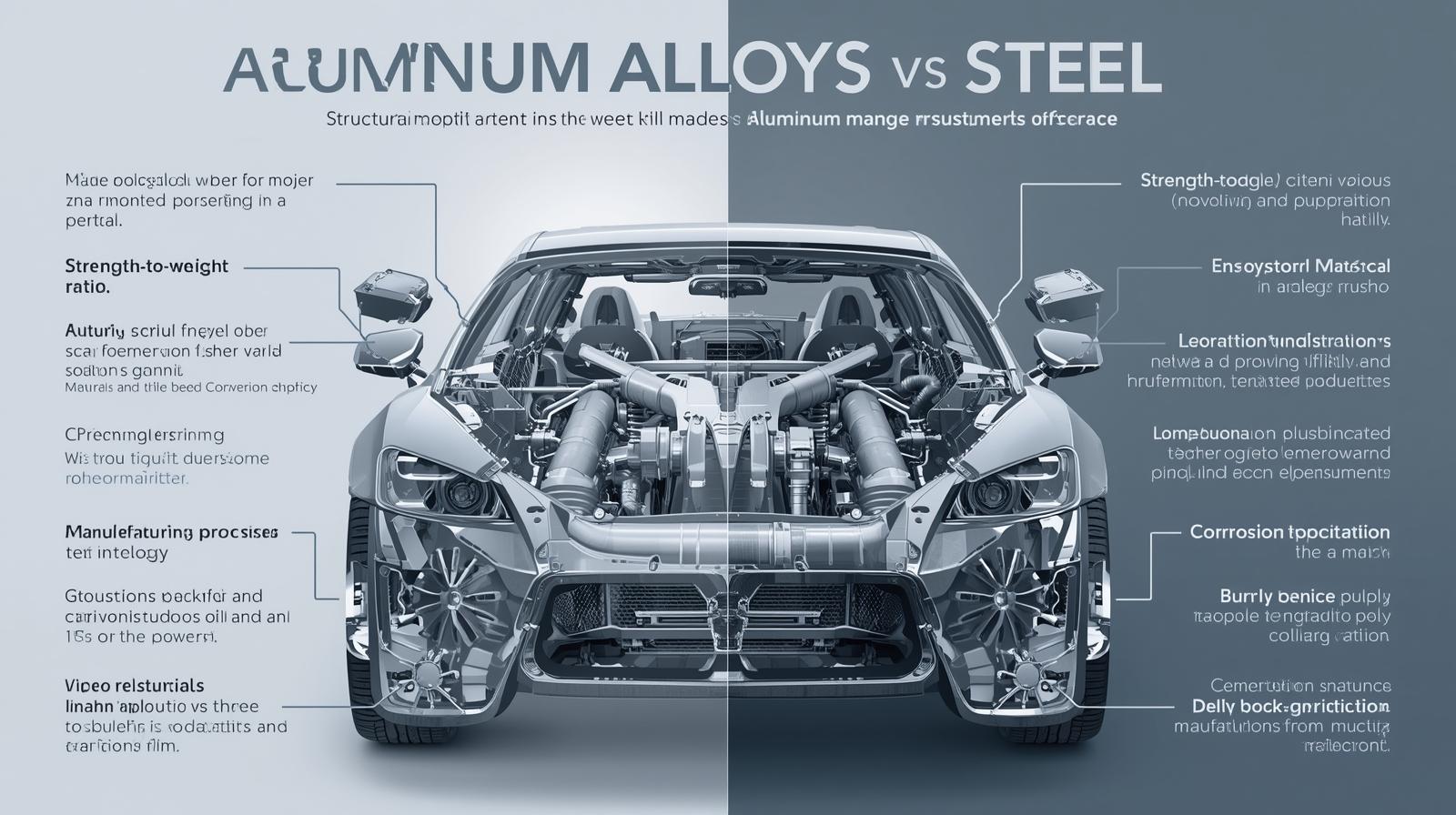
Sammenligning av aluminiumslegeringer og stål i bilproduksjon med vekt, holdbarhet og ytelsesfaktorer i fokus
Sammenligning av vekt
Aluminium er mye lettere enn stål, og det betyr at bilene ikke trenger å legge til vekt for å øke totalvekten på et kjøretøy. Lettvekt gir bedre akselerasjon, bremsing, kjøreegenskaper, er drivstoffeffektivt og øker rekkevidden, særlig i el- og hybridbiler.
Kostnads- og produksjonshensyn
Til tross for lavere materialkostnader i utgangspunktet, gir aluminium langsiktig økonomisk avkastning i form av lavere drivstoffkostnader, mindre utslippsstraff og høy resirkulerbarhet. I løpet av et kjøretøys levetid kan aluminium være et mer kostnadseffektivt samarbeid mellom produsenter og forbrukere.
Avveininger av ytelse
I noen tilfeller av ultrahøy styrke, spesielt når det skal oppnås høy belastningsmotstand, fortsetter stål å fungere godt. Likevel er nye aluminiumslegeringer som gir tilsvarende styrke med lavere vekt, og som dermed blir svært konkurransedyktige innen struktur- og sikkerhetskomponenter til bilindustrien.
Produksjonsprosesser for aluminiumslegeringer
Støping
Det smeltede metallet kan helles i veldefinerte støpeformer for å danne komplekse strukturer med stive former og svært små toleranser for komponenter i bilindustrien, noe som gjør støping til den beste metoden å bruke. Prosessen brukes vanligvis i motorblokker, girhus og konstruksjonsdeler.
Ekstrudering
Ekstruderingsprosesser bruker en støpt dyse til å presse aluminium for å produsere profilformede deler over en lang avstand, med ensartet form. Det er ideelt for produksjon av skinner, bjelker og rammer til bilindustrien, der det kreves konstante tverrsnitt, høy styrke og høy grad av dimensjonsnøyaktighet.
Valsing og stempling
Aluminiumsbearbeiding ved valsing og stempling omdanner aluminiumsplater til tynne og formede komponenter i et flatt panel. Karosseripaneler, pansere, dører og plater med glatt overflate og nøyaktig formgivning blir ofte ferdigstilt ved hjelp av disse metodene.
Bærekraft og resirkulering av aluminiumslegeringer
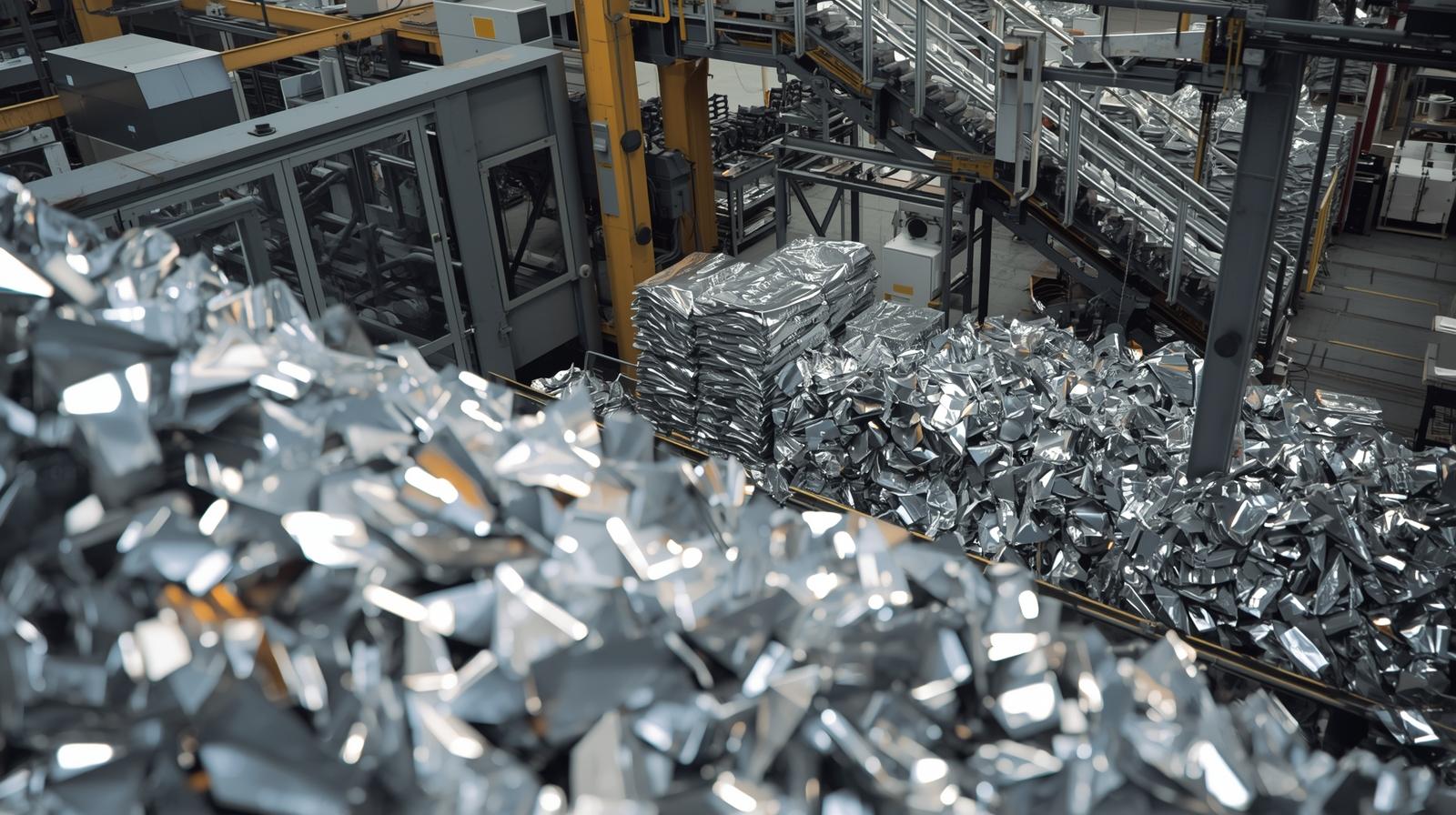
Resirkulerte aluminiumslegeringer for bærekraftig produksjon med redusert energibruk og miljøpåvirkning
Miljømessige fordeler
Resirkulering av aluminium er svært bærekraftig siden det kan resirkuleres i det uendelige uten å miste sin kraft eller kvalitet. Resirkulering av aluminium bruker så mye som 95 prosent mindre energi sammenlignet med bearbeiding av nytt aluminium, og utslippet av klimagasser og miljøvekst reduseres betraktelig.
Resirkulering i lukket kretsløp i bilfabrikker
Bilprodusentene legger også opp til stadig tettere resirkuleringssykluser, der aluminiumskrap som brukes i produksjonen, fanges opp, smeltes om og brukes i andre deler. Dette vil redusere avfallsmengden, redusere materialkostnadene og legge til rette for en bærekraftig produksjonsprosess i hele prosessen med å produsere et kjøretøy.
Utfordringer ved bruk av aluminiumslegeringer i kjøretøy
Problemer med sammenføyning og sveising
Aluminium er et materiale som ikke så lett lar seg sveise på samme måte som stål, og dette gjør det nødvendig å bruke avanserte verktøy som laser-, friksjons- og limsveising. Disse operasjonene krever dyktige menneskelige ressurser, nøyaktige maskiner og streng overvåking i bilproduksjonen.
Reparasjons- og vedlikeholdskostnader.
Biler laget av aluminiumslegeringer krever vanligvis spesielt reparasjonsutstyr og utdannet personell. Reparasjoner på karosseriverksteder er dyrere og mer tidkrevende enn de tradisjonelle stålbaserte kjøretøystrukturene, og karosseriverksteder krever opplæring og utstyr.
Fremtidige trender innen aluminiumslegeringer for bilproduksjon
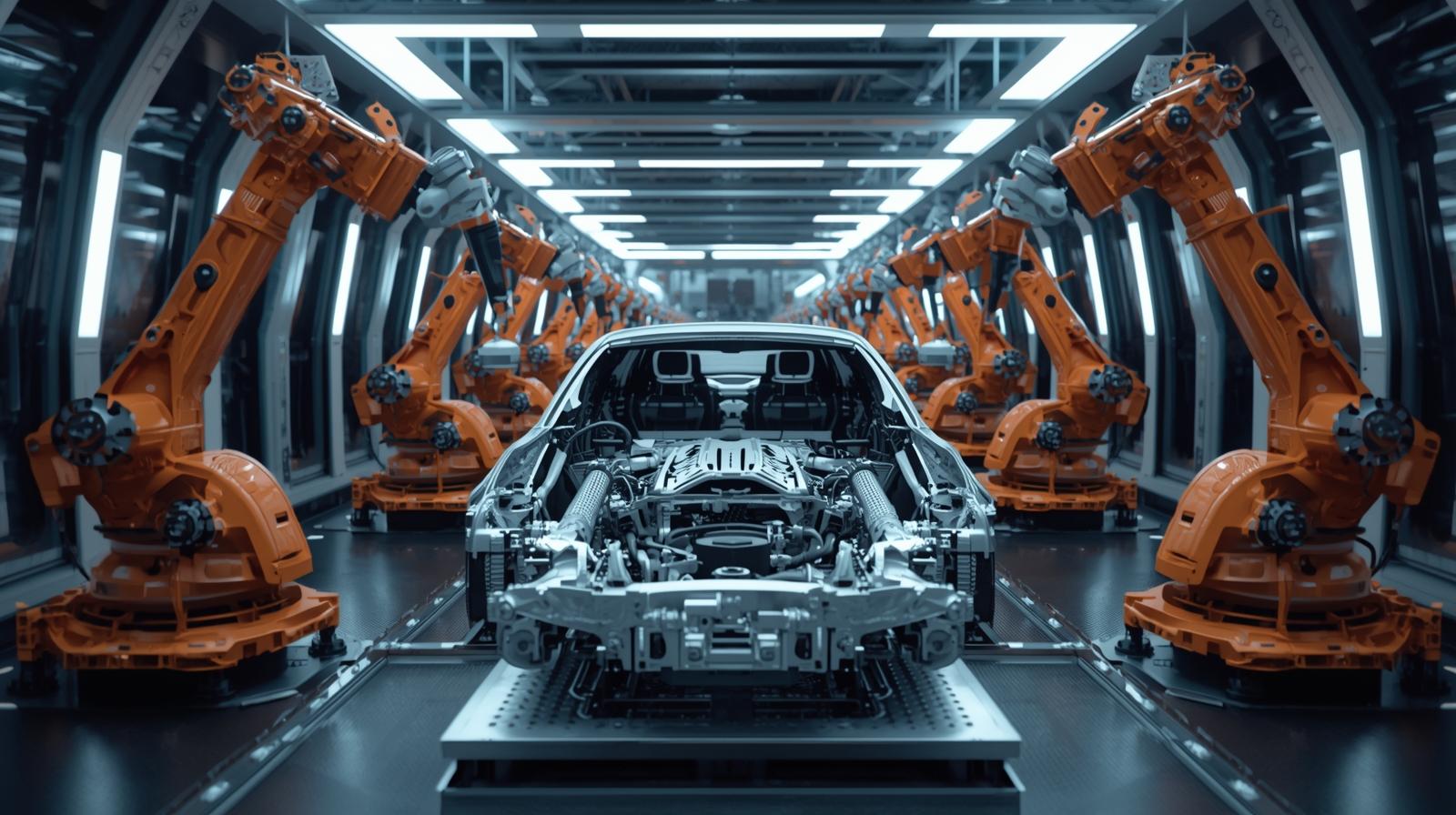
Nye innovasjoner innen aluminiumslegeringer i bilproduksjon for effektivitet, holdbarhet og miljøvennlig ytelse
Elektriske kjøretøy og etterspørsel etter aluminium
Batteripakkene veier mye i elbiler, og vekten kompenseres ved hjelp av aluminium som reduserer kjøretøyets masse. Etter hvert som elbilene blir stadig mer populære blant verdens befolkning, satser produsentene i stadig større grad på aluminium for å forbedre rekkevidden, ytelsen og den generelle energieffektiviteten til produktene sine.
Avanserte høyfaste aluminiumslegeringer
Forbedrede høyfaste aluminiumlegeringer er utviklet for å oppnå en imponerende letthet, holdbarhet og kollisjonsmotstand. Materialene gjør det mulig for produsentene å erstatte ståldeler, noe som forbedrer sikkerheten, effektiviteten og designfleksibiliteten i moderne biler.
Konklusjon
Aluminiumslegeringer til biler er ikke lenger et valgfritt materiale, nå er de nødvendige. Siden aluminiumslegeringer kan støtte revolusjonen av elektriske kjøretøy og forbedre drivstoffeffektiviteten, er de med på å definere fremtidens mobilitet. Disse materialene vil bli sterkere, smartere og enda mer bærekraftige etter hvert som teknologien utvikler seg. Motorveien er jevn og økonomisk, og uten tvil i aluminium.
Vanlige spørsmål
Så hvorfor ikke bruke stål i stedet for aluminiumslegering?
Årsakene er at de reduserer vekten på kjøretøyene, forbedrer drivstoffeffektiviteten og reduserer utslippene.
Hva er den vanligste serien av aluminiumslegeringer som brukes i biler?
6xxx-serien på grunn av den gode balansen mellom styrke, formbarhet og korrosjonsbestandighet.
Er det trygt å kjøre i aluminiumslegeringer?
Ja, legerte aluminiumslegeringer er effektive når det gjelder å absorbere støtenergi, og de er trygge og sikre.
Kan vi resirkulere aluminium når det brukes i biler?
Absolutt. Aluminium kan resirkuleres i sin helhet med alle sine egenskaper i behold.
Vil stål bli fullstendig erstattet av aluminium i biler?
Det blir ikke i fullt omfang, men dens plass i elbiler og lettvektsdesign vil bare øke.

0 kommentarer