
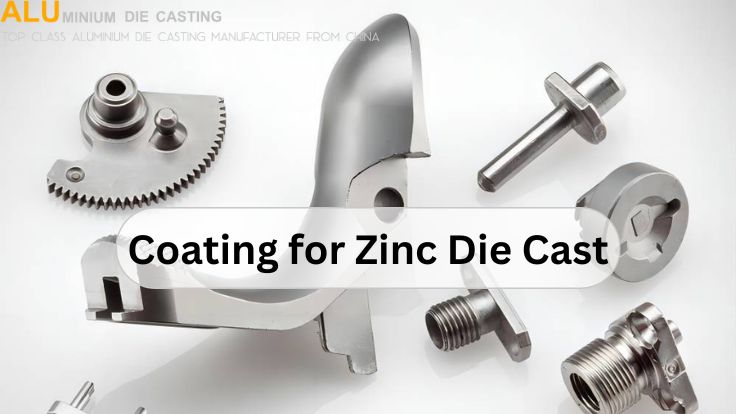
Støping av sink er en produksjonsprosess som er mye brukt i fremstillingen av komplekse og dimensjonsnøyaktige metallkomponenter. Disse komponentene har blitt verdsatt på grunn av sin styrke, kostnadseffektivitet og evne til å bli laget i store volumer. Støpte produkter av sink brukes i bilindustrien, elektronikk, maskinvare og forbrukerprodukter. Likevel må sink overflatebeskyttes slik at det kan fungere godt i det lange løp, til tross for sine mange fordeler.
Belegg er viktig for å sikre at sinkstøpte deler ikke skades av både miljømessige og mekaniske faktorer. Mangel på belegg vil føre til at sinkoverflatene korroderer, slites ut eller mister sin estetiske verdi. Et passende belegg øker levetiden, forbedrer utseendet og øker komponentens levetid.
Betydningen av Belegg for trykkstøpt sink
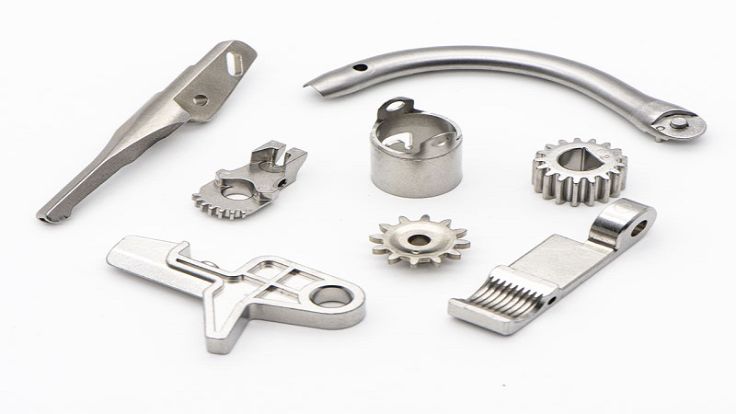
Sink reagerer naturlig med luft, vann og kjemikalier. Slik eksponering kan føre til oksidasjon og korrosjon over tid, noe som undergraver delen og også påvirker utseendet. Ubehandlede sinkdeler holder kanskje ikke lenge under tøffe forhold, for eksempel utendørs eller i industrimiljøer.
Et beskyttende belegg er en overflate som hindrer fuktighet og oksygen i å komme i kontakt med sinkoverflaten. Dette bidrar til å redusere korrosjon og forbedre kjemisk motstand og slitestyrke. Dessuten gjør beskyttelsesbelegget overflatene glattere og minimerer friksjonen, noe som kan øke ytelsen til bevegelige deler.
Overflatebehandling er også estetisk fordelaktig. Den rene, ensartede finishen gir et profesjonelt utseende, noe som øker den opplevde verdien av produktene. Produsenter kan tilfredsstille design- og merkevarebehov ved å bruke fargealternativer og dekorative overflater.
Forbehandling av beleggets overflate
Overflatebehandling er nødvendig for å oppnå et vellykket belegg. Hvis overflaten ikke rengjøres, blir belegget påført på en ineffektiv måte, og det kan enten flasse av eller svikte før tiden. Olje, fett, støv og støperester er vanlige forurensninger.
Overflatebehandling innebærer normalt bruk av kjemiske eller mekaniske metoder for å klargjøre en overflate. I andre tilfeller dannes den rette overflatestrukturen ved hjelp av sandblåsing eller polering for å oppnå bedre vedheft. Delene bør rengjøres og deretter tørkes godt for å sikre at det ikke er fuktighet på delene, og deretter er belegget ferdig.
Normal finish Overflateegenskaper
De trykkstøpte delene av sink har vanligvis en glatt og jevn overflate med noen få mindre feil, inkludert små porøsiteter eller små ujevnheter. Formfinishen er naturlig og kan brukes i mange bruksområder, spesielt når delen skal etterbehandles med andre overflatebehandlinger, for eksempel pulverlakkering, galvanisering og lignende. Standard overflatefinish på sinkstøpegods kvantifiseres i ruhetsparametere (Ra), hvis verdier kan ligge mellom Ra 1,6-3,2 µm basert på formens og prosessens forutsetninger.
Hva er overflatefinishen på sinkstøpegods?
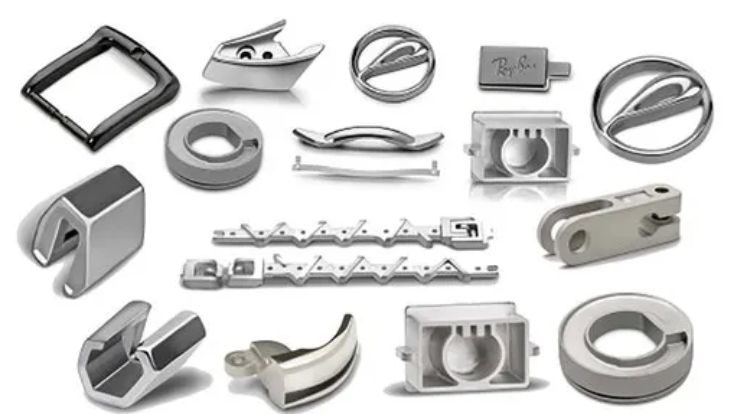
Overflatefinishen på sinkstøpegods er definert som tekstur, glatthet og utseende på en trykkstøpt sinkdel etter at den er tatt ut av støpeformen. Overflatefinishen er en svært viktig del av trykkstøping, siden den påvirker emnets funksjonalitet og skjønnhet. Den definerer samspillet mellom delen og maling, belegg eller andre etterbehandlingsoperasjoner.
Påvirkende faktorer Overflatebehandling
Overflatefinishen på pressstøpte komponenter av sink påvirkes av flere faktorer:
- Kvalitet på støpeformen: Kvaliteten på støpeformen er direkte relatert til overflaten på støpeobjektet. En svært glatt overflate oppnås når en støpeform er høypolert.
- Parametere for støpeprosessen: Støping påvirker overflatestruktur og detaljer på grunn av injeksjonshastighet, temperatur og trykk.
- Materialegenskaper: Sinklegeringens type og sammensetning kan påvirke metallets fyllingsevne i formen og finishen.
- Behandlinger etter støping: Forbelegg eller pre-plating kan gjøres glatt ved hjelp av prosesser som trimming, sliping eller polering.
Hva har pressstøping som belegg?
Die Casting Coating defineres som det laget av belegg som lages på et metall ved å varme det opp med varme etter støping.
Trykkstøpt belegg: Et belegg som påføres en trykkstøpt metalldel kan gjøres etter trykkstøpeprosessen. Sink, aluminium eller magnesium er vanlige metaller som brukes i produksjonen av pressstøpte komponenter. Selv om disse metallene er gode når det gjelder styrke og dimensjonsnøyaktighet, trenger overflatene ekstra beskyttelse for å fungere i den virkelige verden.
Det utvikles et overlegg på trykkstøpen. Laget brukes til å beskytte metallet mot miljøpåvirkning, mekanisk slitasje og kjemiske skader. Belegg forbedrer kvaliteten på overflatene og forbedrer også komponentens utseende.
Belegg for støpeformål
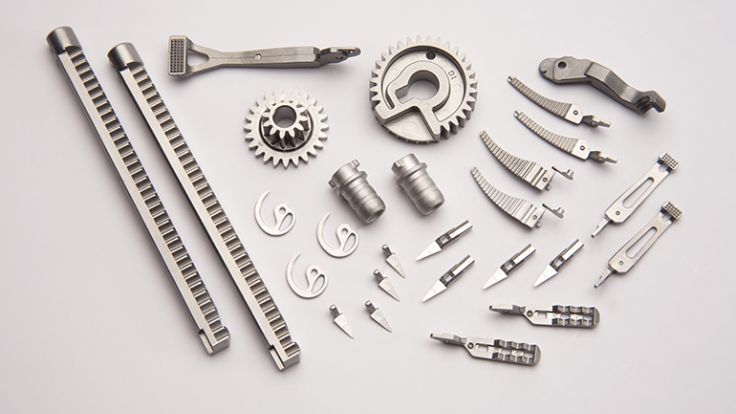
Hovedformålet med belegget er å beskytte pressstøpte deler mot korrosjon. Oksidasjon og nedbrytning av overflaten kan oppstå på grunn av eksponering for fuktighet, luft og kjemikalier. Et passende belegg vil fungere som et skjold som ikke tillater at disse komponentene kommer i kontakt med metalloverflaten.
Belegg brukes også til et annet viktig formål, nemlig å øke holdbarheten. Belegget forbedrer slitasje-, ripe- og slagfastheten, noe som er avgjørende når komponenten brukes i bilindustrien, industrien og forbrukerindustrien. Dessuten gjør beleggene overflatene mindre friksjonsutsatte og bidrar til å forbedre funksjonen i bevegelige eller monterte komponenter.
Estetisk og utilitaristisk verdi
Belegg er også viktig for å forbedre utseendet til de pressstøpte delene. Ubrutte overflater, like overflater og farger gjør produktet attraktivt og gir det merverdi på markedet. Synlige deler er ofte lakkert med dekorative overflater som krom eller lakkert.
I funksjonelle termer brukes beleggene til å øke vedheftet ved påfølgende etterbehandling, forbedre den elektriske eller termiske ytelsen i bestemte bruksområder, samt øke den generelle levetiden til trykkstøpte produkter.
Betydningen av korrekt anvendelse
For å være effektive bør beleggene påføres på riktig overflate. Rengjøring, avfetting og forbehandling garanterer god vedheft og gode resultater som varer lenge. Riktig valg av type belegg, avhengig av miljøkrav, pris og ytelse, er en viktig faktor for å oppnå best mulig resultat.
For å oppsummere er overflatebehandling av pressstøpte deler en viktig etterbehandlingsprosess som ikke bare sikrer de pressstøpte delene, men som også øker levetiden og de funksjonelle og estetiske kvalitetene.
Beleggstyper for trykkstøpt sink
Trykkstøpte deler i sink er belagt på flere måter, og belegningsmetoden avhenger av bruksområde, miljøkrav, krav til utseende og budsjett.
Pulverlakkering
En av de mest brukte formene for etterbehandling av sinkstøpte komponenter er pulverlakkering. Det gir et tykt, slitesterkt og homogent lag som er svært motstandsdyktig mot korrosjon, støt og slitasje. Pulverlakkeringen utføres ved elektrostatisk sprøyting av tørt pulver på delen, og deretter herdes det i en ovn for å skape et hardt, beskyttende belegg.
Pulverlakkering gir mange ulike farger og overflater, for eksempel matte, blanke og strukturerte overflater. Det kan brukes både innendørs og utendørs, og anses som miljøvennlig fordi det gir lite avfall og ikke krever mye løsemidler.
Galvanisering
Elektroplettering er en prosess der et tynt metallbelegg (nikkel eller krom) påføres sinkoverflaten ved hjelp av elektrisk strøm. Teknikken forbedrer korrosjonsbestandigheten, hardheten og overflatens utseende. I de fleste bruksområder velges galvanisk overflatebehandling der det er behov for et lyst, dekorativt utseende på delen.
Elektropletteringsprosessen gir også mulighet til å kontrollere tykkelsen på belegget, noe som er ideelt for komponenter med små toleranser. Galvanisering brukes i stor utstrekning i bilindustrien, maskinvare og forbrukerprodukter, der både ytelse og utseende er viktig.
Maleri
Pressstøpte deler i sink kan lakkeres med maling som er relativt billig. Flytende maling sprøytes eller dyppes på, og får deretter tørke og herde. Malingen er fleksibel når det gjelder fargevalg, og kan brukes til mindre mekaniske påkjenninger.
Men malte overflater har en tendens til å være dårligere enn pulverlakkerte eller galvaniserte overflater. Grunning og toppstrøk må brukes riktig for å forbedre vedheft og korrosjonsbestandighet.
Passivering og konverteringsbelegg
De kjemiske prosessene som endrer sinkoverflaten og ikke tilfører særlig tykkelse, er konverteringsbelegg og passiviseringsbehandlinger. Disse behandlingene øker korrosjonsmotstanden og vedheftegenskapene til det videre belegget, som maling eller pulver.
De er heller ikke en endelig finish, men et forbehandlingstrinn, og er spesielt effektive når det er nødvendig å ha beleggbindinger eller andre forbedringer på en lett beskyttelse.
Overveielser ved valg av belegg
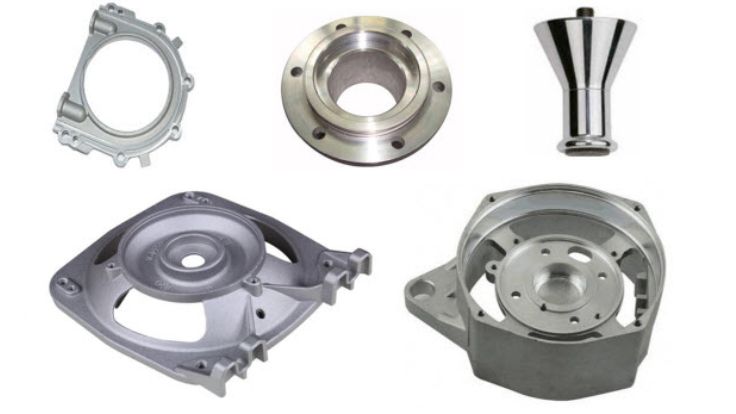
Valget av belegg avhenger av en rekke faktorer. Det kan være miljøeksponering, fuktighet, kjemikalier eller temperatur. Estetiske krav, økonomiske rammer og forventet levetid er andre faktorer av betydning. Kunnskap om disse faktorene bidrar til å sikre maksimal ytelse og pålitelighet på lang sikt.
Belagte, pressstøpte deler av sink finner nye bruksområder
Støpte deler som er belagt med sink, brukes i en rekke bransjer som bilindustrien, elektronikk, bygg- og anleggsbransjen og forbruksvarer. Typiske bruksområder er dørhåndtak, braketter, hus, kontakter og dekorative komponenter. Disse delene er riktig belagt for å sikre pålitelighet og samtidig holde dem attraktive.
Utstyr og verktøy for sinkbelegg
Ved overflatebehandling av sinkstøpte deler bør man ha riktig utstyr og verktøy for å sikre at emnet blir holdbart, jevnt og av god kvalitet. Det er også effektivt og tryggere å bruke de riktige verktøyene for å forbedre belegget.
Maskiner for overflatebehandling
Sinkdeler bør klargjøres på forhånd før lakkering. Vanlige verktøy inkluderer:
- Ultralydsrensere: Rengjør komplekse komponenter med intrikat smuss og fett med høyfrekvente lydbølger.
- Reduksjon av tanker: Oppløsningen i det kjemiske badet av oljer og rester.
- Maskiner for skuddblåsing: Slipeblåsing brukes til å glatte eller ru overflate for å forbedre vedheftingen av belegget.
- Vaskestasjoner: Dette er et høytrykksvann og vaskemiddel som vasker bort de løse partiklene.
Verktøy for påføring av belegg
Verktøyene som brukes, er basert på hvilken type belegg som brukes:
- Pulverlakkeringsanlegg: Pulverlakkering skjer ved hjelp av elektrostatiske sprøytepistoler og herdeovner for å sikre et jevnt lag av pulveret.
- Maskiner for galvanisering: Den består av pletteringstanker sammen med anoder, katoder og likerettere som brukes til å regulere metallavsetningen.
Utstyr for lakkering Sprøytekabiner, luftkompressorer og lakkpistoler, ofte automatiserte, bruker glatt flytende maling for å gi objektet et jevnt belegg.
Utstyr for herding og tørking
Spesielt belagte deler trenger herding eller tørking:
- Ovner: For å størkne finishen eller malingen brukes pulverlakk, eller for å herde maling.
- Hurtigherdende infrarøde eller UV-systemer: Hurtigherdende spesialfinish.
Tørkekammer: Temperatur og luftfuktighet bør holdes konstant for å oppnå konsistente resultater.
Instrumenter for inspeksjon og kvalitetskontroll
- For å sikre beleggets kvalitet: Tykkelsesmålere for belegg Tykkelsesmålere for belegg måler tykkelsen på belegget.
- Adhesjonstestere: Vedheft av belegg.
- Glansmålere: Mål glansen på de dekorative overflatene.
Visuelle kontrollinstrumenter: Kameraer eller luper brukes til å oppdage feil eller ujevn maling.
Sikkerhetsutstyr
Kjemiske belegg er farlige stoffer å jobbe med:
- Forkle, vernebriller og hansker: Unngå kontaminering av hud og øyne.
- Masker eller åndedrettsvern: De forhindrer innånding av røyk og pulver.
- Ventilasjonssystemer: Sørg for at det er tilstrekkelig luftgjennomstrømning i sprøytekabinetter og pletteringsseksjoner.
Strømtetthet: Hvor mye strøm brukes?
Strømtetthet brukes i sinkstøpe- og galvaniseringsprosesser for å betegne mengden elektrisk strøm som brukes på en arealenhet av metalloverflaten. Den uttrykkes vanligvis som ampere/kvadratdesimeter (A/dm 2 ) eller ampere/kvadratmeter (A/m 2 ). Strømtettheten er en svært viktig variabel ved galvanisering, siden den har direkte innvirkning på sinkbeleggets tykkelse, ensartethet og kvalitet.
Betydningen av sinkbelegg
Hastigheten sinkionene legger seg på metalloverflaten med, bestemmes av strømtettheten. Når strømtettheten er svært lav, kan den være langsom og ujevn, noe som resulterer i tynn eller svak plettering. Motsatt kan for høy strømtetthet føre til defekter som svie, ru overflater eller manglende vedheft.
En god strømtetthet vil også gjøre sinkbelegget homogent, glatt og sterkt vedheftende, noe som øker korrosjonsmotstanden og den generelle holdbarheten.
Badetemperatur - er løsningen varm eller kald?
Badetemperaturen i sinkbelegg og sinkbeleggprosessen er temperaturen på elektrolyttløsningen som den sinkstøpte delen er plassert i. Det er en kritisk parameter ettersom den påvirker de kjemiske reaksjonene, pletteringseffektiviteten, beleggkvaliteten og vedheftingen av belegget.
Avhengig av pletteringsprosessen måles temperaturen i badet vanligvis i grader Celsius (o C) og reguleres ved hjelp av varmeovner, kjøleaggregater eller termostatiske kontroller.
Betydningen av å regulere badetemperaturen
Temperaturen i pletteringsløsningen har en direkte effekt på sinkionenes oppførsel i badet:
- Høy temperatur: Akselererer sinkionenes bevegelse, noe som øker effektiviteten av pletteringen. Det er imidlertid en grense for høy temperatur, i og med at det kan dannes grove eller brente avleiringer, beleggets lysstyrke kan bli redusert, og vedheftet kan bli svekket.
- Lav temperatur: Ionebevegelsen bremses opp, noe som kan føre til ujevn plettering, utilstrekkelig dekning og lengre pletteringstid.
For å få glatte, jevne og godt heftede belegg er det alltid tilrådelig å opprettholde en god badtemperatur.
Normale temperaturområder for bad
Andre sinkbeleggingsmetoder foreslås å ha et temperaturområde:
- Galvaniseringsbad: Badene er vanligvis mellom 20 °C og 45 °C, men dette varierer avhengig av badets sammensetning og ønsket finish.
- Alkaliske eller cyanidfrie bad: De kan kjøres ved temperaturer på 300-500 °C, der de kan arbeide mest effektivt.
- Pulverlakkering og kjemisk forbehandling: Kan ha en tendens til å ha enten høyere eller lavere temperaturer når de gjennomgår herding eller konvertering.
Forhold som påvirker temperaturen i badet
Temperaturen på pletteringsløsningen (varm eller kald) bestemmes av ulike variabler:
- Sink Salt Type: De ulike sinksaltene, som sinksulfat, sinkklorid og sinkcyanid, løser seg opp og avleirer seg forskjellig.
- Tykkelse på ønsket belegg: Belegget kan være tykt, og i så fall kan det trenge litt mer varme for å holde ionestrømmen i gang.
- Omrøring i badekaret: Riktig sirkulasjon sørger for jevn temperaturfordeling i hele løsningen.
- Delstørrelse og geometri: Når store deler skal brukes, kan det være nødvendig å overvåke dem nøye for å unngå ujevn plettering som følge av temperaturvariasjoner.
Typiske feil og problemer med sinkbelegg
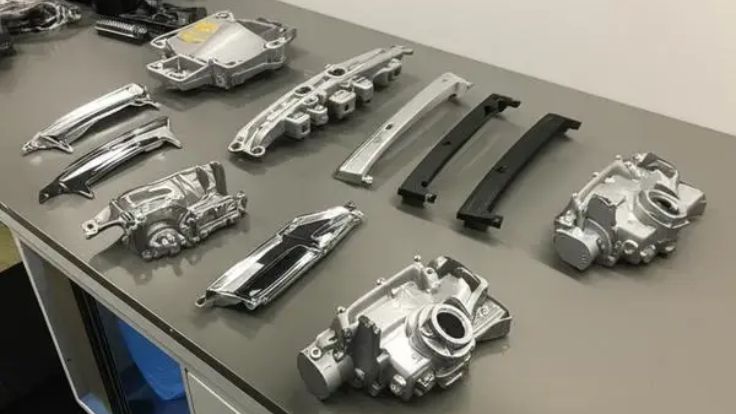
Trykkstøpte deler er belagt med sink, og derfor er de motstandsdyktige mot korrosjon og slitasje. Likevel kan det gå galt hvis prosessen ikke håndteres på riktig måte. Det er også viktig å lære seg å skille mellom typiske problemer og løsningene på dem for å oppnå kvalitetsresultater.
Dårlig vedheft
Når belegget flasser eller faller av sinkoverflaten, kalles det dårlig vedheft. Dette skyldes vanligvis skitne overflater, dårlig justert badkjemi eller feil strømtetthet. For å løse dette må delene rengjøres og avfettes, badets pH-verdi og sammensetning må kontrolleres, og de riktige elektriske parameterne må opprettholdes under pletteringen.
Ru eller brent overflate
Når belegget er ujevnt eller misfarget, danner det en ru eller brent overflate. Dette skyldes ofte høy strømtetthet, for høy badtemperatur eller dårlig omrøring. Disse problemene kan unngås ved å redusere strømtettheten, opprettholde riktig temperatur i badet og øke sirkulasjonen i badet.
Blemmer eller bobler
Under belegget er det blærer i form av små bobler. Det oppstår når fuktigheten eller forurensningene er fanget på sinkoverflaten. Delene bør også være fullstendig belagt etter rengjøring og tørking. Forvarming av deler kan brukes til å eliminere eventuell fuktighet.
Ujevn tykkelse
Ujevn beleggtykkelse refererer til situasjonen der det er tykke beleggområder og andre. Årsakene kan være dårlig fordeling av strømmen, feil plassering av delene eller kompliserte former. Dette kan avhjelpes ved å sørge for at anoden er godt plassert, ved å øke og redusere strømtettheten og ved å bruke hjelpeelektroder på kompliserte komponenter.
Beiset farge eller flekkete overflate4
Matthet eller misfarging oppstår når belegget ikke er lyst. Dette skyldes vanligvis forurensede bad, uegnet temperatur eller skylling. Disse løsningene er filtrering eller bytte av bad, holde badet i riktig tilstand og utføre en grundig skylling etter plettering.
Fordelene med overflatebehandling på pressstøpt sink
Det er flere fordeler med å overflatebehandle trykkstøpte deler i sink. Den største fordelen er korrosjonsbeskyttelsen. Belegg gir et belegg som beskytter mot fuktighet, luft og kjemikalier som ellers vil skade metallet. Dette bidrar i stor grad til å forlenge delenes levetid.
En annen fordel er at utseendet forbedres. Overflaten blir jevnere, får en homogen farge og får en dekorativ finish. Dette er spesielt viktig når det gjelder forbruksvarer og synlige elementer.
Holdbarheten forbedres også av belegget. De gjør dem motstandsdyktige mot riper, slitasje og støt. Dette er avgjørende for komponenter som utsettes for friksjon eller mekaniske påkjenninger.
I tillegg kan overflatebehandlinger tilføre funksjonalitet. Noen av disse beleggene minimerer friksjon eller elektrisk isolasjon, eller de gjør overflaten renere. De bidrar også til å gjøre andre overflatebehandlinger, som maling eller pulverlakk, mer klebende.
Til slutt kan overflatebehandling redusere vedlikeholdskostnadene. Bruken av beskyttende komponenter sparer også tid og penger når det gjelder livssyklusen, siden utskifting eller reparasjon av produktet reduseres.
Bruksområder for belagte trykkstøpte deler av sink
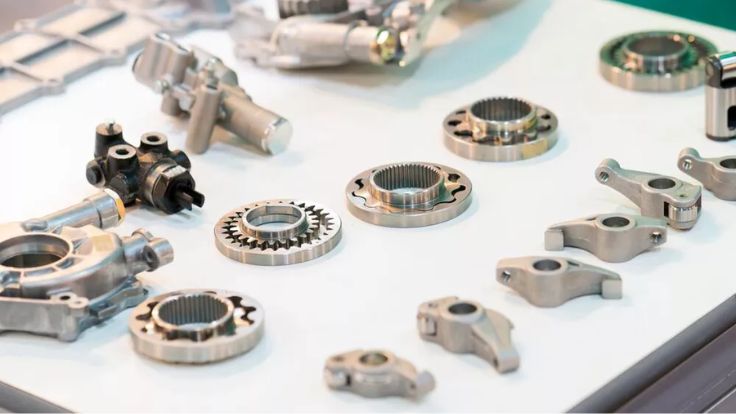
Støpte deler som er belagt med sink, er svært vanlige og brukes i industrien på grunn av deres holdbarhet, korrosjonsbestandighet og utseende. Det finnes ulike bruksområder for forskjellige produkter som krever visse typer belegg for å oppnå de funksjonelle og tiltalende kravene.
Bilindustrien
Belagt sinkstøpegods brukes i bilindustrien i braketter, dørhåndtak, pyntelister og hus. Belegg beskytter disse delene mot rust, slitasje og miljøforringelse, noe som garanterer at komponentene holder seg i det tøffe miljøet på lang sikt.
Elektriske komponenter og elektronikk
Koblingshus, brytere og kabinetter laget av trykkstøpt sink er ofte belagt med beskyttende overflatebehandling. Disse overflatebehandlingene hemmer korrosjon, gir bedre elektrisk isolasjon og holdbarhet, slik at komponentene er rimelige i det lange løp.
Elektriske og elektroniske produkter og maskinvare
Sinkfinish er også vanlig i låser, beslag, håndtak og ornamenter. Lakkerte, polerte eller glatte overflater brukes også for å forbedre det estetiske uttrykket, samtidig som de fungerer som beskyttelse mot slitasje og andre miljøpåvirkninger. Denne blandingen av estetikk og funksjonalitet gjør dem perfekte i forbrukerrettede produkter.
Industrielle maskiner
Industrielle sinkstøpegods og tannhjul, spaker og små hus kan forsynes med slike belegg for å forbedre slitestyrke, korrosjonsbestandighet og levetid. Godt belagte komponenter gir lavere vedlikeholdskostnader og bedre generell effektivitet for maskinen.
Om oss - GC Precision Mould
Vi er GC Precision Mould, som tilbyr høykvalitets støpeløsninger i aluminium og sink til en rekke ulike bransjer. Vi har vært aktive innen presisjonsstøping og metallstøping i en årrekke, og vi leverer produkter av høyeste standard når det gjelder nøyaktighet, holdbarhet og skjønnhet.
Vårt konsern er en blanding av høyteknologi, mesterhåndverk og streng kvalitetskontroll i produksjonen av kompliserte pressstøpte produkter til bilindustrien, elektronikk, forbruksvarer og industrisektoren. Vårt mål er å være innovative, effektive og kundetilfredse, og vi har sørget for at alle delene våre fungerer godt i et utfordrende miljø.
Presisjon, pålitelighet og hastighet er svært viktig for GC Precision Mould. Vi har som mål å tilby kundene våre kostnadseffektive pressstøpte løsninger av høy kvalitet som vil hjelpe dem med å forbedre produktene sine og styrke virksomheten.
Våre tjenester
Våre tjenester innen pressstøping og etterbehandling omfatter hele spekteret av tjenester som er tilpasset bransjens spesifikke krav:
Presisjonsstøping
Våre støpegods i sink og aluminium har høy nøyaktighet, og komplekse komponenter produseres med små toleranser og høy dimensjonsstabilitet. Den høye kvaliteten på produksjonsutstyret vårt gjør det mulig å produsere både små og store serier.
Etterbehandling og overflatebehandling
GC Precision Mould tilbyr overflatebehandlingstjenester som pulverlakkering, galvanisering, maling og kjemisk behandling. Våre overflatebehandlinger gir bedre korrosjonsbestandighet, holdbarhet og utseende.
Design og produksjon av støpeformer
Våre produksjonslinjer er spesialisert på å designe og lage svært nøyaktige støpeformer som er unike for dine produksjonsbehov. Ingeniørene våre sørger for at formene lages effektivt, med lang levetid og ensartet kvalitet.
Tilpassede løsninger
Vi har spesialtilpassede løsninger for unike bruksområder, enten det gjelder bildeler, forbrukerprodukter eller industrielle deler. Vi samarbeider med kundene våre om å produsere spesialtilpassede pressstøpte deler med høy presisjon.
Kvalitetskontroll og inspeksjon
Våre tjenester er basert på kvalitet. Alle disse delene blir nøye undersøkt, for eksempel kontroll av dimensjoner, overflate og verifisering av belegg. På denne måten sikrer vi at alle komponentene som kommer ut fra fabrikken vår, holder internasjonal standard.
Konklusjon
Støping av sink gjøres ved belegg. Det motstår korrosjon og slitasje på komponenter, forbedrer utseendet og øker levetiden til produktene. Produsenter kan forbedre kvaliteten og ytelsen til sinkstøpte deler ved å bruke riktig belegningsteknikk og riktig overflatebehandling.
Vanlige spørsmål
Hva er belegget av sinkstøping?
Sinkstøpebelegg er et belegg som brukes til å behandle sinkdeler. Det øker korrosjonsbestandigheten, øker holdbarheten og gir en glatt og estetisk tiltalende finish. De vanligste overflatebehandlingene er pulverlakkering, galvanisering, maling og kjemisk behandling.
Hvilken betydning har overflatefinishen på sinkstøpte deler?
Overflatebehandlingen har stor betydning for hvordan sinkstøpte komponenter ser ut, og for kvaliteten under bruk. Et belegg gir overlegen vedheft, færre slitasjepunkter og økt estetikk på grunn av en glatt og jevn overflate.
Hvilke kjemikalier brukes til sinkplater?
Sinkbeleggingen utføres vanligvis ved hjelp av sinksalter som sinksulfat, sinkklorid eller sinkcyanid, elektrolytter og tilsetningsstoffer. Disse kjemikaliene danner et beskyttende lag av sink som hindrer korrosjon og øker holdbarheten. Løsninger uten cyanid er vanlige i moderne plettering.

0 kommentarer