
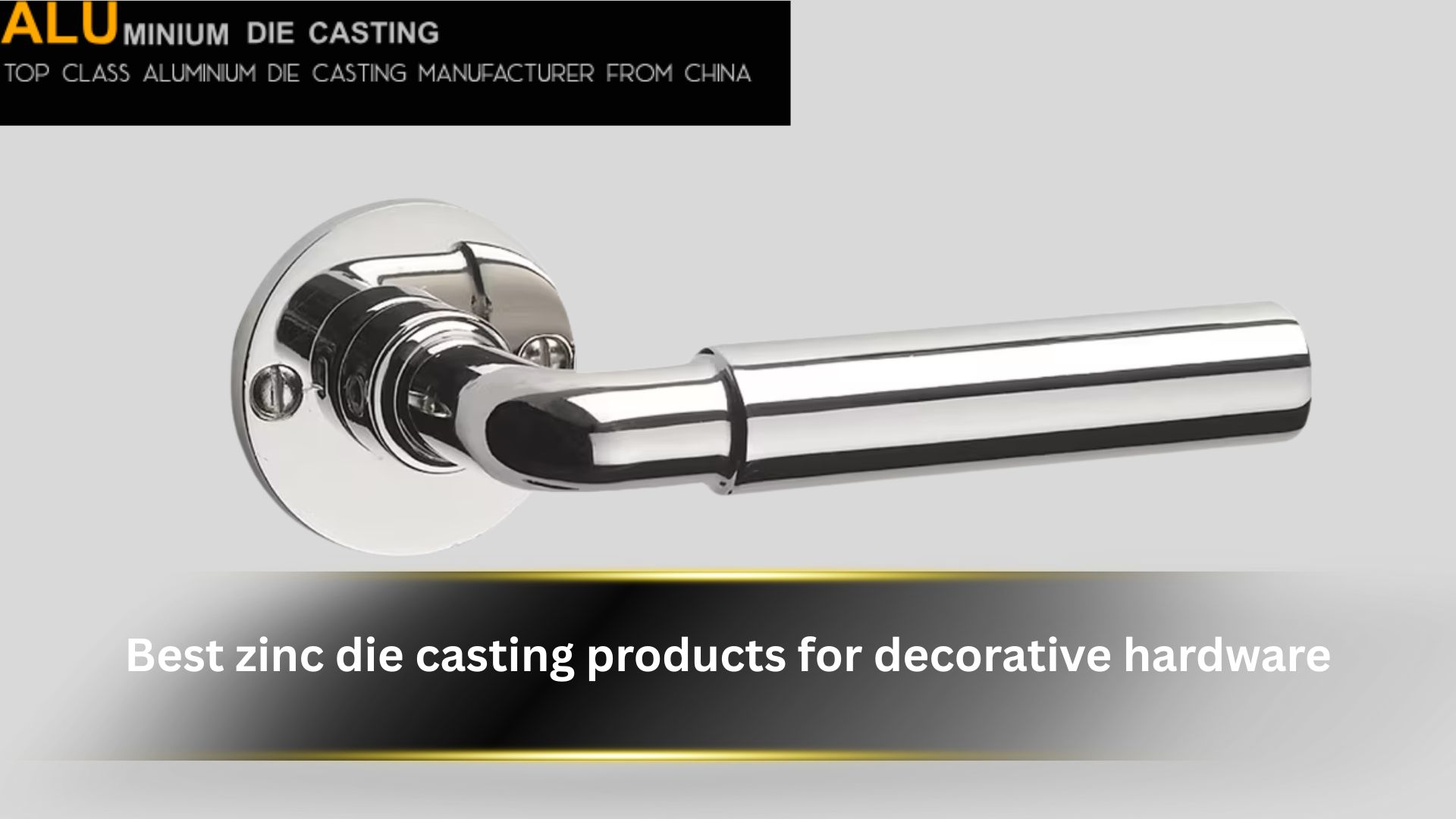
Zink spuitgieten is momenteel een van de meest favoriete manieren om goede decoratieve hardware te maken. Dat komt omdat zink krachtig, buigzaam en voordelig is en er goed uitziet als het klaar is. In dit artikel bespreken we de beste zinkspuitgietproducten op het gebied van decoratief hang- en sluitwerk. We zullen ook verantwoorden waarom ze belangrijk zijn, hoe ze worden vervaardigd en wat er in hun voordeel is in vergelijking met andere producten.
Wat is zink spuitgieten?
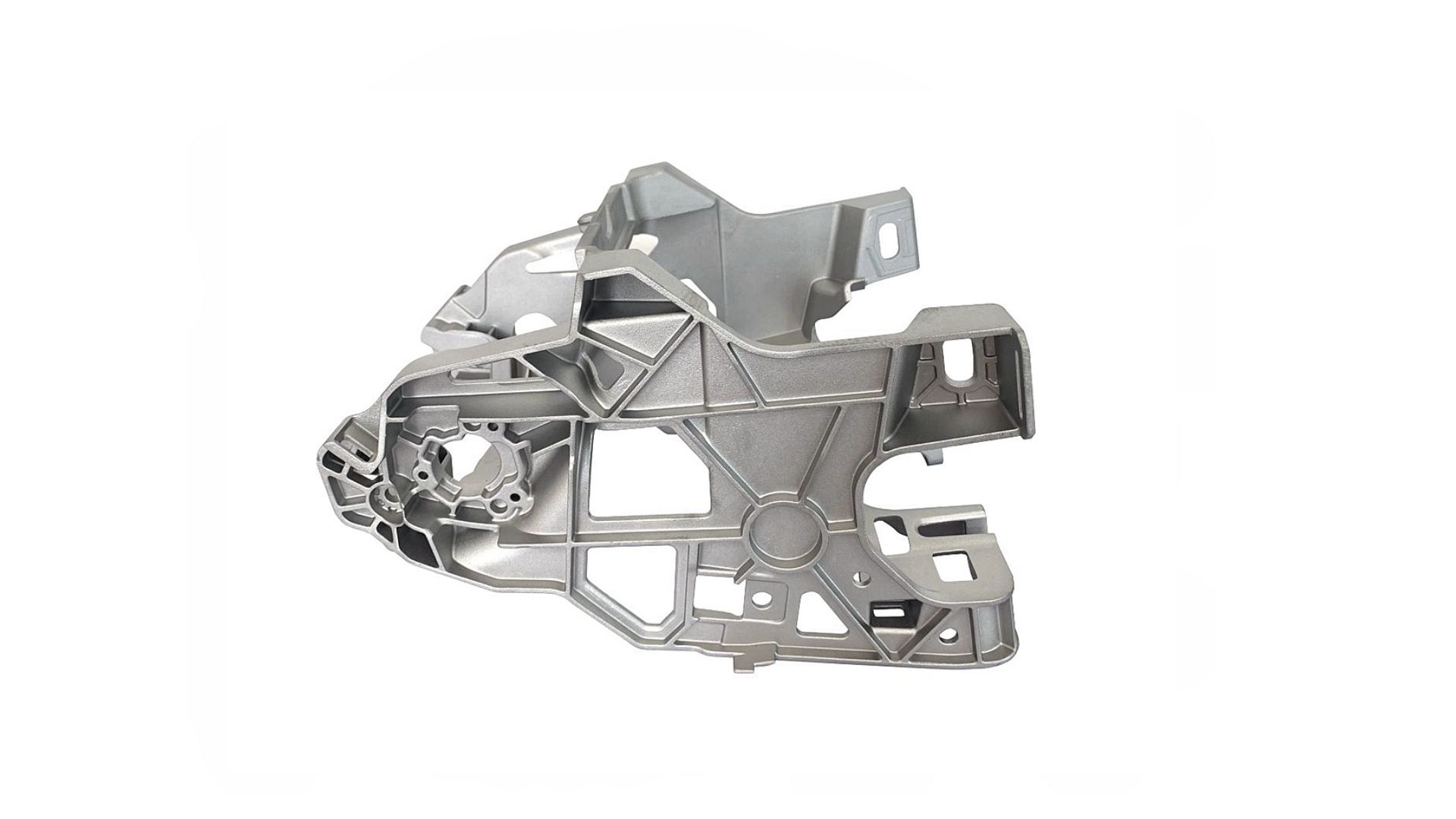
Zinkspuitgieten is een productieproces. Het gesmolten zink wordt in dit proces onder hoge druk in stalen mallen gespoten. De mallen hebben nauwkeurige vormen. De onderdelen zijn sterk en nauwkeurig nadat ze zijn afgekoeld.
Het gereedschap is geschikt voor kleine tot middelgrote onderdelen. De oppervlakteafwerking is uitstekend. Het maakt ook fijne details mogelijk die met andere methoden niet gemakkelijk te maken zijn.
Zink is een metaal dat gemakkelijk kan worden gegoten. Het smelt bij een lage temperatuur. Het vloeit goed in de mal. Er worden slijtvaste onderdelen van gemaakt.
De reden waarom Zink spuitgietwerk perfect is voor decoratieve hardware
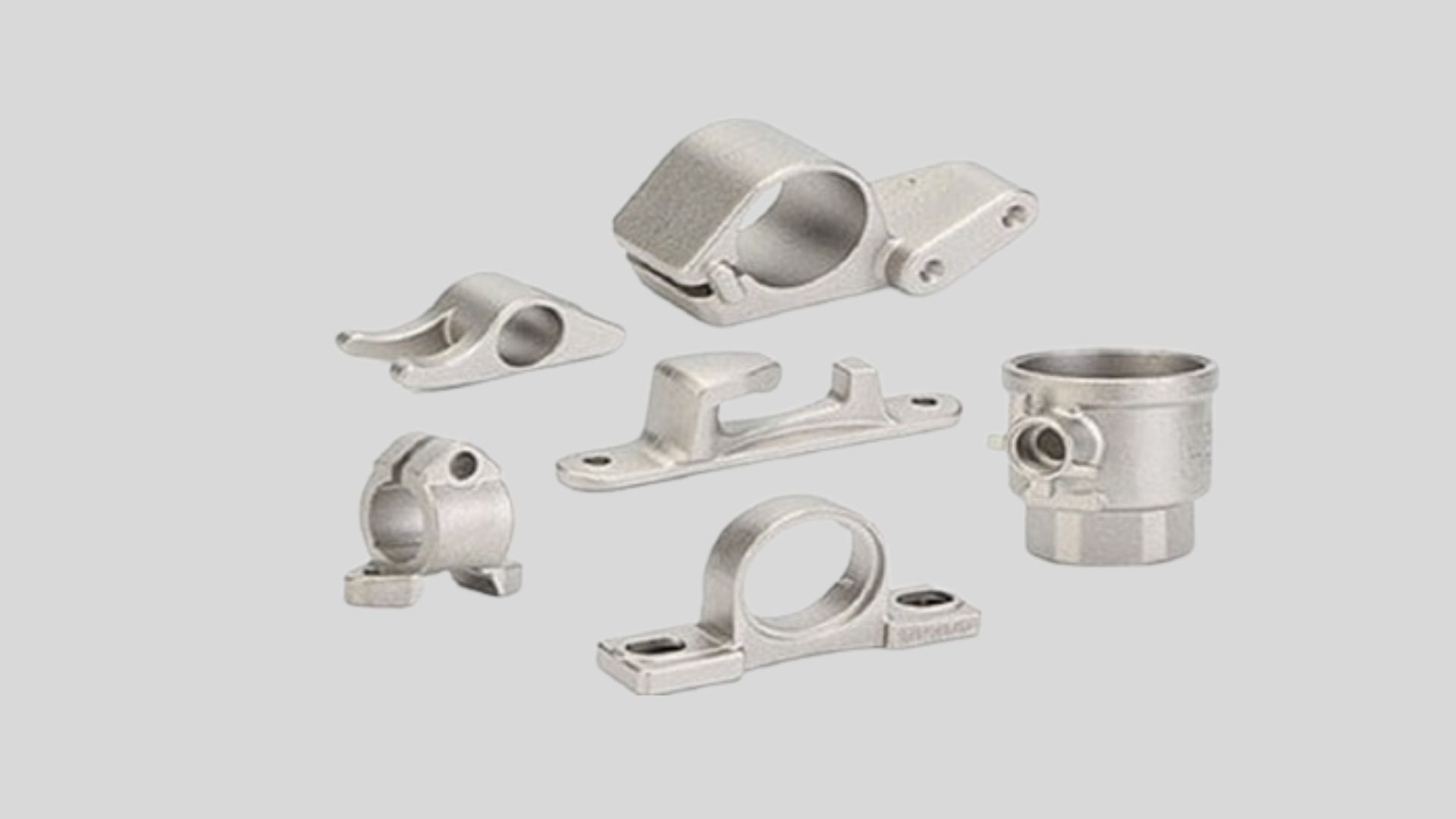
Decoratieve hardware bestaat uit voorwerpen zoals knoppen, handgrepen, sloten en sierlijsten. Deze onderdelen moeten aantrekkelijk en duurzaam zijn. Spuitgieten van zink is in tal van opzichten de oplossing voor deze eisen:
- Hoge sterkte: Gegoten onderdelen van zink zijn krachtig en duurzaam.
- Detail en afwerking: Het proces maakt fijnere details van het ontwerp mogelijk.
- Corrosiebestendigheid: Zink heeft een anticorrosieve eigenschap.
- Gemakkelijk te plateren Zink kan worden geplateerd op chroom, nikkel, messing of brons.
- Kosteneffectief: Het verwerkt gecompliceerde vormen tegen lagere kosten dan machinale bewerking.
- Stabiliteit in kwaliteit: Alle onderdelen zien er hetzelfde uit en werken hetzelfde.
Dit zijn enkele van de voordelen die van zink spuitgietwerk een van de beste keuzes maken om te gebruiken als decoratieve hardware.
Hoe zink spuitgietwerk wordt gedaan
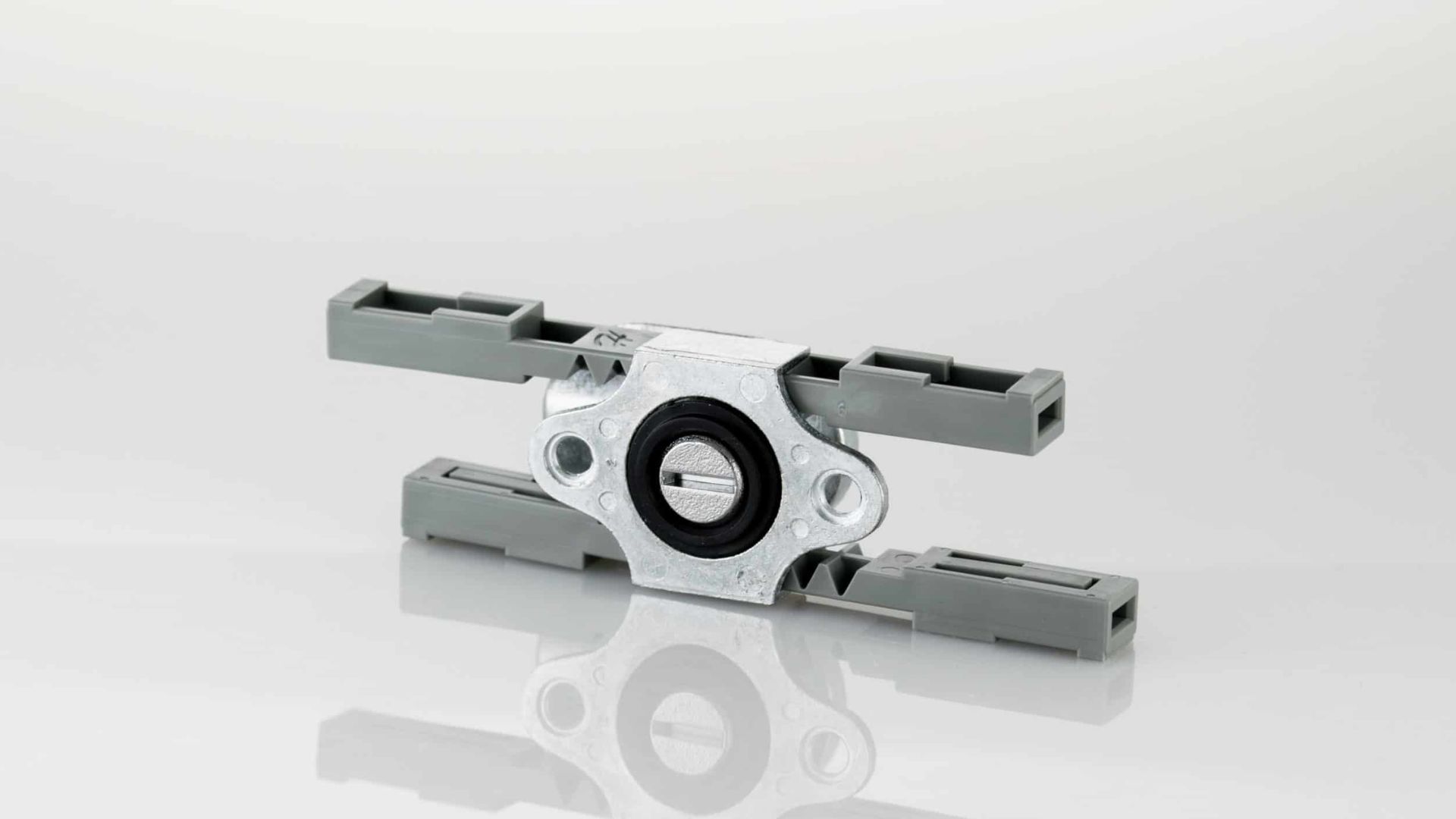
De kunst van het zinkspuitgieten is een nauwkeurige productietechniek. Het wordt gebruikt om sterke en gedetailleerde metalen onderdelen te maken. De stappen omvatten het smelten van zink, gevolgd door het vormen van zink in een metalen mal.
Om te beginnen wordt een zinklegering van hoge kwaliteit gekozen. Het zink wordt in een oven verhit tot het vloeibaar is. Zink wordt gesmolten bij een lage temperatuur, waardoor energie en tijd worden bespaard.
Daarna wordt het gesmolten zink in een stalen mal gespoten. Dit gebeurt onder hoge druk. De druk duwt het metaal aan alle kanten van de mal. Deze stap is genomen om te zorgen voor fijne details en gladde oppervlakken.
Het zink koelt snel af in de mal na het inspuiten. Het afkoelingsproces verloopt snel en duurt slechts enkele seconden. Nadat het metaal is gestold, gaat de mal open.
Vervolgens wordt het gegoten onderdeel uit de mal gehaald. Extra metaal, dat flash wordt genoemd, wordt afgesneden. Dit verbetert de vorm en precisie van het onderdeel.
Na het trimmen wordt het product afgewerkt. Het oppervlak kan gepolijst, geplateerd of gecoat zijn. Populaire afwerkingen zijn chroom, nikkel en antiek messing. Deze coatings verbeteren het uiterlijk en beschermen het metaal.
Tot slot worden de onderdelen geïnspecteerd. Er zijn kwaliteitscontroles op de juiste maat, sterkte en oppervlakteafwerking. Goedgekeurde onderdelen worden pas verpakt en geleverd.
Het is ook snel, precies en herhaalbaar. Het stelt fabrikanten in staat om decoratief hang- en sluitwerk van goede kwaliteit en detail te maken.
Typische zinklegeringen voor decoratieve ijzerwaren
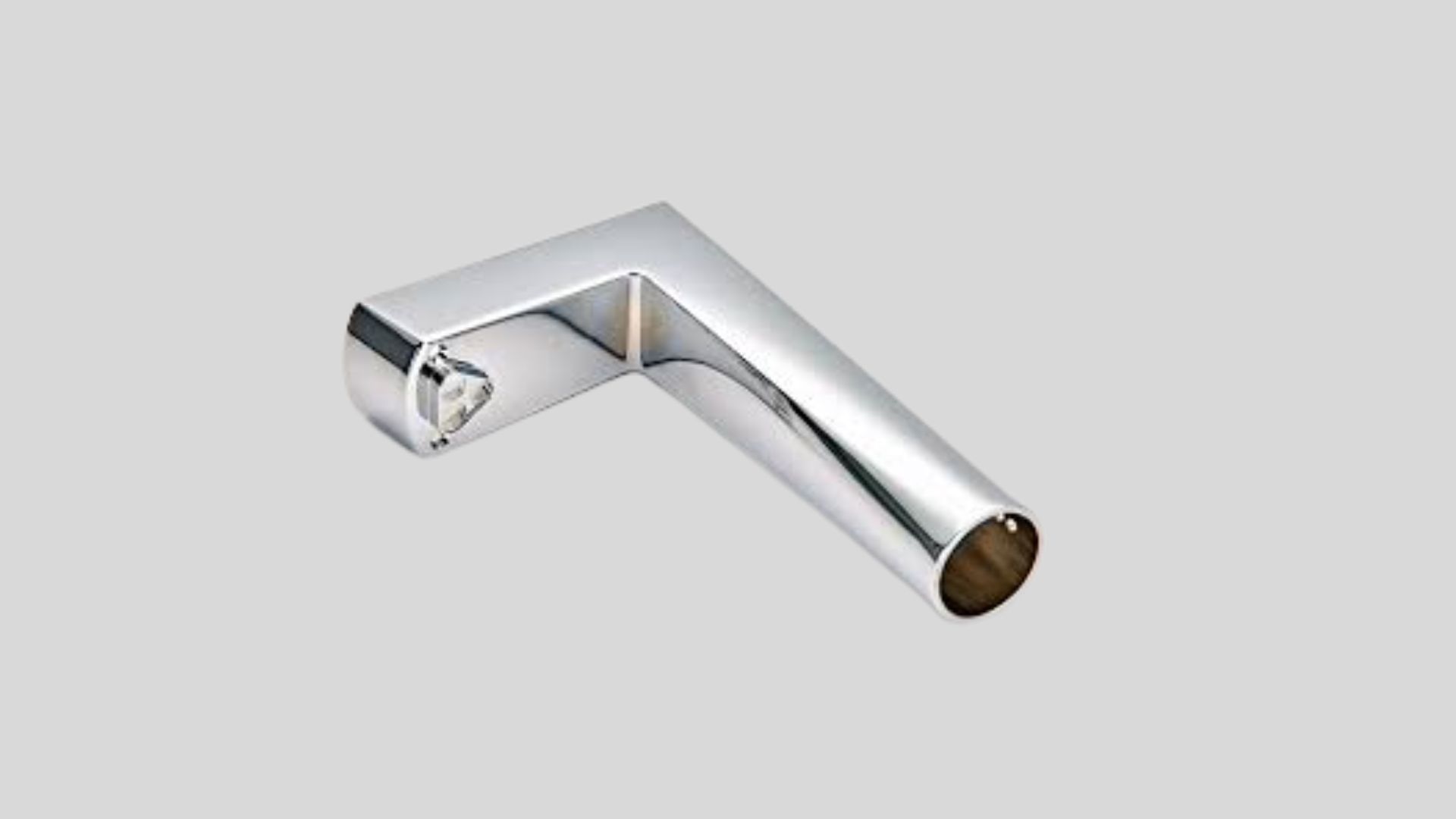
Decoratieve hardware wordt op grote schaal gemaakt met zinklegeringen. Ze maken onderdelen sterk, duurzaam en gemakkelijk af te werken. Door een combinatie van zink met andere metalen te gebruiken, kunnen fabrikanten de sterkte, corrosiebestendigheid en slijtage verbeteren.
Zamak 2
Zamak 2 is een goede corrosiebestendige zinklegering. Het bestaat uit zink, aluminium, koper en magnesium. Dit is een legering die toepasbaar is in onderdelen met een hoge belasting, zoals deurklinken en hefbomen. Het is in staat om minuscule details en afwerking vrij goed te dragen.
Zamak 3
De meest gebruikte zinklegering is Zamak 3. Het heeft goede gieteigenschappen en mechanische sterkte. Het is perfect voor kastknoppen, meubelbeslag en sierbeslag. Zamak 3 is betaalbaar, duurzaam en eenvoudig te produceren.
Zamak 5
De sterkte van Zamak 5 is groter dan die van Zamak 3. Het heeft ook een superieure slijtvastheid. Dit is een legering die ideaal is voor zware hardware zoals sloten, scharnieren en grotere deurgrepen. Het garandeert een lange levensduur bij intensief gebruik.
Zamak 7
Zamak 7 staat bekend als corrosiebestendig en buigzaam. Het is efficiënt met hardware voor buiten, geplateerde profielen en architecturale accenten. Dit is een harde legering die niets van zijn afwerking verliest bij blootstelling aan ongunstige omstandigheden.
Vergelijkingstabel van zinklegeringen
| Zinklegering | Samenstelling | Essentiële eigenschappen | Algemeen gebruik |
| Zamak 2 | Zink + 4% Aluminium + 3% Koper + 1% Magnesium | Hoge sterkte, goede corrosiebestendigheid | Deurgrepen, hendels, hardware met hoge spanning |
| Zamak 3 | Zink + 4% Aluminium + 3% Koper | Meest gebruikt, uitstekend gieten, goede mechanische sterkte | Kastknoppen, meubelbeslag, decoratief beslag |
| Zamak 5 | Zink + 4% Aluminium + 3% Koper + 1% Magnesium | Hogere sterkte dan Zamak 3, goede slijtvastheid | Heavy-duty hardware, sloten, scharnieren |
| Zamak 7 | Zink + 4% Aluminium + 3% Koper | Betere corrosiebestendigheid, uitstekende vervormbaarheid | Beslag voor buiten, vergulde onderdelen, architecturale accenten |
Decoratieve Hardware Zink spuitgietproducten
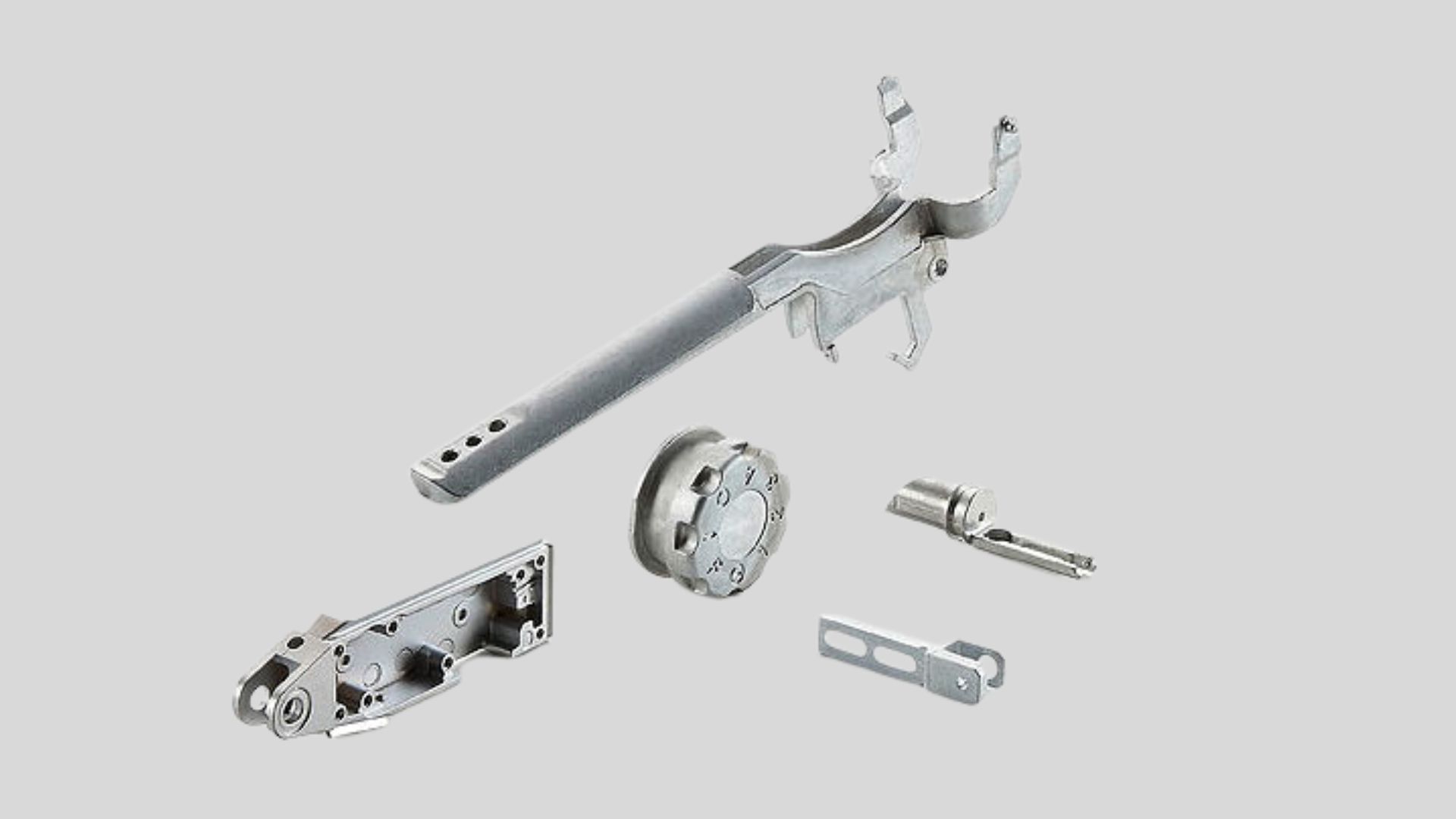
We bespreken nu de meest excellente zinkspuitgietproducten voor toepassingen in de sierbeslagindustrie.
Deurgrepen en -hendels
De populairste decoratieve hardwaren zijn deurgrepen en -hendels. Ze worden toegepast in residentiële, commerciële, hotel- en gemeentelijke gebouwen. Ze zijn sterk en aantrekkelijk door het spuitgieten van zink.
Zink kan verschillende vormen hebben. Ze kunnen eigentijds, traditioneel of artistiek zijn. De details van het ontwerp worden opgenomen in het gietproces. Ze kunnen worden gegoten en vervolgens gepolijst of verguld in een willekeurig aantal afwerkingen.
Gangbare afwerkingen zijn onder andere:
- Chroom
- Nikkel
- Messing
- Antiek brons
De hardware is gemaakt om er eersteklas uit te zien met deze afwerkingen.
Knoppen voor lades en kasten
Meubels kunnen kastknoppen gebruiken, dat zijn kleine onderdelen. Ze moeten aantrekkelijk en handig zijn. Zinkgietwerk biedt beide kwaliteiten.
Knoppen van zink kunnen hebben:
- Vloeiende rondingen
- Oppervlakken met structuur
- Ingewikkelde patronen
Dergelijke stijlen kunnen worden afgestemd op de decoraties in de keuken, slaapkamer en kantoorkasten.
Zinken knoppen zijn ook sterk. Ze versplinteren niet na dagelijks gebruik.
Afhankelijk van het ontwerp zijn er twee soorten scharnieren en sierplaten: strak en geblokt.
Deuren worden met scharnieren aan kozijnen bevestigd. Scharnieren zijn nuttig en decoratief en worden gegoten met zink.
Zink kan ook worden gebruikt om decoratieve platen op deuren en kasten te maken. Deze platen zijn stijlvol en beschermen het oppervlak.
Zinkgieten kan:
- Sierlijke scharnierdeksels
- Decoratieve hoekbeschermers
- Stijlvolle achterplaten
Deze kleine stukjes verfraaien het uiterlijk van een deur of meubelstuk.
Slotafdekkingen en sleutelplaten
Het sleutelgat wordt bedekt door slotdeksels en sleutelschildjes. Ze voegen ook stijl toe.
Het spuitgieten van zink biedt de mogelijkheid om precieze vormen te produceren, die belangrijk zijn voor sloten. Deze profielen moeten heel goed rond het sleutel- en slotsysteem passen.
Zinken slotdeksels hebben vaak:
- Strakke lijnen
- Elegante rondingen
- Decoratieve patronen
Ze kunnen worden aangepast aan de deurklink of andere apparatuur.
Bouwdecoraties en lijstwerk
Architecturale versieringen worden ook in zink gegoten. Deze omvatten ornamenten op de muren, ramen en deuren.
Sierstukken kunnen zijn:
- Accenten frame
- Rozetten
- Medaillons
Zink maakt uitgewerkte ontwerpen mogelijk die kamers een prachtige uitstraling geven.
Deze bekleding kan worden gebruikt in:
- Huizen
- Hotels
- Kantoorlobby's
Zink maakt architecten en ontwerpers flexibel en charmant.
Onderdelen voor badkamer en kraan
Spuitgieten van zink wordt ook gebruikt voor badkamerbeslag.
Enkele voorbeelden zijn:
- Handgrepen voor kranen
- Beslag voor douchedeuren
- Handdoekhouders
- Zeephouders
Zink is geschikt voor natte omstandigheden omdat het niet corrodeert. De onderdelen kunnen worden verchroomd of geborsteld vernikkeld. Dit zorgt voor een frisse en eigentijdse uitstraling.
Meubelaccenten en pootjes
Meubelaccenten helpen om meubels compleet te maken. Gietstukken van zink zijn ideaal voor kleine en scherpe voorwerpen zoals:
- Pootjes voor kasten en banken
- Decoratieve hoeken
- Sierstukken
Deze secties houden meubels vast en maken ze modieus.
Zink gegoten hardware afwerking
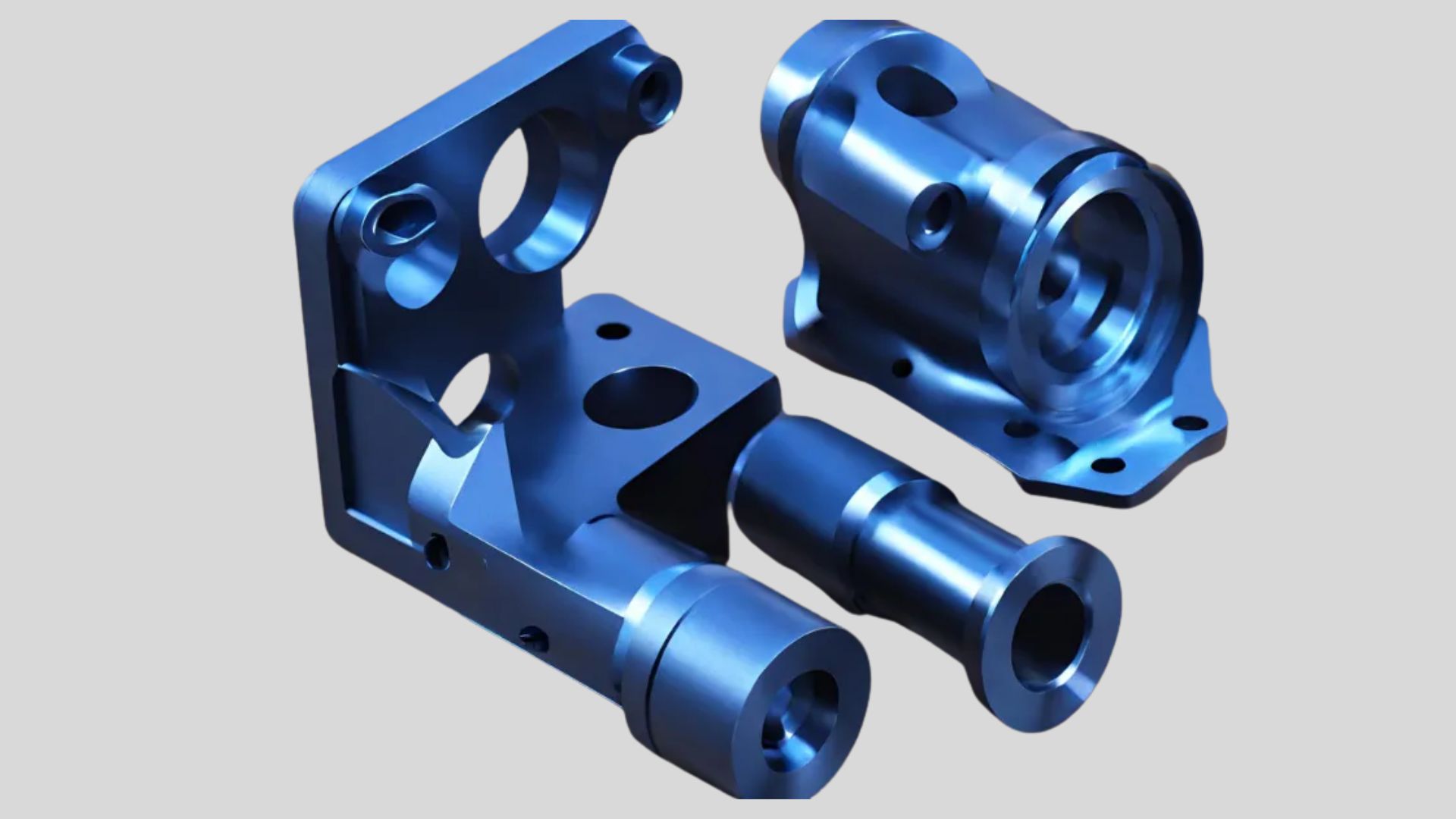
Het afgieten van zink is een belangrijk proces. Het verbetert het uiterlijk van het beslag en garandeert dat het niet slijt of corrodeert. Zinken onderdelen kunnen worden gedecoreerd in een grote verscheidenheid aan afwerkingen en kunnen dus worden gebruikt voor decoratie.
Verchromen
Verchromen zorgt voor een moderne en heldere uitstraling. Het vormt een gepolijst en glinsterend oppervlak. Chroom is roestbestendig en gemakkelijk schoon te maken. Het heeft talloze toepassingen in moderne meubels en hardware in de keuken en badkamer.
Vernikkelen
Vernikkelen ziet er warm en zacht uit. Het is toepasbaar in klassieke en moderne ontwerpen. Geborsteld nikkel wordt ook gebruikt voor een subtiele en elegante look. Zink is ook bedekt met nikkel afwerkingen die corrosie voorkomen.
Messing en antieke afwerkingen
Een traditionele en stijlvolle look wordt gecreëerd met messing en antieke afwerkingen. Ze zijn ideaal voor het nabootsen van sierbeslagontwerpen. Deze versieringen geven deuren, kasten en zelfs meubels een rijke en luxueuze uitstraling.
Poedercoating
Extra coating wordt aangebracht met poedercoating die kleur en extra bescherming biedt. Het maakt onderdelen krasbestendig en slijtvast. Poedercoating kan worden aangebracht voor een decoratief accent of gekleurde hardware.
Blanke coating van polijsten
Enkele van de zinken onderdelen zijn gepolijst en voorzien van een transparante coating. Door het polijsten wordt de natuurlijke glans van het metaal verbeterd. De coating voorkomt ook oxidatie en zorgt ervoor dat het beslag bruikbaar blijft.
Voordelen van zink in vergelijking met andere metalen
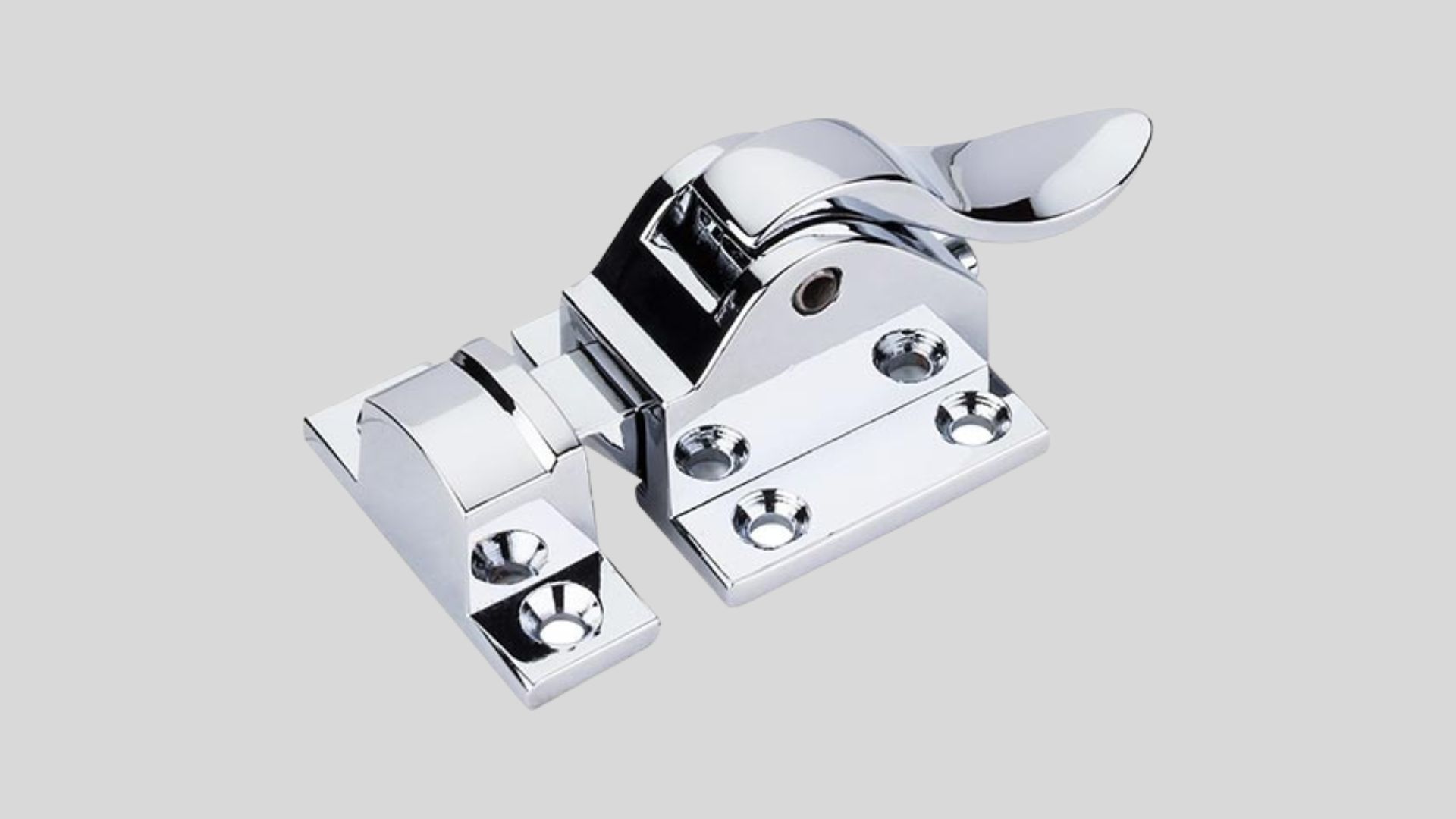
Zink wordt gebruikt als decoratieve hardware. Het heeft talloze voordelen in vergelijking met metalen als aluminium, staal of messing. Daarom is het perfect voor spuitgieten.
Laag smeltpunt
Zink heeft ook een laag smeltpunt in vergelijking met andere metalen. Dit vermindert het energieverbruik bij de productie. Het kan ook sneller gieten zonder kwaliteitsverlies.
Sterk en uitstekende duurzaamheid
Gegoten onderdelen van zink zijn robuust en duurzaam. Ze zijn moeilijk aan slijtage onderhevig. Dit komt omdat ze perfect zijn voor deurklinken, knoppen en andere veelgebruikte hardware.
Zeer goede detailweergave
Zink vloeit gemakkelijk in mallen. Dit zorgt voor goede ontwerpdetails waar andere metalen van zouden zijn. Met zink zijn uitgebreide ontwerpen en afwerkingen mogelijk.
Corrosiebestendigheid
Zink is van nature roest- en corrosiebestendig. Dit maakt het geschikt voor gebruik zowel binnen als buiten. Het zorgt ervoor dat hardware functioneel blijft en er na verloop van tijd nog steeds aantrekkelijk uitziet.
Kosteneffectieve productie
Zinkspuitgieten is kosteneffectief. Complexe vormen kunnen goedkoper worden gemaakt dan machinaal bewerken of smeden. Dit maakt het ideaal voor volumeleveranciers van decoratieve hardware.
Recyclebaar en Milieuvrienden
Zink is ook recyclebaar zonder verlies van eigenschappen. Dit vermindert de impact op het milieu. Duurzame productie maakt gebruik van zink.
Technische eigenschappen van zink gegoten decoratieve hardware
| Eigendom | Zamak 2 | Zamak 3 | Zamak 5 | Zamak 7 | Opmerkingen |
| Dichtheid (g/cm³) | 6.70 | 6.68 | 6.70 | 6.68 | Typische dichtheid bij gieten |
| Treksterkte (MPa) | 280 | 280 | 320 | 250 | Maximale spanning voor breuk |
| Opbrengststerkte (MPa) | 130 | 130 | 180 | 125 | Spanning waarbij plastische vervorming begint |
| Rek (%) | 4-8 | 4-8 | 3-5 | 5-10 | Vervormbaarheid of het vermogen om uit te rekken voordat het breekt |
| Hardheid (Brinell, HB) | 75-80 | 75-80 | 85-90 | 70-75 | Oppervlaktehardheid van gegoten onderdelen |
| Elasticiteitsmodulus (GPa) | 96 | 96 | 100 | 95 | Stijfheid of weerstand tegen vervorming |
| Warmtegeleidingsvermogen (W/m-K) | 113 | 113 | 113 | 113 | Vermogen om warmte te geleiden |
| Thermische uitzettingscoëfficiënt (10-⁶ /°C) | 30 | 30 | 30 | 29 | Uitzetting per graad Celsius |
| Corrosiebestendigheid | Goed | Goed | Zeer goed | Uitstekend | Kan worden verbeterd met plating |
| Gietnauwkeurigheid (mm) | ±0.1 | ±0.1 | ±0.1 | ±0.1 | Typische tolerantie voor gedetailleerde onderdelen |
| Vermoeiingssterkte (MPa) | 120 | 120 | 150 | 110 | Weerstand tegen herhaalde cyclische belasting |
Overwegingen bij de keuze van zinkspuitgietproducten
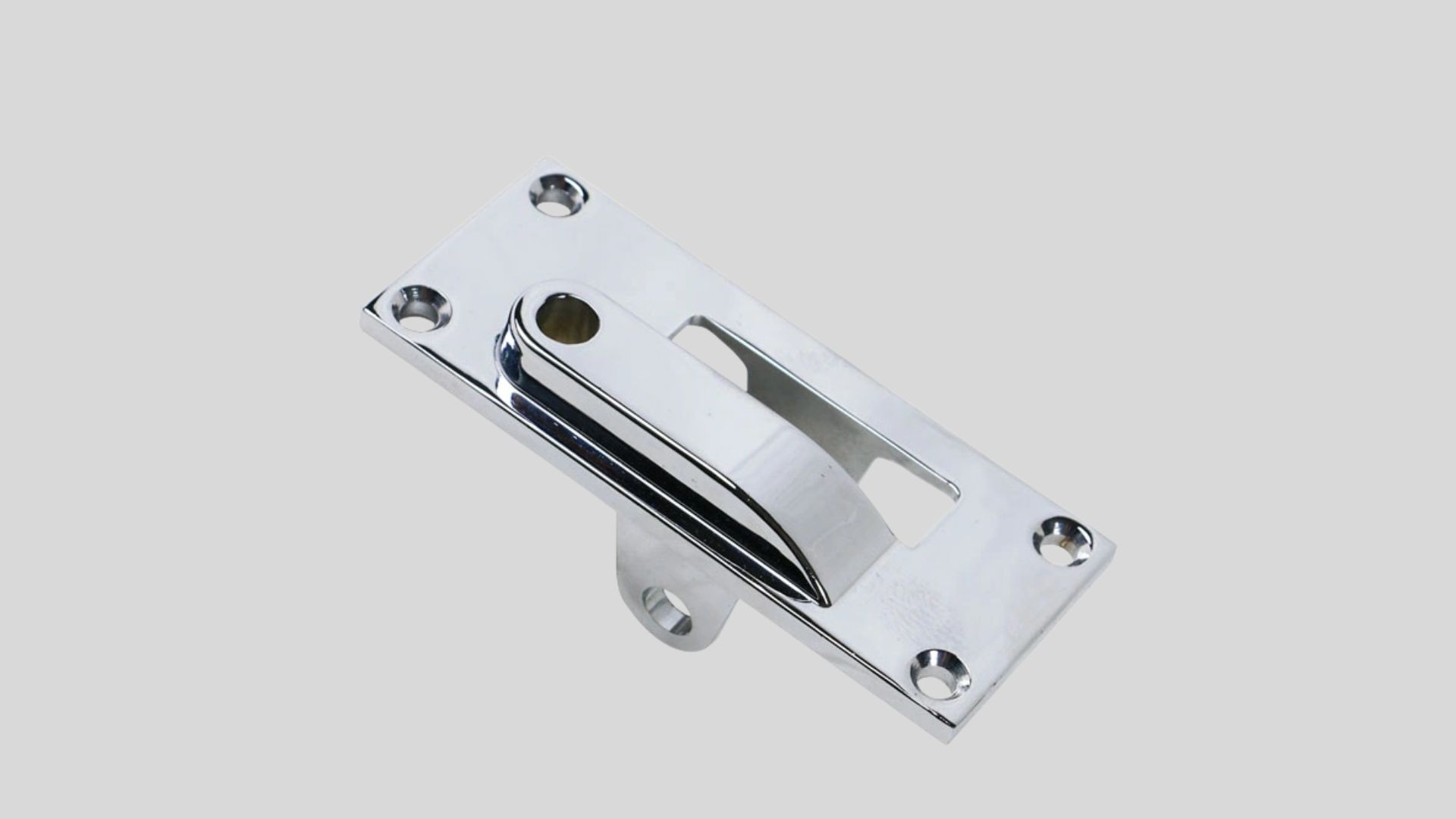
Het is belangrijk om het juiste zinkgietbeslag te kiezen. De juiste keuze maakt het duurzaam, stijlvol en de moeite waard.
Om te beginnen is er het ontwerp en de stijl. De hardware moet in lijn zijn met de inrichting van de ruimte. Het kan modern en klassiek of vintage zijn. Kies vormen die passen bij je meubels of deuren.
De tweede stap is het testen van de kwaliteit van de afwerking. Het oppervlak moet glad, gelijkmatig en zonder gebreken zijn. Een goede afwerking verbetert het uiterlijk en de levensduur van het beslag.
Duurzaamheid en sterkte zijn ook belangrijk. De hardware moet robuust en duurzaam zijn. Hoewel gegoten onderdelen van zink meestal sterk zijn, kan de kwaliteit per fabrikant verschillen. Zoek naar onderdelen die herhaaldelijk gebruikt kunnen worden.
Merkreputatie is ook belangrijk. Bekende merken geven hun klanten meestal kwaliteitsgaranties, betere garanties en stand-by services.
Er moet rekening worden gehouden met pasvorm en installatie. De hardware moet geschikt zijn. De onderdelen zijn gemakkelijk te installeren en dit bespaart tijd en voorkomt problemen tijdens het montageproces.
Tot slot moet je rekening houden met de prijs en de waarde. Lagere kosten kunnen ten koste gaan van de kwaliteit of afwerking. Hardware van hoge kwaliteit garandeert hoge prestaties en een langere levensduur.
Deze factoren zorgen ervoor dat je functionele en aantrekkelijke zinkgietbeslag kiest. Kwalitatieve beslissingen verbeteren de prestaties, de kwaliteit en het uiterlijk.
Decoratieve ijzerwaren Technische eigenschappen van zink
Gegoten zink hardware is erg populair vanwege de hoge technische eigenschappen. Dergelijke eigenschappen maken het sterk, stabiel en toepasbaar in complexe ontwerpen. Kennis hiervan helpt bij het kiezen van de juiste hardware voor verschillende toepassingen.
Mechanische sterkte
Zinken sierbeslag is mechanisch erg sterk. Het is bestand tegen herhaaldelijk gebruik zonder te buigen of te breken. Zamak 5 en Zamak 2 legeringen geven het een grotere sterkte bij zware belasting.
Corrosiebestendigheid
Zink is van nature een corrosiebestendig materiaal. Verdere bescherming wordt verbeterd door plating of coating. Dit maakt het geschikt voor binnen- en buitenbeslag. Hardware kan zelfs onder natte omstandigheden of in een vochtige omgeving worden gebruikt.
Dimensionale nauwkeurigheid
Bij zinkspuitgieten gaat het om onderdelen met een nauwkeurig formaat. Het metaal kan gemakkelijk in de mallen worden gegoten en het vangt de fijnere details. Dit brengt de hardware tot perfectie en harmonie.
Slijtvastheid
Zinklegeringen, en in het bijzonder Zamak 5, hebben een goede slijtvastheid. Onderdelen zoals sloten, scharnieren en handgrepen slijten langer, zelfs bij intensief gebruik. Dit bespaart op onderhoudskosten en vervangingen.
Thermische stabiliteit
Zinkbeslag kan binnen het normale temperatuurbereik werken. Het vervormt niet snel tijdens gebruik. Het heeft wel een laag smeltpunt, wat gunstig is bij het gietproces.
Toepassingen van zink gegoten decoratieve hardware
Gegoten zink Decoratief beslag is krachtig, gedetailleerd en veelzijdig. Op de meeste plaatsen wordt het gebruikt om schoonheid en duurzaamheid te verenigen.
Woongebruik
Zinkbeslag is ook populair in huizen in de vorm van deuren, kasten en meubels. Zink wordt vaak gebruikt voor deurklinken, ladeknoppen en scharnieren. Ze zijn zowel modieus als duurzaam.
Hotels en resorts
Luxe en duurzaamheid Hotels gebruiken gegoten zinkbeslag. De uitstraling van kamers wordt verbeterd door mooie deurgrepen, uittrekbare laden en decoratieve accenten. Zinken onderdelen zijn bestand tegen de dagelijkse zware toepassingen in buitenruimtes.
Kantoorruimtes
Zinken hardware wordt op kantoor zowel functioneel als esthetisch gebruikt. Knoppen, beslag en handgrepen zorgen voor een professionele en gepolijste look. De zinken onderdelen zijn robuust genoeg.
Commerciële winkels
Zinkbeslag wordt ook gebruikt in vitrines, rekken en decoratieve afwerking in winkels en commerciële gebouwen. Zinken details zijn fijn en voegen schoonheid toe aan producten en interieurs.
Buitentoepassingen
Zinkbeslag kan buiten worden gebruikt omdat het niet snel corrodeert. Het wordt vaak toegepast op poorten, buitendeuren en architecturale accenten. De bescherming tegen de elementen wordt verder bereikt door galvaniseren en coaten.
Conclusie
Gegoten zink sierbeslag heeft de status van industriestandaard bereikt door zijn ongewone mix van sterkte, veelzijdigheid en aantrekkelijkheid. Het is het perfecte materiaal om te gebruiken in residentiële en commerciële omgevingen vanwege de structurele eigenschappen om fijne details te vangen, het kan meer dan één afwerking krijgen en het is ook bestand tegen corrosie. Zinklegeringen zoals Zamak 2, 3, 5 en 7 zijn verkrijgbaar als deurklinken en ladeknoppen, maar ook als architecturale accenten en hardware voor buiten, afhankelijk van de vele functionele en decoratieve toepassingen. Zink, met zijn technische kenmerken van hoge treksterkte, maatnauwkeurigheid, slijtvastheid en compatibiliteit met afwerkingen, zal duurzame prestaties leveren. Fabrikanten en ontwerpers kunnen hardware produceren die zowel duurzaam, stijlvol als betaalbaar is door de juiste keuze te maken in legeringen, vormen en afwerkingen. In het algemeen is zink spuitgieten een van de haalbare en effectieve manieren om high-end decoratief beslag te maken dat zowel aan praktische als decoratieve behoeften voldoet.
FAQs
Wat is zinkspuitgieten toegepast op decoratieve hardware?
Handgrepen, sloten, scharnieren, knoppen en decoratieve versieringen worden geproduceerd door middel van zinkspuitgieten vanwege de sterkte, nauwkeurigheid en flexibele afwerking.
Wat is de meest geschikte zinklegering voor zwaar beslag?
Zamak 5 is ook de keuze bij hardware voor zwaar gebruik, omdat het wordt gekenmerkt door een grotere treksterkte en slijtvastheid in vergelijking met andere zinklegeringen.
Is het mogelijk om zinkgietbeslag buiten te gebruiken?
Ja. Zinklegeringen en vooral Zamak 7 zijn bestand tegen corrosie en kunnen worden geplateerd of gecoat om de omstandigheden buiten te weerstaan.
Wat zijn de compatibele afwerkingen voor gegoten zinkbeslag?
De hardware kan verzinkt, verchroomd, vernikkeld, geelkoper, gepoedercoat of geverfd zijn om zowel decoratieve als beschermende doeleinden te dienen.
Wat is de reden waarom zink een betere keuze zou zijn dan aluminium of messing als materiaal voor decoratief hang- en sluitwerk?
Zink is superieur in detaillering, is sterker in kleine onderdelen, heeft een goede weerstand tegen corrosie en is economischer in productie dan aluminium of messing.
0 reacties