
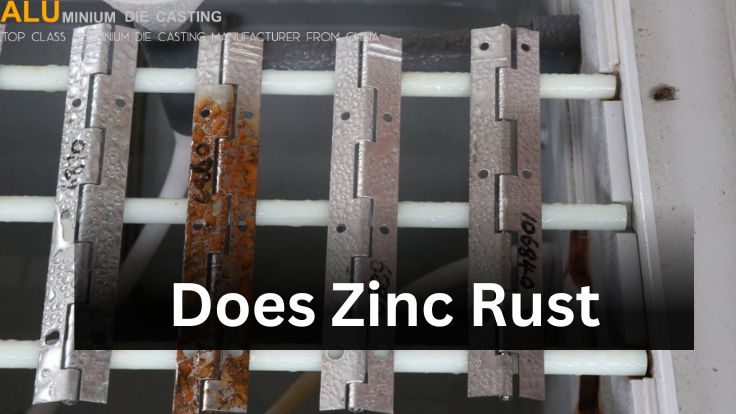
Zink is een metaal dat veel wordt gebruikt in de bouw, de auto-industrie en in huishoudelijke projecten. De vragen die veel mensen zullen stellen zijn: Roest zink? Het is belangrijk om te weten hoe zink zich gedraagt in verschillende omgevingen. Dit artikel beschrijft de eigenschappen van zink, de reactie met lucht en water en de verschillen tussen zinklegeringen, zinkmetaal en verzinkt metaal. Zink is een veelgebruikt metaal. De vraag die de meeste mensen zich stellen is: roest zink? Zink is ook gewild omdat het niet snel corrodeert in vergelijking met andere metalen. Het wordt toegepast in constructies, auto's, huishoudelijke producten en industriële onderdelen. In reactie met lucht vormt zink een beschermende laag. Deze laag helpt de schade te vertragen. Zink roest niet zoals ijzer. Toch kan het onder zware omstandigheden corroderen. Zink kan na verloop van tijd aangetast worden door vocht, zout en vervuiling. Het is belangrijk om het gedrag van zink te kennen. Het helpt mensen bij het maken van de juiste materiaalkeuze. Het wordt in de meeste toepassingen ook gebruikt om metalen te beschermen en hun levensduur te verlengen.
Wat is zink?
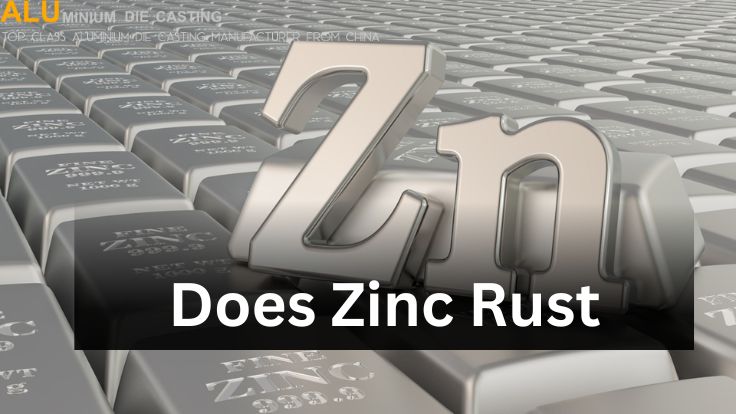
Zink is een blauwachtig wit metaal. Het is bros bij kamertemperatuur en bij verhitting wordt het kneedbaar. Zink is niet zo bestendig als staal, maar het is wel beter bestand tegen corrosie. Daarom wordt zink over andere metalen gespoten om ze te beschermen tegen roest.
Zinkcorrosie wordt meestal verward met roest. Roest is ijzeroxide. Zink bevat geen ijzer; technisch gezien roest het dus niet zoals ijzer. In plaats daarvan bedekt zink zichzelf in een andere vorm, namelijk zinkoxide.
Roest zink?
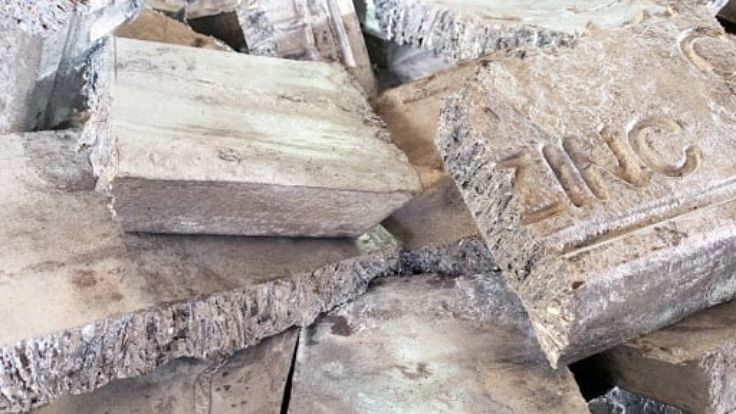
De grote vraag die de meeste mensen zich stellen is: roest zink? Het antwoord hierop is eerder negatief. Zink roest niet tot een roodbruine kleur zoals ijzer of staal. In plaats daarvan wordt zink, wanneer het aan de lucht wordt blootgesteld, gemengd met zuurstof om een beschermende grijswitte laag te vormen die bekend staat als zinkoxide.
Een dergelijke coating voorkomt verdere corrosie van het metaal. Zink is ook veel beter bestand tegen roest dan ijzer, zelfs bij nat of vochtig weer. De corrosie van zink kan echter langzaam verlopen wanneer het in aanraking komt met extreem sterke zuren of zeewater.
Kortom, “Roest zink”? Niet in de traditionele zin. Het geeft het een beschermende laag die het metaal vele jaren meegaat.
Roest zinkmetaal?
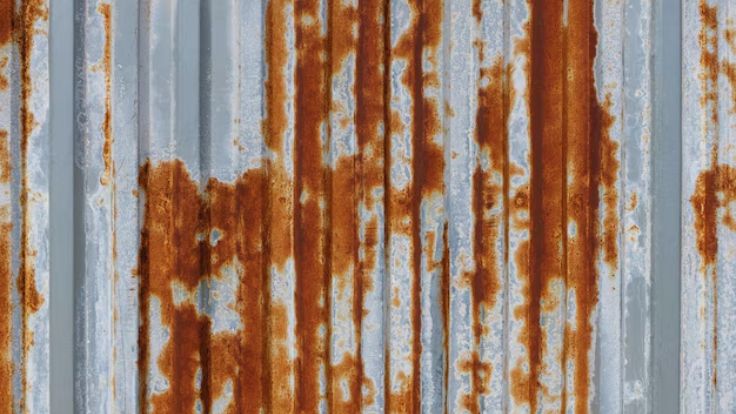
Een andere veelgestelde vraag is: roest zinkmetaal? Zinkmetaal in zuivere vorm vermengt zich met zuurstof in lucht om een beschermende laag te vormen. Deze laag remt verdere oxidatie. Daarom roest zinkmetaal niet zoals ijzer.
Zinkmetaal kan zelfs buiten worden gebruikt. Het kan vele jaren meegaan zonder noemenswaardig te degraderen. Het kan echter worden vernietigd door monsterlijke zuren of alkalische oplossingen. Om dit uit te leggen: zinkmetaal dat in contact komt met sterk zwavelzuur zal sneller achteruitgaan.
Dit roept de vraag op: Is roest van zinkmetaal een belangrijke vraag voor ingenieurs en huiseigenaren? De prestaties van zinkmetaal kunnen als gunstig worden beschouwd bij de keuze van dakbedekking, sanitair en bekledingsmaterialen.
Roest zinklegering?
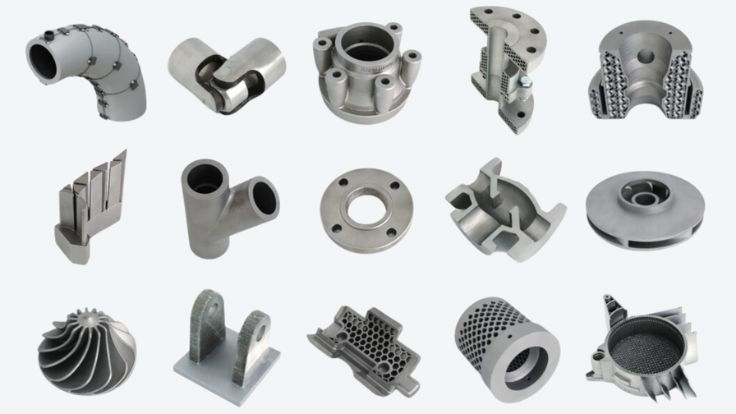
Zink wordt normaal gesproken ook gebruikt met andere metalen om een legering te maken. Dit zijn legeringen die de sterkte en brosheid verhogen. De meest gebruikte legeringen zijn zink-koper, zink-aluminium of zink-magnesium.
De vraag die individuen zich stellen is: Roest zinklegeringen? Zuiver zink vormt geen rode roest en zinklegeringen ook niet. In plaats daarvan ontwikkelen ze een oxidelaag. Andere metalen komen wel voor, maar kunnen het gedrag van corrosie veranderen.
Een zink-aluminiumlegering kan in een zoute omgeving iets sneller roesten dan puur zink. Het antwoord op de vraag of de zinklegering roest, is echter min of meer ja en nee en beschermende maatregelen en frequent onderhoud verhogen de levensduur.
Roest verzinkt metaal?
Om corrosie te voorkomen, is zink gecoat op metalen, vooral de meeste. Dit proces wordt galvaniseren genoemd. De zinklaag wordt aangebracht op het onderliggende metaal, dat in de meeste gevallen staal is, om roestvorming te voorkomen.
De vraag die mensen zullen stellen is: roest verzinkt metaal? Het zink roest niet, maar als er krassen op de laag komen, kan het onderliggende staal gaan roesten. Gegalvaniseerd staal roest niet snel, zelfs als het lange tijd niet in een droge omgeving is geweest.
Metaal verzinkt metaal zou witte corrosieplekken ontwikkelen. Dit is geen roest, maar zinkcorrosie. Ze roesten het metaal niet zoals roest dat doet. Roest van verzinkt metaal is dus niet in de eerste plaats ja, aangezien het niet wordt afgekrabd.
Zink en zijn toepassing in corrosiepreventie
Andere metalen die bedekt worden met zink zijn staal en ijzer. Het vormt een coating die vocht en zuurstof verwijdert, die nodig zijn voor roestvorming. De coating kan worden bekrast, maar zink biedt nog steeds bescherming aan het metaal door opofferingscorrosie, dat wil zeggen dat zink eerst corrodeert.
Het zink vormt uiteindelijk een metaallaag en dit vermindert de corrosiesnelheid nog verder. Daarom worden de volgende vragen, Roest zink, Roest zinkmetaal meestal positief beantwoord. Zink maakt metalen bestendig en sterk tegen ongunstige klimaatomstandigheden.
Beschermende eigenschappen van zink op andere metalen
Zink wordt meestal gebruikt op andere metalen, vooral op ijzer en staal, om roestvorming te voorkomen. Een van deze veelgebruikte methoden is galvaniseren, waarbij het metaal wordt bedekt met een oppervlak dat bedekt is met een zinklaag. Deze coating wordt gebruikt om te beschermen tegen het binnendringen van vocht en zuurstof in het metaal eronder.
Een zinkbekleding kan krassen of beschadigingen oplopen, maar toch het basismetaal afschermen. Dit komt door een fenomeen dat bekend staat als kathodische bescherming. Zink wordt aangetast om het ijzer of staal te redden. Dit maakt gegalvaniseerde metalen extreem krachtig en sterk.
Hierdoor is roestvorming bij verzinkt metaal niet zo'n probleem. Staal met een zinklaag kan tientallen jaren meegaan, zelfs in een natte of vochtige omgeving buiten. Kleine witte roestvlekjes zijn gemakkelijk te zien op het oppervlak, maar dat is geen roest, maar gewoon zinkoxide. Ze verzwakken het metaal niet.
Er zijn talloze toepassingen van zink omdat het beschermende eigenschappen heeft. Het wordt gebruikt in dakplaten, hekken, bruggen, loodgietersbuizen en in auto-onderdelen. Alle gevallen met een zinklaag geven het onderliggende metaal sterkte en veiligheid.
De bewustwording van de bescherming van andere metalen tegen zink kan leiden tot betere beslissingen voor corrosiebestendige materialen op lange termijn door ingenieurs, bouwers en huiseigenaren.
Beheersende factoren van zinkcorrosie
Hoewel zink niet roest zoals ijzer, corrodeert het in sommige gevallen wel. Zink en met zink bedekte metalen kunnen goed worden beschermd door rekening te houden met deze factoren.
- Vocht: Zink gaat geleidelijk achteruit wanneer het regelmatig wordt blootgesteld aan vocht of water. Na verloop van tijd kunnen er kleinschalige chemische reacties plaatsvinden die worden veroorzaakt door regen, dauw of condensatie en die de zinklaag kunnen aantasten.
- Verontreinigende stoffen: Milieucorrosie: Zinkcorrosie kan worden veroorzaakt door industriële vervuiling, zure regen en chemicaliën in het milieu. De beschermende laag die bestaat uit zinkoxide is gevoelig voor corrosie door zure verbindingen, zoals zwaveldioxide.
- Zout: Kusten met zoute lucht of die in direct contact staan met zout water dragen bij aan zinkcorrosie. De snelheid van chemische reacties wordt versneld door zout, waardoor het zink sneller vergaat.
- Temperatuur: Als de temperatuur hoog is, kan dit de corrosiesnelheid versnellen. Zink is gevoeliger voor aantasting in een vochtig klimaat dan in een koud en droog klimaat.
- Krassen en schade: Krassen en beschadigingen van een zinklaag kunnen het onderliggende metaal blootleggen. Bij verzinkt staal kan de corrosie zich uitbreiden naar het onderliggende metaal als de beschermlaag faalt.
Desondanks is zink veel minder gevoelig voor corrosie dan ijzer of staal. Als je deze gevaren hebt geïdentificeerd, kun je een antwoord geven op de vraag of zink beter roest en iets doen om het voortbestaan ervan veilig te stellen.
Eenvoudig onderhoud zoals het reinigen van het oppervlak, geen blootstelling aan harde chemicaliën en krassen kan de levensduur van zink en verzinkte metalen aanzienlijk verlengen.
Mythes over zinkroest
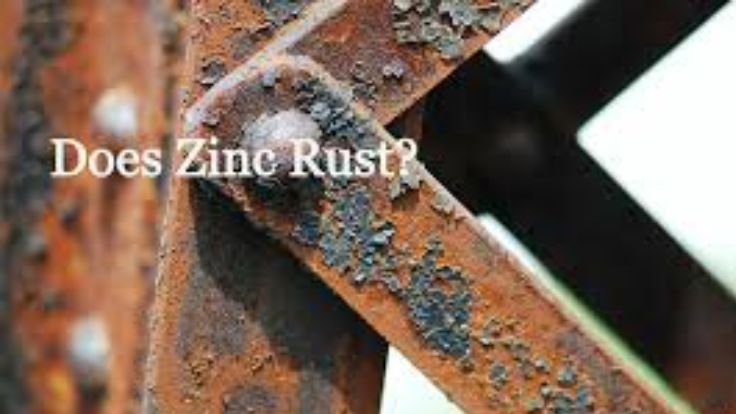
Zink en corrosie zijn niet bekend. De meeste mensen zien zinkcorrosie ten onrechte als roest, waardoor mythes ontstaan. De kennis van de waarheid maakt een juist gebruik van zink mogelijk.
Mythe 1: Zink roest als ijzer.
De eigenlijke roest is ijzeroxide en ziet er roodbruin uit. Zink bevat geen ijzer en roest daarom niet. Wanneer zink reageert met zuurstof, vormt het een grijswitte laag die zinkoxide wordt genoemd. Deze laag beschermt het metaal.
Mythe 2:De zinkafwerking vervaagt niet.
Feit: Zink is een zeer goede bescherming, maar kan na verloop van tijd slijten en daardoor corroderen, vooral in extreme omstandigheden zoals langs de kust, zure regen of industriële vervuiling. Het heeft een lange levensduur die wordt verbeterd door regelmatig onderhoud.
Mythe 3: Metaal met een bekraste zinklaag roest net zo snel.
Feit: Hoewel de zinklaag bekrast kan worden, is het bekend dat het het onderliggende metaal vaak beschermt door kathodische bescherming. Het zink corrodeert als eerste, waardoor een opofferingslaagoplossing wordt bereikt en roestvorming van het basismetaal op afstand wordt gehouden.
Mythe 4: Gegalvaniseerd metaal heeft geen aandacht nodig.
Waar: Gegalvaniseerd metaal is niet onoverwinnelijk. Na verloop van tijd kunnen vuil, afval en verontreinigende stoffen de beschermende laag van het zink minder effectief maken. Wassen en controleren zorgt ervoor dat de beschermende eigenschappen behouden blijven.
Als je deze mythes kent, kun je vragen beantwoorden als: Roest zink? Roest zinkmetaal? Roest verzinkt metaal goed? Zink corrodeert niet gemakkelijk, maar onderzoek en correct onderhoud kunnen de levensduur het meest verlengen.
Gebruik van zink en zinklegeringen
Er is veel vraag naar zink en legeringen vanwege hun sterkte, corrosiebestendigheid en veelzijdigheid. Ze zijn zeer fundamenteel in de meeste bedrijven, zowel in de bouw als in de autoproductie.
Dakbedekking en bouwmaterialen:
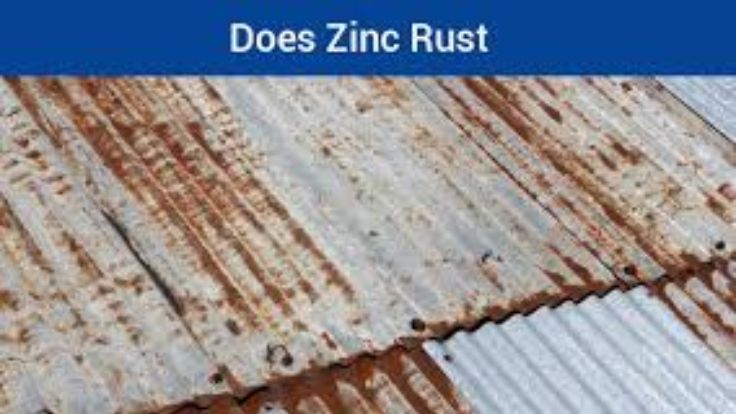
Voor dakbedekking, goten en beschoeiing worden zinken platen en zinklegeringen gebruikt. Ze zijn bestand tegen corrosie en daarom duurt het tientallen jaren voordat daken ernstig beschadigd raken. Dit is de reden waarom men zich gewoonlijk de vraag stelt: Roest zinklegering? Bij de meeste van deze toepassingen is dat niet het geval.
Gegalvaniseerd staal:
Zink wordt ook gebruikt in de coating van staal om roest te elimineren. Gegalvaniseerd staal wordt gebruikt in hekken, bruggen, pijpleidingen en voertuigen. De zinklaag beschermt het staal, zelfs een bekrast oppervlak wordt bedekt. Hierdoor roest verzinkt metaal zelden.
Sanitair en watersystemen:
Buizen met een zinklaag zijn bestand tegen corrosie door water en vocht. Dit zorgt ervoor dat ze kunnen worden gebruikt in loodgieterssystemen, watertanks en buitenkranen. Zink is duurzaam bij gebruik in woon- en industriële omgevingen.
Auto-onderdelen:
Een groot aantal auto-onderdelen bevat zinklegeringen of zinkafwerkingen. Hieronder vallen carrosseriepanelen, beugels en motoronderdelen. Zink voorkomt corrosie, wat de levensduur van een voertuig aantoonbaar verlengt bij blootstelling aan regen, strooizout en temperatuurschommelingen.
Spuitgieten en industriële apparatuur:
Zamak is een soort zinklegering die wordt gegoten om complexe mechanische onderdelen te maken. Ze zijn hard, nauwkeurig en corroderen niet, waardoor ze geschikt zijn voor machines, gereedschappen en elektronica.
Decoratie en woninginrichting:
Zinklegeringen worden toegepast in kranen, deurklinken, raamkozijnen en ijzerwaren. Hun corrosiebestendigheid zorgt ervoor dat ze ook na lange tijd nog nieuw zijn.
Het is niet moeilijk te begrijpen waarom vragen als: roest zinkmetaal, of roest een zinklegering, nodig zijn na het leren over deze toepassingen. Zink doet zichzelf en verlengt de levensduur van andere metalen waarmee het gecombineerd of gecoat is.
Tips voor onderhoud
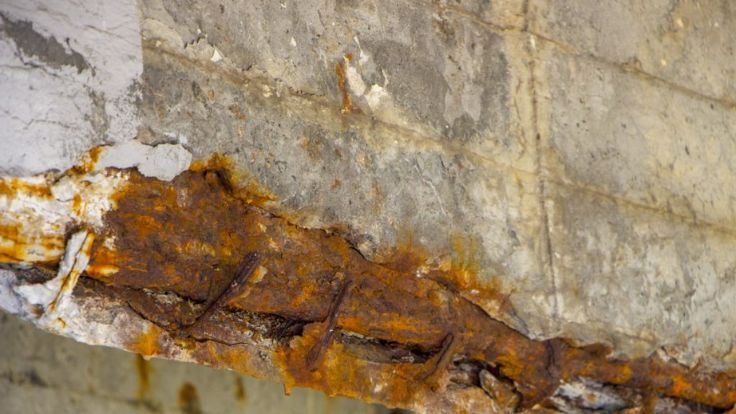
Hoewel verzinkt en op zink gebaseerde metalen niet zouden corroderen, kunnen ze worden onderhouden om hun levensduur te verlengen. Een paar eenvoudige regels kunnen ook worden gevolgd en helpen om schade te voorkomen en het metaal in een goede staat te houden en te laten functioneren.
Regelmatig schoonmaken:
Zink kan geneutraliseerd worden door vuil, stof en verontreinigende stoffen. Veeg zinkoppervlakken schoon met milde zeep en water. Gebruik geen ruwe chemicaliën die de beschermlaag kunnen beschadigen.
Vermijd agressieve chemicaliën:
Zure of alkalische oplossingen kunnen zink sneller aantasten. Zink mag nooit worden blootgesteld aan sterke zuren, industriële chemicaliën of zoute oplossingen.
Inspecteer op schade:
Let op krassen, deuken of andere beschadigingen op de zinklaag. De kleinste krasjes kunnen het metaal eronder zichtbaar maken. Hoewel zink kathodische bescherming biedt, kan het gebruikt worden om beschadigde plekken te repareren en zo totale bescherming te bieden.
Krassen repareren:
Als er krassen op een verzinkt metaal komen, schilder het dan met een zinkverrijkte verf of coating. Dit helpt corrosie van het onderliggende metaal voorkomen en verlengt de levensduur van het voorwerp.
Beheer Blootstelling aan omgevingsfactoren:
Extra voorzorgsmaatregelen zijn belangrijk op locaties met een hoge vochtigheidsgraad, zoute lucht of industriële vervuiling. Corrosie kan worden verminderd door het gebruik van een beschermende coating of afdekking, of door het product binnenshuis op te slaan.
Als deze tips in overweging worden genomen, kunnen nieuwe huiseigenaren, ingenieurs en industrieën garanderen dat roestvorming bij zink, roestvorming bij zinkmetaal en roestvorming bij verzinkt metaal niet veel problemen oplevert. Zink en verzinkte metalen hebben een levensduur van tientallen jaren als ze goed worden onderhouden en hun kracht en uiterlijk blijven behouden.
Hoe zink beschermt
Zink is uiterst effectief in het voorkomen van corrosie van andere metalen. Het heeft een beschermende eigenschap, die te danken is aan zijn chemische eigenschappen en ook aan zijn toepassing als coating.
Wanneer zink wordt aangebracht op staal en ijzer, creëert het een laag waardoor zuurstof en vocht niet kunnen doordringen tot het metaal eronder. Dit remt het roesten van het metaal. Zink biedt nog steeds kathodische bescherming aan het metaal, zelfs als er krassen op het oppervlak komen. Dit betekent dat zinkcorrosie als eerste optreedt en als offer dient om het basismetaal te beschermen.
Daarom is roest van verzinkt metaal niet zo'n probleem. De zinklaag biedt een langdurige bescherming in extreme omgevingen zoals regen, vocht of zout. Na verloop van tijd krijgt zink een laagje zinkoxide of zinkcarbonaat dat grijswit is. Deze laag is ook bestand tegen corrosie.
Zink is het ideale materiaal om metalen te beschermen en is daarom geschikt voor de bouw, loodgieterij, auto-industrie en industriële apparatuur. Het wordt vaak toegepast in dakbedekking, hekken, waterleidingen, auto's en zelfs huishoudelijke hardware.
Met zink kunnen ingenieurs en bouwers metalen duurzaam maken, bestand tegen roest en in staat om de structurele integriteit te behouden. Als je zinkroest goed begrijpt, helpt het je bij het maken van de juiste keuze van met zink beklede materialen.
Waarom corrodeert zink? Een blik op de chemie
Zink roest niet zoals ijzer
Zink vormt niet de roodbruine roest die gevormd wordt op ijzer of staal. IJzeroxide is roest en zink bevat geen ijzer. In plaats daarvan ondergaat zink een alternatieve vorm van corrosie die langzamer en zeer beschermend is.
Vorming van zinkoxide
In contact met de lucht verbindt zink zich met zuurstof. De reactie leidt tot een dun laagje grijswit zinkoxide. Deze laag hecht zich aan het oppervlak en bedekt het metaal. Het is een beschermende barricade en laat geen verliezen toe.
Reactie met vocht
Zink kan ook verder reageren als er vocht of water aanwezig is. Het kan zinkhydroxide vormen. Dit komt vaker voor op natte, vochtige of regenachtige plaatsen. Hoewel dit een vorm van corrosie is, heeft het enige weerstand.
Beschermende zinkcarbonaatlaag.
In gebieden met vervuiling of zoute lucht kan zink worden omgezet in zinkcarbonaat. Dit is ook een beschermende laag die een stabiele coating vormt op het metaal. Het helpt toekomstige corrosie te verminderen en verlengt de levensduur van zink en verzinkte metalen.
Omgevingsomstandigheden die corrosie bevorderen.
Zink vergaat onder zware omstandigheden. De corrosiesnelheid wordt verergerd door zure regen, zoute lucht langs de kust, industriële vervuiling, hoge temperaturen en altijd vocht. Zinkafwerkingen kunnen beschadigde of bekraste afwerkingen hebben, waardoor de gebieden aan snelle slijtage worden blootgesteld.
Beschermende en gecontroleerde corrosie.
Hoewel zinkcorrosie beschermend is, wordt het gecontroleerd. Zink vormt geen zwakke lagen die gemakkelijk kunnen worden doorboord door het metaal eronder, omdat het beschermende lagen vormt. Daarom kun je vragen blijven stellen als: Roest zink, en dat is goed nieuws. Zink is duurzaam en biedt nog steeds bescherming aan andere metalen.
Over ons - GC Precisie Matrijs
GC Precision Mould is een gerenommeerd bedrijf in spuitgieten en precisiegieten in China. We richten ons op kwaliteit. We richten ons op nauwkeurigheid. We concentreren ons op consistente resultaten voor alle klanten. We hebben een zeer ervaren en technologisch team. Onze klanten bevinden zich overal ter wereld, in de auto-industrie, elektronica, industrie en consumentenproducten. Ons doel is eenvoudig. Gieten van hoge kwaliteit en foutloze gietonderdelen leveren. Onze klanten kunnen rekenen op snelle service, professionele engineering en constante productie. GC Precision Mould zou verheugd zijn om een van de beste en betrouwbare productiepartners in China te zijn.
De reden om GC Precision Mould te selecteren
China's beste leverancier
We staan bekend als een van de toonaangevende leveranciers van gietvormen en spuitgietoplossingen in China. We onderscheiden ons door onze kwaliteit, nauwkeurigheid en service.
Hoge precisiekwaliteit
We maken gebruik van moderne apparatuur en kwaliteitscontrole. Alle onderdelen zijn internationaal.
Sterke technische ondersteuning
Ons team is getraind in het ontwerpen, ontwikkelen en optimaliseren van productieprocessen. Wij helpen u bij kostenverlaging of prestaties.
Tijdige en betrouwbare services
We begrijpen dat tijd belangrijk is. Ons productiesysteem heeft ervoor gezorgd dat we snel kunnen leveren en ook kwaliteit kunnen leveren.
Klant eerst
We ondersteunen je bij elke stap. We werken nauw met je samen: van concept tot massaproductie.
Wereldwijde ervaring
We zijn er trots op dat we klanten over de hele wereld hebben. GC Precision Mould heeft veel internationale klanten.
Conclusie
Zink is een krachtig en degelijk metaal. Het roest niet zoals ijzer. In plaats daarvan ontwikkelt het een beschermende laag die corrosie tegengaat. Hierdoor is zink handig in de bouw, auto-onderdelen en vooral in industriële toepassingen. Langdurige bescherming wordt ook geboden door zinklegeringen en verzinkte metalen. Toch is zink op de lange termijn nog steeds gevoelig voor zware omstandigheden zoals vocht, zout en vervuiling. Met de juiste zorg en het juiste onderhoud kunnen zinkmaterialen vele jaren meegaan. Kennis van het werkingsmechanisme van zink helpt mensen om weloverwogen beslissingen te nemen. Het helpt ook bij het conserveren van metalen structuren en producten. Zink is nog steeds een van de meest geschikte materialen op het gebied van duurzaamheid en corrosiebestendigheid.
Veelgestelde vragen over zink en zinkcorrosie.
Roest zink?
Nee, zink roest niet net als ijzer. Het geeft een isolerende laag die bekend staat als zinkoxide en die helpt bij het voorkomen van verdere corrosie.
Roest zinkmetaal?
Zinkmetaal is zeer roestbestendig. Het kan geleidelijk roesten in slechte omstandigheden, maar het roest niet klassiek.
Roest zinklegering?
De meeste zinklegeringen zijn bestand tegen roest. Andere soorten legeringen kunnen een beetje corroderen in zoute of zure omgevingen, maar ze kunnen op lange termijn gebruikt worden.
Roest verzinkt metaal?
De zinklaag dient als bescherming voor verzinkte metalen. Als er krassen op de coating komen, bestaat de kans dat er roestvorming optreedt op het onderliggende metaal.
Wat kan ik doen om ervoor te zorgen dat zink niet corrodeert?
Periodieke reiniging, gebruik van niet-zware chemicaliën, repareren van krassen en blootstelling aan zout of verontreinigende stoffen kunnen de levensduur van zink verlengen.
0 reacties