
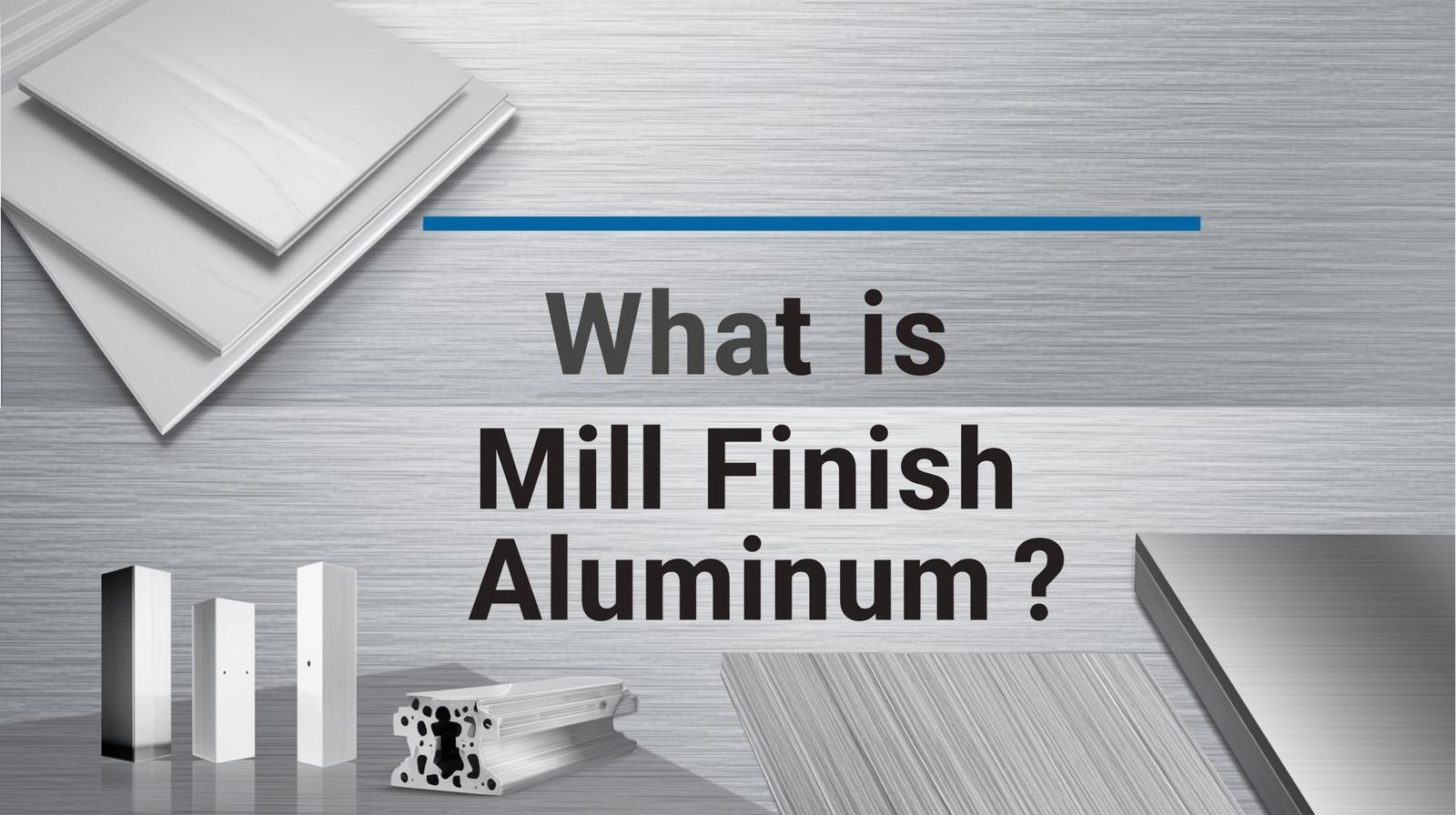
Normaal gesproken wordt er niet nagedacht over de afwerking van aluminium, maar het is misschien wel een van de meest prominente en populaire aluminium producten in verschillende industrieën. Heb je aluminium ooit in zijn meest eerlijke en ruwe vorm gezien? Dat zeer doffe en zilverachtige aluminium dat er eerder praktisch dan opzichtig uitziet. Dat zilverachtige aluminium is afgewerkt. Het is de vorm van aluminium dat uit de fabriek komt zoals op het moment dat het geproduceerd wordt, zonder enige oppervlaktebehandeling.
Het is alsof je iemand ontmoet zonder make-up, zonder filters, totale authenticiteit en totale functionaliteit, puur en o zo pretentieloos. Geloof het of niet, maar deze “onafgewerkte” look is niet zonder verdiensten en karakter en heeft iets heel belangrijks te maken met constructie en modern design.
Het productieproces van aluminium begrijpen
Van ruw bauxiet tot aluminiumplaten
Het begint allemaal met bauxieterts, dat vervolgens wordt geraffineerd tot aluminiumoxide, dat vervolgens wordt gesmolten tot zuiver aluminium. Het pure gesmolten aluminium wordt vervolgens gegoten tot grote plakken of knuppels en vervolgens gewalst of geëxtrudeerd tot bruikbare vormen, zoals aluminium platen, platen, profielen en meer.
Waar freesafwerking past in de productiecyclus
Gefreesd aluminium is de standaardinstelling. Zodra het aluminium gevormd en afgekoeld is, wordt het achtergelaten zonder verdere aanpassingen. Er wordt geen verf aangebracht, niet geanodiseerd en niet gepolijst. Wat je ziet is de natuurlijke afwerking van de walsen en apparatuur van het productieproces.
Wat is aluminium met walshuid?
Gewalsd aluminium is aluminium dat geen verdere oppervlaktebehandeling heeft ondergaan nadat het is gewalst of geëxtrudeerd. Het behoudt zijn natuurlijke look met subtiele oppervlaktelijnen, lichte imperfecties en een matte glans.
De natuurlijke uitstraling van het oppervlak
Het oppervlak is niet helder en glanzend en het is niet ontworpen voor esthetiek. Het is een functioneel oppervlak dat geschikt is voor industrieën die nut belangrijker vinden dan uiterlijk.
Kenmerken en visuele eigenschappen
De dingen die je zult zien zijn:
- Een doffe zilvergrijze kleur
- Kalanderrollen produceren lichte strepen.
- Het oppervlak kan kleine onvolkomenheden bevatten.
Je moet het zien als aluminium in zijn “werkkleren”. Het is klaar voor zijn functie zonder enige opsmuk.
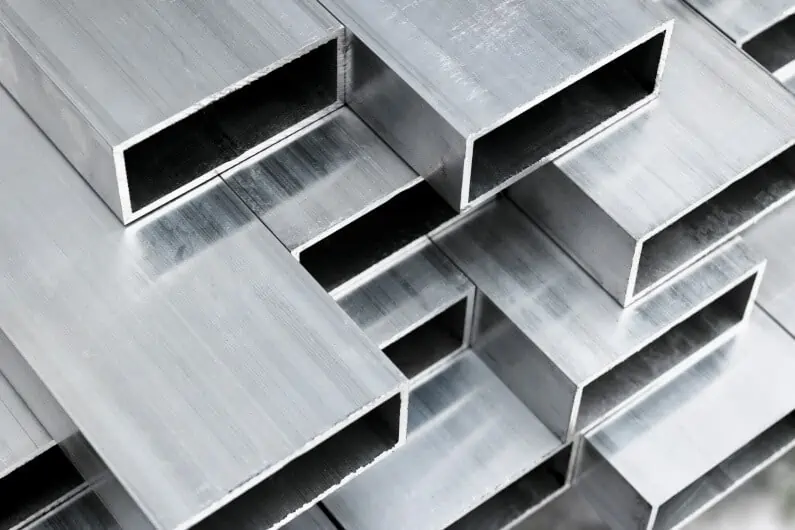
Belangrijkste kenmerken van Mill Finish Aluminium
Textuur en reflectie
Vergeleken met gepolijste soorten aluminium heeft aluminium met een ruwe afwerking een minder reflecterend oppervlak. Deze textuur valt minder op en is dus bruikbaarder op verschillende gebieden. De matte afwerking is eerder functioneel dan strak, maar aluminium is nog steeds erg duurzaam en klaart de klus.
Oppervlakte-onvolmaaktheden uitgelegd
Als aluminium oppervlaktesporen heeft, worden die niet als fouten beschouwd. Ze zijn het resultaat van een voltooid productieproces. Het is normaal om lijnen en lichte vlekken op aluminium te hebben als gevolg van een combinatie van walsdruk, ongelijkmatige koeling en ongelijkmatige behandeling tijdens het fabricageproces. Dit is normaal en het zijn geen indicatoren van zwakte, duurzaamheid en prestaties van het aluminium veranderen niet.
Vaak voorkomende visuele variaties
Vaak voorkomende visuele afwijkingen zijn onder andere
- Rollijnen
- Lichte vlekken
- Lichte kleurveranderingen
Hoewel ze geen invloed hebben op de prestaties, zijn ze esthetisch anders.
Voordelen van gefreesd aluminium
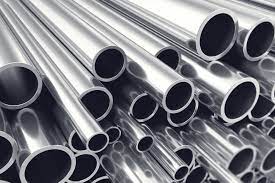
Voordelen van gefreesd aluminium
Kosteneffectiviteit
Aluminium molenafwerking is betaalbaar omdat het geen extra afwerkingsstappen vereist, zoals polijsten, coaten of andere behandelingen. De lage prijs maakt het perfect voor grote toepassingen met een budget. Omdat het polijstvrij, duurzaam en slijtvast is, is het veelzijdig en wijdverspreid in verschillende industrieën, vooral in de bouw.
Lichtgewicht en toch duurzaam
Lichtgewicht en met een geweldige verhouding tussen sterkte en gewicht, gefreesd aluminium is ongepolijst en duurzaam. Het heeft een matige weerstand tegen corrosie, is sterk en zeer geschikt voor gebruik in de keuken. Het is ook gemakkelijk te hanteren en presteert efficiënt in constructie, productie en transport zonder overgewicht en hoge afwerkingskosten.
Eenvoudige aanpassing
Aanpasbaar afgewerkt aluminium is flexibel. Dankzij het kale oppervlak kunnen ontwerpers en fabrikanten kiezen uit verschillende afwerkingen zoals anodiseren, verven of beschermende coatings om te voldoen aan de vereiste functionele en esthetische eisen.
Beperkingen van gefreesd aluminium
Gevoeligheid voor corrosie
Gewalsd aluminium heeft een natuurlijke oxidelaag die enige bescherming biedt, maar is ook onbehandeld, wat betekent dat het gemakkelijker kan corroderen en kwetsbaarder is. Zonder anodiseren of coaten betekenen vocht, vervuiling en milieuslijtage dat toepassingen waar veel vraag naar is op lange termijn baat zouden hebben bij extra behandelingen.
Esthetische beperkingen
Er zijn zoveel gebieden waar de afwerking zichtbaar is, vooral aan de buitenkant van het gebouw waar architecturale detaillering belangrijk is. Gewals afgewerkt aluminium is functioneel en duurzaam, maar biedt niet de uitstraling die de meeste architecten, ingenieurs en bouwprofessionals zoeken. Er is weinig tot geen consistentie in de afwerking en het heeft niet de glans of het polijstmiddel dat vaak vereist is in deze verfijnde design- of architecturale toepassingen. Dit beperkt het gebruik ervan waar een uitzicht op hoog niveau moet worden overwogen.
Gewalspolijst vs Geanodiseerd Aluminium
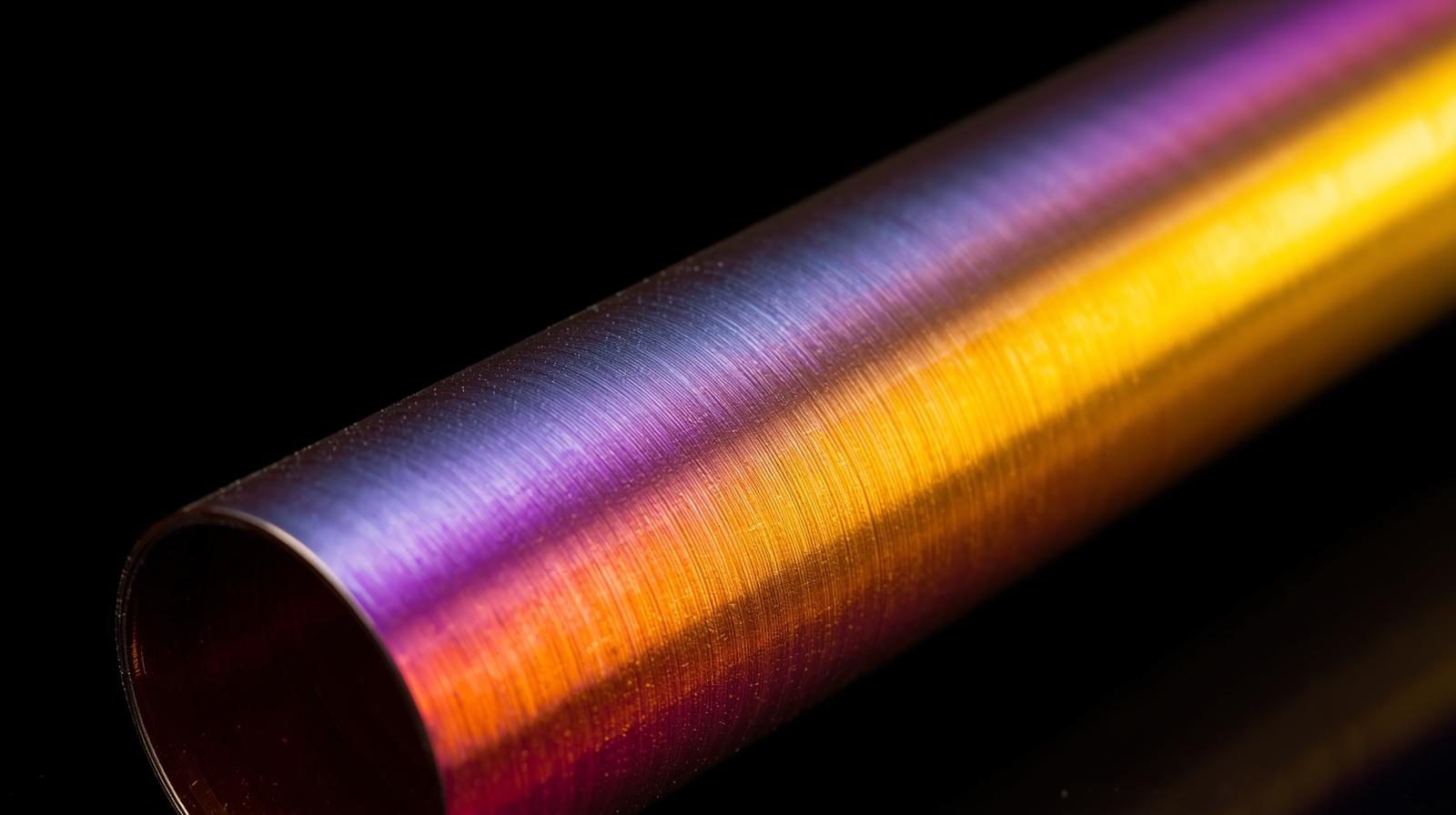
Gewalspolijst vs Geanodiseerd Aluminium
Verschillen in oppervlaktebescherming
Geanodiseerd aluminium wordt behandeld met een elektrochemisch proces dat de oxidelaag dikker maakt voor verdere bescherming. Hierdoor is het constructiemateriaal beter bestand tegen schade door de elementen. Geanodiseerd aluminium is duurzamer en gaat langer mee dan onbehandeld aluminium. Daarom gebruiken industrieën met hoge eisen aan bouwmaterialen het voor hun gebouwen en andere constructies.
Uiterlijk en levensduur
Terwijl behandeld aluminium geanodiseerd is en er aantrekkelijker uitziet dan onbehandeld aluminium met een freesafwerking. Geanodiseerd aluminium heeft een langere levensduur door beter te presteren dan de concurrentie omdat het buiten beter verweert en langer meegaat. Dit is de reden waarom industrieën die belang hechten aan het uiterlijk en de duurzaamheid van bouwmaterialen geanodiseerd aluminium verkiezen boven de concurrentie.
Gewalspolijst aluminium vs. aluminium met poedercoating
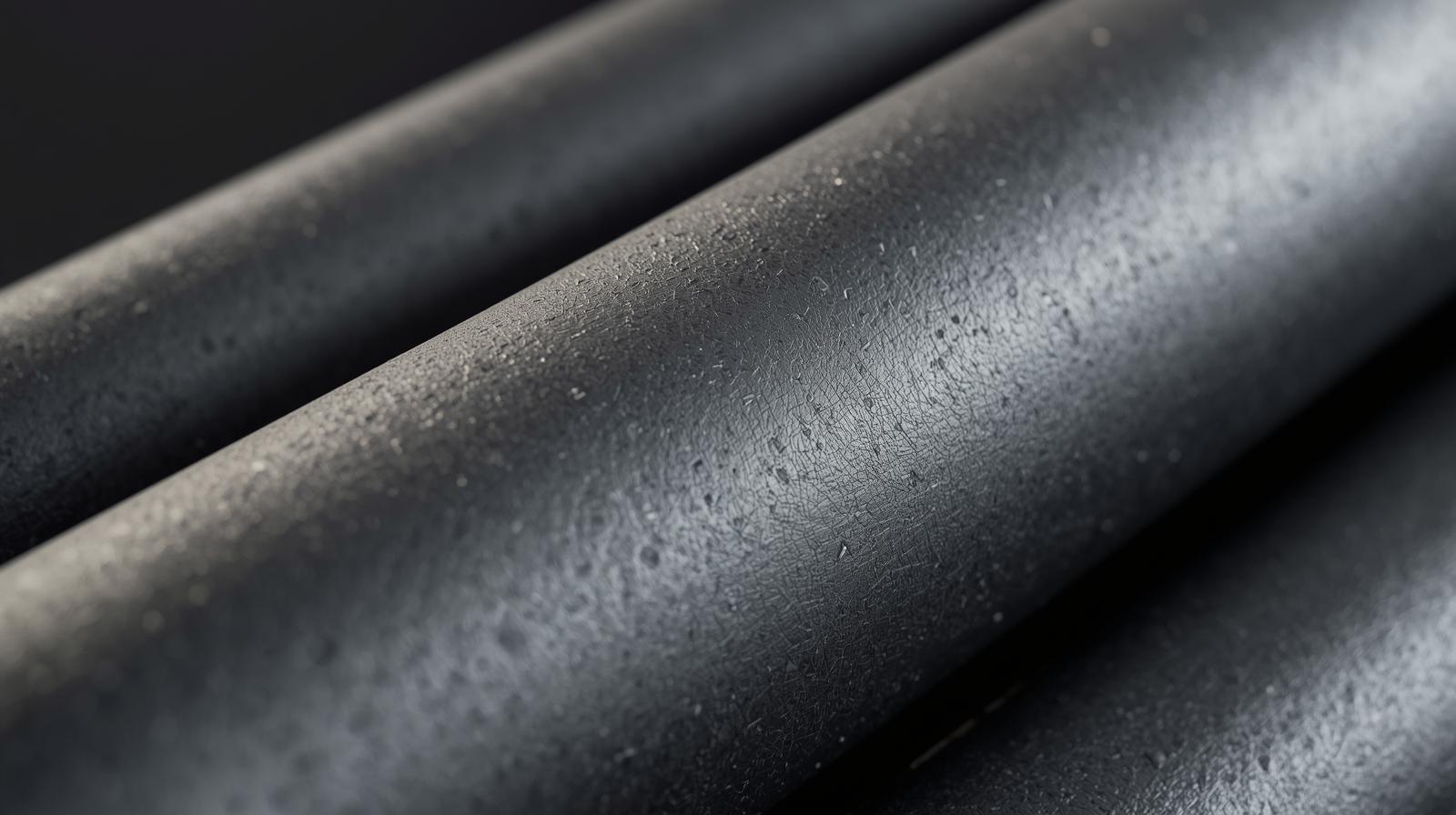
Gewalspolijst aluminium vs. aluminium met poedercoating
Vergelijking van duurzaamheid
Geanodiseerd aluminium heeft een aantrekkelijkere, glanzender esthetiek dan een 'mill finish' vanwege de methode die is gebruikt om de tweede oxidelaag te creëren. Deze anodisatietechniek biedt het aluminium nog meer bescherming, waardoor het beter bestand is tegen corrosie en verwering, waardoor de kwaliteit van het product superieur is. Door de parafscherming van geanodiseerd aluminium zal het zelfs na een lange tijd buiten hetzelfde presteren en lijken in vergelijking met andere materialen. De hoge par afscherming, afwerking en langdurige prestaties van deze legering maken het de beste in zijn soort voor esthetische en duurzame kwaliteit.
Onderhoudsvereisten
Aluminium met een poedercoating heeft minder onderhoud nodig dan andere materialen. Dit komt omdat aluminium met poedercoating een gesloten, glad oppervlak heeft dat geen vuil aantrekt. De geoxideerde textuur van gefreesd aluminium beschermt niet tegen vuil dat sneller oxideert. Hierdoor lijkt het van mindere kwaliteit dan aluminium met poedercoating. Meest geoxideerd, gefreesd aluminium vereist meer onderhoud om te behouden hoe het presteert en eruitziet.
Freesafwerking vs. geborsteld aluminium
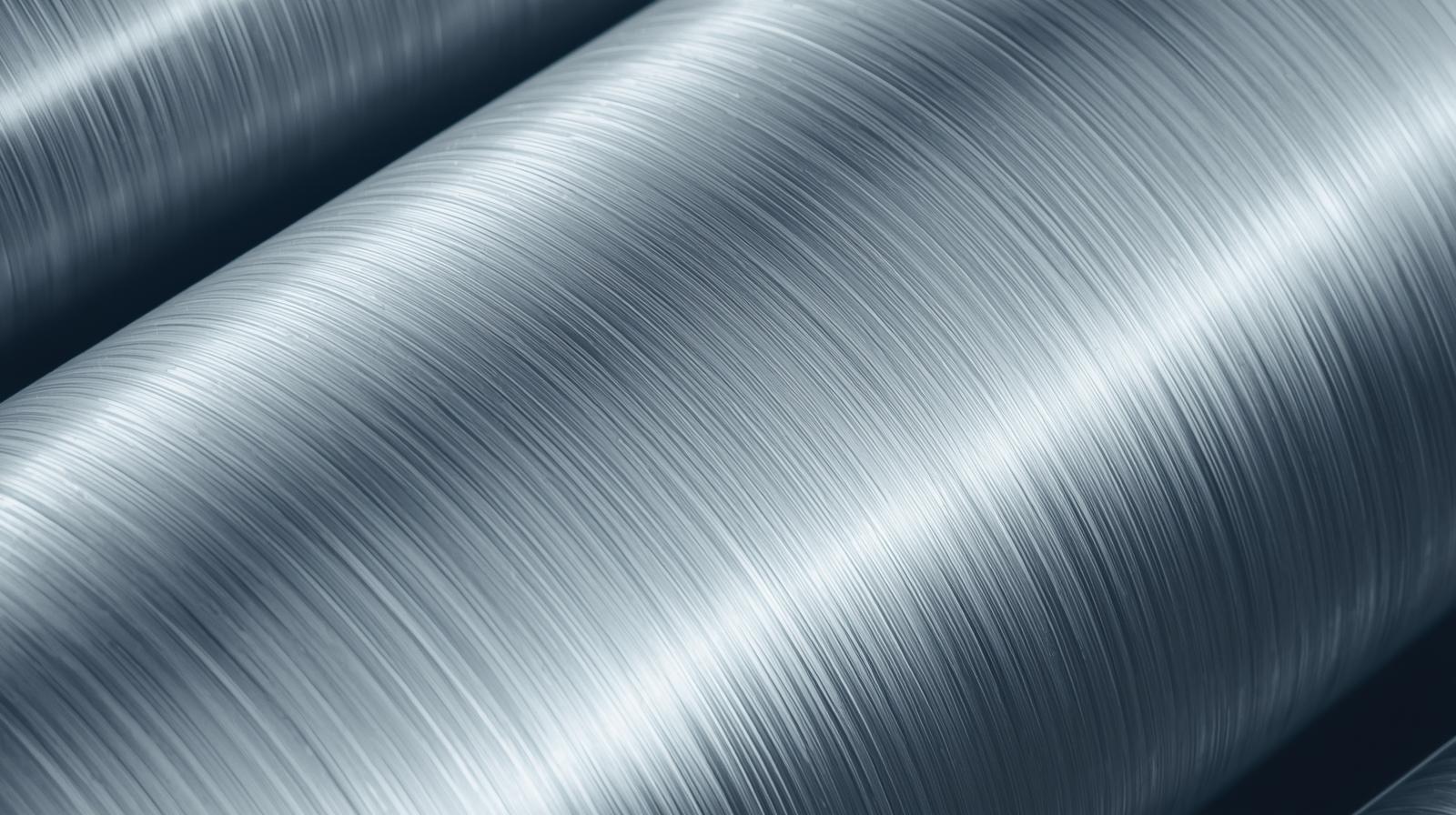
Freesafwerking vs. geborsteld aluminium
Vergelijking visuele aantrekkingskracht
Geborsteld aluminium is gepolijst om een slanke en moderne look te geven die uniform is en zacht licht reflecteert. Het is een contrast met aluminium dat ruw en ruw is en het bewerkingsproces laat zien. Terwijl het bij geborsteld aluminium meer gaat om het ontwerp en de uitstraling, gaat het bij de molenafwerking meer om het praktische nut en de lagere kosten, waardoor het een goede optie is voor ergens waar een uiterlijk niet zo belangrijk is.
Functionele verschillen
Geborsteld aluminium is beter bestand tegen krassen omdat het gerichte korrelpatroon dat ontstaat tijdens het bewerkingsproces helpt om kleinere krassen die na verloop van tijd ontstaan te maskeren. Dit proces van het creëren van het patroon zorgt er ook voor dat het aluminium er langer schoon blijft uitzien. Gewalst aluminium Daarom is geborsteld aluminium gebruikelijker als het gaat om uiterlijk en duurzaamheid.
Gewalsd vs. gepolijst aluminium
Glans en gladheid van het oppervlak
De weerkaatsing van gepolijst aluminium is iets om te aanschouwen! Of je het nu waardeert voor een ambacht dat je aan het voltooien bent of het gebruikt voor een gebouwde toepassing, het heeft zeker een in het oog springende allure. Aan de andere kant, de molen afgewerkt aluminium is ruw om aan te raken en heeft een troebel en saai uiterlijk vallen meer op de praktische kant, of om gewoon de klus te klaren, zonder enige overwegingen over hoe het eruit ziet. Er zijn genoeg plaatsen die praktisch zijn, maar wel de aantrekkingskracht van gepolijst aluminium waarderen.
Implicaties voor de kosten
De hoogreflecterende afwerking van gepolijst aluminium is iets wat veel mensen waarderen. Echter, het bereiken van die afwerking kost veel tijd, arbeid en apparatuur die de totale productiekosten verhoogt. Het overslaan van deze extra behandelingen is waar gepolijst aluminium echt de kosten drukt en is vooral nuttig voor grote projecten waar budget en algemene functionaliteit de prioriteit is, zonder gepolijst uiterlijk.
Snelle vergelijking van aluminium afwerkingen
| Type afwerking | Mill Finish Aluminium (Basislijn) | Alternatieve afwerking |
|---|---|---|
| Gepolijst aluminium | Ruwe, gedempte, licht ruwe textuur; zuinig maar minder decoratief. | Spiegelachtige glans, glad oppervlak; hogere kosten door polijstwerk en -apparatuur. |
| Geborsteld aluminium | Robuust, oneffen uiterlijk met zichtbare productiesporen. | Strakke, moderne, uniforme textuur; camoufleert krassen en benadrukt esthetiek. |
| Gepoedercoat aluminium | Onbehandeld oppervlak gevoelig voor vuil en oxidatie; vereist meer zorg. | Verzegelde, duurzame coating; bestand tegen vuil, vlekken en verwering; eenvoudiger in onderhoud. |
| Geanodiseerd aluminium | Vertrouwt op dunne natuurlijke oxidelaag; kwetsbaarder voor corrosie. | Elektrochemisch verdikte oxidelaag; gladder, levendiger uiterlijk met superieure duurzaamheid buitenshuis. |
De juiste aluminium afwerking kiezen
Het juiste aluminium kiezen
Milieu-overwegingen
Vocht, zout en vervuilende stoffen in een buitenomgeving kunnen slijtage veroorzaken in aluminium. Het kan ook worden gecorrodeerd, met aluminium in een molen afwerking met een oppervlak dat onbehandeld is en is dan blootgesteld aan het oppervlak. Het biedt dan een beperkte bescherming tegen corrosie. Andere behandelingen zoals anodiseren, poedercoaten of polijsten bieden een steviger schild. Meer nog, ze bieden een grotere veerkracht en prestaties in gevallen waarin een aluminium profiel lange tijd zware omstandigheden moet doorstaan.
Factoren om rekening mee te houden bij budget en prestaties
Er is een goede balans tussen prestaties en kosten, waarbij aluminium met de laatste afwerking een hoge duurzaamheid en een lage prijs heeft. Daarom is het zo vindingrijk. Daarom is het beter geschikt voor projecten die vooral functionaliteit vereisen. Maar in gevallen waarin een aluminium systeem een hoge esthetische waarde moet hebben, het karakter langdurig moet zijn en de prestaties op een hoog niveau moeten liggen, is het goed om voor geanodiseerd, geborsteld of gepolijst aluminium te gaan. Het bevat meer karakters om te beschermen en lang mee te gaan.
Tips voor de verzorging van aluminium met walshuid
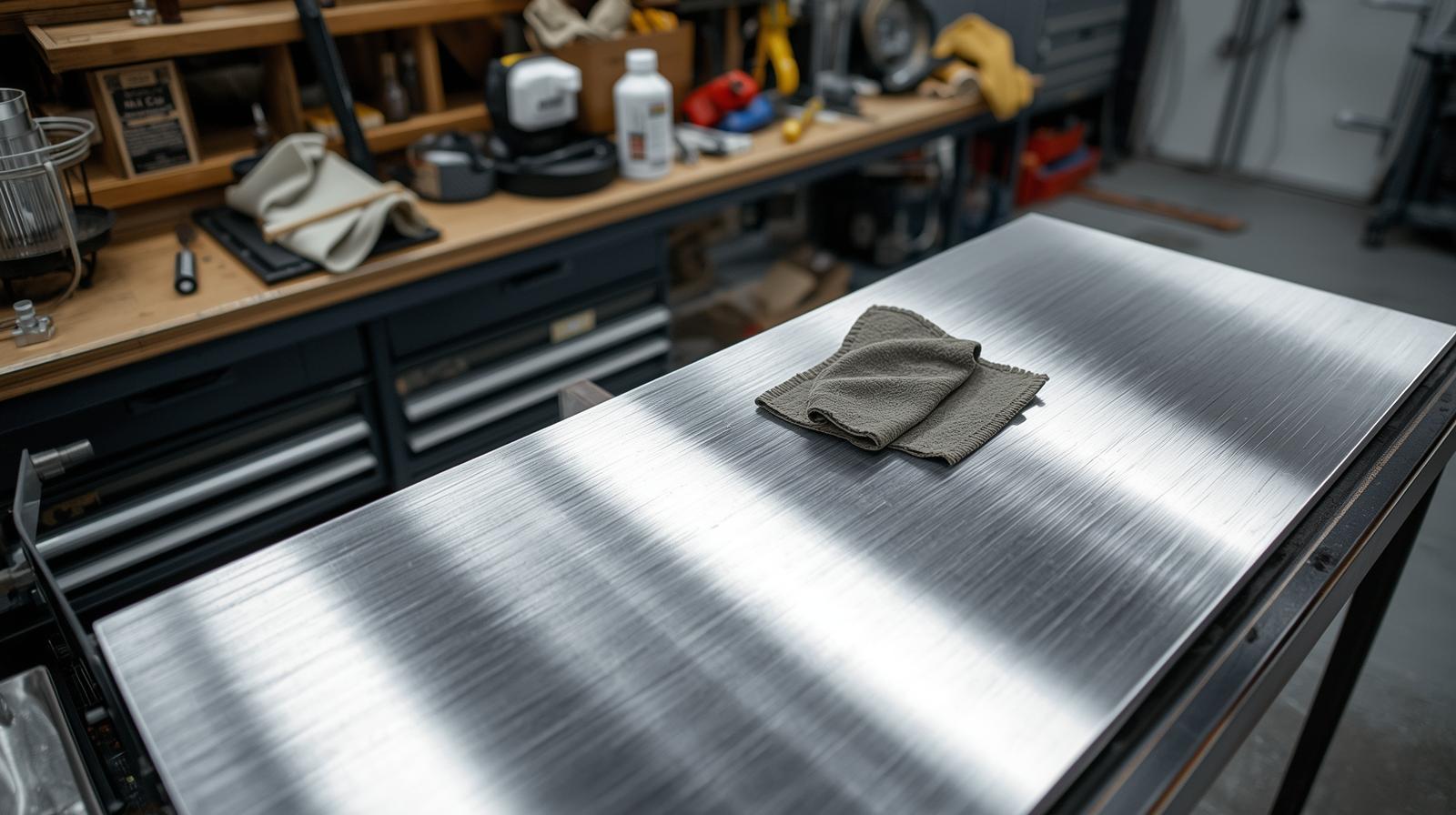
Tips voor de verzorging van aluminium met walshuid
Aluminium reinigen
Aluminium oppervlakken moeten worden gereinigd met een mild mengsel van afwasmiddel en water om al het vuil en de vlekken te verwijderen. Ook moeten ze vrij blijven van agressieve chemicaliën en schurende reinigingsmiddelen, omdat deze krassen kunnen veroorzaken en de laag die aluminium beschermt kunnen verzwakken.
Oxidatie verminderen
Wanneer oxidatie en verwering moeten worden tegengegaan, kan aluminium periodiek worden verzegeld of gecoat met andere beschermende afwerkingen. Deze behandelingen versterken de natuurlijke oxidelaag en houden het oppervlak vocht-, zout- en vuilvrij. Regelmatig aanbrengen zorgt ervoor dat het oppervlak er goed blijft uitzien, voorkomt dof worden of putjes en verlengt de levensduur van het materiaal, vooral bij gebruik buiten en in extreme omstandigheden.
Industriestandaarden en kwaliteitsnormen
ASTM- en ISO-normen
Deze normen leggen toleranties en consistentie van de oppervlakteafwerking vast voor betrouwbaarheid en kwaliteit.
Hoe kwaliteit de prestaties beïnvloedt
Aluminium van een hogere kwaliteit zorgt voor een betere integriteit en een langere levensduur van een constructie.
Toekomstige trends in de afwerking van aluminium
Duurzame afwerkingsmethoden
De afwerking van aluminium draait om milieuvriendelijke coatings en behandelingen die recyclebaar zijn.
Innovatie in oppervlaktebehandelingen
De nieuwe beschermende nano-coating en beschermhoes zonder verlies van design charme zijn innovatief.
Conclusie
Gefreesd aluminium is de onbezongen held van het goedkope en veelzijdige aluminium. Voor wie budget- en tijdsefficiënt is, is dit de meest haalbare optie in tegenstelling tot de geanodiseerde, geborstelde of gepoedercoate versies. Serge met de cilindrische structuren of de compressies van machineonderdelen en het aluminium zal zorgen voor een kwintessens structuur.
FAQs
Zal deze aluminium afwerking succesvol buiten frezen?
Deze optie stelt het wel bloot aan verbeteringen en is, om een afschermende coating te garanderen, van vitaal belang.
Zal deze aluminium afwerking succesvol buiten frezen?
Ja, deze optie stelt het bloot aan verbeteringen en een beschermende coating om corrosie te voorkomen is van vitaal belang.
Is aluminium dat is afgewerkt minder duur dan aluminium dat is geanodiseerd?
Ja. omdat het meer verwerkingsstappen overslaat die de productiekosten verhogen.
Welke industrieën hebben het meeste baat bij aluminium dat achterblijft in de afwerking?
De bouw-, transport- en productie-industrie maken er allemaal gebruik van.
Wordt aluminium dat nog in de walshuid zit regelmatig onderhouden?
Er is heel weinig onderhoud nodig, hoewel periodiek wassen het uiterlijk mooi houdt.
0 reacties