
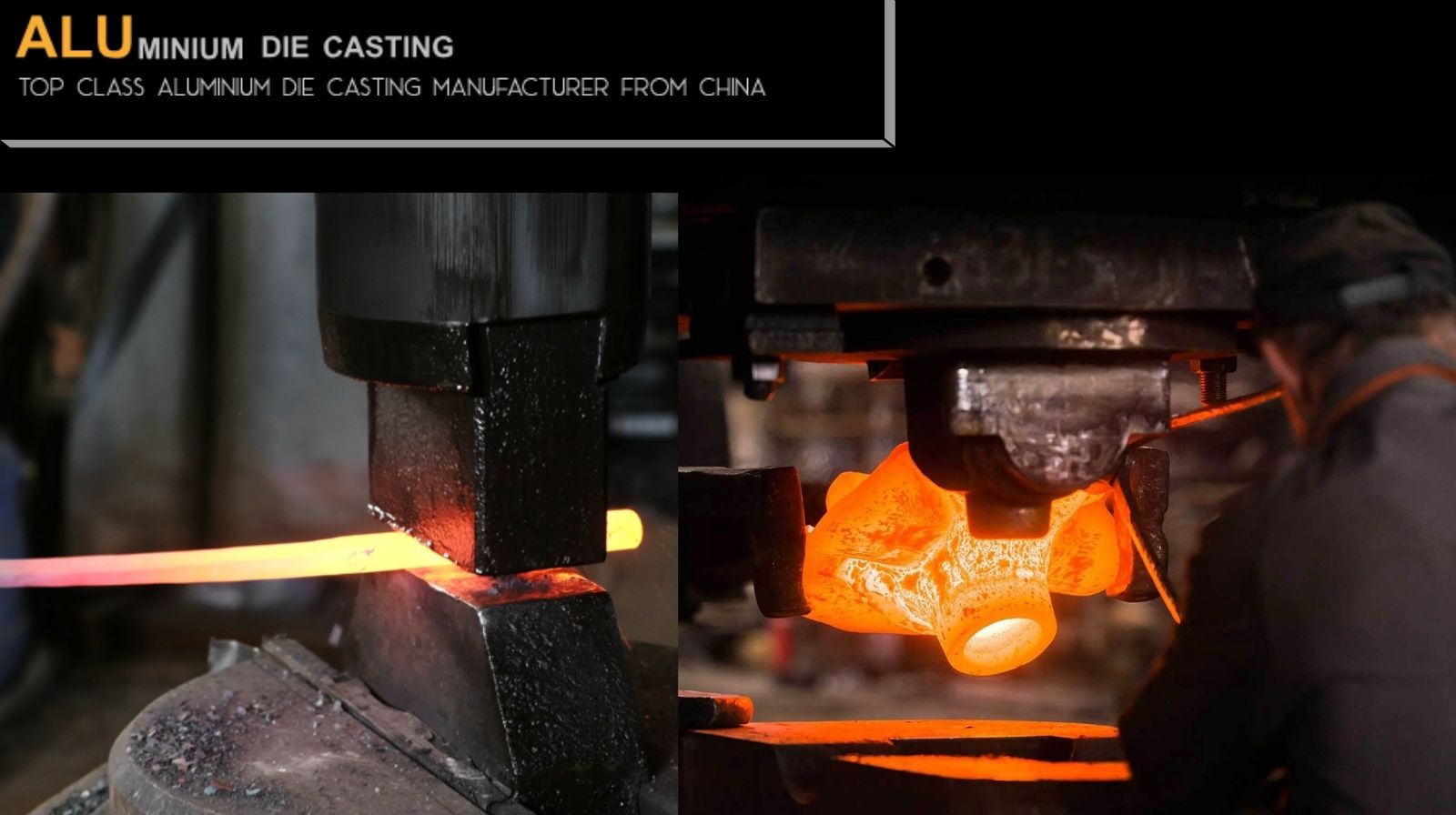
Металлические детали производятся различными способами. Двумя наиболее распространенными считаются литье и ковка. Оба способа придают металлу форму. Однако делают они это совершенно по-разному. Такие различия влияют на прочность, качество, стоимость и эксплуатационные характеристики. Важно знать, в чем заключается разница. Это поможет инженерам сделать правильный выбор. Это помогает промышленности создавать более безопасные и совершенные изделия.
Два наиболее распространенных процесса металлообработки в промышленности - это литье и ковка. Литье - это процесс, при котором используется расплавленный металл, который заливается в форму и застывает, приобретая нужную форму. Он особенно подходит для изготовления сложных форм, огромных компонентов и полых деталей, таких как блоки двигателей, корпуса насосов и декоративные элементы. При использовании как минимум трех видов металлов, включая сталь, алюминий, медь и бронзу, литье позволяет придавать форму металлам с относительной легкостью, что делает его экономически эффективным при производстве малых и средних объемов.
Ковка, С другой стороны, формовка металла подразумевает приложение сжимающих усилий, горячих или холодных, для получения желаемой формы. При этом зерна металла пропитываются в соответствии с формой детали, что приводит к высокой прочности, вязкости и усталостной прочности. Кованые детали, такие как коленчатые валы, шестерни и авиационные компоненты, более безопасны в условиях высоких нагрузок. Эти два процесса имеют свои сильные и слабые стороны и применяются в машиностроении в зависимости от требований.
Что такое кастинг?
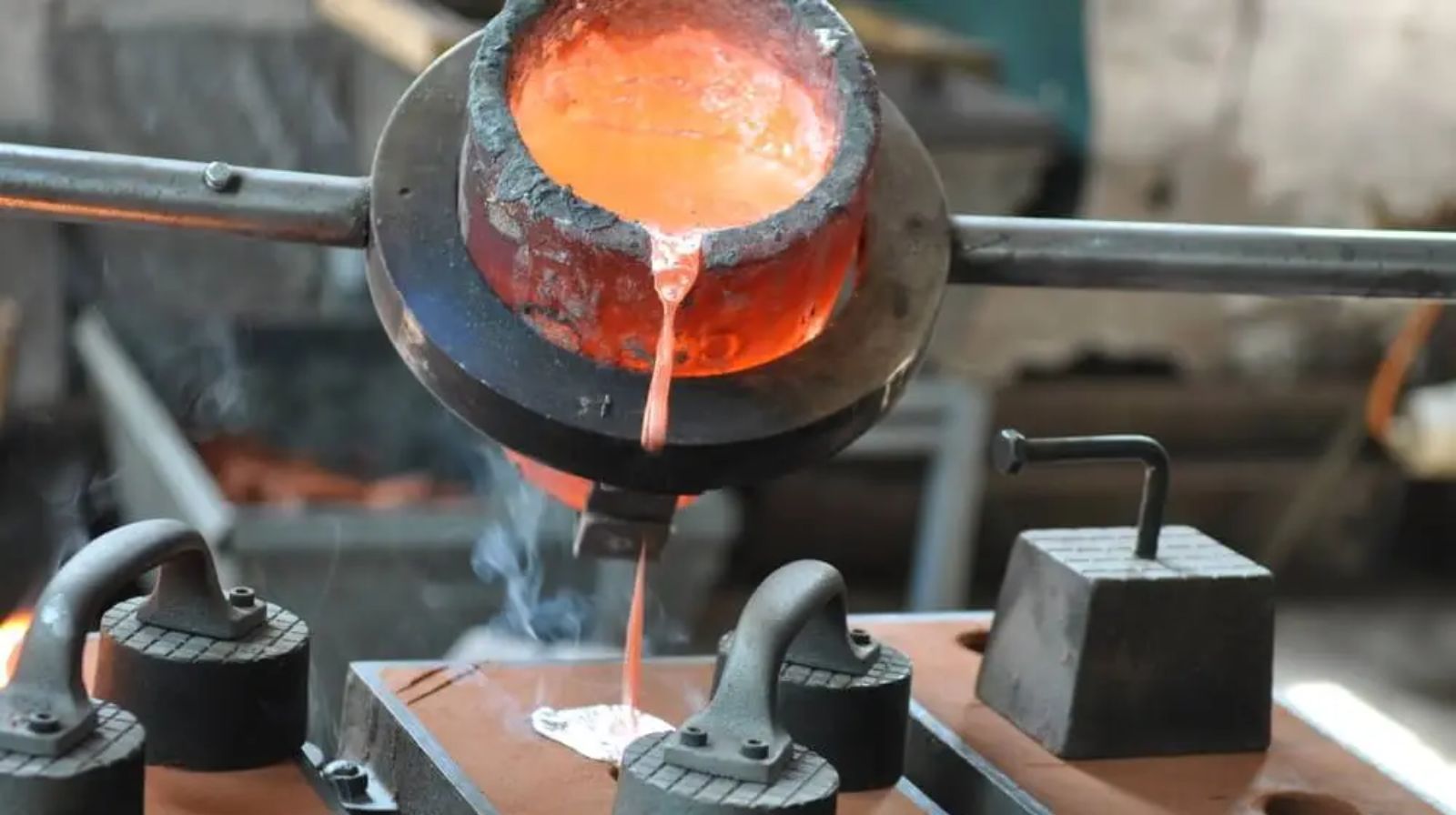
Литье - это процедура металлообработки. Металл при литье нагревается до температуры плавления. Расплавленный металл находится в форме жидкости. Этот расплавленный металл добавляется в форму. Готовая деталь имеет форму полости в форме. Металл уменьшается в форме. После остывания металл приобретает твердую форму. Затем твердая форма снимается. Теперь деталь готова.
Литье очень древнее. Его использование насчитывает тысячи лет. Сегодня оно применяется практически во всех отраслях промышленности.
Ключевые особенности литья
- Металл расплавляется.
- Расплавленный металл заливается в форму.
- Металл застывает в твердом состоянии.
- Деталь принимает форму пресс-формы.
Преимущества литья
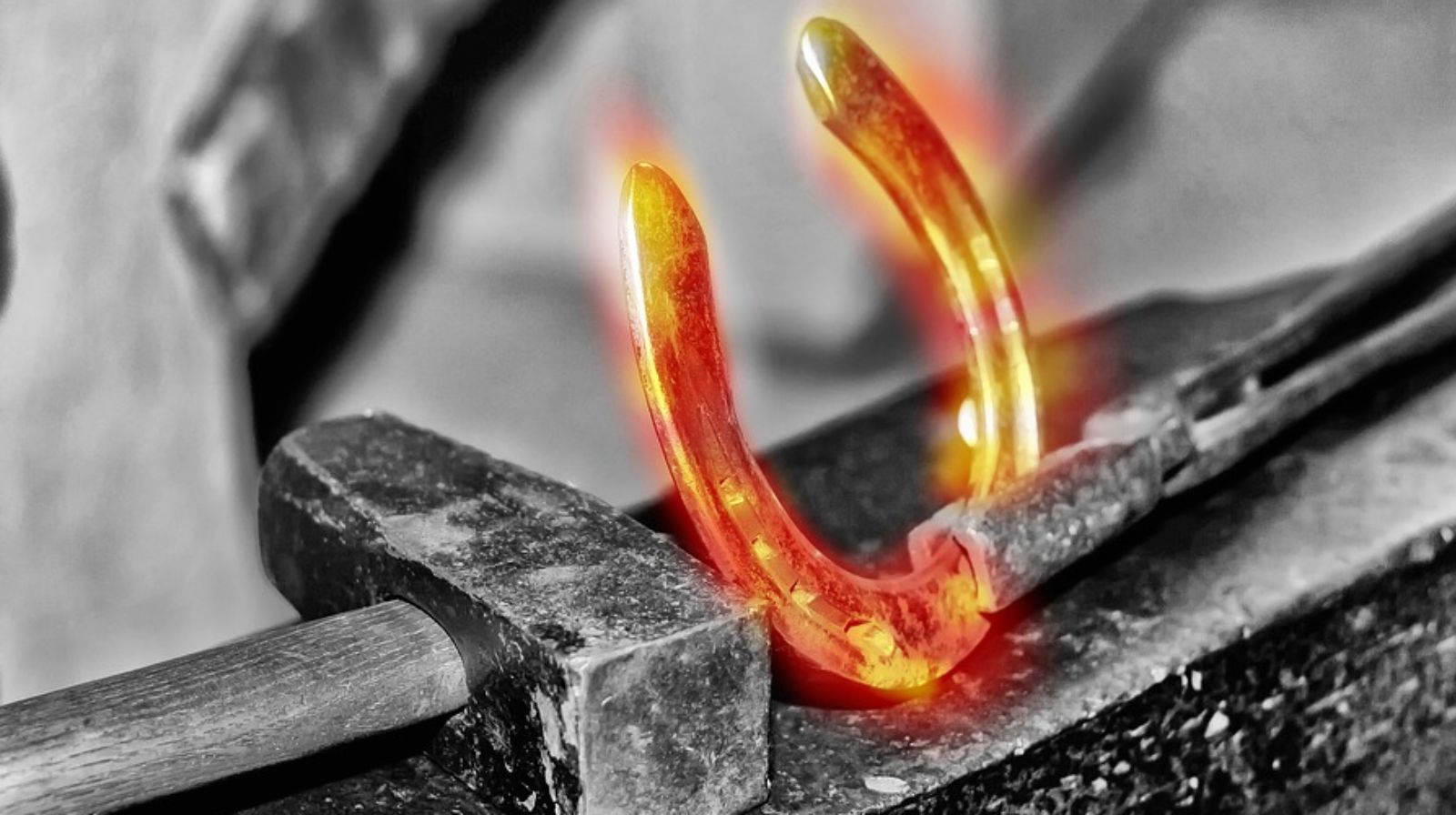
Возможность создания сложных фигур.
Можно отливать очень сложные и детализированные формы. С его помощью можно создавать конструкции, которые трудно или невозможно выполнить с помощью других процессов. Также очень легко создавать внутренние полости.
Подходят крупные и тяжелые компоненты.
Крупные детали лучше всего изготавливать методом литья. Компоненты очень большого размера не представляют особой сложности для производства. Это делает его применимым в тяжелой промышленности.
Широкий выбор материалов
Отливать можно практически любой металл. Подходят черные и цветные металлы. Это предоставляет инженерам множество вариантов материалов.
Экономически эффективное производство
Литье может быть менее дорогостоящим, чем другие производственные процессы. Одну и ту же форму можно использовать многократно. Это упрощает и удешевляет массовое производство.
Меньше обработки, минимальная обработка.
Литье позволяет получать практически чистые формы. Это означает, что после производства потребуется меньше механической обработки. Это помогает сэкономить время и средства.
Универсальные и широко используемые
Существует несколько отраслей промышленности, в которых применяется литье. Оно гибкое и легко адаптируемое. Оно способствует развитию мелкосерийного и крупносерийного производства.
Минусы литья на производстве:
Пористость и газовые скважины
Во время затвердевания расплавленного металла в нем может задерживаться газ, что приводит к образованию пористости, делающей конечный продукт непрочным.
Отделка поверхности
Литые поверхности, как правило, шероховатые, и для получения гладкой поверхности может потребоваться дополнительная механическая обработка.
Неточность размеров
Во время застывания возможна усадка, а значит, и изменение размеров, и точные допуски определить нелегко.
Сниженные механические свойства.
Внутренние дефекты могут снижать прочность, пластичность и ударную вязкость литых металлов по сравнению с деформируемыми.
Ограничения по размеру
Толстые или тонкие секции могут быть очень большими, и поэтому их трудно отлить без дефектов.
Сложность форм
Изготовление сложных форм требует много времени и средств.
Вопросы экологии и безопасности.
Расплавленный металл горячий, содержит пары и опасен при несчастных случаях.
Отходы материалов
В результате некоторых процессов образуются излишки материала (например, литники и стояки), которые необходимо выбрасывать или перерабатывать.
Примеры литых изделий
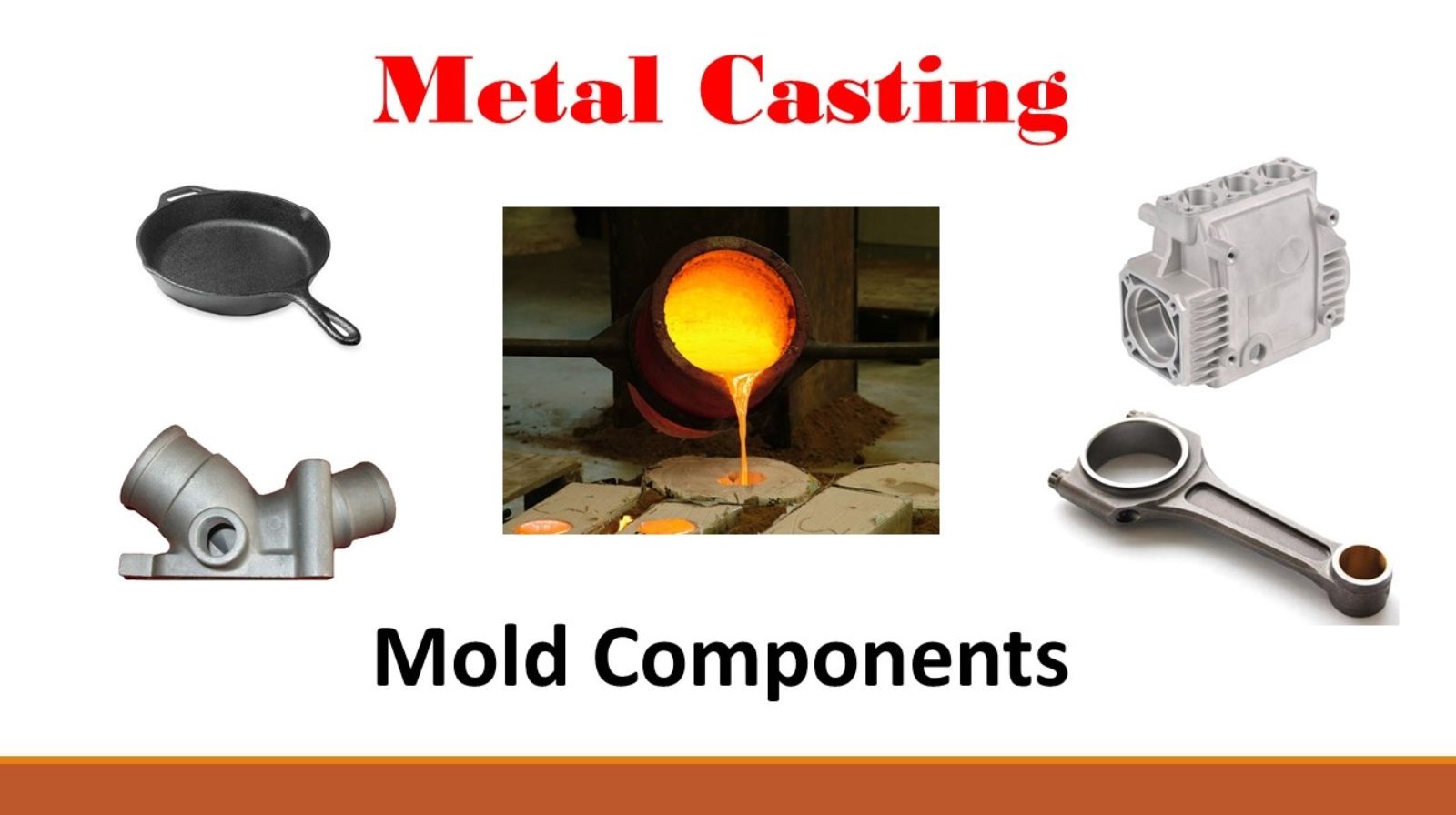
Автомобильные запчасти
Автомобили являются одним из основных источников литых изделий. Среди них - блоки цилиндров, головки блока цилиндров, тормозные барабаны, коробки передач и коленчатые валы.
Промышленное оборудование
Литые компоненты, которые обычно используются в промышленном оборудовании, - это корпуса насосов, корпуса клапанов, корпуса турбин и станины машин.
Предметы домашнего обихода
Литье используется для производства многих предметов домашнего обихода, например, посуды, такой как сковороды и чайники, дверных ручек, а также декоративных изделий, таких как лампы, статуэтки.
Строительные материалы
Одним из литых изделий в строительстве являются люки, трубы и металлические каркасы.
Искусство и скульптура
Литье - это техника, используемая художниками для изготовления статуй, бюстов и декоративных конструкций.
Электрические компоненты
Литые детали, такие как корпуса трансформаторов, распределительных устройств и двигателей, часто используются в электрооборудовании.
Разные предметы
Другие литые изделия - это ювелирные украшения, монеты и музыкальные инструменты, например, колокольчики.
Что такое ковка?
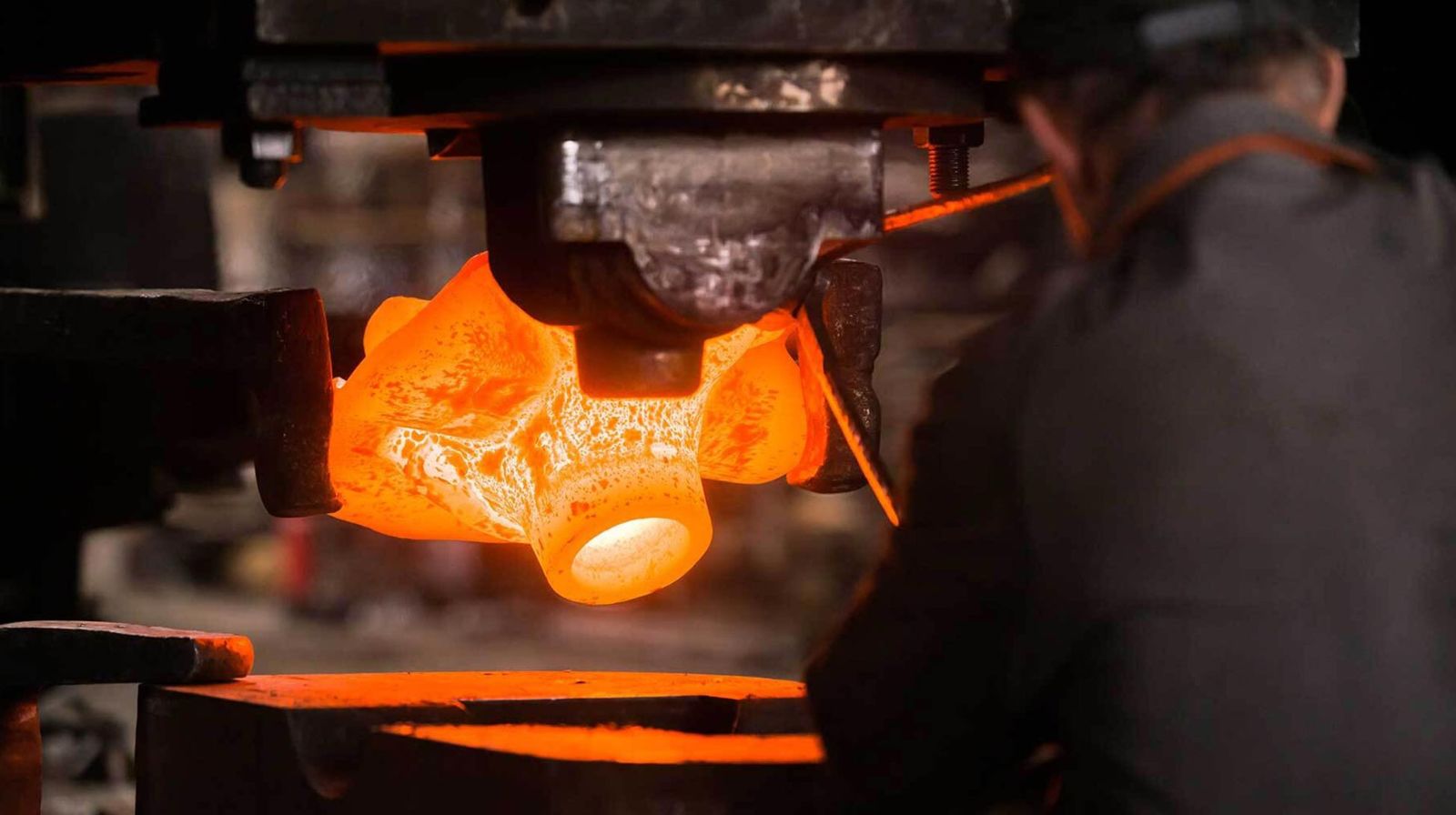
Ковка - это не то же самое, что литье. В процессе ковки металл не расплавляется. Металл остается твердым. Он нагревается до высокой температуры. Но он остается в твердой форме. Затем к нему прикладывается сила. Металл бьют или формуют. Металл сжимается. Это делается для укрепления металла.
Подделкам тоже уже тысячи лет. В прошлом мечи и инструменты изготавливались кузнецами. В наши дни ковка осуществляется на больших станках.
Ключевые особенности ковки
- Металл нагревается.
- Она остается твердой.
- Металл течет и приобретает новую форму.
- Структура становится прочнее.
- В настоящее время для создания давления используются молотки или прессы.
Преимущества ковки
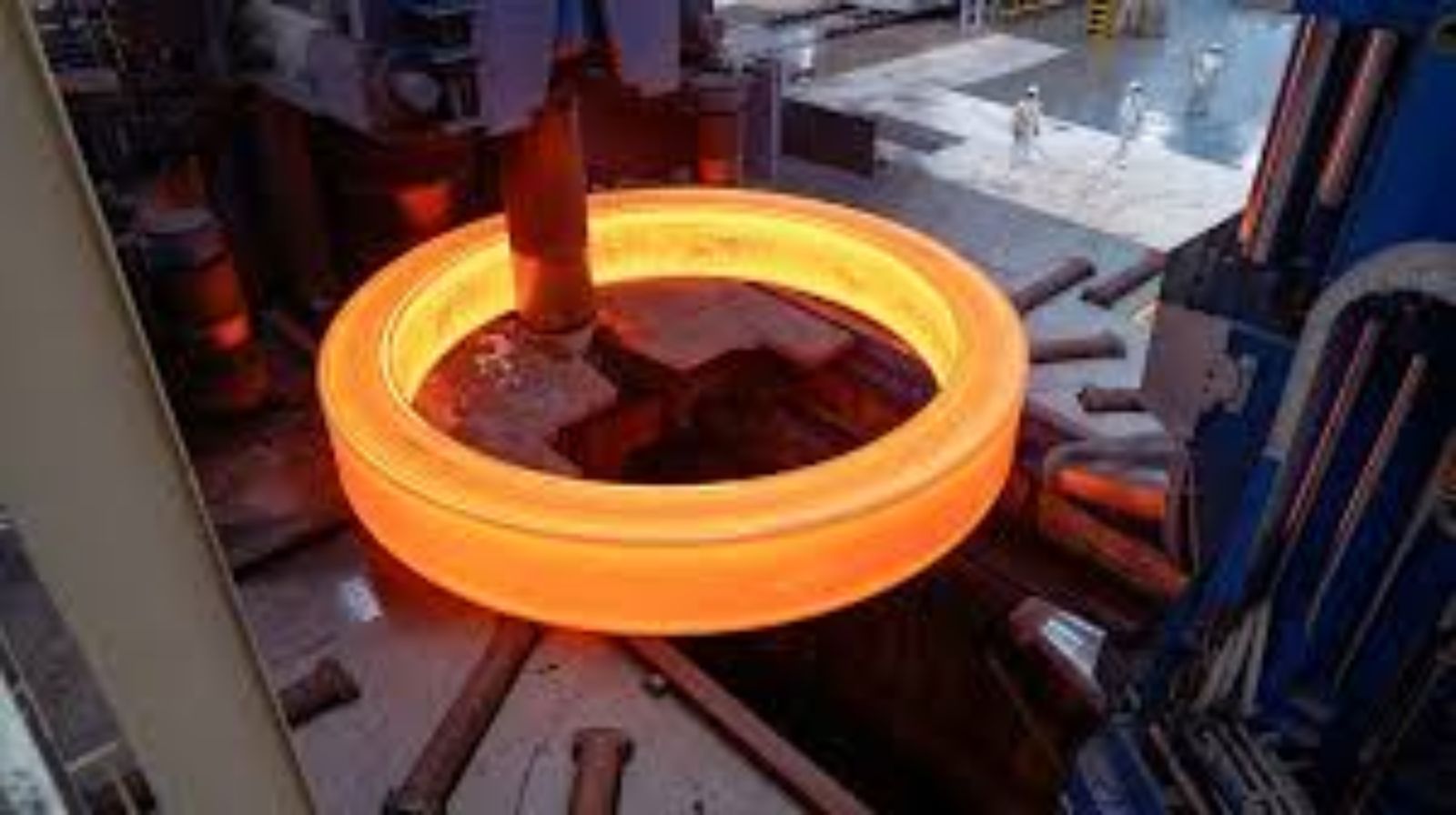
Высокая прочность
Компоненты, изготовленные методом ковки, прочнее литых или обработанных деталей, поскольку зернистая структура металла соответствует форме детали. Это повышает механические характеристики, такие как прочность на разрыв и усталостную прочность.
Улучшенная прочность
В результате ковки уменьшается вероятность возникновения таких дефектов, как пористость и пустоты, а значит, материал получается прочным и более устойчивым к нагрузкам.
Лучшая устойчивость к усталости
Кованые детали лучше противостоят циклическим нагрузкам и усталостному разрушению благодаря постоянному движению зерен вдоль детали.
Надежность и безопасность
Кованые детали имеют меньше шансов сломаться при больших нагрузках или в условиях высокого давления, поэтому они подходят для использования в условиях повышенной нагрузки, например, в самолетах, автомобилях и машинах.
Универсальность
Ковка может применяться для различных сплавов и металлов, что позволяет создавать как простые, так и сложные формы.
Экономичность при крупносерийном производстве
Несмотря на то, что первоначальное изготовление может оказаться дорогостоящим, ковка обеспечивает экономическую эффективность при производстве большого количества деталей, так как она требует меньше механической обработки и нерационального использования материалов.
Недостатки ковки
Высокая первоначальная стоимость
Ковка требует больших затрат на оборудование и штампы, поэтому вначале она обходится очень дорого.
Ограничения по формам и размерам
Очень сложные или очень крупные компоненты не могут быть выкованы из-за ограничений оборудования и штампов.
Требуется квалифицированная рабочая сила
Для управления температурой, давлением и формованием часто требуются квалифицированные операторы, что увеличивает стоимость рабочей силы.
Материальные отходы
Некоторые процессы ковки могут привести к образованию брака или нежелательного материала, особенно при обрезке.
Дефекты поверхности
Без надлежащего контроля над процессом на поверхности кованых деталей могут появиться трещины или дефекты, требующие дальнейшей отделки.
Не подходит для всех металлов
Некоторые хрупкие металлы трудно поддаются ковке, они не трескаются и не ломаются.
Примеры кованых изделий

Автомобильные компоненты
Ковка также применяется для изготовления прочных и долговечных деталей автомобилей, например, коленчатых валов, шатунов, шестерен, осей и ступиц колес.
Аэрокосмические компоненты
Кованые детали высокой прочности необходимы в самолетах, например, шасси, валы турбин и структурные элементы.
Промышленное оборудование
В машиностроении используются кованые детали, такие как шпиндели, валы, рычаги, а также детали тяжелых машин, к которым предъявляются высокие требования по прочности и вязкости.
Инструменты и оборудование
Такие инструменты, как молотки, гаечные ключи, плоскогубцы и другие, обычно кованые, чтобы быть прочными и надежными.
Строительные материалы
Такие элементы, как болты, гайки и крепежные детали в конструкциях зданий и мостов, часто подвергаются ковке.
Разные предметы
Дополнительными видами контрафактной продукции являются детали железных дорог, части кораблей, а также сельскохозяйственное оборудование, включая лемеха, детали тракторов.
Механические свойства литья и ковки
Таблица с относительными числовыми значениями прочности, веса и т.д., а не только качественные описания. Ниже приведен один из вариантов, использующий стандартные инженерные данные:
| Недвижимость | Отливка (прибл.) | Ковка (прибл.) |
| Прочность на разрыв | 200-400 МПа | 400-700 МПа |
| Предел текучести | 100-250 МПа | 250-600 МПа |
| Удлинение (%) | 5-15% | 15-35% |
| Усталостная прочность | 50-150 МПа | 200-400 МПа |
| Плотность/вес | Немного выше из-за пористости (~7,2 г/см³ для стали) | Немного ниже, эффективнее (~7,85 г/см³ для стали, плотнее, но меньше отходов) |
| Твердость (Бринелль) | 100-200 HB | 150-300 HB |
Примечания:
В зависимости от материала (сталь, алюминий и т.д.) и технологического процесса значения различаются.
Усталостная прочность и пластичность кованых деталей обычно в 2-3 раза выше, чем у литых.
Используемые материалы
Кастинг
Литье может производиться из очень большого количества металлов и сплавов. Наиболее часто используемыми являются чугун, сталь, алюминий, медь, бронза, латунь и магниевые сплавы. Литье особенно применимо к хорошо текучим металлам, которые легко заливаются в формы для формирования сложных форм.
Ковка
Для ковки обычно используются металлы, обладающие хорошей пластичностью и способные выдерживать деформацию под высоким давлением. Среди распространенных материалов - углеродистая сталь, легированная сталь, нержавеющая сталь, алюминий, медь, титан и сплавы на основе никеля. Ковка идеально подходит для материалов, которые требуют большой прочности и жесткости в готовом виде.
Структурные различия между литьем и ковкой
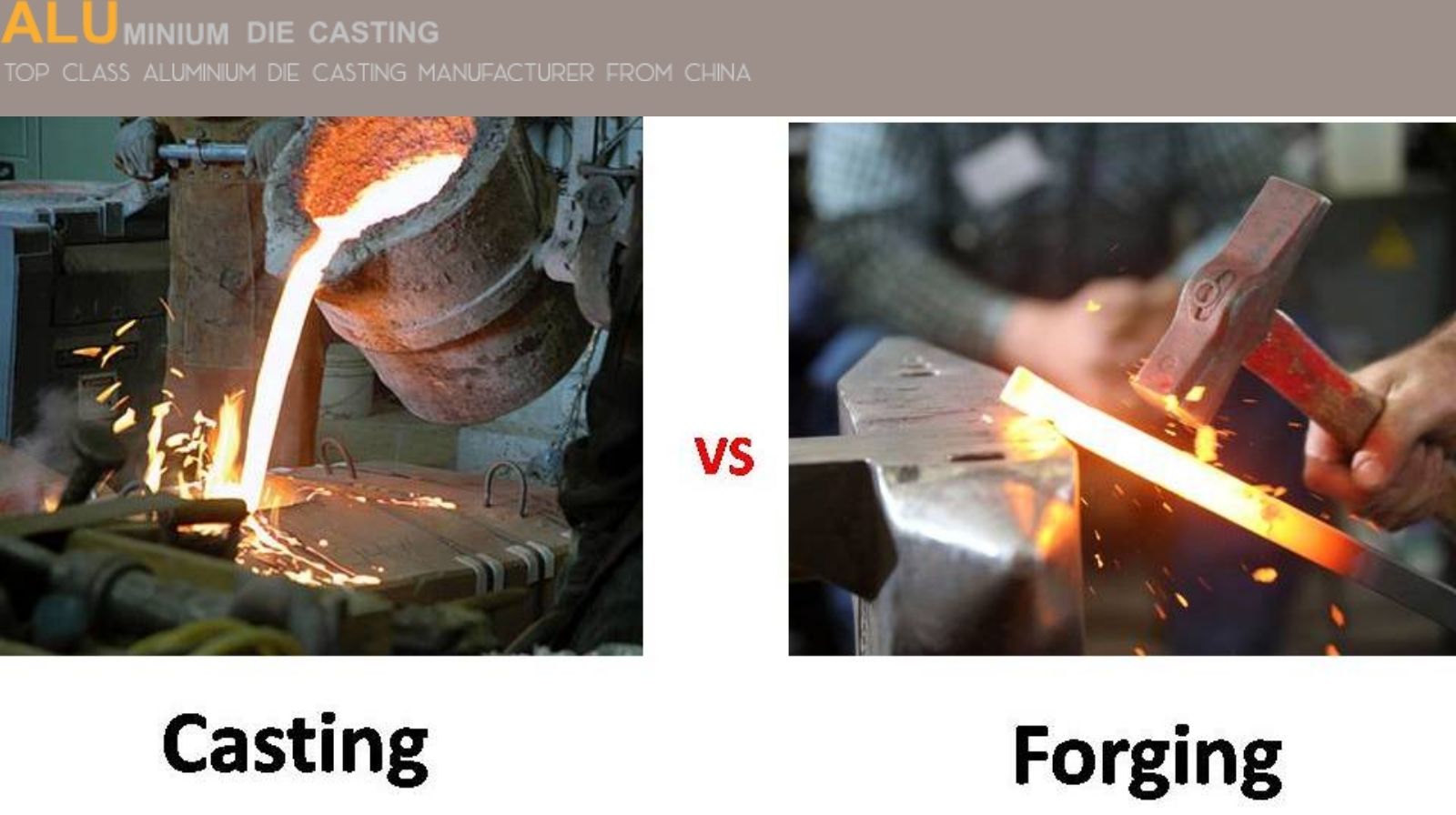
Ключевое структурное различие между литьем и ковкой заключается в зерновой структуре металла и его механических свойствах. При литье расплавленный металл заливают в форму и оставляют застывать. Это приводит к наличию крупной и неоднородной зернистой структуры, которая может привести к образованию слабых мест и пористости. Поэтому литые детали, как правило, более слабые и вязкие, чем кованые, и легко подвержены дефектам, включая усадочные полости и газовые отверстия. В литых металлах зерна ориентированы случайным образом, что делает материал изотропным, но они слабее вдоль траекторий нагрузки.
Ковка, напротив, предполагает механическую деформацию металла, в результате чего зерна повторяют форму детали. Такое перетекание зерен повышает прочность, вязкость и усталостную прочность. В кованых деталях меньше внутренних дефектов, но следует внимательно следить за тем, чтобы на поверхности не появлялись трещины. В кованых деталях зерна расположены в направлении, которое сильнее в направлении нагрузок, приложенных к деталям. В целом, в результате ковки получаются детали с лучшими механическими качествами, в то время как литье ограничивается более сложными формами, хотя и менее прочными.
Поэтому ковка более прочна конструктивно. Внутренняя структура литья слабее.
Разница в стоимости
Цена варьируется в зависимости от формы, количества и необходимости.
Литье становится менее затратным, когда:
- Конструкция сложная.
- Деталь большая.
- Необходимо много деталей.
Ковка стоит дороже, чем она есть на самом деле:
- Стоимость оборудования высока.
- Материалы должны выдерживать ковку.
- Требуется более длительная работа или машинное время.
Кованые детали, однако, имеют долгий срок службы. Они снижают затраты на устранение неисправностей. Ковка является дорогостоящей в случае безопасных деталей.
Чистота и точность поверхности

Кастинг
Точность поверхности и размеров деталей, полученных методом литья, обычно невысока. Усадка, пористость, неравномерное затвердевание и т. д. являются факторами, приводящими к несовершенству поверхностей. В связи с этим литым деталям может потребоваться дополнительная механическая обработка или финишная обработка, чтобы довести их до требуемого уровня точности и гладкости.
Ковка
При ковке получаются детали с улучшенной поверхностью, а также с точностью размеров. Металл продавливается вниз; благодаря этому поток зерен соответствует направлению линии детали. Кованые детали требуют минимальной механической обработки и подходят для высокоточной практики, где прочность и точность имеют решающее значение.
Дефекты и надежность
Кастинг
Процесс затвердевания увеличивает количество дефектов при литье. Пористость, усадочные полости и газовые отверстия, а также трещины являются распространенными дефектами. Возникающие дефекты снижают механическую прочность и надежность детали, а также использование литых деталей в ответственных или высоконагруженных областях применения. Также может потребоваться дополнительная проверка и обработка для достижения приемлемого уровня качества.
Ковка
В результате ковки получаются детали с меньшим количеством внутренних дефектов, поскольку металл деформируется под давлением, а значит, внутренние пустоты заделываются, и зернистая структура становится параллельной. Аналоги в большинстве случаев более прочные, надежные и способны выдерживать большие нагрузки и повторяющиеся напряжения. Несмотря на то, что при неправильном подходе к процессу могут образовываться поверхностные трещины, ковка используется в критических и несущих нагрузку областях, так как она более надежна.
Где кастинг лучше
Сложные формы
Литье лучше всего подходит в тех случаях, когда геометрия компонентов, которые необходимо изготовить, сложна, конструкция сложна, а межполостное пространство трудно или невозможно выковать.
Крупные компоненты
Литье - более дешевый и удобный метод производства крупных деталей, включая блоки двигателей, корпуса насосов или статуи, чем ковка.
Применение при низких нагрузках
Литье больше подходит для тех деталей, которым не требуется очень высокая прочность или жесткость, например, декоративных предметов, посуды или некоторых корпусов.
Мелкосерийное производство экономично.
Малосерийное производство экономически выгодно, так как для него просто изготовить форму, а сложные формы можно отлить за меньшее количество операций.
Где ковка лучше
Высокопрочные компоненты
Ковка также подходит для деталей, требующих высокой прочности, вязкости и усталостной прочности, таких как коленчатые валы, шатуны и валы турбин.
Применение под нагрузкой имеет решающее значение
Детали, подвергающиеся высоким нагрузкам, частому напряжению или ударам, такие как шасси, шестерни и оси самолетов, лучше ковать, так как они более надежны.
Повышенные механические свойства
Кованые детали обладают однородной зернистой структурой, уменьшенным количеством внутренних дефектов и повышенной пластичностью, что подходит для использования деталей, требующих прочности и длительного срока службы.
Средние и крупные производственные партии
Дорогостоящие, но простые в использовании ковочные штампы экономически эффективны при средних и больших объемах производства прочных и точных деталей, так как требуется мало механической обработки и меньше отходов материала.
Заключение
В итоге, литье и ковка являются важнейшими производственными операциями, и у них есть свои плюсы и преимущества. Сложные формы, крупные детали и детали с низкой и средней прочностью лучше всего обрабатывать с помощью литья, в отличие от деталей, несущих большую нагрузку, требующих высоких напряжений, прочности и надежности, которые лучше всего достигаются с помощью ковки. В GC Precision Mould мы уделяем особое внимание предоставлению высококачественных решений по литью для всех форм требований. Мы работаем со всеми типами проектов по литью и располагаем всем необходимым оборудованием, что делает нас эффективными и точными в выполнении этих работ по литью. Выбирая компанию GC Precision Mould, вы выбираете партнера, который заботится о качестве, точности и удовлетворенности клиентов, так что ваши компоненты будут изготовлены с наивысшим качеством. Мы будем рады предложить вам вечные, высококачественные и безупречно выполненные отливки, которые будут служить вашим бизнес-целям.
Вопросы и ответы
Работа: Какие виды литья предоставляет GC Precision Mould?
Мы предлагаем все виды литья, такие как литье в песчаные формы, литье по выплавляемым моделям, литье под давлением и гравитационное литье, что гарантирует точность и качество результатов всех проектов.
Что можно отлить в GC Precision Mould?
Мы работаем с большим разнообразием металлов, сталью, алюминием, медью, бронзой, латунью, магниевыми сплавами и т.д. В соответствии с вашими потребностями.
В чем разница между ковкой и литьем?
Ковка - это обработка металла сжимающими усилиями для придания деталям повышенной прочности, вязкости и усталостной прочности, а литье - заливка расплавленного металла в формы для получения сложных форм.
По какой причине я должен выбрать GC Precision Mould?
Мы можем предложить высококачественные и долговечные компоненты и являемся хорошим партнером во всех видах литья благодаря нашему опыту, высоким технологиям и стремлению к точности.
Может ли GC Precision Mould работать с индивидуальными проектами?
Да! Мы можем предложить вам индивидуальное решение по литью в соответствии с вашими требованиями, будь то промышленные, автомобильные или декоративные изделия.
0 Комментариев