
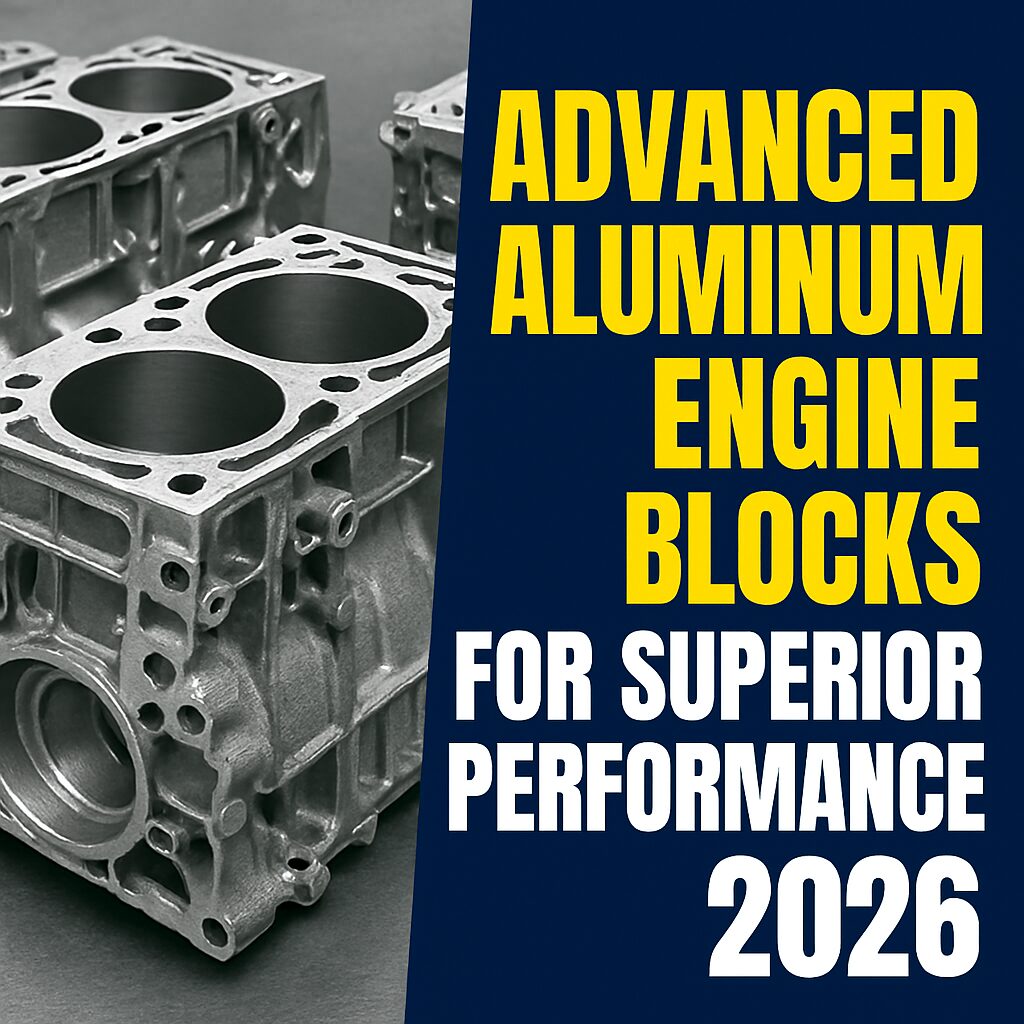
Om motorerna hade en ryggrad skulle motorblocket vara ryggraden. Och just i den nuvarande högpresterande bilindustrin håller aluminiummotorblocken snabbt på att bli nyckeln till innovation. Detta beror helt enkelt på att oavsett om du är en kugghjulsfantast, en bilingenjör eller helt enkelt en person som är intresserad av vad som gör moderna bilar snabbare och effektivare, så är användningen av motorblock i aluminium en spelväxlare som du bör känna till.
Så, vad är all hype om? Varför överger fabrikerna det gamla vanliga gjutjärnet för att använda aluminium? Låt oss förenkla det på ett enkelt och intressant sätt.
Vad är motorblock av aluminium?
I grund och botten är ett motorblock den primära komponenten i en motor - cylindrar, kolvar, vevaxel och passager av kylvätskor finns i motorblocket. Ett motorblock av aluminium är när detta block har tillverkats av andra aluminiumlegeringar än gjutjärn. Tänk dig att du byter ut en tung ryggsäck av stål mot en lätt vandringsryggsäck. Du har samma nödvändigheter, men mycket av det släpar inte lika tungt på dig.
Varför aluminium revolutionerar moderna motorer
Aluminium är ett unikt material med låg vikt, hög hållfasthet och hög termisk verkningsgrad. Det gör att motorer kan arbeta med lägre temperaturer, reagera snabbare och använda mindre bränsle. Aluminium är rätt väg att gå i en värld som är besatt av hastighet och som kräver effektivitet och hållbarhet.
Utvecklingen av material för motorblock
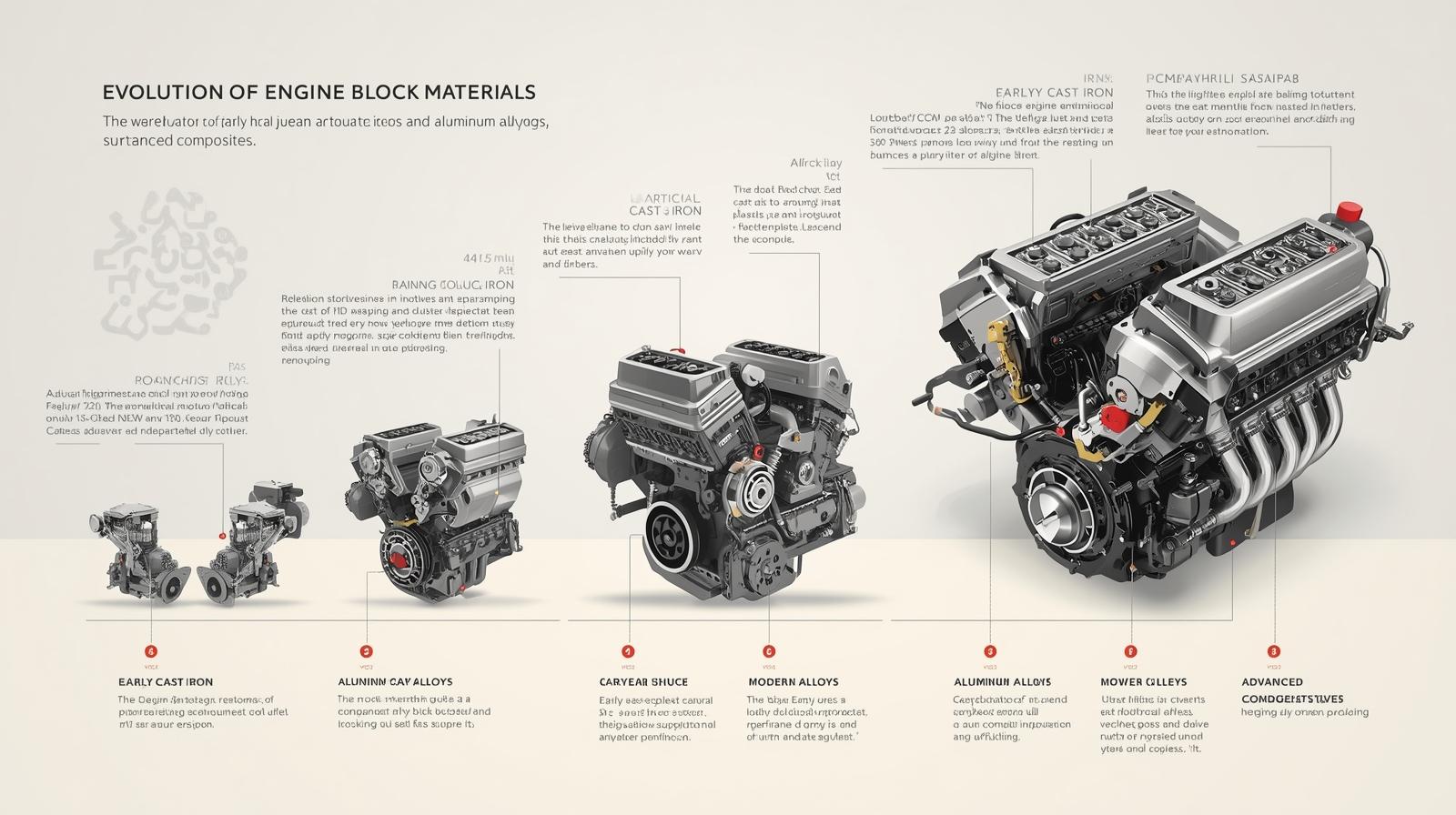
Motorblockets material utvecklas från tungt gjutjärn till lättviktsaluminium och moderna kompositer
Från gjutjärn till aluminium
Gjutjärn hade dominerat bilvärlden för flera decennier sedan. Det var kraftfullt, robustare och något och jämförelsevis kostnadseffektivt. Men det var också en stor smärta.
När bilarna utvecklades förstod ingenjörerna att det bästa sättet att uppnå hög prestanda och effektivitet var att gå ner i vikt. Det var den insikten som ledde fram till aluminium.
Begränsningar hos traditionella motormaterial
Motorblocksmotorer tillverkade av gjutjärn liknar de gamla muskelbilarna, starka men tunga. Denna extra vikt påverkar acceleration, köregenskaper och bränsleekonomi. Det har också visat sig att järnet håller kvar mer värme, vilket begränsar prestandan under extrema förhållanden.
Genombrottet för aluminiumlegeringar
Den första generationen aluminiumlegeringar hanterade de första hållbarhetsfrågorna. När kisel kombineras med aluminium och andra ämnen får tillverkarna fram motorblock som inte bara är lätta utan också mycket starka och värmebeständiga.
Varför motorblock av aluminium blir allt populärare
Lättviktsfördel
Fienden av att utföra är vikt. Jämfört med motorblock av gjutjärn, motorblock av aluminium är upp till 50% lätta. Få kilon resulterar i snabbare acceleration, bromsning och hantering. Det känns som om du tar bort en tung last från din bil och du kan omedelbart känna skillnaden i vikt.
Förbättrad bränsleeffektivitet
Motorer som är mindre kraftfulla förbrukar mindre energi för att röra sig. Det är en direkt konvertering till en förbättrad bränsleekonomi. Biltillverkare älskar aluminiumbaserade motorblock eftersom de underlättar de höga standarderna för bränsleeffektivitet och utsläpp.
Förbättrad bränsleeffektivitet
Aluminium har en högre värmeavledning jämfört med järn. Detta gör att motorerna kan arbeta vid optimala temperaturer och eliminerar risken för överhettning och ökar livslängden.
Tekniken bakom avancerade motorblock i aluminium
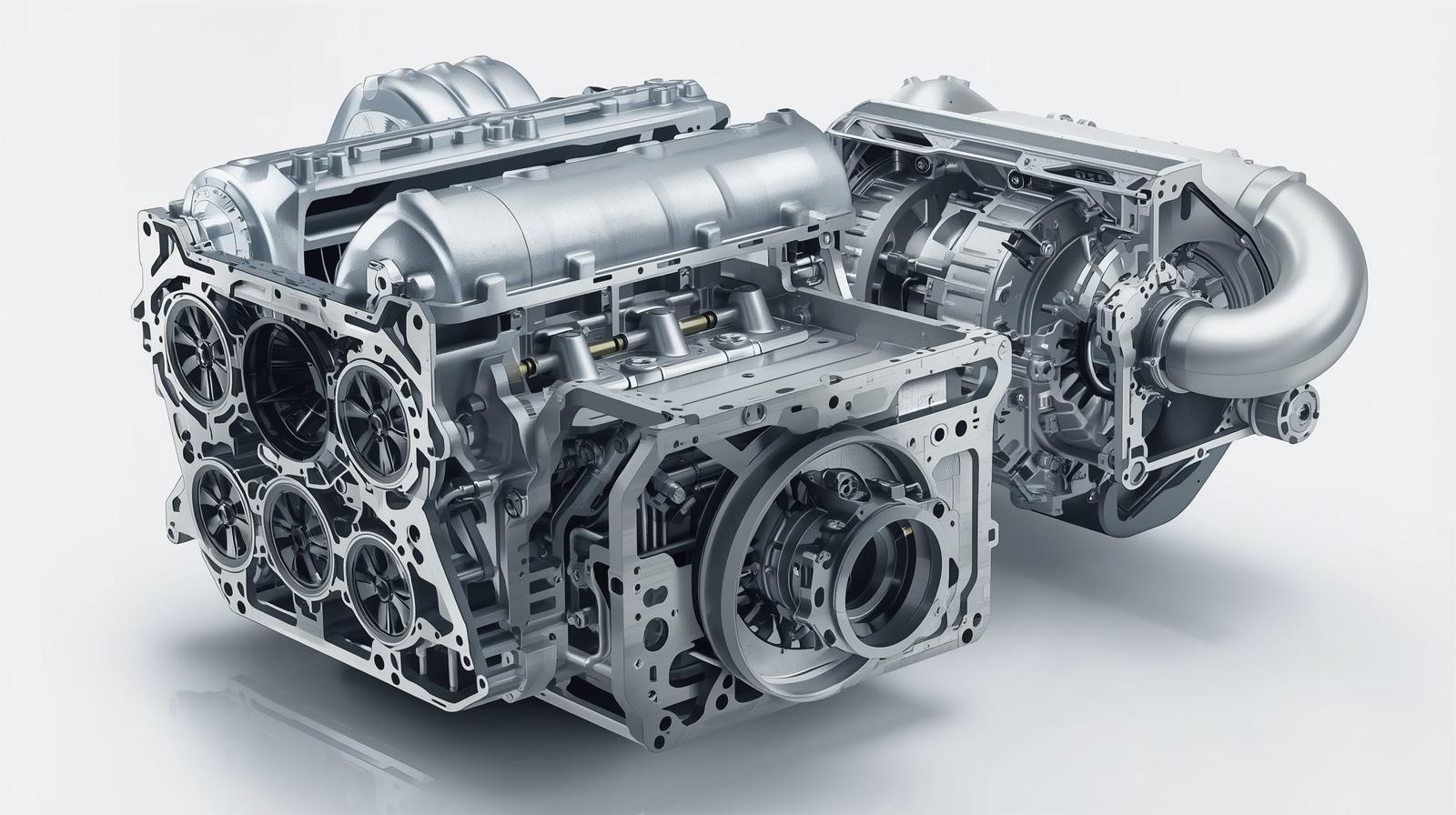
Avancerad konstruktion av motorblock i aluminium för förbättrad prestanda, värmeavledning och bränsleeffektivitet
Aluminiumlegeringar som används i motorblock
Aluminium är inte lika bra för alla. Motorblock påverkas av speciallegeringar som är konstruerade för extrema förhållanden.
Aluminiumlegeringar med hög kiselhalt
Kisel förbättrar slitstyrkan och sänker värmeutvidgningen. Motorblock i högpresterande aluminium innehåller dessa legeringar som är kända för att ha den optimala balansen mellan styrka och flexibilitet.
Värmebehandlad aluminium för hög hållfasthet
De mekaniska egenskaperna hos aluminium förbättras genom värmebehandling, vilket gör det tillräckligt tåligt för att klara intensiva kompressionsförhållanden och extremt tryck vid förbränning.
Precisionsgjutning och tillverkningsteknik
Högtrycksgjutning, sandgjutning och halvfast formning är de moderna metoderna för tillverkning av motorblock. Metoderna ger noggrannhet, tillförlitlighet och stabilitet.
Prestandafördelar med motorblock av aluminium
Snabbare acceleration och bättre väghållning
Den vikt som motorn kan reducera gör fordonet mycket mer balanserat så att fjädrings- och styrsystemen kan arbeta effektivt. Resultatet av detta är snabbare gasrespons, lättare kurvtagning, bättre stabilitet vid höga hastigheter och en allmänt mer intressant och hanterbar körning.
Förbättrad värmeavledning
Det är känt att aluminium leder värme mycket bättre än konventionella material, vilket håller temperaturen i motorerna på en jämn nivå. Effektiv värmeavledning minimerar termisk stress på delar som överhettas och hjälper till att säkerställa stabil prestanda, tillförlitlighet och motorekonomi under den ökade motorns drifttid.
Högre effekt/vikt-förhållande
Aluminiumblock i motorerna sänker motorns totalvikt utan att kompromissa med hållfastheten. Detta gör det möjligt för bilar att skapa mer kraft i förhållande till sin vikt, vilket sänker deras accelerationer, bränsleförbrukning och respons, vilket gör att bilar med körprestanda blir mer åtråvärda utan att äventyra deras hållbarhet och andra långsiktiga prestanda.
Hållbarhet och styrka: Myter kontra verklighet
Är motorblock av aluminium tillräckligt starka?
Ja, den moderna världens motorblock i aluminium är byggda för att motstå extremt höga förbränningstryck och höga temperaturer. Legeringarna och teknologierna gör att de kan arbeta effektivt i superbilar, tävlingsmotorer och hårt arbetande tunga system utan att förlora sin styrka.
Tekniker för armering
Tillverkarna gör motorblock i aluminium mer hållbara med sina förstärkningstekniker. Dessa tekniker förstärker hårt arbetande zoner, minskar slitaget och bidrar till att säkerställa att motorblocket klarar hög effekt, termiska cykler och långvarig mekanisk belastning.
Gjutjärnsfodral
De gjutna järnfodren i kombination med motorblock av aluminium förhindrar slitage på cylinderväggarna. De erbjuder fördelarna med aluminiumkonstruktionens androgynitet och bränsleeffektivitet med kolvrörelsens hårda, slitstarka och envisa yta.
Beläggningar med PTWA (Plasma Transferred Wire Arc)
PTWA-beläggningen ger ett tunt metallskikt som är långvarigt och riktat mot väggarna i aluminiumcylindrar. Denna teknik ger mindre friktion, bättre värmeöverföring, bättre slitstyrka och avsaknad av tunga cylinderfoder, vilket gör motorblocken lättare, effektivare och mer långlivade.
Motorblock av aluminium i högpresterande fordon
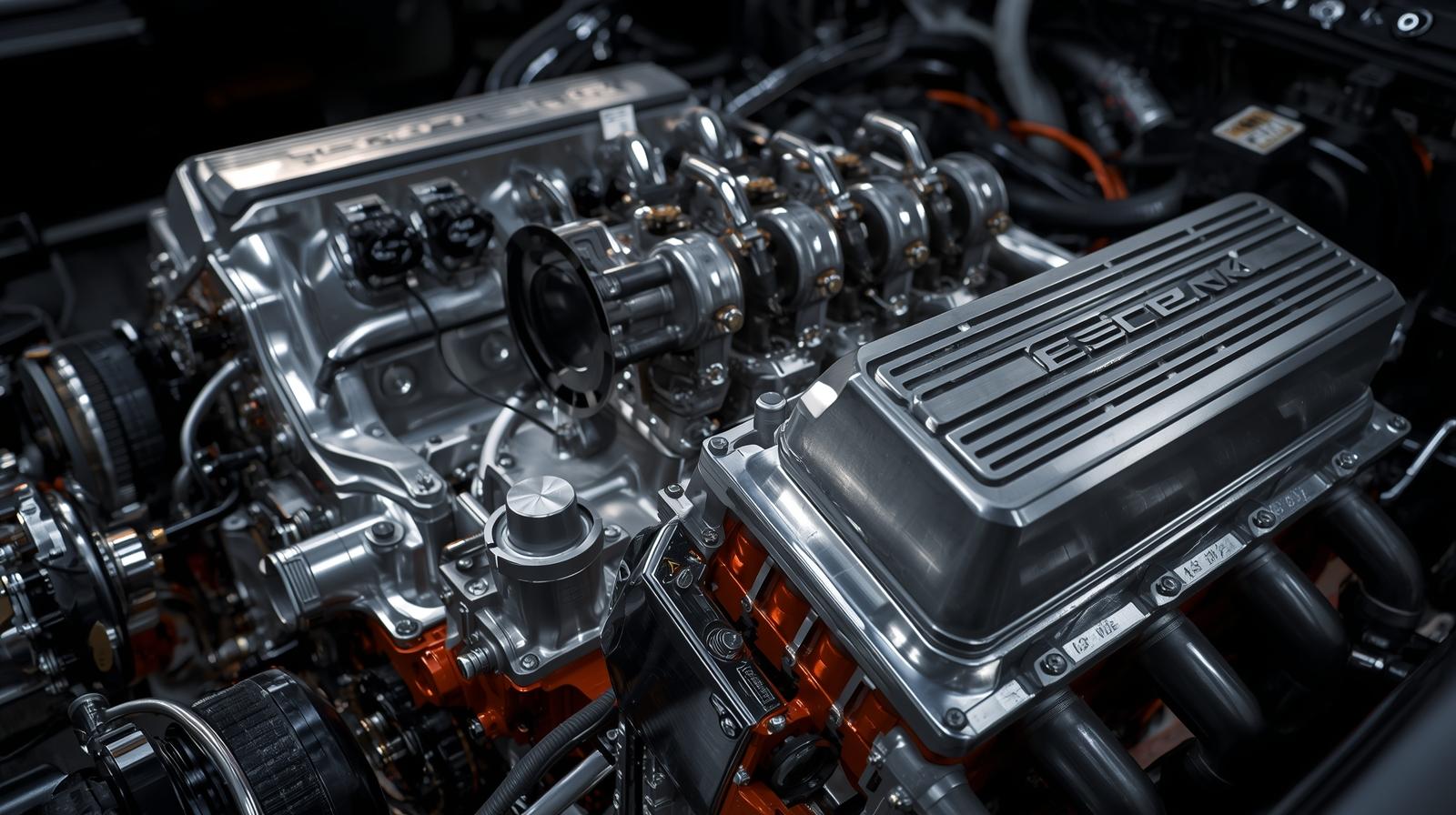
Högpresterande fordon som använder motorblock i aluminium för ökad hastighet, hållbarhet och bränsleeffektivitet
Sportbilar och Supercars
Märken som Ferrari och Porsche som bygger på hög prestanda riktar in sig på användningen av motorblock i aluminium för att leverera hög hastighet och manövrerbarhet. En lägre motorvikt resulterar i bättre acceleration, kurvtagning och balans, vilket gör att superbilar kan erbjuda roliga prestanda utan att kompromissa med strukturell integritet eller tillförlitlighet.
Motorsport- och racingtillämpningar
I racingtävlingar är viktminskning en av de viktigaste faktorerna för snabbhet och manipulation. Motorblock i aluminium har bättre effekt-till-vikt-förhållande, värmeavledning och håller länge under extrema förhållanden, vilket gör dem till favoritblock inom professionell motorsport och racing på hög nivå.
Motorblock av aluminium i vardagliga fordon
Personbilar
Motorblock i aluminium blir allt vanligare i personbilar eftersom det finns ett behov av att förbättra bilens totala effektivitet och körkomfort. En lättare motor är mer bränsleeffektiv, har mindre utsläpp och är mjukare att accelerera, har mindre buller och hanterar bättre för att ge varje aktiv förare njutning i sin dagliga körning och gör den mer ekonomisk.
SUV:ar och lätta lastbilar
Motorblocken är tillverkade av aluminium för att motverka den höga vikten av bilarna på nosen av SUV:ar och lätta lastbilar. Tack vare den minskade motorvikten kan tillverkarna förbättra bränsleeffektiviteten, öka nyttolasten och bogseringskapaciteten, förbättra köregenskaperna och behålla sina goda prestanda utan att påverka hållbarheten och den långsiktiga tillförlitligheten.
Utmaningar och lösningar för tillverkningen
Överväganden om kostnader
Motorblock av aluminium är i allmänhet dyrare än motorblock av gjutjärn på grund av materialkostnaden och bearbetningskostnaden. Det faktum att ökad tillverkningseffektivitet, massproduktion och fördelar med minskad fordonsvikt fortsätter att föra kostnadsskillnaden mellan tillverkare och konsumenter närmare varandra, minskar emellertid gradvis den totala prisskillnaden på fordon.
Komplexa krav på maskinbearbetning
Motorblock i aluminium är mycket känsliga och kräver exakt bearbetning av delar för att säkerställa mindre toleranser och strukturell integritet. Idag finns toppmoderna CNC-maskiner, förbättrade verktyg och automatiserade processer som möjliggör snabbare produktion, ökad noggrannhet, mindre spill och konstant kvalitet på produkter som tillverkas i stora volymer.
Framsteg som sänker produktionskostnaderna
Användningen av modern automation, innovativa aluminiumlegeringar och gjutmetoder har minskat produktionskostnaderna i betydande grad. Sådana innovationer minimerar slöseri med material, minskar produktionscykeln, förbättrar konsistensen och gör det möjligt för aluminiummotorblock att vara överkomliga för den vanliga marknaden såväl som i högpresterande läge.
Miljöfördelar med motorblock av aluminium
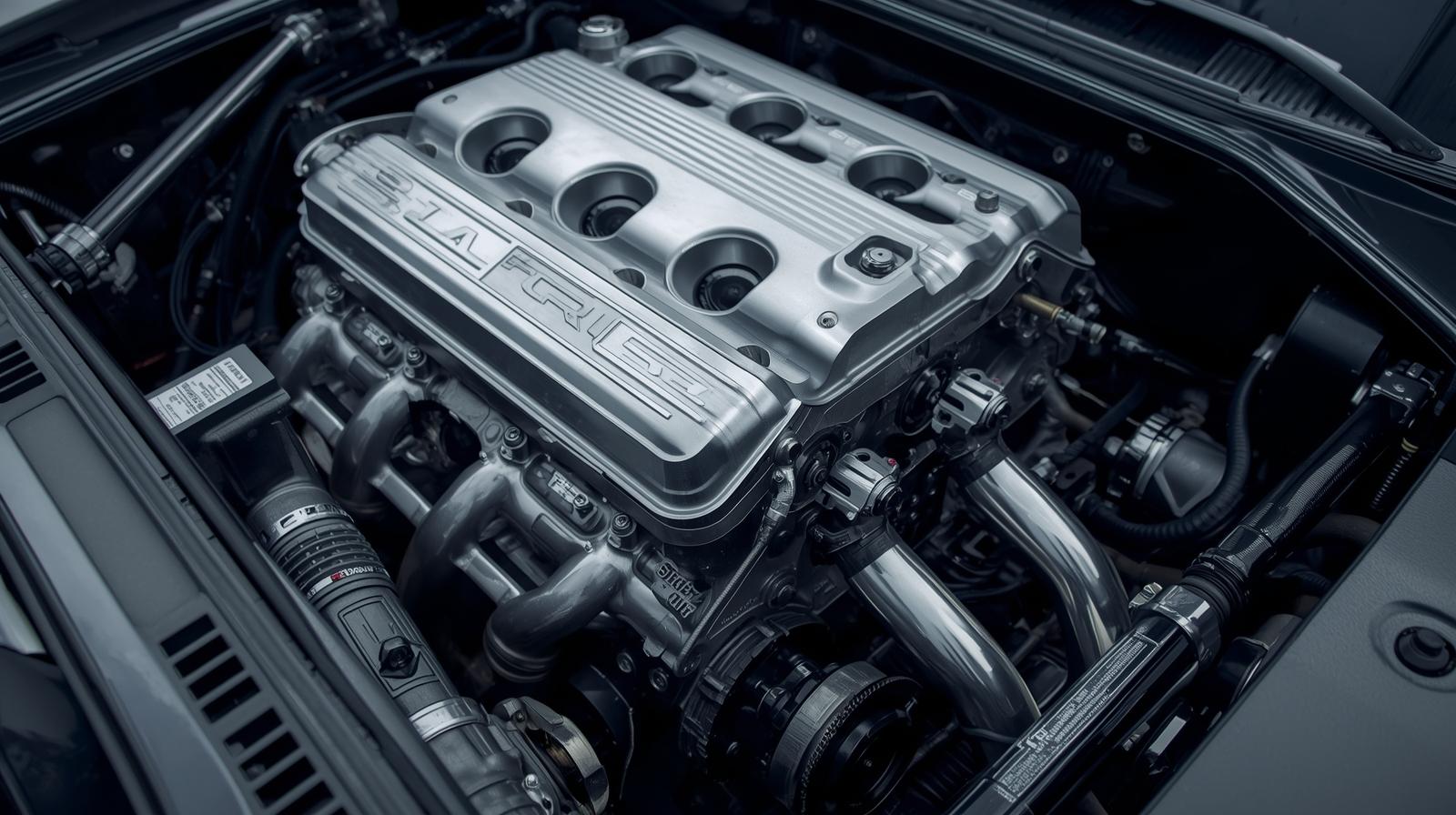
Motorblock av aluminium ger miljövänliga fördelar som bränsleeffektivitet, lägre utsläpp och återvinningsbarhet
Förbättrad bränsleekonomi och minskade utsläpp
Mindre fordon förbrukar mindre energi för att förflytta sig och det innebär att motorerna presterar bättre. Motorblock av aluminium har fördelen att de gör fordonen lättare och därmed ökar deras bränsleförbrukning, minskar koldioxidutsläppen och säkerställer att tillverkarna inte behöver kompromissa med prestanda och körkomfort i sina fordon för att upprätthålla den stränga miljölagstiftningen.
Återvinningsbarhet för aluminium
Aluminium kan återvinnas helt utan kvalitets- och hållfasthetsförluster. Återvinning av aluminium kräver bara en bråkdel av den energi som förbrukas under primärproduktionen, vilket innebär stora förbättringar för miljön eftersom det sparar mycket naturresurser och främjar långsiktiga tillverkningsprocesser inom fordonssektorn.
Motorblock av aluminium vs gjutjärn
Viktjämförelse
Motorblocken av aluminium är mycket lättare än de av gjutjärn och gör den totala fordonsvikten lättare. Denna viktminskning förbättrar köregenskaperna, accelerationen och bränsleeffektiviteten och i detta avseende har aluminium haft en uppenbar fördel jämfört med konventionella material i bilkonstruktionen.
Jämförelse av prestanda
Aluminiumblock har bättre värmeavledning, accelerationshastighet och effektivitet. Den låga vikten ökar effekt/viktförhållandet och gör det möjligt för motorerna att arbeta bättre under stress samtidigt som de uppnår bra, konsekvent och tillförlitlig prestanda under olika körförhållanden.
Lång livslängd och underhåll
Aluminiumblock i motorn med adekvat underhåll kan hålla länge. Frekvent underhåll av kylvätska, smörjning och korrosionsförebyggande underhåll är sådant att aluminiummotorer kommer att ha lika lång eller till och med längre livslängd än traditionella gjutjärnsblock.
Aluminiummotorblockens roll i el- och hybridfordon
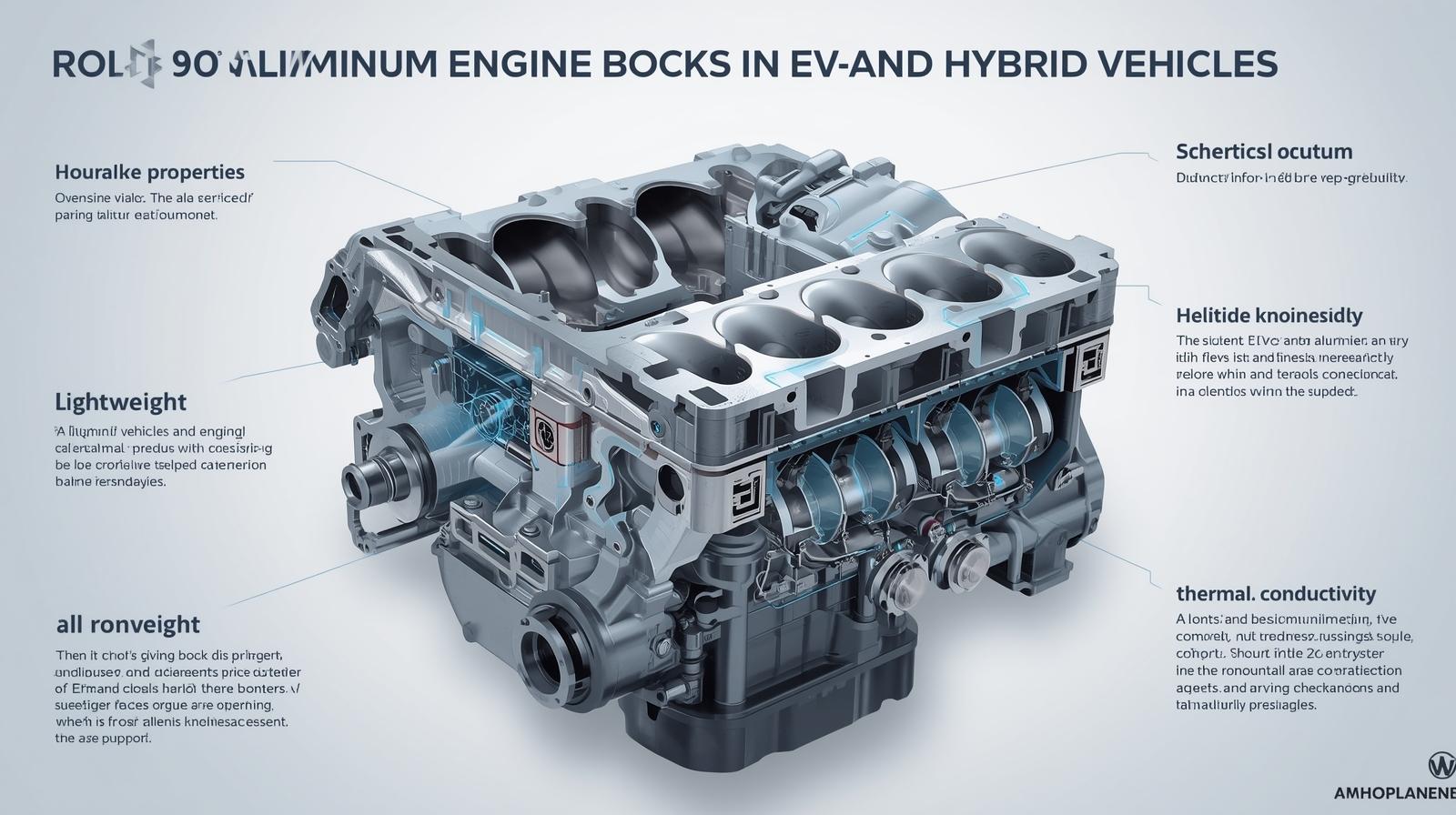
Motorblock av aluminium i elbilar och hybrider förbättrar effektivitet, kylning och hållbar prestanda
Lättviktsdesign för utökad räckvidd
Motorblock i aluminium sänker fordonens totalvikt, vilket innebär att el- och hybridbilar sannolikt får en större räckvidd eftersom det krävs mindre energi för att förflytta sig, vilket gör dem mer effektiva och ger längre batteritid.
Integration med elektriska drivlinor
Motorblock i aluminium kan användas med både hybrid- och elektriska drivlinor och ger lättviktsstyrka, bättre värmehantering och enkel integrering för att uppnå optimal prestanda, effektivitet och livslängd i moderna elbilar och personbilar.
Framtida innovationer inom teknik för motorblock av aluminium
Avancerade ytbeläggningar och ytbehandlingar
Den senaste tekniken när det gäller beläggningar och annan behandling av motorblock i aluminium förändrar friktion, slitage, ökar värmebeständigheten och förlänger motorns livslängd genom dess stora hållbarhet och effektiva funktion under extrema temperaturer.
Additiv tillverkning och 3D-printing
Med additiv tillverkning kan komplexa motorblock i lättviktsaluminium tillverkas med komplicerade inre geometrier. Den här typen av innovation har gjort det möjligt att optimera hållfastheten med minimal vikt och bästa möjliga termiska effektivitet, vilket aldrig tidigare har uppnåtts med traditionella gjutningsmetoder.
Smarta konstruktioner för motorblock
Smarta motorblock är utrustade med sensorer och ett högteknologiskt material för att kontrollera temperatur, påfrestningar och prestanda i realtid. Denna teknik används för att förbättra tillförlitlighet, förebyggande underhåll och effektivitet, vilket är framtiden för intelligent motordesign.
Att välja rätt motorblock av aluminium
Faktorer att ta hänsyn till
Prestationsmål, typ av fordon och budget.
Alternativ för OEM eller eftermarknad
OEM-blocket är tillförlitligt, medan eftermarknaden kan vara anpassningsbar.
Underhållstips för motorblock av aluminium
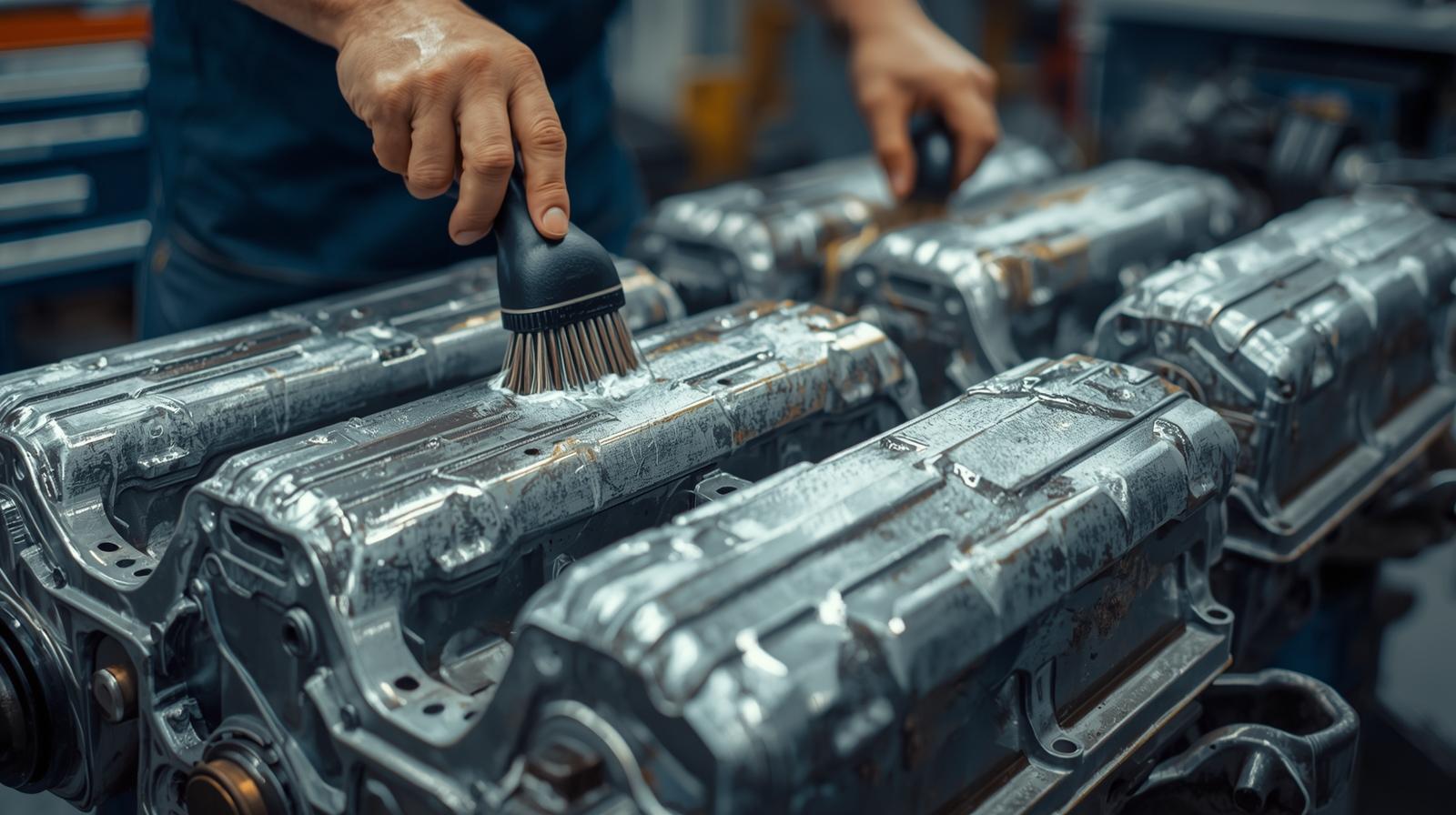
Korrekt underhåll av motorblock i aluminium säkerställer hållbarhet, effektivitet och prestanda på lång sikt
Skötsel av kylsystemet
För att hålla aluminiummotorblocken kylda till optimala temperaturer för att undvika termisk överhettning, upprätthålla en kylvätskenivå och därmed minska den termiska belastningen för att öka motorns livslängd är det nödvändigt att hålla kylsystemets nivåer i rätt kontroll och att låta kylsystemet undersökas regelbundet.
Korrekt smörjning
Användning av oljor som rekommenderas av tillverkaren kommer alltid att minska friktion och slitage i aluminiummotorblocket, vilket garanterar smidig drift och skyddar interna delar samt förbättrar motorns övergripande prestanda och livslängd.
Förhindrande av korrosion
Det finns underhåll med frekvent underhåll och god kvalitet på kylvätskan som förhindrar korrosion av motorblocken i aluminium. Detta eliminerar gropfrätning, upprätthåller strukturell integritet och sänker motorns livslängd, även om den bibehåller optimal prestanda under olika körförhållanden.
Vanliga missuppfattningar om motorblock av aluminium
Aluminium är för mjukt
Dagens aluminiumlegeringar är, i motsats till vad de flesta tror, konstruerade för att ge överlägsen styrka och hållbarhet, så att de lätt kan klara höga tryck och krävande motorförhållanden.
Aluminiummotorer håller inte länge
Motorblock i aluminium är mycket hållbara och med underhåll kan deras användning pågå lika länge som gjutjärnsmotorer eller till och med längre, och därmed finns det alltid obegränsad prestanda efter flera års användning.
Slutsats:
Motorblocken helt i aluminium är den perfekta kombinationen av prestanda, ekonomi och hållbara motorblock. De är lättare, smartare och mer mångsidiga för framtidens fordonsteknik. Aluminium kommer alltid att ligga i framkant av de pågående framstegen inom motorkonstruktion, eftersom det driver dagens dagliga förare, såväl som enstaka superbilar.
Vanliga frågor
Kan man lita på att motorblock i aluminium kan användas på lång sikt?
Ja, det moderna motorblocket i en aluminiummotor är konstruerat för hållbarhet och lång livslängd.
Kan motorblock av aluminium lätt bli överhettade?
Nej, det är faktiskt aluminium som avleder värme snabbare än gjutjärn.
Är motorblock, som består av aluminium, dyrare att underhålla?
Om rätt underhållsrutiner följs är underhållskostnaden ungefär densamma.
Är det möjligt att använda motorblock i aluminium med höga hästkrafter?
Ja, absolut. Aluminiumblock används i många högeffektsmotorer.
Är motorblock i aluminium miljövänligt?
Ja, de har bättre bränsleförbrukning och är mycket återvinningsbara.
0 kommentarer