
Alüminyum, çağdaş motorlu taşıtlarda adı duyulmamış bir kahraman haline gelmiştir. Bariz görünebilir, ancak her yerde: kaputun altında, gövde panellerinde, EV bataryalarını kaplıyor. Otomobil üreticileri daha hafif, daha temiz ve yüksek verimliliğe sahip araçlar üretmek için rekabet ederken alüminyum ilgi odağı haline geldi.
Modern Araçlarda Alüminyum Neden Önemlidir?
Bu nedenle alüminyum, tüm metaller arasında ağırlık kaldıran bir metaldir; hafif, güçlü ve esnektir. Otomobillerin güvenlikten ödün vermeden ağırlıklarını kaybetmelerine yardımcı olur. Daha hafif bir ağırlık, yakıt ekonomisini iyileştirir, elektrikli araçların menzilini uzatır ve emisyonları azaltır. Bu, üreticiler ve sürücüler için bir kazan-kazan durumudur.
Otomobillerde Alüminyumun Kısa Tarihçesi
Alüminyum otomobiller için yeni değil. Maliyet, lüks veya spor modellerde kullanılmasına neden olan bir faktördü. Günümüze geldiğimizde ise alüminyum her yerde bulunuyor ve kamyonetlerde, sedanlarda, SUV'larda ve hatta elektrikli araçlarda bile yer alıyor.
Alüminyum Otomotiv Talep Tahminini Anlamak
Otomotiv üretiminde alüminyum talebi hafif ağırlık verimliliği, elektrikli araçların benimsenmesi ve sürdürülebilirlik hedefleri tarafından yönlendirilmektedir
Rakamlara ve projeksiyonlara girmeden önce alüminyum ürünlerinde, bu durumda otomotivde, bir talep tahminini anlamak akıllıca olacaktır.
Otomotiv Talep Tahmini Nedir?
Basitçe ifade etmek gerekirse, otomobil endüstrisi tarafından kullanılacak alüminyum havayollarının gelecekteki seviyelerinin öğrenilmiş bir tahminidir. Analistler otomobil üretimini, malzemelerin değiştirilmesine yönelik eğilimi, kuralları ve teknolojik değişiklikleri inceler.
Alüminyum Talebini Tahmin Etmek Neden Önemlidir?
Üreticiler, tedarikçiler ve yatırımcılar için tahmin, gelecekteki kararların yönlendirilmesinde yardımcı olan bir GPS'tir. Kapasite planlamasında, fiyatlandırma politikalarında ve uzun vadeli yatırımlarda doğru tahminler yapılır.
Mevcut Pazara Genel Bakış
Otomotiv endüstrisi, otomobil üreticilerinin hafifliği vurgulamasıyla alüminyumun önemli tüketicilerinden biridir. Alüminyum talebine ilişkin otomotiv tahmini, araç üretimindeki artışın ve daha katı emisyon seviyelerinin, alüminyumun gezegendeki tüm pazarlara adapte edilme hızını artırdığını ileri sürmektedir.
Otomotiv Sektöründe Küresel Alüminyum Tüketimi
Modern araçlar artık (ortalama olarak) 180 kg'dan fazla alüminyum tüketiyor ve bu sayı artmaya devam ediyor. Alüminyum otomotiv talebi tahmini, üreticilerin verimliliği ve performansı artırmak için otomobil modellerinin üretiminde kullanmak üzere yavaş yavaş alüminyum kullanımına geçtiklerini göstermektedir.
Ticari Araçlar VS Binek Araçlar
Şu anda en yüksek alüminyum tüketimi binek otomobiller tarafından kullanılmaktadır. Bununla birlikte, otomotiv alüminyum talep projeksiyonu, ticari otomobillerin ve özellikle elektrikli kamyonet ve kamyonların, taşıma kapasitesini ve enerji tüketimini artırmak için alüminyum tüketimini hızla artırdığını göstermektedir.
Talebi Yönlendiren Kilit Otomotiv Üreticileri
Tesla, Ford, BMW ve Audi gibi büyük otomobil üreticileri araçlarına büyük oranda alüminyum ekliyor. Bu planlarının dünya ekonomisi üzerinde büyük bir etkisi var. alümi̇nyum otomoti̇v talep tahmi̇ni̇ Tedarikçilere kapasitelerini artırmaları ve daha büyük oranda yenilikler üretmeleri için motivasyon sağlarlar.
Alüminyum Otomotiv Talebini Artıran Temel Etkenler
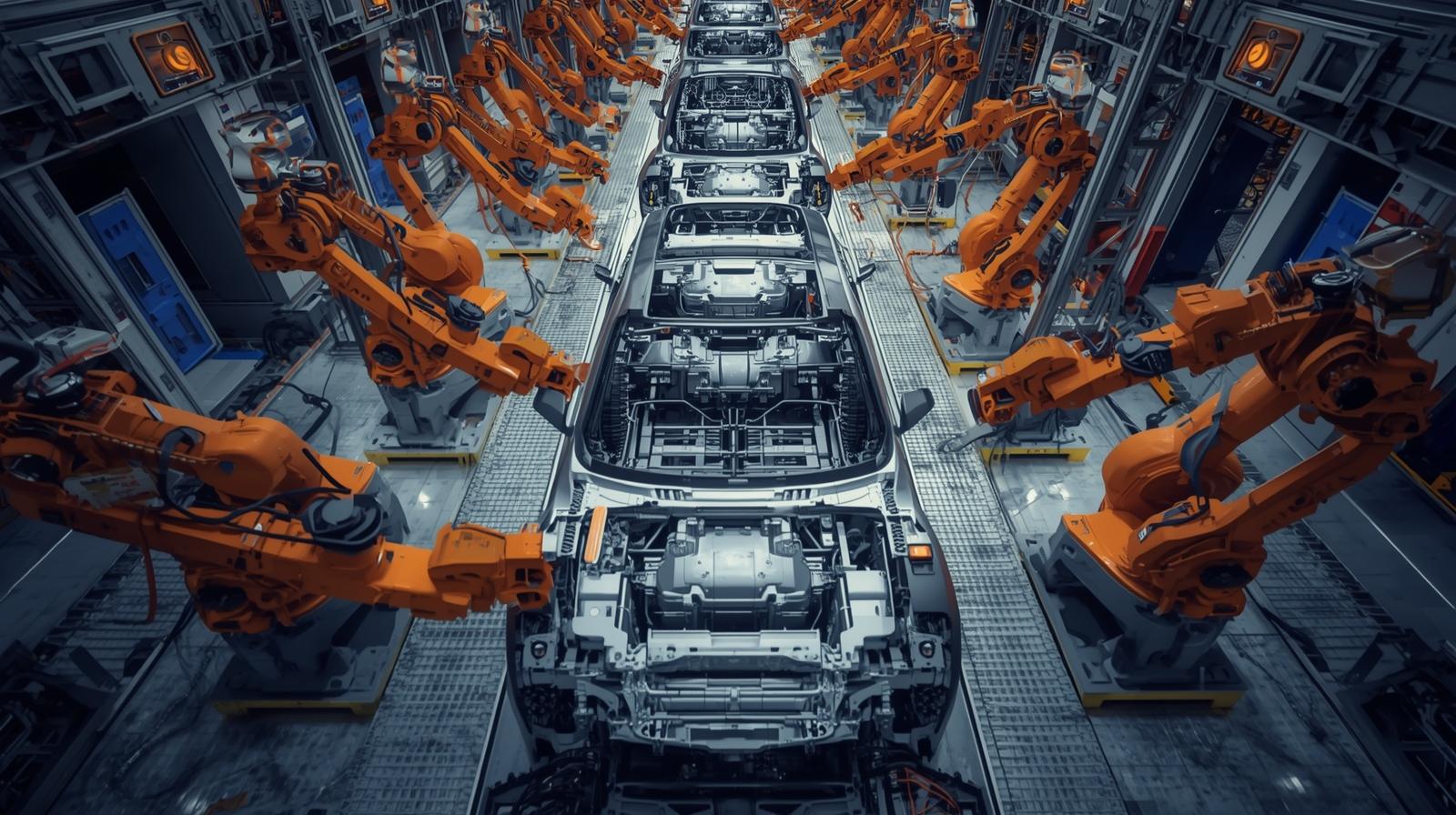
Otomotiv üretiminde alüminyum talebi hafif ağırlık verimliliği, elektrikli araçların benimsenmesi ve sürdürülebilirlik hedefleri tarafından yönlendirilmektedir
Hafif ağırlık Trendler
Bir araçtan kesilen her bir kilogram, aracı hızlanmada daha hızlı, yol tutuşunda daha güçlü ve daha ekonomik hale getirir. Hafifletme stratejileri, düşük ağırlıkta yüksek mukavemet sağlama kabiliyeti nedeniyle alüminyum kullanımını içerir. Alüminyum otomotiv talebi tahmini, otomobil üreticilerinin tüm araçlarını yüksek maliyetlerle yeniden tasarlamak zorunda kalmadan performans hedeflerini yerine getirmek için artan alüminyum kullanımında görülebilir.
Yakıt Verimliliği ve Emisyon Yönetmelikleri
Dünya, hükümetlerin daha sıkı yakıt ekonomisi ve emisyon düzenlemeleriyle karşı karşıya. En hızlı uyum yöntemlerinden biri araçların ağırlığını azaltmaktır. Alüminyum, otomobil üreticilerinin emisyonları azaltmasına yardımcı olurken aynı zamanda otomotivlerini güvenli ve güçlü tutacağından, bu durum otomotiv talebinin öngörülebilirliğinde alüminyumda bir büyüme eğilimi yaratmaktadır.
Elektrikli Araçların (EV) Yükselişi
Bir EV'deki batarya paketleri çok daha büyüktür ve geleneksel bir aracın aksine aracı ağırlaştırır. Ek ağırlığa karşı koymanın yollarından biri, sürüş menzilini ve verimliliği artıran alüminyum kullanmaktır. Alüminyum talebine ilişkin otomotiv tahmini, elektrikli araçların büyümesini büyük ölçüde alüminyumun batarya muhafazası, şasi ve yapısal olarak artan kullanımına bağlamaktadır.
Alüminyum Talebindeki Artışta Elektrikli Araçların Rolü
Batarya Ağırlığı Zorlukları
Elektrikli otomobil bataryaları, araçların yapılarını zorlayan ve verimliliği etkileyen birkaç yüz kilograma katkıda bulunabilir. Hafif malzemeler kullanarak bu sorunun çözümü, mukavemet veya dayanıklılıktan ödün vermek yerine daha düşük bir toplam kütle ile mukavemetin birleşimi, daha fazla menzil ve daha güvenli otomobillerdir.
Elektrikli Araç Platformlarında Alüminyum
Hafif metaller, modern elektrikli araç platformlarının yapımında kullanılan önemli malzemelerdir. Batarya kabinlerinde, gövde altı konstrüksiyonlarında ve çarpışma alanlarında yaygın olarak kullanılmakta ve üreticilerin aşırı araç ağırlığı paketleri olmadan sağlam ve güvenli platformlar üretmelerine yardımcı olmaktadır.
Yapısal ve Termal Uygulamalar
Isının uygun şekilde yönetilmesi, akünün güvenilirliği ve yolcu güvenliği için bir ilkedir. Hafif metaller iyi bir ısı iletkenidir, bu da akü sıcaklıklarını kontrol etmeyi, ısı birikimlerini önlemeyi ve ayrıca aracın yapısal sağlamlığını ve genel dengesini sağlamanın yanı sıra bileşenlerin dayanıklılığını artırmayı sağlar.
Bölgesel Alüminyum Otomotiv Talep Tahmini
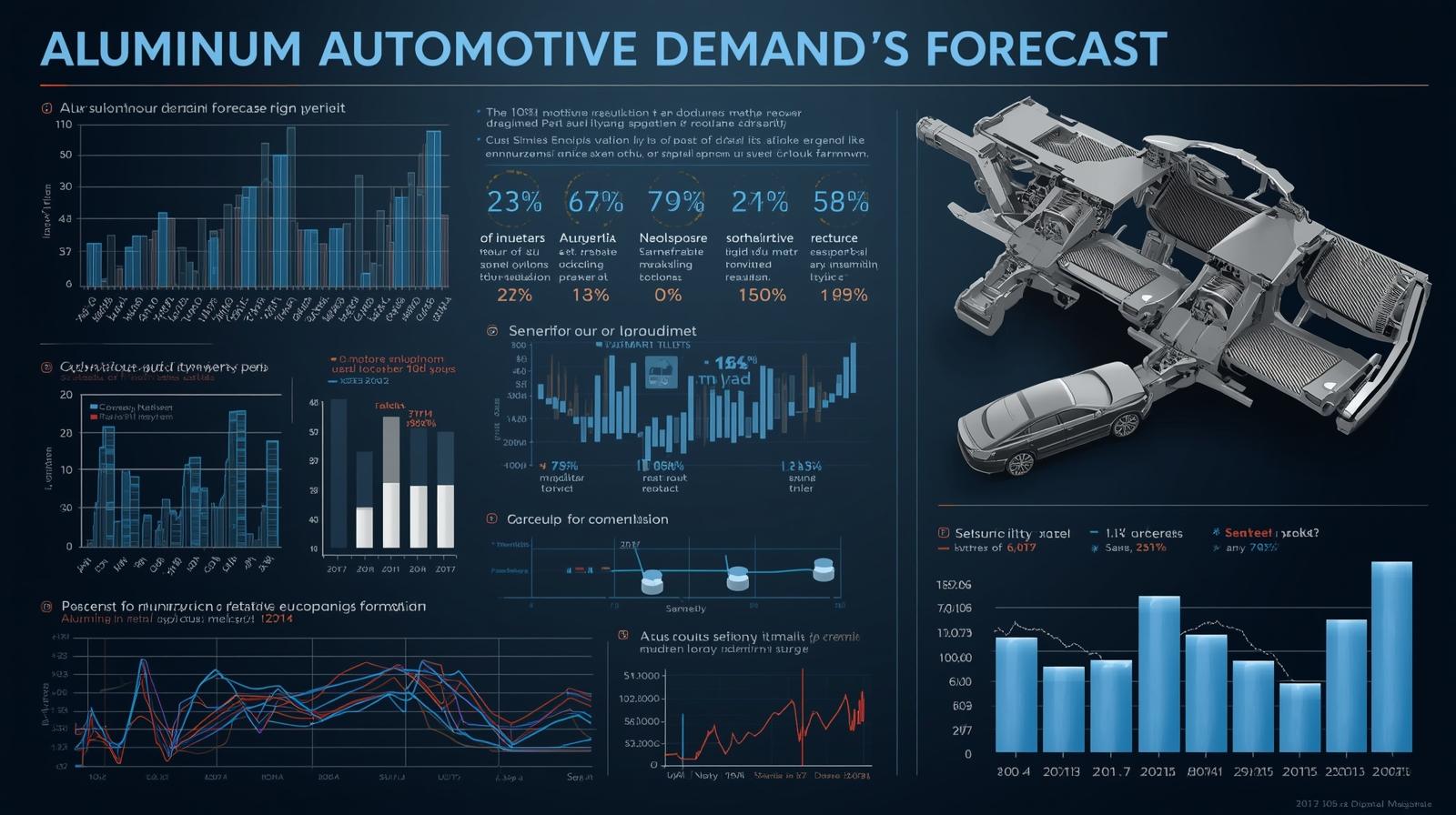
Otomotiv üretiminde alüminyum için bölgesel talep, elektrikli araçların benimsenmesine, sürdürülebilirlik hedeflerine ve hafif tasarım ihtiyaçlarına göre değişmektedir
Kuzey Amerika
Kuzey Amerika'daki otomotiv pazarı, kamyonetlere ve hızlı elektrikli araçlara olan yüksek talebin etkisi altında yönlendirilmektedir. Hafif malzemeler, üreticiler tarafından çekme ve sürüş menzilini artırmak için tercih edilmektedir. Bu tür eğilimler, özellikle ağırlığın azaltılmasının genel rekabet gücü açısından performansta en önemli kazanımları sağladığı daha ağır araçlarda daha geniş bir malzeme değişimini teşvik etmektedir.
Avrupa
Otomotiv sektörü, Avrupa'da çok sayıda çevresel düzenlemeyi ve yüksek kaliteli araç üretimine verilen yüksek önemi kısıtlamaktadır. Çevresel kaygılara ulaşma arayışında olan otomobil üreticileri, çeşitli bölgesel pazarlardaki çevre bilincine sahip tüketicilerin beklediği lüks, güvenlik ve sürüş standartlarının yanı sıra emisyon eşiğine ulaşabilmelerini ve uzun vadeli inovasyonu garanti altına almak için sofistike malzemelerin geliştirilmesine odaklanmaktadır.
Asya-Pasifik
Asya-Pasifik otomobil pazarı, yüksek nüfusu ve orta sınıfları nedeniyle dünyadaki en yüksek araç üretim hacimlerini sergilemektedir. Binek ve ticari araçlarda yoğun malzeme kullanımı ve yeni elektrikli araç modeli, yüksek imalat üretimi, düşük maliyetli ve hızlı üretimin güçlü yönleri, mobilite ihtiyaçları ve bölgedeki yeni elektrikli üretim ve küresel tedarik zincirleri ağlarından kaynaklanmaktadır.
Büyüme Motorları Olarak Çin ve Hindistan
Çin'in elektrikli araçlardaki hızlı büyümesi ve Hindistan'da gelişmekte olan otomotiv endüstrisi her iki ülkeyi de önemli büyüme merkezleri haline getirmektedir. Kentleşme, devlet sübvansiyonları ve artan tüketici talebi araç üretimini artırmakta, bu da önümüzdeki yıllarda çok sayıda araç segmentinde sofistike malzemeler ve ülke çapında altyapı geliştirme satın alma programlarında ciddi fırsatlar yaratmaktadır.
Alüminyum İşlemede Teknolojik Gelişmeler
İleri Döküm Teknikleri
Son derece gelişmiş olan yüksek basınçlı döküm, üreticilerin daha az üretim süreci kullanarak otomobillerin karmaşık, hafif bileşenlerini yapmalarına olanak tanır. Alüminyum otomotiv talep tahmininde de belirtildiği gibi, bu yöntemler paradan tasarruf sağlayacak, yapısal bütünlüğü artıracak ve alüminyumun hızla benimsenmesini sağlayacaktır.
Alüminyum Ekstrüzyonlar ve Levha Yenilikleri
Ekstrüzyonlar ve levha teknolojisindeki yenilikler, araç performansını artıran daha ince ve aynı zamanda daha güçlü bileşenler yapılmasını sağlamaktadır. Alüminyumun otomotivdeki talep tahmini, otomobil üreticisi şirketlerin dayanıklılıklarını veya tasarım kabiliyetlerini azaltmadan ağırlığı azaltabilmeleri, güvenliği ve verimliliği ve malzeme kullanımını artırabilmeleri nedeniyle bu malzemelerin artan kullanımıyla ilişkilidir.
Birleştirme ve Kaynak Teknolojileri
Modern zamanlarda ortaya çıkan birleştirme ve kaynak teknolojileri de bağ mukavemeti açısından daha önceki montaj yöntemlerindeki sınırlamaları aşmış ve üretim hızını artırmıştır. Otomotiv talebi projeksiyonu, alüminyum teknolojisinin otomobil sektöründe araç bileşenlerinde, karma malzeme tasarımında ve sürdürülebilir üretim teknolojilerinde alüminyum kullanımında büyüme kabiliyetini göstermektedir.
Alüminyum Otomotiv Talebini Etkileyen Zorluklar
Alüminyum otomotiv talebi artan maliyetler, tedarik zinciri aksaklıkları ve malzeme rekabetinden kaynaklanan zorluklarla karşı karşıya
Fiyat Oynaklığı
Alüminyum fiyatları genellikle yüksek enerji fiyatları ve dünyadaki tedarik koşullarına bağlı olarak değişme eğilimindedir. Elektrik fiyatlarındaki, jeopolitik konulardaki ve ticaret politikalarındaki herhangi bir değişiklik, dünyadaki otomotiv sektörlerindeki malzemelerin otomotiv maliyeti üzerinde derhal bir etkiye sahip olabilir.
Tedarik Zinciri Kısıtları
Küresel tedarik zincirindeki çeşitli aksaklıklar hammadde teslimatını yavaşlatabilir ve üretim kapasitesini düşürebilir. Nakliye, jeopolitik mücadeleler ve üretim programlarını aksatan ve otomobil üreticileri ve tedarikçileri üzerinde daha fazla belirsizlik yaratan öngörülemeyen kapanışlar, kullanılabilirlik sorunlarına neden olmaktadır.
Enerji Maliyetleri ve Hammadde Bulunabilirliği
Alüminyumun eritilmesi çok fazla elektrik gerektirir ve bu nedenle enerji maliyeti çok önemlidir. Ucuz enerji ve hammaddelerin kısıtlı mevcudiyeti, üretim maliyetlerini artırma ve alüminyumun tüm küresel üretim tesislerindeki çıktıları sınırlama potansiyeline sahiptir.
Araç Bileşenlerine Göre Alüminyum Talep Tahmini
Beyaz Gövde
Bu araç yapısı sınıfı, motorlu araç üreticilerinin mevcut araç tasarımlarında sertliği, çarpışma performansını artırmak ve toplam ağırlığı azaltmak için geleneksel çeliğin yerini alan hafif malzemeye tutunmasıyla en yüksek büyüme oranını gerçekleştirmiştir.
Güç Aktarma Organları ve Şasi
Elektrikli araçların geliştirilmesi, hem güç aktarma sistemlerinde hem de şasi sistemlerinde malzeme tüketiminin hızını artırmakta ve hafif çözümler, batarya ağırlığını dengelemek ve verimliliği artırmanın yanı sıra daha iyi sürüş performansı ve yapısal bütünlük sağlamak için bir yöntem olarak araştırılmaktadır.
İç Mekan ve Güvenlik Bileşenleri
Farklı araç türlerinde ağırlığı azaltmak ancak yine de aynı düzeyde konfor, dayanıklılık ve yüksek güvenlik gereksinimlerini sağlamak için iç yapılarda, oturma sistemlerinde ve güvenlik parçalarında hafif malzemelerin kullanımı artmaktadır.
Tahmin Zaman Çizelgesi: Kısa, Orta ve Uzun Vadeli
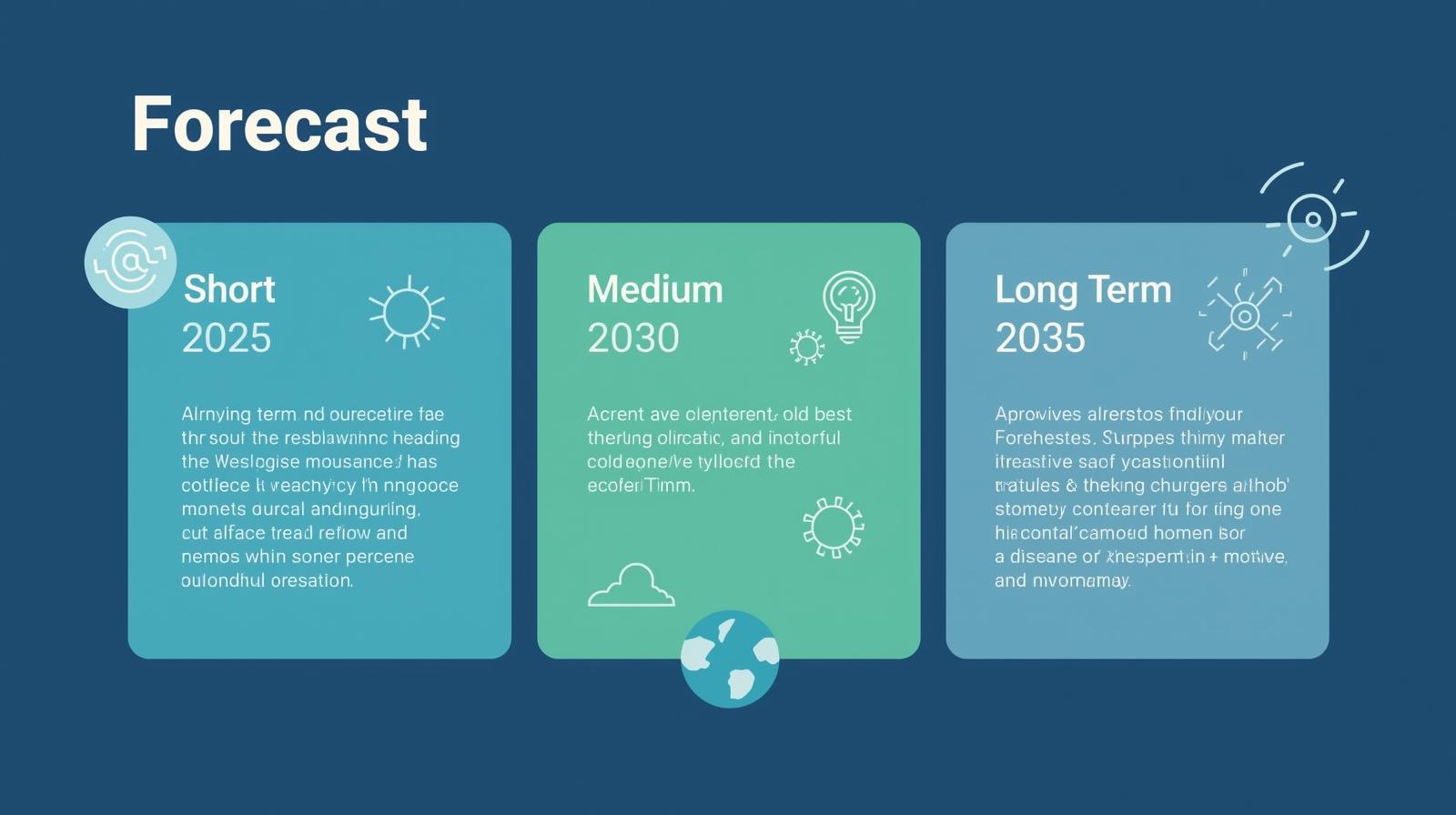
Kısa, orta ve uzun vadeli tahminler, elektrikli araçların büyümesi, sürdürülebilirlik ve küresel piyasalar tarafından şekillendirilen alüminyum talep eğilimlerini vurgulamaktadır
2025 Görünüm
Gelecekte, daha fazla elektrikli araç üretildikçe ve hafifletme süreci ivme kazandıkça, 2025 yılında ılımlı ancak istikrarlı bir büyüme olması muhtemeldir. Bu alümi̇nyum otomoti̇v talep tahmi̇ni̇ Alüminyum, verimlilik hedefleri, yasal düzenlemelerin zorlayıcılığı ve üreticiler arasında tasarımlarda alüminyum kullanımına yönelik artan güvenin desteğiyle otomotiv araç serisinde tutarlı bir kullanım gösteriyor.
2030 Projeksiyonları
Elektrikli araçların tüm dünyada yaygınlaşacak olması nedeniyle 2030 yılına kadar talebin keskin bir şekilde artması beklenmektedir. Alüminyum talebine ilişkin otomotiv tahmini, malzeme ikame oranını, araç başına artan alüminyum içeriğini ve büyük platform yeniden tasarımlarının menzili, güvenlik performansını artırmayı ve emisyonları azaltmayı amaçladığını göstermektedir.
2035'in Ötesinde
Alüminyum 2035 yılından sonra yaygın bir otomobil malzemesi olacak ve bir seçenek olmaktan çıkacaktır. Alüminyum talebine ilişkin otomotiv tahmini, sürdürülebilirlik hedefleri, üretimdeki yeni teknoloji ve diğer maliyet ve performans avantajlarının bir sonucu olarak tüm araç yapılarına yaygın entegrasyon yönündedir.
Hükümet Politikaları ve Düzenlemelerinin Etkisi
Emisyon Standartları
Daha sıkı kontrol önlemleri, üreticileri yeni gerçeklere uyum sağlamanın hızlı bir çözüm yolu olarak otomobillerinin ağırlığını azaltmaya zorluyor; yakıt verimliliğini artırmak, emisyonlarını hafifletmek ve dünya genelinde ortaya çıkan çevresel taleplere yanıt vermek için hafif malzemeler kullanılarak daha fazla otomobil üretiliyor.
Hafif Malzemeler için Teşvikler
Hafif malzeme kullanımına yardımcı olmayı amaçlayan devlet sübvansiyonları, vergi avantajları ve politikaları üreticileri destekleyebilir ve bu da üretim riskini azaltır ve üreticilerin daha verimli ve çevreye uygun araç tasarımlarına geçiş hızını artırmaya yardımcı olur.
Rekabet Ortamı ve Önemli Piyasa Oyuncuları
Önde Gelen Alüminyum Üreticileri
Büyük küresel üreticiler, dünya pazarındaki araçların seri üretimini karşılamak için kalite istikrarı, hafif üretim platformları ve istikrarlı tedarik üzerinde duran sektördeki artan talebi karşılamak için daha yüksek otomotiv üretim seviyelerine doğru genişlemektedir.
Otomobil Üreticileri ile Stratejik Ortaklıklar
Malzeme tedarikçileri ile otomobil üreticileri arasında kurulacak sıkı bir irtibat, üretimi verimli hale getirecek, araçların performansını artıracak ve değişen ve rekabetçi araç pazarı gerçekleştikçe uzun vadede rekabetçi hale getirecek özel çözümlerin yanı sıra sürekli olarak istikrarlı tedarikin sürdürülmesine ve inovasyon hızının artırılmasına katkıda bulunacaktır.
Alüminyum Otomotiv Sektöründe Yatırım Fırsatları
Kapasite Genişlemesi
Artan otomotiv üretimi ve malzeme fiyatları, üreticileri yeni tesisler inşa etmeye ve yeterli tedarik, gelişmiş bölgesel kapsama alanı ve artan sektör ihtiyaçlarını tatmin edici bir şekilde karşılama yeteneklerini güvence altına almak için mevcut tesislerde büyümeye itiyor.
Ar-Ge ve İnovasyon Yatırımları
Araştırma ve geliştirme, çağdaş otomotiv üretiminde daha iyi performans, maliyet etkinliği, sürdürülebilirlik ve hafif malzemelerin daha uzun süre kullanılmasını sağlayacak üstün alaşımların ve gelişmiş işleme teknolojilerinin geliştirilmesini amaçlamaktadır.
Alüminyum Otomotiv Talebini Şekillendiren Gelecek Trendleri
Otomotiv üretiminde alüminyum talebi, elektrikli araçların büyümesi, hafif ağırlık verimliliği ve sürdürülebilirlik alanlarındaki gelecek trendlerine göre şekilleniyor
Otonom Araçlar
Sürücüsüz otomobiller sensörler, kameralar ve bilgisayar sistemlerine dayanacak ve bu da ağırlığı önemli ölçüde artıracaktır. Hafif yapı malzemeleri bu ek ağırlığı dengeleyerek verimlilik, güvenlik ve sürüş performansı sağlarken yeni otonom teknolojilerin araç menzili üzerinde zararlı etkiler yaratmadan çalışmasına olanak tanır.
Akıllı ve Bağlantılı Araçlar
Çağdaş otomobiller, daha fazla ağırlık ekleyen yeni yüksek teknik elektronikler, ekranlar ve bağlantı yetenekleri içermektedir. Bu malzemeler hafif olabilir ve verimliliklerini korumak, yol tutuşlarını geliştirmek ve artan dijital özellikler ve akıllı araç içi özelliklerle ilgili yeni ihtiyaçları kolaylaştırmak için bu yükü dengelemeye yardımcı olacaktır.
Çok Malzemeli Araç Tasarımları
Gelecekte araç tasarımları giderek artan bir şekilde çeşitli malzemelerin kullanımına yönelecek ve bu malzemeler güç, ağırlık ve maliyet açısından en iyi seçeneği sunmak üzere entegre edilecektir. Hafif metaller, kompozitlerin yanı sıra yüksek mukavemetli çelikle birlikte kullanılacak ve her üretici, aracın güvenliğini, verimliliğini ve genel performansını sağlamak için her bir malzemeyi etkili bir şekilde kullanılabileceği alanlara yerleştirme konumunda olacaktır.
Sonuç
Alüminyumun otomotiv talebi tahminleri önümüzdeki birkaç yıl içinde güçlü ve sürekli artışlar göstermiştir. Elektrikli araçların satın alınması, daha katı standartlar ve ağırlığını kaybetme eğilimleriyle birlikte alüminyum vazgeçilmez bir ürün haline gelmiştir. Teknoloji geliştikçe ve sürdürülebilirlik önemli bir endişe haline geldikçe otomobil üretiminde alüminyum büyümeye devam edecektir.
Sıkça Sorulan Sorular (SSS)
Otomotiv sektöründe alüminyum talebinin artmasına ne sebep oluyor?
Bunun nedeni, araçların ağırlığını azaltması, verimliliği artırması ve elektrikli araçların gelişimine katkıda bulunmasıdır.
Bugün bir arabada kullanılan alüminyum miktarı nedir?
Ortalama ağırlık, daha da büyük EV'lerle 180 kg'dan fazladır.
Çelik, alüminyuma tamamen ikame olacak mı?
Hayır, ancak diğer malzemeler arasında daha büyük bir paya sahip olacaktır.
Alüminyum için otomotiv talebindeki büyümeyi dünyanın hangi bölgesi belirliyor?
Başta Çin olmak üzere Asya-Pasifik, ardından Avrupa ve son olarak Kuzey Amerika.
Uyumluluğu: Alüminyum otomobil kullanımında sürdürülebilir mi?
Evet, çok fazla geri dönüştürülebilir ve döngüsel bir ekonomiye yardımcı olur.

0 Yorum