
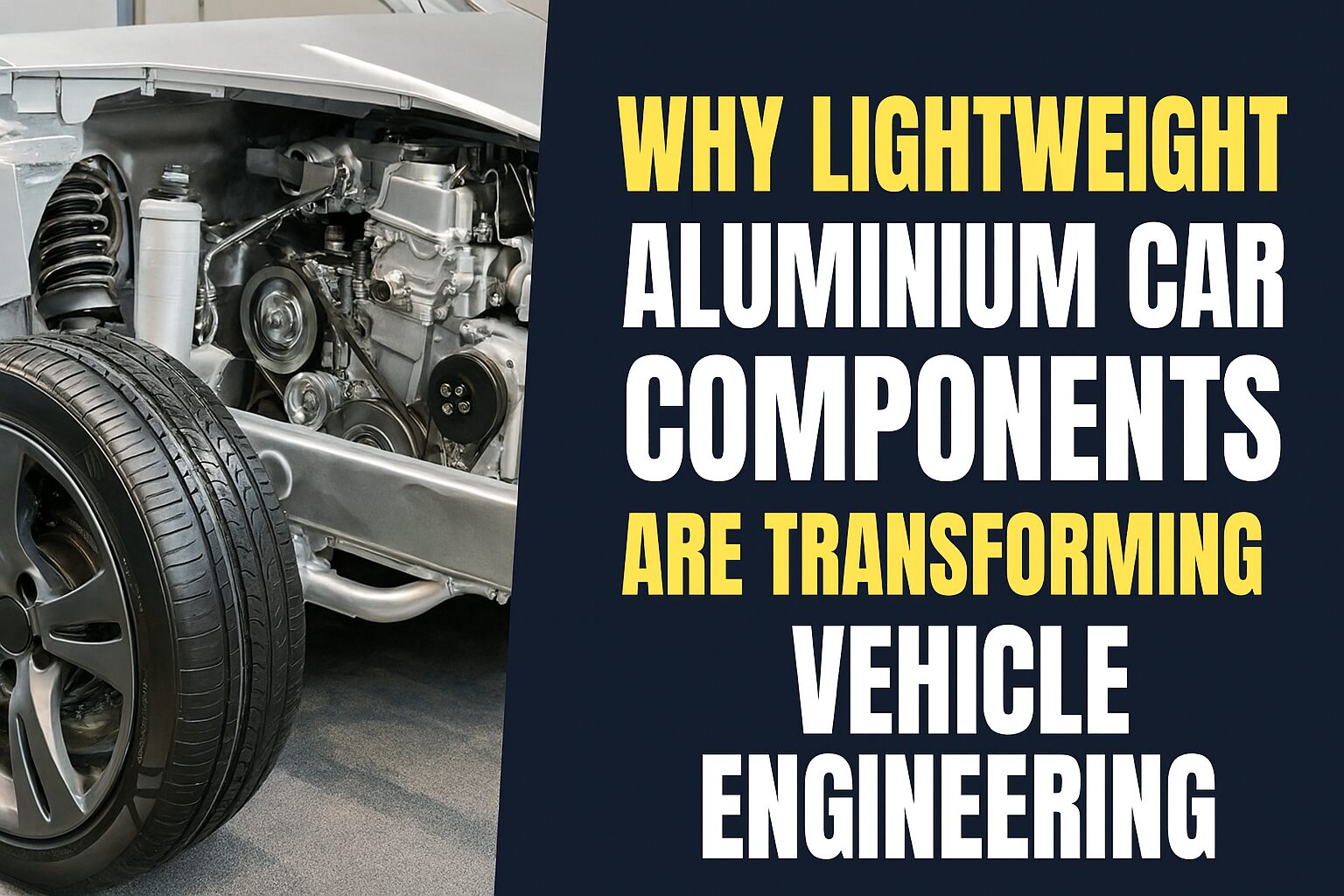
Hafif Alüminyum Araç Bileşenleri, yeni neslin tasarımında bir ticari marka olarak ortaya çıkmaya başladı bile. Ana akım kullanımının ilk on yılında, alüminyum kesinlikle bir ikame üründen çok daha fazlası haline geldi. Artık çağdaş yüksek verimli, yüksek performanslı otomobillerin temel prensibidir.
Sürücüler, otomobil şirketleri ve çevre yöneticileri, karbon gazı emisyonunu azaltacak, uzun ömürlülüğü ve güvenliği artıracak daha fazla yeniliğe gitmeyi talep ediyor. Alüminyumun hafif, korozif olmayan ve şekillendirilebilir malzemeler gibi temel özellikleri benzersizdir ve AL ürünlerini mükemmel bir çözüm haline getirir.
Hafif alüminyum otomobil bileşenleri terimi, gezegendeki herhangi bir mühendislik, tasarım laboratuvarı ve üretim tesisinde merkez sahneyi ele geçirmiştir. Bu değişim, araçların geliştirilmesindeki önemli kilometre taşlarından biridir.
Alüminyumun Otomotiv Mühendisliğindeki Yükselişinin Ardındaki Bilim
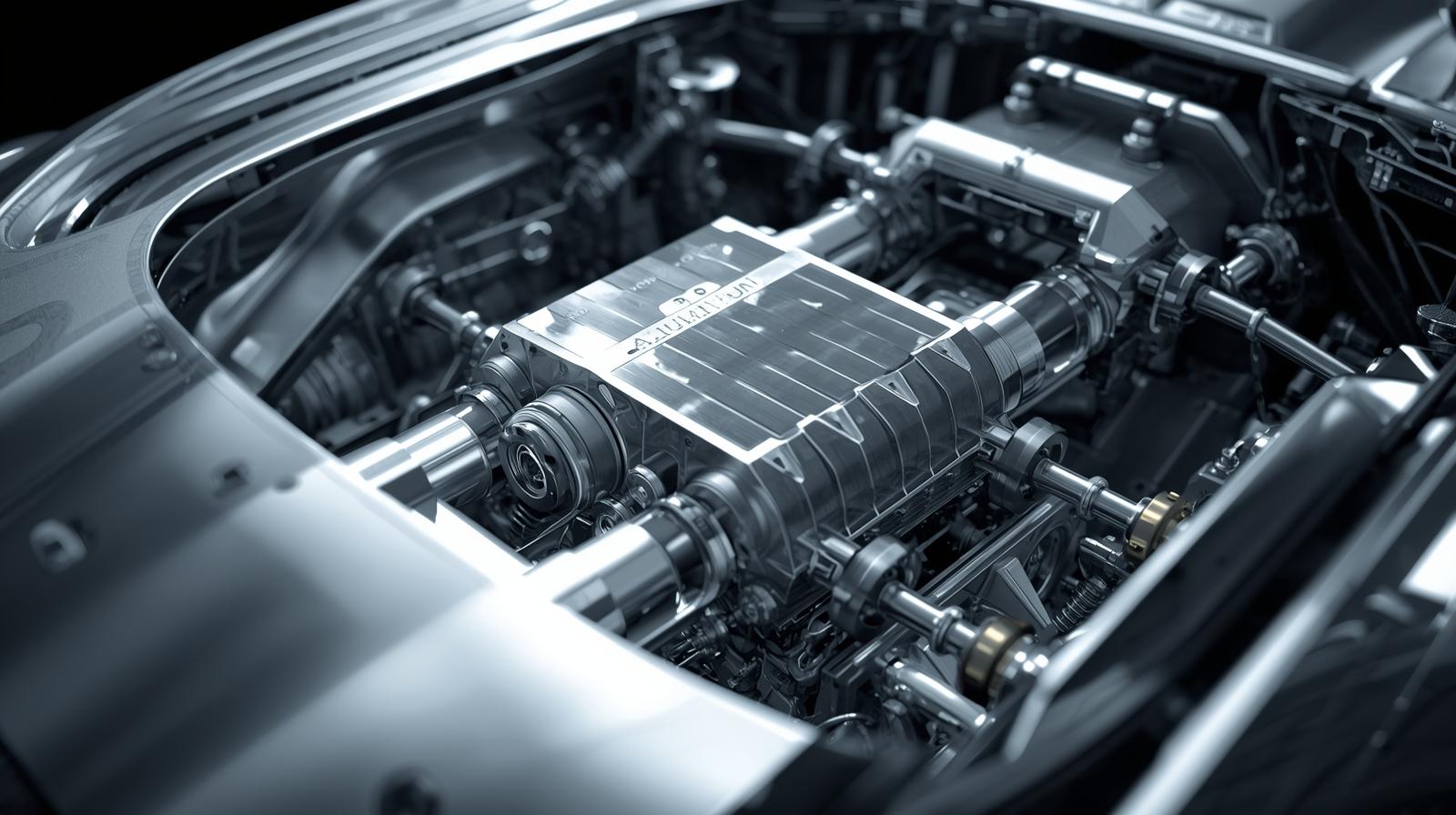
Alüminyumun bilimsel avantajları, otomotiv tasarımını güç, sürdürülebilirlik ve performans kazanımlarıyla yeniden şekillendiriyor.
Malzeme Bileşimi ve Mukavemet
Otomobil üretimi sırasında kullanılan alüminyum alaşımları, evlerde kullanılan folyolarda olduğu gibi yumuşak metaller değildir. Mevcut alüminyum alaşımları alüminyumun magnezyum, silikon ve çinko ile karışımından oluşmakta ve 30-40 Mgw ağırlığında, çeliğe rakip çekme mukavemetine sahip malzemeler ortaya çıkarmaktadır. Bu, hafif alüminyum otomobil bileşenlerinin otomotiv endüstrisinin temel direklerinden biri haline gelmesini sağlayan kilit faktörlerden biridir.
Ağırlık Azaltmanın Faydaları
Bir otomobildeki her şey, hızlanma ve yol tutuşun yanı sıra frenleme ve yakıt tüketimi gibi ağırlıktan etkilenir. Ağır çeliğin alüminyum parçalarla değiştirilmesi, araca bağlı olarak bir aracın ağırlığını 500 pound veya daha fazla azaltabilir. Hafif alüminyum parçalar yakıt verimliliği sorununa çözüm olarak düşünülebilir çünkü araç kütlesindeki yüzde 10'luk bir azalma bile yakıt ekonomisini yüzde 8'e kadar artırabilir.
Otomobil Üreticileri Neden Hafif Alüminyuma Öncelik Veriyor?
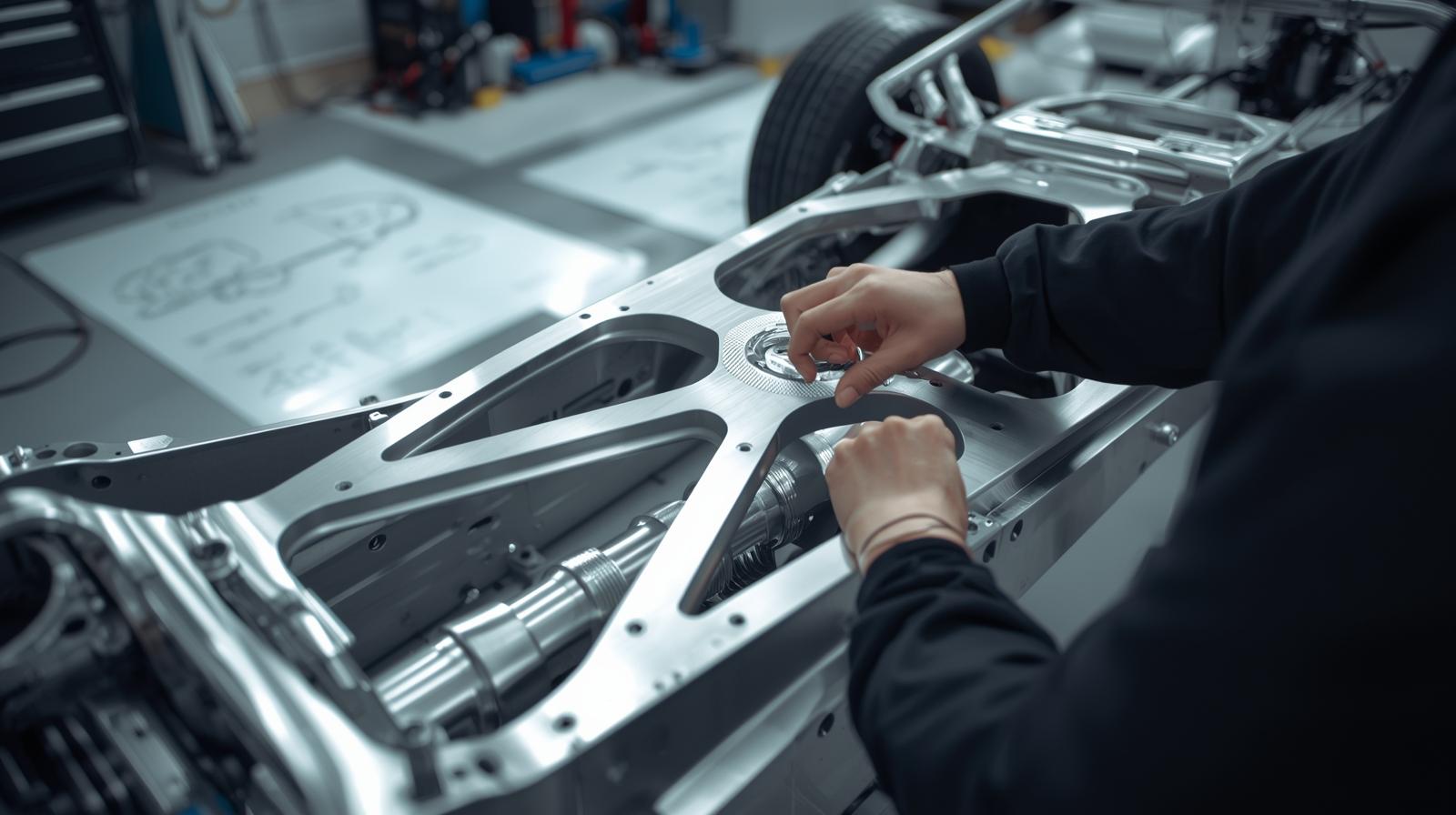
Önde gelen otomobil üreticileri ağırlığı azaltmak, verimliliği artırmak ve sürdürülebilirlik hedeflerini karşılamak için alüminyuma öncelik veriyor.
Geliştirilmiş Yakıt Verimliliği
Temel aritmetik şu şekildedir: hafif araçlar daha az enerji tüketir. Alüminyum elemanların kullanımı, aracın toplam ağırlığında yüzlerce kilo azaltarak daha yüksek yakıt verimliliğine katkıda bulunur. Bu da pompaya daha az gidileceği ve uzun vadede tasarruf edileceği anlamına gelecektir.
Daha İyi Hızlanma ve Performans
Aklınıza takılan sorulardan biri de spor otomobillerin neden hızlı ve tepkisel olduğudur. Ana nedenlerden biri ağırlık kaybıdır. Alüminyum bileşenleri ile ilişkilidir:
- Daha hızlı hızlanma
- Daha iyi kullanım
- Sürüşte genel olarak geliştirilmiş performans.
Sırt çantası taşırken ağır bir bavula benzer ancak fark ilk bakışta hissedilir.
Azaltılmış Emisyonlar
Yakıt tüketimini azaltmak için araçları daha hafif hale getirerek CO2 emisyonunu doğrudan azaltır. Yüksek performans standartlarını sürdürmek ve sıkı çevre düzenlemelerine uymaya devam etmek için otomobil endüstrisinde alüminyum kullanımındaki ilerleme, onu 21. yüzyılda ulaşımda yeşil bir malzeme ve yeşil otomobillerin geleceğinde önemli bir katalizör haline getirmektedir.
Geliştirilmiş Güvenlik
İyi tasarlanması durumunda, çarpışma enerjisini çeliğe kıyasla daha iyi almaya yardımcı olarak çarpışma olasılığını azaltır. Alüminyumdan yapılan yapılar, darbe kuvvetini ve kabinlerin güvenilirliğini en aza indirerek yolcuların korunmasını önleyen öngörülebilir şekillerde deforme olacak şekilde tasarlanmıştır. Çağdaş otomotiv tasarımında alüminyum çok önemli bir unsurdur ve çoğu üretici, bir aracın tasarımına güvenlik, performans ve verimliliği entegre etme kapasitesi nedeniyle bu malzemeyi benimsemektedir.
Artırılmış Yapısal Bütünlük.
Alüminyumun doğasında bulunan korozyon önleme özelliği sayesinde yüksek yapısal bütünlük sağlar. Şasi ve gövde yapısının kullanımı, çelik çerçevelere kıyasla daha fazla dayanıklılık sağlayarak otomobilin ömrünü ve satılabilirliğini artırır. Alüminyumun uzun vadeli performans, sürdürülebilirlik ve maliyet tasarrufu ile üreticiler ve tüketiciler tarafından yatırımda akıllıca bir seçim olmasının ve dünyadaki otomotiv sektöründe yeniliği teşvik etmesinin nedeni budur.
Otomobillerde Kullanılan Temel Alüminyum Bileşenler
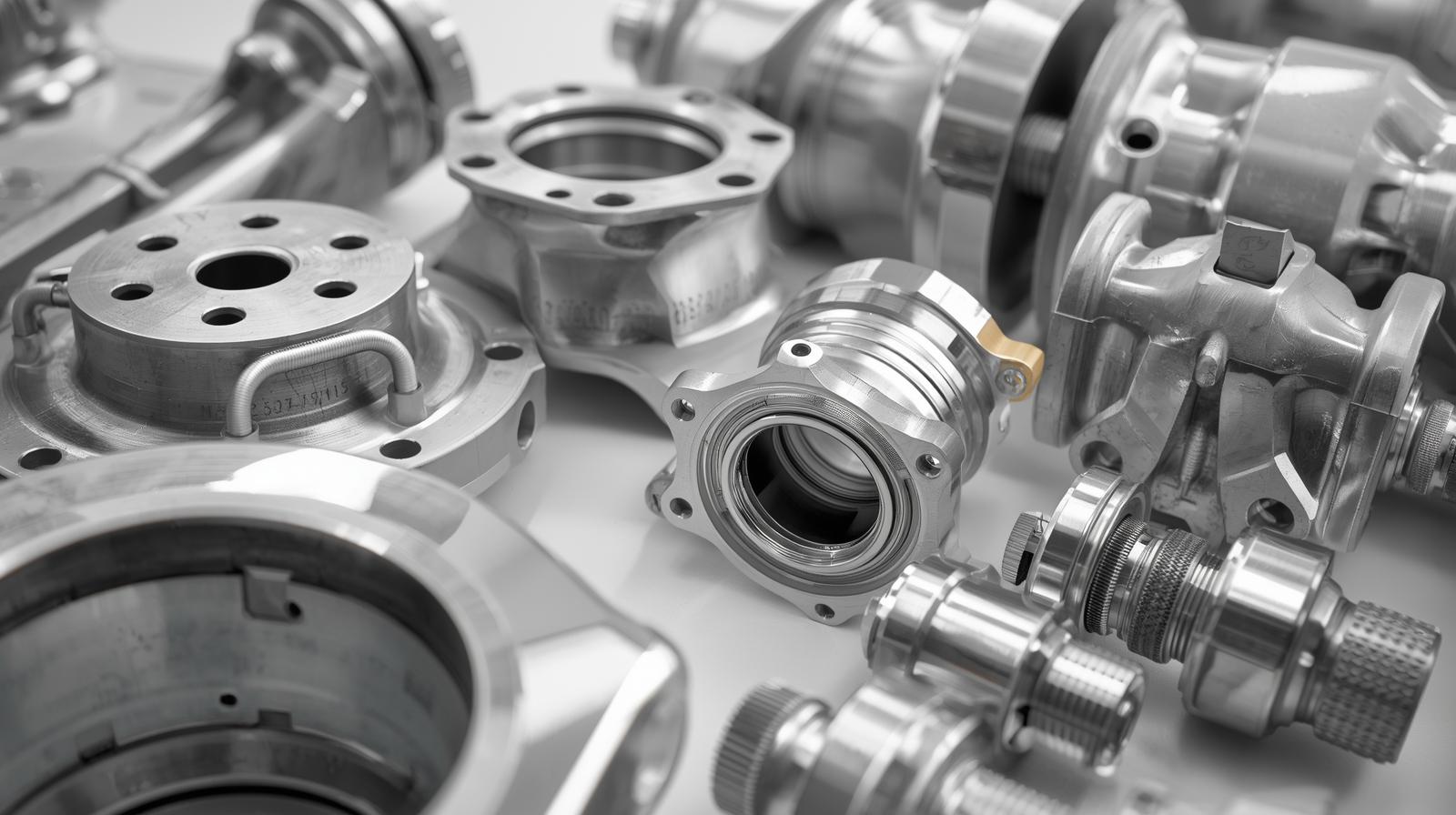
Motorlar, jantlar ve paneller gibi alüminyum otomobil bileşenleri performansı, verimliliği ve dayanıklılığı artırır.
Gövde Panelleri ve Çerçeveleri
Alüminyum levhalar, kaputlar, kapılar, bagaj kapakları ve daha iyi çarpışma direncinin yanı sıra daha fazla yakıt ekonomisine sahip tüm çerçeveler dahil olmak üzere hafif otomobil parçaları yapmak için kullanılır. Araçların ağırlığını azaltma, güvenlik gereksinimleri ve sürdürülebilir performans hedeflerine ulaşmak için otomobil üreticileri, uzun vadeli sürdürülebilirlik ve sürüş yeteneklerine zarar vermeden alüminyum yapıları kullanmaktadır.
Tekerlekler, Frenler ve Şanzıman Parçaları
Alüminyum otomotiv parçaları, hızlanmayı ve verimliliği artıran jantlar, frenler ve şanzıman muhafazaları gibi dönme kütlesini en aza indirecek şekilde küçüktür. Temiz alüminyum jantlar şıklık katar ve güç / ağırlık oranı onları dayanıklı kılar ve bu nedenle modern otomobillerde sadece performans ve güvenlik açısından değil aynı zamanda yakıt verimliliği açısından da gereklidir.
Motor Blokları
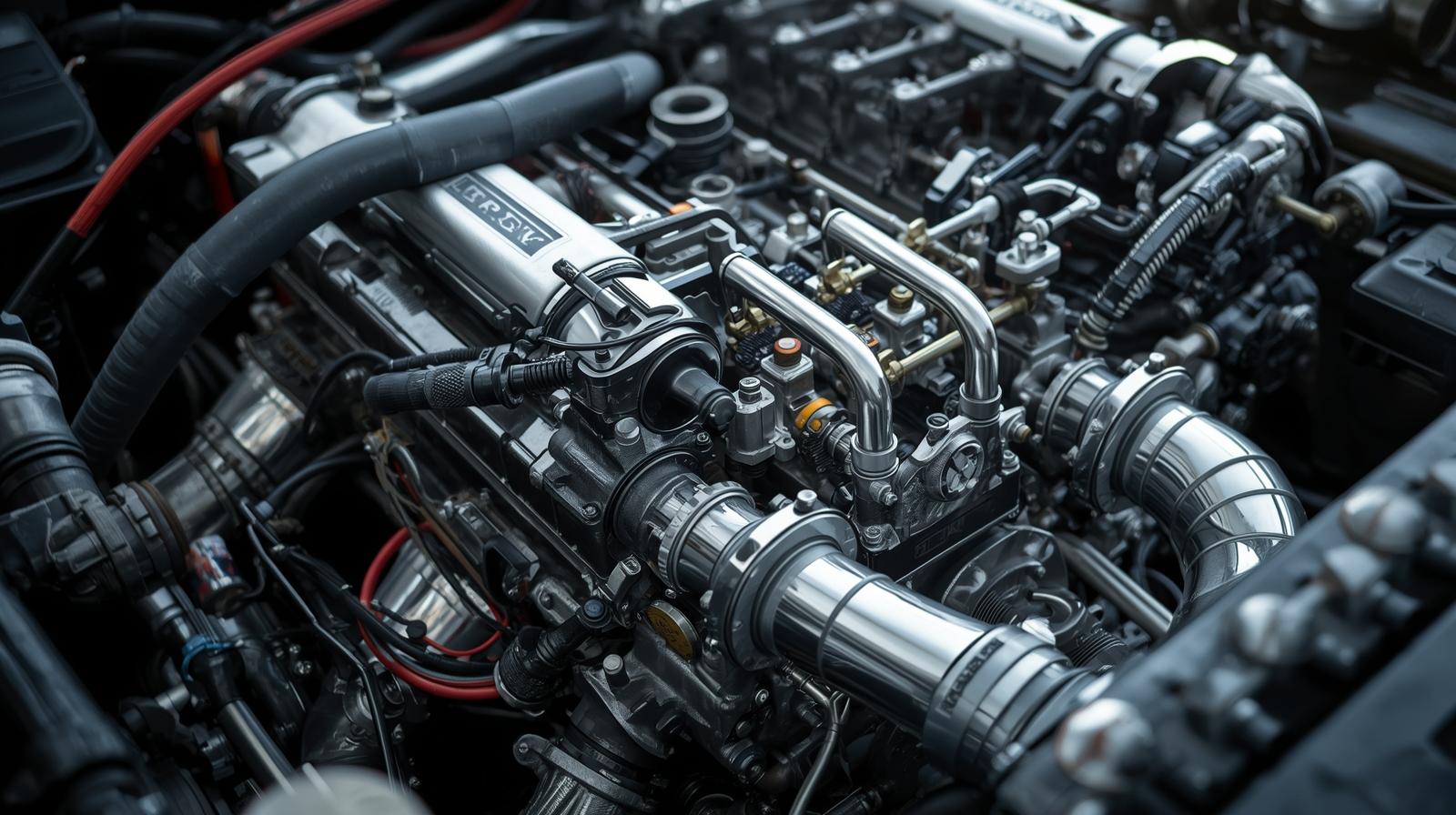
Alüminyumdan üretilen motor blokları ağırlığı azaltır, verimliliği artırır ve sürdürülebilir araç mühendisliğini destekler.
Otomobilin hafif alüminyum bileşenleriyle üretilen motor blokları, mukavemetten ödün vermeden aracın ağırlığını azaltır. Isının dağıtılması alüminyum tarafından iyi bir şekilde gerçekleştirilir, bu da motorların daha serin kalmasına neden olur, kullanım ömrünü uzatır ve performansı artırır. Bu, alüminyum motor bloklarını sürdürülebilir yüksek verimli otomobillerin yaratılmasında kritik hale getiren uzun ömürlülük ve termal kontrol arasındaki bir orandır.
Süspansiyon Sistemleri
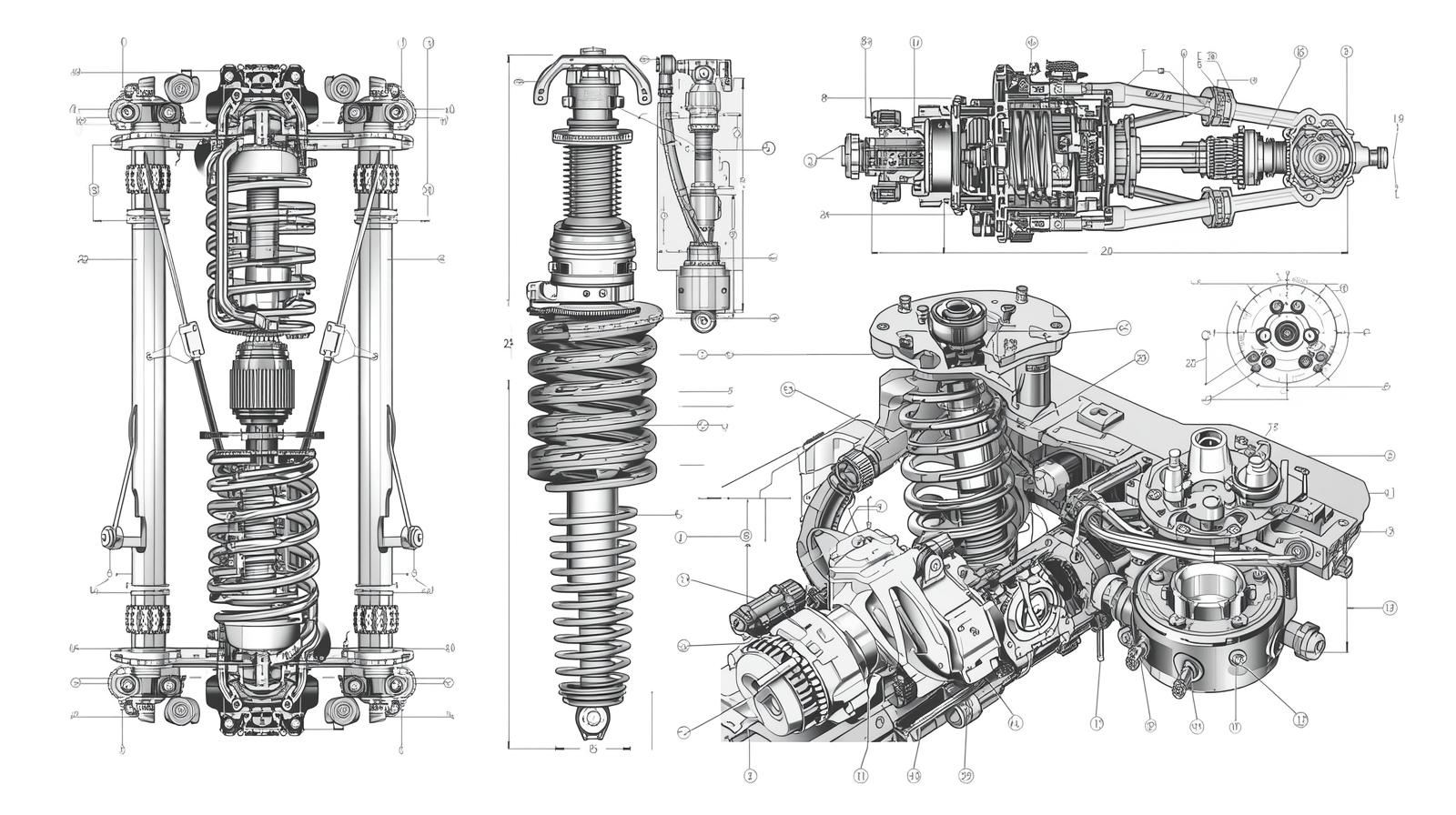
Alüminyumdan üretilen süspansiyon sistemleri dengeyi artırır, ağırlığı azaltır ve sürüş verimliliğini artırır.
Salıncak kolları, mafsallar ve traversler gibi hafif alüminyum otomobil bileşenleri süspansiyondaki yük miktarını azaltarak yol tutuşunu ve sürüş konforunu artırır. Ağırlıktaki azalma, araçlarda tepkisellik ve dengenin iyileştirilmesini sağlar ve yakıt verimliliğini ve çevre dostu araç geliştirmeyi teşvik etmenin yanı sıra daha iyi bir sürüş deneyimi sağlar.
Gövde Panelleri
Otomobilin kaput, kapı, tavan ve bagaj kapaklarına uygulanan alüminyum veya hafif parçalar, otobüs ekonomisini ve manevra kabiliyetini arttırmakla ilgilidir. Alüminyumdan üretilen otomobillerin taşınmasını kolaylaştıran daha düşük ağırlıktır ve sürdürülebilirlik fikrinin bazı haklı gerekçeleri vardır, bu da otomobil üreticilerine verimli, güvenli ve modaya uygun otomobiller için ciddi bir fırsat daha sunmaktadır.
Alüminyum Güvenliği Nasıl Artırır?
Çarpışma Emme Kapasiteleri
Hafif alüminyum kullanılarak üretilen araçlardaki daha hafif bileşenler, çarpışma anında çarpma enerjisinin dağılımında verimlilik sağladığı için çarpışma emilimi sağlamada çok daha etkili olacaktır. Kabin güvenli hale getirildiği ve yaralanma olasılığı en aza indirildiği için bu, yolcuların kurtarılmasına yardımcı olur. Alüminyum kullanımıyla elde edilen güvenlik, etkinlik ve kullanım ömrü, üreticilerin otomobillerin tasarımında olduğu kadar otomobil üretiminde de bu malzemeyi kullanmaya zorlandığı otomobil üreticileri için çok önemli olduğunu kanıtlıyor.
Yapısal Bütünlüğün Korunması
Ağırlık kayıplarına oranla yapı olarak serttirler. Bu bütünlük, otomobiller arasında denge sağlar, keskin kıvrımların oluşturulması sırasında veya çok yüksek hızlarda seyahat sırasında gövde üzerindeki esneme seviyesini azaltır ve hızlanır. Alüminyumun otomobil üreticilerinin beğenisini kazanan niteliği, bir yandan performans, güvenlik ve verimliliği son derece dengeleyerek duyarlı ama aynı zamanda çevre dostu ve mevcut otomotiv inovasyon taleplerini karşılayan dayanıklı modeller oluşturabilmesidir.
Alüminyum ve Çelik Karşılaştırması
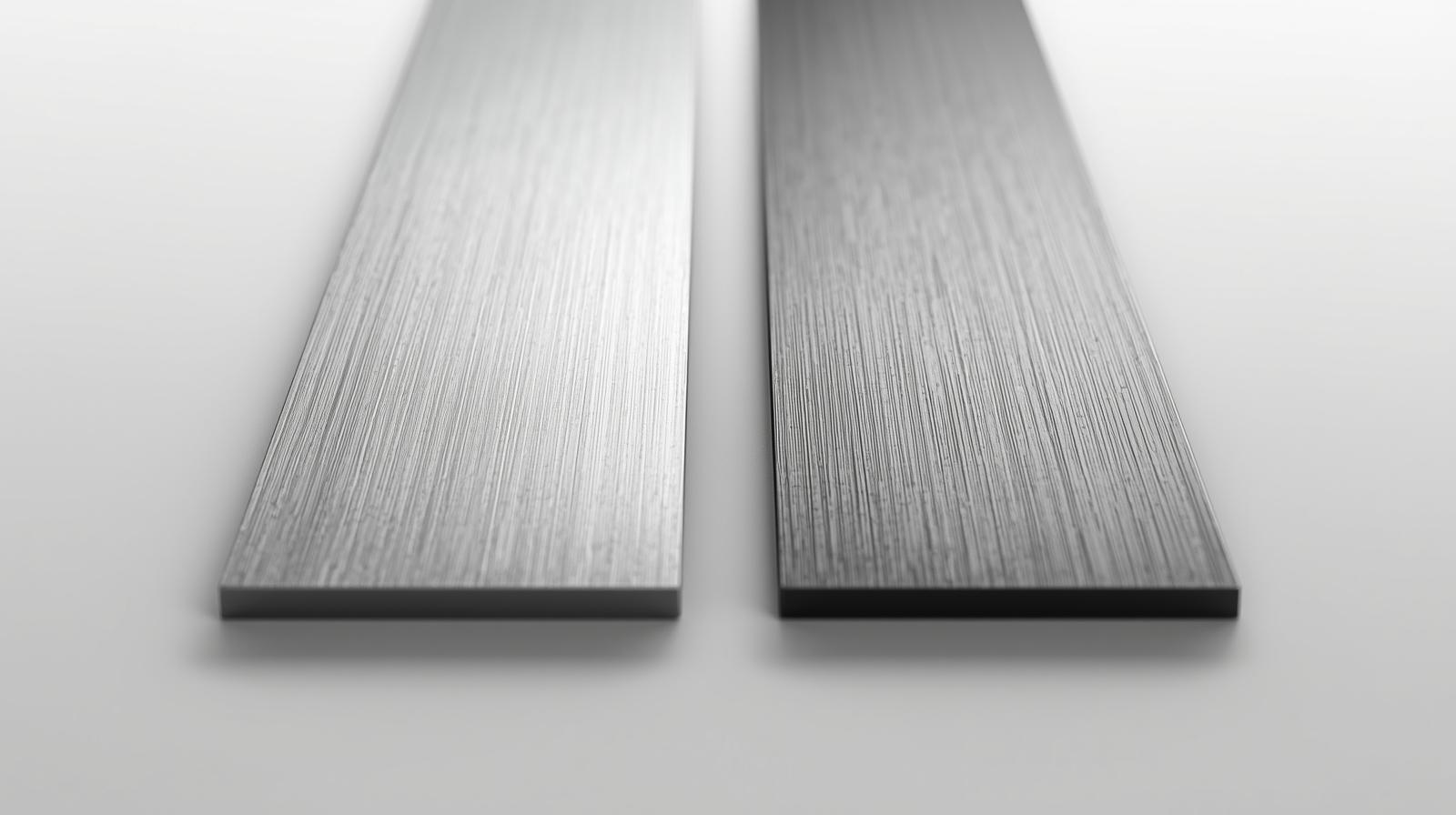
Otomobil üretimi için alüminyum ve çeliğin karşılaştırılması: ağırlık, dayanıklılık, maliyet ve eko-etki.
Ağırlık Farklılıkları
Bu alüminyumdur ve metalin ağırlığı çeliğe göre yaklaşık üç kat daha azdır. Araçlardaki bu radikal küçülme yakıt ekonomisini, dinamikleri ve performansı artırmaktadır. Üreticiler ayrıca sürdürülebilirlik hedefini karşılayacak, karbon emisyonunu düşürecek ve sürüş yetkinliğini artıracak ancak güvenlik ve yaşam döngüsüne müdahale etmeyecek daha ucuz ve hafif araçlar üretmek için alüminyum kullanımına güvenmektedir.
Güç ve Dayanıklılık
Çağdaş alüminyum alaşımı mukavemet açısından çelikle yarışır, ancak yüksek esneklik ve korozyon direnci sergiler. Bu karışım, araçların stresli durumlarda dayanıklılığını garanti ederken ağırlığı da en aza indirir. Otomobil üreticileri de alüminyumun otomobilin sağlamlığı ve verimliliği arasında denge kurarak çevre dostu, uzun ömürlü ve yüksek performanslı otomobillerin tasarımında kullanılabilir olmasından keyif almaktadır.
Korozyon Direnci
Alüminyum doğası gereği paslanmayı önleyen, aracın ömrünü uzatan ve bakım masraflarını azaltan koruyucu bir oksit tabakasına sahiptir. Alüminyumun korozyona dayanıklı olması ve zaman içinde yapısal olarak bozulmadan kalması, otomotiv endüstrisinde alüminyumun tercih edilmesini sağlamaktadır. Üreticiler, geleneksel çelik tasarımlara kıyasla dayanıklılığı, sürdürülebilirliği ve uzun süreli performans avantajları sağlama kapasitesi nedeniyle alüminyum kullanmayı son derece uygun bulmaktadır.
| Aspect | Alüminyum | Çelik |
|---|---|---|
| Ağırlık Farklılıkları | Çeliğin yaklaşık üçte biri ağırlığındadır, araç kütlesini azaltır, yakıt verimliliğini, yol tutuşunu ve genel performansı artırır. | Alüminyuma kıyasla daha ağırdır, araç kütlesini artırır, verimliliği ve çevikliği azaltır. |
| Güç ve Dayanıklılık | Modern alaşımlar mukavemet açısından çeliğe rakiptir, ağırlığı azaltırken üstün esneklik ve korozyon direnci sunar. | Güçlü ve dayanıklıdır ancak daha az esnektir, daha ağırdır ve zaman içinde korozyona daha yatkındır. |
| Korozyon Direnci | Doğal oksit tabakası paslanmayı önleyerek kullanım ömrünü uzatır, bakım maliyetlerini azaltır ve uzun vadeli değeri artırır. | Koruyucu kaplamalar olmadan paslanmaya yatkındır, bu da daha yüksek bakım ve daha kısa kullanım ömrüne yol açar. |
Hafif Alüminyum Otomobil Bileşenleri Yakıt Verimliliğini Nasıl Artırır?
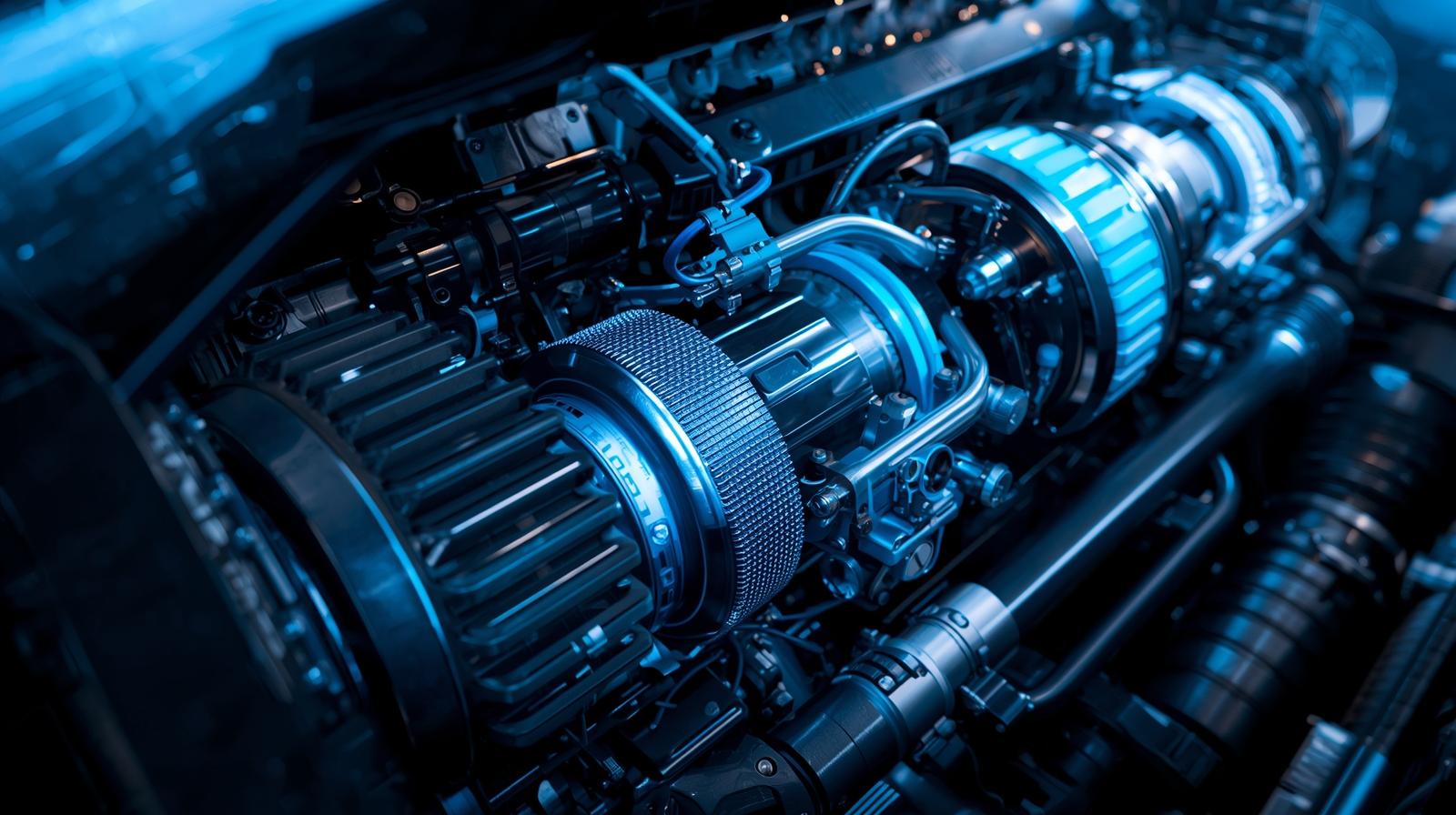
Alüminyum otomobil parçaları araç ağırlığını azaltır, yakıt ekonomisini artırır ve çevre dostu mühendisliği destekler.
Daha Düşük Yük, Daha İyi Kilometre
Araçların toplam ağırlığını azaltarak daha az güç harcanmasını sağlar ve yakıt verimliliğini artırır. Alüminyum, otomobil üreticilerinin performansı artırmak için en üst düzeyde kullandıkları, ancak sürdürülebilirliği sağladıkları malzemedir, bu nedenle malzemenin kilometreyi artırmada ve çevre dostu otomobiller tasarlamada önemli bir rolü vardır.
Hibrit ve Elektrikli Araç Performansı Üzerindeki Etkisi
Hibrit ve elektrikli otomobiller için önemlidirler, çünkü azalan şasi ağırlığı batarya menzilini ve verimliliğini arttırır. Yeni nesil elektrikli araç platformları, sürdürülebilir inovasyonu teşvik etmeye ve mevcut elektrikli mobilitede performans koşullarını iyileştirmeye yardımcı olan alüminyumun hafifliğini ve gücünü gerektirecektir.
Alüminyum Bileşenlerin Maliyet Avantajları
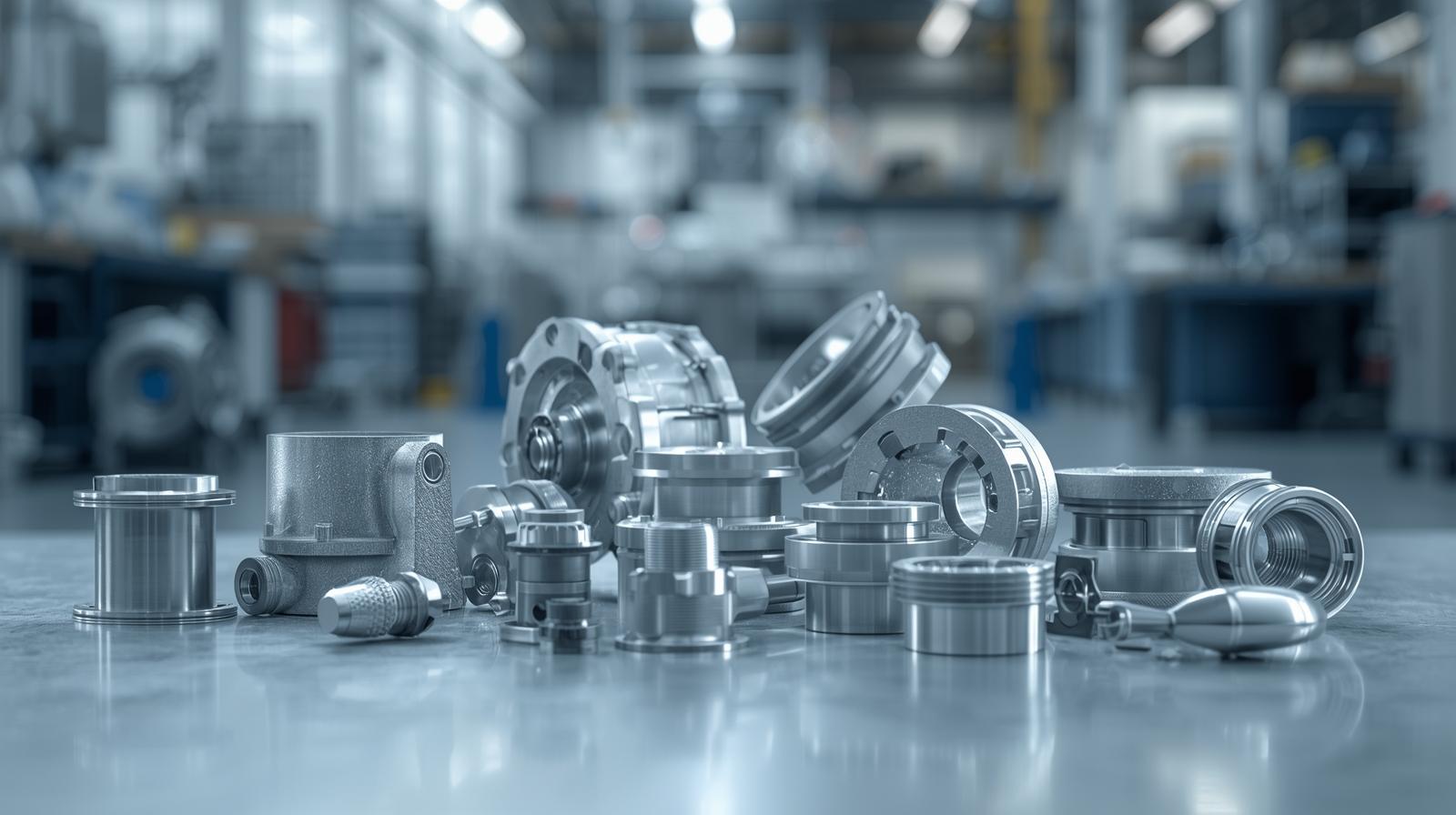
Alüminyum otomobil parçaları üretim maliyetlerini düşürür, verimliliği artırır ve otomobil üreticileri için uzun vadeli tasarruf sağlar.
Üretim Tasarrufları
Hafif alüminyum otomobil bileşenleri kullanmanın avantajı, sofistike seri üretim yöntemleri sayesinde üretim giderlerini azaltma konusunda potansiyel oluşturmasıdır. Alüminyumun verimli bir şekilde damgalanması ve şekillendirilmesi fabrikalarda daha az maliyetlidir, bu nedenle otomobil üreticileri tarafından performans, dayanıklılık ve modern otomobil tasarımının uzun vadeli verimliliğini istediklerinde kullanılan ucuz ve sürdürülebilir bir unsurdur.
Uzun Vadeli Araç Değeri
Hafif alüminyum otomobil bileşenleri korozyona karşı kolay direnç gösterir ve araçların daha uzun süre dayanmasını sağlar. Bu verimlilik, yeniden satış ve günlük bakım giderlerine katkıda bulunarak ömür boyu onarım giderlerini azaltır ve böylece otomobil üreticisine ve sürücülere sürdürülebilirliği, performansı ve bir aracın genel olarak uzun vadeli sahipliğini artıran uygun maliyetli bir alternatif sunar.
Otomobillerde Alüminyumun Karşılaştığı Zorluklar ve Sınırlamalar
Onarım Zorlukları
Hafif alüminyum araba bileşenleri çelikten daha zor tamir edilir, özel aletler ve büyük profesyoneller gerektirir. Bu durum onarım masraflarını artırır, ancak alüminyumun uzun ömürlülüğü ve performans avantajı, hem otomobil üreticileri hem de uzun vadeli getiri isteyen sürücüler için bu sorunları genellikle telafi edebilir.
Üretim Enerji Gereksinimleri
Şirketler hafif ve alüminyumdan yapılmış otomobil parçalarını geri dönüştürebilirler ancak alüminyumun hammadde kullanılarak çıkarılması enerji tüketen bir işlemdir. Neyse ki dünya tesisleri, alüminyum ürünlerin üretiminin daha çevre dostu hale gelmesini sağlamanın yanı sıra çevre dostu otomobil geliştirmenin ilerlemesine yardımcı olan ve çevresel yansımaları azaltan yeşil enerji arıtma sürecini benimsemeye başlıyor.
Daha Yüksek Ön Maliyetler
Hafif alüminyum otomobil bileşenleri başlangıçta çeliğe kıyasla fiyat açısından pahalıdır. Bununla birlikte, alüminyumun faydaları aracın genel performansına ve değerine uzun vadeli performans, performans ve sürdürülebilirlik getirdiği için üreticiler bu yatırımı hala değerli görmektedir.
Hafif Alüminyum Otomobil Bileşenlerinin Geleceği
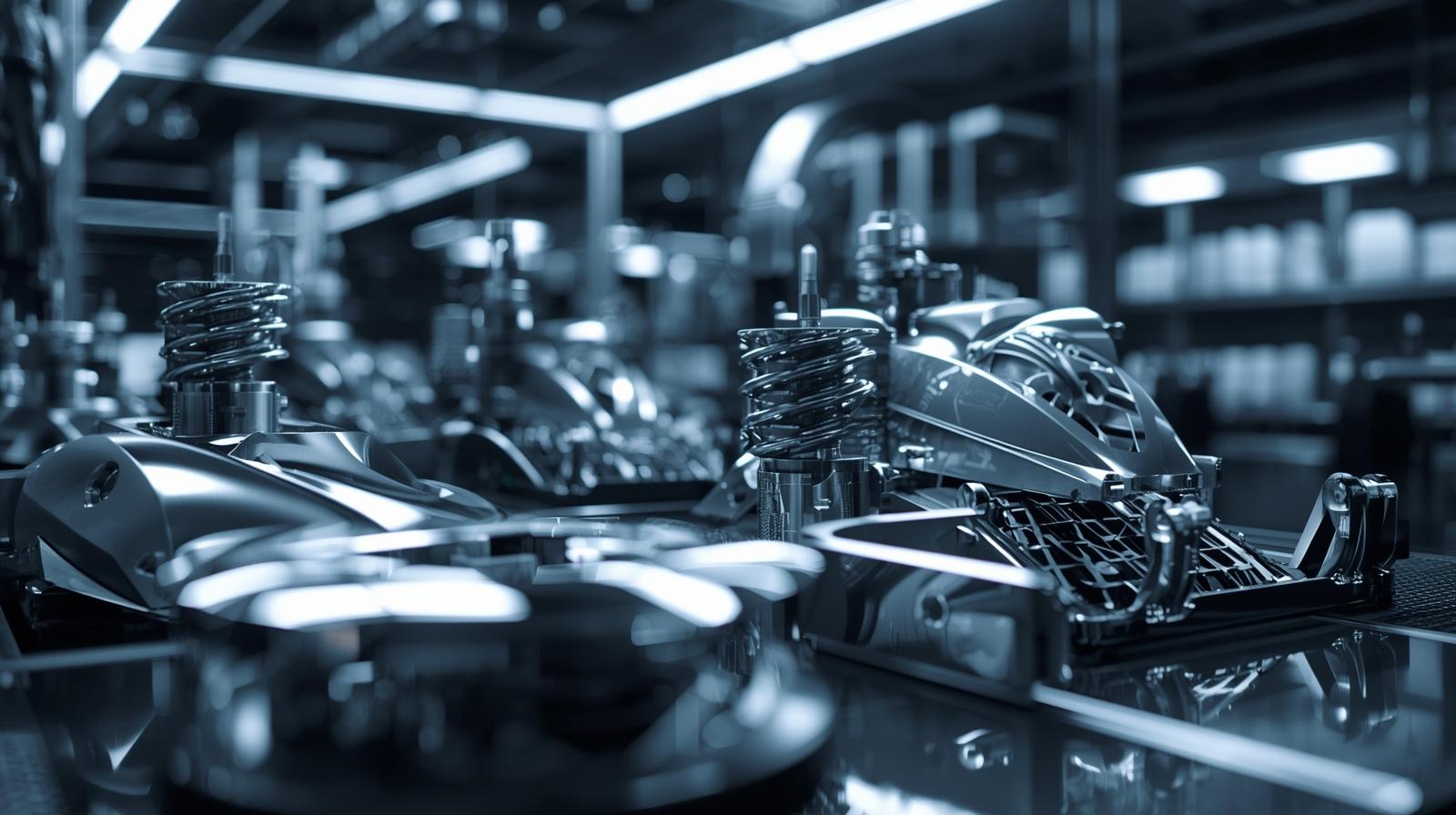
Hafif alüminyum bileşenler, verimlilik ve sürdürülebilirlik ile otomotiv tasarımının geleceğini şekillendirecek.
Alaşım Teknolojisinde Yenilikler
Hafif alüminyum araba bileşenleri daha fazla güç ve daha az ağırlık sağlayan alaşım teknolojisi ile geliştirilmektedir. Araçların daha fazla parçasında kullanıldığında, bu buluşlar otomobil üreticilerinin çeliği ikame etmesine olanak tanıyarak verimliliği, güvenliği ve sürdürülebilirliği artıracaktır. Alüminyum, daha güçlü ve daha ağır alaşımları nedeniyle günümüz otomotiv tasarımında ve çevre dostu performansında ortadan kaldırılamaz.
Elektrikli Araç Pazarında Artan Talep
Elektrikli araçların benimsenme süreci ivme kazandıkça, bu araçlar giderek daha önemli hale gelmektedir. Şasilerin hafifliği, bataryaların menzilini, verimliliği ve sürdürülebilir yeniliği artıran yüksek şasi ağırlığının bir özelliğidir. Otomobil üreticilerinin alüminyum yardımıyla sağlanabilecek performans gerekliliklerine uymaları ve yeni nesil elektrikli araç platformlarını ve çevre dostu mobilitenin geleceğini tanımlamaları gerekmektedir.
Alüminyum Alaşımlarında Yenilikler
Daha yüksek kaliteli alüminyum alaşımları, otomotiv mühendisliğini daha sert, daha hafif ve daha uyumlu hale getiriyor. Standartları yükselten araştırmacılar, süreçleri daha verimli ve daha sürdürülebilir hale getirmek için üreticilerin çeliği daha fazla alanda kullanmalarına olanak sağlıyor. Bu yenilikler, araç inovasyonunun geleceğini alüminyuma bağlı kılıyor.
Sektör Trendleri ve Öngörüleri
Otomotiv sektöründeki eğilimler, daha fazla şirketin sürdürülebilirlik ve operasyon giderlerine odaklanmak için üretimlerinde alüminyum kullanmaya başladığını gösteriyor. Alüminyumun hafifliği, hibrit ve elektrikli otomobillerde çok temel olan verimliliği arttırmaktadır. Elektrikli araçlardaki artışla birlikte alüminyum tasarımların kullanımı artacak, bu da inovasyonla sonuçlanacak ve yeşil mobilitenin geleceğini etkileyecektir.
Sonuç
Modern otomotiv tasarımları, performansı, yakıt tasarrufunu, sürdürülebilirliği ve güvenliği artıran hafif alüminyum otomobil bileşenleri devrimini kullanarak otomobil mühendisliği endüstrisini dönüştürüyor. Motor endüstrisinde elektrikli otomobillerin yaygınlaşmasıyla birlikte alüminyum ürünü daha da yüksek bir seviyeye çıkacaktır. Daha güçlü, daha düşük ağırlığa sahip ve uzun vadede daha ekonomik olduğu için yarının malzemesi alüminyumdur, böylece dünyanın dört bir yanındaki otomobil üreticileri yenilik, verimlilik ve çevre dostu hareketliliğin tadını çıkaracaktır.
SSS
Otomobillerin daha ucuz olan alüminyum parçaları neden çelikten daha üstündür?
Alüminyumdan yapılan bileşenler daha ucuzdur ve korozyona uğramazlar ve ayrıca çoğu otomotiv amaçlı çelik kadar dayanıklı ve hatta daha iyi olabilirler.
Alüminyum üretimi araçları daha güvenli hale getiriyor mu?
Evet. Alüminyum tasarımlar, metal uygun şekilde işlendiğinde darbe enerjisini geleneksel çelik tasarımlardan daha fazla alabilir.
Alüminyum arabaları tamir etmek daha mı maliyetli?
Bunu yapabilirler, çünkü bir alüminyumu onarmak için özel ekipman ve uygulama zorunludur.
Tüm elektrikli otomobiller gerçekten alüminyum ürünler kullanabilir mi?
Neredeyse her elektrikli araç bir şekilde alüminyum bazlı bir üründür, çünkü batarya menzilini en üst düzeye çıkarmak büyük ölçüde ağırlık tasarrufuna dayanır.
Alüminyum malzemeler çevre dostu mudur?
Alüminyum yüzde 100 geri dönüştürülebilir ve geri dönüşüm birincil üretimde gerekli olan enerjinin yüzde 5'ini tüketir.
Otomobillerde çelik kullanımı bitti mi?
Tamamen değil. İki malzeme bir arada var olacak ve alüminyum hafif yapısal bileşenlerde üstünlük sağlayacak.
0 Yorum