
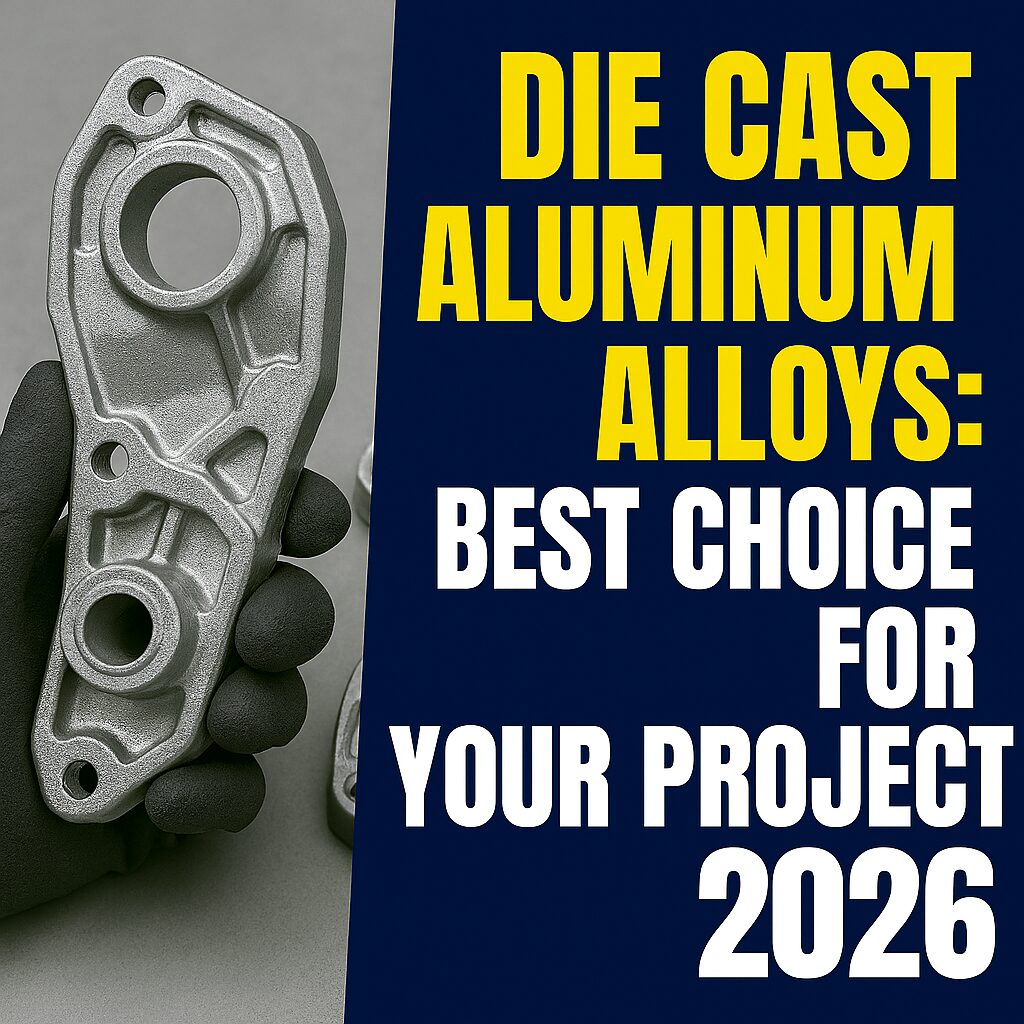
Trykstøbte aluminiumlegeringer er vigtige i den nuværende produktionsverden. Disse materialer anvendes i alt fra bildele til elektroniske forbrugerprodukter og udgør en sjælden kombination af styrke, letvægtsaktivitet og omkostningsøkonomi. Med enkle ord gør trykstøbte aluminiumslegeringer det muligt for producenterne at fremstille komplicerede, nøjagtige emner i store størrelser - uden at gå på kompromis med pengepungen.
De første 10 procent af denne artikel er vigtige, fordi de forklarer, hvorfor trykstøbte aluminiumlegeringer er førende inden for trykstøbning. Aluminium er let at strukturere i forme, fylde, afkøle hurtigt og give overlegen dimensionsstabilitet. Derfor er producenterne i stand til at lave komplekse designs med små tolerancer og mindre efterbehandling.
Endnu bedre er det, at trykstøbte legeringer af aluminium giver mulighed for innovation. De er afhængige af, at ingeniører gør motorer mindre tunge for at få øget brændstofeffektivitet og bedre varme. Du skal designe et gearkassehus, en køleplade, der er i hvert fald en legering, der passer. Vi må hellere dele helheden op i dele.
Hvad er trykstøbte aluminiumslegeringer?
Definition og grundlæggende sammensætning
Trykstøbte aluminiumlegeringer er specielle aluminiumbaserede metaller, der er udviklet til at blive udsat for trykstøbningsprocesser under højt tryk. De tilsættes normalt silicium, kobber, magnesium eller zink for at give dem bestemte egenskaber. Et eksempel er silicium, som forbedrer flydeevnen, og kobber, som forbedrer styrken.
Disse blandinger er ikke en blanding af forskellige ting. De er designet til de nøjagtige mekaniske og termiske specifikationer. Det er grunden til, at trykstøbte aluminiumslegeringer bruges i missionskritiske projekter, hvor konsistens er vigtig.
Hvorfor aluminium er ideelt til trykstøbning
Publikum er forelsket i aluminium, og det er med god grund. Det har lav vægt, er recessionsfrit og kan renoveres. Aluminium sparer den generelle vægt af komponenter sammenlignet med stål eller messing og skader ikke deres levetid.
Effekten af aluminiums lave smeltepunkt er også, at trykstøbningsprocessen er mere effektiv i hastighed og med et krav om mindre energi. Aluminiumsforeningen hævder, at det er muligt at genbruge aluminium uden at forringe dets grundlæggende egenskaber, en miljøvenlig fordel, som producenter af sådanne produkter er glade for at have.
De vigtigste egenskaber ved trykstøbning Aluminium Legeringer
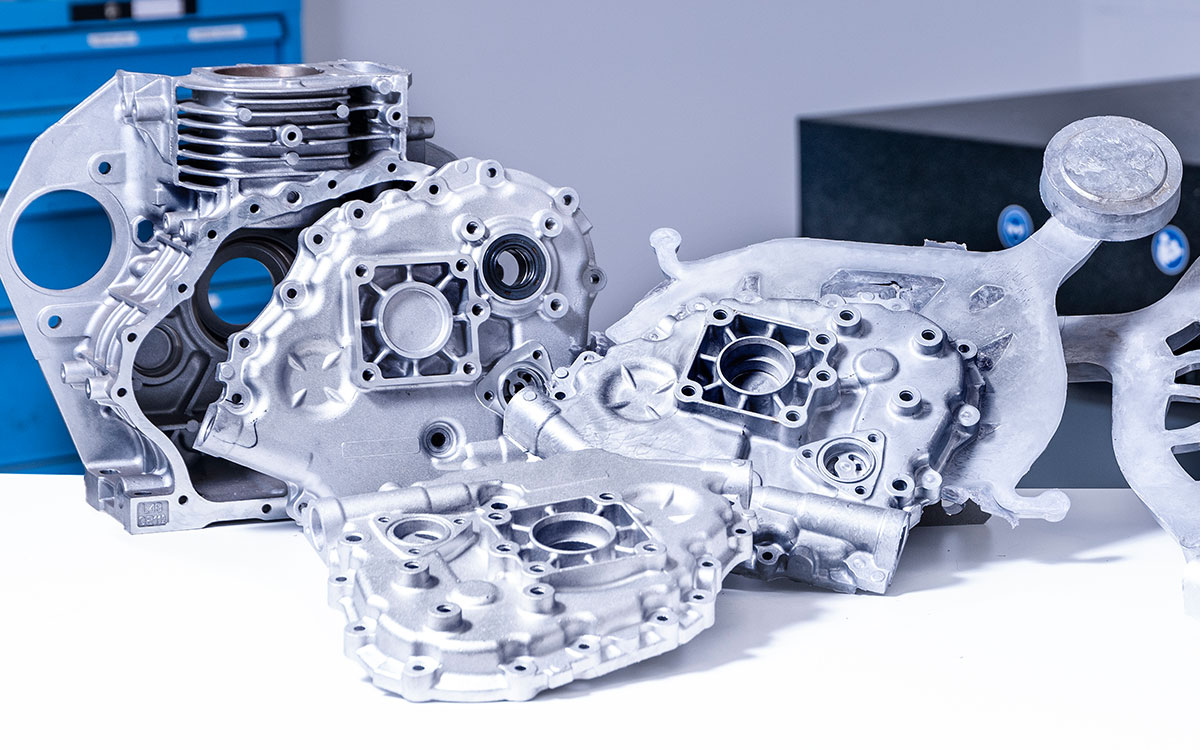
Vigtige legeringsegenskaber som smeltetemperatur, fluiditet og krympning, der påvirker støbekvalitet og -effektivitet
Trykstøbte aluminiumslegeringer er fremragende med hensyn til mekanisk ydeevne under stress. Disse legeringer korroderer heller ikke under krævende forhold. På grund af aluminiums varmeledningsevne bliver det en meget mere effektiv varmeleder. Til gengæld er højtydende dele lavet af aluminiumslegeringer i industrien.
Styrke-til-vægt-forhold
Det fremragende forhold mellem styrke og vægt i trykstøbte aluminiumslegeringer er en af de fremragende egenskaber ved dette materiale. Man får en muskuløs mekanisk virkning med overflødig vægt. Det er på grund af dette, at bilproducenter elsker dem for at få dem til at forbedre brændstofeffektivitet og håndtering.
Termisk og elektrisk ledningsevne
Aluminium er en fremragende naturlig varme- og elektricitetsleder. Denne egenskab gør trykstøbte aluminiumslegeringer nyttige i huse, kølelegemer og elektroniske kabinetter. Øget varmeafledning resulterer i øget levetid for komponenter, så enkelt er det.
Modstandsdygtighed over for korrosion
På grund af en naturlig overflade, der er belagt med oxider, sporer aluminium korrosionselementerne i mange metaller. Trykstøbte aluminiumslegeringer er i stand til at modstå fjendtlige miljøer som fugt, salt og kemikalier, når de er legeret korrekt. Det er en stor sejr i udendørs- og bilindustrien.
Legeringsegenskaber, der påvirker støbeprocessen
Trykstøbning er direkte relateret til den legering, du bruger; forskellige faktorer ved processen, såsom hvor let det er at bearbejde legeringen og sandsynligheden for støbefejl, vil blive påvirket af den legering, du bruger.
Varm krakning
Varmrevnedannelse, også kaldet størkningsrevnedannelse, er en almindelig trykstøbningsfejl, der er karakteristisk for aluminiumlegeringer, og som enten kan forårsage indre eller overfladiske rifter eller revner. Det skyldes som regel den indre spænding og belastning, der opstår som følge af de termiske effekter, der findes under støbningens størkning, når støbningen trækker sig sammen. Der er nogle aluminiumslegeringer, der har tendens til at revne, når de er varme, end andre, og det bør man tage i betragtning, når man vælger.
Lodning af matricer
Formlodning er en anden fejl, der er karakteristisk for trykstøbning af aluminium, hvor støbegodset klæber til formens vægge og bliver meget svært at skubbe ud. Det kan ødelægge både støbegods og matrice, og derfor skal du søge legeringer, der har høje anti-lodningsegenskaber.
Selvom der kan være andre overvejelser, der kan være relevante for din proces, er der to af de største forarbejdningsproblemer ved trykstøbning af forskellige aluminiumslegeringer. På den anden side vil valget af en letstøbt legering gøre dine produktionsomkostninger billigere, men du er stadig nødt til at se på den indvirkning, som valget af legering vil have på det færdige produkt.
De mest almindelige legeringer af trykstøbt aluminium
Populære trykstøbte aluminiumlegeringer som A380, ADC12 og AlSi9Cu3, der bruges i bilindustrien, rumfart og elektronik.
Der kan være et overvældende udvalg af trykstøbte aluminiumslegeringer. Vi skal se, hvad de mest anvendte er, og hvordan de fungerer.
Legering A380
Blandt alle trykstøbte aluminiumslegeringer er A380 den mest populære, da den er alsidig og har en stabil ydeevne. Det har en god flydeevne, tæthed under tryk og mekaniske egenskaber, som gør det velegnet til produktion af store mængder. Producenter vil sandsynligvis bruge A380 i motorhuse, beslag, elektriske værktøjer og konstruktionsdele, der skal være holdbare og til en overkommelig pris.
Vigtige fordele:
- Godt castertalent med komplicerede og tyndvæggede dele.
- God styrke og generel opførsel.
- Kommodificeret og lav pris.
- Kvalitetsdimensionsstabilitet i høje dele.
Legering A383
A383 har de samme egenskaber som A380, selv om den har øget modstandsdygtighed over for varmeknæk under en trykstøbningsproces. Denne forbedrede egenskab har gjort den velegnet til indviklede dele, der skal have tynde vægge og komplicerede geometrier. A383 er bedre til at fylde formen og har færre støbefejl end A385, hvis dit design er detaljeret eller vanskeligt at støbe.
Vigtige fordele:
- Høj kvalitet med hensyn til revnedannelse i varmt vejr.
- Jomfruelig nedbrydning i tyndvæggede støbegods.
- Bedre dimensionel nøjagtighed af komplicerede modeller.
- Mindre risiko for produktionsfejl.
Legering A360
A360 er mere modstandsdygtig over for korrosion og har højere duktilitet end A380 og kan bruges i krævende og barske miljøer. Men det er dyrere og noget sværere at støbe, da det er kemisk sammensat. Ikke desto mindre er A360 stærk i tilfælde af premium-applikationer, der har brug for større mekanisk styrke og langvarig varighed.
Vigtige fordele:
- Høj korrosionsbestandighed
- Længere duktilitet og større forlængelse.
- Stærk tryktæthed
- Velegnet til brug i højtydende applikationer.
Legering ADC12
ADC12 er et populært valg i Asien, som er velkendt på grund af sine høje flydeegenskaber og flotte overfladefinish. Den støber forme med høj effektivitet og minimerer dermed fejl i komplekse designs. ADC12 finder anvendelse i forbrugerelektronik og bilindustrien, hvor nøjagtighed, udseende og produktionshastighed er vigtig.
Vigtige fordele:
- Meget gode støbe- og hældeevner.
- Glat overfladefinish
- Korrekt forhold mellem styrke og masse.
- Bedst egnet til produktion af store mængder.
Sådan vælger du den rigtige legering til trykstøbning af aluminium
Faktorer ved valg af aluminiumslegeringer til trykstøbning, herunder mekaniske egenskaber, korrosionsbestandighed og omkostningseffektivitet
Det er ikke bare et spørgsmål om at gætte, det er et spørgsmål om beregning at vælge mellem de forskellige trykstøbte aluminiumslegeringer.
Mekaniske krav
Under vurderingen af delen skal du vurdere den nødvendige styrke, hårdhed og forlængelse i henhold til den påtænkte brug af delen. Når komponenten udsættes for stress, vibrationer eller gentagne belastninger, skal man overveje trykstøbte aluminiumlegeringer med højere trækstyrke og udmattelsesmodstand, som sandsynligvis vil fungere godt i det lange løb og have en høj grad af pålidelighed.
Miljømæssig eksponering
Tag højde for en sådan eksponering af komponenten for fugt, varme, kemikalier eller udendørs forhold. Korrosionsbestandighed vil være påkrævet i sådanne omgivelser. Nogle legeringer af trykstøbt aluminium kan modstå strenge omstændigheder og forblive stærke, attraktive og levedygtige gennem lange serviceperioder.
Omkostninger og tilgængelighed
Budget har altid været en meget vigtig faktor i valget af materiale. Selvom avancerede legeringer har overlegne mekaniske egenskaber og korrosionsegenskaber, kan konventionelle legeringer som A380 tilbyde en god balance mellem ydeevne, lagerbeholdning og overkommelige priser i applikationer med store mængder og til generelle formål.
Industrielle anvendelser af trykstøbte aluminiumslegeringer

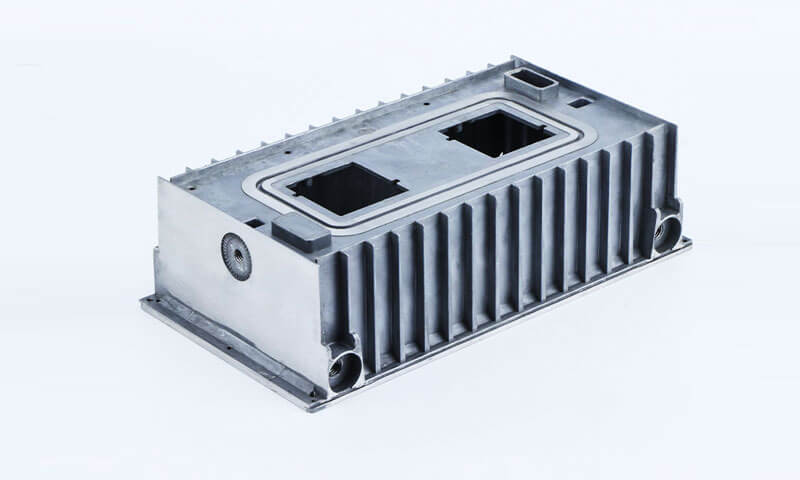
Trykstøbte aluminiumslegeringer anvendes på tværs af industrier til letvægtsstyrke, holdbarhed og præcisionsfremstilling
De trykstøbte aluminiumslegeringer er overalt omkring os, og vi er ikke opmærksomme på dem.
Bilindustrien
Fra gearkasser til styrekomponenter er trykstøbning i aluminium fremherskende i fremstillingen af bilprodukter, da det er stærkt og præcist. Letvægtskomponenter fører ikke kun til reducerede emissioner og forbedret brændstofeffektivitet, men forbedrer også køretøjets følelse, sikkerhed, nysgerrighed samt ydeevnen i hele produktionsprocessen i bilindustrien i dag.
Elektronik og elektricitet
Trykstøbte aluminiumslegeringer er de bedst anvendte i kabinetter, kølelegemer og stik til elektronisk udstyr på grund af deres overlegne termiske ydeevne. De er meget termiske og forhindrer følsomme komponenter i at blive overophedet, giver en god livscyklus for produkter, forbedrer pålideligheden og kompakt elektronisk design - højtydende teknisk design.
Luft- og rumfart og industrielle anvendelser
Når det drejer sig om rumfart, er forskellen afgørende, og derfor er det nødvendigt med aluminiumslegeringer i strukturelle og funktionelle dele. Disse legeringer hjælper med at spare på vægten, men ikke på den strukturelle integritet. Aluminium har også et positivt bidrag til den industrielle maskine; dets langsigtede driftssikkerhed, dimensionsnøjagtighed, korrosivitet og holdbarhed.
Overvejelser om fremstilling
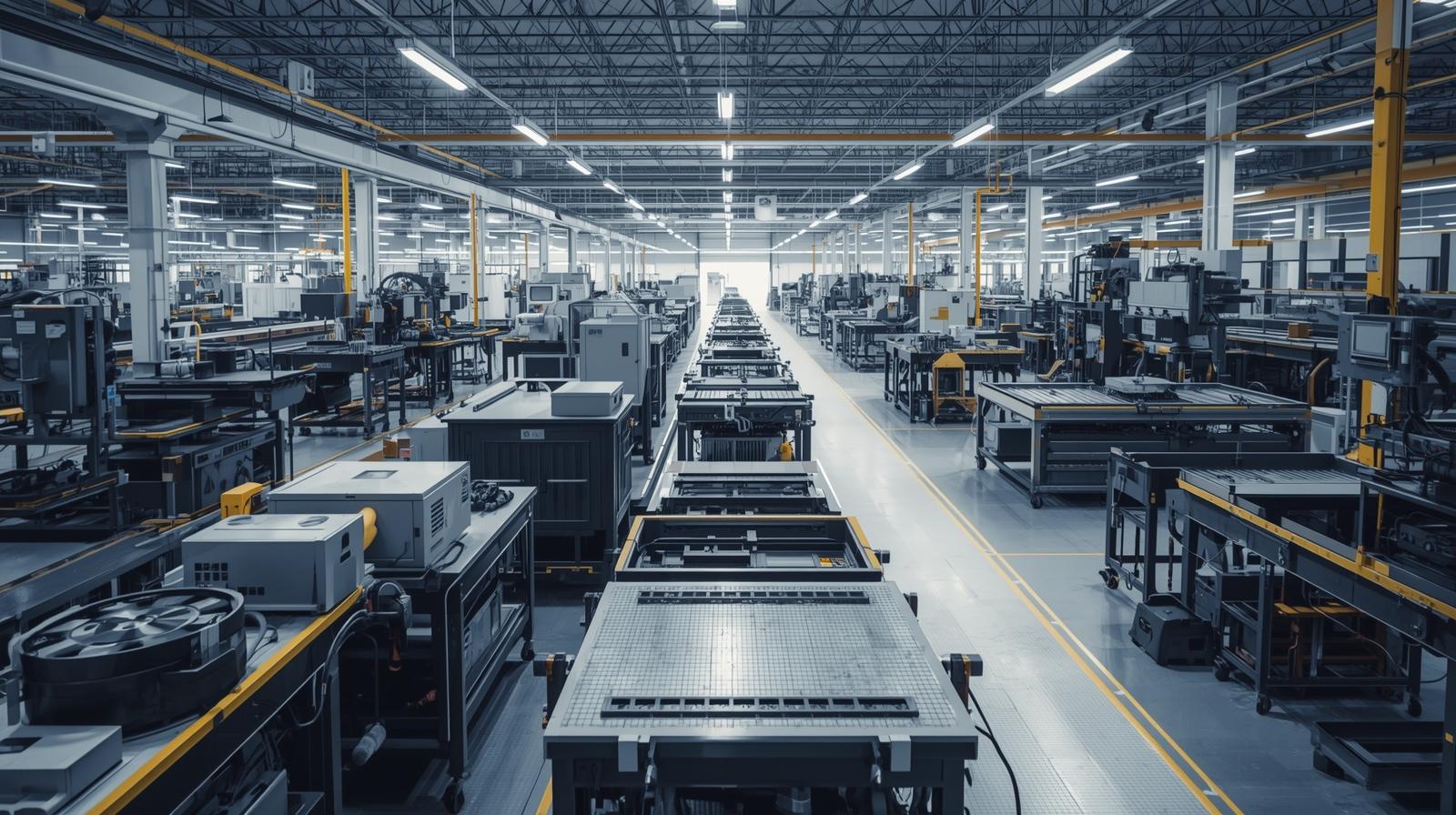
Vigtige produktionsovervejelser inden for trykstøbning, såsom værktøjsomkostninger, produktionseffektivitet og legeringskompatibilitet
Bearbejdelighed
Trykstøbte aluminiumslegeringer kan bearbejdes godt, og det sparer en masse tid på produktionen og de generelle produktionsomkostninger. Deres ensartede form sikrer, at det er nemt at skære, bore og fræse. Ikke desto mindre kan legeringer med højere siliciumindhold øge sliddet på værktøjet, og det er nødvendigt med specialværktøj, korrekt smøring og regelmæssig vedligeholdelse for at opretholde en konstant bearbejdningskvalitet.
Overfladebehandling
Overfladebehandlinger som anodisering, pulverlakering og maling accepteres let på aluminium og giver et bedre udseende og en bedre ydeevne. Sådanne slutfinishsystemer forbedrer korrosionsbestandighed, slidbeskyttelse og overfladehårdhed. Desuden øger tiltalende finish produktets tiltrækningskraft, letter branding-specifikationer og kvalificerer komponenter til markeds-, lovgivnings- og præstationsprincipper.
Tolerancer og designfleksibilitet
Højtryksstøbning giver mulighed for meget snævre tolerancer og geometrier af meget kompleks karakter, som kan gengives med stor gentagelsesnøjagtighed. Ribber, bosser, gevind og monteringsfunktioner kan indarbejdes i en støbning af designerne. Denne designfleksibilitet mindsker de sekundære operationer, de begrænsede monteringstrin, sænker produktionsomkostningerne og forbedrer hele strukturens integritet.
Fordele ved højtryksstøbning
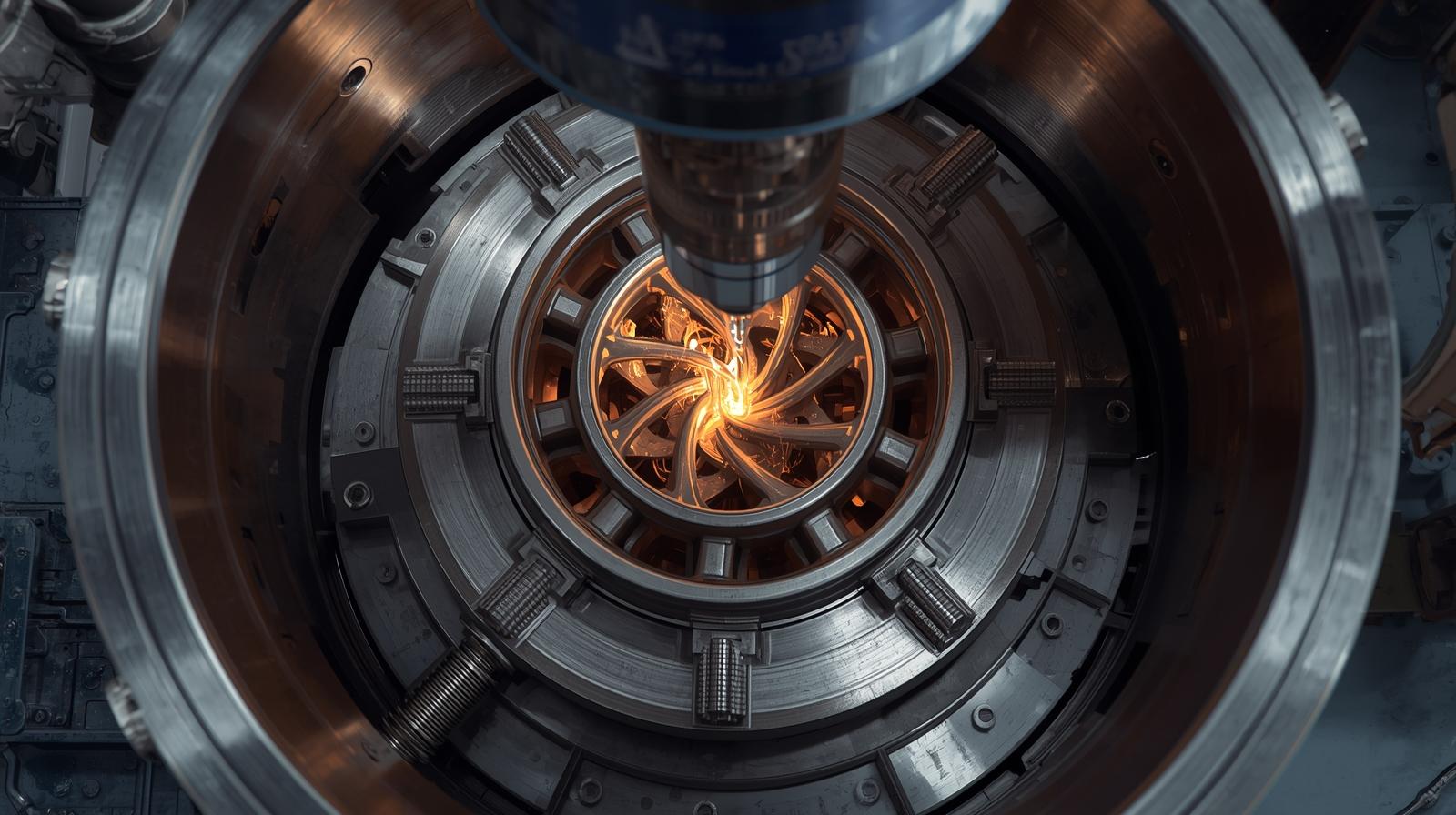
Fordele ved højtryksstøbning som f.eks. dimensionsnøjagtighed, hurtig produktion og glat overfladefinish
Trykstøbning indebærer, at smeltet metal under tryk tvinges til at fylde ekstremt præcise stålforme ved høj hastighed. Trykket giver rene overflader og små detaljer. Hurtig afkøling reducerer produktionscyklusserne. Øget produktion resulterer i et mindre behov for arbejdskraft. Forhøjet nøjagtighed Automatiserede systemer minimerer fejl og afvigelser og garanterer pålidelig og gentagelig produktion i industrielle masseproduktionsmiljøer både inden for bil-, elektronik- og maskinindustrien i hele verden.
Fordele i forhold til andre støbematerialer
Trykstøbte aluminiumslegeringer giver et godt kompromis mellem holdbarhed og effektivitet. Men aluminium deformeres ikke, når det udsættes for høje temperaturer og mekanisk tryk, som det er tilfældet med plast. Sammenlignet med stål reducerer aluminium komponenternes vægt betydeligt og forringer ikke styrken. Det forbedrer både legeringernes energieffektivitet, håndtering og ydeevne og er derfor bedst egnet til anvendelse af legeringerne på bil-, industri- og elektronikmarkedet, hvor pålidelighed og letvægtsdesign er kritiske faktorer.
Bæredygtighed og genbrug
Begrebet bæredygtighed er ikke et frit svævende ord. Trykstøbte aluminiumslegeringer kan genbruges 100 procent. Genbrug af aluminium bruger cirka 5 procent af den energi, som primæraluminium produceres med. Det ville være en enorm miljøfordel. De producenter, der indfører trykstøbning i aluminium, kan nemt sænke deres CO2-fodaftryk med den opnåede rentabilitet. Det er en win-win-situation.
Konklusion
De ubesungne helte i den nuværende produktion er trykstøbte aluminiumslegeringer. De har integreret kraft, evaluering af lysstyrke, modstandsdygtighed over for korrosion og bæredygtighed i et enkelt alsidigt materiale. Ved fremstilling af bildele eller elektronikkasser har den en aluminiumslegering, der er specielt designet til din specifikation. Når du kender egenskaberne, anvendelserne og produktionsovervejelserne, kan du være sikker på, at du har valgt den bedst egnede til dit projekt. Kort sagt er det ikke kun klogt at vælge de rette trykstøbte aluminiumslegeringer, men det er også strategisk.
Ofte stillede spørgsmål (FAQ)
Hvad er så de mest almindelige anvendelser af trykstøbte aluminiumslegeringer?
De er normalt ansat i industrien, elektronik, rumfart og biler.
Hvilken type trykstøbt aluminiumslegering er den mest kraftfulde?
De typiske egenskaber ved A360 i forhold til normale legeringer er øget styrke og korrosionsbestandighed.
Er trykstøbte aluminiumslegeringer genanvendelige?
Ja, de trykstøbte aluminiumslegeringer kan genbruges helt uden formindskelse.
Hvordan vælger jeg mellem A380 og A383?
Brug A383, hvor der er brug for en kompleks form, og A380, hvor der er brug for den til generelle og omkostningseffektive anvendelser.
Er trykstøbte aluminiumslegeringer korrosionsbestandige?
Det sidste sker oftest i dem, der indeholder magnesium eller silicium.
Trykstøbte aluminiumslegeringer er dyre?
De kan produceres i stort omfang, er billigere med hensyn til produktionseffektivitet og billigere med hensyn til livscyklus end stål eller messing.
Kontakt os
0 kommentarer