
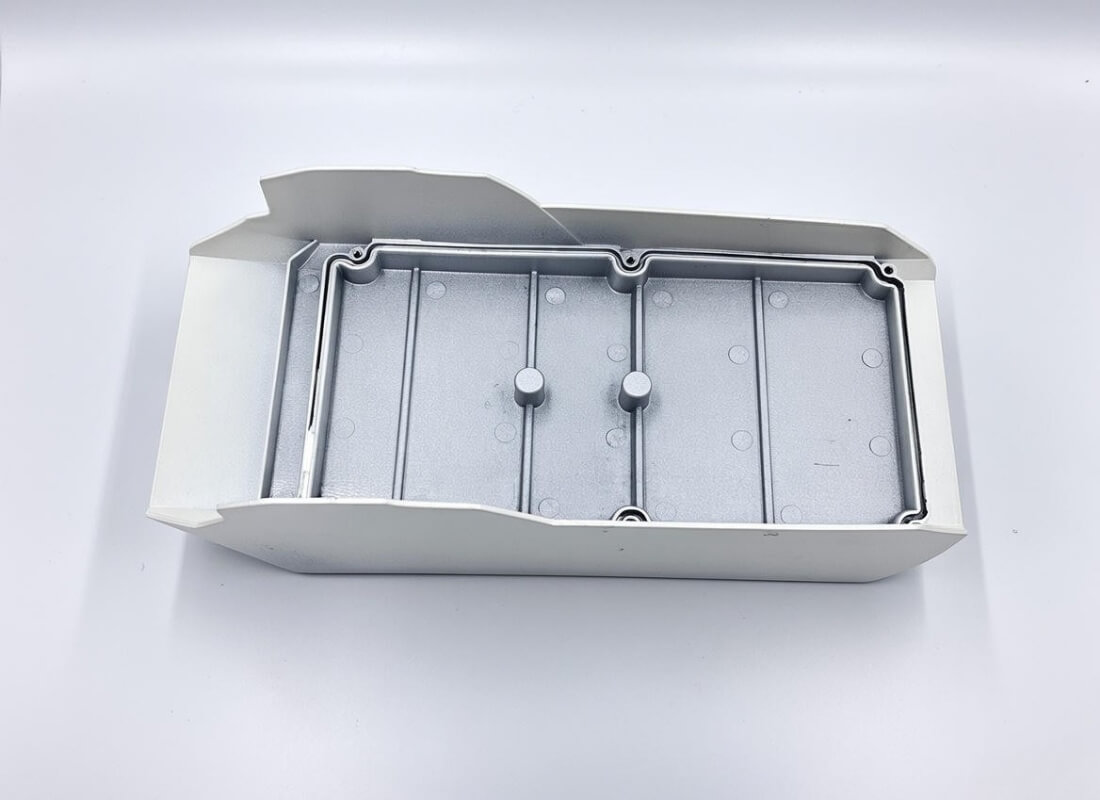
¿Se puede aplicar pintura en polvo al aluminio? La respuesta es sí. Un marco de ventana de aluminio recién comprado puede tener un aspecto estupendo, pero el sol, el agua, el uso y otros factores pueden pasarle factura tras años de uso intensivo. Lo mismo ocurre con las barandillas, los muebles de exterior, piezas de fundición de aluminio para el sector de la automoción y muchos otros productos de aluminio. Una pregunta habitual que surge cuando el tratamiento superficial original empieza a perder brillo o a desgastarse es si es posible aplicar un nuevo tratamiento superficial sobre el antiguo.
Aquí es donde recubrimiento en polvo entra en escena.
Existen numerosos métodos para mejorar el rendimiento de los componentes de aluminio, pero el más utilizado es recubrimiento en polvo de aluminio. Se aplica tanto a piezas nuevas como a piezas antiguas que necesitan ser restauradas. Permite dar color al metal, protegerlo de posibles daños y mejorar su calidad general.
Sin embargo, el aluminio requiere algo más que la simple aplicación de polvo sobre su superficie. La limpieza, la preparación, la elección del tipo adecuado de polvo, su correcta aplicación y el curado son elementos que contribuyen a determinar si el resultado final será o no satisfactorio para usted.
Por lo tanto, la respuesta a la pregunta de si es posible aluminio con recubrimiento en polvo es positivo. Sin embargo, para optar por este tipo de recubrimiento, es necesario estudiar los detalles del proceso.
¿Por qué el aluminio es adecuado para el recubrimiento en polvo?
El aluminio se caracteriza por varias propiedades que resultan ventajosas para el recubrimiento en polvo. Este metal es ligero, fácil de moldear, resistente a la corrosión y se utiliza a menudo en la fabricación de productos de gran resistencia y gran atractivo estético.
Su resistencia natural a la corrosión se debe a una fina capa de óxido que se forma en la superficie del metal cuando se expone al oxígeno. Sin embargo, esta propiedad no resulta beneficiosa a la hora de recubrir el metal, ya que la superficie requiere una preparación especial para garantizar una buena adherencia.
El recubrimiento en polvo siempre requiere una superficie limpia que se haya preparado previamente. De lo contrario, la adherencia será deficiente, lo que puede provocar delaminación o desprendimiento en el futuro. Estos defectos son inevitables si la superficie está contaminada con aceite, grasa, suciedad, oxidación, residuos de procesos de mecanizado u otras sustancias extrañas. Por ello, un proceso profesional de recubrimiento en polvo de aluminio siempre incluye una preparación minuciosa de la superficie que va mucho más allá de la preparación estándar.
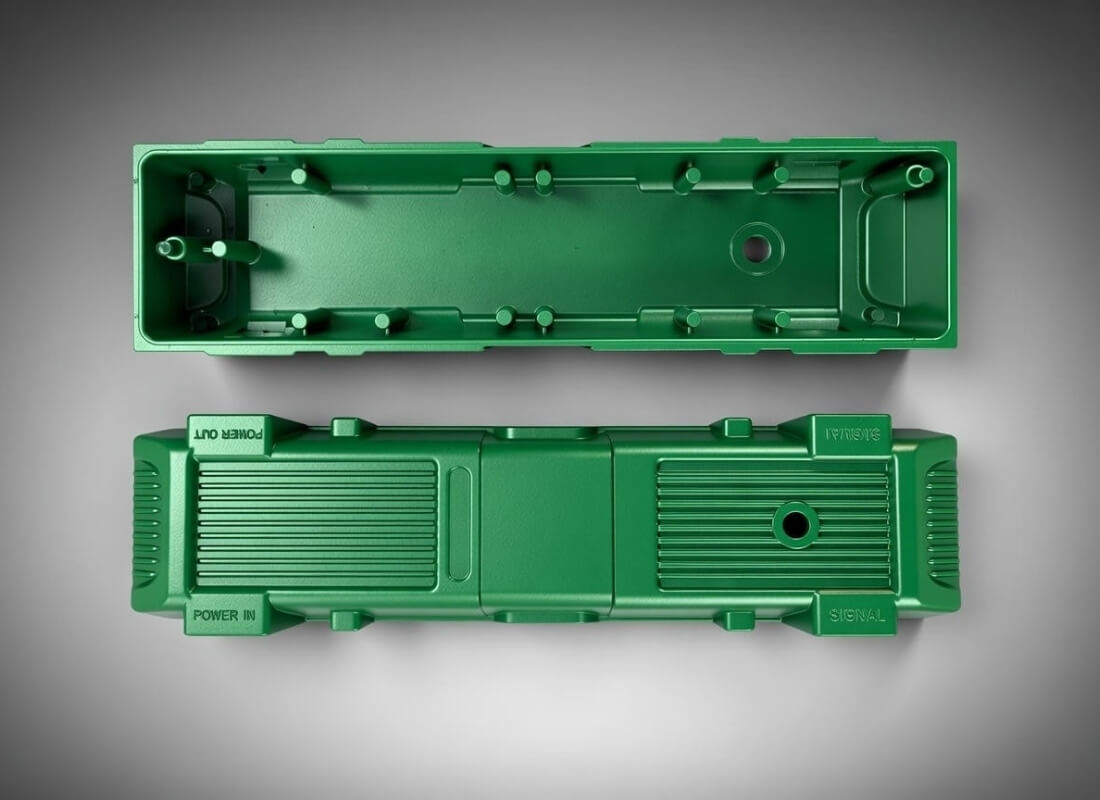
¿Qué ocurre durante el recubrimiento en polvo del aluminio?
La preparación suele ser la primera fase. La preparación puede incluir la limpieza, el desengrasado, el enjuague, el pretratamiento químico, el recubrimiento de conversión o el chorro abrasivo, dependiendo del estado del aluminio y de las necesidades del producto final.
Tras la preparación preliminar y el secado de la superficie, el material de recubrimiento se aplica mediante un pulverizador electrostático de pintura. El polvo se carga y se pulveriza sobre la pieza de aluminio conectada a tierra, donde se adhiere gracias a la carga electrostática.
A continuación, la pieza recubierta se introduce en un horno de curado, donde el polvo se cura a una temperatura controlada. El polvo se funde y se extiende formando una película líquida que, a continuación, se solidifica sobre el aluminio al que se ha pulverizado.
La elección de las condiciones de curado viene determinada por la composición del material de recubrimiento en polvo y de la pieza que se va a recubrir, por lo que es necesario seguir las instrucciones del fabricante.
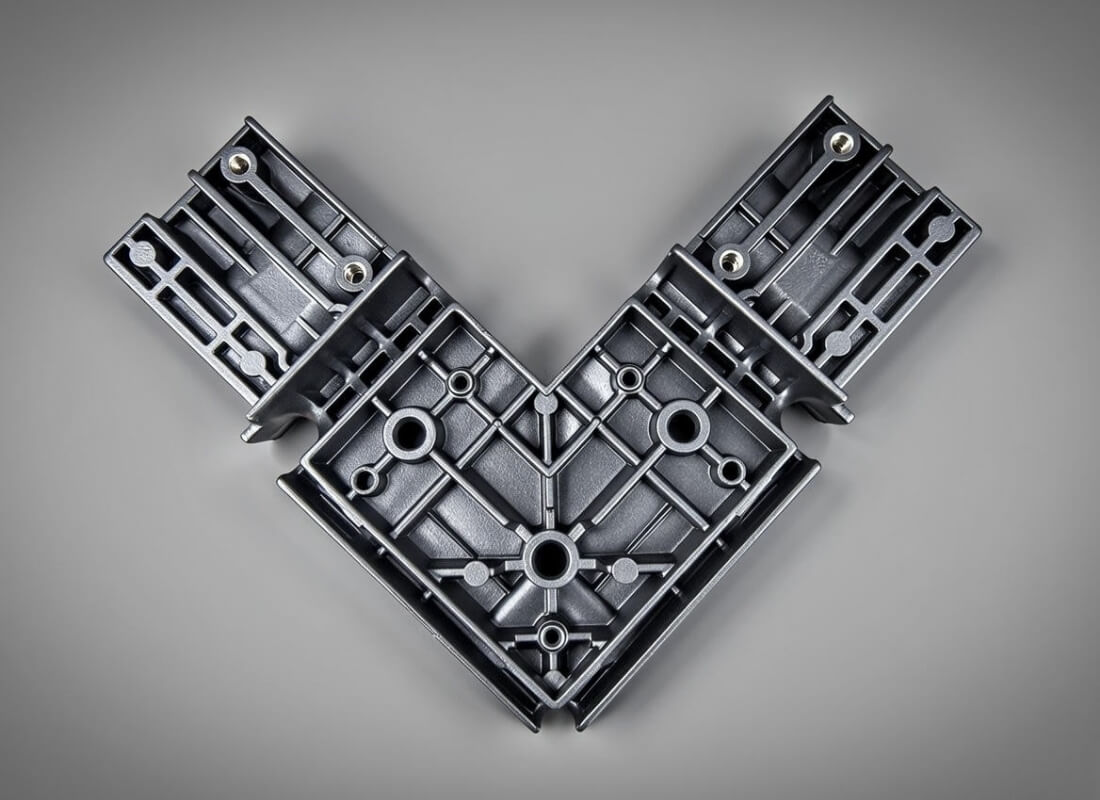
Tipos de polvo que se utilizan en el aluminio
Se utilizan diferentes tipos de recubrimientos en polvo en función de las condiciones.
Polvos de poliéster
Los polvos de poliéster constituyen una de las opciones de recubrimiento más populares para el exterior del aluminio, debido a su excelente resistencia a la intemperie y a la radiación ultravioleta. El vidrio arquitectónico, las ventanas, las puertas, las barandillas y el mobiliario de exterior son algunos de los elementos que suelen recubrirse con pinturas de poliéster.
Polvos epoxi
Los polvos epoxi presentan una gran capacidad de adhesión y una elevada resistencia química, lo que los hace muy útiles para una gran variedad de aplicaciones industriales. La única limitación es que algunos sistemas epoxi no son resistentes a la luz ultravioleta, lo que puede deteriorar los acabados poliméricos tras un determinado periodo de exposición.
Polvos híbridos
Los polvos híbridos combinan las características de las resinas epoxi y de poliéster, y suelen utilizarse en aplicaciones de interior en las que la resistencia a la intemperie no es un factor determinante.
Elegir el polvo adecuado es tan importante como elegir el color adecuado. En el caso de un trabajo de pintura arquitectónica en exteriores, hay que prestar especial atención a la selección de materiales capaces de resistir las condiciones del exterior.
El proceso paso a paso del recubrimiento con pintura en polvo de aluminio
Comprender el proceso te permite saber por qué el aluminio con recubrimiento en polvo, si se prepara adecuadamente, puede durar tanto tiempo. Aunque el proceso puede variar ligeramente de una planta de recubrimiento en polvo a otra, los pasos esenciales suelen ser los mismos en la mayoría de los trabajos de recubrimiento en polvo de calidad profesional, desde la preparación y la limpieza hasta el curado y el control de calidad final.
Inspección y limpieza
Cualquier trabajo de recubrimiento en polvo requiere una inspección del aluminio para detectar la presencia de aceite, lubricantes, huellas dactilares, fluidos de mecanizado, oxidación, pintura antigua, productos de corrosión y otras sustancias extrañas. Una fina capa de cualquiera de estos materiales reduce la adherencia y provoca imperfecciones en el acabado final de la pintura.
El proceso de limpieza puede incluir el uso de productos de limpieza alcalinos, disolventes, lavado a presión, limpieza por ultrasonidos u otras técnicas de limpieza industrial, en función del tipo de contaminantes. El resultado final es una superficie limpia que es químicamente compatible con el recubrimiento que se va a aplicar.
Preparación de la superficie
La fase de preparación es la que más influye en el proceso de recubrimiento. El aluminio tiende a formar una capa de óxido que protege el metal, pero que también puede impedir que el recubrimiento se adhiera a la superficie si presenta algún defecto.
En ocasiones, se aplica un recubrimiento de conversión química justo antes de pintar las piezas de aluminio. El objetivo principal de dicho recubrimiento es mejorar la adherencia, así como la protección anticorrosiva. En ocasiones, se puede recurrir al proceso de granallado para preparar las superficies de aluminio. Sin embargo, hay que tener cuidado de no dañar la superficie del metal con una presión de granallado excesiva, ya que el aluminio es mucho más blando que el acero.
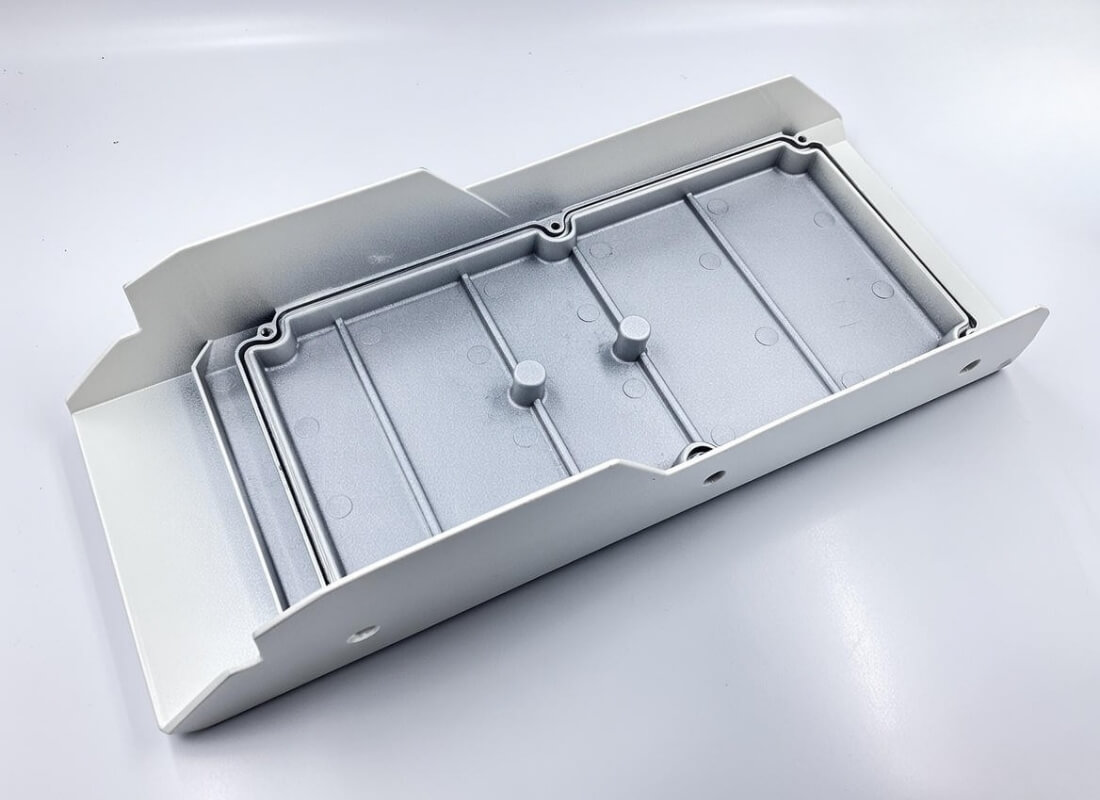
Aclarado y secado
El componente se enjuaga para eliminar cualquier residuo de solución tras el pretratamiento. A continuación, se seca a fondo para eliminar la humedad retenida. La humedad retenida puede provocar defectos durante el proceso de curado. Las zonas que se han perforado y acoplado durante el proceso de conformado son las más propensas a retener agua y deben secarse con especial cuidado.
Aplicación de polvo
La operación de pulverización de polvo se lleva a cabo una vez que la pieza de aluminio seca ha sido conectada a tierra. La pistola de pulverización electrostática aplica cargas a las partículas de polvo, lo que las impulsa a dirigirse hacia la superficie del componente. Las partículas permanecen adheridas a la superficie porque el polvo crea un enlace eléctrico con la superficie de aluminio conectada a tierra.
Para conseguir el espesor de recubrimiento deseado, es necesario ajustar la distancia entre la pistola y la pieza, las presiones de trabajo, el caudal de polvo y el patrón de pulverización. Además, el operario debe prestar especial atención a las zonas de difícil acceso, como los bordes, las esquinas y los huecos, así como al grado de complejidad de la forma.
Curado
Una vez recubierto el aluminio, se introduce en un horno de curado, donde las partículas de polvo se funden y se unen entre sí para formar una película continua. A continuación, la película se somete a un proceso de curado químico que endurece el recubrimiento y mejora su adherencia.
La temperatura y el tiempo de curado dependen del polvo, así como del espesor y las dimensiones de las piezas de aluminio que se van a recubrir. Es fundamental seguir las recomendaciones del fabricante a la hora de determinar el proceso de curado. Las desviaciones respecto a las condiciones óptimas pueden provocar una menor durabilidad debido a un curado insuficiente o a defectos estéticos, como la decoloración.
Enfriamiento e inspección final
A continuación, se deja enfriar tras el curado antes de proceder a cualquier otro proceso. En este punto, los inspectores comprueban que el recubrimiento tenga el espesor adecuado, un aspecto satisfactorio y que se haya aplicado correctamente. Se comprueban la adherencia, el color y el brillo, y se anotan los poros, los materiales extraños, los chorreos o las zonas de menor espesor. Todas las piezas que superan la inspección reciben la autorización para su salida.
Importancia del recubrimiento en polvo del aluminio
El proceso de recubrimiento en polvo confiere al producto de aluminio un aspecto atractivo y una gran durabilidad. A continuación se enumeran algunas de las ventajas de utilizar este tipo de recubrimiento, que lo convierten en la opción preferida de muchos fabricantes y aficionados al bricolaje.
Mayor durabilidad
Los fabricantes eligen el recubrimiento en polvo como su principal tratamiento superficial porque este método produce una superficie resistente que soporta el desgaste. El recubrimiento en polvo crea superficies que resisten los daños con mayor eficacia que la mayoría de las pinturas líquidas. El material necesita esta cualidad porque las barandillas, los muebles, las puertas y otros objetos similares están expuestos al contacto directo con las personas.
Protección mejorada contra la corrosión
Aunque el aluminio es resistente a la corrosión por naturaleza, un recubrimiento en polvo le proporcionará una protección adicional frente a la humedad, los gases y otros contaminantes. Esta protección adicional puede resultar beneficiosa en un entorno exterior si se utiliza el sistema de recubrimiento adecuado.
Aspecto atractivo
El proceso de recubrimiento en polvo permite una amplia gama de colores y acabados. Los diseñadores pueden elegir entre tonos arquitectónicos sutiles, matices decorativos vivos, efectos metálicos, opciones texturizadas que ocultan las imperfecciones y superficies de bajo brillo que minimizan la fatiga visual.
Cobertura uniforme
La aplicación electrostática permite obtener un acabado uniforme en numerosas superficies, y permite recubrir grandes cantidades de productos de aluminio con un aspecto homogéneo, muy apreciado en aplicaciones comerciales y arquitectónicas.
Menor mantenimiento
Las superficies tratadas con recubrimiento en polvo son relativamente fáciles de limpiar con un detergente suave y agua. Por lo general, la suciedad no penetra en el recubrimiento, sino que permanece en la capa superior, lo que hace que el proceso de limpieza sea sencillo y fácil de incorporar a la rutina. No obstante, es necesario evitar los productos de limpieza abrasivos que no estén autorizados por el fabricante.
Limitaciones y retos
Sin embargo, a pesar de ser muy eficaz, el recubrimiento en polvo no es adecuado para todo tipo de piezas de aluminio. La temperatura de curado no debe dañar la pieza, lo que significa que los conjuntos con plásticos, uniones encoladas, juntas u otros detalles sensibles al calor pueden no ser aptos para este tipo de acabado.
El proceso de recubrimiento de grandes estructuras de aluminio requiere el uso de cabinas de recubrimiento y hornos de curado especializados, lo que complica el proceso de pintura. Además, es fundamental tener en cuenta que la reparación de un recubrimiento en polvo dañado suele exigir un procedimiento más complejo que el repintado de la pintura estándar de un automóvil.
Por último, el control del proceso es importante. Una limpieza inadecuada, una preparación insuficiente, la contaminación, un espesor de película incorrecto o un curado inadecuado pueden provocar una disminución del rendimiento o el fallo del recubrimiento, incluso con polvos de alta calidad.
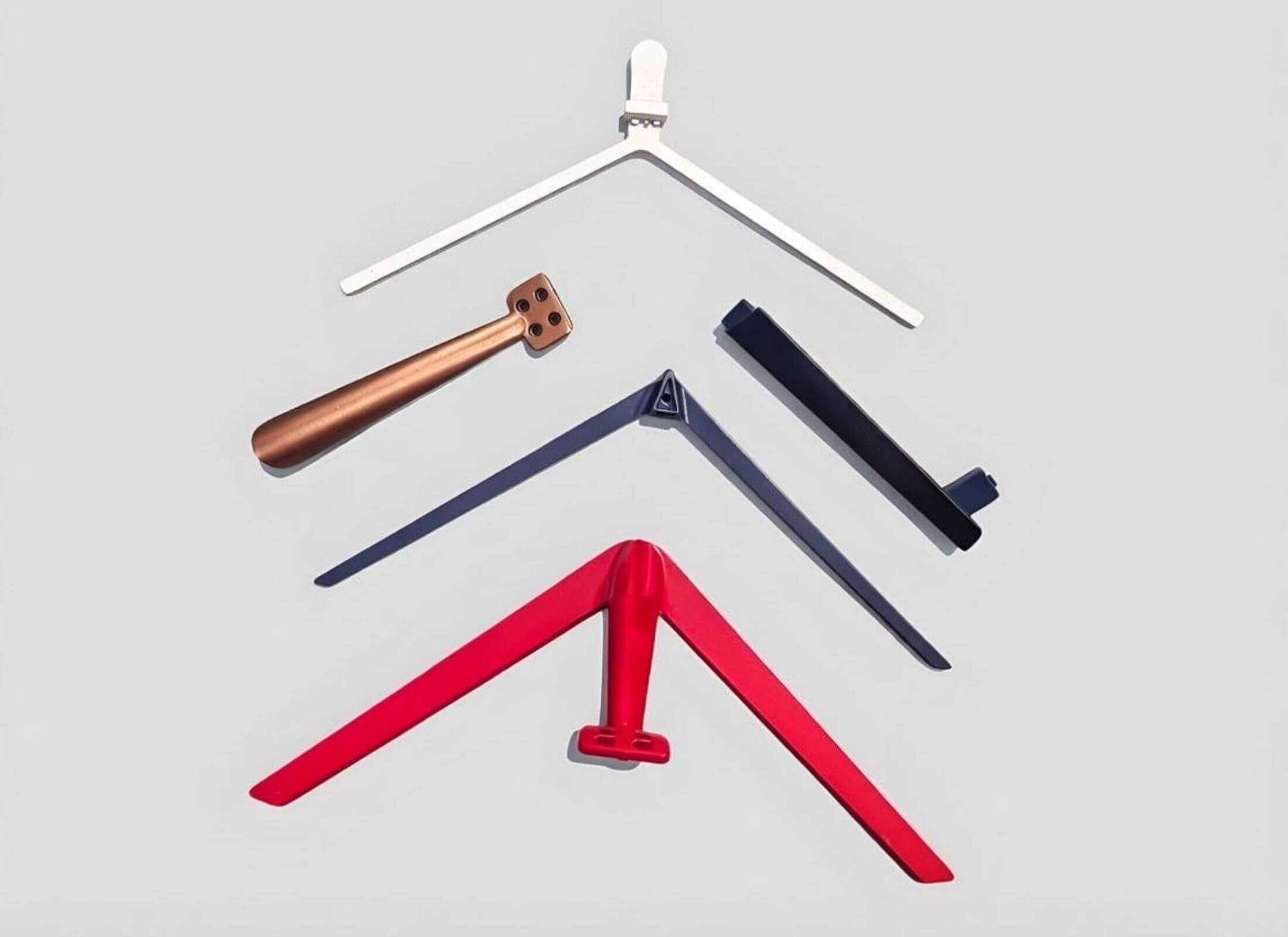
¿Cuánto tiempo dura el aluminio con recubrimiento en polvo?
La durabilidad del aluminio con recubrimiento en polvo depende de dos factores principales: la calidad del recubrimiento y las condiciones ambientales a las que se ve sometido. Los objetos de interior conservan su belleza original durante largos periodos de tiempo, pero los de exterior están expuestos a la luz solar directa, a los cambios de temperatura, al contacto con la humedad y a la acumulación de suciedad, lo que reduce su durabilidad y provoca la pérdida de color. Una limpieza frecuente y la reparación inmediata de los daños mecánicos contribuirán a prolongar su vida útil.
Recubrimiento en polvo frente a pintura del aluminio
Tanto el recubrimiento en polvo como la pintura líquida son aptos para piezas de aluminio. Sin embargo, tienen fines distintos. En comparación con la pintura líquida, el recubrimiento en polvo ofrece una resistencia a la abrasión mucho mayor, una buena uniformidad de la capa y una mayor durabilidad a largo plazo. Por otro lado, la pintura líquida es más adecuada para componentes que no pueden calentarse para el curado de los recubrimientos en polvo o que requieren un pintado in situ.
En la producción a gran escala, el recubrimiento en polvo suele desempeñar un papel predominante, ya que resulta más fiable y eficaz. Por otro lado, para el servicio técnico sobre el terreno, las reparaciones, los artículos de gran tamaño y los conjuntos sensibles al calor, los recubrimientos líquidos pueden resultar más prácticos y adecuados.
Consideraciones económicas
Hay diversos factores que influyen en el precio del recubrimiento en polvo del aluminio. La complejidad de las piezas, su tamaño y peso, el número de unidades, la preparación necesaria, el tipo de polvo, el color, la textura y los costes de mano de obra en la región donde se presta el servicio son algunos de los factores más habituales. Aunque el proceso puede resultar más caro que un trabajo de pintura convencional, su durabilidad hace que merezca la pena.
En resumen
El aluminio no solo se puede recubrir con pintura en polvo, sino que también es uno de los metales en los que más se utiliza este tipo de recubrimiento. El recubrimiento en polvo del aluminio ofrece un acabado resistente que puede resultar muy atractivo desde el punto de vista estético, ya sea en fachadas arquitectónicas, barandillas, mobiliario de exterior o piezas de automoción. Los mejores resultados en el recubrimiento en polvo del aluminio se consiguen gracias a una combinación de tres factores: una buena preparación de la superficie, el polvo adecuado y el proceso de curado correcto.
Pues bien, ¿Se puede aplicar pintura en polvo al aluminio?? La respuesta es sí. Un recubrimiento en polvo aplicado correctamente puede proporcionar un acabado bonito, duradero, resistente a la corrosión y de gran valor a los productos de aluminio.
0 Comentarios