
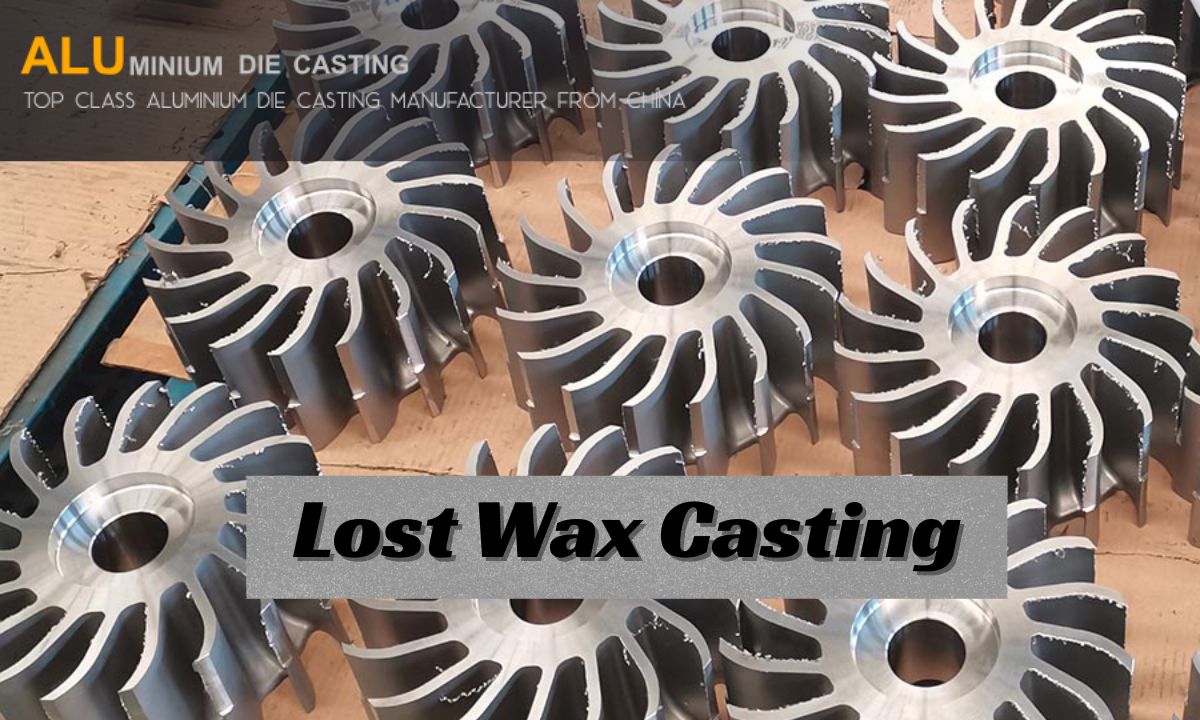
The needs of manufacturing industries have shifted to demand precision, longevity and good finishes in their demand. One of the processes that is yet to be done in regards to producing all three is the lost wax casting. The process is an archaic yet a highly advanced manufacturing process which allows the manufacturers to produce the compound metal parts with exceptional precision as well as the surface finishes.
Lost wax is significant to modern production whether aerospace parts or jewelry and industrial machine. The firms that require the services of the lost wax casting are often those that require high quality metal components in their production to ensure high results and cost-effectiveness.
This article will deal with the lost wax casting works, the advantages of lost wax casting work, its applications, the materials and the application of lost wax casting suppliers who could be the most suitable one in your manufacturing needs.
What Is Lost Wax Casting?
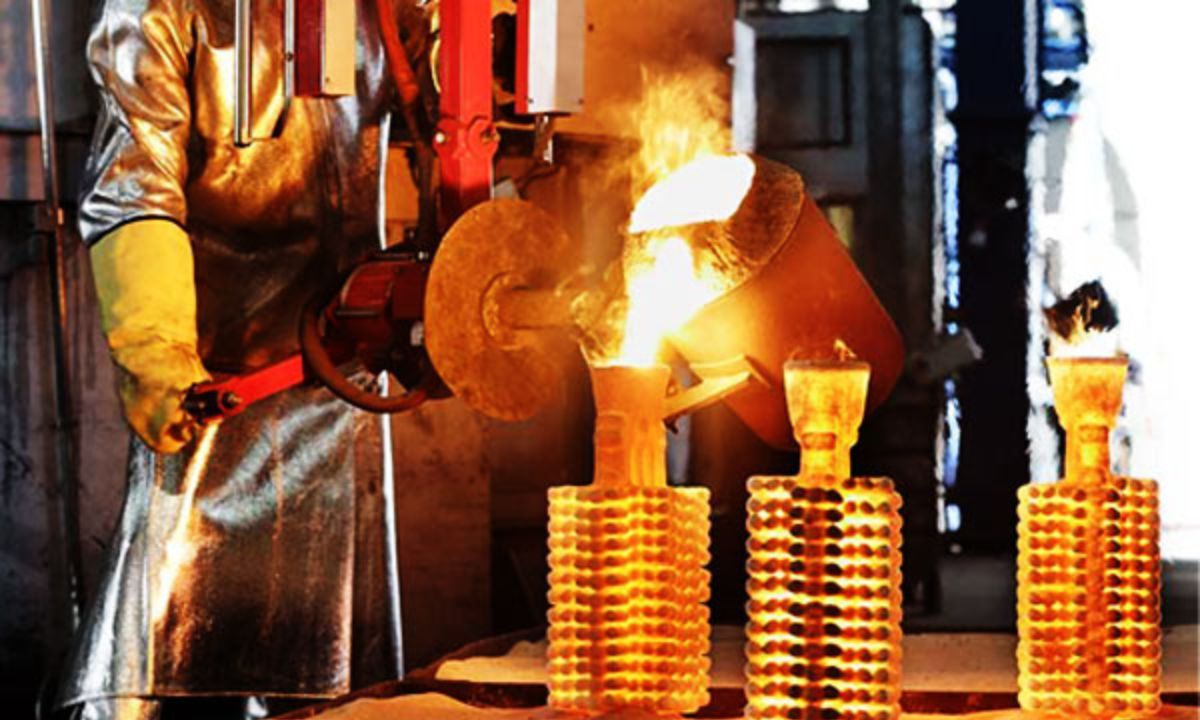
Investment casting, which is also known as lost wax casting, is a manufacturing process whereby a wax cast is prepared and enclosed by a ceramic material to create a mold. Once the hardness of the mold is achieved the melt down of the wax is carried out and thus the name lost wax cast. The hollow is then filled with the molten metal so as to make a precise metal component.
The history of this technique can be traced back to thousands of years, but initially it was used in sculptures and jewelry. It is now evolved into a much-controlled industrial operation in order to produce complicated forms which are difficult or impossible to manufacture by traditional machining, and this is the by-product of contemporary engineering.
Lost Wax Casting history
The history of lost wax casting dates back to a period of over 5000 years. Ancient civilizations in Egypt, China, and Mesopotamia utilized this technique in the creation of objects of decoration, tools and religious objects.
When technology started to develop, it was in the knowledge of the industries that similar technique would produce accurate mechanical parts. The lost wax casting has evolved to be one of the most certain manufacturing methods on earth in these eras and eras of automated systems, some of the best materials and quality control.
Processo passo dopo passo
The lost wax casting is a technique that has several stages that must be followed accurately and offer a high degree of precision and a quality surface. Each of the steps is important to the manufacturing of proper and strong metal elements.
Wax Pattern Creation
This is carried out by initially creating a wax model which is an ideal replica of the design of final product. Molten wax is poured into a metal mold creating a fine pattern. It is a wax shape of the shape, size and finish of the actual metal part. Any weak point in this may affect the final product and therefore one should be sensitive to this.
Assembly of Wax Patterns
The patterns are pasted over a number of waxes that are attached to a major piece of wax referred to as sprue in a tree-like pattern. The design will facilitate many parts to be produced at a time, which will be economical and reduce the production costs.
Ceramic Shell Formation
The wax is dipped into a slurry consisting of ceramic and sprinkled with fine sand, and the process is repeated. A coating of one layer was dried followed by coating another layer till a major shell of ceramic was created and could withstand high temperatures.
Wax Removal
This coated mold is heated in a furnace and the wax melts off. What it leaves within the ceramic shell is a hollow cavity that is the important one in lost wax cast.
Pouring, Finishing and Cooling of Metals
The soft molten metal is then added to the cavity and cools down and solidifies. The cast pieces are then cleaned, polished and examined to produce quality and accuracy by breaking off the ceramic shell.
Raffreddamento e solidificazione
After getting the molten metal cast, it is left to dry in a controlled condition in the ceramic cast. The metal at this point gradually melts and takes the form of a mold cavity. Cooling must be done carefully as uneven cooling could lead to cracks, shrinkage or internal stress. The manufacturers are very keen on the temperature and cooling time so that the final component would be strong, durable and that its dimensions are not distorted. The shell of the ceramic is removed to expose the raw casting when the metal has hardened.
Finitura e ispezione
The final step is on appearance and quality improvement. Metal that is not used in the sprue system is cut off and the metal parts cleaned by grinding, polishing or sandblasting. Additional machining is employed to achieve small tolerances in the event that it is required. When it is finished, all the parts are inspected through strict inspection processes such as checking of dimension, surface quality and in certain cases, checking of X-ray or pressure. These quality control measures would ensure that the end product would be of the required industry standards and could be used in the actual world.
Materials Used in Lost Wax Casting
The flexibility of materials would be one of the main advantages of the lost wax casting. The various metals that can be utilised by manufacturers are:
- Acciaio inox
- Carbon steel
- Leghe di alluminio
- Brass and bronze
- Titanium alloys
- Nickel-based superalloys
This flexibility allows the lost wax casting service providers to fit in the different industries that have different performance requirements.
The Lost Wax Casting has principal advantages
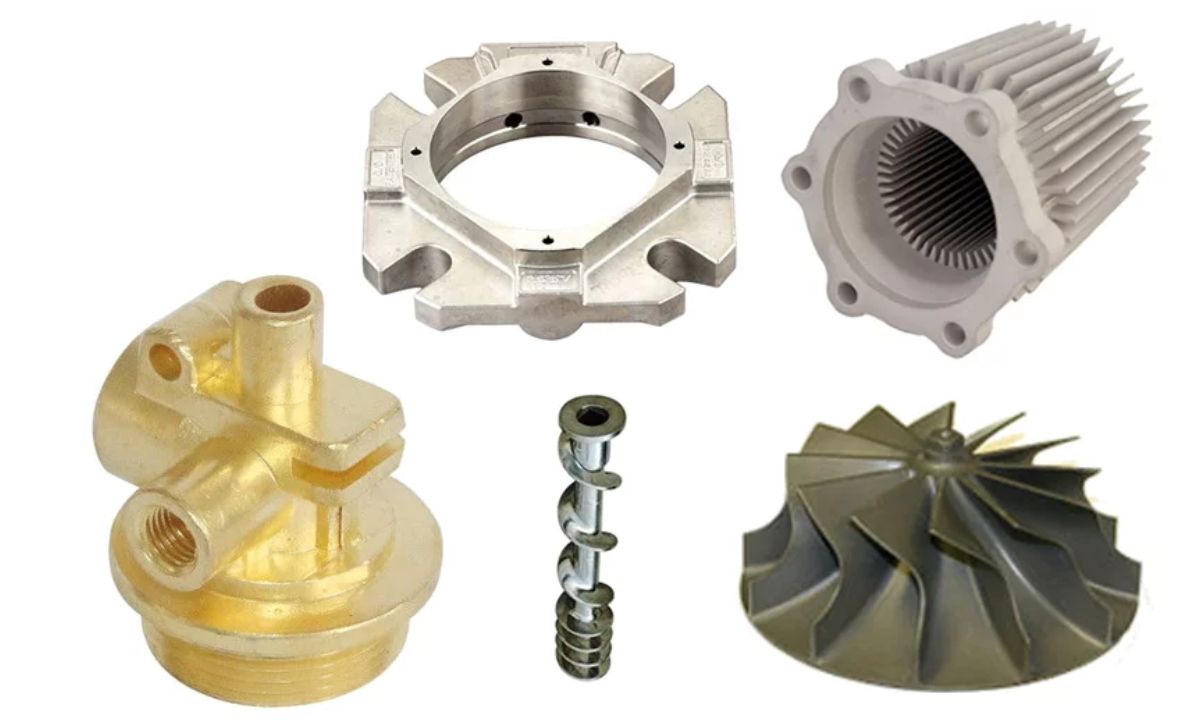
The process of lost wax or investment casting is an extremely popular approach to manufacturing that is used to create very thin and accurate metal components. Its precision and effectiveness are usual in its application in aerospace, automotive, medical equipment and jewelry manufacturing sectors. There are many advantages associated with the process that make it a more preferable choice over other obsolete ways of producing.
Alta precisione
The lost wax casting has numerous advantages, including the fact that it produces parts in tight tolerances and high dimensional fidelity. The wax pattern used in the process is similar to the final design that is regular and requires minimum corrections. This is valuable precision especially in components that need to be precisely installed into a complex system.
Smooth Surface Finish
Lost wax casting provides a natural smooth surface finish of parts. It has resulted in a scenario whereby cast components require only a little machining or polishing. It will save additional manufacturing processes, save time and production cost without having to sacrifice on quality.
Complex Design Capability
The process allows the manufactures to come up with complicated internal forms and fine geometries, which would otherwise be difficult to manufacture using the old machining or casting process. The detail lines, intricate curves, and thinness of the walls can be done so, without the sacrifice of the strength to leave more design freedom to the engineers.
Efficienza del materiale
The other significant advantage is the efficiency of materials. The casting is quite similar to the shape of the final product, therefore one does not have to cut or scrape out additional material as much. This reduces wastages, raw materials will be cheaper and this will assist in greener manufacturing procedures.
Medium to Large Production is low cost
The lost wax cast is also cheap particularly in manufacturing multiple of the same parts. Once the tool and the mold is prepared, the manufacturers can produce the components of same parts in large numbers with minimal labor and finishing costs. This qualifies it as a perfect medium to high volume production run.
Overall, the lost wax casting is a precise, flexible and efficient method to embrace hence the reason why it is a reliable and cheap process.
Companies that make use of Lost Wax Casting
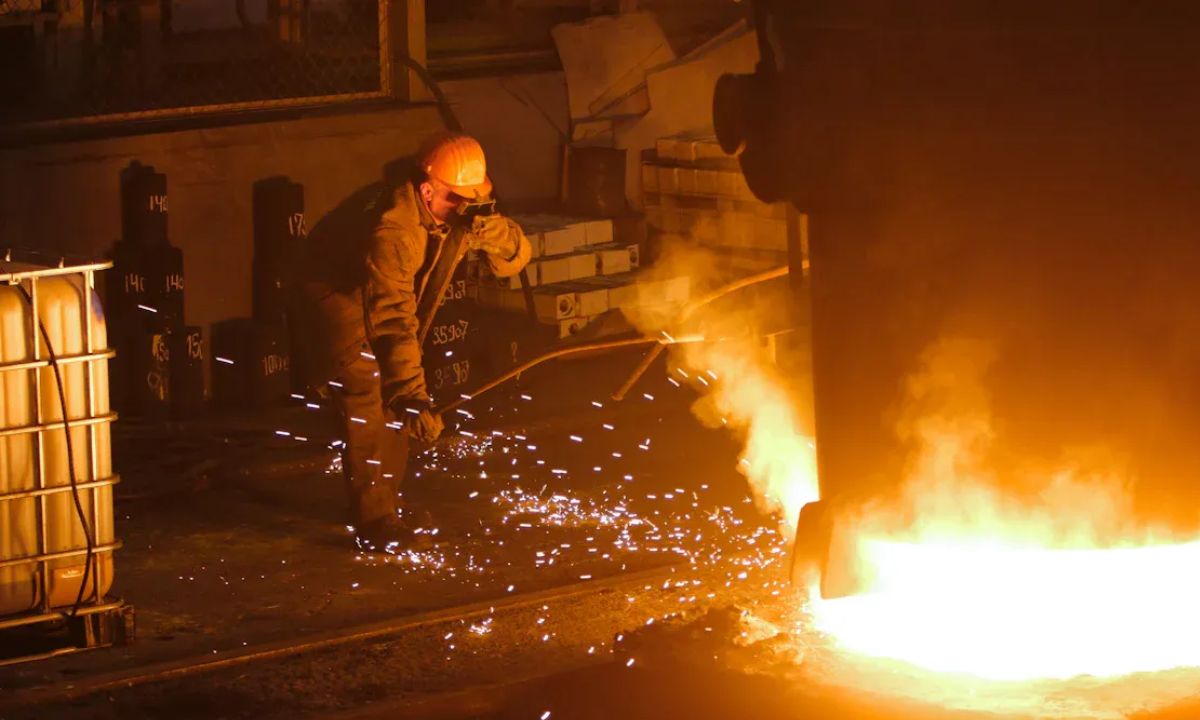
Investment casting, also known as lost wax casting, is a metal production process that commonly finds extensive use in production of metals of a precise and finished component. It is the high accuracy and the elaborated designs and finish of surfaces that allow it to be valued within the most varied range of industries. These are the key fields in which this method works.
Industria aerospaziale
Aerospace industry needs heavy, lightweight and highly accurate components. Lost wax casting allows manufacturers to engineer such important parts as turbine blades, engine parts and structural assemblies of corresponding sizes and minimum material wastage. Each part must be of high standards as far as safety and performance is concerned and this is a key consideration in the application of aircraft and spacecrafts.
Automotive Manufacturing
Lost wax casting is also popular in automotive industry where it is used in engine parts, turbocharger parts and transmission. The procedure forms high temperatures, high pressure and very highly mechanically strained durable metallic parts. It is also accurate and capable of running effortlessly and doing it over time, which is very crucial both in a regular and high-performance vehicle.
Apparecchiature mediche
The equipments and devices used by the medical personnel should be highly accurate and polished. Lost wax casting can also be applied to make surgical tools and implants and prosthetic elements because it can also replicate complicated designs and is biocompatible. The process has also reduced post production finishing to safer and more reliable medical products.
Oil and Gas Industry
Lost wax casting is commonly used to make valves, pumps, and anti-corrosion components of the oil and gas industry. The process produces complex shapes which can withstand harsh environment, high pressure and against chemical exposure to offer durability and dependability to extreme applications.
Jewelry and Art
The design flexibility of lost wax casting is very high and this renders the jewelry and art industries very beneficial. The technique is applicable in making rings, necklaces, sculptures and ornaments through the fine details, intricate designs and fine shapes. It enables the artisans to transform their artistic designs into high quality and correct metalworks.
In total, the lost wax casting is a delicate technology in the majority of industries, and moreover, it offers accuracy, productivity, and flexibility in designing to cast a very wide range of applications.
Why Businesses Choose Professional Lost Wax Casting Service Providers
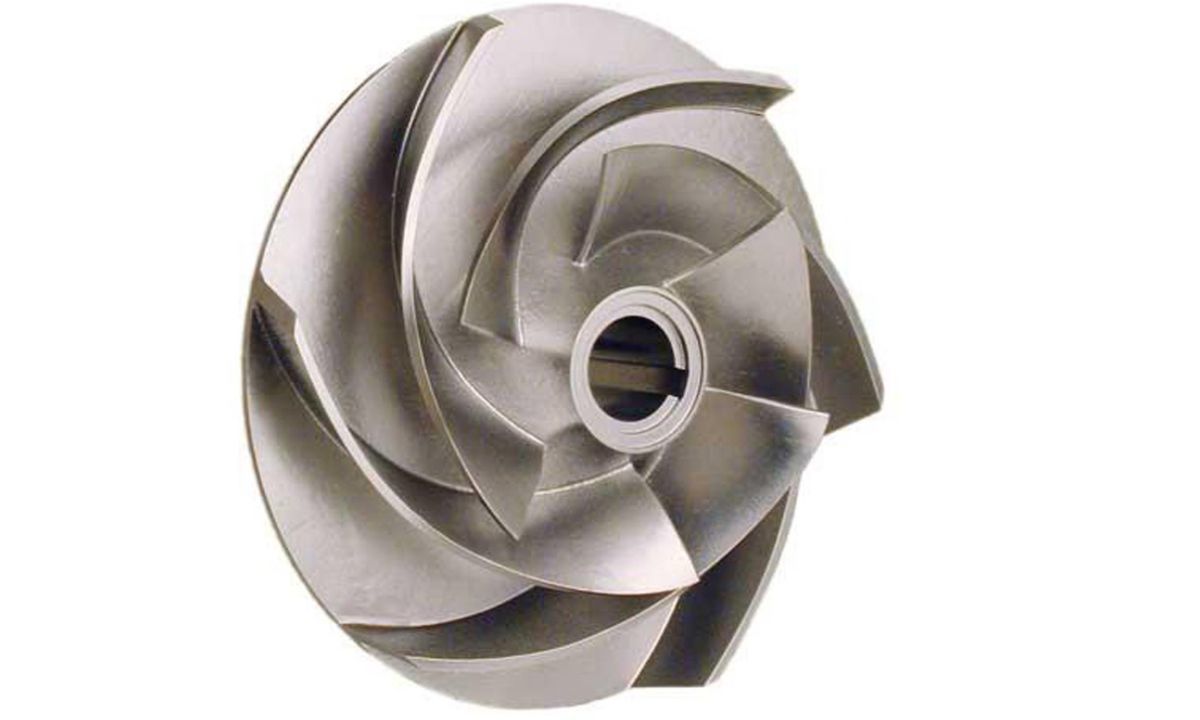
The partnership with well-established casting companies would ensure quality enhancement of the product and low turnover. The following is being provided by professional providers:
- Engineering support
- Design optimization
- Instructions on the choice of materials.
- Quality control testing
- Individual manufacturing services.
The ideal lost wax casting service will decrease the risks of production and increase consistency.
Choosing of the most appropriate Suppliers of the Lost Wax Casting
The selection of the right supplier is of utmost importance in order to make the projects successful. Consider the following problems:
Esperienza e competenza
Choose vendors with experience in the field and with knowledge.
Quality Certifications
Search on the ISO certifications or industrial qualified quality management systems.
Capacità di produzione
Ensure that the supplier can meet your quantity of order and delivery time.
Opzioni di materiale
The most reliable suppliers of lost wax casting avail different alloys.
Capacità di personalizzazione
The supplier must possess custom designs and complex geometries.
Assistenza clienti
In the long-term relationships, new technical support and communication are needed.
Lost Wax Casting Design-Hints
To achieve the optimum results, engineers should follow at least several design principles:
- Maintain the constant nature of wall thickness.
- Internal corners are to be avoided.
- Consider the allowances of shrinkage.
- Design for easy mold removal
- At the start, work with the casting professionals.
Good design planning is used to reduce defect and boost productivity.
Lost Wax Casting Control of Quality
There are strict inspection procedures which are utilized by modern manufacturers and include:
- Dimensional measurement
- X-ray inspection
- Pressure testing
- Metallurgical analysis
- Surface finish evaluation
The checks will ensure that performance and safety requirements of each lost wax cast are realised.
Environmental Benefits of Wax Lost Casting
The lost wax casting may be environmentally friendly compared to the conventional method of manufacturing this product because:
- It minimizes raw materials wastes.
- Reduces the power consumption in machining.
- Allows the utilisation of recyclable metal.
- Produces a smaller amount of emission in lean factories.
The majority of the modern suppliers are now occupied with the concept of sustainable casting.
What do we see in the future of Lost Wax Casting?
Changes in the industry: The industry is still evolving as a result of technology changes:
- 3D printed wax patterns
- Automation and robotics
- State of art simulation software.
- Improved ceramic materials
- Faster production cycles
Even the lost wax casting with the help of these innovations is more efficient and accessible to the industries of the world.
Problems and Solutions of Lost Wax Casting
Even though the lost wax casting is a highly accurate and versatile technique, the manufacturers have several issues that they should address in order to achieve a high production level. One should be aware of such problems and methods of resolving them to achieve a consistent result.
Mold Cracking
One of the most general problems of lost wax casting is mold cracking. This is felt when the ceramic shell in which the wax pattern is covered is too thin or when uneven drying process takes place hence breaking when cast. The solution is to control the thickness of the shell and the process of drying with a fine manner. The manufacturers can create high stability molds that can withstand high temperatures and cannot crack in the casting temperatures through the process of applying a number of layers of ceramic and even drying.
Shrinkage Issues
Shrinkage is another casting issue of metal that is a natural tendency of the metals as they cool. Otherwise it can result in dimensional error and non-specification parts. This shrinkage can be conveniently managed through due observation of the temperature and making patterns where compensatory adjustments to be done. Higher-technology foundries are likely to run predictive models and precise temperature control such that the finished parts may be the sizes desired.
Difetti di superficie
Surface defects can be either rough textures of the cast components, pinholes, cracks, etc that can affect the appearance and functionality of the elements. These defects are normally occasioned by inconsistent crusts of ceramics or air traps during shell-building. Better ceramic coating techniques and close application can be used to reduce the defects.
Status of Suppliers with Time
One should negotiate with the suppliers that have specialized in lost wax casting. The quality control measures that are highly developed along with the monitors allow such suppliers to detect and prevent issues before they can impact the made item. Their capabilities ensure the consistency of quality, correctness of the tolerances and the lowest possible number of corrections after casting.
The benefits of the lost wax casting can be optimized by considering that the cracking of the mould, the shrinkage and surface flaws factors can be appropriately managed in the supplier side with the help of proper techniques and expertise to minimize the challenge involved in the production.
Considerazioni sui costi
Despite the initial increase in the cost of tools being high as compared to the simple methods of casting, the long term savings are also huge as:
- Reduced machining
- Lower material waste
- Faster mass production
- Increased product consistency.
The cheapest option in complex parts can be lost wax casting.
Conclusione
Il lost wax casting is also among the most reliable and the most versatile manufacturing process economical in the present. It is essential in any industry because of its ability to produce advanced and high quality metal products that are highly accurate.
Whether it is the creation of aerospace-related products, medical equipment or ornaments, the partnership with the professional lost wax casting suppliers will ensure that the quality and efficiency are the same. Complex designs can be transformed to the high performing metal products and low production and high durability cost through a reliable lost wax casting service.
As the technology continues to increase exponentially, the lost wax casting will always be a norm of manufacturing precision at its finest, and there will always be an amalgamation between the antiquity of art and the engineer perfection that is today.
Domande frequenti
What is lost wax casting?
It is the process of working with a model in wax, covering it with ceramic, melting it off and replacing with molten metal to produce certain specific and detailed parts.
What materials can be used?
Some of the most common metals include stainless steel, aluminum alloy, brass, bronze, titanium and nickel-superalloy.
What are its main advantages?
Greater accuracy, smooth finishing of the surface, complexity of design capacity, efficiency of material, and affordability of medium-large scale production.
In which industries is the lost wax casting applied?
The technology finds application in the aerospace, automotive, medical, oil and gas and jewelry and art sectors to make accurate and strong components.
What are the issues and how they are addressed?
These issues include such problems as cracking of molds, shrinkage, surface defects, which are solved with the help of sufficient shell thickness, temperature control, the improvement of coatings, and qualified suppliers.

0 commenti