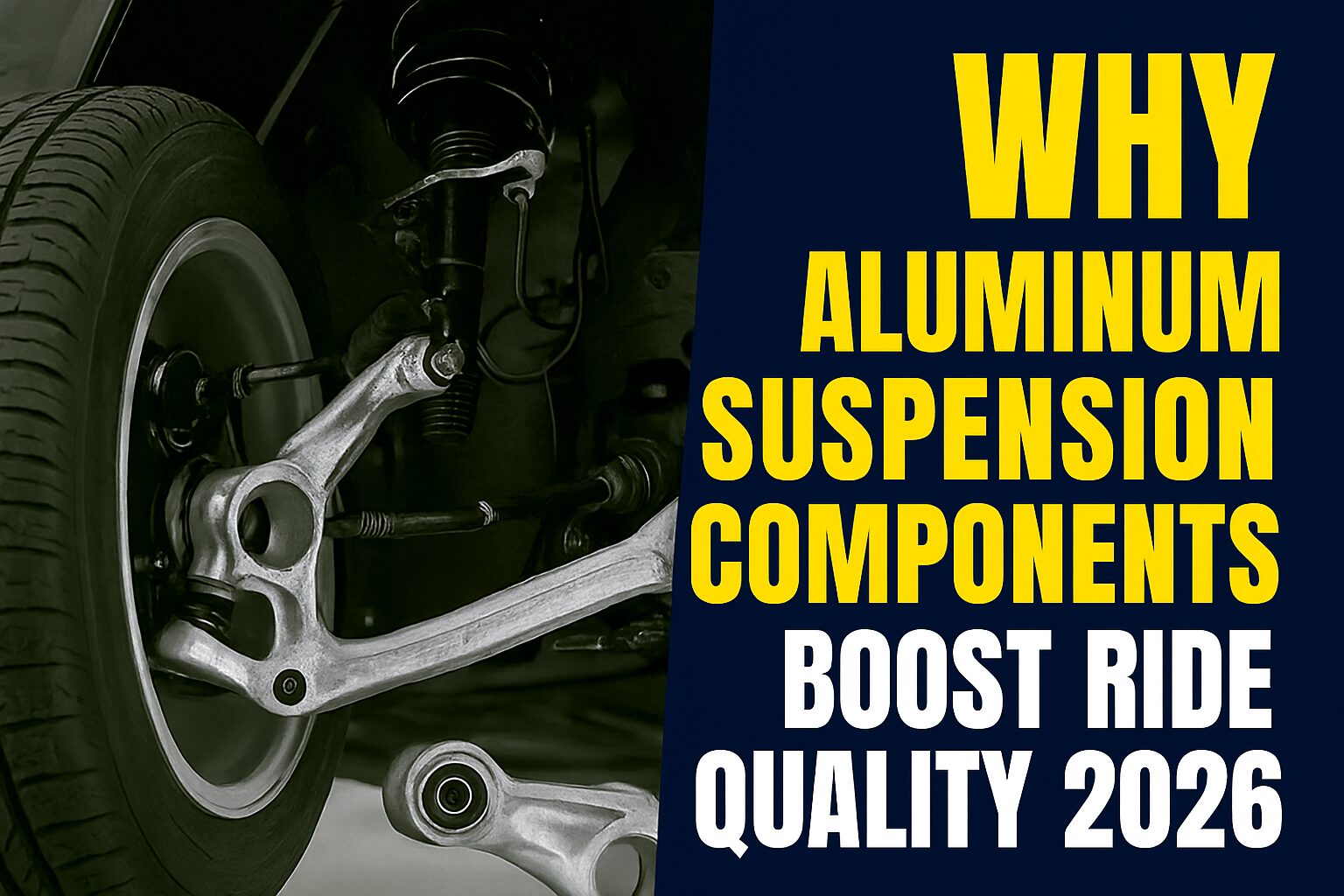
アルミニウム製サスペンション・コンポーネントが乗り心地を向上させる理由 2026

執筆者 | 1月 4, 2026

Learn how aluminum suspension components make rides smoother, lighter, and more comfortable, and why they matter for modern vehicles in 2026.

Why aluminum suspension components boost ride quality in 2026 with lightweight design, vibration control, and advanced durability

The suspension system of your car plays an unsung role as far as riding lightly on the road is concerned. It serves as the shock absorber to your day-to-day grind, and it absorbs all the bumps, potholes and road dents and leaves you in a comfortable position. However not every suspension is equal-inspiring materials matter a great deal and this is where aluminum comes in and takes center stage.

What Aluminum Suspension Components Do

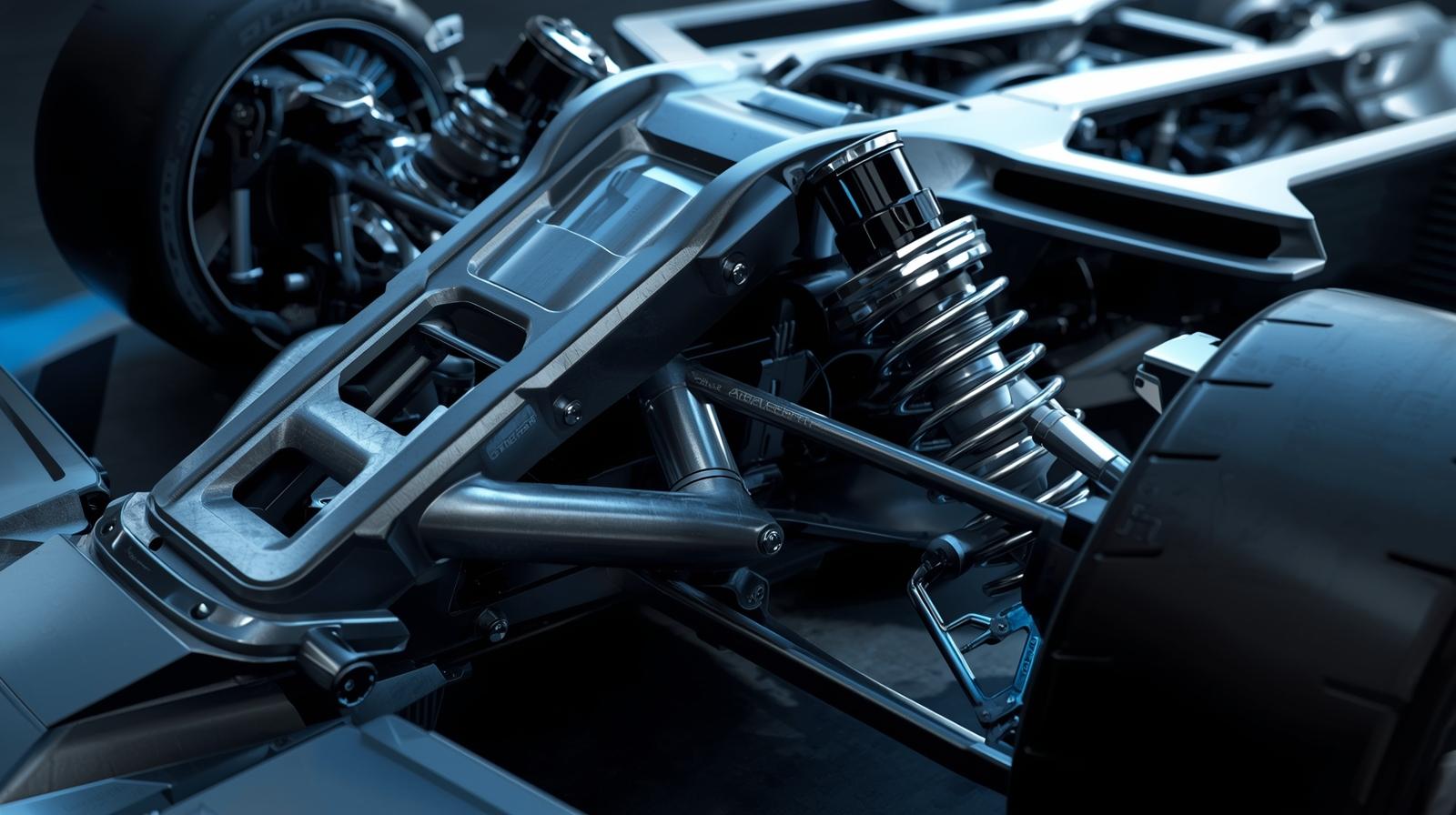
The components that allow their connection to your wheels to their car are the suspension components, which include think control arms, subframes and steering knuckles. They absorb shocks, control the movement of the wheels and stability. They are basically the people in between the road and your comfort.

Common Materials Used in Suspensions

Conventionally, the common material has been steel. It is powerful, inexpensive and consistent. However, there is a negative side to it, and this is weight. More unsprung weight in lighter suspension components can dull the handling and lower the ride quality.

Aluminum as a Material Choice

The material is not new, but it is widely becoming popular within the modern suspension design called aluminum. Why? Let’s break it down.

Properties of Aluminum

Properties of aluminum including lightweight strength, corrosion resistance, conductivity, and recyclability for modern applications

Aluminum properties such as low density, durability, and high conductivity make it vital in engineering and manufacturing

軽量ネイチャー

Aluminum is much lighter than steel and that is why the mass of components is also cut by fifty percent. Such a decrease in weight improves vehicle performance, raises handling agility, reduces unsprung weight, improves fuel economy, and helps to have a smoother suspension response when driving effectively as well as on performance cars.

耐食性

One of the significant strengths of aluminum is corrosion resistance since it creates a natural oxide coating which resists rust. The characteristic puts aluminum suspension parts in the best position when it comes to extreme weather or wet roads, or salty roads, etc. to guarantee an elongated service, as well as less maintenance.

強度重量比

The engineering advantage of aluminum in the suspension systems is defined by the strength-to-weight ratio. Heat treatment and alloying give aluminum high structural strength with no superfluous mass to offer durability, fatigue and reliability without compromising the lightweight nature of the material to achieve optimality in vehicle dynamics.

Types of Aluminum Suspension Components

Aluminum is not a material but it is a design revolution. It is typically applied in the following situation

コントロールアーム

Control arms classified as important tasks in the suspension deal with the alignment of the wheels and the unstable position. The aluminum control arms minimize the unsprung weight, enhance the precision of handling, comfort in the ride, and the level of responsiveness to the suspension besides being strong, durable, and performing well in both good and adverse road conditions.

Subframes

The engine, the drive train and the suspension system are supported structurally by subframes. Aluminum subframes help cut down the total weight of the vehicle, yet maintain rigidity, enhance the chassis balance, fuel economy, suppress vibration, and maintain vehicle stability without any losses to uncompromised safety or structural integrity.

Steering Knuckles

The steering knuckles join suspension, wheels and steering systems. Aluminum steering knuckles reduce unsprung mass, increase the responsiveness of steering, increase directional control, and provide smoother input feedback, hence sharper handling, better road feel, and better performance when cornering and maneuvering.

Links and Brackets

Suspension components are joined and held together by means of links and brackets. Aluminum makes these components of the automotive suspension lightweight, yet strong, to help reduce the total weight, improve the accuracy of suspension and enhance the precision of the suspension, minimize vibration, provide greater accuracy in the alignment, and increase long-term reliability of automotive suspension in the present day.

How Aluminum Improves Ride Quality

How aluminum improves ride quality with lightweight design, vibration reduction, and enhanced handling in modern vehicles

Aluminum components in vehicles enhance ride quality by reducing weight, improving handling, and minimizing vibrations

The magic lies in performance and comfort. The use of aluminum is important here is how.

Reduced Unsprang Weight

Explanation of Unsprung Weight 

unsprung weight suggests the automotive components that are not on springs include wheels, tires, brakes, suspension components. This diminished weight bypass enables the suspension system to respond quicker to road transfers enhancing control, haulage, and the proficiency of the ride all in all.

Effects on Handling and Comfort 

Reduction in the unsprung weight enhances the handling and comfort of the vehicle through faster response of the shock and springs. Tires have increased contact with the road that makes them less vibratory, provide better grip, and simpler ride with increased stability when cornering and daily driving conditions.

Better Responsiveness and Precision 

Lightweight but rigid structure of aluminum allows enhancing better responsiveness and accuracy. Precision in suspension parts also reduces the percentage of inertia, steering is quickened, better feedback and the drivers feel more in control and manageable handling at different speed ranges.

Smoother Absorption of Road Imperfections 

This improves the smoothness of taking up road imperfections since lightweight aluminum suspension responds effectively to bumps, potholes and surfaces that are uneven. Low mass contributes to stability of dampers, which reduce rough impacts and provide a better ride, enhance comfort, and retain tire contact to ensure safer and controlled driving.

Additional Benefits of Aluminum Components

Fuel Efficiency

The efficiency of fuel consumption will be enhanced as a light weight in the form of lighter components of suspension decreases the total weight of the vehicle. Less mass uses less energy to accelerate and decelerate, an important improvement in mileage, fuel uses, and helps in improving the performance of the emission in daily driving roles, but still maintains the ride comfort, handling and stability as well as efficient operation of the powertrain in daily driving situations.

Longevity and Durability

Aluminum suspension components have strong aspects such as longevity and durability. Aluminum of nature resists well against rust and with the right design and engineering, it is capable of cyclic performance under stress and fatigue, mitigating the occurrence of cracks and a longer lifespan of the components when exposed to different driving loads, climatic conditions and under long term operating conditions.

美的アピール

The use of aluminum suspension components boosts the aesthetic value of the components since well-polished or anodized surfaces appear clean and contemporary. The protruding items found on wheel wells or engine bays provide a high-quality/ performance-based look which is attractive to enthusiasts and helps to establish the perceived quality of the vehicle and refinement of the design.

Comparing Aluminum vs. Steel Suspension Components

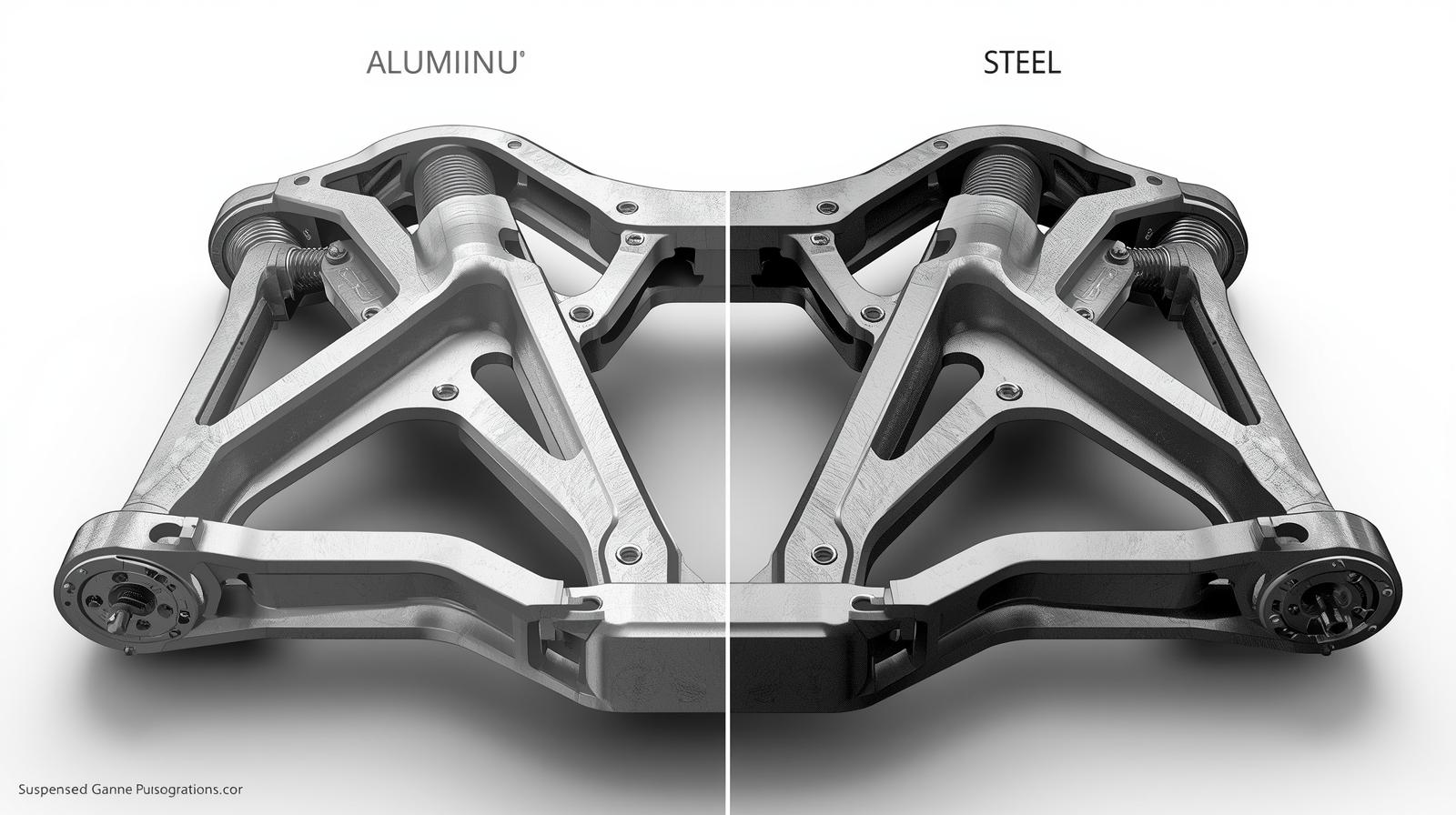
Comparing aluminum vs steel suspension components in automotive manufacturing focusing on weight, durability, and performance

Aluminum and steel suspension components compared for strength, weight reduction, and ride quality in vehicles

体重の違い

The difference in weight has swayed the aluminum way significantly given the fact that it has a lower density resulting into less unsprung weight. This directly impacts positively on the quality of ride, precision in handling, acceleration and braking. The less stress on tires and chassis components results in lighter suspension components to be more effective, comfortable and greatly improves the overall vehicle dynamics of the vehicle when forced to drive in normal conditions.

Performance Differences

What is shown in the performance is that there exists an optimal strength of aluminum, optimal responsiveness of aluminum, and optimal comfort as well. Whereas steel is very rigid, it can be replaced by aluminum to provide the best possible suspension tuning, less vibration and provides better response to the steering too. This translates to easier handling, superior command on the roads and assured performance under diverse driving circumstances and conditions.

コストに関する考察

These factors of cost usually favor steel at the beginning because aluminum parts are more expensive at the outset. Nonetheless, aluminum suspension has the potential of saving money in the long run with its increased fuel efficiency, lesser corrosion, extended service life and less maintenance requirement, and is therefore very cost-effective on a long-term basis to many of their owners.

Common Misconceptions About Aluminum Components

Perceived Fragility

Another myth is perceived fragility where the modern aluminum alloys are designed to be of high strength, fatigue resistant, and impact durable. On-state magazines and heat treatment provide the aluminum suspension components with high performance under harsh loads and driving conditions.

メンテナンス要件

Aluminum suspension does not require as much maintenance as steel. Periodic inspection and cleaning, and suitable fastener torque are normally adequate since aluminum is resistant to rust, corrosion minimizes failures in the structure, and directs structural integrity with simple preventative care.

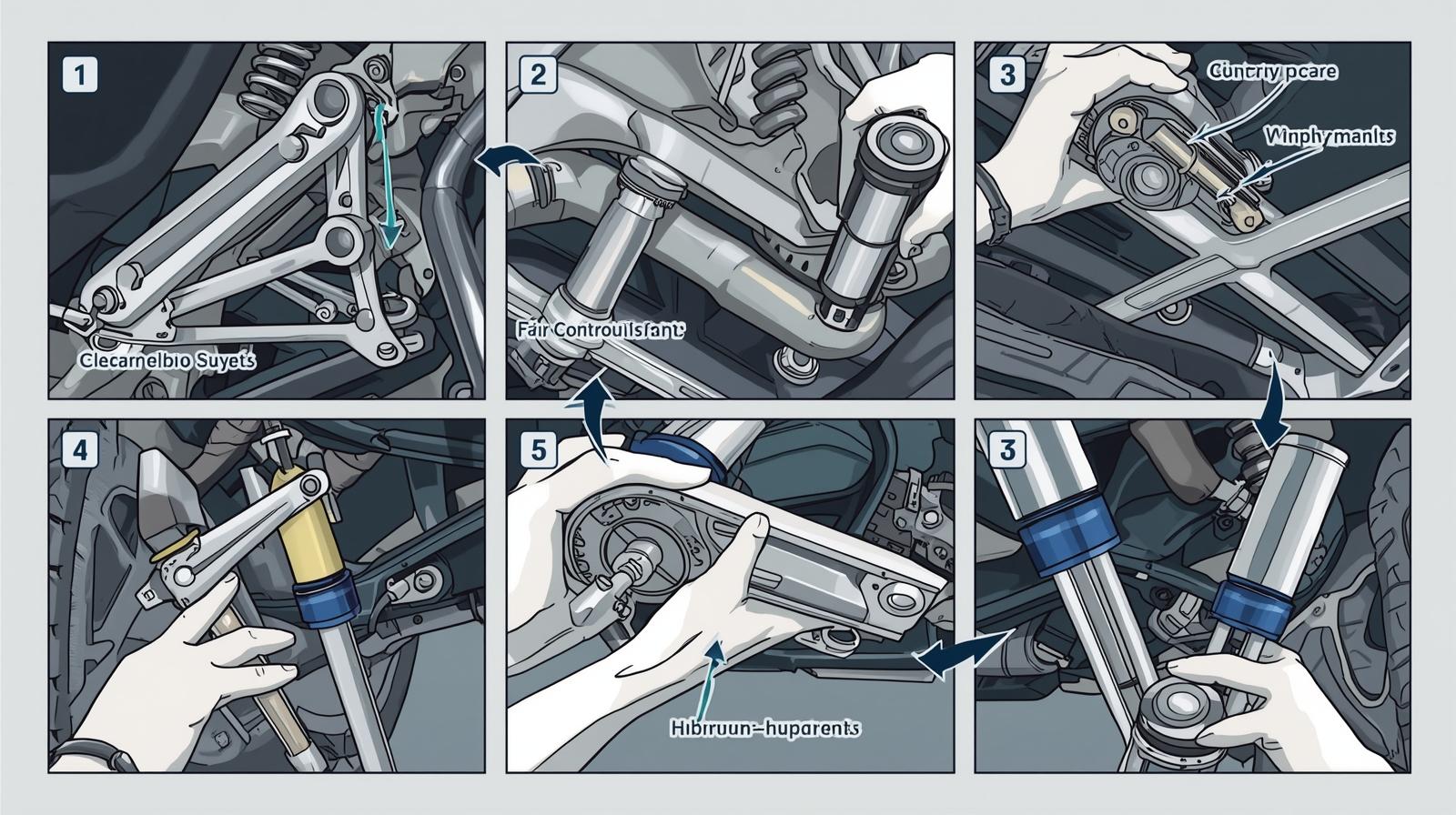
Installation Considerations

Installation considerations in automotive and industrial manufacturing focusing on safety, precision, and efficiency

Key installation considerations include safety, proper alignment, material compatibility, and long-term performance

Compatibility with Vehicle Models

At the vehicle model compatibility is essential since not all chassis, geometries of suspensions or mounting points allow the use of aluminum parts. Verification of the specifications of manufacturers, guarantees a suitable fitment, carrying capacity, safety, performance integrity as well as avoidance of untimely failure or problems in handling, and long-term reliability.

Cost of Replacement Parts

Both cost of replacement parts is expensive compared to steel, both in terms of material and processing. Nevertheless, to the owners, the initial cost, though considerable, can be realized over time, as aluminum suspension provides weight loss, resistance to corrosion and increased handling, fuel consumption and durability.

Real-World Applications and Case Studies

Sports Cars and Performance Vehicles

The performance vehicles and sports cars employ the use of aluminum suspensions to reduce the unsprung weight, ensure that they offer more handling dynamics, majorly improve cornering stability, and be more responsive. Lighter than usual control arms and links enhance quicker acceleration, accurate steering, enhanced deceleration capacity, and over-all high-performance driving features.

Passenger Vehicles 

Aluminum suspension is beneficial to everyday passenger cars in terms of reduced ride comfort, increased fuel efficiency and reduced vehicle weight. The reduced weight reduces the stress of chassis parts, reduces vibration, increases durability and helps them to drive smoother, long-lasts with respect to reliability and cost-efficient daily driving capability.

Tips for Maintaining Aluminum Suspension Components

Tips for maintaining aluminum suspension components including cleaning, inspection, corrosion prevention, and proper lubrication

Regular maintenance of aluminum suspension components ensures durability, safety, and long-term performance in vehicles

Regular Inspections

Routine checking aids in the detection of cracks, metals fatigue, deformation, or other strange wear in good time. Proactive preventative maintenance involves routine checking of aluminum parts, suspension arms, and joints by vision and touch to decrease risk of failure and enhance both safety and services and decrease maintenance expenditure due to the presence of the proactive maintenance approach.

Cleaning and Corrosion Prevention 

Corrosion prevention and cleaning cause removal of contaminants, road salts and moisture which enhance degradation. Despite the resistance of aluminum to corrosion, frequent washing, protective coating, and appropriate drainage procedures maintain the integrity of the surface, inhibit the galvanic corrosion, improve its durability, and sustain maximum functionality in harsh conditions.

Torque and Fastener Checks

Torque checks and fastener checks make sure that bolts, nuts and bushings are clamped exactly to the specification. Right torque will eliminate loosening, vibration, misalignment and premature wear and safeguard suspension geometry, load, and structural integrity and enhance reliability, ride quality, and overall vehicle safety performance.

Future Trends in Aluminum Suspension Technology

Future trends in aluminum suspension technology focusing on lightweight design, durability, and advanced automotive performance

Innovations in aluminum suspension technology enhance vehicle performance, efficiency, and sustainability for next-generation mobility

先進合金

Highly developed aluminum alloys are designed with a higher degree of strength, lightweight and fatigue resistance as compared to the traditional aluminum. These alloys enhance the suspension advantages, inhibit weight reduction, and extend the life expectancy of the components in harsh driving styles by means of optimization in terms of composition and heat treatment.

Hybrid Suspension Designs

Hybrid suspension designs are designed with a mix of aluminum and carbon fiber or composite material. This combination is a combination of the strength of aluminum and the stiffness to weight ratio of the carbon fiber to make ultra-light and highly responsive parts that greatly enhance the comfort of their vehicles, the focus of their handling, and in addition to that, fuel efficiency, to the next level in terms of vehicle suspension technology.

結論

Modern vehicles can demonstrate great benefits by means of aluminum suspension components, which reduce weight, enhance handling and comfort in the ride. They are more efficient and responsive, as their corrosion resistance, durability, and high strength-to-weight ratio are upgraded. To the performance enthusiasts and the everyday driver, the performance in terms of suspension can be improved through aluminum-based suspension upgrades that are long-lived, have higher performance in terms of driving and fuel economy among other things.

よくあるご質問

Do aluminum suspension products belong with off-road carriages?

Yes, they are very light and robust, which are useful in keeping their handling ability and also withstanding rough terrain.

Is there any special maintenance of aluminum parts?

Not really. They do not need frequent cleaning and inspection as aluminum is resistant to corrosion.

Does a shift to aluminum suspension lead to a better fuel consumption?

Yes, the unsprung is made smaller and the entire weight will reduce the fuel consumption in the long run.

Do aluminum parts of suspension cost more than steel?

Upfront, yes. But the cost is usually compensated by their length of life and level of performance.

Does aluminum suspension break readily when put on stress?

No, contemporary alloys of aluminum are made against high strength (non-fatigue), and they are both durable and can stand the daily and occasional use of everyday and performance driving.

お問い合わせ


こちらもおすすめ

0コメント

コメントを提出