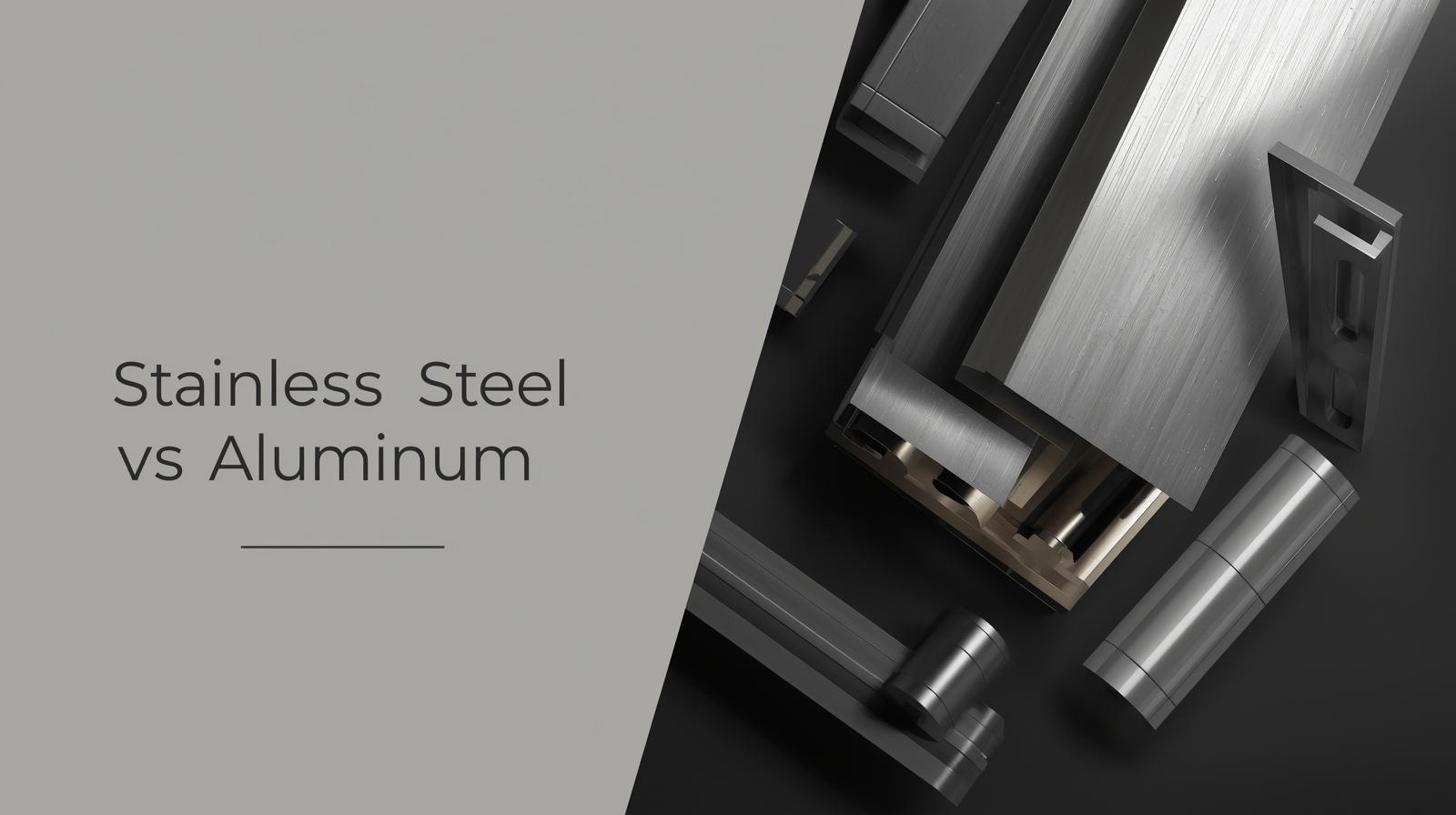
Stainless Steel vs Aluminum: How to Make the Best Choice for Your Product Design

執筆者 | 12月 1, 2025

Learn the simple differences between Stainless Steel vs Aluminum to choose the right material for your product design with confidence.

Stainless Steel vs Aluminum

The selection of the appropriate material is easily one of the biggest decisions you will make when designing a product. It may be the construction of kitchen appliances or automotive parts or consumer electronics, the stainless steel vs aluminum war usually boils down to this conflict. Each of the materials has its distinct merits however, which one is best will depend upon your project. We shall put it all in a very simple, conversational manner to enable you to make the best decision.

目次

Understanding the Basics


What Is Stainless Steel?

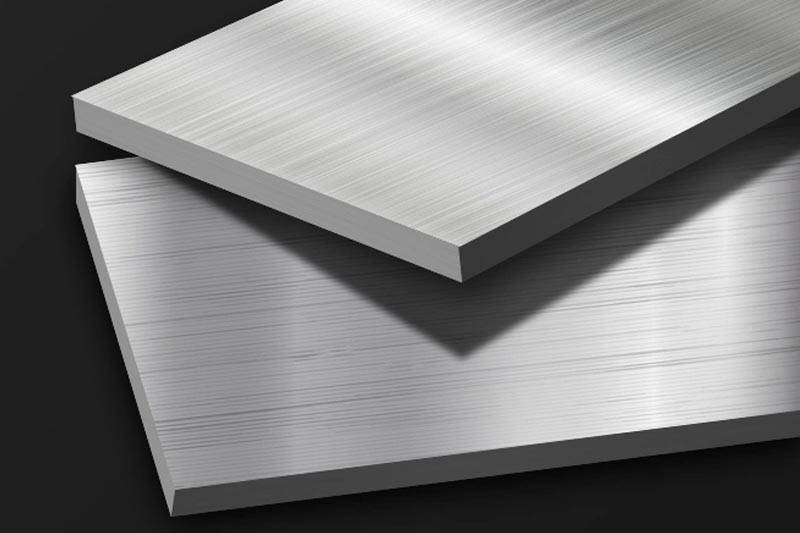
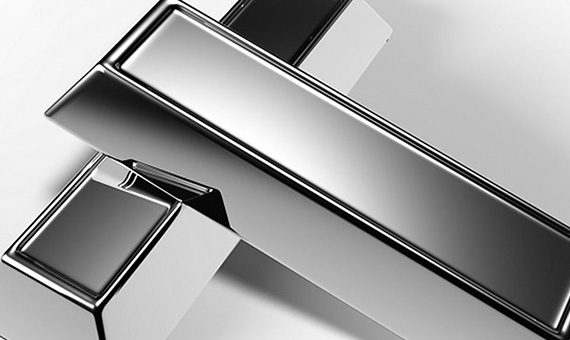
Stainless steel surface highlighting strength, corrosion resistance, and industrial applications in construction and manufacturing

Stainless steel showcasing durability and corrosion resistance for modern construction and manufacturing.

Stainless steel comprises an alloy differentiated by iron, chromium, and nickel. It is known to be famous in its resistance to rust and stains because of its chromium. You have used a stainless steel pan; you have watched industrial machines at work, you have seen this hard and shiny stuff at work.

What Is Aluminum?

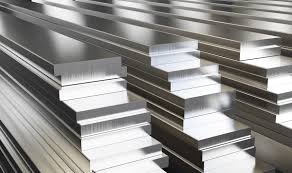
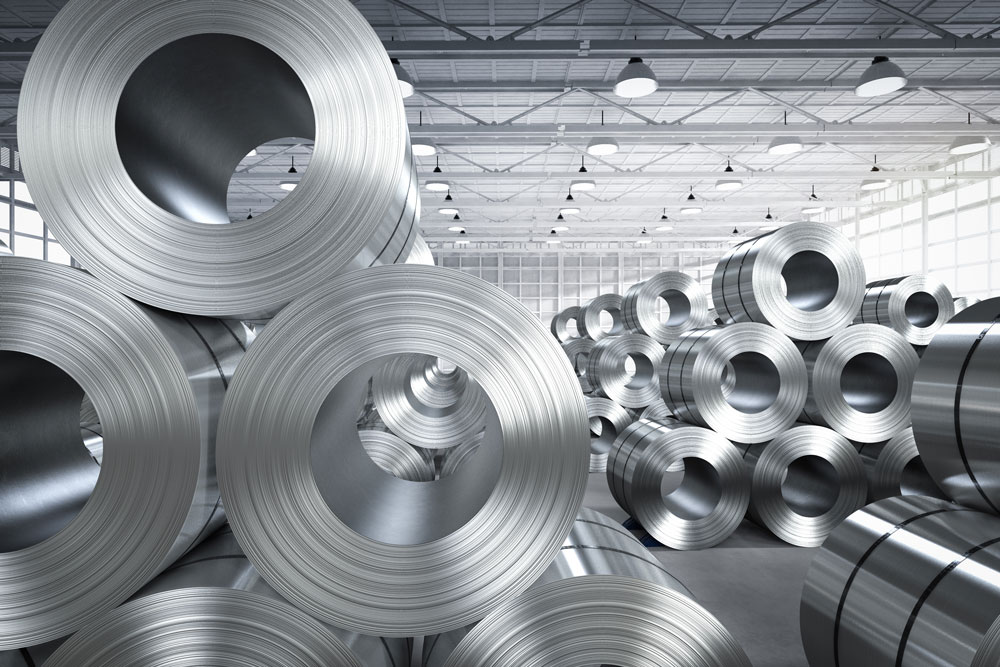
Aluminum surface highlighting durability, corrosion resistance, and versatile use in construction and manufacturing

Aluminum showcasing strength, corrosion resistance, and common applications in construction and industrial manufacturing.

Aluminum is a metal that is lightweight and silver colored, as well as, strong and flexible. It is very popular in any low-weight industry such as in the aviation, electronics, and packaging industries.

Stainless Steel vs Aluminum Full Comparison Table

特徴 ステンレス・スチール アルミニウム
重量 Heavy; increases product weight and reduces portability Extremely lightweight; ideal for portable or weight-sensitive products
強さ Very strong and resistant to impact, deformation, and wear Strong for its weight, but overall weaker than stainless steel
耐久性 Exceptional long-term durability; suitable for high-stress use Good durability, but dents and scratches more easily
耐食性 Excellent resistance to rust, staining, and moisture Naturally corrosion-resistant, but can corrode in salt or acidic environments without coating
耐熱性 Withstands very high temperatures; doesn’t warp easily Lower heat resistance; melts at a lower temperature
熱伝導率 Poor thermal conductor; slower to heat or cool Excellent thermal conductor; ideal for heat sinks, electronics, and cookware
電気伝導率 Poor conductor of electricity Very good electrical conductor; widely used in wiring and power systems
コスト More expensive to buy and machine Generally cheaper and more cost-efficient for mass production
加工性 Harder to cut, shape, and weld; increases production time Very easy to machine, shape, and weld
美的アピール Premium, polished, or brushed finish; high-end look Sleek and modern appearance, but scratches more easily
Weight-to-Strength Ratio Strong but heavy 優れた強度対重量比
メンテナンス Requires regular cleaning to remove smudges or fingerprints Easier to maintain but surface scratches show more
持続可能性 Highly recyclable; long lifespan reduces waste One of the most recyclable materials; low recycling energy cost
代表的なアプリケーション Kitchen appliances, medical tools, industrial equipment Aerospace, electronics, automotive parts, beverage cans
最適 Heavy-duty, high-heat, corrosion-prone environments Lightweight, conductive, cost-sensitive designs


Key Differences Between Stainless Steel and Aluminum

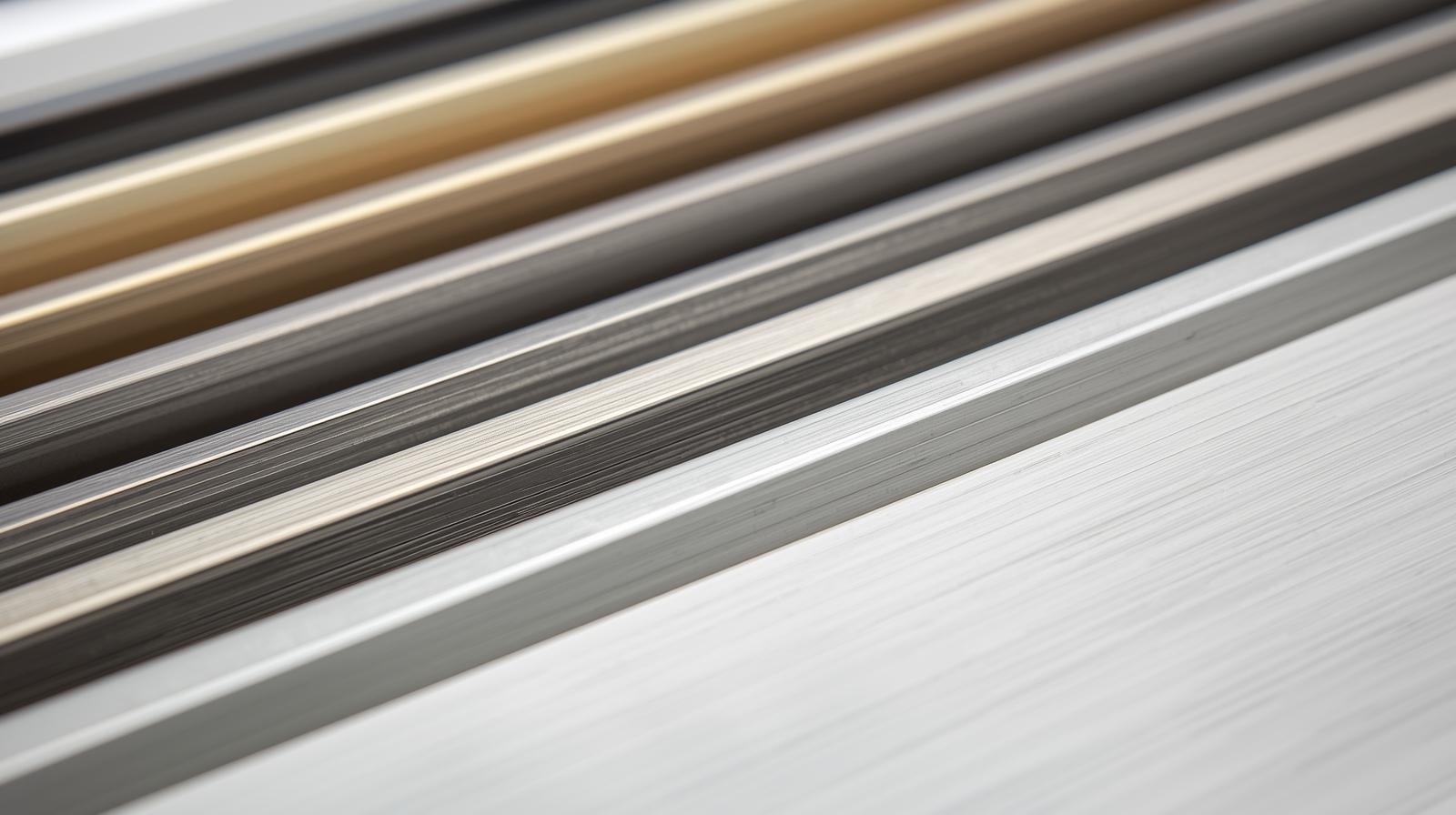
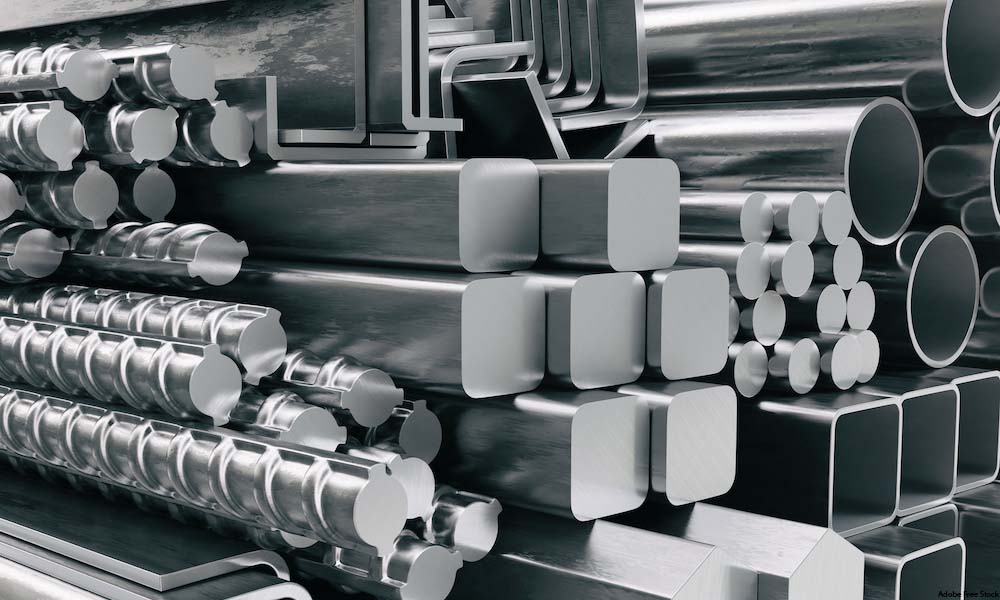
Comparison of stainless steel and aluminum highlighting durability, corrosion resistance, and uses in construction and manufacturing

Stainless steel vs aluminum showcasing strength, corrosion resistance, and common applications in construction and manufacturing.

強度と耐久性 

引張強度

When the primary criterion is the strength, the stainless steel comes by a mile. It has increased tensile strength and is, therefore, suitable in heavy loading such as machineries, building, and tools.

耐衝撃性

Sudden impacts are better also dealt with in stainless steel. Aluminum is softer and easy to dent as it is durable.

Wear and Tear Over Time

Stainless steel can take longer to wear out when applied to stress-related cases, whereas aluminum might reveal indicators of wear sooner when in an environment that requires a lot of friction or high impact scenes.

Weight and Density

Why Weight Matters in Product Design

Weight can make or break a design in most industries such as in the aerospace industry, the automotive industry or electronics. Less weight could imply efficiency.

Aluminum’s Lightweight Advantage

The weight of aluminum is one-third of stainless steel. This makes it the more desirable application in a case whereby portability or fuel efficiency is essential.

When Heavier Stainless Steel Wins

The thing is that weight is occasionally a plus. When it comes to luxury items such as the kitchen cookware provided by stainless steel and you want to have a solid feel or durability.

耐食性

How Stainless Steel Handles Corrosion

The stainless steel forms a protective coating that retards rusting due to chromium. Nevertheless, it also may corrode in the high-salinity or harsh chemicals environment.

Aluminum Oxide Layer Explained

Aluminum oxides which are natural covering protect against being corroded. This is why it is perfect due to its use in the outdoor or marine conditions.

熱伝導率

Aluminum wins big here. It conducts heat far more effectively than stainless steel which is why it is ideal in such products as heat sinks and cooking vessels.

電気伝導率

Where electrical conductivity is of consideration, then better use aluminum. It is also very much conductive as compared to stainless steel, and it has common uses in wiring and power networks.

コスト比較

Material Cost Differences

Aluminum is not very expensive in the pound. However, it being lighter, much is less and therefore economical in big projects.

Manufacturing Costs

Aluminum can be machined and shaped with ease thus the cost of production tends to be low. Stainless steel is more energy demanding and has to be worked on more powerful tools.

Long Term Value and Maintenance Costs.

Stainless steel can be more expensive but in many cases it can be cost-effective over the long run. Aluminum is cost efficient both in the original entry and manufacturing.

Aesthetic and Finishing Options

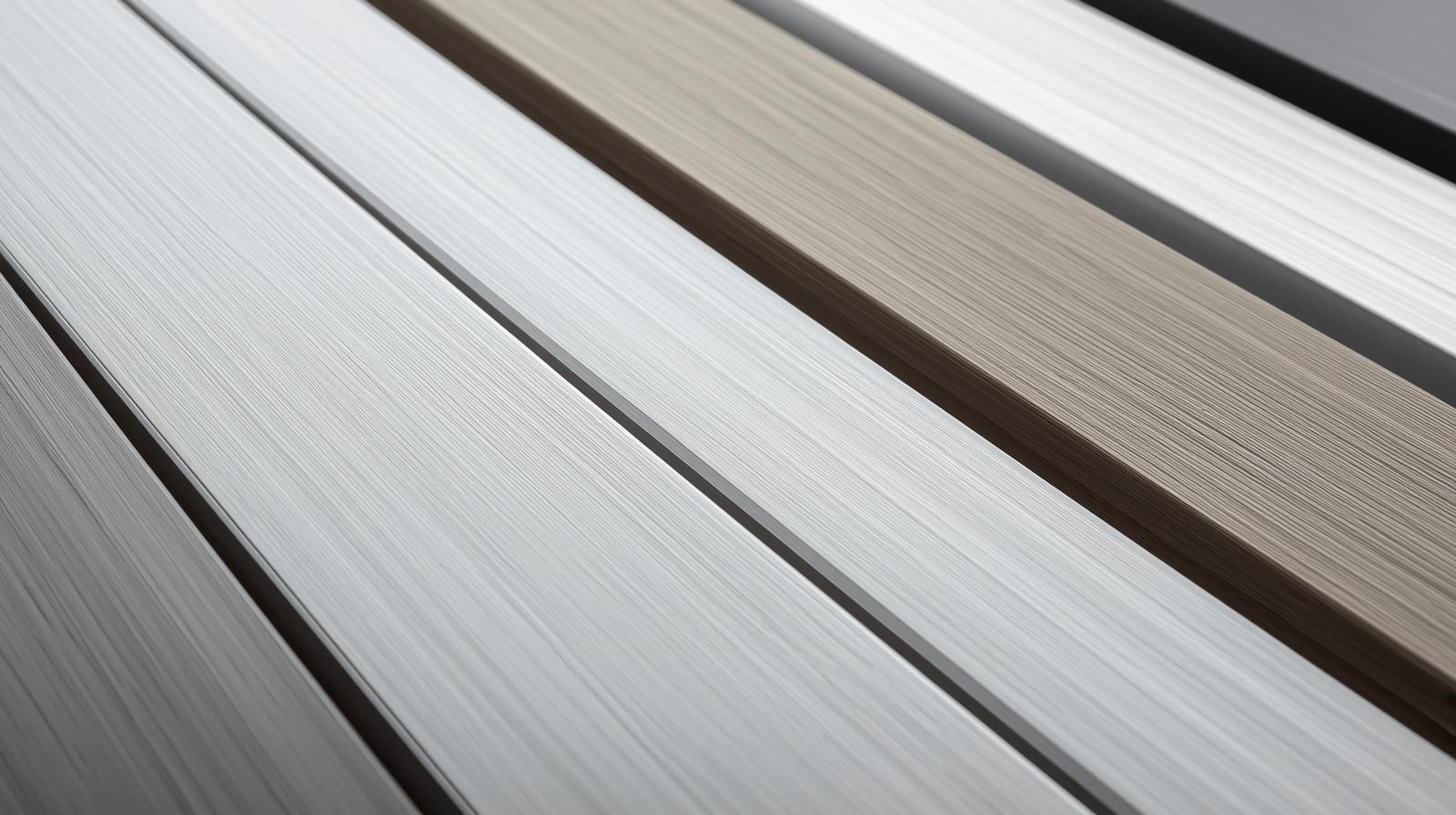
Comparison of stainless steel and aluminum highlighting durability, corrosion resistance, and uses in construction and manufacturing

Stainless steel vs aluminum showcasing strength, corrosion resistance, and common applications in construction and manufacturing.

Look and Feel of Stainless Steel

Stainless steel gives a high end and refined appearance that is synonymous with upscale and stability. It is applied mainly in the home appliances and in expensive products.

Look and Feel of Aluminum

Aluminum may be brushed, anodized or matte. It is modern and lightweight ideal with laptops, phones and consumer goods.

Surface Coating 

The two materials can be finished or coated either to enhance durability or to look good. Colored anodizing is especially popular along with alkali protection, such as alkali anodizing.

Pros and Cons of Stainless Steel & アルミニウム

Pros and cons of stainless steel and aluminum highlighting durability, corrosion resistance, and uses in construction and manufacturing

Comparison of stainless steel and aluminum showcasing strengths, weaknesses, and applications in construction and manufacturing.

Pros of Stainless Steel 

Superior Durability and Strength

Stainless steel is a valuable material that is characterized by great strength and capacity to bear heavy weight, trauma and wear. This renders it suitable to structural elements, tools and industrial machines that have to withstand continuous operation.

Exceptional Corrosion and Rust Resistance 

Due to the presence of chromium, stainless steel will naturally make a protective oxide layer. This layer renders it to be suitable in an environment that is vulnerable to water, moisture or chemical- application like in a kitchen, marine use and laboratory.

Excellent Heat Resistance

Stainless steel will retain its integrity at a very high level. That is why it is commonly used in ovens, grills, exhaust systems, and machinery, which is subject to heat.

Low-Maintenance Hygienic Surface.

It is non-porous and its smooth surface does not trap bacteria, odors or stains. The stainless steel is also exceptionally simple to clean hence it is used in hospitals, commercial kitchens, and food production plants.

Premium High-End Appearance 

The use of stainless steel gives the consumer products such as appliances, water bottles, and furniture a sleek, modern, and business look which is a value addition to them.

Long Service Life

Having a lifespan of decades, stainless steel products remain unchanged in terms of performance and structural integrity and make it a reliably sustainable and cost-effective option in the long term.

Cons of Stainless Steel

Higher Cost Compared to Many Materials

Aluminum and mild steel are cheaper than stainless steel as their materials, refining and manufacturing complicate the cost.

Heavy Weight

Density of stainless steel results in increased weight of products which is not required in products such as aviation, lightweight electronics or portable product.

Difficult to Fabricate and Machine 

Special equipment is usually needed to cut or shape stainless steel. This has the capacity to raise labor, machining time and the general cost of production.

Prone to Fingerprints and Smudges 

Stainless steel surfaces tend to have fingerprints and oils as well as smears even though they look good. This implies that it requires regular cleaning to ensure that it is shiny in appearance.

Lower Electrical and Thermal Conductivity

Stainless steel is also a bad conductor compared to aluminum. It is therefore not applicable in applications that require good heat transfer or electricity.

Pros of Aluminum

Extremely Lightweight

Compared to stainless steel, アルミニウム is a third of the weight, and it is ideal in products that require portability, have to be carried, or fuel efficiency, such as bicycles, airplanes, and laptops.

Very good Thermal Conductivity.

It serves as a very good heat conductor and that is why aluminum is widely applied in cookware, radiators, and electronic heat sinks.

Strong for Its Weight

Aluminum is also lighter though it performs incredibly in consideration of its weight performance. When appropriately alloyed it can be subjected to everyday use without bending easily.

High Electrical Conductivity 

The power lines and other electrical systems are primarily made out of aluminum as it is much less expensive to make compared to copper or steel and also it conducts electricity more effectively.

Naturally Corrosion-Resistant

To prevent the corrosion of aluminum, a thin layer of oxide is made. Its corrosion resistance is further increased with more coatings or anodization.

Easy to Machine and Form

It can cut, shape, weld or extrude with much ease into different forms. Aluminum is the favorite of manufacturers since it reduces the time and cost of production.

More Affordable

Compared to stainless steel, aluminum is normally cheaper thus it is cost effective in terms of mass production.

Highly Recyclable

It is among the world metals that are highly recycled. It does not use much energy to recycle the aluminum as recycling of aluminum only consumes about 5 percent of the energy required to make new aluminum.

Cons of Aluminum

Not as Strong as Stainless Steel

Although the ratio of its strength to weight is great, aluminum is not as strong and impact-resistant as stainless steel.

Susceptible to Dents and Scratches 

Aluminum is softer and hence dents, bends and scratches easily especially in high impact activities.

Lower Heat Resistance

Aluminum melts at a much lower temperature than stainless steel which makes it not suitable in preparing high heat based jobs like heavy-duty cookware or exhaust systems.

Can Corrode in Certain Environments 

Aluminum is also corrosion-resistant but when in contact with saltwater, acid or in contact with certain chemicals, it is capable of corrosion unless it has a coating on it.

Poorer Aesthetic Longevity

Aluminum coated containers can wear out, rust or get scratched and therefore need coating or regular replacement to maintain a new appearance.

Can React with Some Foods

Aluminum without a protective coating when used in cook ware will react with acidic or salty food- both affect taste and result in discoloration.

Less Premium Feel

In comparison to stainless steel, aluminum tends to seem less high-end or luxurious, which plays into the hand of perception of the consumer in the deluxe product range.

Best Applications for Stainless Steel vs Aluminum

Comparison of stainless steel and aluminum highlighting durability, corrosion resistance, and applications in construction and manufacturing

Stainless steel and aluminum compared for strength, corrosion resistance, and versatile use in construction and manufacturing.

When to Use Stainless Steel

Your product requires stainless steel whenever it requires:

  • Maximum strength
  • 耐久性の向上
  • High heat resistance
  • A premium, polished look

The typical ones are the kitchen appliances, medical devices, tools, and heavy-duty industrial equipment.

When to Use Aluminum

Choose aluminum in the case of such an undertaking:

  • Lightweight construction
  • Good heat conductivity
  • Lower material costs
  • Ease of shaping

Imagine aircraft frames, laptops, cans of soda and car parts.

Factors to Consider When Choosing the Right Material

Factors to consider when choosing materials highlighting durability, corrosion resistance, and applications in construction and manufacturing

Key factors in selecting construction and manufacturing materials, focusing on durability and corrosion resistance.

Environment and Conditions

Stainless steel can be a better option in case your product needs to withstand moisture or chemicals and extreme temperatures. The Aluminum works well in closed and dry conditions.

Weight Requirements

Assuming that one is concerned with portability, aluminum is the winner by all means. Stainless steel is the top contender when it comes to heavy duty power.

Budget Constraints

Usually, aluminum is the cheaper variant to use particularly when production is at a large scale.

Aesthetic Preferences

The stainless steel has a high end appearance which is difficult to resist. The aluminum is smooth and contemporary but does not feel as luxurious.

Comparing Their Sustainability

リサイクル性

Both aluminum vs stainless steel are very recyclable. Nonetheless, the process of recycling aluminum also consumes significantly less energy, and it makes it one of the most sustainable metals.

環境への影響

This makes the production of stainless steel more energy intensive on the whole, although it is long lasting and reusable and as such makes the lifetime environmental impact of both materials less.

Real-World Examples

Stainless steel: 

  • Refrigerator, cookware’s, bottles of water.
  • Aluminum: Bike, cans, Smartphones.

Industrial Uses

  • Stainless steel: medical equipment, construction, oil pipelines.
  • Aluminum: Planes, solar panels, engine parts of automobiles

Choosing the Right Material for Your Producy

Choosing the right material for your product highlighting durability, corrosion resistance, and applications in construction and manufacturing

Key factors in selecting product materials, focusing on durability, corrosion resistance, and industrial applications.

Step-by-Step Material Selection

  • Select the purpose of your product.
  • Establish environmental factors.
  • Assesses strength and weights requirements.
  • Take into account cost of budget and production.
  • Make decision regarding aesthetics and branding.
  • Select the material which is most appropriate in all criteria.

考慮すべき要素

  • 重量
  • 強さ
  • Corrosion exposure
  • Aesthetic needs
  • Budget
  • Manufacturing complexity

Industry-Specific Recommendations

  • 航空宇宙 アルミニウム
  • Food processing: Stainless steel.
  • Consumer electronics: Aluminum.
  • Industrial machinery: Stainless steel.

避けるべき一般的な間違い

  • Choosing aluminum due to its cheaper cost only.
  • Use of stainless steel where weight is the matter of concern.
  • Not taking into consideration the risks of environment-based corrosion.

結論

Whether it should be stainless steel or aluminum is a matter of your design needs of a particular product. Stainless steel is the best solution in case you want to be strong, durable, and with high-quality aesthetics. Aluminum may be your best bet in case you are worried about weight, cost and the flexibility. The two materials are strong and all you need to do is to align the strength of the material with the objectives of your product.

よくあるご質問

What is more durable; aluminum or stainless steel?

The higher corrosion resistance and strength make stainless steel more resistant to corrosion and consequently more durable.

What is more fit to be used outside?

Stainless steel is more efficient in the outside world and this aspect is mostly evident in humid climates or areas where there is harsh weather.

Is the cost of aluminum cheaper than that of stainless steel?

Yes, aluminum is usually cheaper to manufacture as well as less demanding.

Who is greener a paper or a plastic?

They both can be recycled, although the cost of recycling energy is less in aluminum, and it is generally more eco-friendly.


お問い合わせ

こちらもおすすめ

カスタムアルミダイカスト

カスタムアルミダイカスト

ダイカストの世界では、アルミニウムが最も広く使われている金属です。アルミニウムは、その軽量性と高い...

0コメント

コメントを提出

jaJapanese