
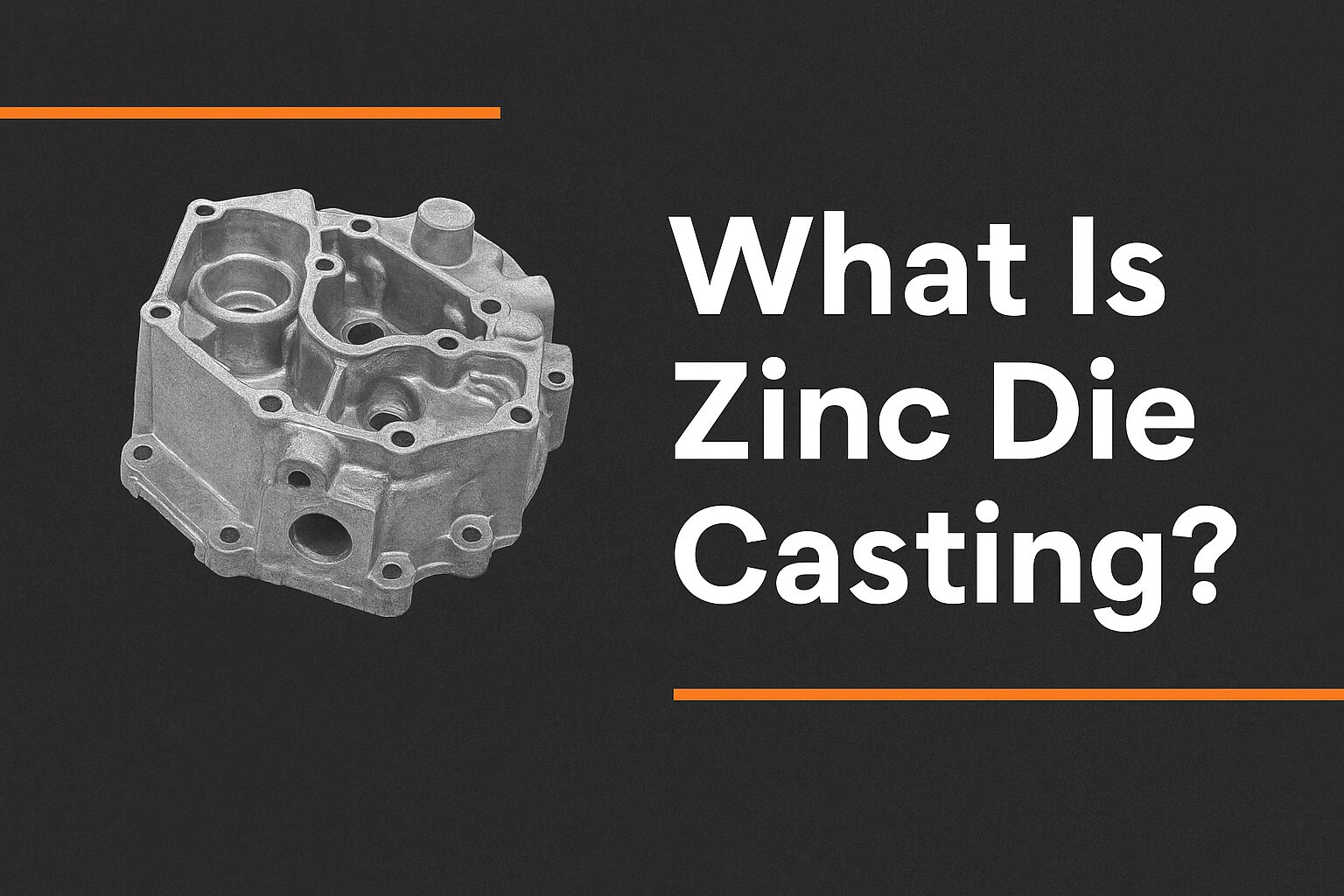
Odlewanie ciśnieniowe cynku to metoda produkcji, która polega na poddawaniu stopionego stopu cynku wysokiemu ciśnieniu, które wtłacza stop cynku do stalowej formy. Rezultat? Mocne, dokładne i wytrzymałe części metalowe, które znajdują zastosowanie w różnych branżach. Jeśli kiedykolwiek dotykałeś klamki do drzwi, breloczka do kluczyka samochodowego lub nawet laptopa, istnieje duże prawdopodobieństwo, że odlewanie ciśnieniowe cynku miało z tym coś wspólnego.
Krótka historia i ewolucja
Odlewanie ciśnieniowe zostało wynalezione w połowie XIX wieku i początkowo było wykorzystywane w poligrafii. Z biegiem czasu branże odkryły, że cynk ma doskonałe właściwości odlewnicze - niską temperaturę topnienia, płynny przepływ i dokładniejszy wynik. Obecnie odlewanie ciśnieniowe cynku jest ważną częścią współczesnej produkcji, czy to samochodowej, czy elektronicznej.
Dlaczego cynk? Zalety tego materiału
Cynk jest doskonałym tematem z wielu powodów:
- Niska temperatura topnienia = niskie zużycie energii.
- Wysoka trwałość i wytrzymałość.
- Naturalna odporność na korozję
- Najlepszy w przypadku skomplikowanych, rozbudowanych formularzy.
Mówiąc najprościej, cynk to złoty środek między siłą, ceną i elastycznością.
Zrozumienie procesu odlewania ciśnieniowego cynku
Proces odlewania ciśnieniowego cynku wykazuje wytrzymałość, odporność na korozję i wszechstronne zastosowania przemysłowe w budownictwie i produkcji.
Przegląd odlewania ciśnieniowego
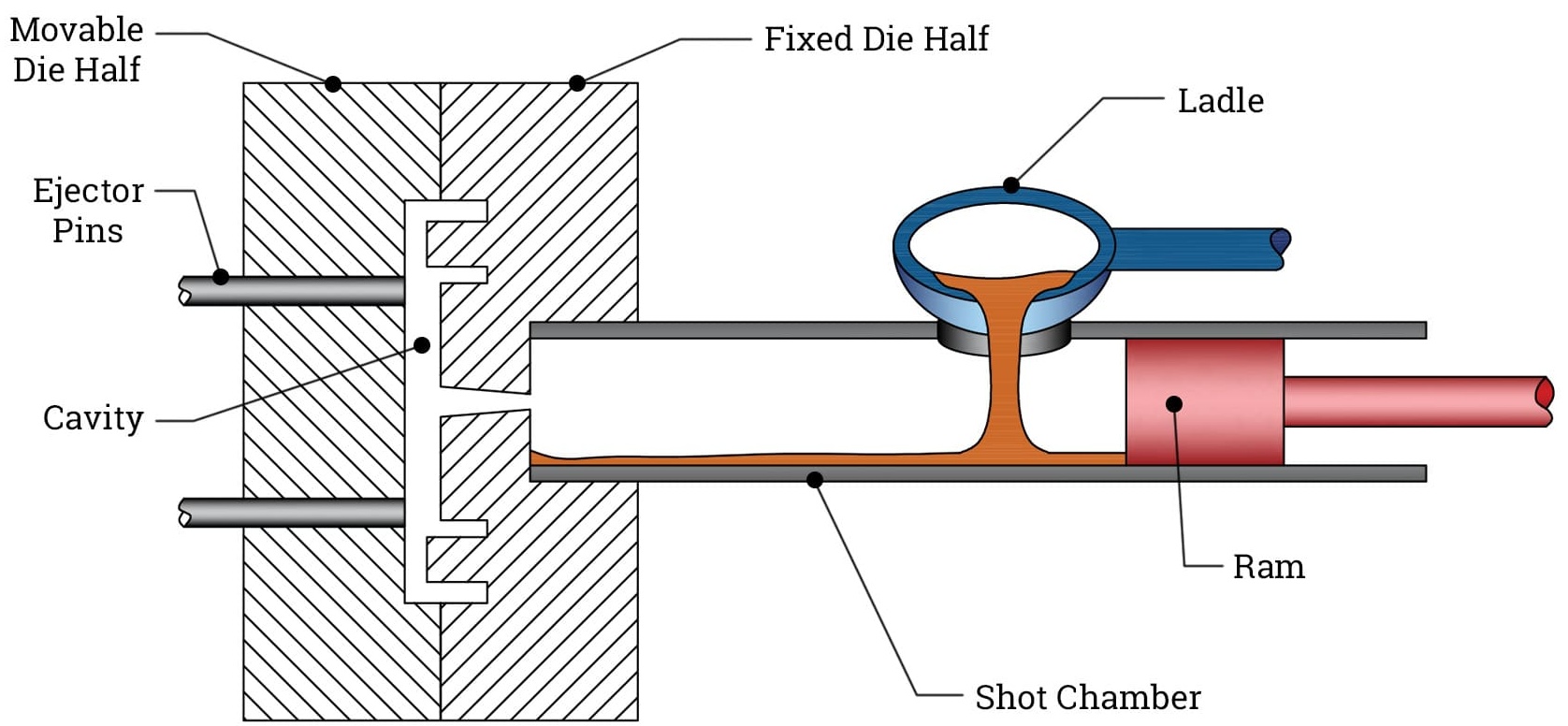
Odlewanie ciśnieniowe polega na wtłaczaniu stopionego metalu pod wysokim ciśnieniem do wnęki w formie. Po ostygnięciu i zastygnięciu metalu, forma jest otwierana w celu uwolnienia idealnie uformowanej części.
Wyobraź sobie, że przygotowujesz gofry, wlewasz ciasto do żelazka, przykrywasz pokrywkę i pozwalasz mu się ugotować, a następnie wyjmujesz. Ale bardziej gorące i o wiele dokładniejsze.
Kluczowe etapy odlewania ciśnieniowego cynku
Przygotowanie formy
Proces tworzenia form obejmuje stworzenie dokładnej matrycy ze stali, która zostanie wykorzystana do odlania kawałka stopionego cynku. Wykończenie formy jest pokryte pewnego rodzaju specjalnym smarem, który pomaga w regulacji temperatury, przywieraniu, a także ułatwia wyjmowanie gotowej części po jej ostygnięciu w łatwy i płynny sposób.
Topienie i wtryskiwanie
Topienie i wtryskiwanie polega na podgrzewaniu stopu cynku w piecu aż do całkowitego stopienia, a następnie poddaniu stopionej substancji działaniu wysokiego ciśnienia i wtryśnięciu jej do formy. Ten szybki proces wtrysku zapewnia, że wszystkie wgłębienia są w pełni wypełnione stopionym metalem, co pozwala uzyskać precyzyjne, drobniejsze i doskonałe elementy odlewane.
Chłodzenie i wyrzut
Po zastygnięciu stopionego cynku w formie następuje chłodzenie i wypychanie. Gdy część ostygnie do kształtu, który może zachować, matryca jest otwierana, a kołki wypychacza wypychają gotową część. Dzięki temu można ją łatwo usunąć bez niszczenia powierzchni części lub jej integralności strukturalnej.
Przycinanie i wykańczanie
Przycinanie i wykańczanie jest aspektem, który dotyczy eliminacji wszelkich pozostałości materiału, który nie jest odlewany. Część można przyciąć i udoskonalić za pomocą dalszych procesów, takich jak polerowanie, powlekanie lub powlekanie, aby poprawić wygląd i trwałość części, a także ogólną jakość powierzchni w zależności od potrzeb produktu.
Rodzaje stopów cynku stosowanych w odlewnictwie ciśnieniowym
Zamak Alloys
Stopy Zamak charakteryzujące się wytrzymałością, odpornością na korozję i powszechnymi zastosowaniami przemysłowymi w budownictwie i produkcji.
Najpopularniejsze są stopy Zamak (cynk, aluminium, magnez i miedź). Stopy Zamak 3, 5 i 7 są również stosowane w komponentach konsumenckich; zapewniają one równowagę między wytrzymałością i opłacalnością.
ZA Alloys
Stopy ZA charakteryzujące się wytrzymałością, odpornością na korozję i powszechnymi zastosowaniami przemysłowymi w budownictwie i produkcji.
Wyższy procent aluminium jest wykorzystywany do produkcji stopów ZA, dzięki czemu są one mocniejsze i trwalsze. Sprawia to, że są one najlepsze w opracowywaniu mocnych części nośnych, które wymagają wytrzymałości mechanicznej i trwałości.
Wybór odpowiedniego stopu
Wytrzymałość, żywotność, odporność na korozję i koszty zależą od zastosowanego stopu. Producenci mają tendencję do sprawdzania potrzeb części przed wyborem odpowiedniego stopu.
Zalety odlewania ciśnieniowego cynku
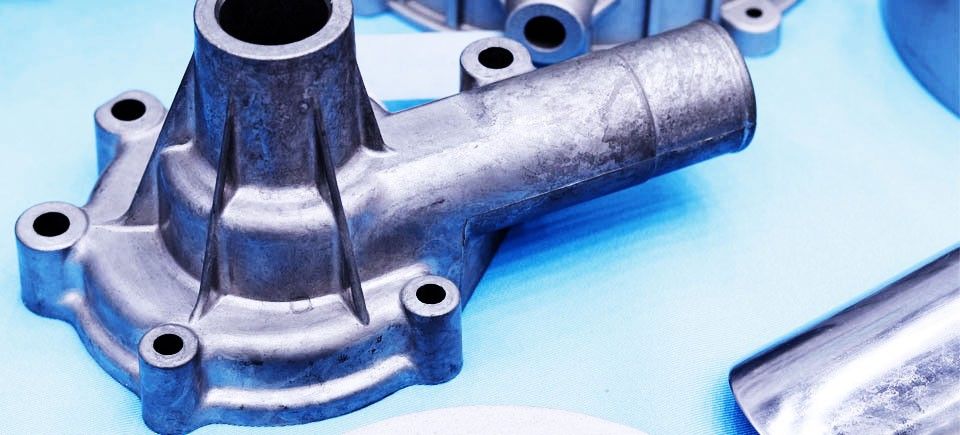
Odlewy cynkowe charakteryzują się wytrzymałością, odpornością na korozję i wszechstronnymi zastosowaniami przemysłowymi w budownictwie i produkcji.
Wysoka dokładność wymiarowa
Wysoka dokładność wymiarowa oznacza, że cynk jest w stanie produkować bardzo dokładne i precyzyjne części. Ma wyjątkowe właściwości płynięcia i dlatego może wypełniać formy na okrągło, co czyni go optymalnym do stosowania w produkcji małych i skomplikowanych części z niezawodnymi i powtarzalnymi pomiarami.
Doskonała wytrzymałość i trwałość
Doskonała wytrzymałość i odporność oznacza, że komponenty odlewane ciśnieniowo z cynku wytrzymają duży nacisk i uderzenia bez ugięcia. Ich dobre właściwości mechaniczne sprawiają, że są one mocniejsze i trwalsze w porównaniu do większości plastikowych i aluminiowych komponentów wykorzystywanych w tym samym zastosowaniu.
Efektywność kosztowa
Niska temperatura topnienia cynku sprawia, że jest on opłacalny pod względem zużycia energii i produkcji. Sprawia to, że proces ten jest tańszy, szczególnie w przypadku produkcji masowej, gdzie wydajność i duża objętość znacznie obniżyłyby całkowity koszt.
Odporność na korozję
Odporność na korozję oznacza, że cynk jest materiałem, który zapobiega rdzewieniu i korozji. Jest to właściwość, która sprawia, że części odlewane ciśnieniowo z cynku są bardzo przydatne w wilgotnych, mokrych lub zewnętrznych warunkach, w których trwałość ma kluczowe znaczenie.
Szybkie cykle produkcyjne
Odlewanie ciśnieniowe umożliwia szybką produkcję wysokiej jakości - jest to jedna z największych możliwości dla branż wymagających masowej produkcji.
Zastosowania odlewów cynkowych
Przemysł motoryzacyjny

Cynk charakteryzuje się wytrzymałością, odpornością na korozję i wszechstronnymi zastosowaniami w przemyśle motoryzacyjnym i budownictwie.
Elementy odlewane ciśnieniowo z cynku są powszechnie stosowane w przemyśle motoryzacyjnym, ponieważ są bardzo wytrzymałe i precyzyjne. Są one prezentowane w komponentach takich jak obudowy gaźników, części silnika i elementy wnętrza, które są opłacalne, trwałe i niezawodne w produkcji.
Komponenty elektryczne i elektronika
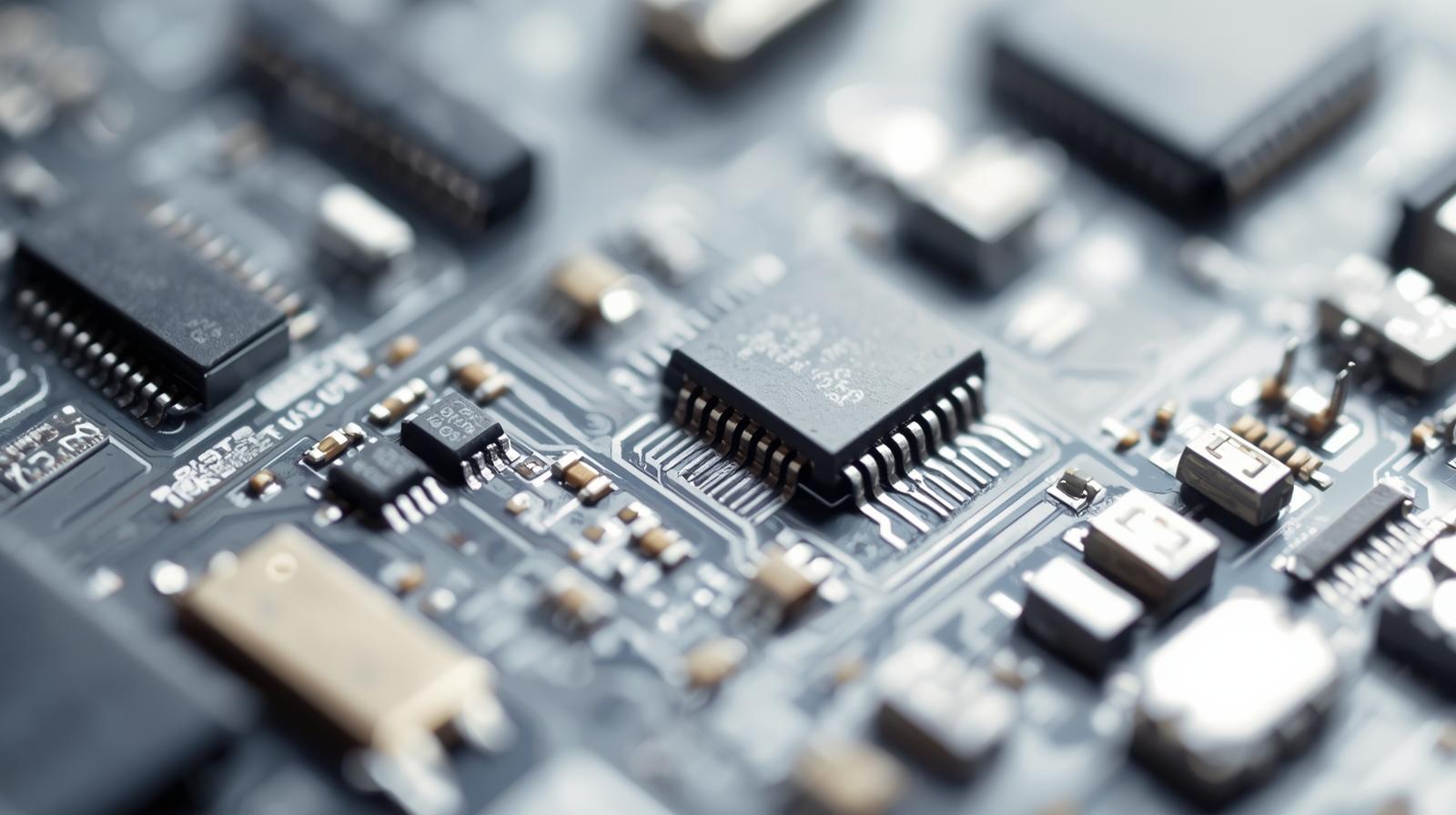
Komponenty elektryczne na bazie cynku charakteryzują się wytrzymałością, odpornością na korozję i wszechstronnymi zastosowaniami przemysłowymi w elektronice, budownictwie i produkcji.
Elementy odlewane ciśnieniowo z cynku są często stosowane w przełącznikach i złączach oraz radiatorach w elektronice i komponentach elektrycznych. Synergia między cynkiem a jego wysokim poziomem wytrzymałości, dokładności i przewodności elektrycznej pomaga w projektowaniu dobrych, trwałych i wysoce funkcjonalnych komponentów.
Produkty konsumenckie
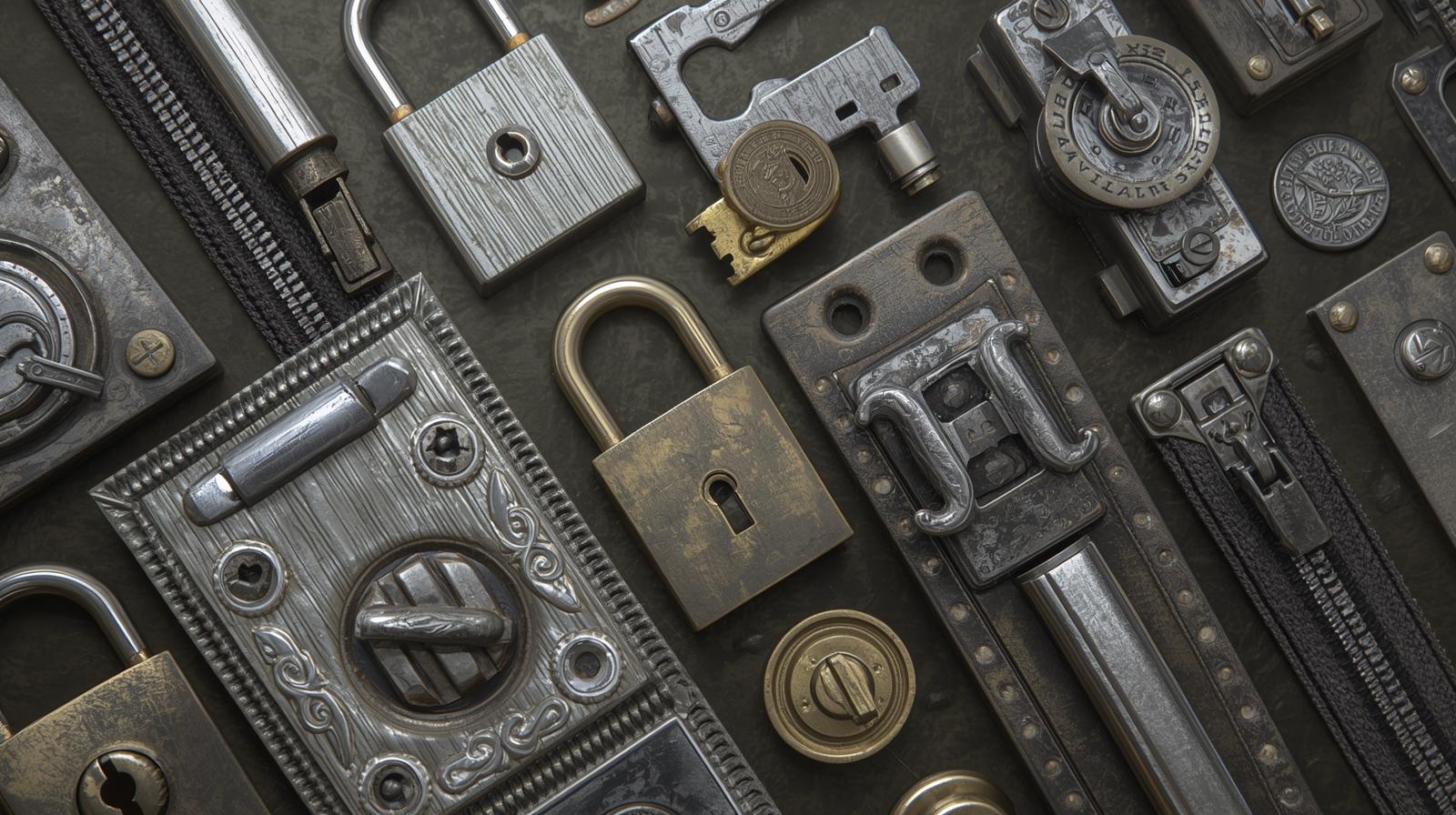
Produkty konsumenckie na bazie cynku charakteryzują się wytrzymałością, odpornością na korozję i powszechnymi zastosowaniami przemysłowymi w budownictwie i produkcji.
W przypadku dóbr konsumpcyjnych odlewanie ciśnieniowe cynku jest powszechnie stosowane w takich aspektach, jak zamki do drzwi, zamki błyskawiczne, klamki do drzwi i inne okucia. Produkty te są bardziej niezawodne, trwałe i atrakcyjne ze względu na ich trwałość, wytrzymałość i gładkie, atrakcyjne wykończenie.
Maszyny przemysłowe
Odlewy cynkowe są cenione w maszynach przemysłowych ze względu na ich sztywność i wytrzymałość. Są one zwykle stosowane do tworzenia kół zębatych, wsporników, łączników i innych ważnych części, a tym samym wytwarzają je w sposób trwały, precyzyjny i wydajny pod dużym obciążeniem mechanicznym.
Sprzęt medyczny
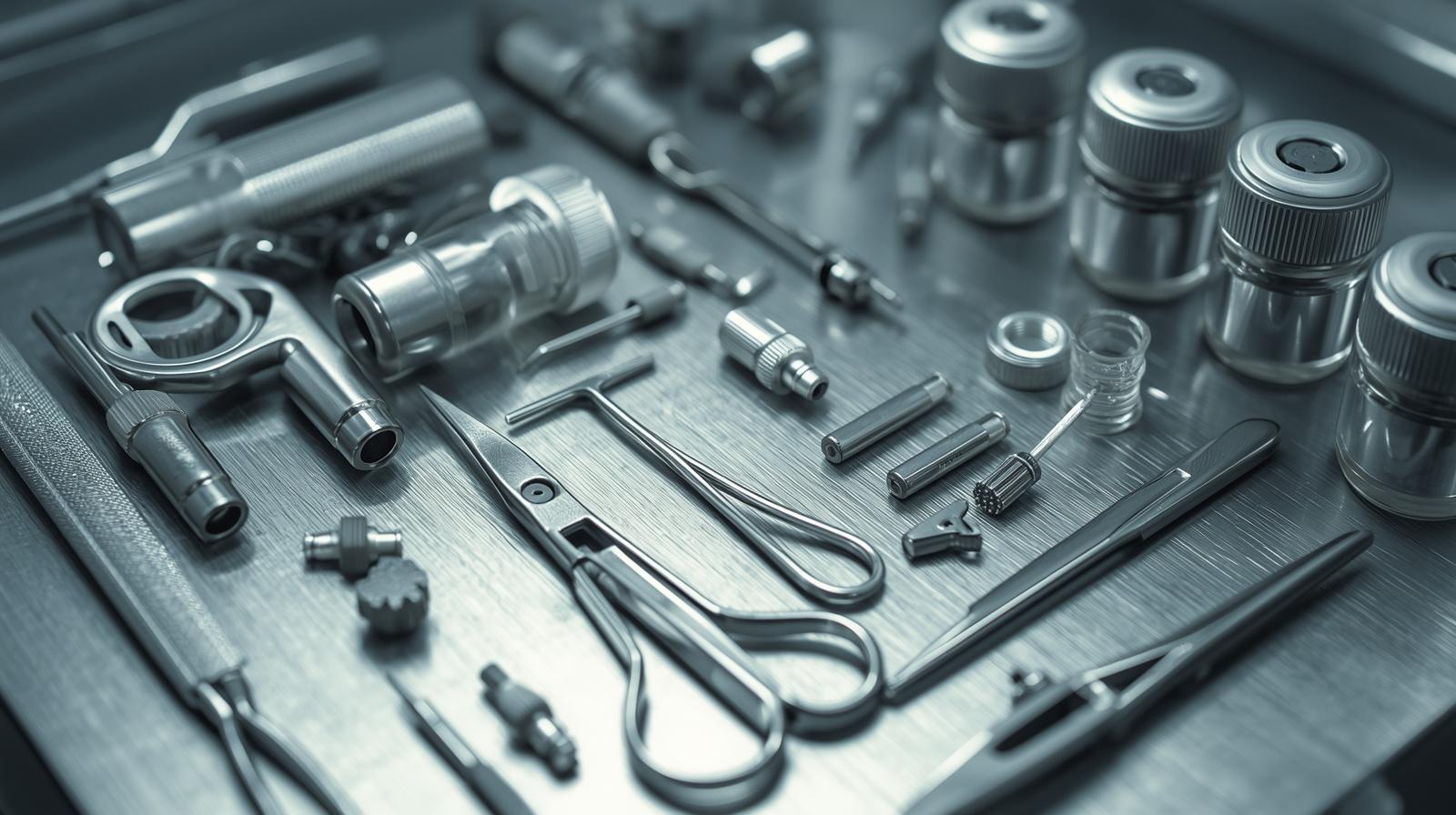
Sprzęt medyczny na bazie cynku charakteryzuje się wytrzymałością, odpornością na korozję i wszechstronnymi zastosowaniami przemysłowymi w służbie zdrowia, budownictwie i produkcji.
W sprzęcie medycznym stopy cynku są preferowane, ponieważ są dokładne i mogą być stosowane w celu spełnienia rygorystycznych wymagań higienicznych, dlatego nadają się do produkcji wysokiej jakości, niezawodnych i bezpiecznych części medycznych.
Porównanie odlewania ciśnieniowego cynku z innymi metodami odlewania
Cynk a odlewanie aluminium
Odlew cynkowy jest mocniejszy i zapewnia więcej szczegółów, a to najlepiej nadaje się do precyzyjnych części. Z drugiej strony, odlewy aluminiowe mają mniejszą masę, są lekkie i łatwe w obsłudze. Ten kompromis dotyczy kwestii trwałości cynku z jednej strony i wydajności aluminium z drugiej, w oparciu o priorytety projektu i konieczność zastosowania.
Cynk a formowanie wtryskowe tworzyw sztucznych.
Formowanie wtryskowe tworzyw sztucznych jest niedrogie, lekkie i może być stosowane w masowej produkcji, ale nie jest trwałe i ma problemy z wysoką temperaturą lub zużyciem. Odlewanie cynku jest droższym procesem, ale zapewnia lepszą wytrzymałość, większą precyzję i lepszą odporność na ciepło i ścieranie, dzięki czemu nadaje się do trudnych zastosowań, w których wymagana jest trwałość i niezawodność.
Cynk a odlewanie magnezu
Odlew cynkowy jest bardzo wytrzymały, odporny i nie jest podatny na korozję, dzięki czemu może być stosowany w częściach o długiej żywotności. Odlew magnezowy jest znacznie lżejszy, ale droższy i bardziej podatny na korozję. Preferencje będą oparte na tym, czy oszczędność wagi będzie ważniejsza niż trwałość i interes ekonomiczny w danych zastosowaniach.
Wpływ na środowisko i możliwość recyklingu
Odlew cynkowy jest zaskakująco zielony.
Efektywność energetyczna
Niższa temperatura topnienia cynku oznacza, że zużywa on minimalną ilość energii podczas przetwarzania w przeciwieństwie do większości metali, niskie koszty produkcji i niską emisję gazów cieplarnianych, co czyni go bardzo dobrym i przyjaznym dla środowiska wyborem.
Recykling cynku
Cynk nadaje się do recyklingu i nie traci swojej jakości, dzięki czemu może być ponownie wykorzystany w produkcji. Czyni go to bardzo zrównoważonym zasobem, który oszczędza zasoby, eliminuje odpady i stosuje przyjazne dla środowiska praktyki przemysłowe na całym świecie.
Najczęstsze wyzwania związane z odlewaniem ciśnieniowym cynku
Proces odlewania ciśnieniowego cynku prezentujący trwałość, odporność na korozję i kluczowe wyzwania w zastosowaniach przemysłowych.
Problemy z porowatością
Porowatość jest stanem zapoczątkowanym przez uwięzienie powietrza, które tworzy otwory osłabiające odlew. Wady są redukowane poprzez staranne projektowanie form i kontrolowane metody odlewania, które gwarantują mocniejsze komponenty i większą niezawodność przy lepszej wydajności i trwałości w zastosowaniach produkcyjnych.
Wady powierzchni
Wady powierzchni występują w postaci zimnych odcięć, szorstkich wykończeń, a nawet śladów płynięcia w wyniku słabej kontroli temperatur lub ciśnień odlewania i wpływają na jakość. Mniejsze, większe i lepsze części zostały osiągnięte dzięki odpowiedniemu zarządzaniu procesem.
Problemy z wyborem stopu
Użycie niewłaściwego stopu może prowadzić do przedwczesnego uszkodzenia komponentów, ponieważ charakterystyka materiału może nie odpowiadać charakterowi zastosowania. Kompetencje ekspertów zapewniają wybór odpowiedniego stopu, aby zapewnić trwałość, funkcjonowanie i niezawodność w procesach produkcyjnych.
Wypaczenie
Nierównomierne chłodzenie powoduje zniekształcenie odlewanych części, zmniejszając tym samym dokładność i wytrzymałość części, co jest określane jako wypaczenie. Deformacji można uniknąć dzięki optymalnemu projektowi formy i kontrolowanemu chłodzeniu, zmniejszając stabilność wymiarową, niezawodność i jednolitą jakość produkcji.
Jak wybrać niezawodnego producenta odlewów cynkowych?
Doświadczenie i wiedza
Zapytaj ich o długość historii z cynkiem - doświadczenie jest czynnikiem, który jest wprost proporcjonalny do jakości.
Możliwości technologiczne
Nowoczesne maszyny = większa dokładność, większa produkcja, mniej błędów.
Procesy kontroli jakości.
Poszukaj producentów, którzy są certyfikowani, laboratoriów testowych i twardych procedur kontroli.
Ceny i czas realizacji
Najbardziej odpowiedni partner to taki, który jest przystępny cenowo i niezawodny pod względem czasu dostawy.
Przyszłe trendy w odlewaniu ciśnieniowym cynku
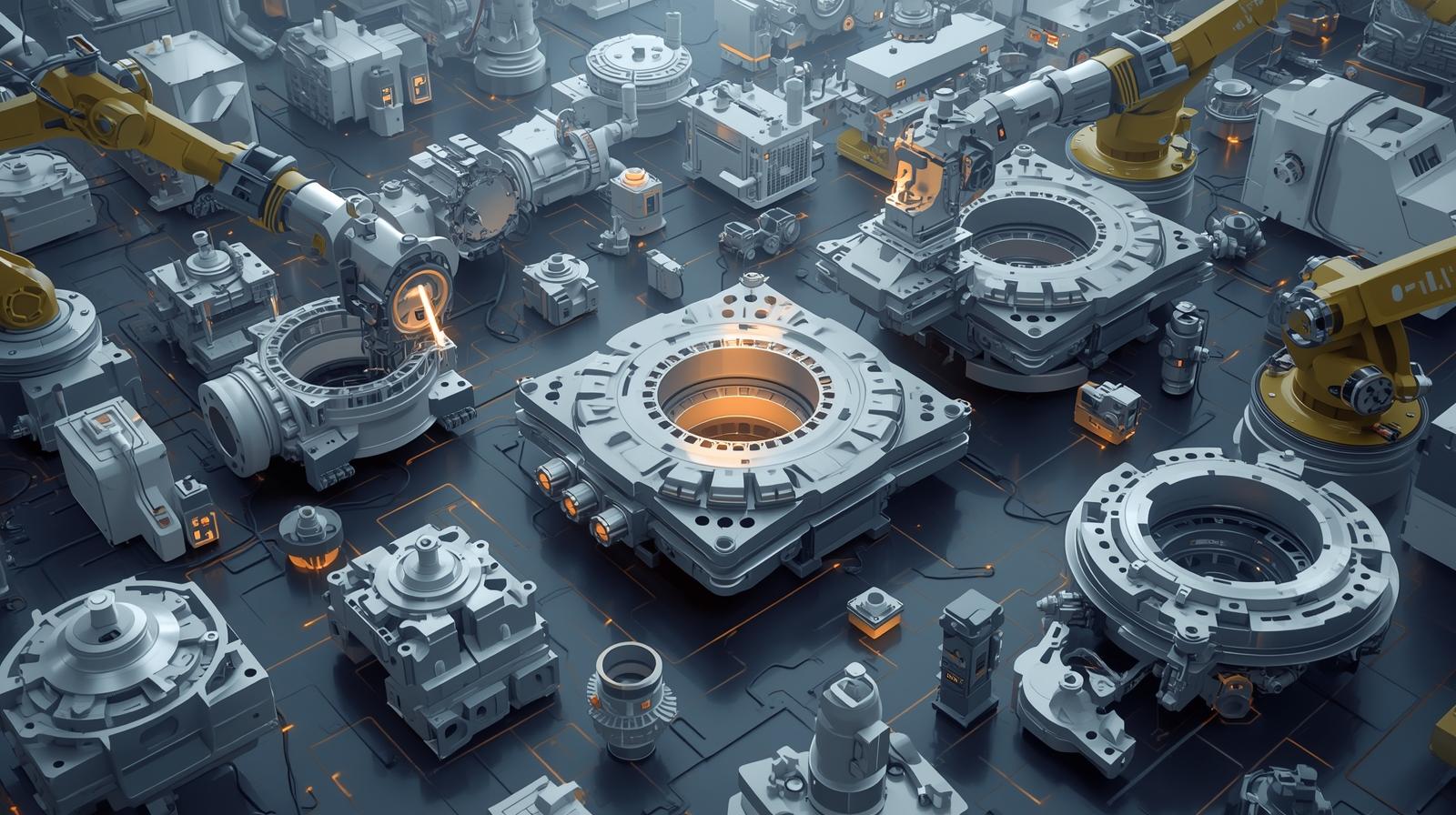
Badanie przyszłych trendów wśród producentów odlewów cynkowych z naciskiem na trwałość, odporność na korozję i zastosowania przemysłowe.
Automatyka i robotyka
Automatyzacja i robotyka są coraz szerzej stosowane w fabrykach w celu zwiększenia szybkości, dokładności i spójności produkcji. We współczesnej produkcji zastosowanie robotów eliminuje błędy ludzkie, automatyzuje powtarzalne procesy pracy i czyni je bardziej wydajnymi, co gwarantuje lepszą wydajność pod względem jakości i konkurencyjności.
Zrównoważony rozwój i recykling.
Cynk może być całkowicie poddany recyklingowi i nie traci swojej jakości, dzięki czemu staje się bardzo zrównoważony. Współczesne technologie odlewania ciśnieniowego koncentrują się na wytwarzaniu jak najmniejszej ilości odpadów i minimalizacji zużycia energii, co zapewnia wydajną produkcję i przyczynia się do odpowiedzialności za środowisko i ochrony zasobów długoterminowych.
Postępy w inżynierii stopów
Postęp w technologiach stopów generuje materiały stopowe o doskonałych właściwościach mechanicznych, takich jak wytrzymałość, trwałość i odporność. Te innowacje tworzą więcej możliwych zastosowań, a to oznacza, że branże mogą mieć bardziej wydajne, niezawodne i wszechstronne komponenty w nowych współczesnych wymaganiach produkcyjnych.
Wnioski
Odlew cynkowy to gigantyczny proces produkcyjny, który zapewnia dokładność, wytrzymałość i wydajność. To właśnie w produkcji części samochodowych, elektronicznych czy narzędzi przemysłowych odlewanie ciśnieniowe cynku jest kluczem do tworzenia niezawodnych produktów w naszym otoczeniu. Pozostaje wiodącym wyborem wśród producentów na całym świecie ze względu na opłacalność i możliwość tworzenia złożonych projektów za każdym razem.
Najczęściej zadawane pytania
W czym więc głównie stosuje się odlewanie ciśnieniowe cynku?
Znajduje zastosowanie w produkcji wydajnych, precyzyjnych części w przemyśle motoryzacyjnym, elektronicznym, dóbr konsumpcyjnych i przemysłowym.
Czy odlewanie ciśnieniowe cynku jest lepsze od odlewania ciśnieniowego aluminium?
Cynk jest bardziej szczegółowy, trwalszy i bardziej precyzyjny, a materiał aluminiowy ma mniejszą wagę. Ta opcja zależy od zastosowania.
Długowieczność odlewów cynkowych Jak długo wytrzymują części odlewane ciśnieniowo z cynku?
Są one odporne na korozję i mają wysokie właściwości mechaniczne, co pozwala im przetrwać dziesięciolecia.
Czy istnieje dolny limit rozmiaru części, które mogą być odlewane ciśnieniowo przy użyciu cynku?
Tak! Cynk jest zalecany w przypadku małych, złożonych części, ponieważ jest płynny i ma wysokie właściwości wypełniania formy.
Czy odlewanie ciśnieniowe cynku jest przyjazne dla środowiska?
Tak, stopy cynku nadają się do pełnego recyklingu, a sam proces nie jest energochłonny, ponieważ cynk ma niską temperaturę topnienia.

0 komentarzy