
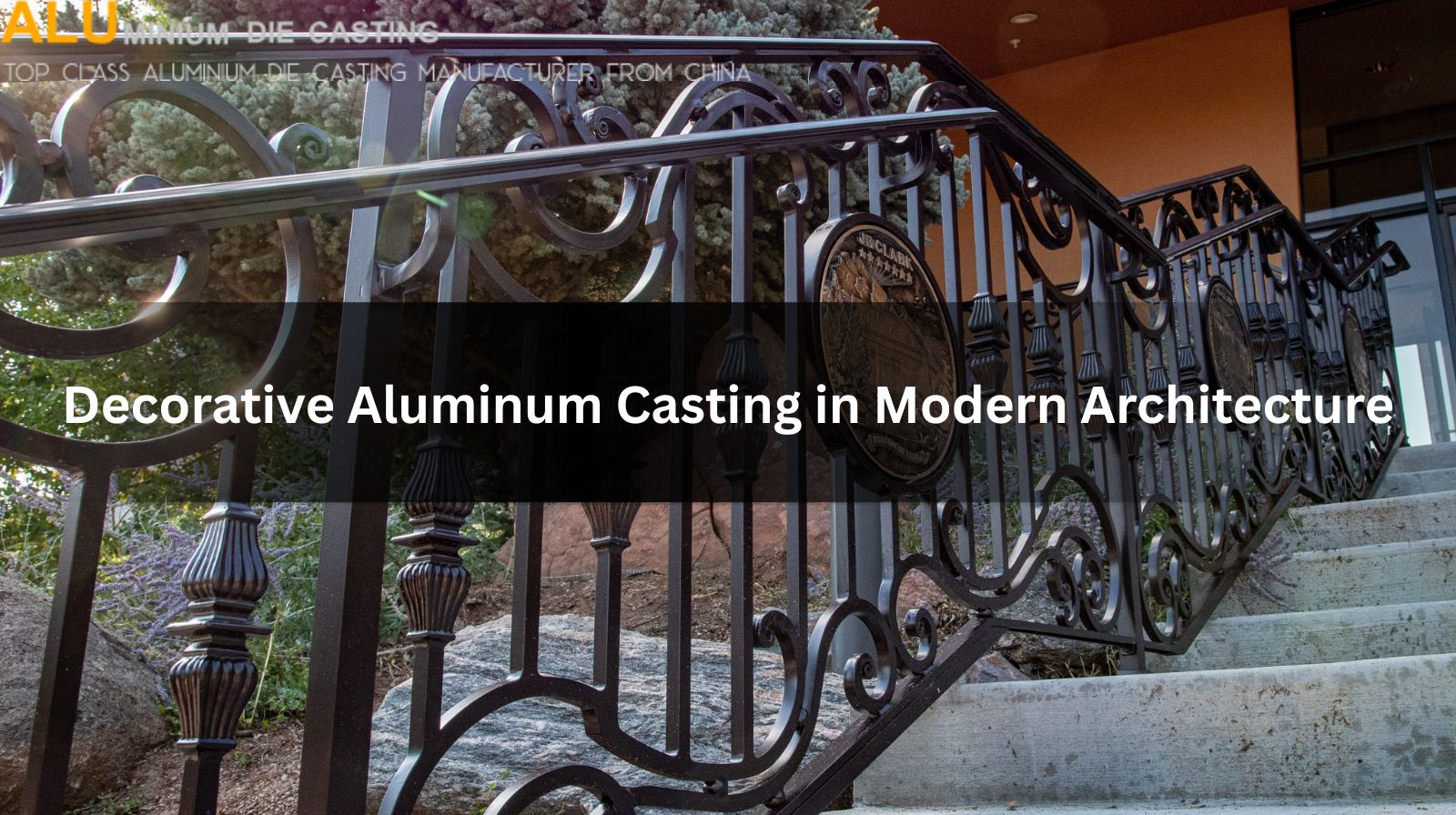
Decorul metalic, la rândul său, s-a dezvoltat foarte mult în ultimele decenii, iar aluminiul este unul dintre cele mai inventive și versatile materiale pentru instrumente din sfera designului. Apariția așa-numitei turnătorii decorative din aluminiu a transformat modul în care arhitecții, peisagiștii, designerii de interior și proprietarii de case se angajează în proiecte funcționale și artistice. Aluminiul este ușor, dar foarte puternic, ceea ce oferă designerilor posibilitatea de a proiecta modele detaliate, arhitecturi stabile și apariția unor obiecte izbitoare care nu se deteriorează în timp. Efectele turnării decorative a aluminiului pot fi observate în aproape fiecare sector al noilor construcții și decorațiuni arhitecturale, fie că este vorba de case, grădini, birouri sau clădiri comerciale.
Împreună cu durabilitatea sa, aluminiu turnat are potențial estetic. Formele care înainte necesitau ore întregi de tăiere sau batere pot fi acum produse cu ajutorul matrițelor de precizie. Acesta este motivul pentru care turnarea decorativă a aluminiului este cea mai bună alegere pentru orice proiect care necesită detalii complexe sau lucrări de design. Arta culturală a fost utilizată pentru a crea sculpturi și alte instalații exterioare funcționale; ca urmare, adaptabilitatea aluminiului a făcut ca acesta să devină unul dintre cele mai populare materiale utilizate în domeniul decorativ. De asemenea, aluminiul devine din ce în ce mai popular, iar reciclabilitatea sa contribuie, de asemenea, la creșterea popularității sale, pe măsură ce devine din ce în ce mai important. Datorită acestor beneficii, aluminiu turnat decorativ a devenit un material preferat în proiectele arhitecturale și artistice pe termen lung, a cărui frumusețe și durabilitate pot fi văzute în fiecare zonă în care este aplicat.
Învățarea decorului de turnare a aluminiului
Cum funcționează turnarea aluminiului
Esența acestei arte este că implică o metodă, care începe cu producerea unei matrițe, care este de obicei sculptată foarte fin, iar apoi se toarnă aluminiu topit în ea. La răcire, aluminiul întărit preia forma matriței, făcând toate detaliile clare. Acest lucru face ca turnarea decorativă a aluminiului să fie cea mai bună alegere pentru modelele ornamentale, desenele geometrice și elementele ornamentale personalizate aplicabile în arhitectură, care au nevoie de atracție estetică, precum și de rezistență structurală.
Motivul pentru care aluminiul este preferatul designerilor
Aluminiul are o protecție naturală împotriva ruginii și degradării, ceea ce îl face o alegere bună nu numai într-o structură instalată în interior, ci și în aer liber, unde există condiții climatice severe. În comparație cu metalele mai grele, aluminiul are avantajul suplimentar că este mult mai ușor de instalat, transportat și întreținut. Are o durată de viață excelentă și de aceea structurile ornamentale arată minunat și necesită foarte puțină întreținere, ceea ce îl face și mai atrăgător pentru designerii moderni.
Procesul de turnare a decorațiunilor din aluminiu
Crearea conceptului și a designului
Totul începe cu crearea unui design clar, în funcție de ceea ce urmează să fie decorat. Designerii pot explica produsul final sub formă de schițe, modele computerizate sau modele de probă. Acest pas vizează selectarea formelor, dimensiunilor, texturilor și detaliilor artistice. Rezultatul turnării ar îndeplini așteptările estetice, precum și nevoile funcționale datorită unui design bine gândit.
Realizarea modelelor
După ce designul a fost realizat, se trasează un model. Acesta este un duplicat perfect al lucrării finale și conține toate detaliile fine care vor fi reflectate în turnarea finală. Acesta este în general construit folosind lemn, plastic, metal sau chiar ceară. Modelul de calitate este necesar deoarece definește precizia și claritatea aspectului decorativ final.
Pregătirea mucegaiului
Când modelul este gata, acesta este plasat într-o matriță. Matrița formează golul în care va fi turnat aluminiul topit. Modelele artistice sau personalizate sunt realizate în mod normal pe matrițe de nisip, iar matrițele metalice sunt utilizate mai ales în producția de masă. Matrița trebuie să respecte temperaturile ridicate și să fie capabilă să copieze chiar și cele mai mici detalii ale designului.
Topirea aluminiului
Topirea aluminiului într-un cuptor este a doua etapă. Metalul este încălzit până când se topește la aproximativ 660 o C (1220 o F). Prin acest proces, impuritățile sunt eliminate pentru a face ca aluminiul topit să fie curat și potrivit pentru a fi turnat. Trebuie folosită temperatura potrivită pentru a obține un finisaj neted și impecabil.
Turnarea aluminiului topit
Aluminiul este topit și apoi este turnat în cavitatea matriței. În acest pas, este necesar să vă mișcați într-un mod controlat pentru a evita umplerea matriței. Turnarea corectă va evita bulele de aer și alte defecte care pot face produsul final slab. Această operațiune poate fi efectuată prin mijloace automate sau manuale, în funcție de scara de producție.
Răcirea și solidificarea
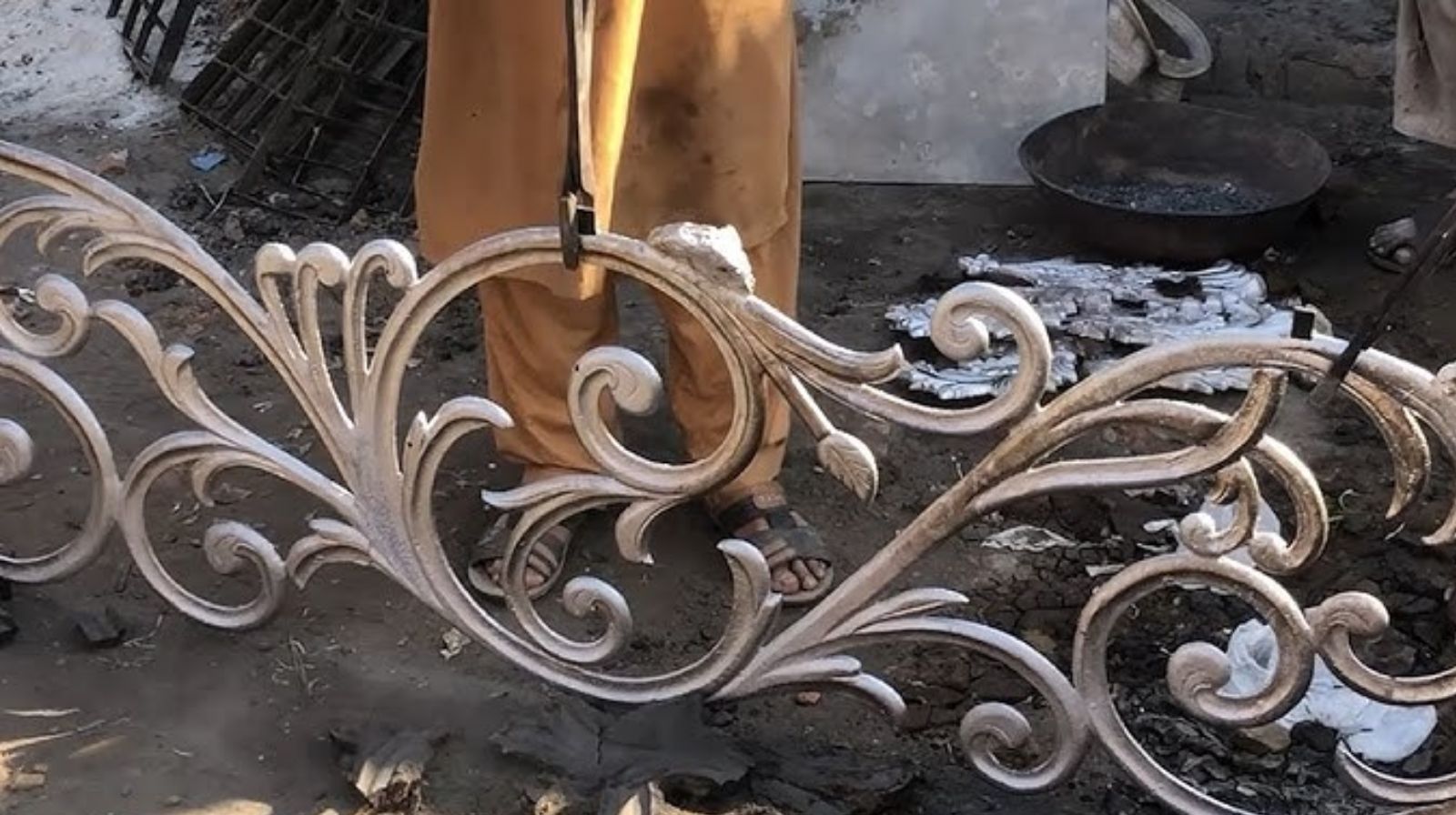
Este nevoie de timp pentru a turna și a permite aluminiului să se solidifice în matriță. Timpul de răcire a piesei turnate depinde de mărimea și complexitatea acesteia. Pe măsură ce se răcește, aluminiul capătă forma și designul matriței. Această fază este foarte importantă deoarece influențează calitatea și aspectul ornamentului finit.
Îndepărtarea piesei turnate
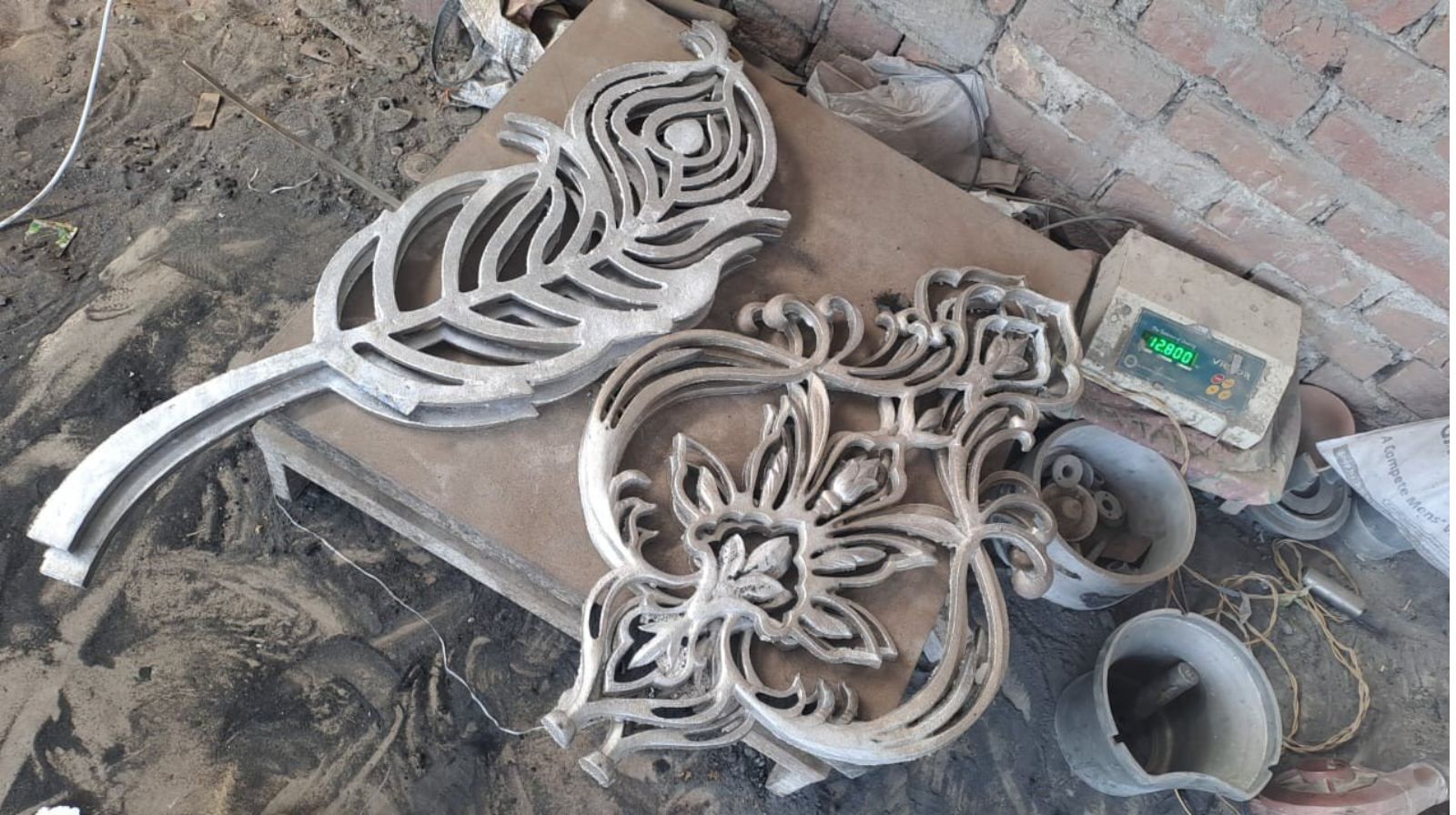
După solidificarea completă a metalului, piesa turnată este apoi scoasă din matriță. În cazul matrițelor de nisip, matrița este dislocată, iar în cazul matrițelor metalice, matrița se deschide cu ajutorul forței mecanice. Acest proces afișează forma aluminiului de bază în starea sa inițială. Turnarea poate avea, de asemenea, un anumit material rezidual care va fi eliminat în cursul finisării.
Curățare și finisare
Piesele turnate care au fost îndepărtate sunt supuse mai multor proceduri de finisare pentru a le îmbunătăți aspectul și finețea. Acestea pot consta în tundere, șlefuire, șlefuire, lustruire sau periere. Alte produse sunt acoperite ulterior cu vopsea sau acoperire cu pulbere pentru a le spori durabilitatea și atractivitatea. Toate piesele decorative turnate sunt finisate cu un aspect curat și atrăgător, dar profesional.
Inspecția calității
Toate elementele turnate sunt inspectate pentru a menține standardele de calitate. Fisurile, marginile aspre, imperfecțiunile de suprafață și precizia măsurătorilor sunt verificate de inspectori. Doar cele care îndeplinesc standardele dorite trec la ultima etapă. Acest lucru asigură fiabilitatea și durabilitatea.
Ultima decorare sau asamblare
Ultimul proces diferă în funcție de natura produsului în curs de dezvoltare. Altele pot fi decorate suplimentar, pictate sau chiar sculptate. Altele pot necesita asamblarea mai multor piese. Turnarea este acum gata pentru a fi instalată, ambalată sau expusă după toate finisajele.
Utilizarea panourilor decorative din aluminiu turnat în arhitectura actuală
Eleganța întâlnește durabilitatea
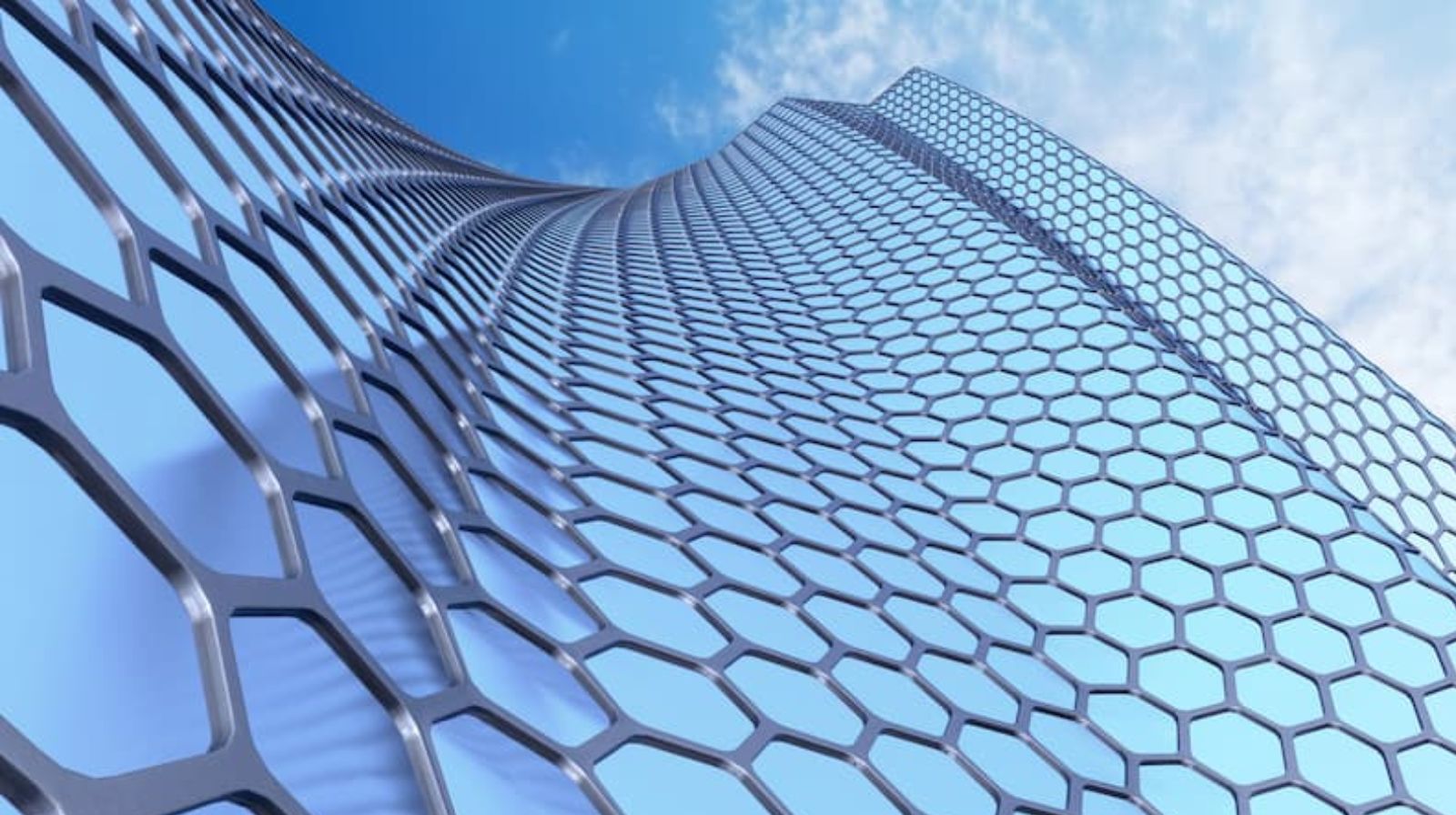
Printre cele mai renumite aplicații ale aluminiului sunt așa-numitele panouri decorative din aluminiu turnat. Aceste panouri sunt o combinație de caracteristici artistice și durabilitate incredibilă, care se potrivesc bine în construcția de fațade, ecrane de intimitate, bariere de grădină și partiții în interior. Arhitecții contemporani tind să utilizeze panouri decorative realizate din aluminiu turnat, deoarece acestea sunt ușor de curățat și oferă lumină naturală, pe lângă faptul că oferă intimitate și valoare estetică care este necesară în zonele rezidențiale și municipale.
Unde se folosesc panourile decorative
Panourile decorative din aluminiu turnat sunt versatile și pot fi utilizate în multe moduri. Proprietarii de locuințe le atașează la balcoane și uși, întreprinderile le folosesc pentru a sublinia identitatea mărcii prin designul lor unic, iar peisagiștii le folosesc ca parte a designului modern al grădinilor. Compromisul dintre frumusețea estetică și durata de viață este ceea ce este atât de popular în legătură cu panourile decorative din aluminiu turnat. Aceste panouri sunt într-o stare splendidă, în ciuda expunerii la soare și ploaie de-a lungul anilor, și nu necesită prea multă curățare în afară de curățarea ocazională.
Motivele pentru care designerii aleg panourile din aluminiu
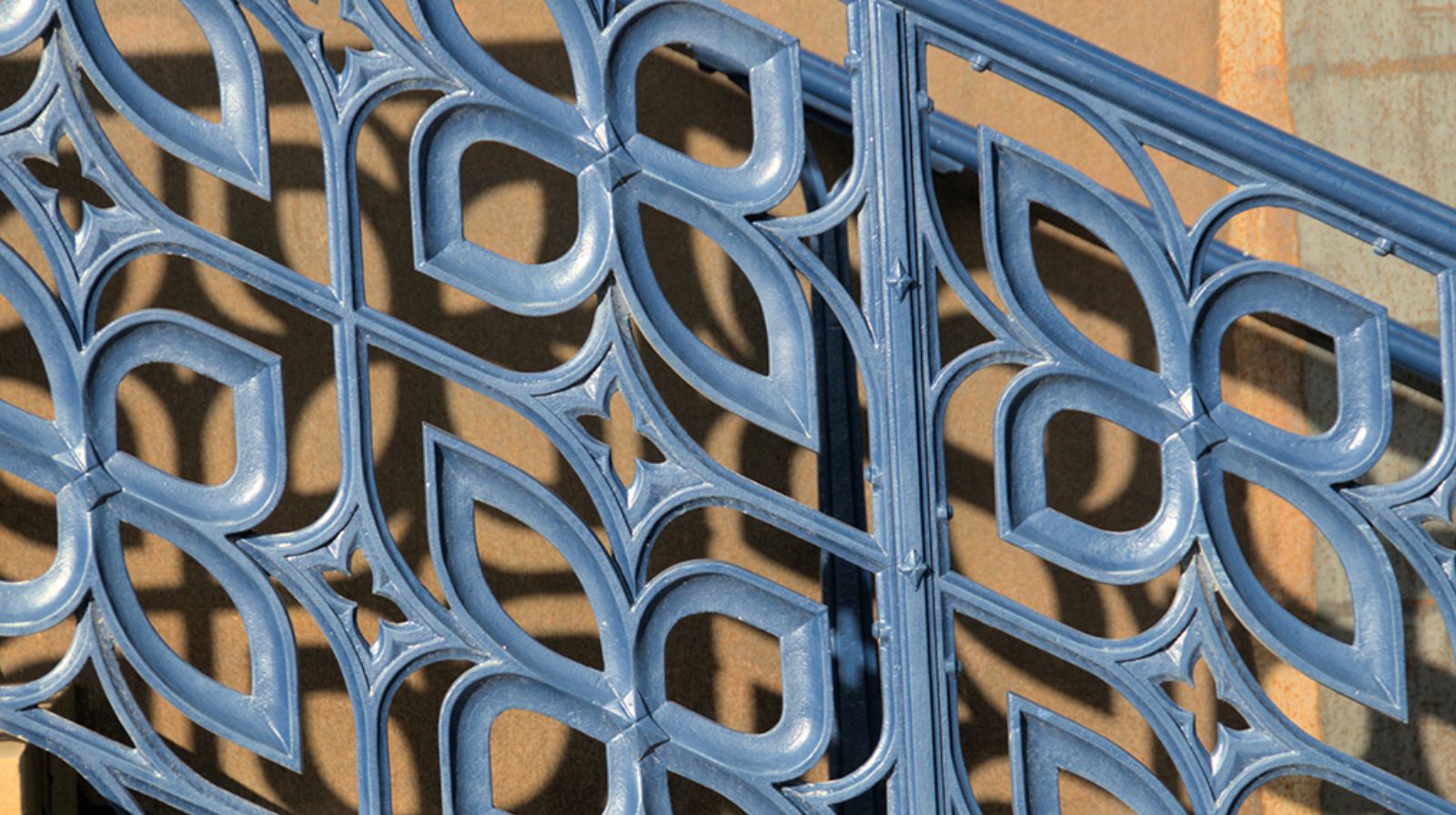
Aluminiul, spre deosebire de lemn, fier sau oțel, are o combinație perfectă de frumusețe și utilitate. În instalațiile complexe, este posibilă, de asemenea, turnarea panourilor decorative din aluminiu, care pot fi modelate în funcție de cerințele exacte ale lucrării de proiectare, producând caracteristici asemănătoare operelor de artă care pot îmbunătăți aspectul oricărui cadru. Stabilitatea structurii lor, cuplată cu avantajul ușurinței, le face ușor de montat sau de repoziționat chiar și în cadrul lucrărilor de construcții de mari dimensiuni.
Metale în turnarea decorativă a aluminiului
Aliaje de aluminiu
Aliajul de aluminiu este materialul principal al turnării decorative din aluminiu. Aluminiul pur nu este atât de greu de utilizat în majoritatea aplicațiilor de turnare și, prin urmare, este combinat cu alte elemente pentru a-i spori rezistența, durabilitatea și performanța de turnare. Aceste aliaje prezintă o bună rezistență la coroziune, greutate redusă și au capacitatea de a scoate modele detaliate. A356, A380 și LM6 sunt aliajele de aluminiu comune care sunt utilizate în turnare, iar fiecare dintre ele este selectată datorită combinației sale unice de rezistență, fluiditate și calitate a finisării.
Siliciu
Unul dintre cele mai importante elemente de aliere care sunt adăugate aluminiului este siliciul. Acesta sporește fluiditatea metalului care poate fi mai ușor umplut în modelele complicate de matrițe fără defecte. Siliciul îmbunătățește, de asemenea, rezistența la coroziune și ajută la un finisaj de suprafață mai neted, care este necesar în cazul pieselor decorative. Aliajele pe bază de siliciu sunt favorizate în cazul produselor care au detalii fanteziste.
Magneziu
Cantități mici de magneziu sunt adăugate în mod obișnuit pentru a spori rezistența aluminiului și îmbunătățirea rezultatelor tratamentului termic. Acesta ajută la creșterea durității și a rezistenței la impact care este necesară pentru componentele decorative care trebuie să reziste condițiilor exterioare. Aliajele de magneziu sunt de obicei utilizate în decorațiunile din aluminiu turnat și în panourile arhitecturale.
Cupru
Cuprul este utilizat chiar și pentru a spori rezistența mecanică a aliajului de aluminiu. Cuprul nu este adăugat în cantități mari, deși oferă duritate și face ca turnarea finală să fie mai robustă. Acesta își găsește aplicarea în turnarea decorativă a aluminiului, care este deosebit de selectivă în proiectele care necesită proprietăți structurale bune, precum și un aspect decorativ.
Fier (cantități controlate)
Deși nu este de dorit să se conțină porțiuni mari de fier, un procent mic și controlat de fier poate exista în anumite aliaje de aluminiu. Acesta sporește rezistența și minimizează contracția de solidificare. Cantitățile corecte de fier asigură turnarea corectă, curată și stabilă, fără fisuri sau deformări nedorite.
Materiale pentru matrițe
Pe lângă metale, materialul de turnare este, de asemenea, un element semnificativ în turnarea decorativă a aluminiului. Cel mai frecvent material folosit este nisipul, și mai ales nisipul silicios care este de înaltă calitate, deoarece poate fi turnat cu ușurință și este rezistent la căldură. Modelele complexe sau artistice sunt realizate și cu nisip legat cu rășină și nisip legat cu argilă. Atunci când producția este mare, ar trebui să se utilizeze matrițe metalice din oțel, datorită permanenței sale și a faptului că dau același rezultat.
Acoperiri și finisaje
În funcție de turnare, este prevăzută o serie de acoperiri pentru a îmbunătăți aspectul și durabilitatea decorațiunilor. Acestea pot fi fie acoperire cu pulbere, vopsea, anodizare sau etanșanți de protecție transparenți. Aceste finisaje nu oferă doar culoare și strălucire, ci și un strat protector împotriva umidității, razelor UV și zgârieturilor aluminiului.
Tipuri de aluminiu turnat decorativ
Sand Casting
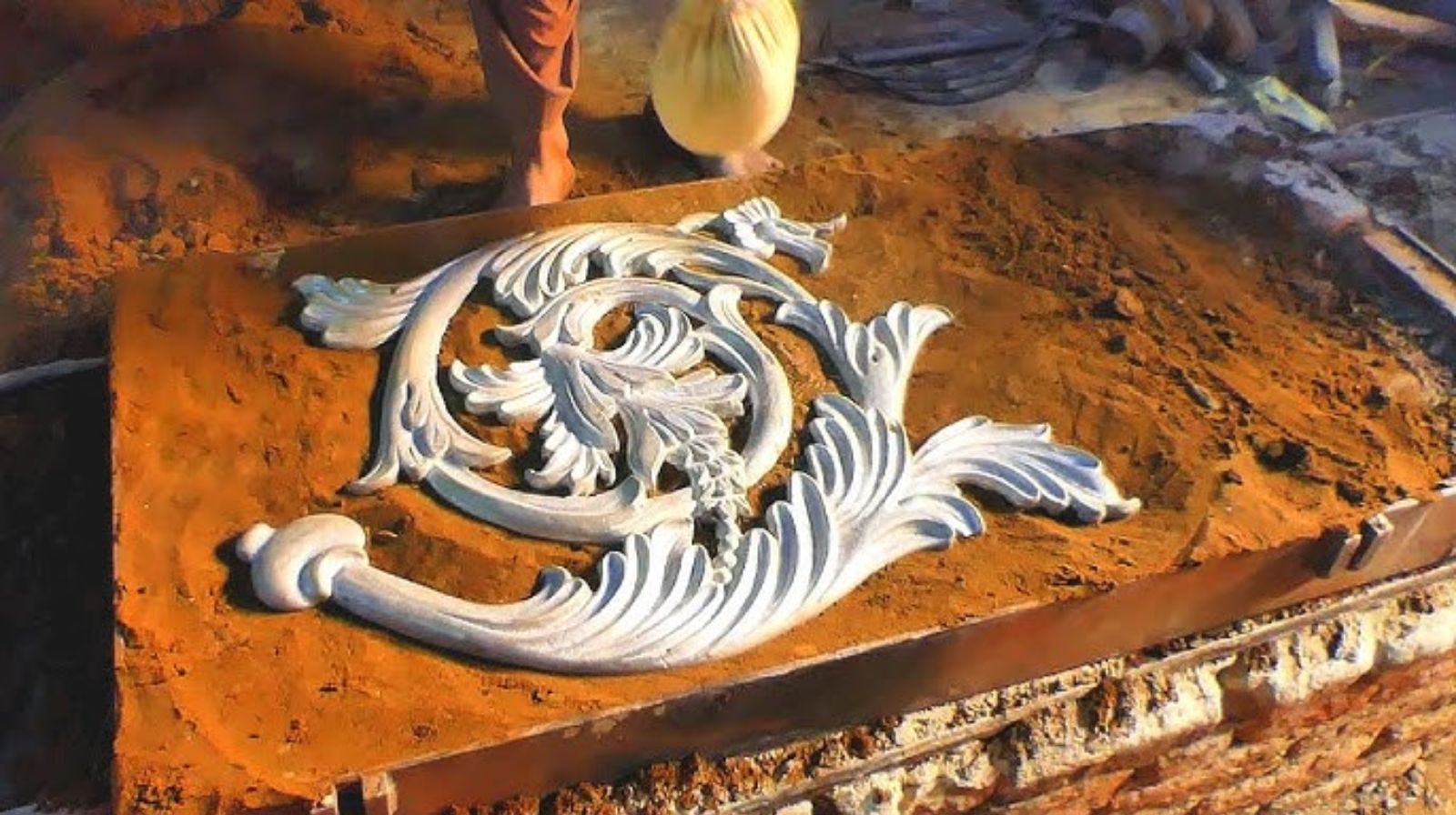
Una dintre cele mai populare modalități de a produce piese decorative din aluminiu este prin turnarea în nisip. În cadrul acesteia, nisipul este format într-un model prin presare, iar aluminiul topit este turnat în matriță. Turnarea în nisip funcționează cel mai bine cu modele artistice sau personalizate, deoarece poate capta detalii fine ale texturilor și formelor. Este bine utilizată ca panouri decorative, ornamente în grădini sau arhitectură. Turnarea în nisip nu este la fel de lină ca turnarea sub presiune, dar este o metodă populară datorită flexibilității și accesibilității sale.
Turnare sub presiune
Turnarea sub presiune implică utilizarea unei matrițe metalice (denumită matriță) pentru a crea piese din aluminiu de mare volum și cu detalii ridicate. Matrița este apoi umplută cu aluminiu topit la presiune ridicată pentru a produce forme curate, consistente și netede. Aceasta se aplică de obicei obiectelor decorative care au nevoie de suprafețe curate și complicate, de exemplu, decorațiuni interioare, mobilier de casă, baze de lămpi și piese de feronerie. Turnarea sub presiune este, de asemenea, eficientă și de lungă durată, prin urmare potrivită pentru fabricarea pe scară largă a produselor decorative.
Gravity Casting
În cazul turnării prin gravitație, aluminiul topit este turnat într-o matriță metalică permanentă, dar nu se mai aplică presiune, gravitația fiind suficientă pentru a determina umplerea piesei turnate. Aceasta este o tehnică care produce o suprafață de calitate superioară față de turnarea în nisip și este mai ieftină decât turnarea sub presiune. Articolele turnate prin gravitație sunt durabile, stabile din punct de vedere dimensional și pot fi utilizate în panouri decorative, instalații exterioare și componente ornamentale. Se aplică mai ales în cazurile în care urmează să se realizeze o producție de masă, iar calitatea finisării trebuie să fie acceptabilă.
Turnare de investiții
Turnarea cu ceară pierdută este, de asemenea, denumită turnare de investiție, care este utilizată în formarea unor elemente decorative extrem de detaliate. O matriță de ceară este acoperită prin acoperirea cu o substanță ceramică pentru a crea o matriță; atunci când matrița este încălzită, ceara se topește, lăsând în urmă o gaură care urmează să fie umplută cu aluminiu topit. Tehnica poate reproduce linii fine, modele și texturi detaliate mai bine decât majoritatea metodelor de turnare. Cel mai bine este să o utilizați în sculpturi decorative, opere de artă, ornamente complexe și decorațiuni personalizate din aluminiu.
Turnarea permanentă a matrițelor
În turnarea cu matrițe permanente, matrițele de oțel reutilizabile sunt utilizate pentru a produce produse din aluminiu puternice și uniforme. Acest proces nu este turnat sub presiune, ca în cazul turnării sub presiune, ci turnat prin gravitație. Piesele turnate rezultate au mai multă rezistență și o calitate mai bună a suprafeței decât turnarea în nisip. Cutiile poștale decorative, corpurile de iluminat exterior și feroneria arhitecturală sunt unele dintre piesele turnate care sunt de obicei pregătite folosind turnarea cu matrițe permanente, deoarece acestea trebuie să fie atât prezentabile, cât și funcționale.
Turnare centrifugală
În turnarea centrifugă, o distribuție uniformă a aluminiului topit este realizată de matriță în jurul pereților săi. Se aplică în mod normal la fabricarea de obiecte ornamentale cilindrice sau simetrice, inclusiv inele, rame rotunde, stâlpi de iluminat, ornamente goale și modele goale. Operația de filare determină îndepărtarea impurităților, iar acest lucru produce piese turnate foarte rezistente și durabile. Se aplică în special în acele aplicații în care frumusețea și rezistența sunt o necesitate.
Decor din aluminiu turnat: Viitorul investițiilor artistice
Atitudinea contemporană față de decorațiuni
Decorul din aluminiu turnat a devenit o parte a designului modern în case, birouri și alte locuri ale oamenilor. Fie că este vorba de artă de perete sau de sculpturi exterioare, acest tip de decor combină caracterul practic și arta. Deoarece aluminiul poate fi modelat practic în orice formă, opțiunea decorului din aluminiu turnat oferă designerului șansa de a se juca cu forme, texturi și modele care ar fi greu sau costisitor de creat în medii mai convenționale.
Aluminiul Decor este utilizat după cum urmează
Lumea în continuă creștere a așa-numitului decor din aluminiu turnat include sculpturi de grădină, decorațiuni peisagistice, pereți interiori și instalații artistice personalizate. Aceste lucrări pot rezista în timp deoarece nu se decolorează, nu se fisurează și nu ruginesc. În cazul spațiilor comerciale, cum ar fi hotelurile, restaurantele și stațiunile, utilizarea decorului din aluminiu turnat a fost utilizată pentru a ajuta la crearea unei teme vizuale coerente și somptuoase, care este durabilă, precum și frumoasă.
Motivul pentru care acest decor este în căutare
Cumpărătorilor le place faptul că decorul din aluminiu turnat oferă un farmec vizual de înaltă calitate, fără a fi greu în mâini, precum fierul sau alama. Întreținerea este minimă, ceea ce înseamnă că este foarte potrivit într-o gospodărie ocupată și într-un mediu de afaceri în special. Cu popularitatea în creștere a personalizării, designerii extind continuu limitele a ceea ce poate fi definit de decorul din aluminiu turnat într-un cadru contemporan.
Frumusețea și puterea cutiei poștale decorative din aluminiu turnat
O adiție utilă, dar la modă pentru exterior
Cutia poștală ornamentală din aluminiu turnat este una dintre numeroasele aplicații care au devenit populare în designul casei. Proprietarii de case îi apreciază durabilitatea, estetismul și modul în care adaugă atractivitate curbei. Deoarece aluminiul nu este afectat de umiditate, de lumina soarelui sau de schimbarea temperaturilor, o cutie poștală decorativă din aluminiu turnat poate dura mulți ani până să ruginească și să se deterioreze.
Distincția cutiilor poștale din aluminiu
Ceea ce a făcut ca o cutie poștală decorativă din aluminiu turnat să fie frumoasă este faptul că nu este doar puternică, ci are și capacitatea de a suporta detalii artistice. Cutiile poștale au o mulțime de volute, accente geometrice sau un design minimalist modern. Acest lucru face ca cutia poștală decorativă din aluminiu turnat să se potrivească ideal cu o mare varietate de modele de case, inclusiv case victoriene de modă veche, precum și case netede și moderne.
Opțiuni de personalizare
Proprietarii vor avea de ales între diferite finisaje și modele pentru a se asigura că cutia lor poștală este decorată cu aluminiu turnat pentru a fi la fel ca designul exterior al casei. Aceste cutii poștale din aluminiu sunt construite pentru a fi elegante și funcționale, spre deosebire de cutiile poștale din lemn sau oțel care trebuie vopsite sau înlocuite după un anumit timp.
Este explicat motivul pentru care aluminiul decorativ remodelează designul contemporan.
Longevitate și fiabilitate
Durata lungă de viață a aluminiului poate fi considerată unul dintre cele mai semnificative avantaje. Turnarea aluminiului a fost utilizată pentru a produce structuri, panouri, decorațiuni și cutii poștale, care rezistă mai mult în ceea ce privește integritatea lor structurală și aspectul în comparație cu majoritatea celorlalte materiale disponibile pe piață.
Potențial de proiectare nelimitat
Aluminiul este flexibil, iar artiștii și arhitecții sunt capabili să realizeze aproape orice. Oricare dintre piese are un aspect profesional datorită preciziei turnării.
Sustenabilitatea contează
Aluminiul poate fi complet reciclat, ceea ce îl face unul dintre cele mai responsabile materiale în construcțiile și decorațiunile actuale. Ajută la reducerea risipei și este reutilizabil, facilitând schimbarea națională către un design durabil.
Concluzie
Aluminiul turnat, care este utilizat în decorațiuni, a devenit un pilon în designul modern, deoarece are cea mai bună rezistență, eleganță și longevitate. Producem panouri decorative din aluminiu turnat de înaltă calitate, panouri decorative din aluminiu turnat și cutii poștale decorative din aluminiu turnat prin utilizarea celor mai recente tehnici în domeniul turnării decorative a aluminiului la GC Precision Mould ( https: aludiecasting.com/ ). Echipa cu înaltă calificare are grijă ca fiecare produs să fie de cea mai bună calitate în ceea ce privește precizia, frumusețea și durabilitatea.
Serviciile noastre sunt foarte diverse și suntem specializați în proiecte rezidențiale și comerciale, cum ar fi proiectarea de matrițe personalizate și crearea de prototipuri, producția în serie, finisarea și tratarea suprafețelor. Este adevărat că aveți nevoie fie de panouri arhitecturale extrem de sofisticate, decorațiuni exterioare și accesorii pentru casă funcționale, dar elegante, iar GC Precision Mould compilează rezultate remarcabile de fiecare dată.
De ce să ne alegeți? Experiența noastră, tehnologia de înaltă calitate și dorința de a oferi calitate ne-au asigurat că toate piesele turnate sunt precise, puternice și frumoase la vedere. Punem un accent deosebit pe inovație, personalizare și satisfacția clienților, ceea ce ne face partenerul preferat atunci când vine vorba de proiecte decorative de turnare a aluminiului. Ne puteți vizita la https://aludiecasting.com/ pentru a afla mai multe despre serviciile noastre și despre modul în care vă putem transforma ideile în realitate.
Întrebări frecvente
Ce este turnarea decorativă a aluminiului?
Este un proces în care aluminiul topit este turnat în matrițe pentru a forma obiecte artistice, detaliate și durabile, inclusiv, dar fără a se limita la, următoarele: panouri decorative din aluminiu turnat, decor din aluminiu turnat.
Care sunt principalele aplicații ale produselor din aluminiu turnat?
Panourile arhitecturale, ornamentele de grădină, mobilierul și cutiile poștale arhitecturale funcționale din aluminiu turnat sunt realizate din aluminiu turnat.
De ce să nu alegeți aluminiul față de alte metale?
Aluminiul este ușor, ușor de ferit de coroziune și durabil. Poate fi proiectat în modele elaborate și nu are nevoie de multe reparații precum lemnul sau fierul.
Care sunt serviciile oferite de GC Precision Mould?
GC Precision Mould oferă modele de matrițe personalizate, prototipuri, producție în masă, finisare și tratamente de suprafață pentru toate proiectele decorative de turnare a aluminiului.
Care este motivul pentru care ar trebui să alegeți GC Precision Mould?
Având ani de experiență, tehnologie avansată și o orientare către calitate, GC Precision Mould oferă produse de înaltă calitate, care sunt precise, durabile și atractive din punct de vedere vizual, și anume așa-numita turnare decorativă din aluminiu. Vizitați aludiecasting.com/ pentru a vedea mai multe.
0 Comentarii