
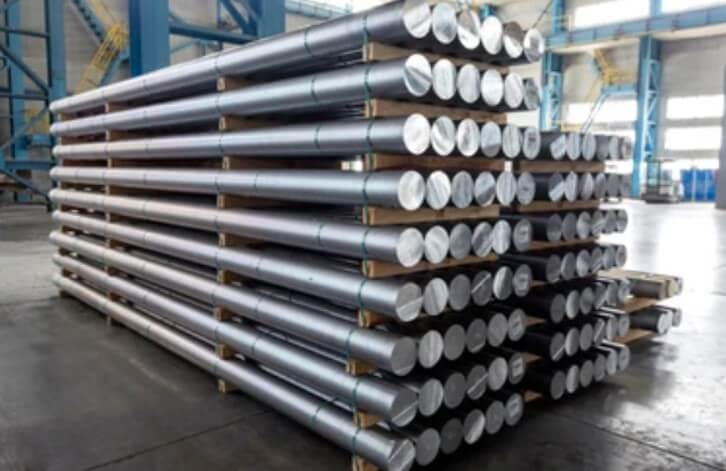
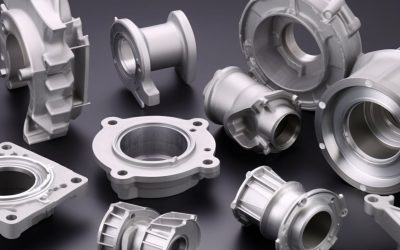
Cast Aluminum is found in everything from your car’s engine to the frying pan in your kitchen. It is an essential part of the manufacture of aircraft parts, patio furniture, LEDs, electronic cases, and heavy machinery. There are few metals that compare to aluminum in versatility.
But what makes cast aluminum an attractive material, and why would engineers and designers select cast aluminum over steel, cast iron, brass, or plastic? Essentially, it is lightweight, strong, resistant to corrosion, a great conductor of heat, and able to be cast into complex shapes at a reasonable price.
In this guide, we’ll talk about all the pros of cast aluminum, where it is better than the alternatives, methods of trykstøbning, and disadvantages, so you can make a choice.
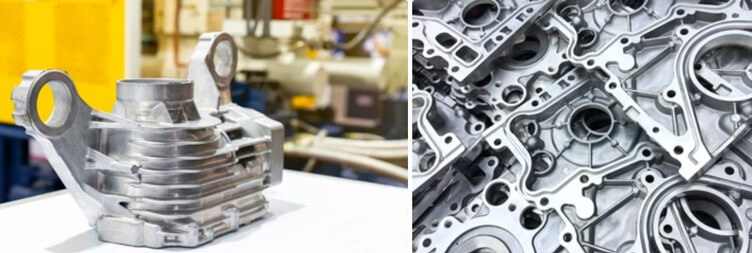
What Is Cast Aluminum? Define
Cast aluminum refers to the process of liquefying aluminum or aluminum alloy ingot and pouring or injecting the melted material into a mold until the metal cools off into the required shape. It contrasts with wrought aluminum, which is processed by rolling, extruding, and forging into sheets, bars, and sections.
Aluminum is a relatively soft material, which is why cast products are made of aluminum alloys. Some of the components that are used for improving fluidity, strength, hardness, and wear resistance include silicon, copper, and magnesium.
Common Aluminum Casting Methods
| Støbemetode | How It Works | Bedst til | Typical Production Volume |
| Sandstøbning | Molten metal poured into a sand mold | Large parts, prototypes, low volumes | Lav til middel |
| Die casting (high pressure) | Metal injected into a steel die at high pressure | Thin-walled, precise, high-volume parts | Høj |
| Permanent formstøbning | Metal poured into a reusable metal mold by gravity | Stronger parts with a good surface finish | Medium |
| Investeringsstøbning | Wax pattern coated in ceramic, then melted out | Intricate, high-precision components | Lav til middel |
| Low-pressure casting | Metal pushed up into the mold under low pressure | Wheels, structural parts | Middel til høj |
Each method offers different trade-offs in cost, precision, and mechanical performance, which is part of why cast aluminum suits so many applications.
Key Advantages of Cast Aluminum
1. Lightweight Yet Strong
The most cited advantage of cast aluminum is its low density. At roughly 2.7 g/cm³, aluminum weighs about one-third as much as steel (about 7.85 g/cm³) and cast iron (about 7.2 g/cm³).
This matters because less weight means:
- Better fuel efficiency in cars, trucks, aircraft, and boats
- Easier handling and installation of finished parts
- Lower shipping costs per unit
- Reduced structural load in buildings and machinery
Cast aluminum is not as strong as steel in absolute terms, but its strength-to-weight ratio is very good. A well-designed aluminum casting can deliver the needed performance at a fraction of the weight. That is why automakers use aluminum for engine blocks, cylinder heads, transmission housings, and wheels.
2. Fremragende korrosionsbestandighed
When exposed to air, aluminum forms a thin, tough layer of aluminum oxide on its surface. This layer is self-healing: if scratched, it re-forms almost immediately and protects the metal underneath.
As a result, cast aluminum:
- Does not rust the way iron and steel do
- Performs well outdoors, in humid conditions and in marine environments
- Needs little maintenance
- Can be further protected with anodizing, powder coating or painting
This makes it a popular choice for patio furniture, railings, gates, street lighting, boat fittings and architectural hardware. Note that rust is specific to iron-based metals. Aluminum can still corrode in highly acidic or alkaline environments, or when in contact with certain dissimilar metals.
3. Superior Thermal Conductivity
Aluminum transfers heat quickly. Casting alloys typically have thermal conductivity in the range of about 90 to 180 W/m·K, depending on the alloy, far higher than steel or cast iron.
Key Advantages of Cast Aluminum
1. Lightweight Yet Strong
The most cited advantages of cast aluminum is its low density. At roughly 2.7 g/cm³, aluminum weighs about one-third as much as steel (about 7.85 g/cm³) and cast iron (about 7.2 g/cm³).
This matters because less weight means:
- Better fuel efficiency in cars, trucks, aircraft, and boats
- Easier handling and installation of finished parts
- Lower shipping costs per unit
- Reduced structural load in buildings and machinery
Cast aluminum is not as strong as steel in absolute terms, but its strength-to-weight ratio is very good. A well-designed aluminum casting can deliver the needed performance at a fraction of the weight. That is why automakers use aluminum for engine blocks, cylinder heads, transmission housings, and wheels.
2. Fremragende korrosionsbestandighed
When exposed to air, aluminum forms a thin, tough layer of aluminum oxide on its surface. This layer is self-healing: if scratched, it re-forms almost immediately and protects the metal underneath.
As a result, cast aluminum:
- Does not rust the way iron and steel do
- Performs well outdoors, in humid conditions and in marine environments
- Needs little maintenance
- Can be further protected with anodizing, powder coating or painting
This makes it a popular choice for patio furniture, railings, gates, street lighting, boat fittings and architectural hardware. Note that rust is specific to iron-based metals. Aluminum can still corrode in highly acidic or alkaline environments, or when in contact with certain dissimilar metals.
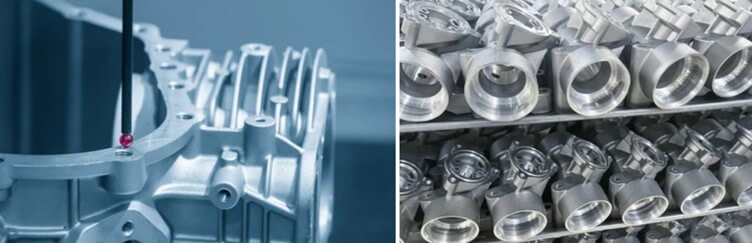
3. Superior Thermal Conductivity
Aluminum transfers heat quickly. Casting alloys typically have thermal conductivity in the range of about 90 to 180 W/m·K, depending on the alloy, far higher than steel or cast iron.
| Materiale | Approx. Thermal Conductivity (W/m·K) | Heat Distribution |
| Pure aluminum | ~237 | Fremragende |
| Aluminum casting alloys | ~90–180 | Meget god |
| Kobber | ~385–400 | Outstanding |
| Støbejern | ~45–55 | Moderat |
| Kulstofstål | ~45–55 | Moderat |
| Rustfrit stål | ~15–25 | Dårlig |
These values are approximate and vary by alloy and temperature, but the pattern holds. This property makes cast aluminum ideal for:
- Køkkengrej, which heats quickly and evenly with fewer hot spots
- Kølelegemer for LED lights, computers, and power electronics
- Motorkomponenter that must shed heat
- Heat exchangers and cooling housings
4. Design Flexibility and Complex Shapes
Casting lets manufacturers produce parts that would be expensive or impossible to machine from solid blocks. Molten aluminum flows well into detailed molds, so designers can create:
- Thin walls and intricate ribs
- Internal cavities and channels
- Integrated mounting points, bosses and threads
- Decorative patterns and textures
- Near-net-shape parts that need little finishing
Combining several components into one casting reduces assembly time, fasteners, weld joints,s and potential failure points. That improves reliability and cuts labor cost.
5. Cost-Effective Manufacturing
Aluminum has a relatively low melting point of about 660°C (1,220°F), compared with roughly 1,370–1,540°C for steel and iron. Lower melting temperatures mean:
- Less energy used per kilogram of metal melted
- Longer tool and mold life, particularly in die casting
- Faster cycle times in high-volume production
Because castings are close to their final shape, there is also less machining and less scrap. Tooling for die casting can be expensive upfront, but the per-part cost drops sharply at medium to high volumes. For low volumes, sand casting offers low tooling costs.
6. Recyclability and Sustainability
Aluminum is one of the most recyclable materials in common use, and it can be recycled repeatedly without significant loss of quality. Recycling aluminum takes only about 5% of the energy needed to produce primary aluminum from ore, an energy saving of roughly 95%.
For companies with sustainability targets, cast aluminum offers several benefits:
- Casting scrap, such as gates and runners, can be remelted and reused in-house
- End-of-life products have real scrap value
- A lighter product can reduce emissions over its life, particularly in transportation
- Recycled content can lower the carbon footprint of finished parts
7. Good Strength Across a Wide Range of Alloys
Casting alloys can be selected and heat treated to match the job. Some of the most widely used include:
| Legering | Common Casting Method | Vigtige karakteristika | Typiske anvendelser |
| A380 | Trykstøbning under højt tryk | Good fluidity, strength, and dimensional stability | Electronics housings, power tools, engine brackets |
| A356 (T6) | Sand, permanent mold | High strength, good ductility, weldable | Wheels, aerospace parts, pump housings |
| 319 | Sand, permanent mold | Good castability and strength at moderate temperatures | Engine blocks, cylinder heads |
| A413 | Trykstøbning | Fremragende tryktæthed | Hydraulic cylinders, valve bodies |
| A360 | Trykstøbning | Good corrosion resistance and strength | Marine hardware, thin-walled housings |
Heat treatments such as T5 and T6 can raise strength and hardness considerably, which widens the range of uses for cast aluminum parts.
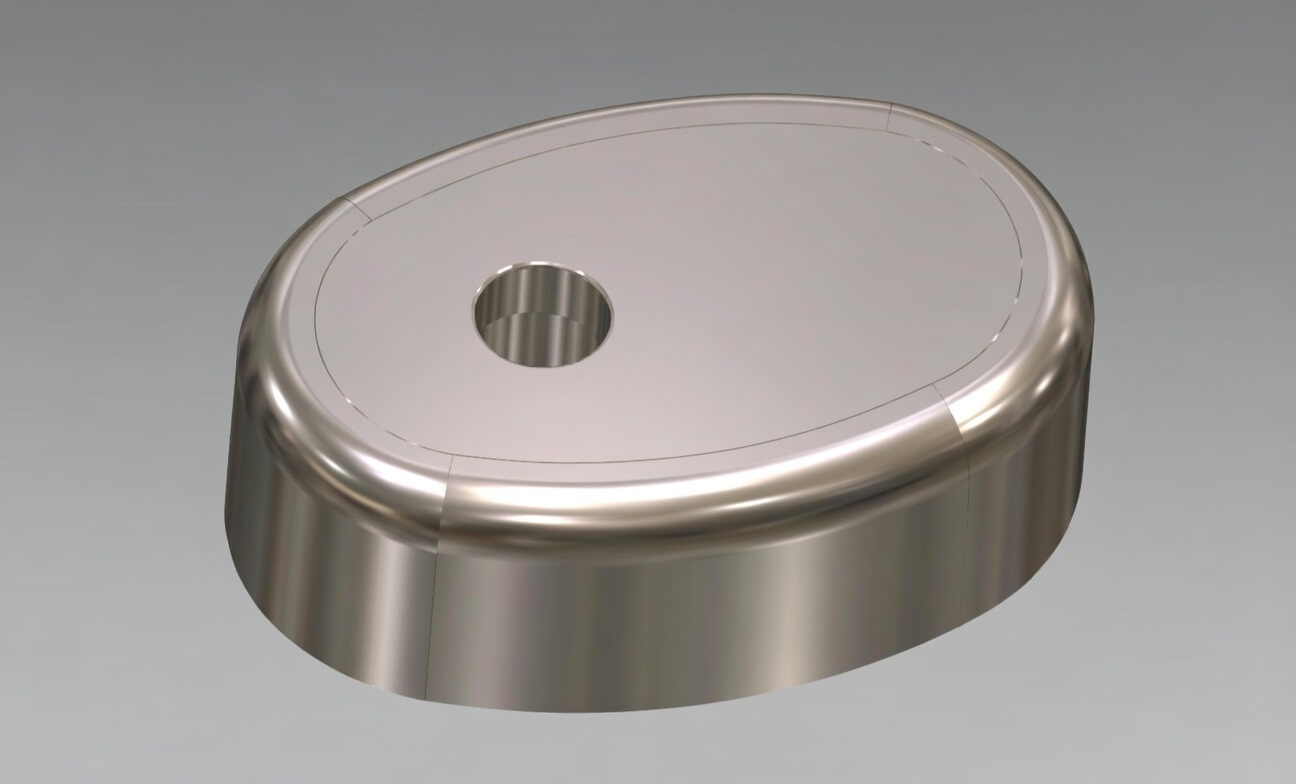
8. Non-Magnetic and Non-Sparking
Aluminum is non-magnetic, so it does not interfere with sensitive electronics, sensors, or medical imaging equipment. It is also non-sparking, which makes it useful in environments where flammable gases or dust are present. This suits it for enclosures, tools, and housings used in industrial and hazardous settings.
9. Attractive Appearance and Easy Finishing
Cast aluminum can be finished in many ways, giving manufacturers wide aesthetic choice:
- Pulverlakering in nearly any color
- Anodisering for a hard, durable, and decorative surface
- Polishing or brushing for a bright metallic look
- Painting or plating for branding and design purposes
- Teksturering directly in the mold
Cast aluminum can also imitate the look of traditional wrought or cast iron at a fraction of the weight, which is why it is common in decorative gates, lamp posts and outdoor furniture.
10. Electrical Conductivity
Although copper is the benchmark, aluminum conducts electricity well, particularly in relation to its weight. Cast aluminum is used in electrical housings, motor end bells, rotors,s and connectors where conductivity, low weight, and cost all matter.
11. Dimensional Stability and Precision
Die-cast aluminum parts hold tight tolerances and consistent dimensions across thousands or even millions of units. Their stability under changing temperatures and loads suits them for precision applications such as automotive transmissions, camera bodies, and telecommunications equipment.
12. Good Machinability
Most aluminum castings machine easily. They can be drilled, tapped, milled,d and turned quickly, with lower tool wear than steel or iron. This shortens finishing time and lowers production cost where secondary operations are needed.
Cast Aluminum vs. Other Materials
Comparing cast aluminum with its alternatives shows where it is strongest.
| Ejendom | Støbt aluminium | Støbejern | Stål | Plastik |
| Massefylde (g/cm³) | ~2.7 | ~7.2 | ~7.85 | ~0.9–1.5 |
| Vægt | Lys | Very heavy | Tungt | Very light |
| Modstandsdygtighed over for korrosion | Fremragende | Poor (rusts) | Poor to moderate (unless coated) | Fremragende |
| Termisk ledningsevne | Høj | Moderat | Moderat | Very low |
| Styrke | Moderate to high | High (compressive) | Meget høj | Low to moderate |
| Heat retention | Lav | Fremragende | Moderat | Dårlig |
| Genanvendelighed | Fremragende | God | God | Begrænset |
| Komplekse former | Fremragende | God | Limited by process | Fremragende |
| Cost per kg | Moderat | Lav | Low to moderate | Lav |
Cast Aluminum vs. Cast Iron
Cast iron is heavy, strong in compression, and retains heat well, which is why it is favored for traditional skillets and engine blocks that must absorb vibration. But cast aluminum is much lighter, heats faster, resists rust, and is easier to handle and transport. Where weight matters, aluminum usually wins. Where heat retention and vibration damping matter most, cast iron may still be preferred.
Cast Aluminum vs. Steel
Steel is stronger and stiffer, and it is the better choice for the highest-load structural parts. But steel is heavier and needs coatings to resist rust. For many applications, aluminum offers enough strength at much lower weight, with better corrosion resistance and easier forming.
Cast Aluminum vs. Plastic
Plastics are cheap and light, but cast aluminum offers better strength, heat resistance, thermal conductivity, durability,y and premium appearance. It also provides electromagnetic shielding, which plastic does not.
Ofte stillede spørgsmål
Is cast aluminum strong?
Yes. Cast aluminum offers a strong strength-to-weight ratio, and with the right alloy and heat treatment, it handles demanding uses such as engine components and aircraft fittings. It is generally not as strong as steel in absolute terms, but it is much lighter.
Does cast aluminum rust?
No. Rust is iron oxide and forms only on iron-based metals. Aluminum forms a protective oxide layer instead. It can still corrode in harsh chemical conditions, but it does not rust.
Is cast aluminum better than cast iron?
It depends on the application. Cast aluminum is lighter, corrosion-resistant, and heats faster. Cast iron retains heat better, absorbs vibration, and is stronger in compression. For weight-sensitive and outdoor uses, aluminum is usually the better option.
Is cast aluminum cookware safe?
Coated or anodized cast aluminum cookware is widely regarded as safe for everyday cooking. Keep the coating intact and follow the manufacturer’s usage guidelines.
Is cast aluminum recyclable?
Yes. It can be recycled repeatedly with little loss of quality, and recycling uses only about 5% of the energy needed to make new aluminum.
What is the difference between cast and wrought aluminum?
Cast aluminum is formed by pouring molten metal into a mold, which suits complex shapes. Wrought aluminum is mechanically worked into sheets, plates, bars, or extrusions and generally offers higher strength and ductility, but less shape complexity.
Kan støbt aluminium svejses?
Some alloys, such as A356, weld well. Many high-pressure die-cast alloys are difficult to weld because of trapped gases and porosity. Check the alloy before planning a welded assembly.
How long does cast aluminum last?
With normal use and basic care, cast aluminum products can last decades, especially when protected by anodizing, powder coating, or paint.
Konklusion
All the characteristics of Støbt aluminium work together to make it an important component of modern manufacturing processes. First, this metal is lightweight, anti-corrosive, thermally conductive, shape-adaptable, inexpensive, and highly recyclable. The variety of alloy compositions and casting methods allows choosing the optimal one for various applications, from cooking equipment to car engines.
However, there are still disadvantages such as weaker metal strength compared to steel and higher vulnerability to heat. Still, all these disadvantages can be eliminated by a proper choice of alloy composition and design. If you are looking for a material that combines all these characteristics, then cast aluminum is the best solution.
If you want to produce a new product or substitute another metal with heavier and rust-prone properties, then you should definitely consider using cast aluminum.
0 kommentarer